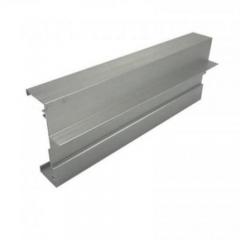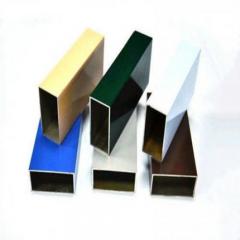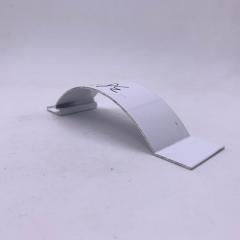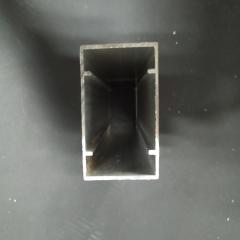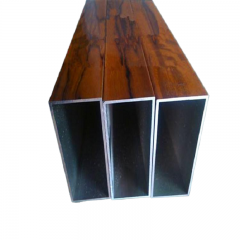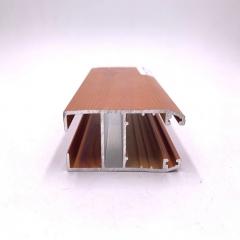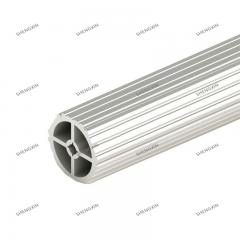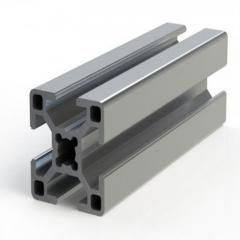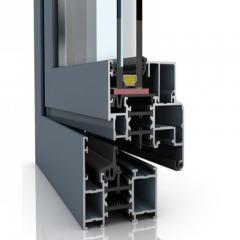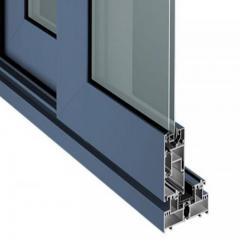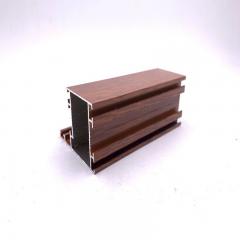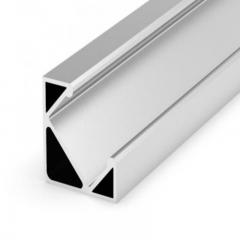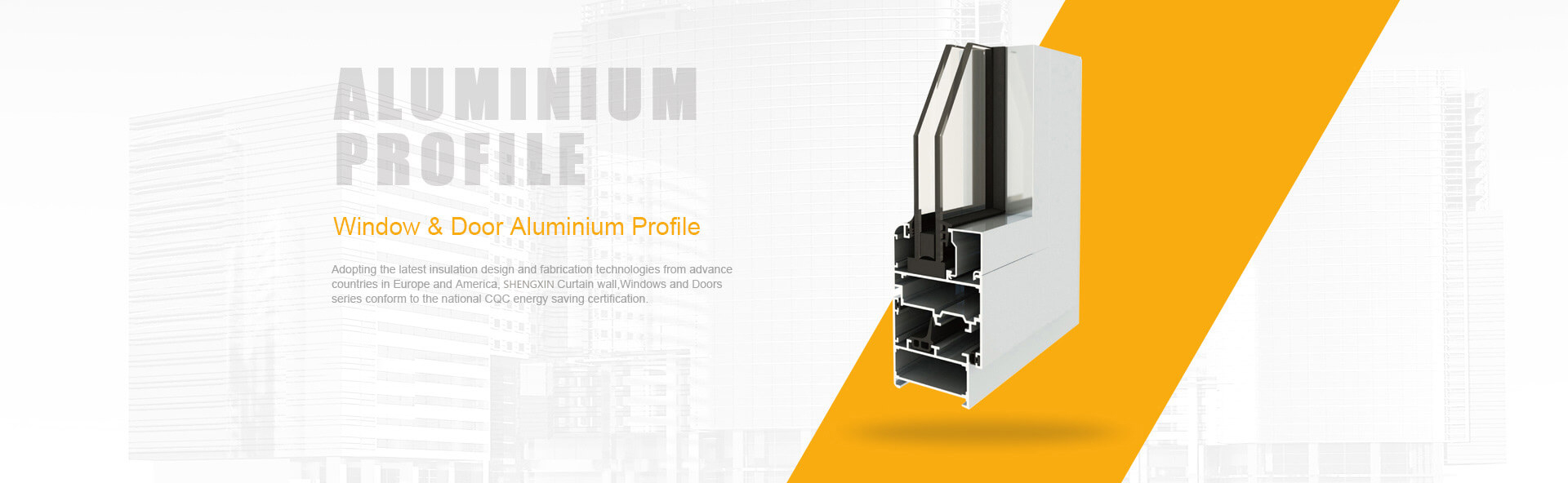
When you need an aluminum profile that simply does not exist in any catalog, you are entering the world of aluminum extrusion custom manufacturing. This specialized process transforms your unique design requirements into precisely engineered components, opening possibilities that standard off-the-shelf options cannot match.
Custom aluminum extrusion is the process of forcing heated aluminum alloy through a uniquely designed die to create a specific cross-sectional profile tailored to exact project specifications.
Unlike purchasing standard stock shapes, custom aluminum extrusions give you complete control over geometry, wall thickness, integrated features, and dimensional tolerances. This flexibility makes them essential for applications where generic profiles simply will not work.
Imagine squeezing toothpaste through a shaped nozzle. The aluminum extrusion process works similarly, but with far greater precision and extreme conditions. Here is how it unfolds:
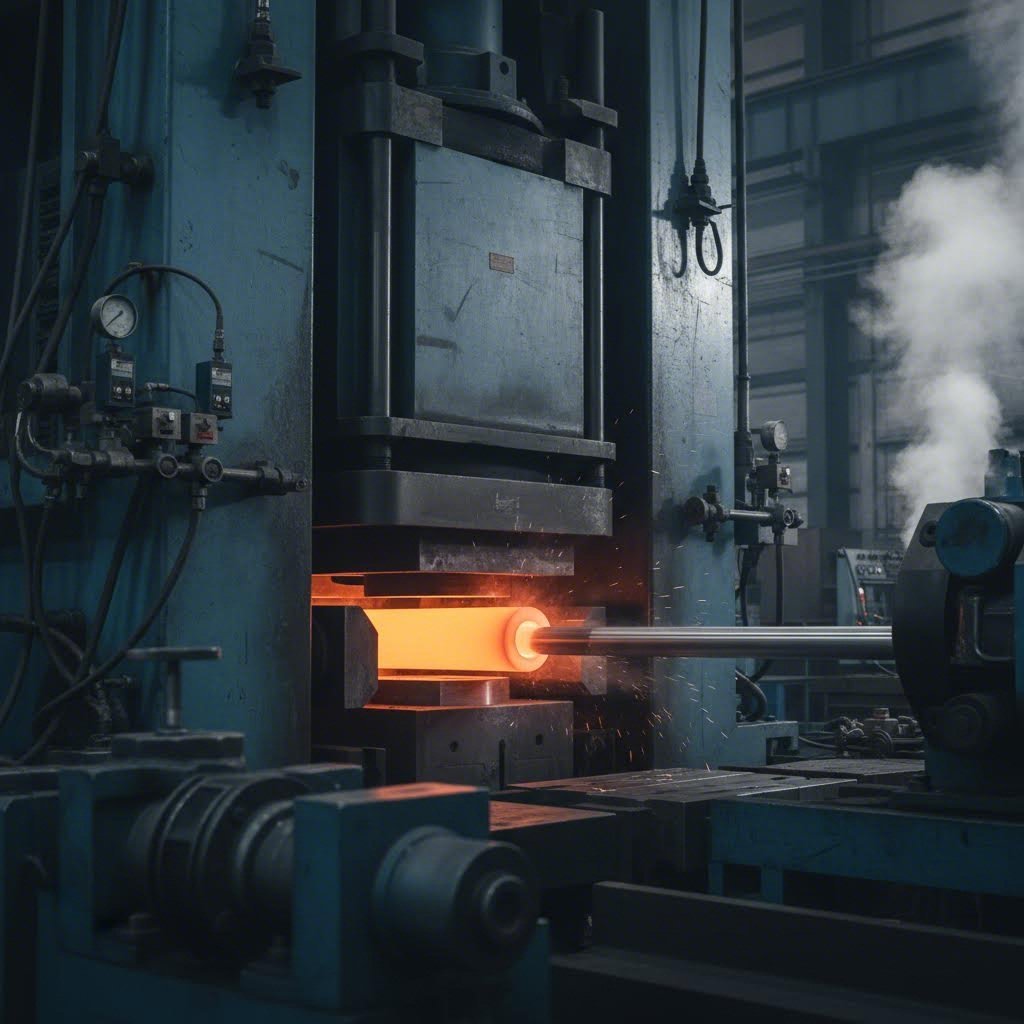
A cylindrical aluminum billet, typically weighing several hundred pounds, enters a specialized furnace where it heats to approximately 900°F. At this temperature, the metal remains solid but becomes soft enough to aluminum extrude through the die. A powerful hydraulic press then forces this heated billet against a hardened steel die, which contains the exact profile shape you specified.
As continuous pressure pushes the aluminum through the die opening, it emerges as a long, uniform aluminum profile with your custom cross-section. The emerging extrusion is then cut to manageable lengths, cooled through quenching, and stretched to eliminate any twisting. This process can create solid, hollow, or semi-hollow aluminum extrusion profiles in remarkably complex geometries.
Standard aluminium extrusion profiles work perfectly for basic applications. However, many engineering challenges demand something more specific. When does custom become necessary?
Custom aluminum extrusions involve higher initial tooling costs and longer lead times compared to standard profiles. However, for projects requiring unique shapes, tight tolerances, or high-volume production, the per-unit economics often favor the custom route. The key lies in understanding when your application truly demands a tailored solution versus when an existing profile will suffice.
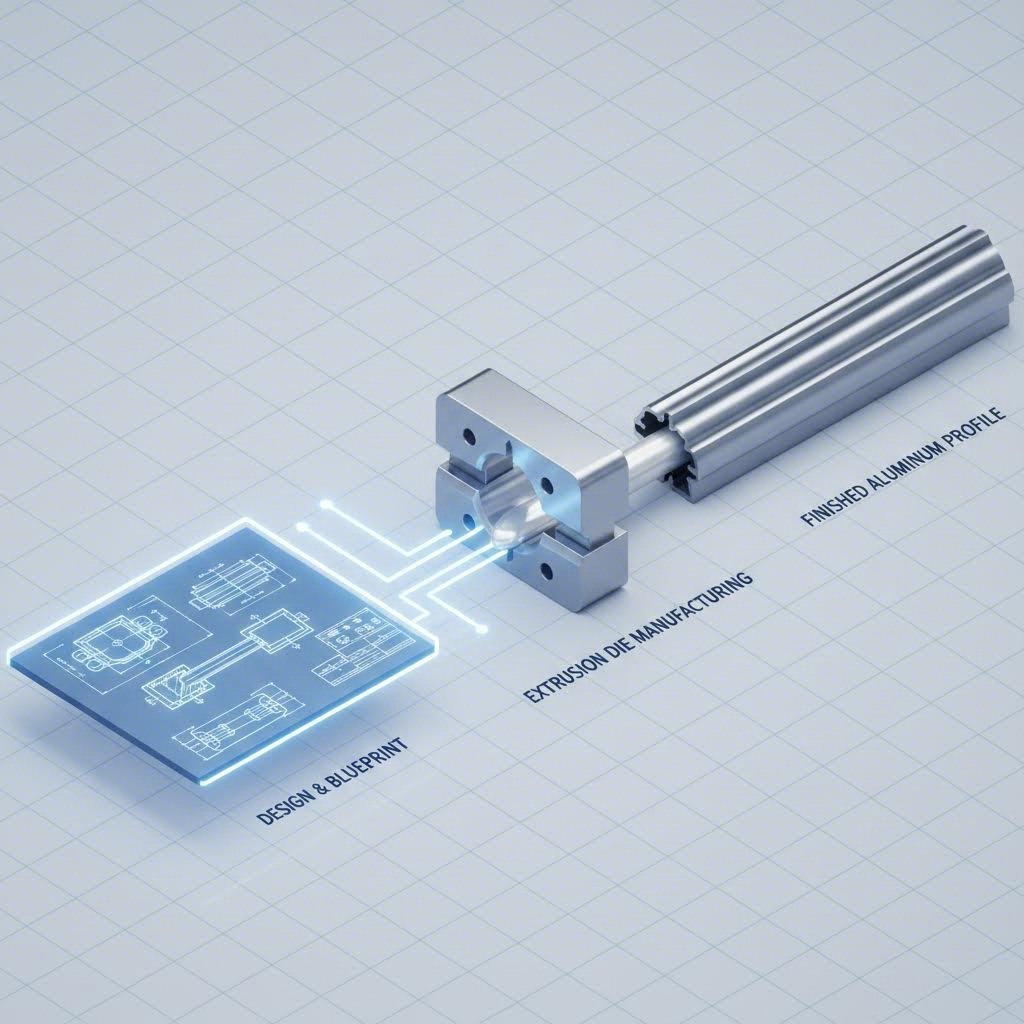
So you have a concept for a custom aluminum profile. What happens next? Understanding the complete workflow from initial sketch to finished extrusion products helps you plan timelines, prepare the right documentation, and avoid costly delays. Let's walk through each phase of the custom extrusion journey.
Every successful custom extrusion project begins with collaboration between your engineering team and the profile extrusion company. This initial consultation stage determines whether your design is manufacturable and identifies opportunities for optimization.
During the engineering review, experienced technicians evaluate your concept against practical extrusion constraints. They examine factors like wall thickness ratios, hollow sections, tongue ratios, and overall cross-sectional complexity. A profile that looks perfect on screen may require adjustments to extrude reliably and repeatedly.
What should you prepare before requesting a quote? Having the right documentation accelerates this process significantly:
Design enhancements often emerge during this review. Adding ribs can improve structural integrity. Integrating screw bosses or mounting channels directly into the profile eliminates secondary machining. These modifications reduce lead times and per-unit costs while improving the final product.
The aluminum extrusion die is the heart of your custom project. This hardened steel disk, typically made from H13 tool steel, contains the exact profile shape through which heated aluminum will flow. Quality die development directly determines the consistency and precision of your extrusion profiles.
Creating an aluminium extrusion die involves precision machining based on your approved drawings. The die design accounts for metal flow dynamics, thermal expansion, and the specific alloy characteristics. Complex profiles with hollow sections require multi-piece dies with internal mandrels.
Before production begins, the die undergoes preheating to 450-500°C. This critical step serves two purposes: it ensures even metal flow during extrusion and maximizes die longevity. A properly conditioned die can produce thousands of feet of consistent aluminum profile extrusion before requiring maintenance or replacement.
Once your die is approved and installed, the actual extrusion production follows a precise sequence. Understanding these steps helps you anticipate lead times and quality checkpoints:
Quality control measures extend throughout every stage. Dimensions, surface conditions, and mechanical properties are checked against stringent standards. Advanced inspection techniques ensure each extrusion meets or exceeds your requirements before packaging and shipment.
Typical lead times vary based on project complexity. Simple dies may require 2-4 weeks for development, while complex hollow profiles need longer. Production runs following die approval generally take 1-3 weeks depending on volume and secondary processing requirements.
With the process workflow now clear, the next critical decision involves selecting the right aluminum alloy for your specific application requirements.
Choosing the right aluminum alloy might be the most consequential decision in your custom extrusion project. The alloy you select determines everything from structural performance to surface finish quality, yet many engineers approach this choice without fully understanding the differences. Let's break down the most common aluminum extrusion profile options so you can make an informed selection.
When you see sleek window frames, decorative trim, or polished furniture components, you're likely looking at 6063 aluminum. This alloy has earned its reputation as the go-to choice for extruded aluminum profiles requiring excellent surface appearance and complex geometries.
What makes 6063 special? Its chemical composition, containing approximately 0.4% silicon and 0.7% magnesium, creates an ideal balance for extrusion processing. The metal flows smoothly through intricate die shapes, emerging with surfaces ready for anodizing or other finishing treatments. According to industry specifications, 6063 offers tensile strength around 241 MPa in the T6 temper, which provides adequate strength for most architectural and decorative applications.
The alloy truly shines in several key areas:
Aluminum profiles made from 6063 dominate applications including window and door frames, curtain wall systems, handrails, furniture components, and decorative aluminum extruded profiles where visual appeal matters as much as function.
Sounds straightforward so far? Here's where many projects go wrong. Engineers sometimes default to 6061 assuming stronger is always better, or choose 6063 without considering structural demands. Understanding when each alloy excels prevents costly mistakes.
6061 aluminum contains higher concentrations of alloying elements, approximately 30-50% more magnesium and silicon than 6063. This composition delivers significantly greater strength but creates tradeoffs in other areas. In the T6 temper state, 6061 achieves tensile strength around 310 MPa compared to 6063's 241 MPa.
The following comparison table helps clarify which aluminium extruded profile alloy suits your specific requirements:
| Property | 6063-T6 | 6061-T6 | Practical Implication |
|---|---|---|---|
| Tensile Strength | 241 MPa (35,000 psi) | 310 MPa (45,000 psi) | 6061 handles heavier structural loads |
| Yield Strength | 214 MPa (31,000 psi) | 276 MPa (40,000 psi) | 6061 resists permanent deformation better |
| Brinell Hardness | 73 | 95 | 6061 provides better wear resistance |
| Thermal Conductivity | 200 W/m-K | 170 W/m-K | 6063 dissipates heat more effectively |
| Extrudability | Excellent | Good | 6063 achieves finer details and thinner walls |
| Surface Finish Quality | Excellent | Good | 6063 anodizes more uniformly |
| Typical Applications | Architectural trim, frames, furniture | Structural components, machine parts, transport | Match alloy to primary performance requirement |
Beyond these two workhorses, other alloys serve specialized needs. The 5XXX series offers superior corrosion resistance for marine environments. High-strength 7XXX series alloys support aerospace and military applications where weight savings justify higher costs. However, these specialized aluminum extruded options typically involve longer lead times and higher minimum order quantities.
When making your selection, consider these decision-making guidelines:
Remember that alloy selection also affects cost. 6063 is more commonly stocked and typically less expensive than 6061. If your application can work with either alloy, 6063 often provides better value while still delivering excellent performance for most extruded profiles.
With the right alloy selected, the next consideration involves surface treatments that protect your profiles and enhance their appearance for the intended environment.
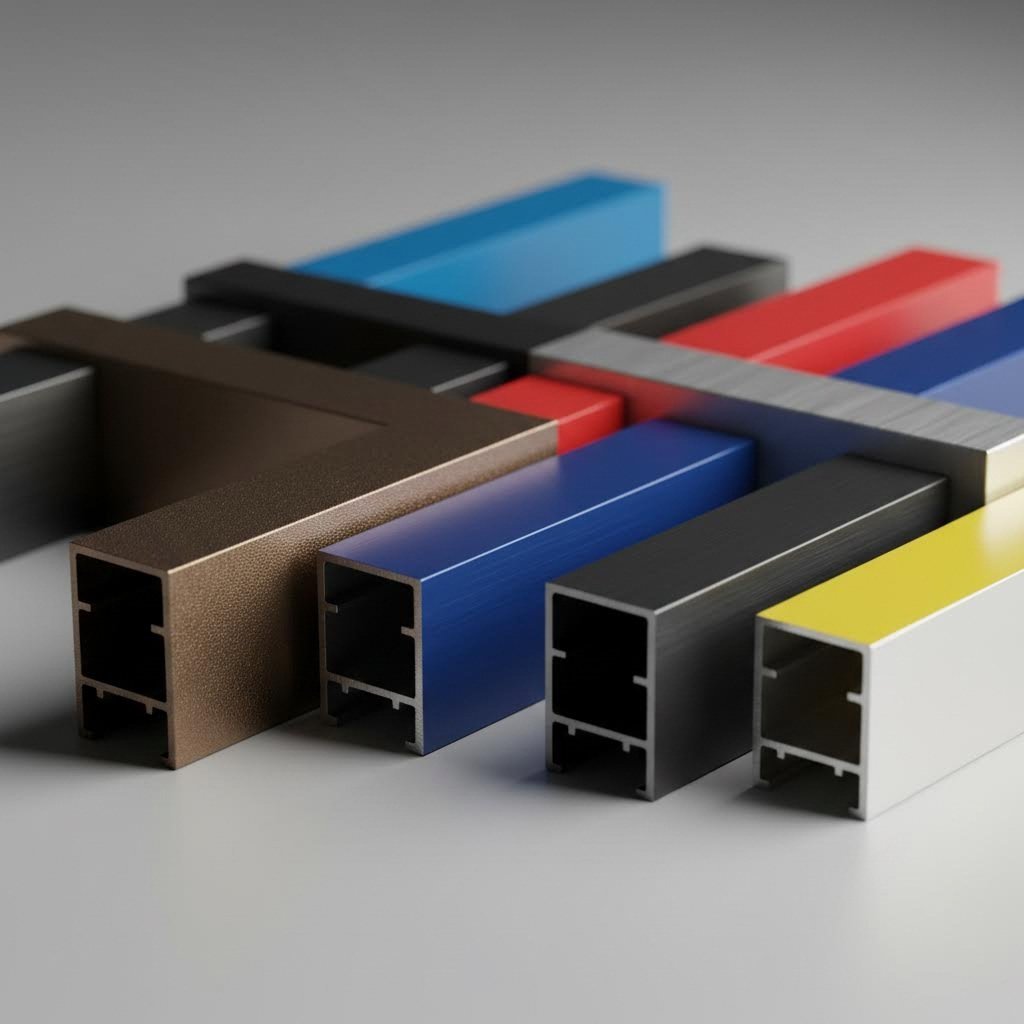
You have selected the perfect alloy and finalized your profile geometry. Now comes a decision that profoundly affects how your aluminum extrusion trim performs over its lifetime: surface treatment. While raw aluminum naturally forms a thin protective oxide layer, this passive film is far too fragile for most real-world applications. The right finish transforms your extruded aluminum trim from vulnerable metal into a durable, aesthetically pleasing component ready for decades of service.
Yet here's where many projects stumble. Specifications often read "anodized finish" or "powder coated" without explaining why one option outperforms another in specific conditions. Let's change that by examining each major finish type, their genuine advantages, and the tradeoffs you need to consider.
Anodizing is fundamentally different from paint or coating. Rather than adding a layer on top of the aluminum, this electrochemical process transforms the metal's surface into aluminum oxide, a ceramic material that becomes an integral part of the profile itself. Imagine the protective layer growing from within the metal rather than being applied externally.
The process submerges your aluminium extrusion trim in an acid bath while passing electric current through it. This controlled oxidation creates a super-hard, corrosion-resistant layer that cannot chip, flake, or peel like conventional coatings. According to industry research, properly anodized surfaces rank just below diamond on the Mohs hardness scale for hardcoat applications.
Two primary anodizing types serve different purposes:
What makes anodizing particularly attractive for bespoke aluminium extrusion projects? The finish preserves the metallic appearance while adding protection. Clear anodizing showcases the natural aluminum luster, while colored options integrate the dye permanently into the oxide structure. Unlike paint, these colors become part of the metal surface and resist fading under UV exposure for 10-20 years under normal conditions.
However, anodizing has limitations. Color options remain more restricted than paint systems, and achieving perfectly consistent colors across large production runs requires precise process control. The finish also provides limited protection against strong alkaline chemicals, which can attack the oxide layer.
When your project demands unlimited color options or superior protection against specific environmental threats, applied coatings become the answer. Two technologies dominate: powder coating and PVDF liquid paint. Understanding their differences prevents costly mismatches between finish and application.
Powder Coating: This process electrostatically charges dry powder particles and sprays them onto grounded aluminum parts. The coated profiles then enter a curing oven where the powder melts and flows into a smooth, durable film. The result is a tough finish that resists chipping, scratching, and fading.
Powder coating shines in several areas. The technology offers virtually unlimited colors, textures, and special effects, from high-gloss metallics to matte textured finishes. It contains no solvents, making it environmentally friendly. For flextrude aluminum shapes requiring unique aesthetic treatments, powder coating delivers creative flexibility that anodizing cannot match.
The coating adheres well and provides good outdoor durability, typically lasting 10-15 years in moderate climates. However, under intense UV exposure or extreme weather, powder coatings may chalk, fade, or lose adhesion faster than premium alternatives.
PVDF (Polyvinylidene Fluoride): When architects specify "Kynar 500" finishes for building facades, they mean PVDF coatings. This high-performance liquid paint system represents the gold standard for exterior applications exposed to harsh conditions.
PVDF coatings deliver exceptional weather resistance, maintaining color stability and gloss retention for 25-30 years even under intense UV radiation. According to industry comparisons, PVDF outperforms powder coating in salt spray resistance, making it essential for coastal installations and marine environments.
The tradeoff? PVDF costs more than powder coating and requires specialized application facilities. Color options, while extensive, may involve longer lead times for custom formulations. For bespoke aluminium profiles destined for interior use or moderate outdoor exposure, PVDF's premium performance often exceeds actual requirements.
Some applications push beyond what conventional finishes can handle. Extreme wear, aggressive chemical environments, or specialized functional requirements call for advanced surface treatments that standard options cannot address.
Micro-Arc Oxidation (MAO): This technology, also known as plasma electrolytic oxidation, takes anodizing to extreme levels. The process generates high-voltage plasma discharges at the aluminum surface, creating dense ceramic coatings with remarkable properties.
MAO coatings on aluminum can achieve hardness levels up to 2500 HV, far exceeding standard hardcoat anodizing. According to research published in Coatings journal, these ceramic layers significantly enhance wear resistance while improving corrosion protection. The process reduces wear rates to 3.00-5.00 × 10⁻⁶ mm³/N·m and maintains stable friction coefficients even at elevated temperatures.
When does MAO make sense? Consider it for components facing severe abrasion, high-temperature exposure, or environments where conventional finishes fail. Industrial equipment, aerospace parts, and specialized machinery benefit from this advanced treatment.
Other specialty options include:
The following comparison helps match finish types to your specific application requirements:
| Finish Type | Durability | Color Options | Relative Cost | Best Applications |
|---|---|---|---|---|
| Type II Anodizing | 10-20 years outdoor | Limited palette, metallic look | Low-Medium | Architectural frames, electronics, furniture |
| Type III Hardcoat | Extreme wear resistance | Dark colors only | Medium | Mechanical parts, pistons, high-wear components |
| Powder Coating | 10-15 years outdoor | Unlimited colors and textures | Low-Medium | Interior/moderate exterior, custom aesthetics |
| PVDF Coating | 25-30 years outdoor | Extensive, custom available | High | Building facades, coastal/harsh environments |
| Micro-Arc Oxidation | Exceptional ceramic hardness | Limited, typically gray/white | Very High | Extreme wear, high-temperature, specialty industrial |
Making the right finish selection requires honest assessment of your application environment. Indoor decorative profiles rarely need PVDF's premium protection. Meanwhile, coastal curtain wall systems would be poorly served by standard powder coating. Match the finish to actual exposure conditions, performance requirements, and budget constraints.
With surface treatment options now clear, the next consideration involves understanding the design parameters that influence whether your custom profile can actually be manufactured efficiently and economically.
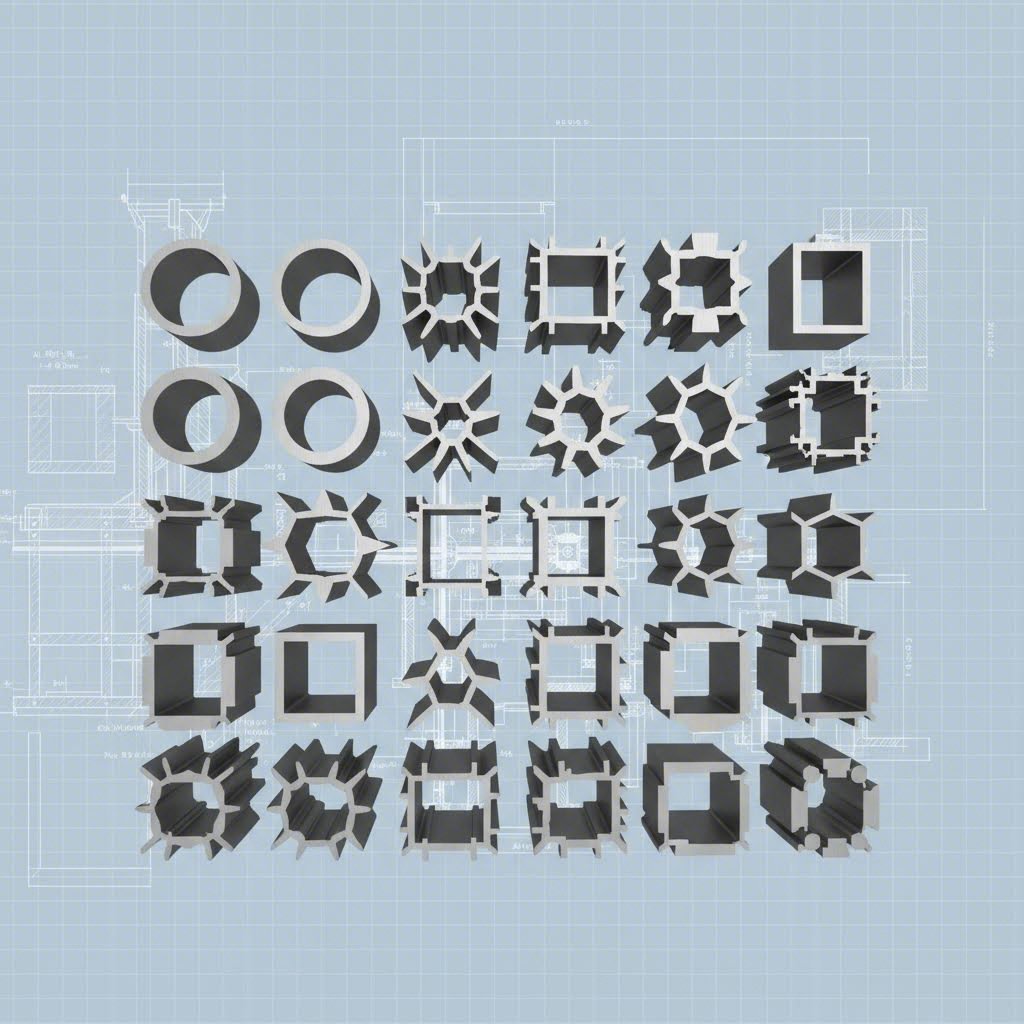
You have finalized your alloy choice and selected the perfect surface treatment. But here's a reality check that catches many engineers off guard: not every design that looks good on screen can actually be extruded. The relationship between profile geometry, wall thickness, and press capabilities creates boundaries that determine whether your aluminum extrusion custom project succeeds or requires costly redesigns.
Understanding these manufacturability constraints before finalizing your design prevents frustrating delays and unexpected tooling revisions. Let's examine the technical parameters that separate producible profiles from problematic ones.
Wall thickness represents one of the most critical decisions in aluminum extrusion shapes design. Go too thin, and the die cannot maintain stable metal flow. Go unnecessarily thick, and you waste material while increasing weight and cost. The sweet spot depends on your profile's overall size, measured by its circumscribing circle diameter.
What exactly is a circumscribing circle? Imagine drawing the smallest possible circle that completely encloses your profile's cross-section. This diameter, often abbreviated as CCD, determines which press can produce your extrusion and establishes minimum wall thickness requirements.
According to Bonnell Aluminum's technical guidelines, minimum practical wall thicknesses vary significantly based on profile size and shape classification:
| Circumscribing Circle (inches) | Solids & Semihollows | Class 2 Hollows |
|---|---|---|
| 0.5 to under 2 | 0.040" | 0.055" |
| 2 to under 3 | 0.045" | 0.062" |
| 3 to under 4 | 0.050" | 0.078" |
| 4 to under 5 | 0.062" | 0.094" |
| 5 to under 6 | 0.078" | 0.110" |
| 6 to under 8 | 0.094" - 0.110" | 0.125" - 0.140" |
| 8 to under 10 | 0.125" - 0.140" | 0.156" - 0.188" |
| 10 to under 13 | 0.156" - 0.188" | 0.204" - 0.236" |
Notice how hollow shapes require thicker walls than solid profiles at every size? The internal mandrel supporting the void creates additional friction and flow resistance, demanding more metal mass to ensure complete die filling.
Here's a crucial design principle many engineers overlook: adjacent wall thickness ratios greater than 2:1 should be avoided. When thick and thin sections meet abruptly, the aluminum flows unevenly through the die. This creates dimensional instabilities, surface defects, and internal stresses that compromise profile precision extrusions quality. Where different thicknesses must connect, use generous radii and tapered transitions to ease metal flow.
Aluminum extrusion offers remarkable geometric freedom, but certain shapes challenge even experienced die makers. Understanding shape classifications helps you design extruded shapes that balance complexity with manufacturability.
Profiles fall into three categories based on their geometry:
The tongue ratio presents another manufacturability constraint. When your design includes fins, ribs, or projections extending from the main body, their width-to-height relationship affects die strength and metal flow. Deep, narrow tongues create weak die sections prone to deflection or breakage. According to Aluminum Extruders Council guidelines, reducing tongue ratios by redesigning profile geometry improves extrudability and lowers costs.
What about small aluminum extrusions with intricate details? Miniature profiles with CCDs under 2 inches can achieve wall thicknesses as thin as 0.040 inches for solid shapes. However, extremely small features become increasingly difficult to fill completely, potentially leaving voids or incomplete sections. Discuss minimum feature sizes with your extrusion partner before finalizing designs requiring fine details.
Every manufacturing process has inherent variability, and aluminum extrusion is no exception. Understanding achievable tolerances prevents specifying requirements that drive up costs or prove impossible to maintain consistently.
Standard dimensional tolerances published by the Aluminum Association cover metal dimensions, space dimensions, straightness, twist, and flatness. For most commercial applications, these standard tolerances provide adequate precision. However, when your design demands tighter control, several factors influence what's achievable:
Press tonnage directly affects what profiles you can produce. Larger presses generate more force, enabling bigger circumscribing circles and thicker walls. According to industry specifications, most common profiles under 12 inches CCD extrude economically on widely available press sizes. Extrusions approaching 16 inches or larger require specialized high-tonnage equipment that fewer facilities operate.
The die difficulty factor offers another useful metric: divide your profile's cross-sectional area by its total perimeter. Lower factors indicate easier extrusion, while higher factors mean more resistance to metal flow. This ratio helps predict whether your extrusion shapes will break out smoothly or require excessive press pressure.
When preparing your design for quoting, consider these key factors that affect both cost and quality:
Sounds complex? Your extrusion partner's engineering team can evaluate your design against these parameters during the quotation process. Providing complete drawings with dimensional requirements upfront enables them to identify potential issues and suggest modifications that improve manufacturability while preserving your functional requirements.
With design parameters now understood, the next essential consideration involves the cost factors and lead times that shape your project budget and schedule.
You have designed an optimized profile, selected the right alloy, and specified appropriate tolerances. Now comes the question every procurement professional asks: what will this actually cost, and when can we expect delivery? Understanding the economics of custom extrusions helps you budget accurately, negotiate effectively, and determine whether custom manufacturing makes financial sense for your project.
Unlike purchasing stock aluminum extrusions from a catalog, custom projects involve upfront investments and variable cost components that require careful planning. Let's break down each factor so you can approach your project with realistic expectations.
The aluminum extrusion dies represent your most significant upfront investment. This one-time cost creates the hardened steel tooling that shapes every profile in your production run, so understanding what drives die pricing helps you plan your initial budget accurately.
According to Gabrian International's cost analysis, tool costs for aluminum extrusion tooling used in normal architectural and industrial applications typically range from $400 to $1,000. However, large aluminum extrusions requiring 2,000-4,000 ton presses can push die costs as high as $2,000 or more.
What factors influence where your die falls within this range?
Here's encouraging news for ongoing production relationships: many manufacturers refund tool costs if you purchase a stipulated quantity within two years. Additionally, most extrusion companies do not charge for replacement tooling after the die reaches its service life, provided orders continue. This effectively amortizes your initial investment across higher production volumes.
Minimum order quantities often surprise first-time custom extrusion buyers. Why can't you simply order 50 feet of a custom profile? The economics of press operation, die setup, and quality verification create practical floors below which production becomes uneconomical.
As KMC Aluminium explains, several legitimate factors drive MOQ requirements:
The aluminum extrusion cost per unit drops significantly as volume increases. This occurs partly because fixed costs spread across more pieces, but also because continuous production runs more efficiently than frequent startups and changeovers. When comparing quotes, ask about price breaks at different quantity levels to understand how volume affects your unit economics.
Beyond tooling and production costs, consider these additional factors that influence total project expense:
Planning your production schedule requires understanding the three distinct phases that determine total lead time from order placement to delivery.
Tooling lead time covers die design and manufacturing before any extrusion occurs. According to industry sources, normal tool turnaround runs 3-4 weeks, with production following within a week of sample approval. Complex dies with intricate geometries may require additional time.
Extrusion lead time depends on production scheduling and sample approval processes. Once your die is ready, the manufacturer must fit your order into their press schedule. The die undergoes trial runs to verify dimensional compliance, and you typically approve samples before full production begins.
Fabrication lead time adds additional days or weeks when secondary operations are required. Cutting, drilling, machining, anodizing, and powder coating each add processing time. Orders requiring multiple finishing steps may need several weeks beyond extrusion completion.
When does custom extrusion make economic sense versus alternatives? Consider custom profiles when:
Conversely, stock aluminum extrusions often prove more economical for prototyping, low-volume applications, or projects where standard shapes adequately meet requirements. The break-even point varies by profile complexity and volume, so request quotes for both custom and standard alternatives when either approach could work.
With cost and timeline factors now clear, understanding how custom aluminum profiles perform across different industries helps you envision possibilities for your specific application.

Now that you understand the technical parameters, costs, and timelines involved in aluminum extrusion custom projects, you might be wondering: what can these profiles actually do? The answer spans virtually every manufacturing sector. From the window frames in modern skyscrapers to the heat sinks cooling your computer's processor, custom aluminum profiles solve engineering challenges that standard shapes simply cannot address.
Let's explore how different industries leverage aluminum extrusion parts to create solutions that would be impossible or impractical with off-the-shelf components.
Walk through any contemporary commercial building, and you're surrounded by extruded aluminum products. The sleek window frames, expansive curtain wall systems, and elegant door assemblies that define modern architecture rely heavily on custom aluminum profiles engineered for specific structural and aesthetic requirements.
Why does architecture demand so many unique extrusions? Each building presents distinct challenges:
The 6063 alloy dominates architectural applications because it accepts anodizing beautifully, resists corrosion without additional treatment, and extrudes into the complex geometries that modern designs demand. Architects specify custom profiles knowing these aluminum extrusion rails and frames will maintain their appearance for decades with minimal maintenance.
Step onto any manufacturing floor, and you'll find aluminum profiles forming the backbone of production equipment. Industrial applications prioritize function over aesthetics, demanding profiles optimized for strength, precision assembly, and adaptability.
According to Vention's industrial hardware specifications, T-slot aluminum extrusions serve as the foundation for everything from workstations and carts to robot cells and automated equipment. The modular nature of these systems enables rapid reconfiguration as production needs evolve.
Common industrial applications include:
Industrial profiles typically use 6061 alloy when higher strength matters more than surface finish quality. The ability to machine, drill, and tap these aluminium extrusion parts without specialized tooling simplifies fabrication and enables field modifications as requirements change.
Some of the most innovative aluminum extrusion applications solve thermal, electromagnetic, or environmental challenges that other manufacturing methods cannot address economically. These specialty profiles demonstrate the unique extrusions possible when engineers fully exploit aluminum's properties.
Heat sink applications showcase aluminum extrusion's thermal management capabilities. As BRT Extrusions explains, aluminum's excellent thermal conductivity, combined with the extrusion process's ability to create intricate fin structures, makes it ideal for cooling electronic devices. The extrusion process enables heat sinks with:
Electronics manufacturers specify extruded heat sinks for everything from computer processors and graphics cards to LED lighting fixtures and power electronics. The automotive industry relies on these profiles for engine control units, power modules, and increasingly, electric vehicle battery thermal management systems.
Enclosure applications protect sensitive electronics from environmental threats while managing heat and providing electromagnetic shielding:
The transportation sector represents another major consumer of custom extruded aluminum products. Rail vehicles use extensive aluminum extrusion rails and structural profiles to reduce weight while maintaining crashworthiness. Aerospace applications leverage high-strength alloys for seat tracks, cargo handling systems, and interior components where every pound saved translates to fuel efficiency.
What makes custom profiles the right solution for these diverse applications? In each case, the ability to optimize geometry for specific functional requirements delivers advantages that standard shapes cannot match. A heat sink designed exactly for your component's thermal envelope outperforms generic alternatives. An enclosure with integrated features eliminates assembly operations. A structural frame with precisely positioned mounting points reduces fabrication time and improves final product quality.
Having seen how custom aluminum profiles perform across industries, the next step involves understanding how to evaluate potential suppliers who can transform your designs into production-ready components.
You have designed your profile, selected alloys and finishes, and understand the costs involved. Now comes a decision that ultimately determines your project's success: choosing the right manufacturing partner. Not all aluminum extrusion companies offer equal capabilities, and mismatches between your requirements and a supplier's actual capacity lead to quality issues, missed deadlines, and budget overruns.
What separates capable custom aluminum extrusion suppliers from those who struggle with complex projects? The answer lies in systematically evaluating equipment, quality systems, and service integration. Let's examine the criteria that matter most when selecting your extrusion partner.
The extrusion press defines what profiles a supplier can actually produce. When evaluating custom aluminum extruders, understanding their press capacity range reveals whether they can handle your specific project requirements.
According to industry evaluation guidelines, press capacities serve different profile categories:
Why does press range matter beyond just accommodating your current project? A supplier operating multiple press capacities maintains flexibility when your production volumes change or when you develop new products requiring different profile sizes. For example, Shengxin Aluminium operates 35 extrusion presses ranging from 600T to 5500T, enabling them to match optimal press capacity to each profile's requirements while maintaining production flexibility across diverse project types.
Beyond extrusion capability, evaluate secondary processing equipment carefully. Profile custom extrusions rarely ship directly from the press. Most applications require cutting, drilling, machining, or bending before profiles become finished components. Ask potential suppliers about:
A supplier with integrated deep processing services delivers finished or semi-finished components directly to your assembly line, eliminating coordination between multiple subcontractors.
Certifications provide objective evidence of a supplier's commitment to process control and consistent quality. When evaluating aluminum extrusion services, look for these essential credentials:
Beyond certifications, assess actual quality control capabilities. As industry experts note, key quality checks for procurement teams include:
Technical support quality often separates excellent custom profile extrusion partners from adequate ones. Capable suppliers provide Design for Manufacturability (DFM) feedback on your drawings, offer feasibility and cost optimization suggestions, and share inspection photos and reports before shipment. This proactive communication prevents problems rather than reacting after defects occur.
The most capable custom aluminum extrusions suppliers manage the complete manufacturing chain under one roof. Integration reduces transportation between subcontractors, prevents handling damage, and shortens lead times while ensuring batch consistency.
Consider this scenario: your extrusion requires anodizing and precision drilling. With an integrated supplier, the profile moves directly from press to surface treatment to machining within the same facility. Quality teams maintain control throughout, and a single point of contact manages your entire order. With fragmented suppliers, your profile ships between multiple facilities, introducing handling damage risks and communication gaps at each handoff.
When assessing end-to-end capabilities, evaluate surface treatment options carefully. Comprehensive suppliers offer multiple finishing technologies:
Use this comprehensive checklist when evaluating potential suppliers:
| Evaluation Category | Key Questions to Ask | Why It Matters |
|---|---|---|
| Press Capacity | What is your press tonnage range? How many presses operate? | Determines profile size capability and production flexibility |
| Die Capabilities | Do you manufacture dies in-house or outsource? | In-house die shops resolve problems faster and maintain tighter control |
| Alloy Management | Which alloys do you stock? Can you provide material certifications? | Confirms material traceability and availability |
| Secondary Processing | What CNC machining, cutting, and fabrication do you offer? | Integrated processing reduces lead time and handling |
| Surface Treatments | Which finishing options are available in-house? | Comprehensive options under one roof ensure consistency |
| Quality Systems | What certifications do you hold? Can you provide CMM reports? | Documents process control and enables quality verification |
| Technical Support | Will engineers review my design for manufacturability? | Proactive DFM feedback prevents costly production issues |
| Lead Time Reliability | How do you manage production scheduling? Use ERP systems? | Systematic planning delivers more consistent delivery performance |
| Communication | Will you share inspection photos and progress updates? | Transparency builds trust and catches issues early |
For projects requiring comprehensive capabilities, manufacturers like Shengxin Aluminium exemplify the integrated approach. Their facility combines 35 extrusion presses with CNC machining centers and complete surface treatment options including anodizing, powder coating, PVDF, and micro-arc oxidation. This end-to-end capability from die development through finished components provides the single-source accountability that complex projects demand.
Remember that evaluating aluminum extrusion companies requires more than comparing quoted prices. By analyzing equipment capabilities, quality systems, processing integration, and technical support depth, you identify partners who deliver consistent results, minimize rework rates, and meet your delivery timelines reliably.
With supplier evaluation criteria now clear, the final step involves preparing your project for a successful launch with the right manufacturing partner.
You have journeyed through the complete landscape of custom aluminum extrusion, from understanding the fundamental process to evaluating capable suppliers. Now it's time to translate that knowledge into action. Whether you're developing architectural profiles, industrial components, or specialty heat management solutions, the path forward requires synthesizing your decisions into a clear project plan that sets you up for success.
Successful custom extrusion aluminum projects share a common foundation: thorough preparation before the first quote request goes out. The decisions you've made throughout this guide now come together into a cohesive specification package. Here's what you need to finalize:
When preparing your RFQ documentation, include complete 2D cross-sectional drawings with all dimensions, annual volume projections, required secondary operations, and application context. According to industry best practices, detailed RFQs minimize back-and-forth communication and enable suppliers to provide accurate, comparable quotes quickly.
The most important consideration for successful custom aluminium extrusion projects is engaging your manufacturing partner early in the design process. Their DFM feedback prevents costly revisions after tooling begins.
Ready to move from planning to production? The right manufacturing partner transforms your specifications into reality while providing guidance at every stage. Look for suppliers offering comprehensive capabilities under one roof: die development, extrusion, secondary processing, and surface treatment.
For engineers and procurement professionals seeking a proven partner for custom extruded aluminum projects, Shengxin Aluminium brings over 30 years of experience to custom aluminum extrusion profiles across architectural, industrial, and specialty applications. Their facility houses 35 extrusion presses ranging from 600T to 5500T, CNC machining centers for precision fabrication, and complete surface treatment options including anodizing, powder coating, PVDF, and micro-arc oxidation.
Whether you need custom 6063 aluminum tubes for architectural window systems, robust industrial framing profiles, or intricate heat sink designs, their engineering team provides end-to-end support from initial die development through mass production. Factory-direct pricing eliminates intermediary markups, and integrated processing ensures batch consistency throughout your production run.
Explore your custom aluminum products options and discover how comprehensive manufacturing capabilities streamline your project timeline. Visit Shengxin Aluminium's deep processing and custom extrusion services to learn more about transforming your designs into production-ready aluminum profiles.
Custom aluminum extrusion costs include die tooling ($400-$2,000+ depending on profile complexity and size), raw material pricing based on LME aluminum rates, and per-unit production costs that decrease with higher volumes. Surface finishing adds $1,200-$1,400 per metric ton, while CNC machining and fabrication add $200-$300 per metric ton for basic operations. Many manufacturers refund tooling costs when you meet minimum purchase quantities within two years.
6063 aluminum offers excellent extrudability, superior surface finish for anodizing, and works best for architectural applications like window frames and decorative trim. 6061 aluminum provides approximately 30% higher tensile strength (310 MPa vs 241 MPa) and better hardness, making it ideal for structural components, machine parts, and load-bearing applications. Choose 6063 when appearance matters; select 6061 when mechanical strength is the priority.
Custom aluminum extrusion lead times typically include 3-4 weeks for die development and manufacturing, by 1-3 weeks for production after sample approval. Secondary operations like CNC machining, anodizing, or powder coating add additional processing time. Complex dies with intricate geometries may require longer tooling development. Planning for 6-8 weeks total from order to delivery is reasonable for most custom projects.
Custom aluminum extrusions serve diverse applications across multiple industries. Architectural uses include window frames, curtain walls, door systems, and handrails. Industrial applications cover machine framing, conveyor systems, robot cells, and ergonomic workstations. Specialty uses include heat sinks for electronics cooling, LED lighting housings, electronic enclosures, and transportation components for rail and aerospace sectors.
Evaluate suppliers based on press tonnage range (600T-5500T covers most applications), in-house die manufacturing capability, CNC machining and secondary processing equipment, surface treatment options (anodizing, powder coating, PVDF), and quality certifications like ISO 9001. Look for suppliers offering end-to-end services from die development to finished components, technical DFM support, and transparent communication with inspection documentation.



 un service en ligne
 0086 136 3563 2360
 sales@sxalu.com
 +86 136 3563 2360
 français
 English
 Deutsch
 русский
 español
 português
 العربية
 ไทย
 Việt
 Українська