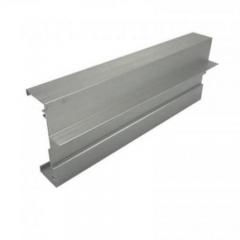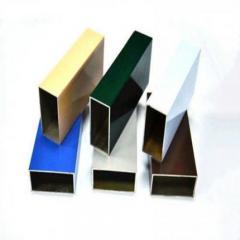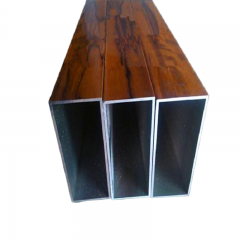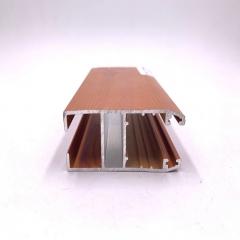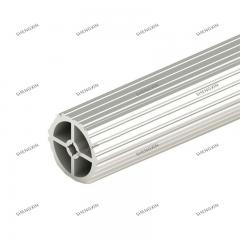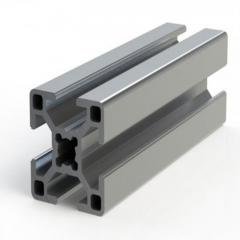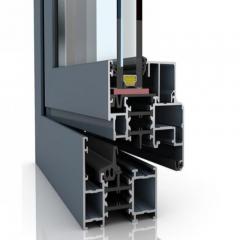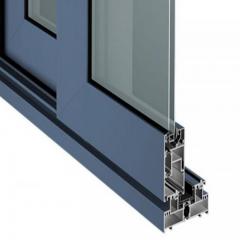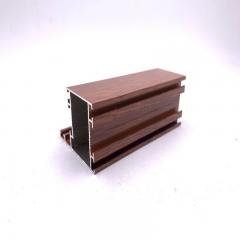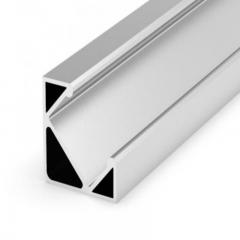
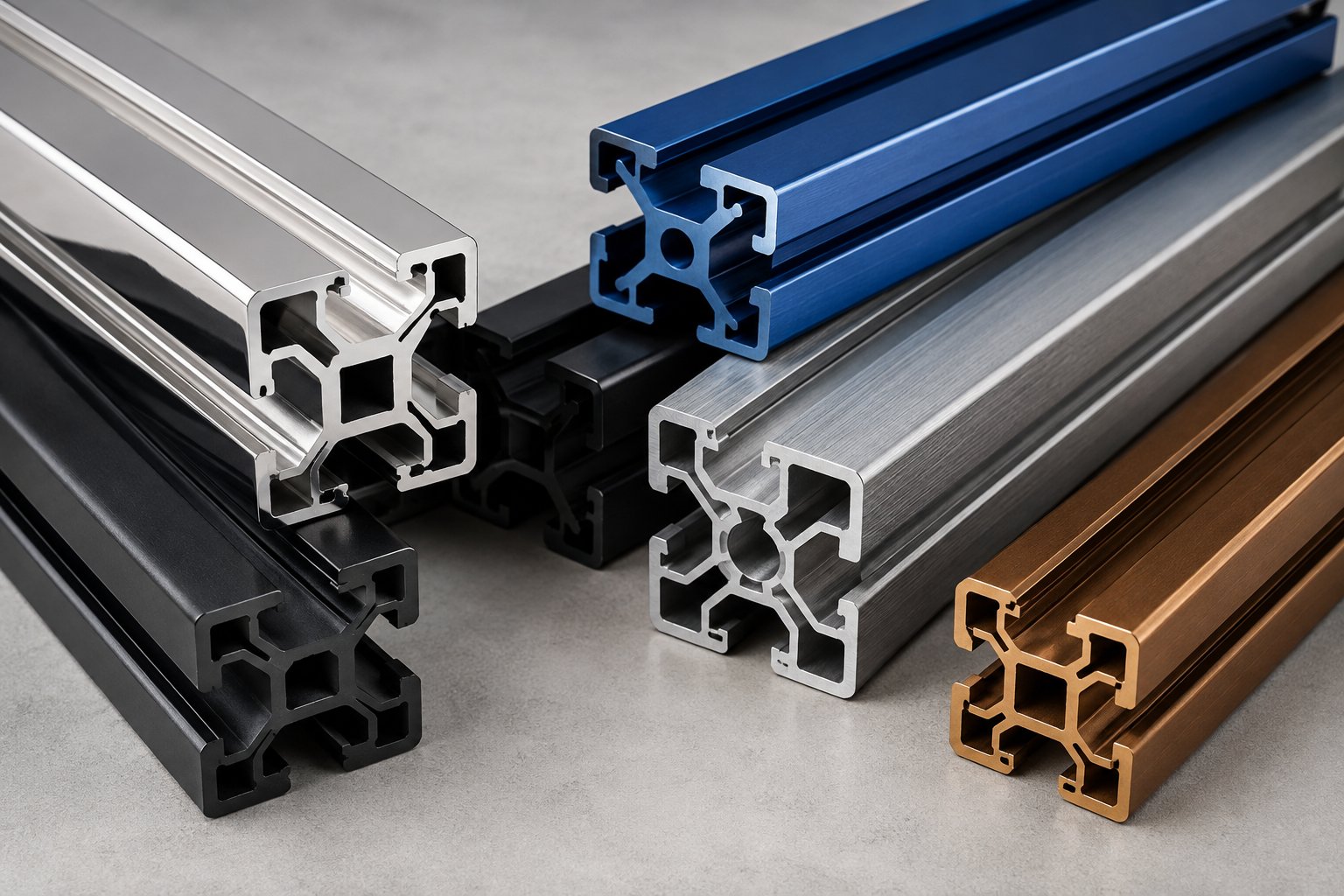
When you think about aluminum extrusions, you might picture the raw, silvery profiles fresh from the press. But here's the thing: that's only half the story. Aluminum extrusion finishing is the critical step that transforms those bare profiles into durable, visually appealing components ready for real-world applications. Without proper finishing, even the most precisely extruded profile won't reach its full potential.
In this guide, you'll discover how different aluminum finishes protect your investment and enhance performance. We'll explore anodizing methods, powder coating options, mechanical finishing techniques, and specialized coatings like chromate conversion. By the end, you'll know exactly how to match the right finish to your specific application.
So what exactly is aluminum extrusion finishing? It refers to any process applied to the surface of an extruded aluminum profile after it leaves the press. This includes both protective treatments and decorative applications. Think of it as the difference between raw ingredients and a finished dish: the finishing process is what makes everything come together.
You'll often hear two terms used in this space: metal finish and surface finish. While they're sometimes used interchangeably, there's an important distinction. Metal finish typically describes the physical texture or appearance of the aluminum itself, like brushed or polished surfaces. Surface finish, on the other hand, encompasses the full range of treatments, including chemical processes and coatings that add protective or decorative layers. Understanding this difference helps you communicate more effectively with suppliers and specify exactly what you need.
Here's something you might not realize: aluminum naturally forms a thin oxide layer when exposed to air. This layer offers some baseline protection against corrosion. However, it's only about 2 to 3 nanometers thick, far too thin to withstand aggressive environments like coastal areas with salt spray, industrial zones with chemical exposure, or regions with extreme temperature swings.
That's where aluminum surface finishes step in. These treatments serve a dual purpose: protecting the metal from environmental degradation while achieving specific visual or functional requirements. Whether you need a sleek black anodized look for architectural panels or a tough powder-coated surface for outdoor furniture, the right aluminum finish makes all the difference.
Proper finishing can extend an aluminum product's service life by decades while reducing maintenance costs and preserving critical specifications throughout its lifespan.
Consider the real-world implications. An unfinished aluminum profile used in a humid coastal environment might show signs of pitting and discoloration within months. The same profile with a quality anodized or powder-coated finish can maintain its appearance and structural integrity for 20 years or more. That's not just about aesthetics; it's about protecting your investment and ensuring reliable performance over time.
When it comes to aluminum extrusion finishing, anodizing stands out as the most widely used method. Why? Because it doesn't just coat the surface; it actually transforms it. Unlike paint or powder coating that sits on top of the metal, anodizing creates a protective layer that's chemically bonded to the aluminum itself. This makes anodized aluminum extrusions exceptionally durable and resistant to peeling or flaking.
Whether you're working on architectural facades, aerospace components, or consumer electronics, understanding how anodizing works will help you make smarter decisions for your projects. Let's break down the process and explore the three main types you'll encounter.
Imagine accelerating what nature does slowly. Aluminum naturally forms a thin oxide layer when exposed to air, but anodizing supercharges this process to create a much thicker, more structured coating. Here's how it works in simple terms.
The process starts with thorough cleaning. Any oil, dirt, or existing oxides must be removed so the new layer bonds uniformly. Next, the aluminum part is submerged in an electrolyte bath, typically containing sulfuric or chromic acid depending on the anodizing type.
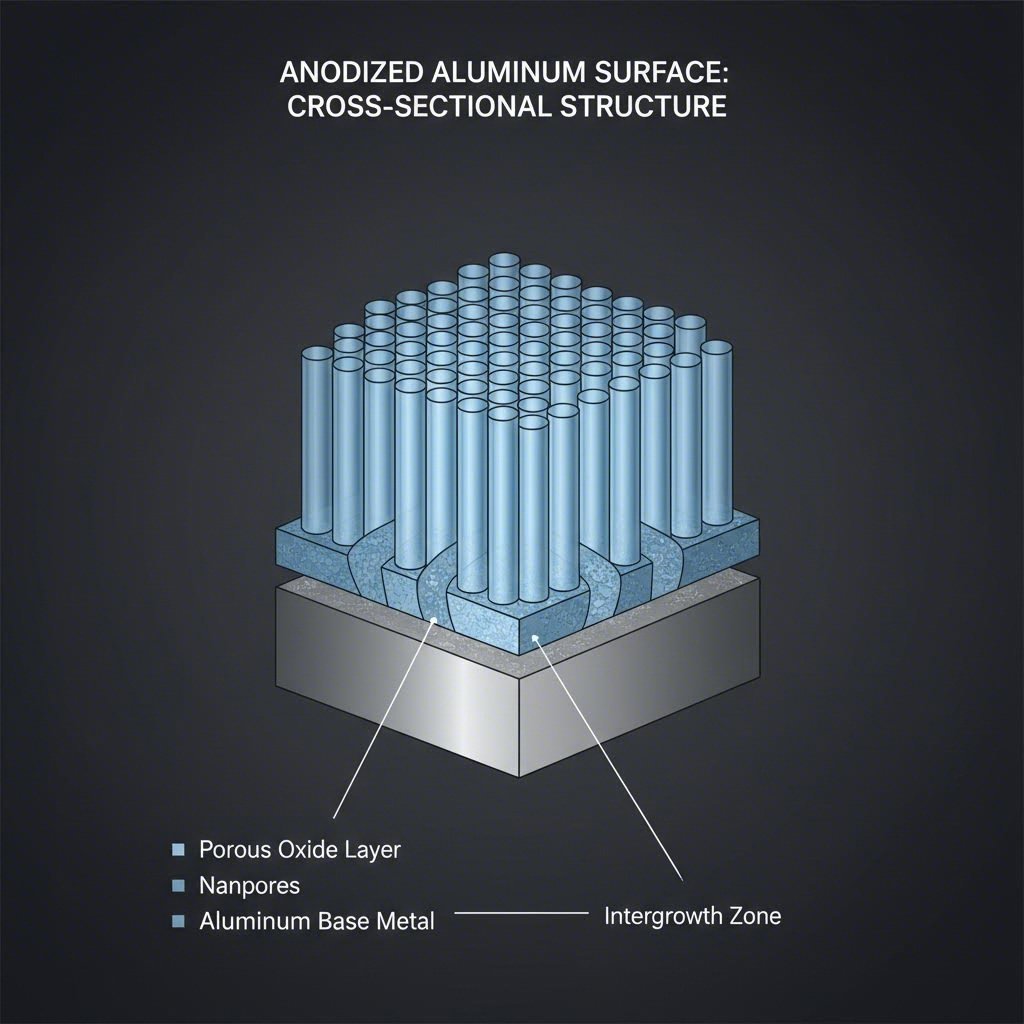
Here's where the electrochemistry comes in: the aluminum part becomes the positive electrode (anode) in the circuit. When electrical current passes through the bath, oxygen ions are released and travel to the aluminum surface. These ions combine with aluminum atoms to form a new layer of aluminum oxide that grows directly from the base metal.
What makes this layer special? It's not just sitting on the surface; it's actually integrated into the metal structure. The coating develops a porous structure with tiny cylindrical pores perpendicular to the surface. These pores are what allow you to add color through dyes or metallic salts before the final sealing step closes them up for maximum protection.
You can control the thickness of the oxide layer by adjusting current density, immersion time, temperature, and electrolyte concentration. This flexibility is why anodizing works for everything from delicate electronics housings to heavy-duty industrial equipment.
Not all anodizing is created equal. The industry recognizes three distinct types, each with its own characteristics and best-use scenarios. The MIL-A-8625 military specification serves as the benchmark standard, defining requirements for each type across aerospace, defense, and commercial applications.
Type I: Chromic Acid Anodizing
Type I uses chromic acid as the electrolyte, producing the thinnest coating of all three methods, typically around 2.5 microns (0.0001 inches). Don't underestimate it though. Despite being thin, this coating delivers excellent corrosion resistance while having minimal impact on part dimensions. This makes Type I ideal when you're working with tight tolerances.
Another advantage? Chromic acid is self-limiting. If any solution gets trapped in cracks or seams during processing, it won't corrode the part like sulfuric acid might. The downside is that the thin, non-porous nature means it doesn't accept dyes well, so you're limited to a dull gray finish. Environmental regulations have also made this process less common and more expensive.
Type II: Sulfuric Acid Anodizing
This is the workhorse of the anodizing world. Type II uses dilute sulfuric acid and produces coatings ranging from 5.1 to 30.5 microns (0.0002 to 0.0012 inches). It's the most common choice for good reason: it creates a harder, more durable coating than Type I, and its porous structure accepts dyes beautifully.
You'll find Type II anodizing on everything from architectural panels to consumer electronics. The process is more affordable than chromic acid anodizing, and the color options are virtually unlimited, including natural silver, black, bronze, gold, and custom shades. Keep in mind that exact color matching to specific Pantone or RAL colors can be challenging due to process variability.
Type III: Hardcoat Anodizing
When you need maximum durability, Type III delivers. Also called hard anodizing, this process uses the same sulfuric acid electrolyte as Type II but with higher voltage, longer immersion time, and lower bath temperatures. The result? Coatings between 12.7 and 50.8 microns (0.0005 to 0.002 inches) that can actually be harder than tool steel.
This exceptional hardness makes Type III perfect for high-wear applications like pistons, valve bodies, gears, and sliding mechanisms. The tradeoff is that the thicker coating tends to darken the aluminum significantly, and the smaller, less porous structure makes dyeing more difficult. Most hardcoat parts end up in shades of gray, brown, or black.
| Characteristic | Type I (Chromic Acid) | Type II (Sulfuric Acid) | Type III (Hardcoat) |
|---|---|---|---|
| Thickness Range | Up to 2.5 μm | 5.1 - 30.5 μm | 12.7 - 50.8 μm |
| Durability Level | Good corrosion resistance | Good wear and corrosion resistance | Excellent wear resistance, harder than tool steel |
| Typical Applications | Aerospace parts with tight tolerances, paint base | Architectural, consumer electronics, decorative | High-wear industrial parts, military, aerospace |
| Color Availability | Limited (gray only) | Wide range including custom colors | Limited (darkens naturally, difficult to dye) |
So why do architects and aerospace engineers often specify anodized finishes? The answer lies in the unique combination of benefits. For architectural applications, anodizing provides long-lasting aesthetics that won't peel or fade, with an expected lifespan of 10 to 20 years depending on conditions. The sealed surface resists staining and is easy to clean and maintain.
In aerospace, the stakes are even higher. Type I and Type III anodizing offer critical corrosion protection without adding significant weight, a crucial consideration when every gram matters. The coatings also provide electrical insulation and can serve as an excellent base for paint adhesion when additional finishing is required.
Understanding these types of aluminum extrusion allows you to specify exactly what your application demands. Need dimensional precision with basic protection? Type I. Want vibrant colors with solid durability? Type II. Facing extreme wear conditions? Type III is your answer. With anodizing fundamentals covered, let's explore other powerful finishing options that might suit your specific needs.
While anodizing offers outstanding protection by transforming the aluminum surface itself, it's not your only option. Powder coating and liquid paint finishes provide distinct advantages, especially when you need unlimited color choices, thicker protective layers, or specialized weather resistance. These aluminum coatings open up possibilities that anodizing simply can't match, making them essential tools in your finishing arsenal.
Ready to explore what makes these finishes stand out? Let's dive into how each process works and when you should choose one over the other.
Ever wondered why powder coating has become the go-to finish for everything from outdoor furniture to architectural facades? The answer lies in its unique application method and the exceptional durability it delivers.
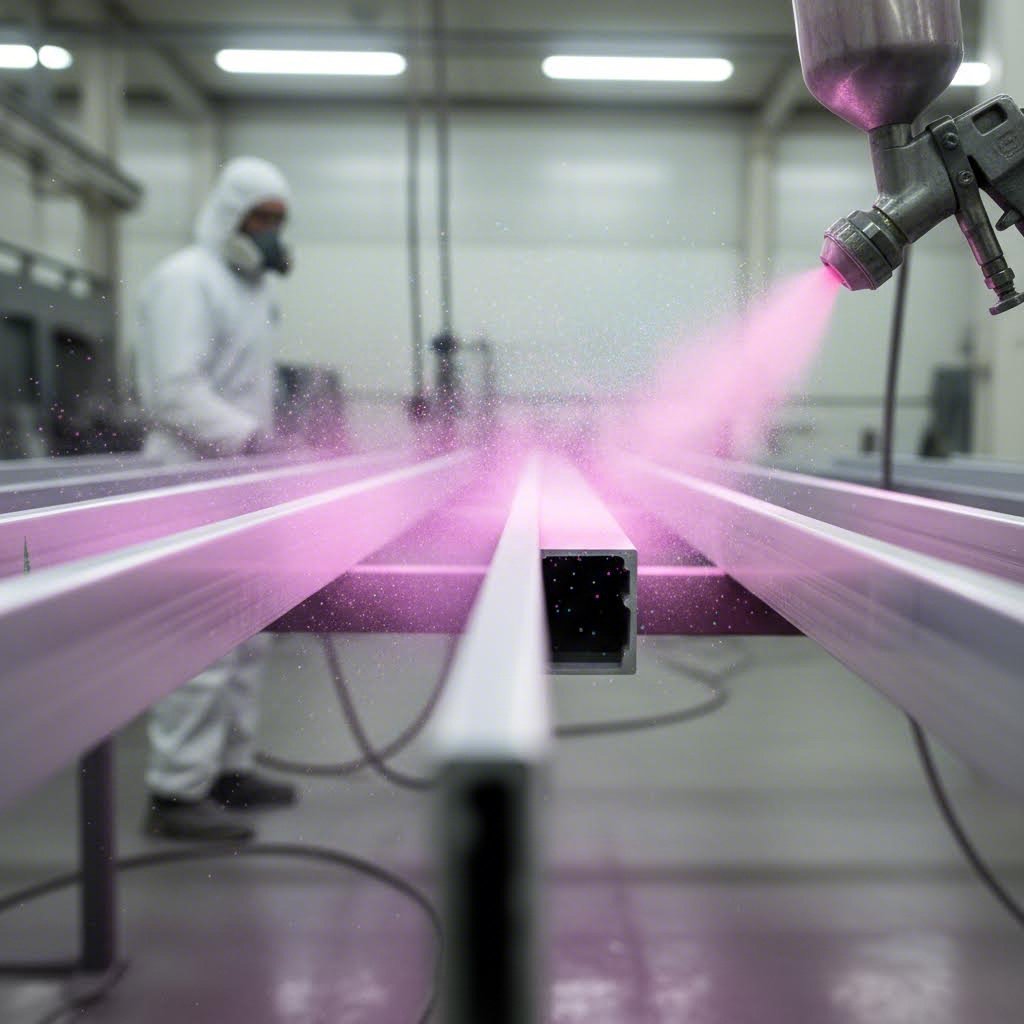
Unlike traditional paint, powder coating starts as a dry powder made of finely ground resin and pigment particles. Here's how the process unfolds: first, the aluminum extrusion undergoes thorough surface preparation, typically a 5-stage washing process that includes initial cleaning, fresh water rinsing, an acid bath to open up the surface, another rinse, and finally a chrome-free pretreatment. This preparation is critical because it ensures the powder will bond properly.
Next comes the electrostatic application. The powder particles receive a positive electrical charge as they're sprayed toward the grounded aluminum part. This charge causes the particles to cling uniformly to every surface, even reaching into recesses and around corners. The result? Consistent coverage without drips, runs, or thin spots.
The final step is curing. The coated part enters an oven heated to approximately 200°C (around 400°F), where the powder melts, flows together, and chemically cross-links to form a continuous protective film. This cured coating typically measures 60 to 120 microns thick, significantly thicker than anodized layers, creating a robust barrier against the elements.
How does powder coating compare to anodizing? While anodizing integrates with the aluminum itself, powder coating creates a separate protective skin on top. This skin is typically 2 to 4 times thicker than standard Type II anodizing, offering enhanced impact resistance. However, unlike anodized surfaces that can't peel because they're chemically bonded, powder coatings can potentially chip if subjected to severe mechanical abuse. For most applications, though, the flexibility and color options of powder coating make this tradeoff worthwhile.
When specifying aluminium finishes for architectural projects, you'll encounter AAMA standards that define performance requirements. AAMA 2604 coatings withstand 3,000 hours of salt spray testing and typically carry 10 to 20 year warranties, making them ideal for low to mid-rise buildings in moderate climates. For high-rises, coastal regions, or high-UV environments, AAMA 2605 specifications require 4,000-hour salt spray resistance and offer 20 to 30 year warranties. Choosing the right specification prevents both under-protection and unnecessary cost.
Powder coating handles most finishing needs brilliantly, but liquid paint still has its place. When should you consider wet paint finishes for aluminum?
PVDF (polyvinylidene fluoride) coatings represent the premium tier of liquid finishes for architectural applications. These high-performance fluoropolymer coatings form a molecularly bonded film that resists weathering, fading, and corrosive degradation better than almost any alternative. According to industry sources, well-applied PVDF systems can last over 25 years with minimal color change or chalking.
What makes PVDF special? The fluoropolymer matrix inhibits photochemical breakdown, meaning intense UV exposure won't degrade the finish the way it might affect standard coatings. This makes PVDF the preferred choice for curtain walls, cladding panels, sunshades, and other high-exposure architectural elements where long-term color consistency matters.
PVDF systems typically come in 2-coat, 3-coat, or 4-coat configurations. A basic 2-coat system includes primer plus PVDF topcoat, while 3-coat adds a clear protective layer for enhanced gloss retention. The most demanding applications, like metallic or high-gloss finishes, use 4-coat systems with a metallic base layer. Dry film thickness typically ranges from 25 to 35 microns for architectural applications, thinner than powder coating but optimized for the fluoropolymer chemistry.
Beyond PVDF, liquid paints offer advantages in specific scenarios:
Ultra-precise color matching: Wet paint formulations can be adjusted in small increments, making it easier to match exact Pantone or custom brand colors that powder coating might struggle to replicate perfectly.
Touch-up capability: Unlike powder coating that requires oven curing, some liquid finishes can be field-applied for repairs, simplifying maintenance on installed structures.
Specialty effects: Certain high-gloss, pearl, or multi-tone effects are more achievable with liquid application techniques.
The tradeoff? Liquid painting generally involves higher VOC emissions, more complex application requiring spray booths with proper ventilation, and thinner single-coat builds compared to powder. For most industrial and commercial finishes for aluminum, powder coating delivers better value. But when your project demands the ultimate in weather resistance or requires precise aesthetic control, PVDF and specialty liquid finishes earn their place in your specification.
With coating options now clear, you might be wondering about the mechanical techniques that can enhance both the look and feel of your aluminum profiles before or instead of chemical finishing.
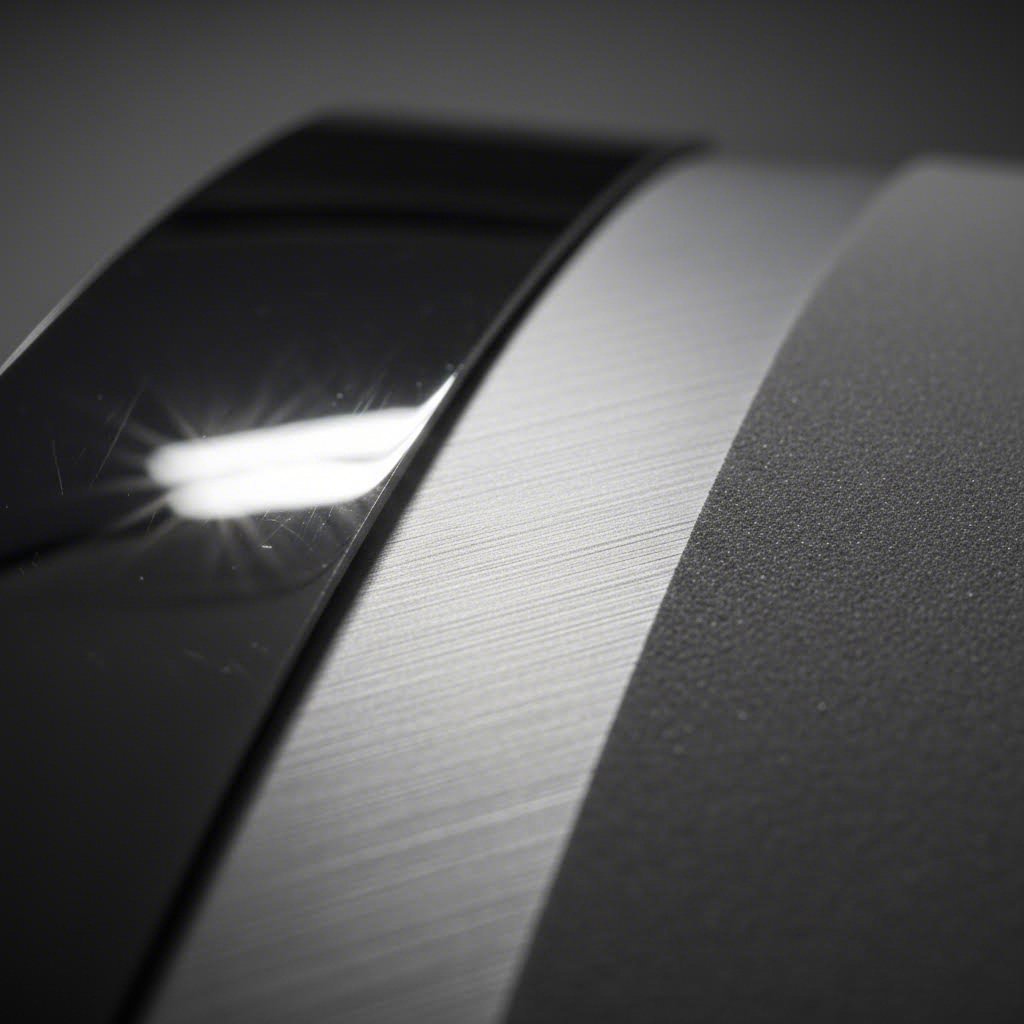
Sometimes the perfect aluminium finish isn't about adding a protective coating at all. It's about what you do to the surface itself. Mechanical finishing techniques reshape the aluminum at a physical level, creating textures that range from mirror-like brilliance to rugged matte appearances. These methods can stand alone as the final treatment or serve as critical preparation before anodizing or coating.
Why does this matter for your projects? Because the "finish and feel" of a product directly impacts how customers perceive quality. When someone picks up an aluminum laptop housing, touches a door handle, or examines architectural trim, that tactile experience shapes their impression instantly. Let's explore how each mechanical process creates distinct results.
Want your aluminum to look like polished chrome? Buffing is your answer. This process uses rotating cloth wheels combined with fine abrasive compounds to gradually smooth the surface until it achieves a high-gloss, reflective appearance. According to Alexandria Industries, buffing creates an attractive cosmetic surface finish that replicates the look of polished chrome.
The process works in stages. Coarser compounds first remove minor scratches and imperfections, then progressively finer polishing compounds bring out the mirror shine. Each pass refines the surface further until light reflects uniformly across the entire profile. You'll find buffed finishes on decorative hardware, consumer electronics housings, and high-end automotive trim where visual impact matters most.
However, there's a catch. A purely mechanical polish is vulnerable to fingerprints, scratches, and oxidation over time. That's why buffed aluminum often receives a protective clear anodize or lacquer coating to preserve that showroom shine through real-world use.
Not every application calls for a mirror finish. Sometimes you need texture, either for aesthetic appeal or functional grip. Here's where brushing, sandblasting, and tumbling come into play.
Brushing (Sanding)
Brushing uses abrasive belts or pads drawn across the aluminum surface in a consistent direction. The result? A distinctive linear grain pattern that looks similar to stainless steel. This finish is both cosmetically appealing and practical. Industry experts note that brushing blends extruded die lines and covers minor imperfections, making it an excellent solution for profiles that need surface cleanup without complete removal of character.
You can control the appearance by selecting different grit sizes. Finer grits produce subtle, elegant lines while coarser grits create more pronounced directional patterns. Brushed aluminum appears everywhere from kitchen appliances to architectural panels.
Sandblasting (Bead Blasting)
When you want a uniform matte texture without directional lines, sandblasting delivers. This technique propels fine abrasive media, typically glass beads, ceramic, or aluminum oxide particles, at high velocity against the aluminum surface. The impact creates a consistent granular appearance that diffuses light rather than reflecting it.
Bead blasting produces a range of textures depending on the media size and pressure used. Finer media creates smoother matte surfaces while coarser particles generate more aggressive textures. This extrusion finish works particularly well for parts that need to hide minor surface flaws or require a non-reflective appearance for functional reasons.
Tumbling
Imagine placing your aluminum parts in a rotating barrel filled with abrasive media. That's tumbling in a nutshell, and it accomplishes multiple goals simultaneously. According to finishing specialists, tumbling eliminates swirl marks from end-brush deburring machines and removes flow lines from the extrusion process. It serves triple duty: deburring, washing, and polishing all in one operation.
The finished appearance depends on your media choice. Kramer Industries explains that plastic media produces a matte finish ideal for subtle polishing, while porcelain or stainless steel media creates brighter, more lustrous surfaces. Ceramic media works best for aggressive deburring and smoothing rough edges. Because aluminum is a soft metal, you should avoid excessively hard materials that might scratch or damage the surface.
Here's how these mechanical options rank from smoothest to most textured:
Bright Dip: The Chemical-Mechanical Hybrid
What if you want mirror brightness without the labor-intensive mechanical polishing? Bright dip anodizing offers an elegant solution. This process bathes aluminum profiles in a mixture of phosphoric and nitric acid that chemically smooths the microscopic peaks and valleys on the surface. Industry sources confirm that bright dipping produces a very shiny, mirror-like look that actually exceeds what mechanical polishing alone can achieve.
After bright dipping, the profiles typically receive standard anodizing to add corrosion protection. The enhanced oxide layer can then accept colored dyes, giving you both brilliant reflectivity and custom color options. This combination delivers corrosion resistance, fade resistance, and that eye-catching specular finish that makes high-end cosmetic applications stand out.
Whether you choose purely mechanical methods or hybrid chemical approaches, these techniques give you precise control over how your aluminum looks and feels. Many projects combine mechanical preparation with subsequent chemical finishing, using brushing or blasting to create the ideal surface texture before anodizing or coating locks in the final appearance. Understanding these options helps you specify exactly the right finish aluminum profiles need for your application.
Beyond anodizing, powder coating, and mechanical finishes, a family of specialized treatments exists for applications demanding unique properties. These aluminium extrusion types of finishes address specific challenges: improving paint adhesion, achieving chrome-like aesthetics on aluminum, or creating ceramic-hard surfaces that resist extreme wear. While less common than mainstream options, chromate conversion coatings, chrome plating, and micro-arc oxidation each solve problems that other methods can't.
Wondering if aluminum can actually be chromed? Curious about cost-effective primers that boost coating performance? Let's explore these specialized processes and discover when they make sense for your projects.
Chromate conversion coating, also known as chemical film or by trade names like Alodine and Iridite, offers a remarkably simple yet effective treatment for aluminum surfaces. Unlike anodizing that requires electrical current, this process works through pure chemical reaction at room temperature.
Here's how it works: the aluminum part is immersed in a chromate solution for just 1 to 5 minutes. During this brief exposure, a redox reaction occurs between the hexavalent chromium in the bath and the aluminum surface. According to technical documentation, this reaction forms a gel-like film of chromium and aluminum oxides that deposits directly onto the metal. The coating is soft when first applied but hardens as it dries, typically within 24 hours.
What makes this coating special? The dried film, typically 200 to 1000 nanometers thick, provides excellent corrosion resistance relative to its minimal thickness. Even more valuable is its ability to dramatically improve paint and primer adhesion. The coating's slightly rough, porous structure gives subsequent layers something to grip, making it the go-to pretreatment for aerospace and military components that receive paint systems.
You'll recognize chromate coatings by their distinctive colors. Clear or blue-tinted versions offer basic protection, while gold and olive drab colors indicate progressively thicker, more protective films. The main standard governing these coatings is MIL-DTL-5541 in the United States.
However, there's an important consideration. Traditional chromate conversion uses hexavalent chromium compounds, which pose serious health and environmental concerns due to their carcinogenic nature. Regulations like Europe's RoHS and REACH directives have pushed the industry toward trivalent chromium alternatives, which provide comparable corrosion resistance with significantly reduced toxicity. When specifying chromate conversion today, ask your supplier about their compliance with current environmental standards.
Can aluminium be chromed? The short answer is yes, but it's far more complex than chrome plating steel. Aluminum's natural oxide layer, the same property that makes it corrosion-resistant, actually prevents other metals from bonding directly to its surface. Successful chrome plating on aluminum requires a multi-step process that builds compatible intermediate layers.
According to plating specialists, the process begins with chemical activation, typically a zincate treatment that replaces the aluminum oxide with a thin zinc layer. This zinc coating provides a surface that subsequent metal layers can bond to reliably. Next comes nickel plating, often applied in multiple layers: a semi-bright nickel layer by a bright nickel layer, totaling 20 to 25 microns. This nickel system actually creates the mirror-like luster you see in chrome-finished parts.
The final chromium layer itself is surprisingly thin, typically just 0.25 to 0.8 microns. Its primary purpose isn't to create shine but to provide color stability and tarnish resistance over the nickel beneath. For decorative parts, this thin chromium topcoat maintains that distinctive blue-white chrome appearance for years.
Need chrome plating for wear resistance rather than aesthetics? Hard chrome applications on aluminum follow a similar activation process but deposit much thicker chromium layers, ranging from 10 to 75 microns. This creates a surface hard enough for sliding components, bearing surfaces, and high-wear industrial parts.
Here's the reality check: chrome plating aluminum requires specialized facilities with extensive environmental controls, fume scrubbers, wastewater treatment, and operator protection equipment. Most aluminum fabricators partner with certified plating shops rather than attempting in-house processing. The cost reflects this complexity, typically higher than anodizing or powder coating for equivalent parts.
When standard finishes can't meet your durability requirements, micro-arc oxidation (MAO) delivers performance in a different league entirely. Also called plasma electrolytic oxidation, this process uses high-voltage electrical discharges to grow a dense ceramic coating directly from the aluminum substrate.
How does it work? The aluminum part is immersed in an alkaline electrolyte bath, and high voltage (typically 300 to 500 volts) is applied. This creates micro-arc plasma discharges at the surface that generate extreme localized temperatures, causing the aluminum to oxidize, melt, and rapidly solidify into a ceramic layer. Research published in Coatings journal confirms that MAO produces dense, pore-free ceramic layers within minutes, primarily composed of extremely hard alpha-alumina (corundum phase).
The results speak for themselves. MAO coatings achieve hardness levels that approach or exceed 2000 HV, far harder than Type III hardcoat anodizing. Wear resistance improves dramatically, with wear rates as low as 3 to 5 x 10^-6 mm³/N·m under abrasive conditions. Corrosion resistance increases by 1 to 2 orders of magnitude compared to untreated aluminum in salt spray testing.
What applications benefit from this advanced treatment? High-performance automotive components, aerospace parts exposed to extreme conditions, industrial equipment facing severe abrasion, and biomedical implants all leverage MAO's exceptional properties. The coating's strong adhesion to the substrate, superior to applied coatings, prevents delamination even under impact loading.
The tradeoff is cost and availability. MAO requires specialized equipment and precise process control, limiting the number of qualified suppliers. For applications where standard anodizing or powder coating provides adequate protection, MAO represents an over-specification. But when nothing else can handle your wear, corrosion, or high-temperature oxidation requirements, micro-arc oxidation delivers.
| Characteristic | Chromate Conversion | Chrome Plating | Micro-Arc Oxidation |
|---|---|---|---|
| Cost Level | Low | High | Medium to High |
| Durability | Moderate corrosion protection; enhances paint adhesion | Excellent appearance retention; good wear resistance with hard chrome | Exceptional hardness and wear resistance; outstanding corrosion protection |
| Typical Uses | Paint pretreatment, aerospace primers, electrical conductivity preservation | Decorative automotive and consumer parts; hard chrome for industrial wear components | High-wear industrial equipment, aerospace, biomedical implants |
| Process Complexity | Simple immersion; room temperature; 1-5 minutes | Multi-step: zincate activation, nickel layers, chrome topcoat; requires specialized facilities | High-voltage plasma process; requires specialized equipment and precise control |
Environmental regulations have reshaped the specialized coating landscape significantly. Hexavalent chromium, long the workhorse of both chromate conversion and chrome plating, now faces stringent restrictions in many markets. The European Union's RoHS and REACH directives limit hexavalent chromium in products sold within member states, while similar regulations are emerging globally.
What alternatives exist? For chromate conversion, trivalent chromium formulations now provide comparable corrosion resistance with dramatically reduced health risks. Many facilities have transitioned entirely to these safer chemistries without sacrificing coating performance.
Chrome plating faces a more complex transition. Trivalent chromium plating baths have been developed for decorative applications, though achieving the exact blue-white color of traditional hexavalent chrome remains challenging. For hard chrome applications, alternatives like electroless nickel, thermal spray coatings, and advanced PVD processes are gaining ground.
Properly plated or conversion-coated parts themselves pose no health risk in use; the environmental concerns center on worker exposure during processing and responsible handling of waste streams. When selecting a finishing partner for these specialized treatments, verify their environmental compliance and waste treatment capabilities to ensure your supply chain meets current and anticipated regulatory requirements.
With specialized coatings now in your toolkit alongside anodizing, powder coating, and mechanical finishes, you're ready to tackle the practical question: how do you choose the right finish for your specific application?
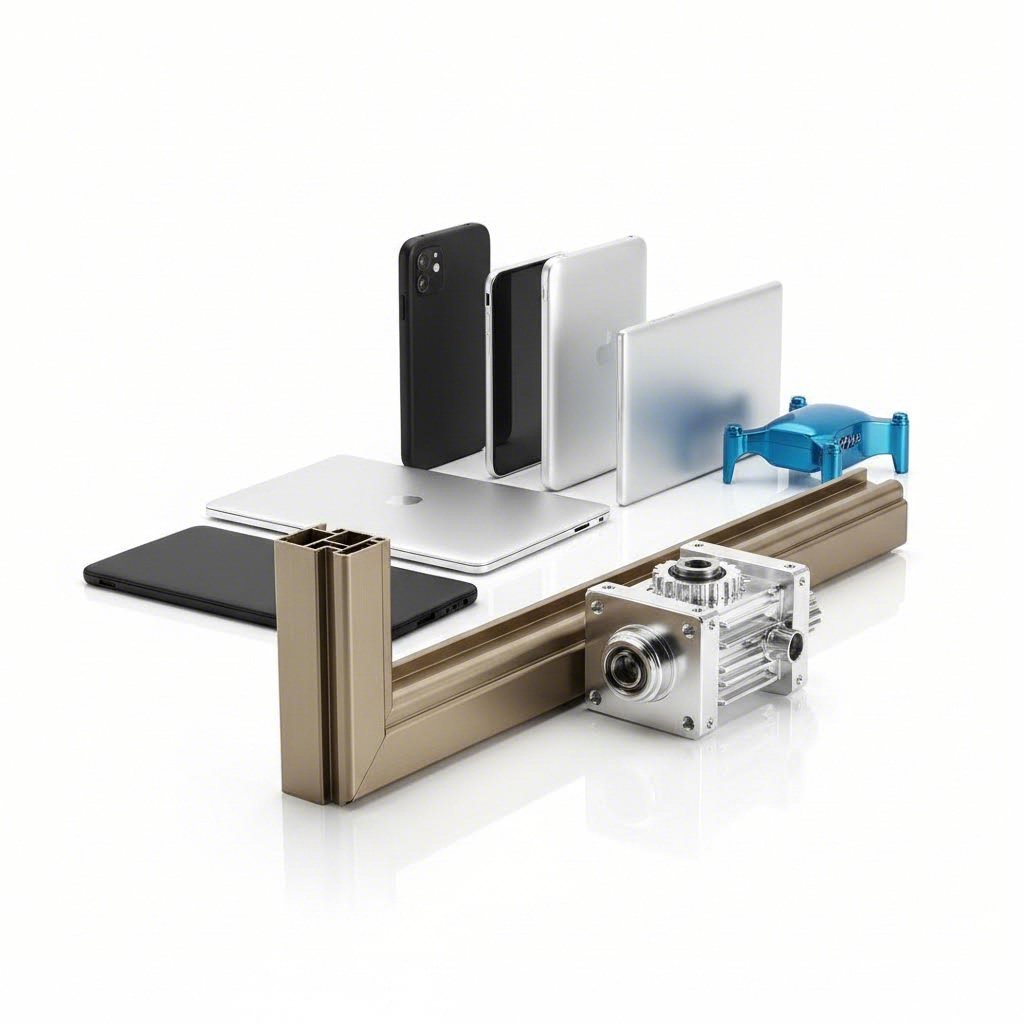
You've explored the full spectrum of aluminum extrusion finishing options, from anodizing and powder coating to mechanical techniques and specialized treatments. But here's the real challenge: how do you translate all that knowledge into the right decision for your specific project? Choosing aluminum finishes isn't about picking the most advanced or expensive option. It's about matching the finish to your application's actual demands.
Think of aluminum finish selection like choosing the right tool for a job. A sledgehammer works great for demolition but would be overkill for hanging a picture frame. Similarly, specifying micro-arc oxidation for an indoor decorative panel wastes money, while using basic mill finish for a coastal railing invites premature failure. Let's build a practical framework that helps you get this balance right every time.
Your application's environment is the single most important factor in choosing aluminum finishes. Ask yourself these key questions before evaluating any finish option:
Indoor vs. Outdoor Exposure
Will the part live indoors, outdoors, or somewhere in between? Indoor applications face minimal environmental stress, meaning lighter protection often suffices. Standard powder coating or Type II anodizing handles most interior needs beautifully. Outdoor applications demand more: UV resistance to prevent fading, moisture barriers to block corrosion, and sometimes thermal cycling tolerance for regions with extreme temperature swings.
Chemical and Salt Exposure
Coastal locations introduce salt spray that aggressively attacks unprotected aluminum. Industrial environments may expose parts to acidic or alkaline substances, solvents, or cleaning chemicals. According to finishing selection guides, coastal or humid regions specifically require PVDF coating or anodizing for adequate protection. For chemical exposure, verify that your chosen finish resists the specific substances your parts will encounter.
Aesthetic Requirements
Does appearance matter for your application? Architectural facades need consistent color and gloss retention over decades. Consumer electronics demand flawless surfaces that feel premium to the touch. Industrial machinery might prioritize function over form, where a simple protective coating works perfectly well. Your aesthetic priorities directly influence which types of aluminum extrusions and finishes make sense.
Budget Constraints
Let's be realistic: finishing adds cost. But here's where many buyers go wrong. They focus on initial finishing expense while ignoring total lifecycle cost. A cheap finish that fails in three years costs more than a premium finish lasting twenty years, once you factor in replacement, downtime, and reputation damage. Industry experts emphasize that selecting the ideal surface finish directly influences product longevity and end-user satisfaction.
Durability Expectations
How long must the finish perform? Temporary installations might tolerate basic protection, while permanent infrastructure demands decades of reliable service. High-wear applications like sliding mechanisms or frequently handled surfaces need exceptional abrasion resistance. Match your durability expectations to the finish's proven performance characteristics.
| Application Environment | Primary Concerns | Recommended Finish Types | Alternative Options |
|---|---|---|---|
| Indoor, low traffic | Basic aesthetics, minimal protection | Mill finish, clear anodize, basic powder coating | Brushed mechanical finish |
| Indoor, high touch/wear | Scratch resistance, fingerprint resistance | Type II anodizing, hardcoat anodizing | Powder coating with textured finish |
| Outdoor, moderate climate | UV resistance, general weathering | AAMA 2604 powder coating, Type II anodizing | Standard liquid paint systems |
| Outdoor, harsh climate | Extreme UV, temperature cycling, moisture | PVDF coating (AAMA 2605), hardcoat anodizing | Multi-layer coating systems |
| Coastal/marine | Salt spray corrosion, humidity | Type III hardcoat anodizing, PVDF coating | Marine-grade powder coating |
| Industrial/chemical exposure | Chemical resistance, abrasion | Type III anodizing, micro-arc oxidation | Specialized chemical-resistant coatings |
| High-wear mechanical | Abrasion, impact, sliding friction | Type III hardcoat, micro-arc oxidation | Hard chrome plating |
Different industries have developed proven finishing practices based on decades of real-world performance data. Here's what works best in each major sector:
Architectural Applications
Buildings demand finishes that maintain appearance for 20 to 30 years while withstanding constant environmental exposure. Type II anodizing remains the classic choice, offering metallic aesthetics with proven durability. For color variety, AAMA 2604 powder coating handles most residential and commercial buildings effectively. High-rise structures and premium projects often specify PVDF coatings meeting AAMA 2605 standards, which industry sources confirm provide excellent resistance to UV radiation, chemical exposure, acid rain, and salt corrosion while maintaining color and gloss retention over decades.
Marine Applications
Saltwater environments represent one of the harshest tests for any finish. Type III hardcoat anodizing creates a dense barrier that resists salt spray corrosion while handling the abrasion from cables, hardware, and constant handling. Marine-grade powder coatings formulated specifically for salt exposure offer an alternative when color matching matters. Many marine applications combine both: anodizing for structural components and powder coating for decorative elements.
Aerospace Applications
Weight matters as much as protection in aerospace. Chromate conversion coatings provide excellent corrosion resistance with minimal added weight, making them ideal as primer bases for painted components. Type III anodizing protects high-wear parts like actuator housings and landing gear components. Aerospace specifications often require chromate conversion or passivation for parts needing tight tolerance machining after treatment, since these finishes minimally alter dimensions.
Consumer Products
Consumer goods balance aesthetics, durability, and cost differently than industrial applications. Decorative Type II anodizing delivers the premium metallic look consumers associate with quality electronics and appliances. Colors like silver, black, gold, and custom shades create brand differentiation. Powder coating opens unlimited color possibilities for products where brand consistency matters. The key is matching finish quality to product price point: premium products justify premium finishes, while budget items need cost-effective protection that still performs reliably.
Even the best finish fails if applied to poorly prepared aluminum. Before any coating or treatment, the surface must be properly conditioned. Skipping or shortcutting preparation virtually guarantees adhesion failures, inconsistent appearance, or premature coating breakdown.
What does proper preparation involve? At minimum, thorough cleaning removes oils, dirt, and handling residues that interfere with coating adhesion. Degreasing typically uses alkaline cleaners or solvent wipes depending on contamination type. For anodizing and many coating processes, etching follows cleaning to remove the existing oxide layer and create a microscopically rough surface that bonds effectively.
More demanding applications require additional steps. Industry best practices for powder coating include a 5-stage process: initial cleaning, fresh water rinsing, acid treatment to open the surface, another rinse, and finally a chrome-free pretreatment. This pretreatment layer enhances adhesion and provides supplemental corrosion protection beneath the powder coat.
For chrome plating or other multi-layer systems, zincate treatments replace aluminum's native oxide with a zinc layer that subsequent deposits can bond to. Each process has specific preparation requirements, so verify these with your finishing provider before committing to a process.
One often overlooked factor: the alloy itself affects finishing outcomes. 6063 aluminum, the most common extrusion alloy, anodizes beautifully with consistent color uptake. Higher-strength alloys containing more copper or zinc may show color variation or require adjusted process parameters. When specifying types of aluminum extrusions for your project, consider how alloy choice impacts your finishing options.
Taking time to evaluate environmental demands, industry requirements, and preparation needs upfront prevents costly mistakes. The right finish matched to your actual application delivers decades of reliable performance, while the wrong choice can mean expensive replacements and disappointed customers. With your selection criteria now clear, understanding common finishing defects and quality standards helps you verify that your chosen finish meets expectations.
You've selected the right finish for your application and specified proper preparation requirements. But here's the uncomfortable truth: even well-planned finishing projects can produce disappointing results. Aluminum finishing defects range from subtle color variations that only become apparent when parts are installed side-by-side to complete coating failures that require scrapping entire production runs. Understanding what can go wrong, and why, puts you in a position to prevent problems before they happen.
Whether you're evaluating finished parts from a supplier or troubleshooting issues in your own production, recognizing common defects and their root causes saves time, money, and frustration. Let's examine the most frequent problems and the quality control practices that prevent them.
What should you watch for when inspecting finished aluminum profiles? These are the issues that cause the most rework, returns, and customer complaints:
Uneven Coating Thickness
Imagine a powder-coated frame where one section chips easily while another resists scratches perfectly. That's uneven thickness at work. In anodizing, industry experts note that uneven anodic film buildup may occur due to poor electrical contact, inconsistent agitation, or improper part racking. The geometry of complex profiles and their orientation in the tank can influence current distribution and coating uniformity. For powder coating, electrostatic application should produce consistent coverage, but Faraday cage effects in deep recesses or improper gun settings can leave thin spots vulnerable to premature failure.
Color Inconsistency
Few defects frustrate customers more than mismatched colors on adjacent parts. According to finishing specialists, discoloration in anodizing can stem from inconsistent alloy composition, contamination in the anodizing bath, temperature fluctuations, or improper sealing. Certain aluminum alloys, particularly those with high copper or silicon content, are more prone to uneven coloring. Powder coating faces similar challenges: batch-to-batch powder variations, inconsistent cure temperatures, and contamination all create visible color shifts.
Adhesion Failures
Coating that peels, flakes, or blisters represents the most serious category of aluminum coating quality problems. Research shows that coatings fail more often from poor adhesion than from poor material choice, with peeling, blistering, and flaking typically appearing after installation. The root cause almost always traces back to surface preparation: residual oils, inadequate etching, or contamination that prevents proper bonding between coating and substrate.
Surface Contamination
Contaminants create a range of visible defects. Pitting, those small holes or craters in anodized surfaces, is often caused by surface contamination, chloride contamination in process baths, or improper rinsing between process steps. The result compromises both corrosion resistance and appearance. In powder coating, oils or moisture trapped beneath the cured film cause blistering when exposed to heat or humidity during service.
Orange Peel Texture
Ever noticed a bumpy, textured surface on what should be a smooth powder-coated part? This orange peel effect occurs when powder particles don't flow together properly during the curing process. Causes include incorrect film thickness, cure temperature problems, or powder formulation issues. While some applications intentionally specify textured finishes to hide minor substrate imperfections, unintended orange peel on smooth-finish specifications represents a clear defect.
Burning and Smut
Anodizing-specific defects include burning, which appears as darkened or roughened areas when parts are exposed to excessive current density or poor cooling, particularly at sharp corners or edges. Smut, those dark powdery residues remaining after etching, results from high alloy content, inadequate rinsing, or incompatible chemical processes.
Preventing defects requires systematic quality control at every stage. Here's what effective aluminum finish inspection looks like in practice:
Sounds complex? It doesn't have to be. Working with experienced finishing providers dramatically reduces defect rates because they've already invested in the equipment, training, and process controls needed for consistent extrusion surface quality. They know which alloys require adjusted parameters, how to rack complex geometries for uniform coverage, and when bath chemistry needs refreshing before it causes problems.
There's another powerful approach to consider: single-source solutions where extrusion and finishing occur under unified quality control. When one organization manages both processes, accountability is clear. Any finishing defects can be traced to their source immediately, whether that's an extrusion surface issue or a finishing process deviation. Information flows freely between operations, allowing adjustments that optimize results across the entire production chain.
Compare this to split-source scenarios where one company extrudes and another finishes. When defects appear, each party may point to the other. Resolving disputes takes time, and the root cause might never be definitively identified. For applications where consistent aluminum coating quality matters, integrated extrusion and finishing operations provide a significant advantage.
With defect prevention strategies and quality standards now clear, you're equipped to evaluate finished parts effectively and work with providers who share your commitment to excellence. The final piece of the puzzle? Finding the right finishing partner who can deliver these results consistently across your production requirements.
You now understand the full range of aluminum extrusion finishing options available. But here's the critical question that determines real-world success: who actually performs this work for you? The gap between theoretical knowledge and consistent production results often comes down to your finishing partner's capabilities, experience, and commitment to quality. Choosing the wrong provider leads to frustrating defects, missed deadlines, and cost overruns that no amount of specification knowledge can prevent.
Finding the right aluminum finishing provider isn't just about comparing quotes. It's about evaluating whether a partner can reliably deliver the results your application demands, batch after batch, year after year. Let's examine what separates exceptional providers from the rest.
When evaluating potential aluminum extrusion suppliers and finishing partners, certain criteria predict long-term success far better than price alone. Think of this evaluation like hiring a skilled craftsperson: credentials matter, but proven capability and communication style matter more.
Initial samples often look perfect. The real test comes months or years later when you reorder and expect those new parts to match the originals exactly. Achieving this consistency requires disciplined process control that many providers struggle to maintain.
What ensures batch-to-batch consistency? First, detailed documentation of every process parameter: bath chemistry concentrations, temperatures, immersion times, cure cycles, and inspection criteria. When these records exist, any deviation becomes immediately apparent and correctable. Second, regular calibration of measurement equipment and process monitoring systems catches drift before it affects output quality.
Communication plays an equally vital role. Your provider should proactively alert you to any material or process changes that might affect appearance or performance. They should maintain color and finish standards from your approved samples and verify matches before shipping production quantities. Providers who invest in this level of control demonstrate genuine partnership rather than transactional relationships.
The value of factory-direct pricing extends beyond cost savings. When you work directly with an integrated manufacturer, you eliminate markup layers and gain access to technical expertise that distributors simply cannot provide.
Consider total project support when making your final selection. Providers offering die development services alongside finishing eliminate the coordination challenges of split-source arrangements. They can optimize profile geometry for both extrusion efficiency and finishing quality simultaneously. When issues arise, one team owns the solution rather than multiple vendors pointing fingers at each other.
For custom aluminum finishing projects especially, this integrated approach delivers measurable advantages: faster development cycles, clearer accountability, and consistent quality from prototype through production. Whether you're specifying architectural profiles requiring decades of weather resistance or precision components demanding tight tolerance finishes, the right partner transforms finishing from a potential bottleneck into a competitive advantage.
Ready to explore what integrated extrusion and finishing services can offer your next project? Visit Shengxin Aluminium's processing capabilities to discover how 30+ years of experience and comprehensive in-house finishing translate into reliable results for customers worldwide.
Aluminum extrusions can receive several finish types including anodizing (Type I, II, and III), powder coating, PVDF coating, liquid paint, and mechanical finishes like brushing, polishing, and sandblasting. Specialized options include chromate conversion coating, chrome plating, and micro-arc oxidation. Each method offers different levels of durability, color options, and protection. Experienced manufacturers like Shengxin Aluminium offer comprehensive finishing services including anodizing in custom colors, powder coating, PVDF, and micro-arc oxidation under one roof.
Metal finish refers to the physical texture or appearance of the aluminum itself, such as brushed or polished surfaces created through mechanical processes. Surface finish encompasses the complete range of treatments including chemical processes and protective coatings like anodizing and powder coating. Understanding this distinction helps you communicate specifications clearly with suppliers and ensures you get exactly the treatment your application requires.
Yes, aluminum can be chrome plated, but it requires a complex multi-step process. Since aluminum's natural oxide layer prevents direct metal bonding, the process starts with zincate treatment to replace the oxide with zinc. Next, multiple nickel layers (20-25 microns) create the mirror-like luster, by a thin chromium topcoat (0.25-0.8 microns) for color stability. This specialized process requires certified plating facilities and typically costs more than anodizing or powder coating.
For outdoor applications, consider environmental factors like UV exposure, salt spray, and temperature cycling. Coastal and marine environments require Type III hardcoat anodizing or PVDF coating meeting AAMA 2605 standards. Moderate climates can use AAMA 2604 powder coating or Type II anodizing. Always evaluate total lifecycle cost rather than initial expense, as premium finishes lasting 20+ years often prove more economical than cheaper options requiring replacement.
Common defects include uneven coating thickness from poor electrical contact or improper racking, color inconsistency from bath contamination or temperature fluctuations, and adhesion failures typically caused by inadequate surface preparation. Prevention requires thorough cleaning and pretreatment, proper process parameter monitoring, and systematic quality control including visual inspection, adhesion testing, and thickness verification. Working with experienced finishing providers who maintain strict process controls significantly reduces defect rates.



 un service en ligne
 0086 136 3563 2360
 sales@sxalu.com
 +86 136 3563 2360
 français
 English
 Deutsch
 русский
 español
 português
 العربية
 ไทย
ไทย Việt
Việt Українська