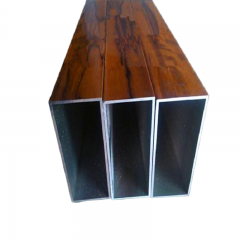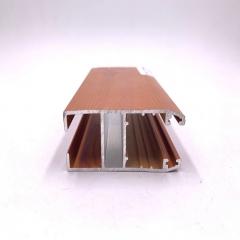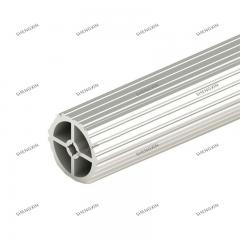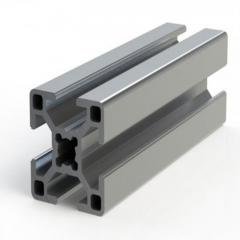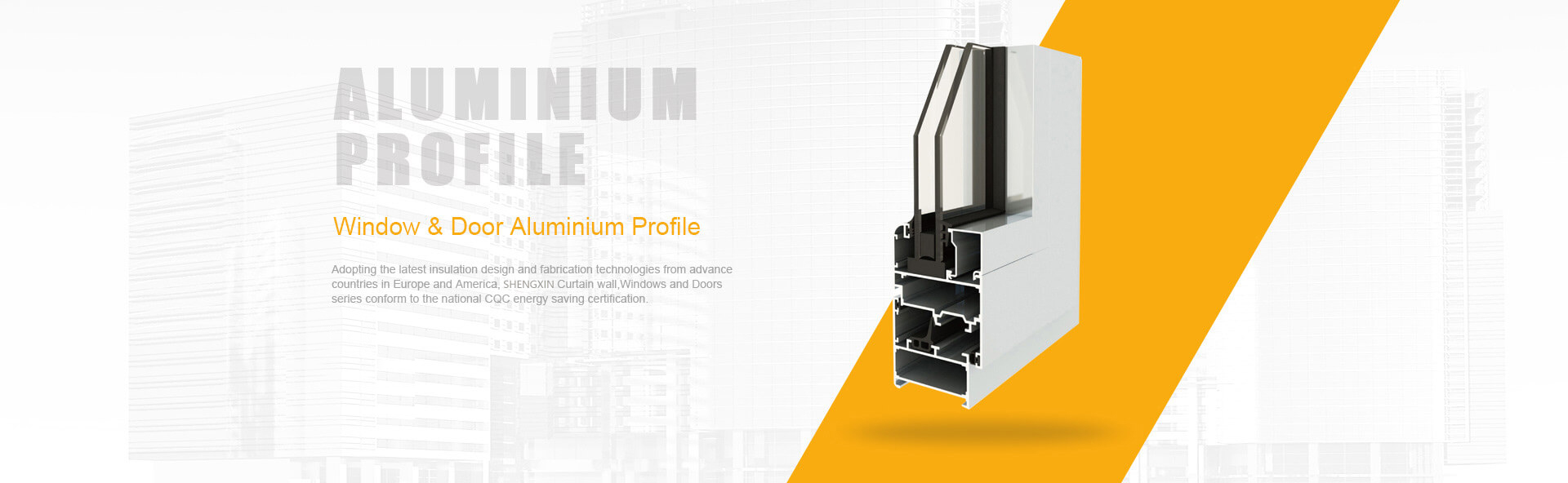
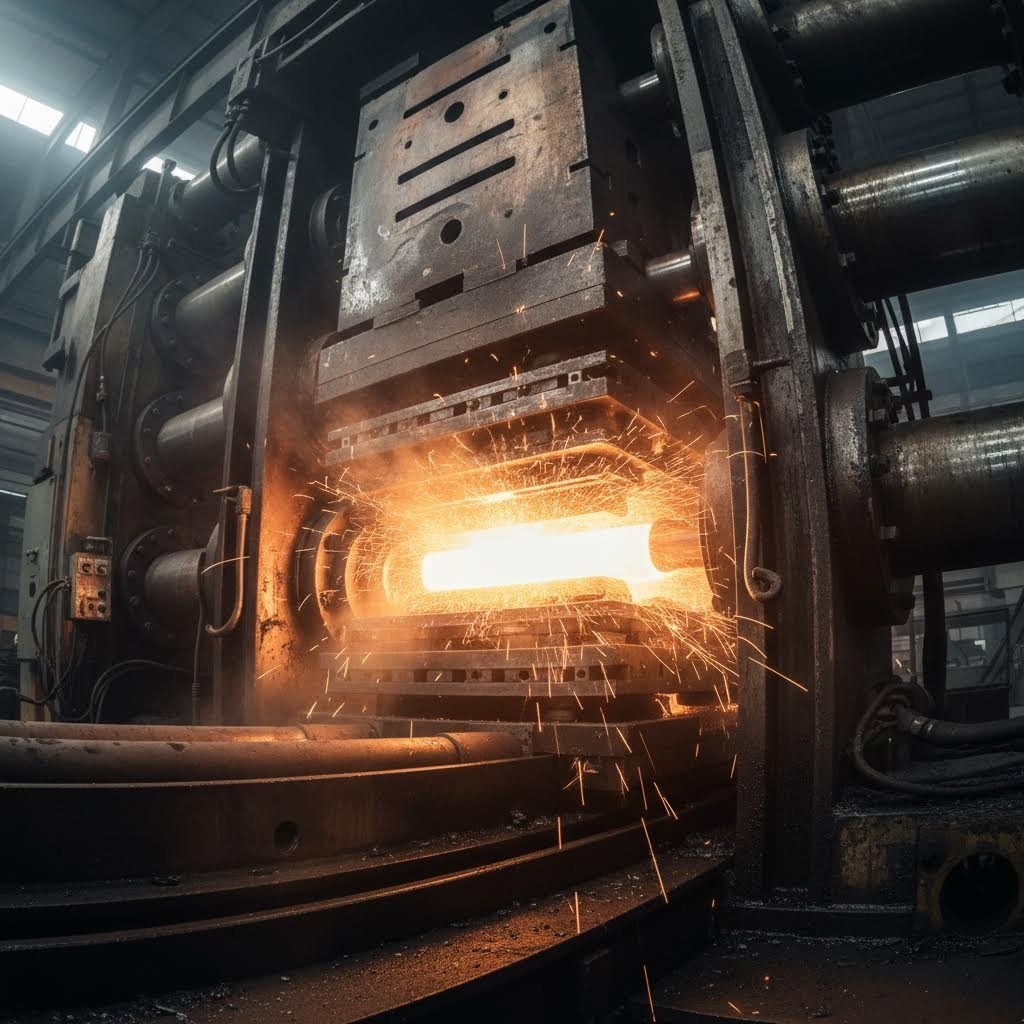
When you hear "aluminum extrusion press tooling," what comes to mind? If you're picturing just a die with a shaped opening, you're only seeing part of the picture. In reality, this term refers to an entire system of precision-engineered components working in concert to transform heated aluminum billets into complex profiles. Understanding what is aluminum extrusion tooling—and everything it encompasses—is the first step toward making smarter decisions that directly impact your production quality and bottom line.
So, what is aluminum extrusion at its core? The aluminum extrusion definition describes a process where material is forced through a shaped die opening to create elongated pieces matching that profile. Think of it like a sophisticated Play-Doh Fun Factory, but operating under extreme pressures and temperatures around 800-925°F. The extrusion process requires every component in the tooling stack to perform flawlessly—because when one element fails, the entire operation suffers.
The complete aluminum extrusion tooling system includes these essential components:
Why does understanding the full tooling stack matter? Imagine focusing all your attention on die design while neglecting your container liner condition. The result? Inconsistent billet flow, surface defects, and shortened die life. Each component influences the others in ways that directly affect your extrusion quality.
The aluminium extrusion definition remains consistent whether you're working with small intricate profiles or large structural sections—but the tooling requirements vary dramatically. For solid profiles, the tool stack typically includes a die ring, die, backer, bolster, and sub-bolster. Hollow profiles add complexity with die mandrels and die caps entering the equation.
What is extruded aluminum without proper tooling support? It's inconsistent dimensions, poor surface finish, and production headaches. The container must maintain precise temperatures while the dummy block creates a perfect seal. The stem transfers hydraulic force smoothly, and the die holder locks everything securely in position. When these elements work together seamlessly, you'll achieve the dimensional accuracy and surface quality your applications demand.
Throughout this article, you'll discover how each of these nine critical tooling decisions—from material selection to maintenance protocols—determines whether your dies deliver exceptional results or constant frustration. Let's move beyond basic definitions and explore the practical knowledge that separates successful extrusion operations from struggling ones.
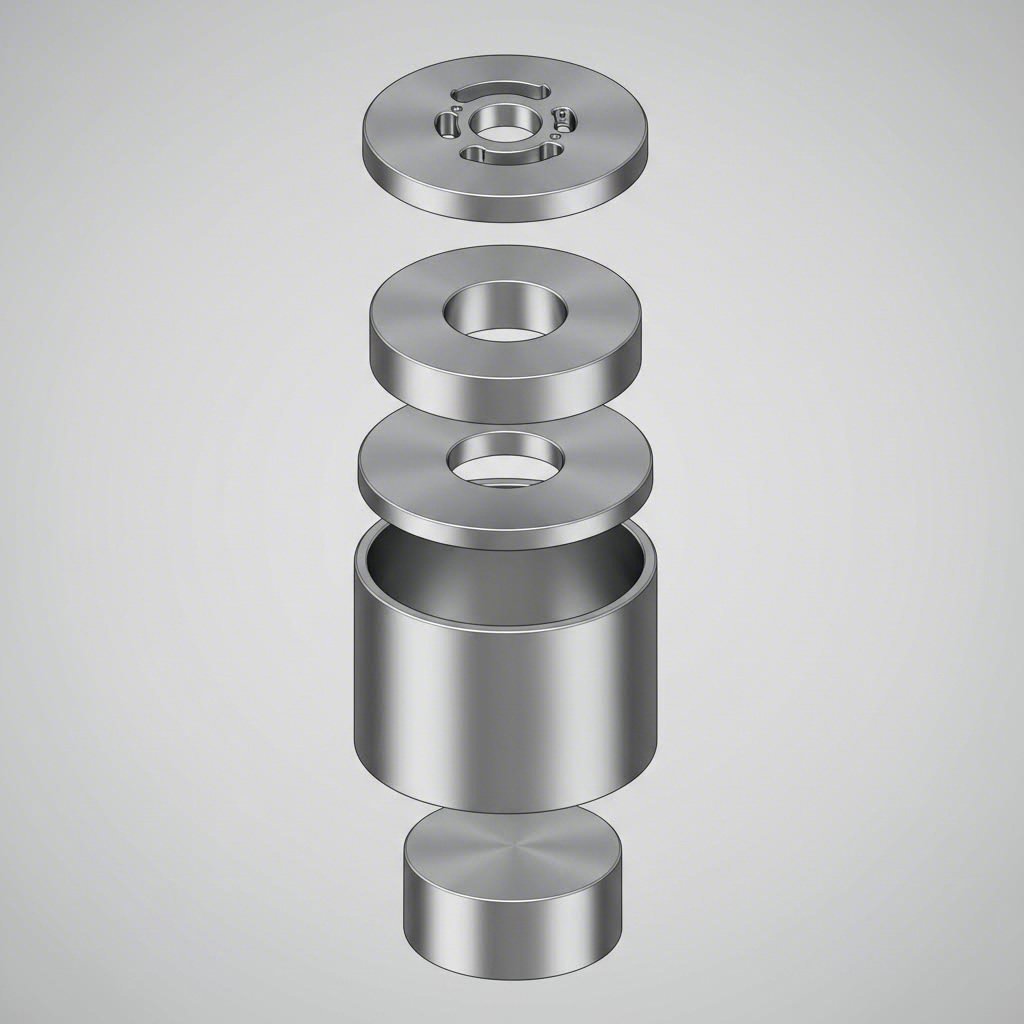
Now that you understand what aluminum extrusion press tooling encompasses, let's examine each component in detail. Think of the tooling stack as a carefully orchestrated team—every member has a specific role, and the success of the entire operation depends on each one performing flawlessly. When you're evaluating your extrusion die assembly or troubleshooting production issues, knowing exactly what each component does gives you the diagnostic power to identify problems quickly.
The extrusion die itself gets most of the attention, and rightfully so—it's the component that shapes your aluminum into the desired profile. But here's what many people overlook: extruder dies can only perform as well as their supporting components allow. Even the most precisely machined die will fail prematurely or produce substandard profiles if the supporting tooling isn't up to spec.
Let's break down what happens during extrusion. The hydraulic ram applies immense pressure—ranging from 1,000 to 15,000 tons—to force softened aluminum through the die opening. That's enough force to crush 50 pickup trucks simultaneously. Every component in the stack must withstand these extreme conditions while maintaining precise alignment.
The die mandrel deserves special attention for hollow profile production. This component creates the internal void in tubes and hollow sections by splitting the aluminum flow, then welding it back together after passing around the mandrel's bridges. The quality of this weld directly affects your profile's structural integrity. Poor mandrel design or worn bridges result in visible weld lines and weakened sections.
Understanding each die component's role helps you make better maintenance decisions and troubleshoot issues faster. Here's what you need to know about each element in the tooling stack:
Bolsters serve as the heavy-duty foundation of your die assembly. These thick steel plates distribute the massive hydraulic pressure evenly across the die, preventing localized stress that would cause premature failure. Without proper bolster support, even aluminium extrusion dies made from premium H13 steel will crack or deform under load.
Backers provide crucial reinforcement for complex or delicate profiles. These steel disks—typically two to three times thicker than the die itself—sit directly behind the die to absorb pressure and maintain dimensional stability. They also function as thermal barriers, preventing heat loss from the die to the bolster and maintaining consistent extrusion temperatures.
Sub-bolsters solve a practical problem: matching die stack length to press requirements. When your die assembly is too short for the extrusion press, sub-bolsters extend the stack to the required length while maintaining proper alignment and pressure distribution.
Containers do more than simply hold the heated billet. They maintain optimal temperature as the aluminum travels toward the die, ensuring consistent material properties throughout the extrusion. The container liner—a protective sleeve inside the container—reduces wear and improves performance, though it requires periodic replacement as it degrades.
Dummy blocks might seem simple, but they're critical for clean extrusion. Positioned between the stem and billet, these solid steel components create a tight seal that prevents aluminum from flowing backward. They also help distribute pressure evenly across the billet face, promoting uniform metal flow through the die.
Stems connect the hydraulic ram to the dummy block, extending the ram's reach through the entire container length. Proper stem alignment ensures consistent pressure application and prevents the billet from entering the die at an angle.
| Component Name | Primary Function | Material Typically Used | Replacement Frequency |
|---|---|---|---|
| Extrusion Die | Shapes aluminum into desired profile geometry | H13 tool steel (heat-treated) | After 20-100+ runs depending on complexity |
| Bolster | Distributes pressure and provides structural support | H13 or H11 tool steel | Semi-permanent; inspect annually |
| Backer | Reinforces die and manages thermal transfer | H13 tool steel | Profile-dependent; replace with die changes |
| Sub-bolster | Extends die stack to match press requirements | Medium carbon steel | Rarely replaced; inspect for wear |
| Container | Holds heated billet and maintains temperature | Alloy steel with liner | Liner: every 500-1,000 cycles |
| Dummy Block | Seals billet and distributes ram pressure | H13 tool steel | Every 100-500 cycles |
| Stem | Connects ram to dummy block | Alloy steel (heat-treated) | Inspect regularly; replace when worn |
| Mandrel | Creates hollow sections in tubular profiles | H13 tool steel | With die replacement or when bridges wear |
How does each component affect your extrusion quality? Consider this scenario: worn container liners create friction variations that cause inconsistent billet flow. The aluminum enters the die at varying speeds, producing profiles with dimensional inconsistencies. Meanwhile, a damaged dummy block allows aluminum to escape backward, reducing pressure at the die face and causing incomplete profile formation.
The relationship between components extends to efficiency as well. Properly maintained die components reduce press downtime, extend die life, and minimize scrap rates. When your bolster provides even pressure distribution, your die experiences less localized stress and lasts longer. When your backer maintains proper thermal conditions, you achieve consistent material flow and surface finish.
Understanding these relationships prepares you for the next critical decision: selecting the right die type for your specific profile requirements. The complexity of your chosen profile directly determines which components you'll need and how they must be configured.
Choosing the right extrusion dies isn't just about matching a profile shape to a die category. It's about understanding how each die type affects your production costs, quality outcomes, and manufacturing flexibility. When you grasp the engineering rationale behind die selection, you'll make decisions that save thousands in tooling costs while achieving the precise extrusion shapes your applications demand.
Every aluminum extrusion die falls into one of three categories: solid, hollow, or semi-hollow. Sounds simple, right? But here's where many designers go wrong—they focus solely on whether their profile has an enclosed void, ignoring the practical implications that determine production success.
Solid dies represent the simplest and most cost-effective option among the types of dies available. These extrusion dies create profiles without any enclosed voids—think angles, channels, rods, and flat bars. A typical solid die stack includes just the die plate, feeder plate, backer, and bolster. With fewer components and straightforward metal flow paths, solid dies cost less upfront and typically run faster during production.
The engineering advantage? Metal flows directly through the die opening without splitting or rejoining. This means no weld lines, fewer surface defects, and more predictable dimensional results. If your profile can be designed as a solid shape, you'll benefit from lower tooling investment and higher production speeds.
Hollow dies (also called porthole dies) tackle the challenge of creating tubes and profiles with fully enclosed voids. These aluminium extrusion die designs are more complex because they must split the aluminum flow around internal mandrels, then weld it back together before the metal exits the die opening. The result? Seamless hollow sections without visible seam lines when properly executed.
Creating hollow profiles requires additional components: a mandrel that forms the internal void, bridges that support the mandrel while allowing metal to flow around it, and a welding chamber where the split metal rejoins. According to industry specifications, the pressure required to push aluminum through these dies can reach 100,000 to 125,000 psi—twenty times greater than what would damage a building's exterior. Every additional component must withstand these extreme conditions.
Semi-hollow dies occupy the middle ground, producing profiles with partially enclosed areas. Picture a C-channel with a small gap or a profile with a deep, narrow slot. These aren't fully hollow because the void isn't completely enclosed, but they're more complex than simple solid shapes.
The key differentiator for semi-hollow classification is the tongue ratio—the relationship between the void area's depth and the connecting gap's width. Here's how it works: imagine a profile with a deep pocket and a narrow opening. The higher the ratio of depth to opening width, the more the die behaves like a hollow die during extrusion. A larger tongue ratio means more complex metal flow, increased die stress, and higher manufacturing costs.
Why does this matter for your tooling decisions? A profile classified as semi-hollow with a high tongue ratio might cost nearly as much as a hollow die while delivering some disadvantages of both categories. Understanding where your design falls on this spectrum helps you optimize geometry for the most cost-effective die type.
| Die Type | Profile Complexity | Typical Applications | Relative Cost | Production Speed |
|---|---|---|---|---|
| Solid | Low - no enclosed voids | Angles, channels, rods, flat bars, heat sinks | Lowest (baseline) | Fastest |
| Semi-Hollow | Medium - partially enclosed areas | C-channels, profiles with deep slots, grooved sections | 1.5-2x solid die cost | Moderate |
| Hollow | High - fully enclosed voids | Tubes, rectangular sections, multi-void profiles | 2-4x solid die cost | Slowest |
When selecting among the types of aluminum extrusion, your decision framework should consider these critical factors:
Temperature and pressure considerations also vary by die type. Hollow dies require higher extrusion temperatures to ensure proper metal welding in the chamber. The Aluminum Extruders Council recommends keeping profile circumscribing circle diameter (CCD) under 8 inches and weight-per-foot at 3 pounds or less for optimal economics—guidance that becomes especially important when working with complex hollow sections.
Among the types of extruded aluminum profiles available, hollow sections offer the best strength-to-weight ratios for structural applications. But that advantage comes with higher tooling costs and slower production speeds. The strategic question isn't which die type is "best"—it's which type delivers the optimal balance of performance, cost, and manufacturability for your specific application.
With your die type selected, the next critical decision involves choosing the right materials and manufacturing processes to bring your tooling to life. The steel grade, heat treatment, and machining precision of your dies determine whether they'll deliver thousands of quality extrusions or fail prematurely under production stress.
You've selected your die type and understand how it fits into the complete tooling stack. But here's where many extrusion operations stumble: assuming all dies are created equal simply because they share similar designs. The reality? The steel grade, heat treatment protocol, and manufacturing precision of your dies determine whether they'll deliver consistent quality across thousands of extrusions—or crack under pressure after a few hundred runs.
Why does H13 tool steel dominate the die manufacturing landscape? It comes down to three critical properties that no other material matches for hot work applications: thermal fatigue resistance, hot hardness retention, and exceptional toughness under extreme stress.
When aluminum at 800-925°F flows through your die at pressures exceeding 100,000 psi, the die surface experiences rapid heating and cooling cycles with every extrusion. This thermal cycling would cause most steels to develop surface cracks—a phenomenon called heat checking. According to Hudson Tool Steel's technical specifications, H13's chromium-molybdenum composition provides superior resistance to this thermal fatigue cracking, making it the preferred choice for more hot work tooling applications than any other tool steel.
But raw H13 steel won't deliver these benefits without proper heat treatment. The transformation from soft, machinable steel to a hardened die capable of withstanding production demands follows a precise sequence:
What is a die in manufacturing terms? It's only as good as its heat treatment. Skip the double tempering, and you'll have a brittle die prone to catastrophic cracking. Rush the preheating phase, and internal stresses will cause dimensional distortion during production. Every step matters.
While H13 handles most applications excellently, specific situations call for alternative materials. For extremely abrasive alloys or exceptionally long production runs, some manufacturers opt for tungsten steel alloys that offer enhanced wear resistance. Electro-Slag-Remelted (ESR) and Vacuum-Arc-Remelted (VAR) versions of H13 provide improved chemical homogeneity and refined carbide structures for critical applications where maximum fatigue resistance is essential.
The die in manufacturing must also receive appropriate surface treatments to extend service life. Nitriding—a surface hardening process that diffuses nitrogen into the steel—creates a thin, extremely hard layer that dramatically improves wear resistance. This treatment can double or triple die life when applied at proper intervals during the die's service cycle.
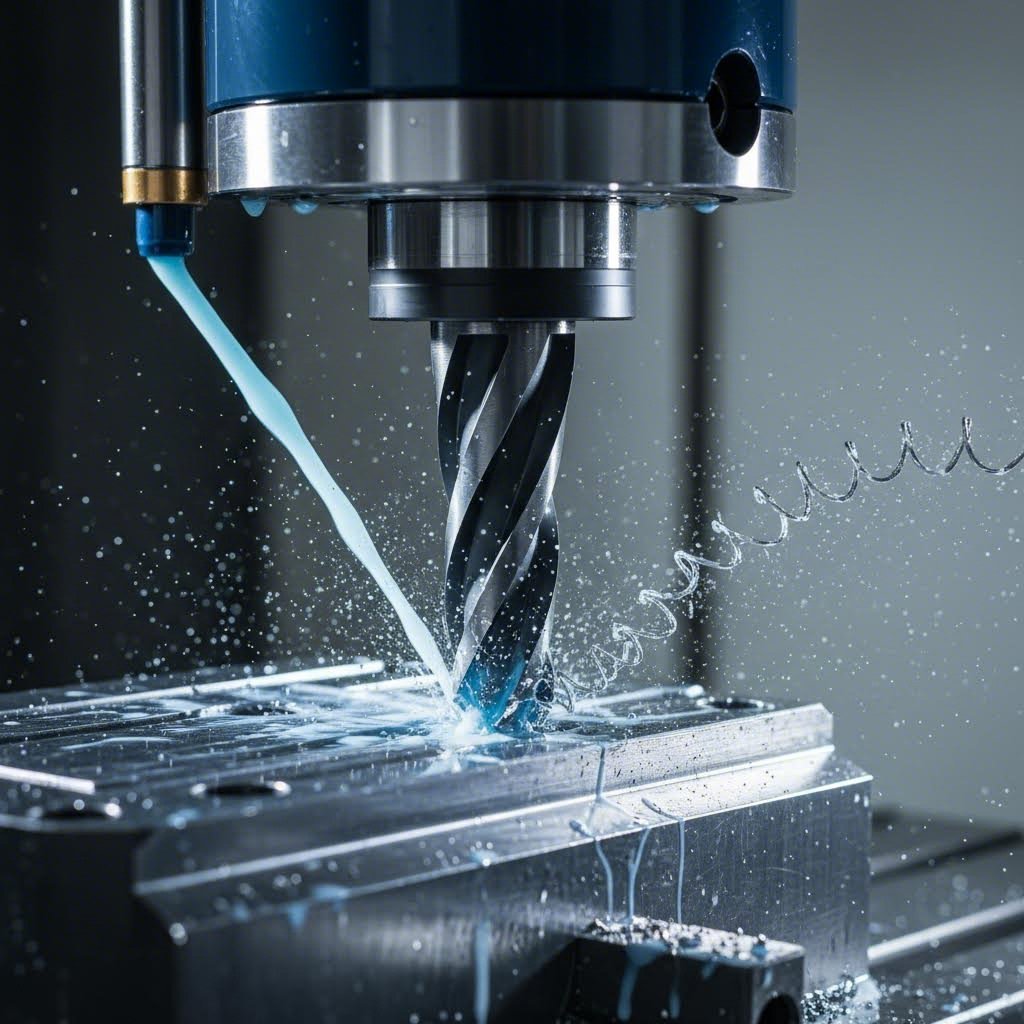
The dies manufacturing process has evolved significantly with computer-controlled machining. Today's die production follows a sophisticated workflow: CAD design, CNC rough machining, heat treatment, precision CNC finishing, EDM (electrical discharge machining) for intricate features, and final hand polishing.
What makes CNC machining transformative for die manufacturing? Precision and repeatability. When your die needs correction after initial trials—adjusting bearing lengths, modifying pocket depths, or tweaking flow channels—CNC equipment executes these modifications with micron-level accuracy. Manual corrections, while still valuable for final touch-ups, can't match this consistency.
EDM technology handles features that conventional cutting tools cannot reach. The process uses electrical sparks to erode metal precisely, creating sharp internal corners, deep narrow slots, and complex pocket geometries impossible to achieve any other way. For hollow dies with intricate mandrel bridges, EDM is often the only viable manufacturing method.
Your manufacturing die must meet these critical specifications to perform reliably:
These specifications aren't arbitrary numbers—they represent the accumulated knowledge of what separates dies that perform from dies that fail. When evaluating die suppliers, ask about their heat treatment protocols, surface finish capabilities, and tolerance standards. The answers reveal whether you're getting precision tooling or commodity components that will cost you in production downtime and scrap rates.
With your die properly manufactured from the right materials, the next challenge emerges: ensuring your design intent translates accurately from CAD drawing to finished tooling. This requires clear communication between designers and toolmakers—a collaboration that determines whether your first die trial succeeds or requires costly corrections.
You've specified the perfect material and selected a qualified die manufacturer. But here's where many projects derail: the handoff from your CAD drawing to production-ready tooling. Without clear communication and complete documentation, even experienced toolmakers must guess at your intentions—and those guesses often translate to expensive die corrections, delayed production starts, and profiles that don't quite meet specification.
The journey from digital design to functional die for aluminium extrusion involves far more than simply sending a DXF file to your toolmaker. According to industry analysis, many buyers send CAD files that look correct on screen but fail in production—not because of price or lead time issues, but because unclear file requirements block the extrusion aluminium process from the start.
Your drawing and extrusion specifications form the foundation of successful die development. Think of this documentation package as your die's instruction manual—every missing detail forces someone to make assumptions, and assumptions introduce variability into your results. The most effective designer-to-toolmaker workflows include these essential elements:
File format matters more than many designers realize. STEP files are generally preferred for complex aluminum extrusion design because they carry solid 3D data that helps toolmakers analyze wall thickness, symmetry, and metal flow paths. Two-dimensional DWG or DXF files work for simple, symmetric profiles, but complex shapes benefit significantly from 3D representations that eliminate guesswork.
How do die designers translate your profile into functional tooling? The process begins with analyzing your geometry to calculate metal flow characteristics. Thicker sections naturally flow faster than thin walls because they offer less resistance. Sections near the die center receive more direct billet pressure than those near the edges. These physics realities drive every subsequent design decision.
Designing die geometry involves calculating three interdependent parameters: bearing lengths, pocket depths (sink-in), and flow channel configurations. Research from the University of Twente demonstrates that bearing length directly controls exit velocity—longer bearings create greater resistance, slowing metal flow through that section. By varying bearing lengths across the profile, designers balance exit speeds to prevent the warping, twisting, and dimensional problems that plague poorly designed aluminum extrusion dies.
Pocket geometry (the recessed area before the bearing) pre-forms aluminum before it enters the final shaping zone. Variable pocket offsets can compensate for thickness variations and distance from die center, reducing the bearing length variations needed and creating more stable, predictable flow patterns. This combined approach—coordinating pocket and bearing geometry—represents current best practice in aluminum extrusion design.
Not all profile features impact die cost and performance equally. Understanding which design choices drive complexity helps you make informed trade-offs during product development. These considerations significantly affect your tooling investment:
What should you provide to your toolmaker for optimal results? Beyond the technical drawings, communicate your application context. A heat sink profile destined for precision electronics assembly has different priorities than structural framing for general construction. Knowing how the profile will be used helps experienced die designers make appropriate trade-offs when balancing competing requirements.
Tolerance clarity deserves special emphasis. Mark only the dimensions that truly matter for function and fit—applying tight tolerances everywhere increases scrap rates, extends die development time, and raises costs without adding value. Standard extrusion tolerances accommodate most applications; specify tighter requirements only where assembly or performance genuinely demands them.
The investment in clear documentation pays dividends throughout production. Dies designed from complete, accurate information require fewer correction cycles, reach stable production faster, and deliver more consistent quality. Conversely, incomplete specifications create a cycle of trial runs, corrections, and delays that consume weeks and thousands of dollars before you extrude your first saleable profile.
With your die designed and manufactured to specification, the focus shifts to keeping it performing at peak levels. Proper maintenance practices—from nitriding schedules to correction techniques—determine whether your tooling investment delivers hundreds of production runs or fails prematurely.
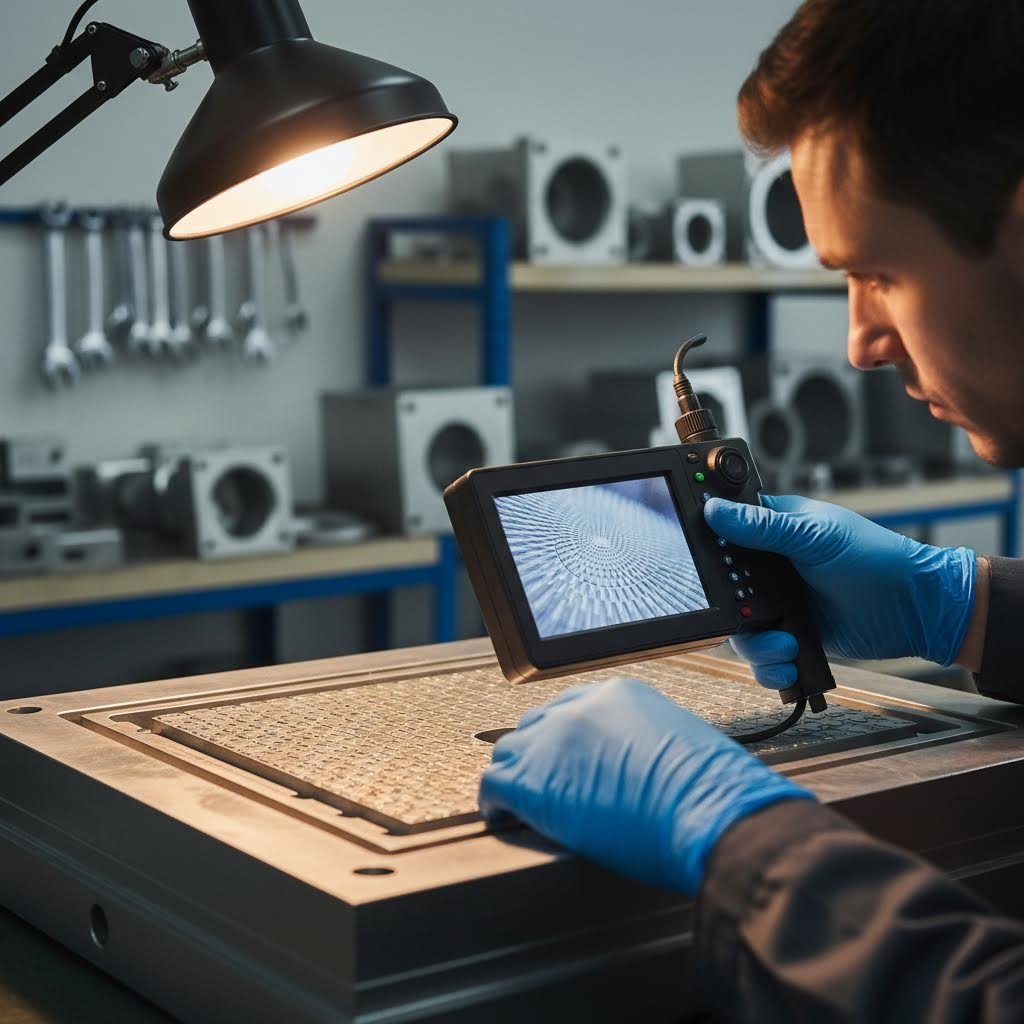
Your die is manufactured from premium H13 steel, properly heat-treated, and designed to your exact specifications. Now what? Here's the reality many operations overlook: extrusion die costs account for approximately 35% of profile extrusion production costs. How you maintain your tooling dies determines whether that investment delivers maximum returns or becomes an ongoing source of frustration and unexpected expenses.
The working conditions facing your aluminum tooling are brutal. Every extrusion cycle subjects the die to extreme thermal cycling, intense friction, and pressures exceeding 100,000 psi. Without proper maintenance protocols, even the highest-quality tooling die will fail to reach its rated output—sometimes producing fewer than 20 billets before requiring replacement.
Surface nitriding represents the single most important maintenance practice for extending die tooling life. This thermochemical treatment diffuses nitrogen into the die surface, creating an extremely hard layer that dramatically improves wear resistance while maintaining the core's toughness. Think of it as armor plating for your die's working surfaces.
But here's what many operations get wrong: nitriding isn't a one-time treatment. The nitriding layer gradually wears during production, and the process must be repeated at strategic intervals throughout the die's service life. According to industry maintenance standards, a proper nitriding schedule follows this pattern:
The target nitriding layer thickness should reach approximately 0.15mm. Before each treatment, the working belt must be polished and the die cavity cleaned thoroughly—any residual alkali slag or foreign particles will compromise the nitriding quality and create weak spots prone to premature wear.
Beyond nitriding, routine maintenance includes polishing the working belt to mirror finish before each production run, inspecting flatness and verticality, and cleaning the die cavity with high-pressure air and brushes. Dust or debris in the cavity gets driven into the working belt by metal flow, creating surface defects on your extruded profiles.
Die correction techniques can extend aluminium tooling life significantly when applied appropriately. The key is recognizing which problems respond to correction and which indicate the die has reached end-of-life. Common correction methods include:
Bearing adjustments address uneven metal flow by modifying the resistance at different points across the profile. Lengthening bearings slows metal exit; shortening them speeds it up. Skilled technicians use these adjustments to balance flow velocity across complex profiles.
Pocket modifications alter the pre-forming zone before the bearing, changing how aluminum enters the final shaping area. Deepening pockets reduces bearing length requirements while improving flow consistency.
Polishing and surface repair removes minor wear patterns and restores smooth metal flow. When the mold core working belt shows severe wear and grooves, the profile wall may bulge due to increased friction. If wall thickness tolerance permits, polishing the core surface reduces friction; severe wear may require preheating to 300°C and repair welding before re-machining to specification.
The cost-benefit analysis of refurbishment versus replacement depends on several factors: remaining die life potential, correction complexity, production urgency, and whether dimensional drift can be corrected to within tolerance. A die requiring its fifth nitriding treatment with significant bearing wear is approaching natural end-of-life—further investment in correction may not be justified.
When production problems emerge, systematic troubleshooting helps identify root causes quickly. Here are the most common issues and their solutions:
Proper die handling extends beyond production. After unloading, die temperature exceeds 500°C—immersing immediately in alkaline cleaning solution causes thermal shock that can crack the die. The correct method: allow the die to cool in air to 100-150°C before alkaline immersion. For porthole dies, detailed unloading procedures that extract aluminum from port holes before immersion reduce cleaning time and workload.
Documentation practices often separate excellent operations from struggling ones. Comprehensive tooling records should include: design drawings and production records, precision and hardness values from inspection, process parameters from each extrusion run (temperatures, speeds, pressures, yields), nitriding treatment dates, repair histories, and scrapping reasons. These records enable continuous improvement in die design, accurate cost calculations, and informed decisions about when similar dies require service.
Extrusion die service intensity should follow a graduated approach: low intensity during the break-in period while metal structure stabilizes, increased intensity during mid-life when performance is robust, then reduced intensity as the die approaches end-of-life to maximize total output before retirement.
Storage conditions matter too. Dies should be stored clean and dry, with bearing surfaces protected from corrosion and physical damage. Organized storage with clear identification prevents the frustration of searching for specific tooling when production schedules demand quick changeovers.
With proper maintenance protocols established, your attention can turn to ensuring your press capabilities match your tooling requirements. The relationship between press tonnage and die performance directly affects what profiles you can produce and how efficiently your operation runs.
Your dies are manufactured to exacting specifications, properly maintained, and ready for production. But here's a critical question many operations overlook: does your aluminum extrusion press machine have the power to drive aluminum through those dies effectively? The relationship between press tonnage and tooling capabilities isn't just about whether extrusion is possible—it determines profile quality, production speed, and ultimately whether your tooling investment delivers optimal returns.
The aluminum extrusion process relies on hydraulic force to push heated aluminum through your die opening. This force, measured in tons, ranges dramatically across the industry—from compact 600-ton presses handling small precision profiles to massive 5,500-ton machines producing large structural sections. According to industry specifications, common press capacities extend from 500 tons to over 15,000 tons, with selection depending on profile complexity and size.
What determines how much tonnage your profile requires? Several interconnected factors come into play:
The extrusion ratio deserves special attention. This critical parameter compares the billet's cross-sectional area to the profile's cross-sectional area. A typical first-time extrusion ratio ranges from 8:1 to 12:1—meaning the billet area is 8 to 12 times larger than the final profile area. Higher ratios increase deformation resistance, demanding more powerful presses.
Different profile types also carry different tonnage requirements. Solid profiles generally require lower tonnage compared to hollow profiles because they involve less complex metal deformation. For standard aluminum doors and windows, an 800T or 1000T press typically suffices. Larger profiles such as curtain walls and structural sections may require presses exceeding 1250T, while the most demanding applications call for machines rated at 3000T or higher.
Container sizing and billet dimensions form the physical link between press capacity and die design. The container—that cylinder holding your heated billet during extrusion—has an inside diameter slightly larger than your billet. This relationship directly limits maximum profile size through a measurement called the circumscribing circle diameter (CCD).
Here's the practical implication: a press with a 7-inch container cannot produce profiles requiring an 8-inch circumscribing circle, regardless of available tonnage. The aluminium extrusion process requires sufficient billet volume to fill the die opening completely while maintaining adequate pressure. Larger containers enable larger profiles but require proportionally more powerful hydraulic systems.
The metal extrusion process also varies by press configuration. Direct extrusion—where the ram pushes the billet through a stationary die—remains most common and typically requires higher tonnage due to friction between the billet and container wall. Indirect extrusion, where the die moves toward the billet, can sometimes reduce required tonnage since the billet remains stationary relative to the container.
Temperature control capabilities vary significantly between press sizes and generations. Proper billet temperature management affects both extrusion quality and required pressure. Modern presses feature sophisticated temperature monitoring throughout the extrusion manufacturing process, maintaining the 750-900°F range optimal for most 6xxx-series alloys. Older or smaller presses may lack this precision, affecting both die performance and profile quality.
Modern extrusion facilities recognize that no single press handles every application optimally. Facilities with multiple press sizes can match each profile to the most appropriate machine—using smaller presses for intricate small-section profiles and larger presses for structural components requiring maximum force.
This strategic matching delivers real advantages. Running a small profile on an oversized press wastes energy and capacity while potentially causing control issues from excess available force. Conversely, pushing a large profile on an undersized press results in slow extrusion speeds, excessive die wear, and compromised quality. The extrusion manufacturing process works best when press capabilities align closely with profile requirements.
Matching your profile requirements to appropriate press capacity isn't just about whether extrusion is physically possible—it's about achieving optimal tooling performance, production efficiency, and cost per piece. The right press-profile match extends die life, maximizes production speed, and delivers consistent quality that the wrong pairing simply cannot achieve.
Press technology continues advancing. Today's hydraulic systems feature stand-alone pumps and valve systems providing precise closed-loop speed control. Computer and PLC systems track all process variables including extrusion force, ram displacement, and ram velocity. These capabilities enable tighter process control, more consistent quality, and better tooling utilization than previous press generations could achieve.
Quenching systems—the equipment cooling profiles after extrusion—also vary by press installation. Air quench, water spray, water mist, and water bath options each affect profile properties differently. Your die design must account for available quenching methods since cooling rate influences final mechanical properties and dimensional stability.
When evaluating extrusion capabilities—whether internal or through external partners—consider the full range of available press sizes and supporting equipment. A facility with presses ranging from 600T to 5500T can optimize tooling utilization across diverse profile requirements, matching each die to the press configuration that delivers best results. This flexibility becomes especially valuable for operations producing varied profile sizes or developing new products where requirements may evolve.
With press capacity and tooling requirements aligned, your final consideration involves selecting an extrusion partner capable of supporting the complete journey from die development through production. The right partner brings not just press capacity, but integrated capabilities spanning design, manufacturing, finishing, and quality assurance.
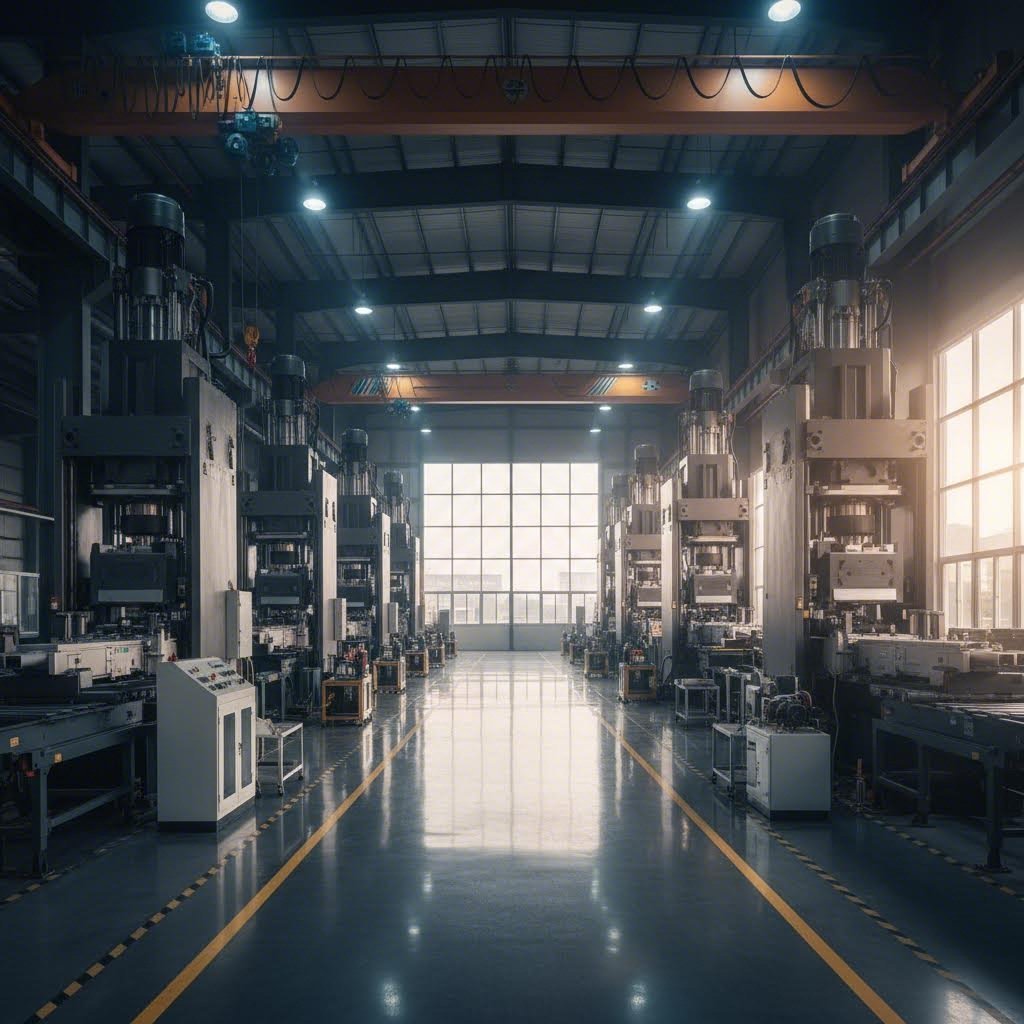
You've mastered the technical fundamentals of aluminum extrusion press tooling—from die materials and design principles to maintenance protocols and press compatibility. But here's the question that ultimately determines your production success: who will transform this knowledge into reliable, high-quality profiles? Selecting the right aluminum extrusion manufacturing partner involves evaluating capabilities that extend far beyond basic press capacity. The partner you choose affects everything from initial die development speed to final part quality and ongoing production flexibility.
What separates exceptional extrusion partners from adequate ones? According to industry procurement guides, the most critical evaluation criteria center on die design expertise, press capability breadth, and the transparency of their processes. When you're evaluating partners for complex aluminum extrusion applications, probe beyond surface-level capabilities.
Die tooling determines whether a supplier can produce your profile at the tolerances, finish, and volumes you need. Ask whether tooling is designed and manufactured in-house or subcontracted—in-house capabilities typically provide faster turnaround for corrections and better communication between designers and production teams. Request cross-sections and tolerance notes from recent jobs to verify their work aligns with your requirements.
Press range flexibility matters more than many buyers realize. A partner operating only mid-sized presses may struggle with both small aluminum extrusions requiring precision control and large structural profiles demanding maximum tonnage. Facilities with diverse press capacities—ranging from 600T machines for intricate profiles up to 5500T presses for heavy structural sections—can optimize each project for the most appropriate equipment.
Consider these essential partner evaluation criteria:
The most valuable aluminum profile extrusion partners provide seamless support across the entire production journey. This integrated approach eliminates the coordination headaches that plague multi-vendor supply chains while maintaining consistent quality standards from first concept through final delivery.
Imagine developing a new aluminum extrusion system component. With a fragmented supply chain, you'd coordinate separately with die designers, extrusion facilities, machining vendors, and finishing specialists—each handoff introducing delays, communication gaps, and potential quality issues. End-to-end partners consolidate these capabilities, providing single-point accountability for your complete machined aluminum extrusion requirements.
Established manufacturers like Shengxin Aluminium demonstrate what comprehensive capability looks like in practice. With 35 extrusion presses ranging from 600T to 5500T and over 30 years of industry experience, they offer the press diversity needed to optimize any profile for appropriate equipment. Their facility includes state-of-the-art CNC machining centers capable of precise cutting, drilling, and bending to meet exact specifications—eliminating the need for separate machining vendors.
Surface treatment capabilities deserve particular attention during partner evaluation. Limited finishing options force compromises in product design or require additional vendor relationships. Comprehensive partners offer extensive treatment arrays including anodizing (available in custom colors), powder coating, PVDF for architectural applications, and advanced options like micro-arc oxidation for superior durability. This breadth enables specification of ideal finishes without supply chain complexity.
When evaluating end-to-end support, ask potential partners about their technical team involvement from initial die development through mass production ramp-up. The best partners assign engineering resources to review your designs for manufacturability, suggest optimizations that improve quality or reduce cost, and remain engaged through production to address any issues quickly. This collaborative approach—rather than transactional order processing—distinguishes partners who contribute to your success from those merely fulfilling specifications.
For prototype aluminum extrusions and initial development work, clarify the partner's approach to small-quantity runs. Some manufacturers treat prototypes as costly nuisances; others recognize them as the foundation for future production relationships. Partners offering die cost refund plans, phased production options, or shared tooling arrangements demonstrate genuine interest in supporting your development process economically.
Quality systems reveal operational discipline. Request documentation of inspection protocols for dimensional accuracy, the frequency of in-process checks, and the measurement equipment employed. Partners using CMM (coordinate measuring machines), laser scanners, and profile projectors with statistical process control demonstrate the infrastructure needed for consistent aluminum extrusion systems production.
Factory-direct pricing from established manufacturers often delivers better value than trading companies or intermediaries—you're paying for capability rather than coordination margins. When evaluating quotes, ensure you're comparing equivalent scope: die costs, per-piece extrusion, secondary operations, surface treatment, inspection, and packaging should all be itemized for accurate comparison.
The right partner relationship transforms aluminum extrusion from a procurement challenge into a competitive advantage. When your tooling decisions align with capable manufacturing support, you'll achieve the quality, consistency, and cost efficiency that drive successful products—turning the technical knowledge you've developed throughout this article into practical production results.
You've now explored every critical element of aluminum extrusion press tooling—from the complete die stack components to maintenance protocols, press compatibility, and partner selection. But knowledge alone doesn't improve your production outcomes. The real value emerges when you translate these insights into strategic decisions that optimize your tooling investments for long-term success.
Strategic tooling decisions extend far beyond purchasing the cheapest die or selecting the nearest extrusion partner. Every choice you make—from die type selection to maintenance scheduling—compounds over time, either building toward operational excellence or accumulating inefficiencies that drain profits.
Consider the economics of the extrusion of aluminium profiles. According to industry ROI analysis, custom die costs typically range from $300 for simple solid profiles to over $2,000 for complex hollow sections. While these figures seem modest compared to other manufacturing methods like die casting (which often exceeds $25,000), the real financial impact comes from how effectively you utilize and maintain that tooling investment.
A $1,500 die producing 100,000 feet of profile adds only $0.015 per foot to your costs. As production volume increases, this per-unit tooling cost approaches zero—making raw material and extrusion time your dominant expenses. This amortization principle underlies why metal extrusion delivers exceptional value for high-volume production, unlike impact extrusions or machined components where tooling costs remain proportionally higher.
But here's what many operations miss: die longevity directly multiplies this advantage. A properly maintained die lasting 50% longer than a neglected one doesn't just save replacement costs—it reduces production interruptions, eliminates correction cycles, and maintains consistent quality across your entire output. The maintenance practices covered earlier aren't optional additions; they're essential investments that dramatically improve your cost-per-piece economics.
The difference between profitable extrusion operations and struggling ones rarely comes down to aluminum prices or labor costs. It's the accumulated impact of hundreds of tooling decisions—die type selection, material specifications, maintenance protocols, and partner capabilities—that determines whether your extrusion investment delivers returns or drains resources.
Throughout this article, you've explored nine interconnected decisions that determine your extrusion success. Here's how they work together as an integrated strategy:
The relationship between aluminum extrusion with iron-containing alloys and tooling wear illustrates how these factors interconnect. Harder alloys accelerate die wear, requiring more frequent nitriding treatments and potentially different steel grades—decisions that cascade through your maintenance schedules, cost projections, and supplier requirements.
Where do you go from here? Your next steps depend on your current situation:
If you're specifying new profiles: Apply the design-for-manufacturability principles covered earlier. Maintain uniform wall thicknesses where possible, add appropriate radii to corners, and communicate tolerance requirements clearly. Request die design review from your extrusion partner before finalizing specifications—catching issues at the design stage costs nothing compared to correcting them after tooling is manufactured.
If you're optimizing existing production: Audit your current maintenance practices against the protocols outlined in this article. Are you following proper nitriding schedules? Documenting die performance systematically? Storing tooling correctly between runs? Small improvements in maintenance discipline often yield outsized returns in die life and quality consistency.
If you're evaluating extrusion partners: Use the evaluation criteria from the previous section as your assessment framework. Probe beyond surface capabilities to understand their die design expertise, press range flexibility, secondary processing options, and quality systems. The right partner doesn't just manufacture profiles—they contribute expertise that improves your outcomes.
This article serves as your comprehensive technical reference for aluminum extrude optimization decisions. Bookmark it, share it with your engineering team, and return to specific sections when facing tooling challenges. The principles here represent accumulated industry knowledge that separates successful extrusion operations from those constantly fighting quality issues and cost overruns.
Your tooling decisions shape every profile you'll ever produce. Make them strategically, maintain your investment systematically, and partner with suppliers who share your commitment to excellence. The nine critical decisions covered here provide your roadmap—now it's time to put that knowledge into action.
An aluminum extrusion die is a precision-machined steel tool with a shaped opening that determines the final profile geometry. During extrusion, heated aluminum billets (800-925°F) are forced through the die opening under extreme hydraulic pressure ranging from 1,000 to 15,000 tons. The die works as part of a complete tooling stack including bolsters, backers, containers, dummy blocks, and stems. For hollow profiles, mandrels create internal voids by splitting aluminum flow around bridges before welding it back together in the chamber.
The three main die types are solid, hollow, and semi-hollow. Solid dies create profiles without enclosed voids like angles, channels, and rods—offering the lowest cost and fastest production speeds. Hollow dies (porthole dies) produce tubes and profiles with fully enclosed voids using mandrels and welding chambers, costing 2-4x more than solid dies. Semi-hollow dies handle partially enclosed areas like C-channels with deep slots, classified by tongue ratio calculations that determine complexity and cost.
Custom aluminum extrusion dies typically range from $300 for simple solid profiles to over $2,000 for complex hollow sections—significantly less than die casting tooling which often exceeds $25,000. The total tooling investment includes the die, backer, bolster, and supporting components. Partners like Shengxin Aluminium offer factory-direct pricing with 35 extrusion presses (600T-5500T), providing comprehensive die development through mass production support that optimizes your tooling investment.
Die life extension relies primarily on proper nitriding schedules—surface hardening treatments that can double or triple service life. The recommended protocol includes initial nitriding before production, a second treatment after 5-10 billets, third after 40-80 additional billets, and subsequent treatments not exceeding 100-120 billets between applications. Additional practices include polishing bearing surfaces before each run, proper storage at controlled temperatures, systematic documentation of die performance, and allowing dies to air-cool to 100-150°C before alkaline cleaning.
Evaluate partners on in-house die design capabilities for faster corrections, press range diversity (600T-5500T covers most applications), integrated secondary processing like CNC machining and precision cutting, comprehensive surface treatments including anodizing and powder coating, and robust quality systems with CMM inspection. Top-tier manufacturers like Shengxin Aluminium provide end-to-end support from die development through production, eliminating multi-vendor coordination while maintaining consistent quality standards across over 30 years of industry experience.



 un service en ligne
 0086 136 3563 2360
 sales@sxalu.com
 +86 136 3563 2360
 français
 English
 Deutsch
 русский
 español
 português
 العربية
 ไทย
ไทย Việt
Việt Українська