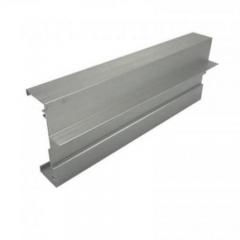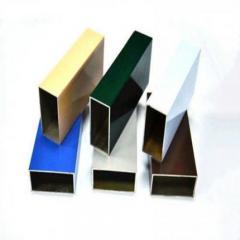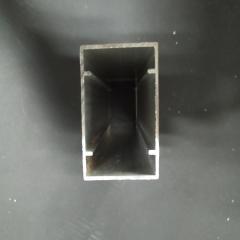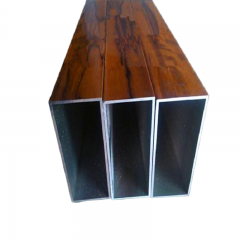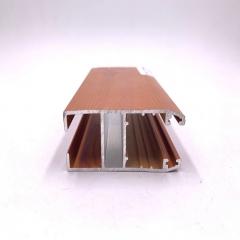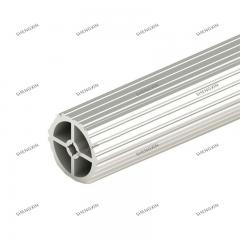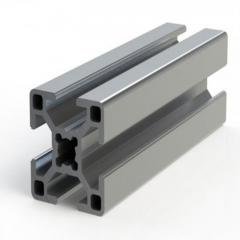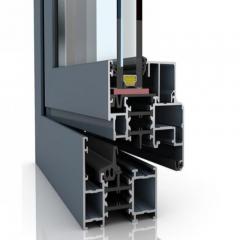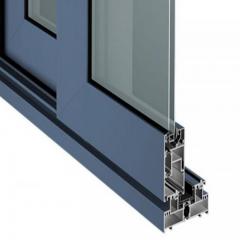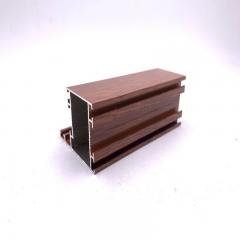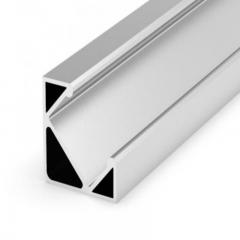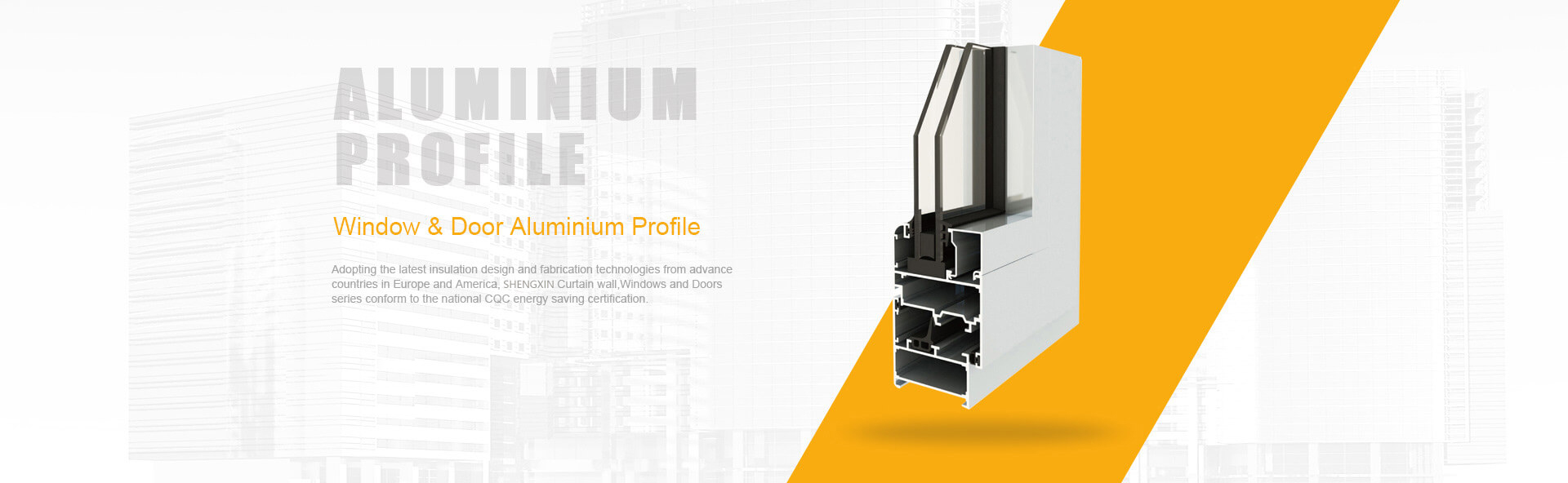
Have you ever wondered what connects a sleek smartphone frame, an aircraft wing component, and a modern curtain wall system? The answer lies in aluminum extrusion profiles—precision-engineered shapes that form the backbone of countless products we rely on daily. Whether you're sourcing components for an industrial building system or developing the next breakthrough in automotive design, your choice of aluminum extrusion profiles manufacturers will ultimately determine your project's success or failure.
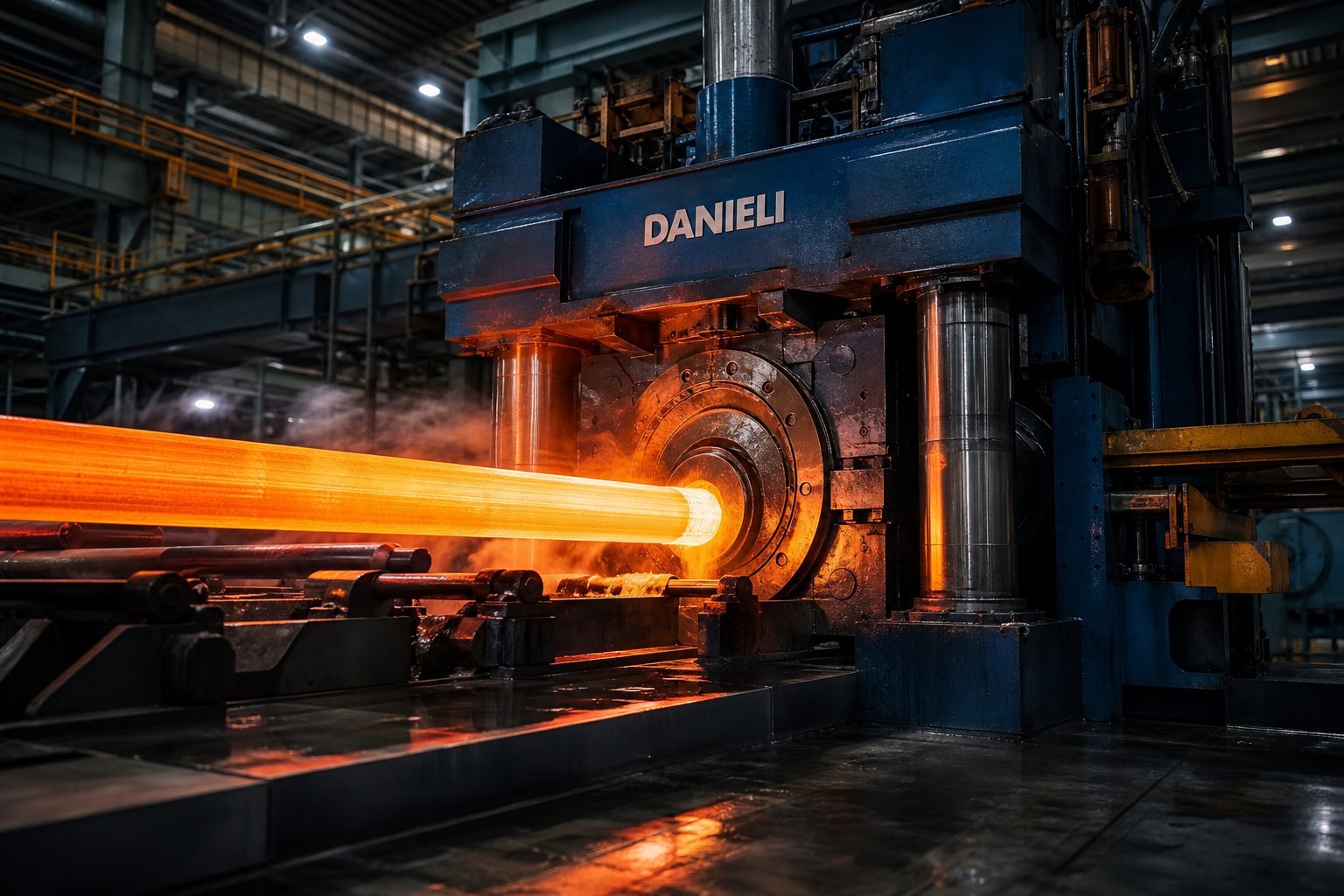
Aluminum extrusion is a manufacturing process where heated aluminum billets are forced through specially designed dies to create profiles with precise cross-sectional shapes. Imagine squeezing toothpaste through a tube—the aluminum emerges in the exact shape of the die opening, whether that's a simple rectangular bar or a complex multi-cavity profile with intricate details.
The process begins with aluminum billets heated to approximately 800-925°F, making the metal pliable enough to flow through the die under immense pressure. This extruded aluminum then undergoes cooling, stretching, and cutting to achieve the desired specifications. The beauty of this process lies in its versatility—manufacturers can produce virtually unlimited profile geometries while maintaining tight tolerances and excellent surface quality.
When discussing aluminum or aluminium (the spelling varies between American and British English, with aluminium vs aluminum being a common point of confusion), we're talking about the same remarkable material. This lightweight yet strong metal has become indispensable across industries due to its exceptional strength-to-weight ratio, corrosion resistance, and recyclability.
Key industries that rely heavily on aluminum extrusion profiles include:
Selecting the right manufacturer isn't just about finding the lowest price quote. The wrong choice can trigger a cascade of costly problems—from production delays and quality rejections to complete project failures. Manufacturer capabilities directly impact dimensional accuracy, surface finish consistency, mechanical properties, and delivery reliability.
Consider this: a manufacturer with limited press capacity might struggle to produce larger profiles, forcing design compromises. One without proper quality controls could deliver batches with inconsistent tolerances, causing assembly nightmares on your production floor. Understanding the difference between alum vs aluminium specifications and ensuring your manufacturer can meet them precisely becomes critical for international projects.
Throughout this guide, you'll discover the nine essential factors that separate exceptional aluminum extrusion profiles manufacturers from those that could derail your project. We'll cover evaluation criteria for technical capabilities, alloy selection strategies, surface treatment options, certification requirements, cost structures, and proven sourcing approaches. By the end, you'll have a comprehensive framework for making informed decisions that protect your investment and ensure project success.
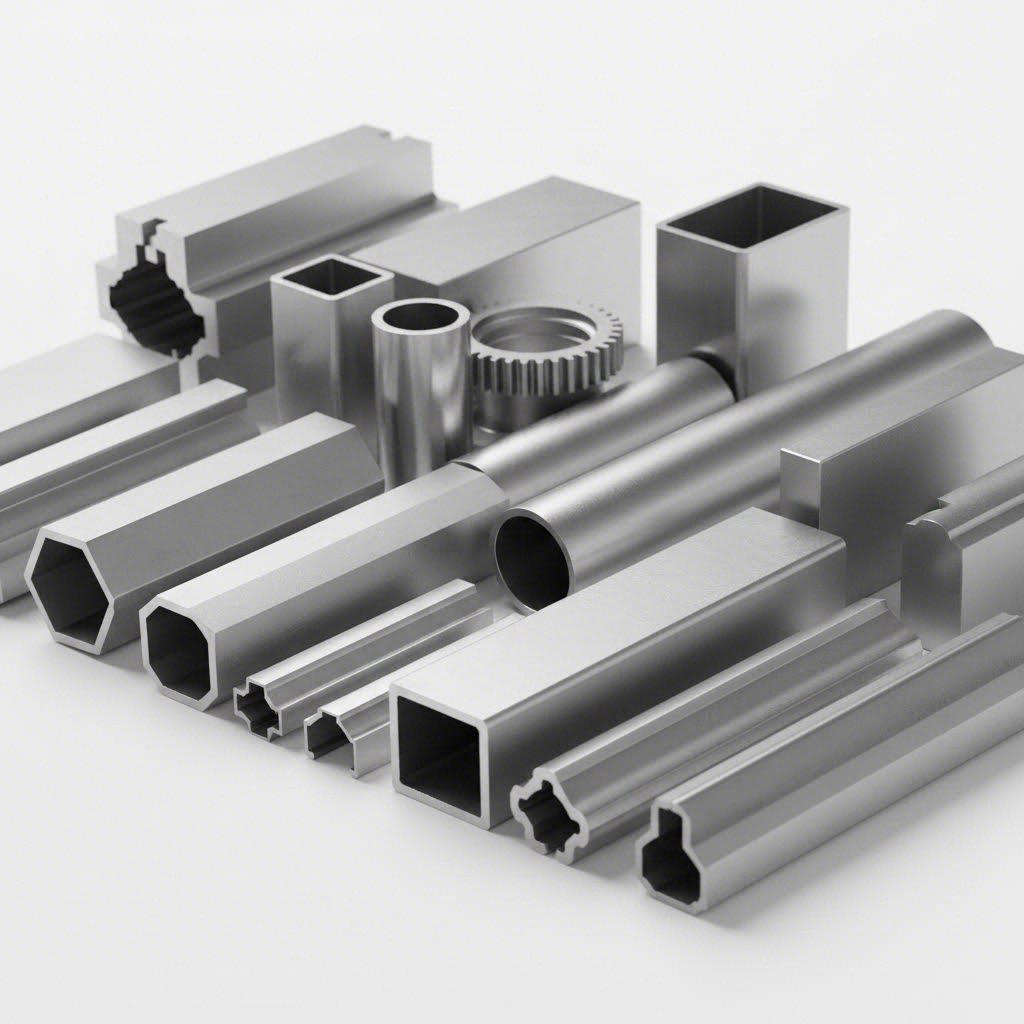
Imagine ordering aluminum tubing for a structural application, only to discover the alloy you specified can't handle the load requirements. Or picture receiving beautifully finished aluminum sheets that crack during forming because the temper designation wasn't appropriate for your process. These costly mistakes happen when buyers don't understand the critical differences between aluminum alloys—and it's a knowledge gap that many aluminum extrusion profiles manufacturers assume you already possess.
Every aluminum alloy carries a four-digit designation that tells a specific story about its composition and properties. The 6000 series dominates the extrusion industry, accounting for roughly 75% of all extrusion applications. These alloys contain magnesium and silicon as their primary alloying elements, delivering an excellent balance of strength, corrosion resistance, formability, and weldability.
But here's what most buyers miss: the specific alloy you choose dramatically affects everything from manufacturing costs to final product performance. Whether you're specifying aluminum angle for a frame assembly or complex aluminum square tubing for an industrial application, getting the alloy right is non-negotiable.
| Alloy | Primary Applications | Key Characteristics | Tensile Strength (T6) | Best For |
|---|---|---|---|---|
| 6063 | Architectural, decorative | Excellent surface finish, good extrudability, moderate strength | 30 ksi minimum | Window frames, trim, aluminum pipe, decorative components |
| 6061 | Structural, mechanical | Higher strength, excellent machinability, good weldability | 38 ksi minimum | Machine parts, aluminum plate applications, structural members |
| 6005/6005A | Transportation, structural | Higher strength than 6063, good extrudability for complex shapes | 38 ksi minimum | Rail cars, truck bodies, ladder components |
| 6082 | Heavy-duty structural | Highest strength in 6000 series, excellent corrosion resistance | 45 ksi minimum | Bridges, cranes, structural frameworks |
| 7075 | Aerospace, high-stress | Highest strength available, premium cost, limited extrudability | 73 ksi minimum | Aircraft components, high-performance applications |
So which alloy should you specify? The answer depends on three critical factors: mechanical requirements, surface finish expectations, and budget constraints.
Choose 6063 when: Your application prioritizes appearance over maximum strength. This alloy produces the best surface finish of any extrusion alloy, making it ideal for anodized architectural components, consumer products, and any application where aesthetics matter. It's also the most economical choice for standard aluminum sheet and profile applications.
Choose 6061 when: Structural integrity is paramount. With yield strengths reaching 35 ksi in T6 temper—compared to 6063's 25 ksi—this alloy handles demanding mechanical applications. It machines beautifully and welds reliably, making it the go-to choice for jigs, fixtures, and structural aluminum tubing.
Choose 7075 when: Nothing less than aerospace-grade performance will suffice. This zinc-alloyed aluminum delivers strength comparable to many steels, but at a significant cost premium. Most extrusion manufacturers don't stock this alloy, so expect longer lead times and higher tooling requirements.
The letter-number combination following the alloy designation—such as T5 or T6—indicates the temper, which describes the thermal and mechanical processing the material has undergone. This directly impacts mechanical properties:
For most applications, T5 offers the best value proposition—it achieves good mechanical properties without the additional processing costs of T6. However, when your aluminum angle or structural components must meet specific strength requirements, T6 temper provides the highest guaranteed minimums.
Here's a detail that separates informed buyers from those who learn expensive lessons: your alloy selection constrains your finishing options. Alloy 6463, for example, produces exceptionally bright anodized finishes—making it the premium choice for decorative aluminum sheets and visible components. Standard 6063 anodizes beautifully with consistent color uptake. But 6061? Its higher copper content can produce slightly duller, less uniform anodized surfaces.
When your project demands both structural strength and flawless appearance, you may need to consider hybrid approaches—using 6061 for hidden structural elements and 6063 or 6463 for visible surfaces.
Understanding these alloy nuances positions you to have informed conversations with manufacturers about extrusion methods and capabilities—the next critical factor in your evaluation process.
You've selected the perfect alloy for your aluminum profile—but can your manufacturer actually produce it? This question cuts to the heart of why understanding extrusion methods and press capabilities matters. A manufacturer might quote your project confidently, yet lack the equipment to deliver profiles meeting your specifications. Knowing what to look for separates successful sourcing from costly mistakes.
When evaluating aluminum extrusion profiles manufacturers, you'll encounter two fundamental process approaches: direct and indirect extrusion. Each method influences product quality, dimensional consistency, and what profiles a facility can realistically produce.
Direct extrusion—also called forward extrusion—is the workhorse of the industry, accounting for the vast majority of aluminum extrusions produced worldwide. In this process, a heated aluminum billet sits in a container while a hydraulic ram pushes it through a stationary die. The billet and ram move in the same direction, forcing the extruded metal to emerge in the die's exact cross-sectional shape. According to industry sources, this method generates significant friction between the billet and container walls, requiring careful temperature management but enabling production of the widest range of profile geometries.
Indirect extrusion—or backward extrusion—flips this arrangement. Here, the billet remains stationary while the die assembly moves toward it, pushed by a hollow ram. Because the billet doesn't slide against the container, friction drops dramatically. This means better heat control, more consistent material flow, and improved dimensional accuracy throughout the extrusion run. However, indirect extrusion has limitations: the hollow ram restricts maximum profile size, and surface contamination from the billet can migrate into the final product.
What does this mean for your project? If you're sourcing complex 8020 aluminum framing or architectural profiles requiring tight tolerances, asking about a manufacturer's indirect extrusion capabilities could reveal their precision potential. For large structural extrusions where size matters more than micro-precision, direct extrusion typically delivers the best value.
Beyond the mechanical method, extrusion temperature dramatically affects what's achievable:
When manufacturers discuss their extrusion capabilities, they're almost always referring to hot extrusion. But understanding that temperature directly correlates with achievable tolerances and surface quality helps you ask smarter questions during evaluation.
Here's where manufacturer capabilities become tangible: press tonnage. This specification—ranging from small 600-ton presses to massive 5,500-ton machines and beyond—determines what profiles a facility can actually produce.
Think of tonnage as the force available to push aluminum through the die. Industry experts explain that tonnage directly determines three critical factors:
What should you look for? Manufacturers operating multiple presses across a range—say, 600T to 5,500T—offer flexibility to match the right equipment to your specific extruded metal requirements. A facility with only small presses simply cannot produce large structural profiles, regardless of their quoted capabilities.
When assessing potential suppliers, investigate these specific capabilities:
Raw extrusions rarely ship directly to end users. CNC machining centers enable the secondary operations that transform basic profiles into finished components: precision cutting to length, drilling and tapping holes, milling slots and pockets, and bending or forming. Manufacturers with integrated fabrication capabilities offer significant advantages—reduced lead times, simplified logistics, and single-source accountability for quality.
Ask potential suppliers about their CNC equipment, machining tolerances, and fabrication services. A manufacturer handling everything from extrusion through final machining eliminates the coordination headaches of managing multiple vendors.
Custom aluminum profile production starts with die development—and this process directly impacts your project timeline. Dies must be precisely machined to create the exact cross-sectional shape, then preheated to 450-500°C before production begins. For complex profiles, initial die trials may require adjustments to achieve target dimensions and surface quality.
Typical die development timelines range from 2-4 weeks for simple shapes to 6-8 weeks for complex multi-void profiles. Experienced manufacturers maintain extensive die libraries for common shapes like standard 8020 aluminum sections, dramatically reducing lead times for repeat orders.
Understanding these manufacturing fundamentals positions you to evaluate not just what suppliers say they can do, but whether their actual capabilities match your project requirements. With extrusion methods and press capabilities clear, the next critical factor—surface treatments and finishing options—determines your product's final appearance and performance.
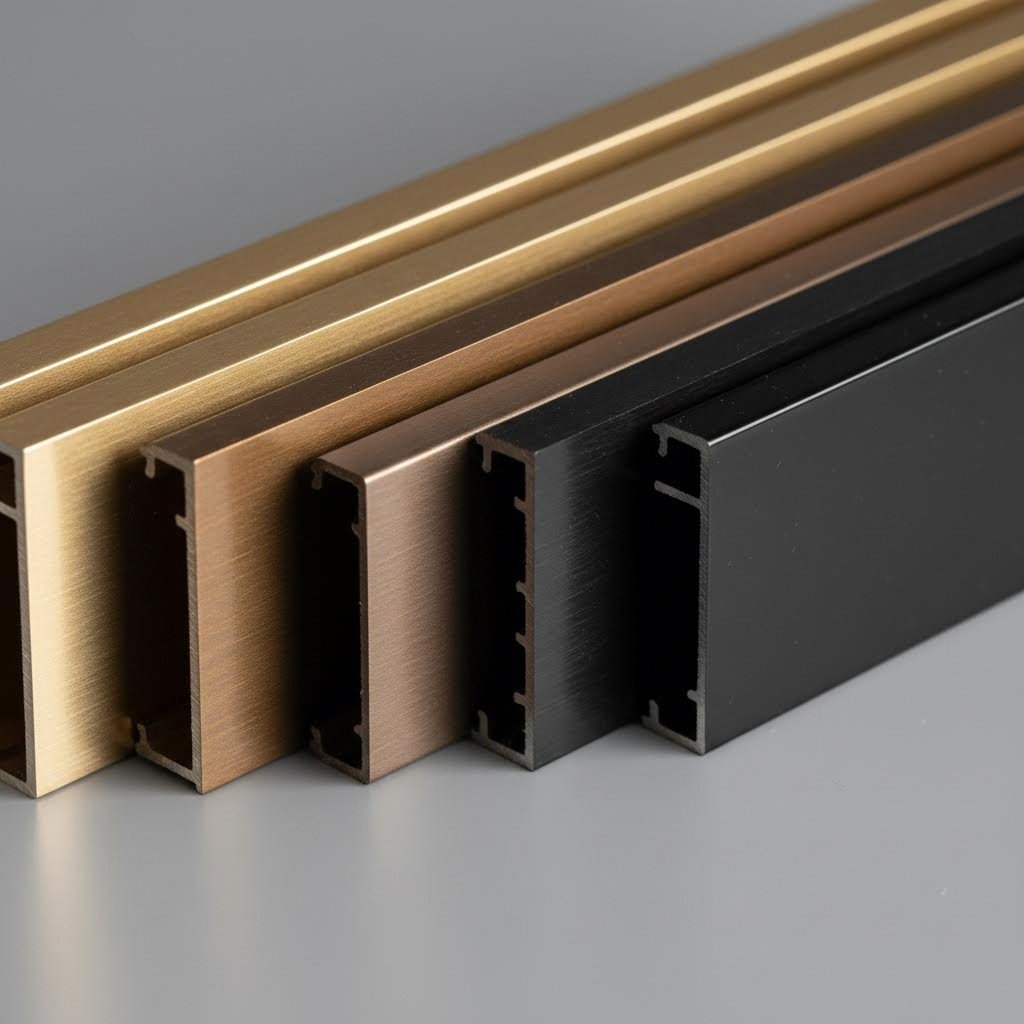
Your aluminum extrusion just came off the press with a perfect cross-section and tight tolerances. But here's the reality—that raw "mill finish" surface is vulnerable to scratches, stains, and oxidation. Without proper surface treatment, your investment is at risk before it even reaches the application. This is where the finishing capabilities of aluminum extrusion profiles manufacturers become a true differentiator.
A mill finish reflects the aluminum's state immediately after extrusion—die marks, dull appearance, and susceptibility to white "rust" are all present. According to industry finishing experts, mill finish aluminum is only suitable when appearance doesn't matter and products have short expected lifespans. For everything else, surface treatment isn't optional—it's essential.
The four leading surface treatment technologies each offer distinct advantages. Understanding these differences helps you specify the right finish and identify manufacturers with the capabilities to deliver it.
| Treatment | Process Type | Key Benefits | Color Options | Best Applications | Relative Cost |
|---|---|---|---|---|---|
| Anodizing | Electrochemical | Integrated oxide layer, excellent wear resistance, accepts dyes | Champagne, rose gold, bronze, black, custom colors | Electronics, architectural facades, anodized aluminum extrusions for premium products | Moderate |
| Powder Coating | Electrostatic dry powder | Exceptional color range, thick durable finish, environmentally friendly | Virtually unlimited RAL colors, including black aluminum extrusion finishes | Aluminum fence panels, window framing, furniture, automotive parts | Low to Moderate |
| PVDF Coating | Liquid paint (Kynar 500) | Superior UV resistance, 30+ year weathering performance, chemical resistant | Wide matte-finish palette | Curtain walls, building facades, metal roofing, harsh environments | Higher |
| Micro-arc Oxidation | Plasma electrolytic | Ceramic-like hardness, extreme wear resistance, thermal stability | Limited (typically grey/white) | High-wear industrial components, aerospace parts | Premium |
Anodizing stands apart because it doesn't apply anything to the surface—instead, an electrochemical process transforms the aluminum's natural oxide layer into a super-hard, protective coating fully integrated with the metal itself. This creates exceptional durability for applications like aluminum fencing and architectural trim where long-term appearance matters.
Powder coating uses electrostatically charged dry powder that's baked into a smooth, adherent finish. The process produces zero volatile organic compounds (VOCs), making it more environmentally sustainable than liquid paints. For projects requiring specific colors—whether a sleek black aluminum fence or custom brand colors—powder coating delivers unmatched flexibility.
PVDF coatings represent the gold standard for exterior architectural applications. These high-performance liquid coatings can withstand decades of UV exposure without significant fading or chalking. When specifying aluminum for building facades or curtain walls, PVDF provides the weathering resistance that other finishes simply cannot match.
Sounds complex? Here's how to think about finish selection: start with your application environment and work backward to the appropriate treatment.
For architectural applications—window frames, curtain walls, and millwork—aesthetics and longevity compete for priority. Window framing visible from both interior and exterior spaces typically demands anodizing or high-quality powder coating. The finish must resist UV degradation, maintain color consistency, and complement the building's design language. Premium projects often specify anodized aluminum extrusions in champagne or bronze tones that convey sophistication while resisting fingerprints and minor abrasions.
For exterior structural applications—aluminum fence systems, outdoor furniture, or industrial equipment—durability trumps appearance refinements. Powder coating excels here, providing thick protective layers that resist chipping and scratching during installation and use. Black aluminum extrusion finishes remain popular for aluminum fencing because they recede visually while providing robust protection against the elements.
For high-performance industrial applications—aerospace components, precision machinery, or high-wear parts—micro-arc oxidation creates ceramic-like surface hardness that standard treatments cannot achieve. While color options are limited, the extreme wear resistance justifies the premium cost for demanding applications.
Here's what separates quality manufacturers from those that disappoint: consistent finish quality across every batch. A single production run might look perfect, but what about the second order? Or the tenth?
Evaluate these quality control considerations when selecting manufacturers:
The cost implications are significant. Mill finish aluminum costs less upfront, but untreated surfaces often require more frequent replacement in corrosive or high-wear environments. Surface treatment adds to initial project cost but typically delivers superior long-term value through extended service life and maintained appearance.
With surface treatment options understood, the next critical evaluation factor focuses on something equally important for project success: certifications and quality standards that validate manufacturer capabilities.
You've found an aluminum extrusion supplier with impressive press capabilities and beautiful surface finishes. But how do you know their quality is consistent? A single good sample means nothing if subsequent production runs fail to meet specifications. This is where certifications and quality standards become your insurance policy—verifiable proof that a manufacturer has systems in place to deliver reliable results, batch after batch.
Certifications aren't just logos on a website—they represent audited, documented systems that ensure consistent quality. When evaluating aluminum extrusion companies, these credentials provide objective evidence of operational maturity and commitment to quality control.
When searching for certified aluminum suppliers for custom products, don't just take their word for it. Request copies of current certificates, verify registration numbers with certification bodies, and confirm the scope covers aluminum extrusion operations specifically.
Beyond general certifications, your industry may require adherence to specific standards that top aluminum suppliers for custom products routinely meet.
For aerospace and defense applications, the stakes are highest. A fraction of a millimeter can determine performance and safety. Manufacturers serving these sectors maintain rigorous documentation, full material traceability, and mechanical testing protocols that verify yield strength, tensile strength, and elongation for every production lot.
Why does domestic manufacturing sometimes matter? For certain applications—particularly those involving defense contracts, sensitive technologies, or just-in-time production schedules—Made in USA manufacturing offers tangible advantages:
Here's a content gap most buyers stumble into: assuming all aluminum extrusion suppliers work to the same tolerance standards. They don't. And specifying tolerances incorrectly—either too tight or too loose—creates problems.
The Aluminum Extruders Council references tolerance tables published in Aluminum Standards & Data by The Aluminum Association. These tables (specifically Tables 11.5 through 11.14 and Tables 12.2 through 12.14) establish both industry standard and "precision" tolerances for various profile characteristics:
Many aluminum extrusion companies can achieve tighter tolerances than standard tables indicate—if required. But here's the trade-off: tighter tolerances typically mean higher costs, slower production speeds, and increased rejection rates. Specify only what your application genuinely requires.
Certifications prove systems exist. But what do those systems actually look like in practice? When evaluating manufacturers, investigate their specific quality control processes:
Dimensional Inspection: Quality manufacturers use multiple inspection methods—from calipers and micrometers for basic measurements to optical comparators and coordinate measuring machines (CMM) for micron-level accuracy. Ask what equipment they use and how frequently inspections occur during production runs.
Surface Quality Checks: Visual inspection identifies surface defects like scratches, die lines, blisters, or inconsistent finish. Systematic inspection protocols catch issues before they reach your receiving dock.
Mechanical Property Testing: For structural applications, testing verifies that extrusions meet specified yield strength, tensile strength, and elongation requirements. Reputable manufacturers maintain testing equipment and documented procedures for these critical verifications.
Material Traceability: Can the manufacturer trace any extrusion back to its original billet lot? Complete traceability—from raw material through finished product—is essential for regulated industries and provides valuable data if quality issues ever arise.
Don't wait until problems occur to discover your supplier's documentation capabilities. Before placing orders, request sample documentation:
A manufacturer hesitant to provide sample documentation likely lacks the systems to generate it consistently. Conversely, suppliers who readily share comprehensive quality records demonstrate the infrastructure needed for reliable production.
With certifications verified and quality systems understood, the next critical factor—one that surprises many buyers—involves understanding the true cost structure of aluminum extrusion projects.
You've received three quotes from different aluminum extrusion profiles manufacturers—and the prices vary by 40%. How is that possible for the same profile? The answer lies in what's included (and what's hidden) within those numbers. Understanding the true cost structure of custom aluminum products separates buyers who get fair value from those who face budget-busting surprises.
Every aluminum extrusion project carries five distinct cost components. The challenge? Not every quote breaks them down the same way. Some manufacturers bundle costs together; others itemize everything. Knowing what to look for ensures you're comparing apples to apples.
Here's where project economics become interesting: volume dramatically changes your per-unit cost. A custom extrusion die costing $1,500 adds $15 per unit to an order of 100 pieces—but only $0.15 per unit when spread across 10,000 pieces.
Most manufacturers establish minimum order quantities (MOQs) that ensure production efficiency. Smaller orders carry proportionally higher setup costs, die amortization burdens, and handling expenses. As order volumes increase, you'll typically see:
Factory-direct pricing from manufacturers with integrated capabilities—extrusion, machining, and finishing under one roof—typically offers 15-25% savings compared to coordinating multiple vendors. The logistics simplification alone reduces hidden coordination costs.
Don't let die costs scare you away from custom extruded aluminum solutions. Smart buyers use tooling amortization strategies to manage this investment:
Upfront payment with ownership: Pay the full die cost initially and retain ownership. This approach works best when you anticipate ongoing orders and want guaranteed die availability. Many manufacturers will replace worn dies at no charge if orders continue.
Amortized tooling: Some suppliers spread die costs across production runs, adding a small per-unit charge until the tooling is paid off. According to cost analysis experts, a $2,000 custom die amortized over 10,000 parts adds only $0.20 to each unit—often more palatable than a large upfront investment.
Tooling rebates: Certain manufacturers refund die costs if specified purchase volumes are reached within two years. This approach rewards ongoing partnerships while reducing initial project risk.
Always clarify die ownership terms. Some suppliers retain dies; others transfer ownership after project completion. Understanding who owns the tooling—and storage terms—matters if you ever need to change suppliers.
The quoted price is rarely the final price. These frequently overlooked expenses catch unprepared buyers:
Beware the allure of cheap aluminum quotes that exclude these real-world expenses. A seemingly low per-pound price means nothing if shipping, finishing, and quality issues consume your savings.
When requesting quotes from aluminum extrusion profiles manufacturers, demand comprehensive pricing breakdowns. Your quote request should specify:
Request itemized quotes that separate die costs, material costs, extrusion charges, finishing, and logistics. This transparency enables true comparison between suppliers and reveals where cost optimization opportunities exist.
Custom aluminum extrusion makes sense when standard profiles can't meet your requirements. But here's the reality: standard profiles offer significant cost advantages when they'll work.
Standard profiles eliminate die costs entirely—manufacturers maintain die libraries for common shapes. Lead times shrink from weeks to days. Per-unit costs drop because production runs are larger and more efficient. For prototyping, small quantity needs, or applications where standard dimensions suffice, off-the-shelf profiles deliver better economics.
The decision framework is straightforward: if a standard profile meets 90% of your requirements, consider whether the remaining 10% justifies custom extrusion investment. Sometimes minor design adjustments accommodate available standard shapes, saving thousands in tooling and setup costs.
Understanding these cost dynamics positions you to work effectively with manufacturers through the complete project workflow—from initial consultation through delivered product.
You've selected your alloy, verified certifications, and received competitive quotes. Now what? Understanding the complete project workflow—from first contact to delivered aluminum profiles—helps you set realistic expectations and avoid the miscommunications that derail projects. When you know what each phase entails, you can collaborate more effectively with aluminum extrusion profiles manufacturers and keep your timeline on track.
Working with professional manufacturers follows a predictable sequence. Each stage builds on the previous one, and skipping steps almost always creates problems downstream. Here's what end-to-end aluminum extrusion services look like when partnering with experienced suppliers:
Timing matters for project planning. Understanding typical durations—and what influences them—helps you coordinate downstream activities and manage stakeholder expectations.
| Project Phase | Typical Duration | Factors That Extend Timeline | Factors That Accelerate |
|---|---|---|---|
| Design Review & DFM | 3-7 days | Complex geometries, multiple revision cycles | Clear specifications, experienced design team |
| Die Development | 7-17 days | Large profiles, multi-cavity dies, tight tolerances | Simple shapes, existing die availability |
| Sample Production & Approval | 5-10 days | Die adjustments required, slow customer response | First-time success, rapid approval turnaround |
| Mass Production | 15-18 days | Large quantities, complex finishing, multiple surface treatments | Standard finishes, moderate volumes |
| Quality Inspection & Shipping | 3-5 days | Extensive documentation requirements, international logistics | Domestic delivery, standard documentation |
Under special circumstances, expedited production can compress the entire process to 7-10 days—but this requires exceptional coordination, premium pricing, and favorable conditions at every stage.
Experienced manufacturers providing custom profile extrusions don't just take orders—they become partners in your project's success. Genuine technical support includes:
Projects fail more often from communication breakdowns than technical issues. Establishing clear expectations upfront prevents frustration on both sides:
Smart DFM decisions made early save money throughout production. Consider these principles when developing your aluminum profiles:
Manufacturers with genuine expertise will proactively suggest DFM improvements during design review. Their recommendations draw on thousands of production runs and can significantly improve your project economics.
With the complete workflow understood, the next critical decision involves choosing between domestic and international sourcing—and matching manufacturer strengths to your specific project requirements.
You've mapped out the project workflow and understand what quality looks like. Now comes the pivotal decision: where to buy aluminum extrusion profiles that match your exact requirements. This choice extends far beyond comparing price quotes—it determines your project's reliability, communication experience, and ultimately, success or failure. Whether you're sourcing a single aluminium profile prototype or planning ongoing production of complex 4040 aluminum extrusion systems, the right manufacturing partner makes all the difference.
The sourcing landscape has shifted dramatically. According to recent industry analysis, the decision now hinges on lead time, compliance risk, quality control, and total landed cost—not just the line item on a quote sheet. With Build America, Buy America (BABA) rules now fully enforced and rising tariffs on certain aluminum imports, buyers are rethinking how and where their extrusion programs should run.
When domestic sourcing wins:
When international sourcing makes sense:
But here's the critical insight many buyers miss: ocean freight from Asia to the U.S. West Coast averages about 32 days door-to-port, or 52 days to the East Coast—not counting customs and drayage. That lag can make a significant difference when managing product launches or last-minute design changes.
The smartest sourcing teams calculate total landed cost (TLC) instead of focusing on per-pound pricing:
TLC = Ex-works price + Freight + Duties + Tariffs + Compliance + Carrying Cost + Risk Buffer
Even small shifts in freight time or tariff rates can change the math entirely. An eight-week ocean cycle that forces you to carry two extra months of inventory at an 18 percent annual cost can erase a 5 to 8 percent price advantage overnight. Add the constant threat of changing tariff amounts due at time of receipt, and "cheap" quotes become expensive surprises.
Not all custom aluminum extrusion manufacturers offer the same capabilities. Matching your project needs to supplier strengths prevents misalignment that leads to delays, quality issues, or cost overruns. When evaluating custom aluminum extrusions suppliers, consider how their specific capabilities align with your requirements.
| Evaluation Criteria | Small Regional Extruder | Large Domestic Manufacturer | Full-Service International Manufacturer |
|---|---|---|---|
| Press Range | Limited (1-3 presses, narrow tonnage range) | Moderate (5-15 presses, varied tonnage) | Extensive (35+ presses, 600T-5500T range) |
| Profile Complexity | Simple to moderate shapes | Moderate to complex aluminium profiles | Highly complex, multi-cavity, thin-wall designs |
| Surface Treatments | Often outsourced | Select in-house options | Comprehensive: anodizing, powder coating, PVDF, micro-arc oxidation |
| Secondary Operations | Basic cutting, drilling | CNC machining, assembly | Full deep processing, precision CNC, bending, fabrication |
| Lead Times | Fast for simple projects | Moderate, capacity dependent | Longer shipping, but competitive production speed |
| Communication | Direct, same time zone | Professional project management | Requires clear documentation, may have language considerations |
| Pricing | Higher per-unit, no volume advantage | Competitive at mid-volumes | Factory-direct pricing advantages at scale |
| Best For | Prototypes, rush orders, simple profiles | Ongoing production, domestic compliance needs | Complex projects, architectural profiles, industrial applications, modular aluminum framing systems |
For projects requiring custom 6063 aluminum extrusion tubes, architectural window systems, or industrial applications, manufacturers with extensive press ranges and integrated finishing capabilities offer distinct advantages. Consider Shengxin Aluminium as an example of what comprehensive capabilities look like: with over 30 years of industry experience, 35 extrusion presses ranging from 600T to 5500T, and state-of-the-art CNC machining centers, they represent the full-service model that handles everything from die development through mass production under one roof.
Beyond capabilities, evaluate supply chain resilience. Industry experts emphasize that an experienced supplier brings more than technical expertise—they bring lessons learned from years of solving complex extrusion challenges.
Look for these indicators of a reliable manufacturing partner:
Many sophisticated OEMs and fabricators now run a dual-source model that captures advantages from both domestic and international sourcing:
You can also cut master dies domestically for IP protection, then send licensed replicas overseas once qualified. Pair that with two to four weeks of domestic safety stock, and you gain both cost control and supply chain resilience.
A strong request for quotation enables apples-to-apples comparison across suppliers. Include these elements:
The more you standardize upfront, the easier it becomes to compare quotes meaningfully. Request itemized pricing that separates tooling, material, extrusion, finishing, and logistics costs.
Whether you're searching for where to buy aluminum extrusion for a one-time project or establishing a long-term manufacturing partnership, the selection process rewards thorough evaluation. With sourcing strategy clarified, the final step involves translating everything you've learned into a concrete action plan for manufacturer selection success.
You've navigated the complexities of alloy selection, evaluated manufacturing capabilities, understood surface treatments, and learned what separates reliable suppliers from those that disappoint. Now it's time to transform that knowledge into action. The difference between aluminum profile extrusion projects that succeed and those that struggle often comes down to systematic evaluation and smart partnership decisions.
Before reaching out to potential suppliers, organize your requirements into a clear framework. This preparation ensures productive conversations and enables meaningful comparisons between aluminium extrusion profiles manufacturers.
Start by documenting your technical specifications completely. Include profile drawings with all dimensions and tolerances, alloy and temper requirements, surface finish expectations, and secondary operation needs. The more precise your documentation, the more accurate your quotes—and the fewer surprises you'll encounter during production.
Next, establish your evaluation priorities. For some projects, lead time dominates. For others, surface finish quality or cost optimization takes precedence. Understanding your non-negotiables versus nice-to-haves helps you make trade-off decisions when comparing suppliers.
The most critical evaluation criteria: Verify certifications match your industry requirements. Evaluate press capabilities against your profile complexity. Confirm surface treatment options meet aesthetic and durability needs. Understand complete cost structures including hidden expenses. Assess end-to-end support from die development through delivery.
Consider what comprehensive capabilities look like in practice. Manufacturers like Shengxin Aluminium demonstrate the full-service model—with over 30 years of experience, 35 extrusion presses spanning 600T to 5500T, integrated CNC machining centers, and extensive finishing options including anodizing in custom colors like champagne and rose gold, powder coating, PVDF, and micro-arc oxidation. This combination of capabilities under one roof represents what top-tier manufacturing partners offer: factory-direct pricing without the coordination headaches of managing multiple vendors.
Let's distill everything into actionable guidance. Whether you're sourcing stock aluminum extrusions for a straightforward application or developing custom extrusion profiles for complex industrial systems, these principles apply:
Certifications aren't optional—they're insurance. ISO 9001 establishes baseline quality management. Industry-specific certifications like AS9100 for aerospace or IATF 16949 for automotive provide additional assurance. According to industry research, suppliers following standards like ISO 9001 are likely to provide quality assurance that protects your projects.
Press capabilities determine what's possible. A manufacturer might quote your project, but without adequate tonnage and press variety, they can't deliver complex extruded profiles reliably. Verify that equipment matches your profile requirements before committing.
Surface treatment quality varies dramatically. In-house finishing capabilities—versus outsourced treatments—give manufacturers better control over consistency and lead times. For architectural and visible applications, this difference becomes critical.
Total cost matters more than unit price. Die costs, finishing, secondary operations, shipping, and quality inspection all contribute to your actual project expense. Cheap quotes that exclude real-world costs create budget surprises.
Communication determines project success. Technical capability means nothing if you can't resolve issues quickly. Evaluate responsiveness during the quoting process—it predicts how suppliers will perform when production challenges arise.
When evaluating potential aluminum extrusion supply partners, these questions reveal capability and reliability:
Rushing into high-volume orders with unproven suppliers creates risk. Instead, take these measured steps to validate quality and build confidence:
Request samples before production orders. Physical samples reveal surface quality, dimensional accuracy, and finish consistency that photos cannot capture. Evaluate samples against your actual requirements—fit them with mating components, test finishes under real conditions.
Visit facilities when feasible. Nothing substitutes for seeing operations firsthand. Equipment condition, workplace organization, and staff engagement all indicate operational maturity. For international suppliers where visits aren't practical, consider third-party facility audits.
Start with smaller orders to evaluate quality. A 500-piece trial order costs far less than discovering quality problems after receiving 50,000 units. Use initial orders to verify dimensional consistency, surface finish repeatability, and documentation quality.
Establish clear quality expectations upfront. Document acceptable tolerance ranges, surface finish standards, and rejection criteria before production begins. Quality experts recommend developing a complete QC plan that includes incoming inspection procedures, in-process checks, and final verification before shipment.
Build relationships incrementally. Long-term partnerships with proven manufacturers deliver better results than constantly shopping for the lowest quote. Suppliers who know your requirements, quality expectations, and application challenges become genuine partners in your success.
The aluminum extrusion industry continues evolving—new alloys, advanced finishing technologies, and manufacturing innovations create opportunities for buyers who stay informed. By applying the evaluation framework from this guide, you're positioned to select manufacturing partners who deliver consistent quality, competitive pricing, and reliable performance project after project.
Top aluminum extrusion companies include Hydro Extrusion (the largest U.S. extruder), Constellium, Kaiser Aluminum, and specialized manufacturers like Shengxin Aluminium with 35 extrusion presses ranging from 600T to 5500T. When evaluating manufacturers, prioritize those with comprehensive capabilities including in-house surface treatments (anodizing, powder coating, PVDF), CNC machining centers, and relevant industry certifications like ISO 9001, AS9100 for aerospace, or IATF 16949 for automotive applications.
Hydro Extrusion USA, LLC holds the distinction of being the largest aluminum extruder in the United States. Their Cressona, Pennsylvania plant is the largest aluminum extrusion facility in the world. However, for projects requiring specialized capabilities, international manufacturers with extensive press ranges and integrated finishing options may offer competitive advantages in terms of pricing, capacity, and comprehensive end-to-end services from die development through mass production.
The T-slot aluminum profile (also known as extruded aluminum framing) is the most common and versatile profile in industrial applications. Its popularity stems from the unique T-shaped slot design enabling easy assembly and component attachment. For material selection, 6063 aluminum alloy dominates architectural applications due to its excellent surface finish and moderate strength, while 6061 serves structural applications requiring higher strength and machinability.
Custom aluminum extrusion costs include five main components: tooling/die costs ($400-$2,000+ one-time), material costs (based on LME pricing plus alloy premiums), extrusion charges, secondary operations ($200-$300+ per metric ton for machining), and surface treatments ($800-$1,400 per metric ton). Volume significantly impacts unit costs as die expenses are amortized across production runs. Factory-direct pricing from integrated manufacturers typically offers 15-25% savings compared to coordinating multiple vendors.
Choose 6063 aluminum when appearance matters most—it produces the best surface finish of any extrusion alloy, ideal for anodized architectural components and consumer products with yield strengths around 25 ksi in T6 temper. Select 6061 when structural integrity is paramount, offering yield strengths up to 35 ksi in T6 temper with excellent machinability and weldability. For aerospace applications requiring maximum strength, 7075 alloy delivers 73 ksi tensile strength but at premium cost and limited extrudability.



 un service en ligne
 0086 136 3563 2360
 sales@sxalu.com
 +86 136 3563 2360
 français
 English
 Deutsch
 русский
 español
 português
 العربية
 ไทย
ไทย Việt
Việt Українська