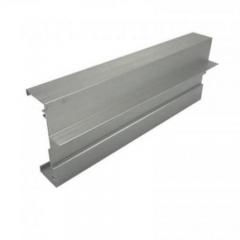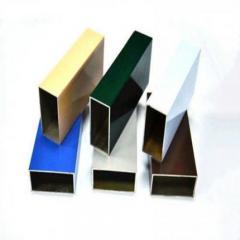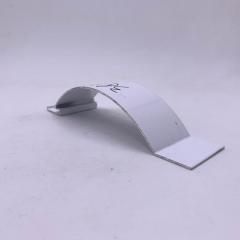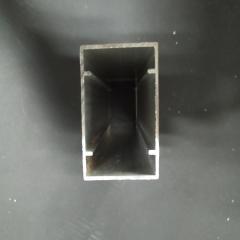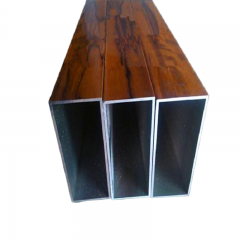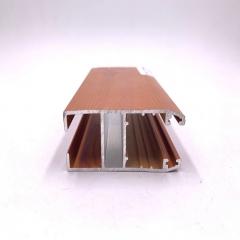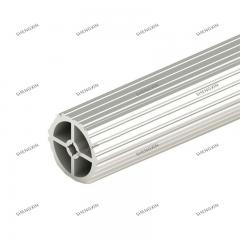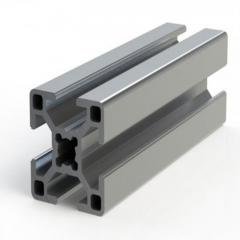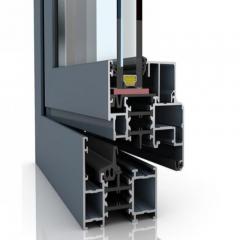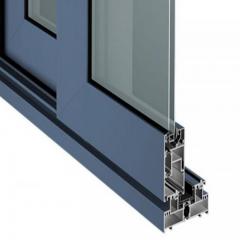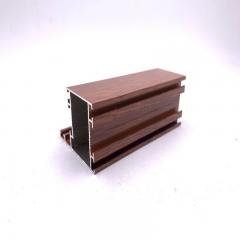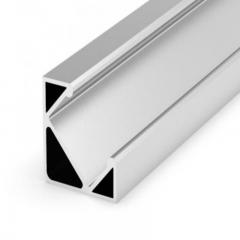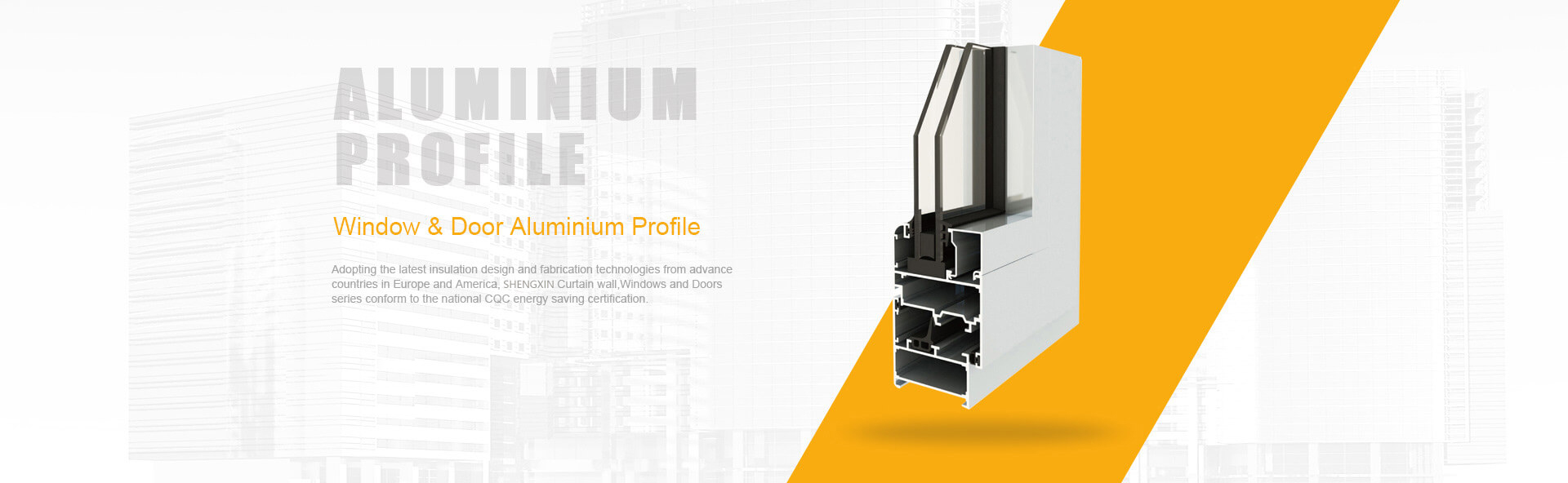
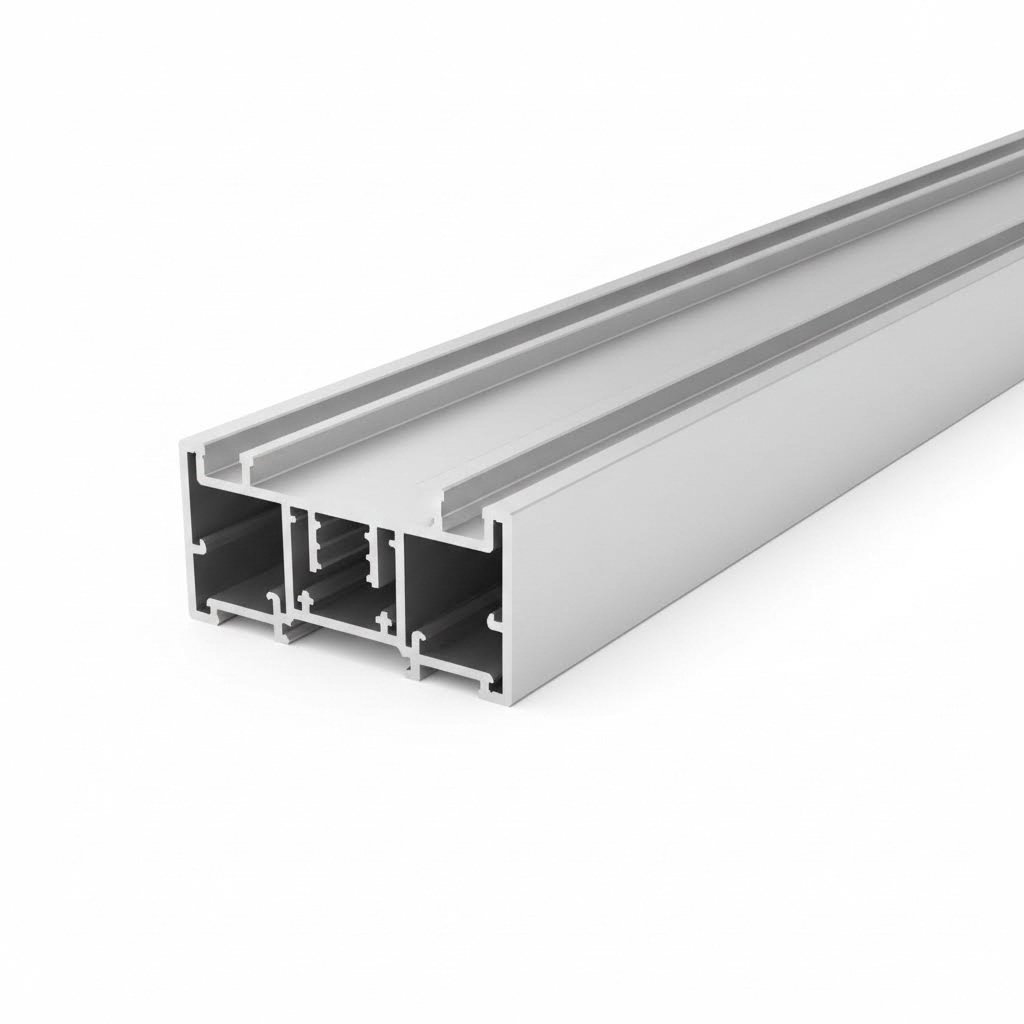
When you invest in a solar energy system, you're not just buying cells and wiring—you're investing in a complete structural solution designed to last decades. At the heart of every reliable photovoltaic module sits a component that rarely gets the spotlight: the aluminum extrusion solar panel frame. This rigid border structure surrounds and protects everything inside, from delicate silicon cells to tempered glass covers.
Simply put, a solar panel frame is the aluminum perimeter that seals, secures, and supports a PV module. It provides mechanical strength, mounting capability, and corrosion protection for components that must endure rain, wind, snow, and intense UV exposure for 25 to 30 years. Without a properly engineered frame, even the highest-efficiency solar cells would fail prematurely.
Ever wondered why nearly every solar module you see uses aluminum framing? The answer lies in a unique combination of properties that no other material matches at a comparable cost.
According to Orin PV, aluminum alloys like 6063-T5 and 6061-T6 deliver the high tensile strength and rigidity required to withstand strong wind loads, snow pressure, and mechanical stress over decades of outdoor exposure.
So how does raw aluminum become the precision-engineered solar module frame protecting your investment? The answer is extrusion—a manufacturing process that transforms heated aluminum billets into complex, uniform profiles.
Imagine pushing soft aluminum through a specially shaped die, much like squeezing toothpaste through a tube. The result is a continuous length of material with the exact cross-section needed for solar panel frame material requirements: mounting slots, drainage channels, and corner-joining features built right in.
This extrusion process allows manufacturers to create profiles with incredibly tight tolerances. Why does precision matter? A properly fitted pv panel frame ensures watertight sealing around the glass laminate, prevents micro-cracking from vibration or thermal expansion, and enables quick, secure mounting on rooftops or ground systems.
The extruded profiles are then cut to length, punched with mounting holes, and often treated with anodizing or powder coating to enhance durability further. When assembled using corner keys or precision connectors, these sections form the complete solar frame that will support your panels through decades of service.
Understanding these fundamentals helps you evaluate quality when selecting panels or sourcing components. The material choice, manufacturing precision, and surface treatment all directly impact how well your solar investment performs over its 25-plus year lifespan.
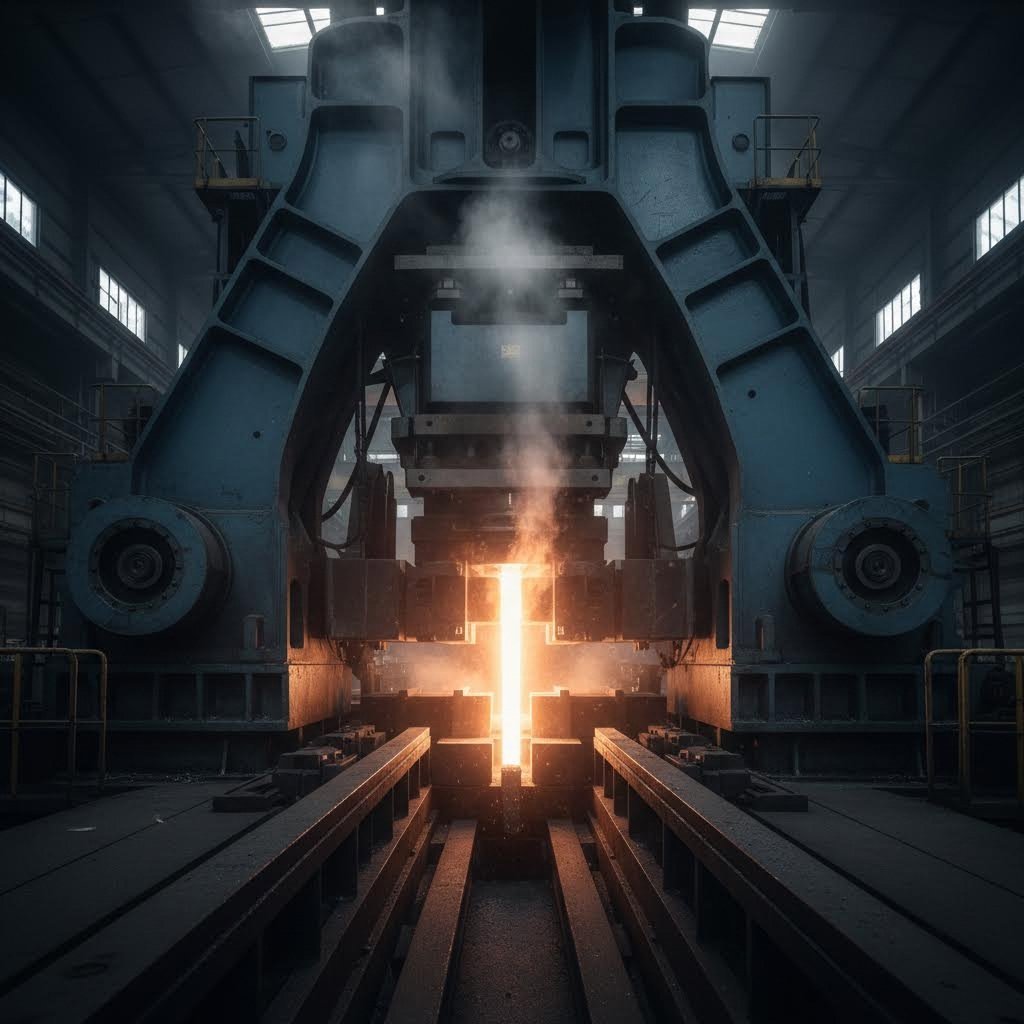
You've seen the finished product—a sleek solar panel aluminium frame hugging photovoltaic cells. But what happens before that frame reaches your rooftop? The journey from raw metal to precision component involves remarkable engineering, extreme temperatures, and pressures that could crush 50 pickup trucks. Let's walk through exactly how manufacturers transform aluminum billets into the extruded aluminum panels framing your solar investment.
The extrusion process begins with a solid cylindrical aluminum log called a billet. Think of it as a giant aluminum cylinder, typically weighing between 10 and 50 kilograms depending on the final product requirements. Here's the complete manufacturing sequence:
Sounds complex? It is. But this process enables manufacturers to produce consistent, high-precision frames at volumes that make solar energy economically viable.
The extrusion die is where engineering expertise truly matters. According to Gemini Group, this steel disk contains carefully designed openings that determine every dimension of your finished frame. Three main die types serve different solar frame applications:
Why does press tonnage matter for your solar frames? Higher tonnage presses can produce more intricate profiles with tighter tolerances. A 600T press handles standard residential frame sections adequately, while commercial or utility-scale projects often require profiles from 1250T or larger presses to achieve the structural complexity demanded by higher wind and snow load requirements.
Precision tolerances directly affect frame performance. When extruded profiles maintain tight dimensional accuracy, corner assemblies fit perfectly, glass laminates seal completely, and mounting hardware aligns without field modifications. Poor tolerances lead to gaps that allow moisture infiltration, misaligned mounting holes that complicate installation, and frames that may not meet structural certification requirements.
Effective die design ensures uniform material flow velocity—the most critical factor for extrusion quality. Designers carefully calculate bearing lengths so aluminum exits the die at consistent speeds across the entire profile. This prevents warping, surface defects, and dimensional inconsistencies that would compromise frame integrity over decades of outdoor exposure.
With the manufacturing process demystified, the next critical question becomes: which aluminum alloy delivers the best performance for your specific installation environment?
Now that you understand how extrusion transforms raw aluminum into precision solar panel frames, a crucial question remains: which alloy should you actually specify? Not all aluminum is created equal, and the alloy grade you choose directly impacts frame strength, corrosion resistance, and long-term performance. Let's break down the options so you can match the right material to your specific solar installation.
When shopping for solar panel frames aluminum, you'll encounter three primary alloy families: 6063, 6061, and 6005. Each brings distinct advantages depending on your project requirements.
6063 Aluminum: Often called the "architectural alloy," 6063 dominates residential solar applications. Why? It offers exceptional extrudability, meaning manufacturers can produce complex profile shapes with smooth surface finishes at competitive costs. While its tensile strength falls below 6061, it delivers excellent corrosion resistance and responds beautifully to anodizing treatments. According to Orin PV, 6063-T5 is commonly used for standard residential installations where aesthetic finish and moderate structural demands align perfectly.
6061 Aluminum: Need more muscle? 6061 delivers significantly higher tensile and yield strength—roughly 40% stronger than 6063 in comparable tempers. This makes it the go-to choice for demanding commercial installations facing high wind loads, heavy snow accumulation, or long-span mounting configurations. The tradeoff? Reduced extrudability means more complex dies and slightly higher manufacturing costs. However, when structural integrity is paramount, 6061-T6 justifies the investment.
6005 Aluminum: Consider this alloy the middle ground. SOEASY Solar notes that 6005-T6 provides higher mechanical strength than 6063 while maintaining good extrudability and excellent corrosion resistance. It's particularly popular for primary structural members in solar tracking systems, heavy-duty ground-mounted racking, and long-span carport structures where both strength and manufacturability matter.
You've probably noticed those "T5" and "T6" suffixes attached to alloy names. What do they mean for your aluminum frame for solar panel applications?
According to Engineering Express, temper designations indicate heat treatment processes that dramatically affect material strength:
Practically speaking, T6 temper delivers roughly 10-15% higher yield strength compared to T5 in the same alloy. For residential rooftop installations with standard wind and snow loads, 6063-T5 frames perform admirably at lower cost. Commercial and utility-scale projects—especially those in high-wind zones or regions with heavy snow—benefit from the enhanced strength of 6061-T6 or 6005-T6 specifications.
Choosing the right alloy isn't just about strength numbers—it's about matching material properties to your specific site conditions. Consider these environmental factors:
The following table summarizes key performance characteristics to guide your material selection:
| Alloy Type | Tensile Strength | Corrosion Resistance | Extrudability | Best Application | Cost Consideration |
|---|---|---|---|---|---|
| 6063-T5 | 27,000 psi (186 MPa) | Excellent | Excellent | Residential rooftops, standard ground mounts | Most economical |
| 6063-T6 | 33,000 psi (228 MPa) | Excellent | Excellent | Aesthetic-focused commercial projects | Moderate |
| 6005-T5 | 35,000 psi (241 MPa) | Very Good | Good | Ground-mounted arrays, carport structures | Moderate |
| 6005-T6 | 38,000 psi (262 MPa) | Very Good | Good | Solar tracking systems, long-span installations | Moderate-High |
| 6061-T5 | 35,000 psi (241 MPa) | Good | Moderate | Structural supports requiring weldability | Moderate-High |
| 6061-T6 | 45,000 psi (310 MPa) | Good | Moderate | High-load commercial, utility-scale projects | Highest |
Notice how 6063-T5 offers the best combination of corrosion resistance, extrudability, and cost efficiency for typical residential solar panel frames. Meanwhile, 6061-T6 delivers nearly 70% higher tensile strength when structural demands justify the premium.
With alloy selection clarified, the next consideration becomes equally important: what frame dimensions and design features will optimize performance for your specific panel size and mounting configuration?
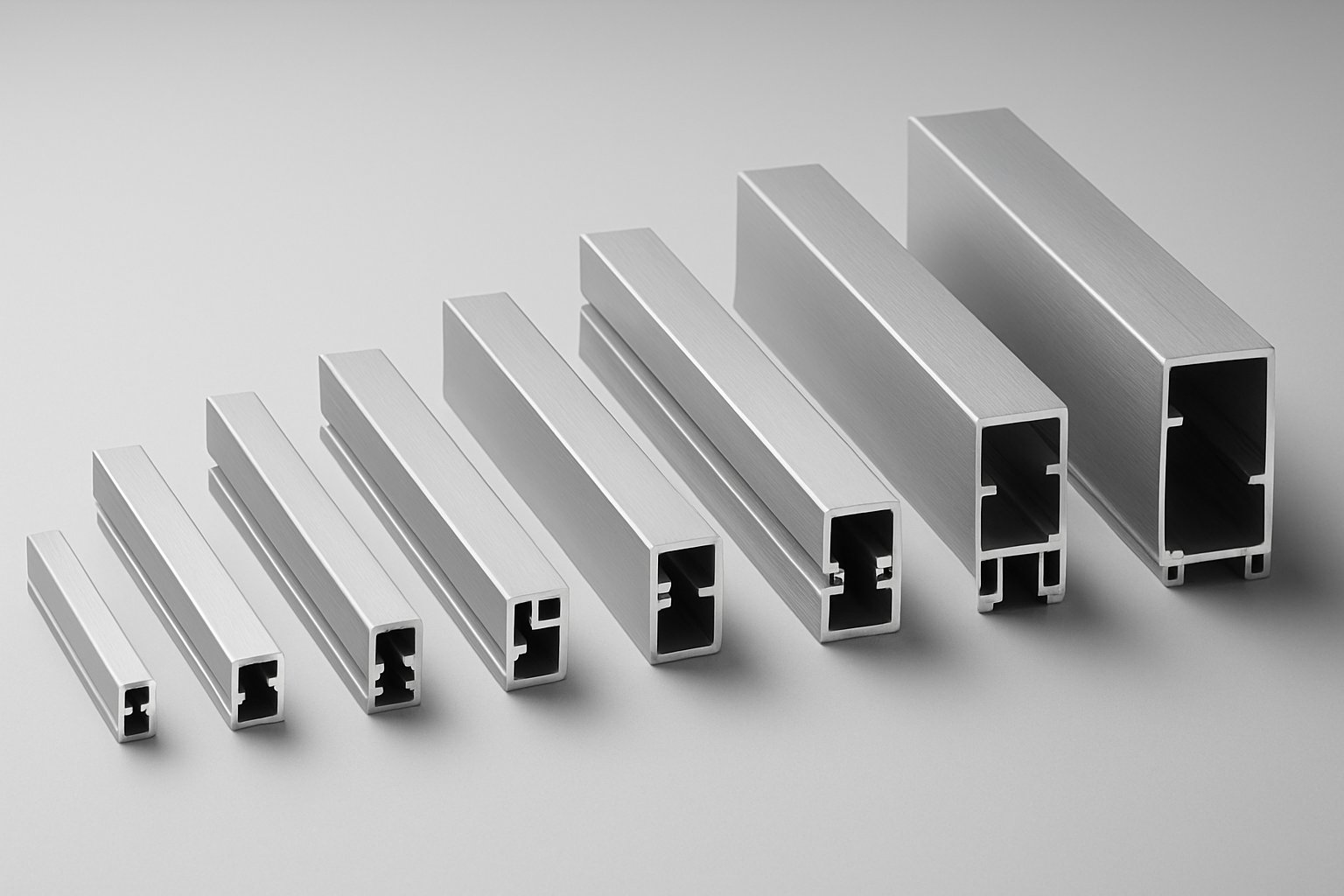
You've selected your alloy—now comes an equally critical decision: what frame dimensions and profile features will best support your solar panels? Whether you're planning a residential rooftop array or a utility-scale solar power frames installation, getting the sizing right determines everything from structural integrity to installation efficiency. Let's explore how frame dimensions translate into real-world performance.
Walk through any solar manufacturing facility, and you'll notice certain frame sizes appearing repeatedly. These industry-standard dimensions exist because they've proven optimal for specific panel sizes and load requirements.
According to Targray, common standard section sizes include 35x35mm and 40x35mm profiles, with frame dimensions designed to accommodate popular panel sizes like 1665x1002mm, 1956x992mm, 1979x1002mm, and 2008x1002mm. But what do these numbers mean for your installation?
Why does profile size matter beyond simple strength? Larger frames add weight—increasing shipping costs and complicating rooftop installations where structural load limits apply. Undersized frames risk deflection under load, potentially stressing glass laminates and compromising panel longevity. Finding the right balance requires matching frame dimensions to your specific site conditions.
Beyond basic dimensions, several design features dramatically affect how well your solar frame performs over its 25-plus year service life. When evaluating a solar panel frame kit or specifying custom profiles, consider these critical elements:
The solar frame specifications that work perfectly for a suburban rooftop may prove inadequate for a utility-scale ground-mounted array. Understanding these differences helps you specify appropriately:
Residential applications prioritize lightweight profiles that minimize roof loading, easy handling for small installation crews, and aesthetic finishes that complement home architecture. Standard 25x30mm or 30x35mm profiles typically suffice, with 6063-T5 alloy providing adequate strength. Mounting configurations favor roof-integrated clamps that minimize visible hardware.
Commercial and utility-scale installations face dramatically different demands. Large panel formats—often exceeding 2 meters in length—require 35x35mm or larger sections to prevent deflection. Wind loads on open ground arrays frequently exceed rooftop conditions, demanding 6061-T6 or 6005-T6 alloys. Mounting systems must accommodate tracking mechanisms, cable management, and simplified mass-installation techniques. Frame designs often incorporate additional stiffening ribs or reinforced corner sections.
Consider this practical example: a standard 60-cell residential panel weighing 20kg mounted on a 25-degree rooftop experiences relatively modest wind and snow loads. The same panel installed in a ground-mounted tracker array faces sustained wind exposure from multiple directions, potential snow drifting, and mechanical stresses from daily tracking movement. The frame that works fine in one scenario may fail prematurely in the other.
Profile design also impacts installation speed—a critical factor for commercial projects where labor costs dominate budgets. Frames with integrated wire management channels, quick-connect corner systems, and standardized mounting interfaces reduce field time significantly compared to designs requiring extensive on-site customization.
With frame sizing and design principles established, the next step involves understanding how surface treatments protect these aluminum profiles from decades of environmental exposure.
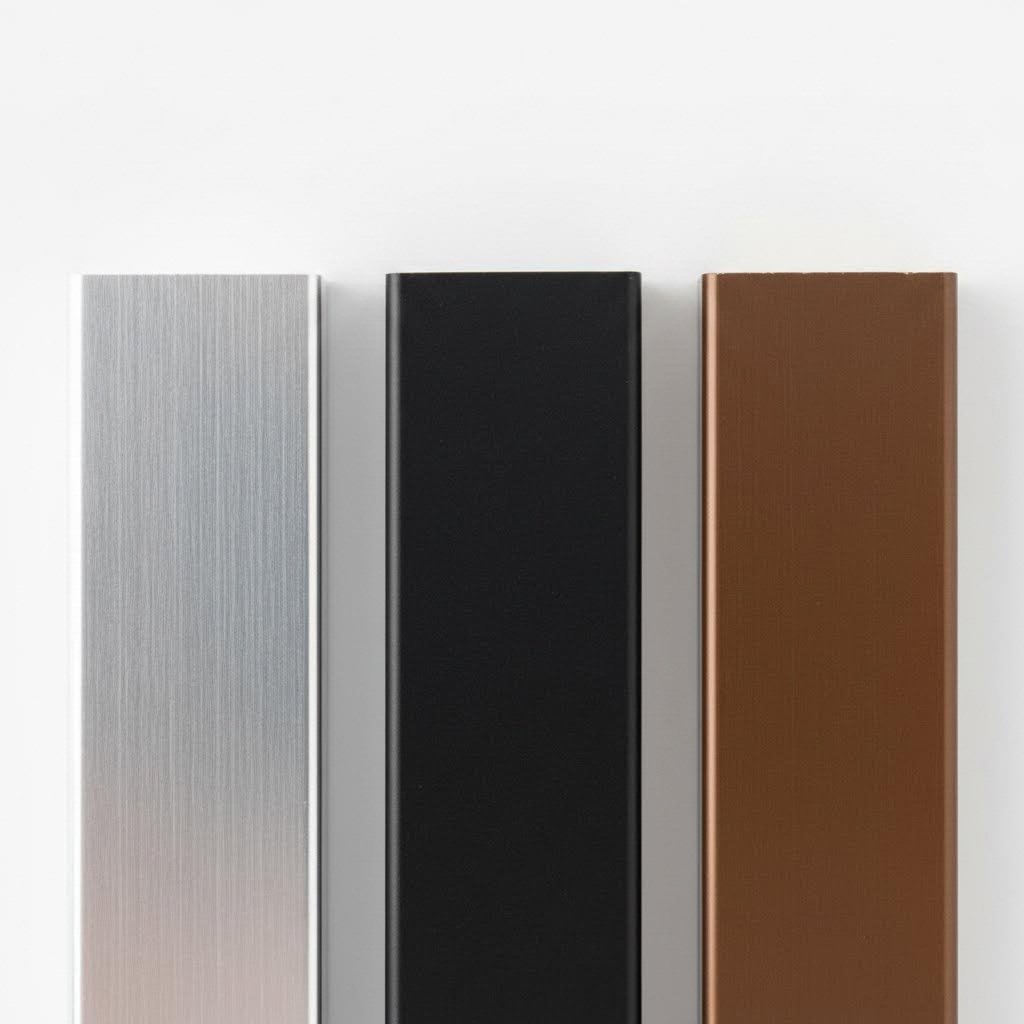
You've selected the perfect alloy and frame dimensions—but here's a question that often gets overlooked: what happens to that aluminum solar panel frame after 15 years of relentless sun exposure, driving rain, and coastal salt spray? The answer depends almost entirely on surface treatment. This protective layer stands between your investment and decades of environmental assault, making it arguably the most critical factor in achieving that promised 30-50 year lifespan.
Let's explore your options, from basic mill finish to advanced coatings that can outlast the solar cells themselves.
Every extruded aluminum profile starts with a mill finish—the natural surface condition straight from the extrusion press. While aluminum's inherent oxide layer provides some corrosion protection, mill finish frames remain vulnerable to environmental degradation, especially in harsh climates. You might save money upfront, but untreated frames typically show visible oxidation within 5-10 years and may compromise structural integrity long before your panels reach end-of-life.
That's why virtually all quality aluminium frame solar panel manufacturers apply protective surface treatments. But which treatment delivers the best value for your specific installation environment?
Two surface treatments dominate the solar frame market: anodizing and powder coating. Each offers distinct advantages depending on your priorities.
Anodizing is an electrochemical process that thickens aluminum's natural oxide layer, creating an integral protective surface rather than an applied coating. According to Gold Apple Aluminum, this treatment significantly enhances hardness and strength while providing exceptional resistance to scratches, abrasion, and denting. The anodized solar frame maintains mechanical stability even under demanding conditions.
Key benefits of anodizing include:
Powder coating takes a different approach, applying dry powder particles to the aluminum surface before heat-curing them into a durable, paint-like finish. This solar panel frame coating method offers advantages that anodizing cannot match:
So which wins? Neither—they solve different problems. Anodizing excels when scratch resistance and natural aesthetics matter most. Powder coating delivers better value when color matching is critical or budgets are tight. Many manufacturers offer both options, letting you match treatment to application.
Standard anodizing and powder coating handle most residential installations admirably. But what about utility-scale desert arrays, offshore floating solar, or industrial sites with chemical exposure? These demanding applications call for advanced surface treatments.
PVDF (Polyvinylidene Difluoride) Coatings: According to Valspar's technical documentation, 70% PVDF resin-based architectural coatings have protected metal building products for over 50 years. These fluoropolymer coatings resist humidity, fading, chalking, abrasion, and most chemicals while retaining intended color, gloss, and appearance throughout decades of exposure.
What makes PVDF special? The carbon-fluorine bond—one of the strongest chemical bonds known—gives these coatings stubborn resistance to UV degradation and atmospheric pollutants. PVDF coatings meeting AAMA 2605-13 standards undergo rigorous testing: over 2,000 hours of cyclic corrosion exposure, 4,000 hours of humidity resistance, and 10 years of outdoor Florida weathering. For projects demanding the absolute longest coating life, PVDF represents the gold standard.
Micro-Arc Oxidation (MAO): This advanced electrochemical process creates ceramic-like oxide layers significantly harder and more corrosion-resistant than conventional anodizing. While less common due to higher costs, MAO treatment suits extreme applications where standard finishes fall short—think offshore installations facing constant salt spray or industrial environments with chemical exposure.
The following table summarizes key performance characteristics across all major treatment options:
| Treatment Type | Corrosion Protection Level | UV Resistance | Aesthetic Options | Typical Applications |
|---|---|---|---|---|
| Mill Finish (Untreated) | Basic—natural oxide only | Moderate | Natural aluminum only | Budget projects, low-exposure environments |
| Clear Anodizing | Excellent | Very Good | Natural silver metallic | Residential rooftops, standard commercial |
| Color Anodizing | Excellent | Very Good | Black, bronze, gold, limited colors | Aesthetic-focused residential and commercial |
| Powder Coating | Very Good | Good to Very Good | Unlimited color range, custom matching | Architectural integration, color-critical projects |
| PVDF Coating | Superior | Excellent—industry leading | Full color range, special effects available | High-end commercial, utility-scale, harsh environments |
| Micro-Arc Oxidation | Superior—ceramic-like hardness | Excellent | Limited—primarily functional | Extreme environments, offshore, industrial exposure |
Here's a reality that manufacturers don't always emphasize: your aluminum frame's lifespan depends more on surface treatment quality than alloy selection. A 6063-T5 frame with premium anodizing will outlast a 6061-T6 frame with inadequate coating in most environments.
Consider what happens when coatings fail prematurely. Exposed aluminum oxidizes, creating white powdery deposits that compromise aesthetics and eventually structural integrity. Moisture penetrates frame cavities, accelerating corrosion from inside. Mounting hardware connections weaken. What started as a 30-year investment becomes a 15-year replacement headache.
Quality anodizing or powder coating maintains protection for 20-25 years under normal conditions. PVDF coatings, tested under extreme conditions per Valspar specifications, demonstrate color retention and film integrity exceeding 40 years of real-world exposure. The additional upfront investment in premium surface treatment pays dividends through avoided replacement costs and sustained system performance.
Environmental factors amplify these differences dramatically. A frame with standard powder coating performs beautifully on a Midwest rooftop but may show accelerated degradation within 10 years at a coastal Florida installation. Match your surface treatment to actual site conditions—not just budget constraints.
With surface treatment options clarified, the next critical consideration involves understanding the quality standards and structural certifications that validate frame performance over decades of service.
You've selected premium alloys, optimal dimensions, and protective surface treatments—but how do you verify that your aluminum frames will actually perform as promised? This is where solar frame quality standards enter the picture. Certifications aren't just paperwork; they represent rigorous testing that validates whether frames can withstand decades of wind, snow, and mechanical stress. Understanding these standards transforms you from a passive buyer into an informed evaluator.
When evaluating solar panel frame testing claims, two certification frameworks matter most: IEC 61215 for module-level qualification and UL 2703 for system-level safety validation.
IEC 61215 serves as the global benchmark for crystalline silicon PV module design qualification. According to Anern's technical guide, this standard simulates environmental stressors over a module's lifetime through mechanical load testing protocols. The core structural validation involves static mechanical load tests where modules face pressures of 2400 Pascals for standard tests and up to 5400 Pa for enhanced evaluations—applied to both front and back surfaces. Passing requires no major visual defects and power degradation within strict limits.
UL 2703 takes evaluation further by certifying the complete mounting assembly—rails, clamps, and panels—as an integrated system. This solar frame certification addresses three critical areas:
Why does system-level testing matter? Components behave differently when assembled together. Testing authorities emphasize that stress concentrations or component incompatibilities may not appear when testing parts individually—only when the complete system faces real-world forces.
UL 2703 certification applies only to specific combinations of modules and mounting components tested together. Using unlisted components invalidates the certification and may be rejected by inspectors.
Certification tests provide validated data, but real-world engineering requires translating these ratings into site-specific designs. Engineers use standards like ASCE 7-16 to calculate actual wind and snow loads based on geographic location, building height, roof slope, and local terrain.
Consider what these test pressures represent in practical terms. The standard 2400 Pa test pressure equals approximately 50 pounds per square foot—equivalent to sustained 110 mph winds or significant snow accumulation. Enhanced 5400 Pa testing simulates even more extreme conditions that utility-scale installations may encounter.
Wind load testing under UL 2703 involves applying uplift, downforce, and parallel forces to assembled systems. These tests determine critical design parameters including:
Snow load considerations follow similar principles. According to ASCE 7-16 methodology, engineers calculate sloped roof snow loads accounting for exposure factors, thermal conditions, and roof slope. A 30-degree tilted panel in Tennessee might face calculated snow loads around 4-5 psf, while installations in heavy snow regions require frames rated for substantially higher pressures.
How frame sections connect at corners significantly impacts both structural performance and serviceability. Two primary methods dominate solar panel frame manufacturing, each with distinct advantages.
Most residential panels use corner key assembly for cost efficiency, while premium commercial installations often specify welded construction for maximum durability.
That 30-50 year lifespan claim appearing in manufacturer literature isn't arbitrary—it reflects engineering expectations when multiple quality factors align properly. What determines whether your frames reach that milestone?
Environmental exposure accelerates or slows degradation dramatically. Coastal installations face salt spray corrosion; desert arrays endure extreme UV exposure and thermal cycling; northern climates impose repeated freeze-thaw stresses. Frames meeting certification requirements for moderate climates may require enhanced specifications for harsh environments.
The combination of IEC 61215 module qualification and UL 2703 system certification forms the bedrock of sound structural engineering—enabling solar projects that are safe, durable, and capable of delivering clean energy for decades.
Understanding these quality benchmarks equips you to evaluate aluminum frames supplier claims critically. But quality standards represent just one piece of the sustainability puzzle—the next consideration involves how frame material choices affect environmental impact across the entire system lifecycle.
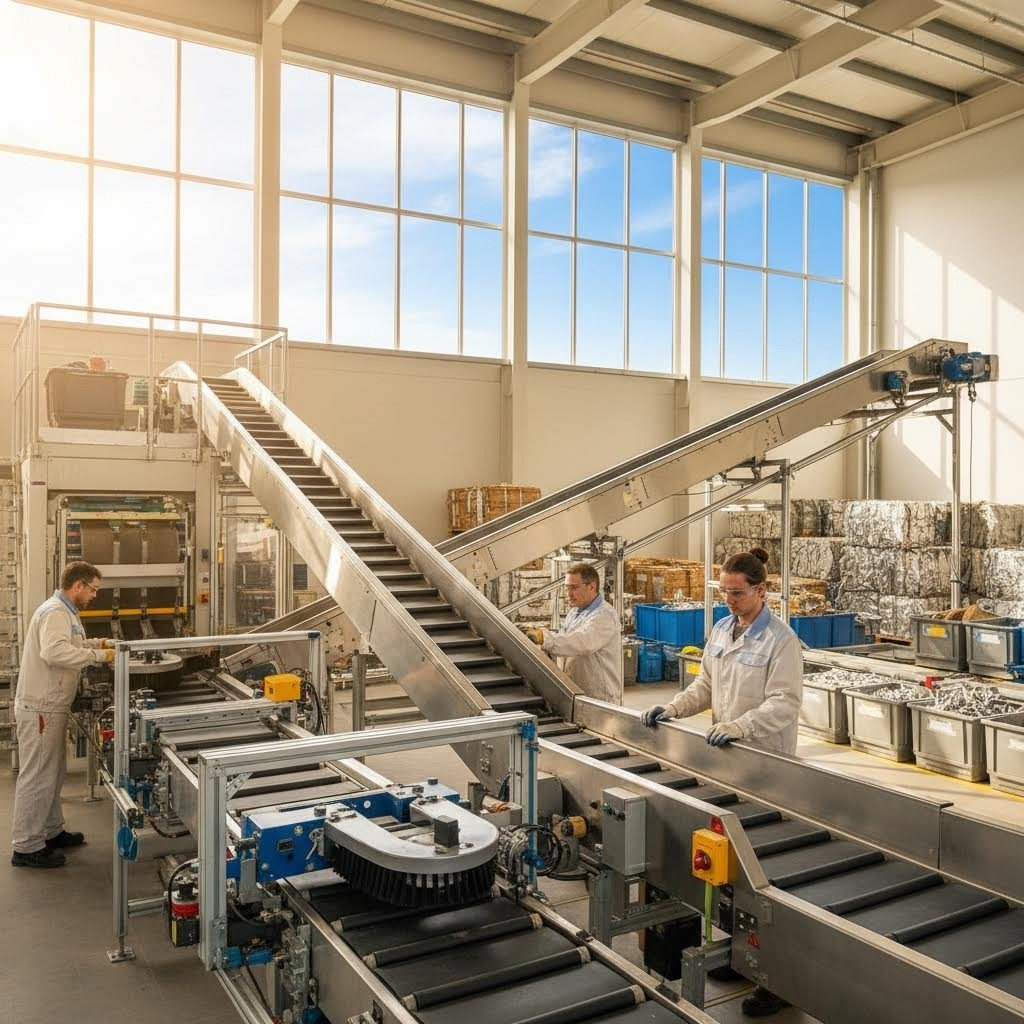
You're investing in solar energy to reduce your carbon footprint—but have you considered the environmental impact of the frames holding those panels? Here's something that might surprise you: the aluminum extrusion solar panel frame surrounding your PV modules plays a significant role in your system's overall sustainability story. Understanding this connection helps environmentally-conscious buyers make decisions that align with their values beyond just generating clean electricity.
Unlike many industrial materials that degrade with each recycling cycle, aluminum stands apart with a remarkable property: it's 100% recyclable without losing its original qualities. According to Orin PV, aluminum retains its properties even after multiple recycling cycles, making recyclable solar panel frames genuinely circular economy products.
What does this mean practically? When your solar installation reaches end-of-life after 25-30 years, those aluminum frames don't become landfill waste. Instead, they enter recycling streams where the material transforms into new products—potentially even new solar frames—with minimal energy input compared to primary production.
The sustainability benefits of choosing eco-friendly aluminum frames extend throughout the product lifecycle:
According to Moser Baer Solar's lifecycle analysis, current recycling technologies recover up to 95% of semiconductor materials and 90% of glass from decommissioned panels. Aluminum frame recovery rates often exceed these figures due to the metal's ease of separation and high recycling value.
Here's a perspective that changes how you evaluate sustainable solar frame materials: the carbon footprint of your solar system varies significantly based on where and how frame components are manufactured.
According to Industrious Labs, aluminum is mission-critical to solar panel manufacturing, accounting for 85% of components in solar panels. This means your frame material choices have outsized impact on system-level carbon emissions. The same research notes that industry is the largest single source of U.S. greenhouse gas emissions at 27%—and primary aluminum production contributes significantly to this figure.
What factors influence the solar frame environmental impact of your aluminum frames?
Lifecycle assessment studies referenced by Moser Baer Solar indicate that modern solar panels require only 1-4 years to offset their production energy costs, while operational lifespan extends to 25-30 years. This represents a significant net positive—but choosing quality frames that reach full lifespan potential maximizes that environmental return.
Perhaps the most overlooked sustainability factor involves durability. Choosing quality frames from established manufacturers doesn't just protect your investment—it reduces the total number of frames manufactured over your system's lifetime.
Imagine two scenarios: a budget frame requiring replacement after 15 years versus a premium frame lasting 30+ years. The second option halves the manufacturing emissions, transportation impacts, and recycling processing associated with your installation. This compounding effect makes initial quality investment an environmental decision, not just an economic one.
Manufacturers investing in advanced surface treatments, precision tolerances, and rigorous quality testing typically deliver frames that reach their full lifespan potential. The slightly higher upfront cost translates into genuine sustainability gains—fewer frames manufactured, less energy consumed, reduced waste generated.
For environmentally-conscious buyers making long-term investment decisions, frame sustainability deserves the same attention you give to panel efficiency ratings. The aluminum surrounding your solar cells will either contribute to or detract from your clean energy goals depending on material sourcing, manufacturing practices, and ultimate durability.
With sustainability considerations addressed, the final piece of your decision involves selecting a supplier capable of delivering frames that meet all these quality and environmental benchmarks.
You've done your homework on alloys, dimensions, surface treatments, and quality standards—but here's where theory meets reality: finding a solar frame manufacturer capable of delivering what you've specified. The aluminum extrusion supplier you choose ultimately determines whether those carefully researched specifications translate into frames that perform as expected for decades. This isn't about finding the cheapest quote; it's about identifying partners with the technical capabilities, experience, and support systems to execute your project successfully.
Let's walk through exactly what to evaluate when vetting potential suppliers.
According to industry sourcing guidance, a supplier's extrusion press capacity defines what profiles they can actually produce. But what does press capacity mean for your custom solar panel frames project?
Why does press range matter? A supplier operating multiple press capacities can handle diverse project requirements and maintain production flexibility when your volumes change. For example, manufacturers like Shengxin Aluminium—with 35 extrusion presses ranging from 600T to 5500T—can accommodate everything from prototype runs to high-volume production across the full spectrum of profile complexities.
Beyond press capacity, evaluate these critical capabilities:
Experience matters significantly in this industry. Manufacturers with decades of solar frame production have refined their processes, developed specialized dies for common applications, and built quality systems that catch problems before shipment. A supplier with 30+ years of aluminum extrusion experience brings institutional knowledge that newer entrants simply cannot match.
When evaluating potential solar frame wholesale partners, direct questions reveal capability gaps that brochures obscure. According to procurement specialists, these probes quickly differentiate professional manufacturers from traders:
Red flags during these conversations include refusal to share tolerance matrices, inconsistent answers about secondary operations, unclear minimum order quantity policies, or inability to provide sample inspection reports. Professional suppliers proactively share documentation and welcome technical discussions.
Strong technical communication differentiates professional suppliers from traders. A capable extrusion factory will provide design-for-manufacturability feedback and offer feasibility and cost optimization suggestions before you commit.
Here's a reality check that catches many buyers off-guard: aluminum extrusion supplier pricing and MOQ policies vary dramatically based on die availability and production complexity.
Typical industry benchmarks include:
MOQ requirements depend on whether existing dies can be reused. According to buying guides, strategies to reduce upfront costs include shared die amortization, co-funded tooling, or phased production to spread die costs across multiple orders.
Ask suppliers to outline financial breakdowns clearly: die cost, per-piece extrusion, secondary operations, and inspection charges. This transparency helps you design trial runs that balance technical risk with budget constraints. Reputable manufacturers like Shengxin Aluminium offer end-to-end support from die development through mass production, with technical teams available to optimize designs for manufacturability before tooling begins.
Before finalizing your aluminum extrusion supplier selection, work through this comprehensive evaluation:
| Evaluation Category | Key Criteria | Verification Method |
|---|---|---|
| Production Capacity | Multiple press tonnages covering your profile requirements | Request equipment list with tonnage specifications |
| Die Capabilities | In-house die design, manufacturing, and repair | Ask for examples of similar profiles produced |
| Machining Integration | CNC cutting, drilling, bending under one roof | Factory visit or video tour of machining facilities |
| Surface Treatments | Anodizing, powder coating, PVDF, specialized finishes | Request sample panels showing finish options |
| Quality Systems | ISO 9001 certification, documented inspection protocols | Review sample FAI reports and QA certificates |
| Technical Support | DFM feedback, feasibility analysis, optimization suggestions | Submit drawings and evaluate response quality |
| Lead Time Reliability | Consistent delivery against quoted timelines | Check references from similar projects |
| Experience | Documented history with solar frame applications | Request case studies or project references |
Suppliers meeting these criteria—like established manufacturers offering comprehensive custom extrusion services—provide the technical foundation for successful solar frame projects. Their investment in equipment, quality systems, and technical expertise translates into frames that meet specifications consistently and perform reliably over decades of service.
With supplier evaluation criteria established, the final step involves synthesizing everything you've learned into a confident purchasing decision.
You've journeyed through alloy metallurgy, extrusion engineering, surface chemistry, and supplier evaluation—now it's time to bring everything together into actionable decisions. Whether you're specifying frames for a residential rooftop or sourcing components for utility-scale deployment, the principles remain consistent: match material properties to environmental demands, prioritize quality over short-term savings, and partner with manufacturers who can execute your vision reliably.
Let's distill these insights into a clear decision framework.
Think of your solar panel frame buying guide as a decision tree with four critical branches:
According to PV Know How, proper framing is crucial for the panel's structural integrity, protection from the elements, and mounting capabilities—directly impacting the panel's performance, durability, and overall quality. This isn't an area to cut corners.
Here's the tension every buyer faces: premium specifications cost more upfront, but inadequate frames create far larger expenses downstream. How do you find the right balance?
Consider the best aluminum solar frames not as commodities but as 30-year investments. A frame costing 15% more but lasting twice as long delivers dramatically better value. Factor in avoided replacement labor, system downtime, and potential warranty complications when budget frames fail prematurely.
These solar frame selection tips help optimize your investment:
As Sova Solar emphasizes, panels built with poor-grade metal frames often warp, rust, or degrade in performance—costing more in maintenance and risk than quality alternatives.
The aluminum frame surrounding your solar cells determines whether your clean energy investment delivers returns for 15 years or 35 years. Choose alloys, treatments, and suppliers that match your environment and performance expectations—not your lowest budget line.
Where you go from here depends on your current project stage:
Still researching? Use the alloy comparison tables and surface treatment guides in this article to develop specifications that match your site conditions. Document your requirements before contacting suppliers.
Ready to source? Apply the supplier evaluation checklist to vet potential manufacturers. Prioritize those with demonstrated solar frame experience, integrated processing capabilities, and responsive technical teams.
Seeking custom solutions? For projects requiring specialized profiles, precise tolerances, or specific alloy and finish combinations, manufacturers offering comprehensive extrusion services provide the technical support needed from die development through mass production. Established suppliers like Shengxin Aluminium—with 30+ years of experience, extensive press capacity, and in-house surface treatment options including anodizing, powder coating, PVDF, and micro-arc oxidation—exemplify the end-to-end capabilities that streamline complex sourcing requirements while maintaining factory-direct pricing advantages.
Whatever your project scale, the knowledge you've gained transforms you from passive buyer to informed specifier. You now understand why 6063-T5 dominates residential applications, when 6061-T6 justifies its premium, how surface treatments affect lifespan, and what separates professional manufacturers from commodity traders.
Your solar panels will convert sunlight into clean electricity for decades. Make sure the frames protecting them are engineered to do the same.
An aluminum solar panel frame is the rigid border structure surrounding and protecting photovoltaic modules. Created through extrusion, these frames provide structural support, mounting capability, and corrosion protection for solar cells and glass covers. The aluminum's lightweight strength, natural corrosion resistance, and excellent thermal conductivity make it ideal for outdoor installations lasting 25-30 years. Quality frames feature precise mounting slots, drainage channels, and corner-joining mechanisms that ensure watertight sealing and secure installation.
Solar panel aluminum frame pricing varies based on alloy grade, dimensions, surface treatment, and order volume. Standard residential frames using 6063-T5 alloy with basic anodizing typically cost less than commercial-grade 6061-T6 frames with PVDF coating. Die costs for custom profiles add upfront investment, while minimum order quantities affect per-unit pricing. Established manufacturers like Shengxin Aluminium offer factory-direct pricing with comprehensive surface treatment options, helping buyers balance quality with budget constraints across different project scales.
The best alloy depends on your installation environment. 6063-T5 dominates residential applications, offering excellent extrudability, superior corrosion resistance, and cost efficiency for standard rooftop installations. 6061-T6 delivers approximately 70% higher tensile strength, making it ideal for demanding commercial projects facing high wind loads or heavy snow accumulation. 6005-T6 provides a middle-ground option with good strength and extrudability for ground-mounted arrays and solar tracking systems.
Quality aluminum frames can last 30-50 years when properly manufactured with appropriate surface treatments. Frame longevity depends on alloy selection, temper designation, surface treatment quality, and installation environment. Premium anodizing or PVDF coatings maintain protection for 20-40 years under normal conditions. Coastal installations, extreme UV exposure, and industrial environments accelerate degradation, making surface treatment selection as critical as alloy choice for achieving maximum lifespan.
Evaluate suppliers based on extrusion press capacity range (600T to 5500T for diverse profile capabilities), in-house die design and maintenance, integrated CNC machining for precision cutting and drilling, comprehensive surface treatment options, and quality certifications like ISO 9001. Look for manufacturers with documented solar frame experience, technical teams providing design-for-manufacturability feedback, and transparent MOQ policies. Suppliers like Shengxin Aluminium with 30+ years experience and 35 extrusion presses exemplify the end-to-end capabilities needed for reliable frame production.



 un service en ligne
 0086 136 3563 2360
 sales@sxalu.com
 +86 136 3563 2360
 français
 English
 Deutsch
 русский
 español
 português
 العربية
 ไทย
ไทย Việt
Việt Українська