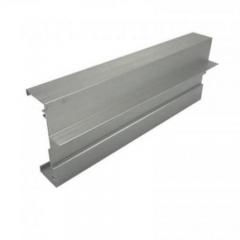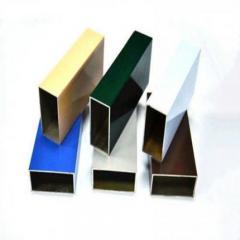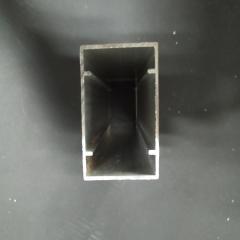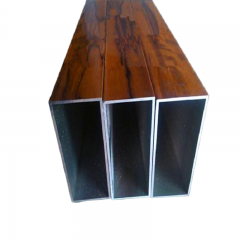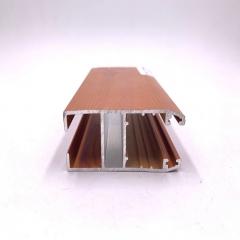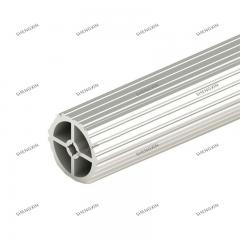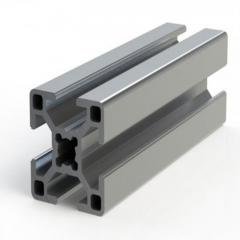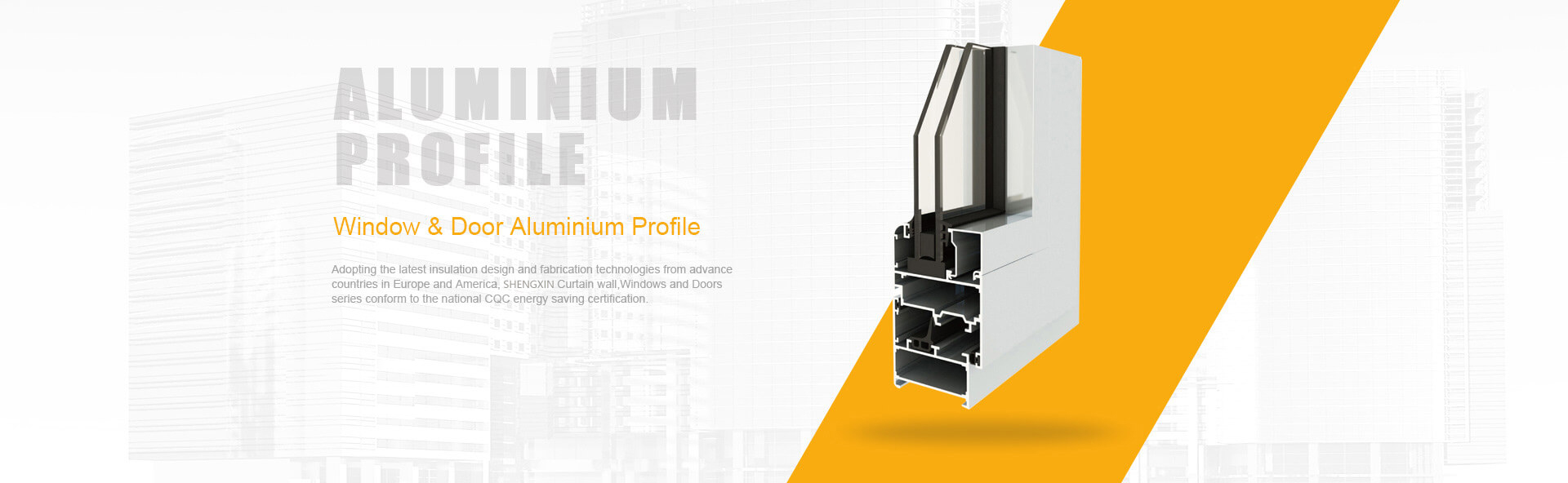
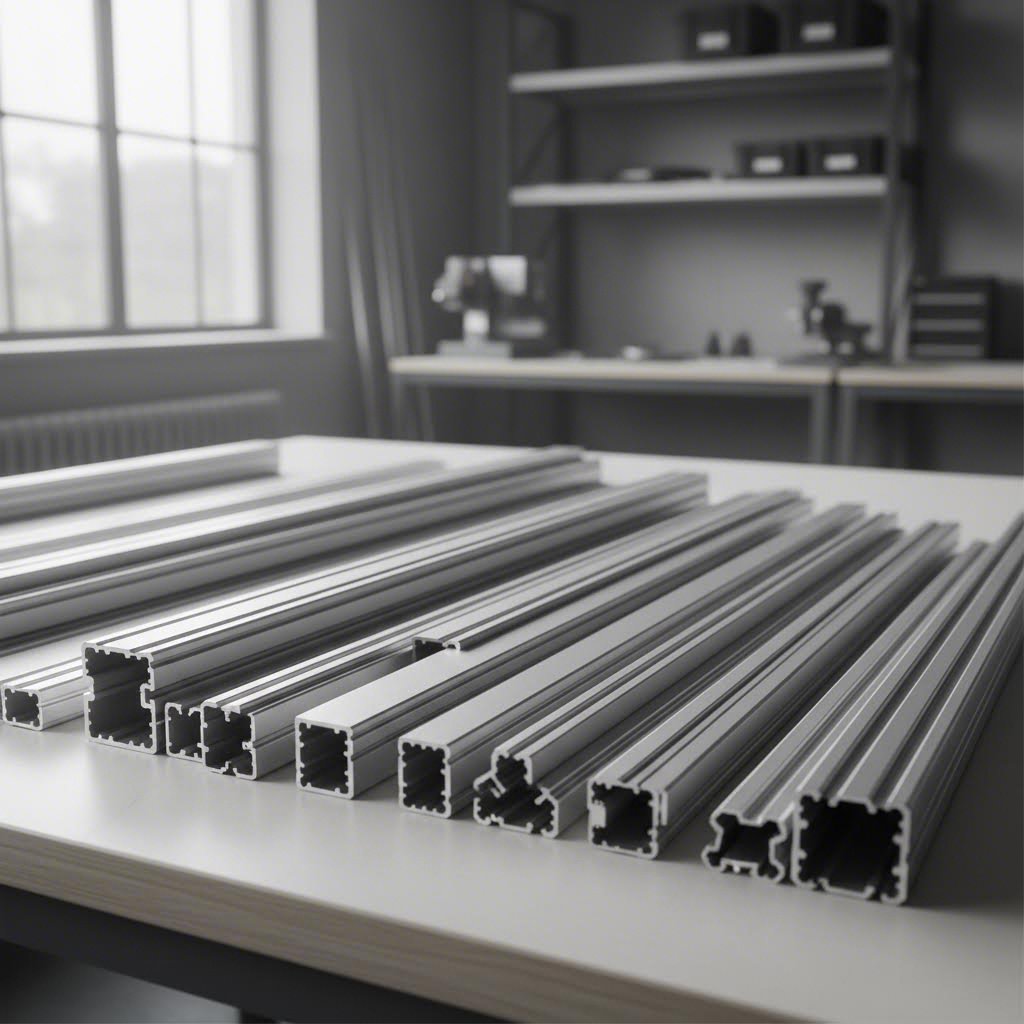
When you need versatile, lightweight structural components for industrial machinery, architectural frameworks, or DIY builds, aluminum extrusions offer an unmatched combination of strength and adaptability. But what exactly are they? Aluminum extrusion is a manufacturing process where heated aluminum alloy is forced through a shaped die to create profiles with consistent cross-sections. Think of it like squeezing toothpaste through a shaped nozzle - except the result is precision-engineered extruded aluminum that can form everything from simple channels to complex multi-chambered profiles.
For Canadian buyers looking to purchase these materials, the landscape presents unique opportunities and challenges. Whether you source from Ontario extrusions specialists, explore options from established players like Can Art Aluminum Extrusion Canada Inc, or consider international suppliers, understanding the full picture helps you make smarter purchasing decisions.
Why do so many Canadian manufacturers, fabricators, and makers rely on aluminum extrusion profiles? The answer lies in their remarkable versatility. These profiles deliver excellent strength-to-weight ratios, natural corrosion resistance, and the ability to be customized into virtually any shape your project demands.
From machine frames in automotive plants to modular workstations in tech startups, aluminum extrusions serve as the backbone of countless applications across alu Canada industries. Their recyclability also aligns with growing sustainability requirements that many Canadian businesses now prioritize.
Purchasing aluminum extrusions in Canada involves navigating a supply chain that spans domestic manufacturers, North American distributors, and international exporters. Each option carries distinct implications for your project timeline, budget, and quality requirements.
Here are the key factors you should evaluate when sourcing aluminum extrusions:
Understanding these factors positions you to balance cost, quality, and delivery speed effectively. Throughout this guide, you will learn how to evaluate profile series, select appropriate grades and finishes, and identify suppliers capable of meeting your specific project requirements.
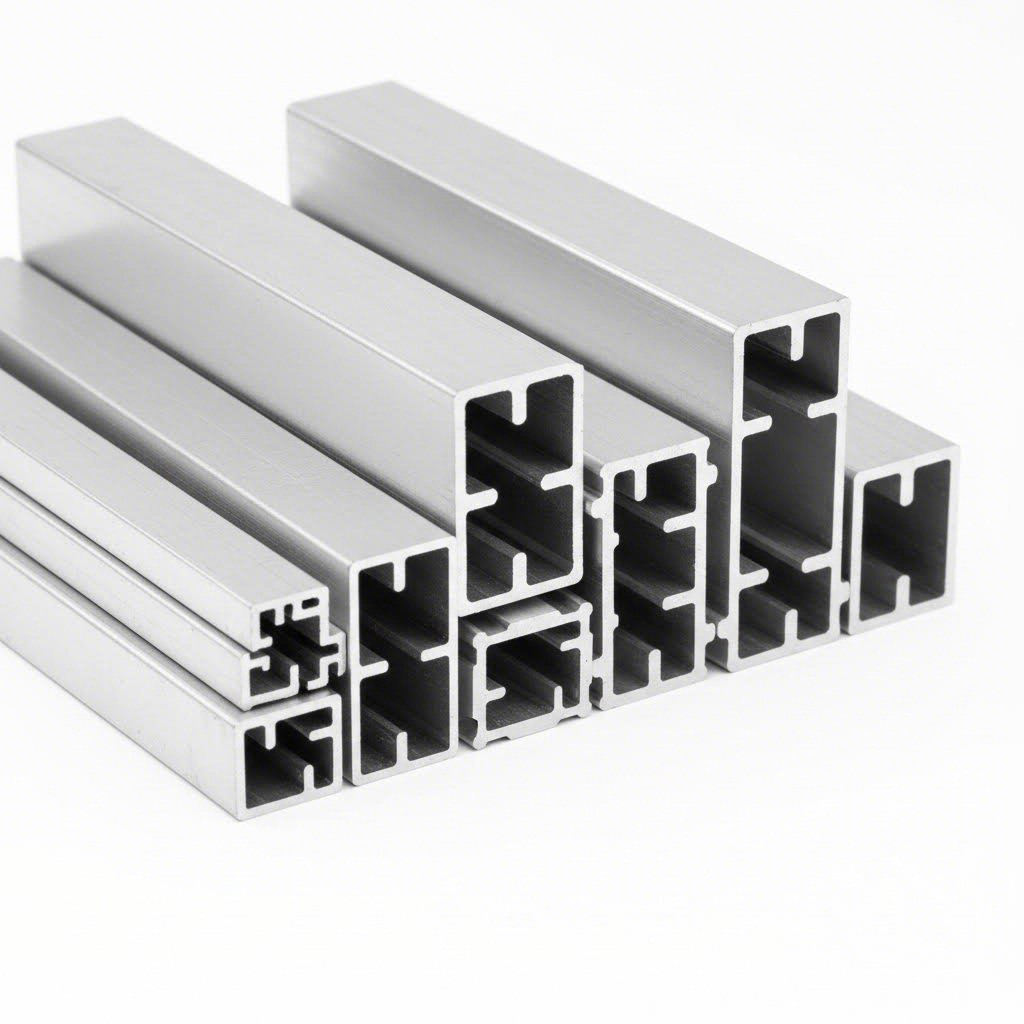
Imagine walking into a hardware store and finding dozens of aluminum profiles in different sizes - how do you know which one fits your project? This is where understanding profile series becomes essential. Each aluminum extrusion profile belongs to a specific series that determines its dimensions, slot compatibility, and load-bearing capacity. Getting this right from the start saves you from costly redesigns and compatibility headaches down the road.
The numbering system for extruded aluminum profiles might seem confusing at first, but it follows a logical pattern. Fractional series (like 10 and 15) use inch-based measurements common in North American manufacturing, while metric series (20, 25, 30, 40, 45) follow millimeter-based standards popular in European and Asian applications. Let's break down what each series offers and when you should choose one over another.
The 8020 10 series represents the entry point for many projects. With typical dimensions of 1" x 1" (25.4mm x 25.4mm), 10 series aluminum extrusion profiles feature T-slots with .255" slot widths, making them compatible with slot 6 fasteners and accessories. According to Parco Inc, the inside radius of .125" on these profiles makes it easier to drop in T-nuts during assembly.
Stepping up to the 80 20 15 series brings you to 1.5" x 1.5" (38.1mm x 38.1mm) profiles. This 15 series aluminum extrusion strikes an ideal balance between strength and versatility, which explains why it remains the most popular choice for automation frameworks and medium-duty structures. The T-slots widen to .322" (compatible with slot 8), and the inside radius increases to .187".
For metric applications, the 20 series starts at 20mm x 20mm - perfect for compact projects where space is tight. The 30 series (30mm x 30mm) and 40 series (40mm x 40mm) scale up progressively for heavier loads, with 30mm and 40mm profiles featuring 8mm slots. When you need maximum strength, the 45 series at 45mm x 45mm uses 10mm slots and handles the most demanding industrial applications.
Selecting the right series depends on several factors working together. Consider this comparison table to match 80 20 dimensions to your specific needs:
| Series Name | Typical Dimensions | Common Applications | Load Capacity Range |
|---|---|---|---|
| 10 Series (Fractional) | 1" x 1" to 2" x 4" | Lightweight enclosures, displays, workstations, 3D printer frames | Light to medium duty |
| 15 Series (Fractional) | 1.5" x 1.5" to 3" x 6" | Automation frameworks, machine bases, safety guarding, CNC builds | Medium to heavy duty |
| 20 Series (Metric) | 20mm x 20mm | Small electronics enclosures, compact fixtures, space-limited projects | Light duty |
| 30 Series (Metric) | 30mm x 30mm | Test rigs, automation equipment, moderate load-bearing structures | Medium duty |
| 40 Series (Metric) | 40mm x 40mm | Industrial machine frames, large enclosures, heavy equipment bases | Heavy duty |
| 45 Series (Metric) | 45mm x 45mm | High-load industrial applications, large structural frameworks | Maximum duty |
When evaluating which series fits your project, start by identifying your load requirements. Heavier loads demand larger series like 40 or 45, while lightweight displays and enclosures work perfectly with 8020 10 series profiles. Next, assess your available space - smaller footprints benefit from 10 or 20 series profiles that deliver strength without bulk.
Budget also plays a role in series selection. The 15 series often provides the best value because of its widespread use and the extensive availability of compatible components. As CPI Automation recommends, sticking with a single series throughout your project ensures consistency and avoids compatibility issues between fasteners and accessories.
One practical tip: both 10 and 15 series accessories can transition between the two fractional series if needed, giving you flexibility for future modifications. This cross-compatibility proves valuable when expanding existing structures or repurposing components for new projects.
With your profile series selected, the next critical decision involves choosing the right aluminum grade and temper designation to match your structural and environmental requirements.
You have selected your profile series and dimensions - but what about the aluminum itself? The aluminum extrusion material you choose fundamentally determines how your finished structure performs under stress, resists corrosion, and accepts surface finishes. When Canadian buyers order aluminium extrusion products, two grades dominate the conversation: 6061 and 6063. Understanding their differences helps you specify correctly and avoid costly material mismatches.
Both alloys belong to the 6000 series, meaning they contain magnesium and silicon as primary alloying elements. This composition makes them heat-treatable, weldable, and excellent candidates for the extrusion of aluminium process. Yet despite their similarities, each excels in distinctly different applications.
Sounds complex? Let's simplify it. Think of 6061 as the workhorse for structural strength, while 6063 shines when appearance and corrosion resistance matter most. According to Metal Supermarkets, Aluminum 6061 can contain up to twice the percentage of iron and typically has more copper, chromium, and silicon than 6063 - elements that boost mechanical strength but reduce surface finish quality.
Here are the key characteristics of extruded aluminum alloy 6061:
Now consider the characteristics that make aluminum alloy extrusion in 6063 the go-to choice for different applications:
Among the various aluminium extrusion types available, these two grades cover the vast majority of applications. When high strength is not your primary concern but surface quality and weather resistance are, 6063 delivers better value. For structural projects demanding maximum load capacity, 6061 remains the standard choice.
Beyond the base alloy, temper designation tells you how the aluminum was processed after extrusion - and this dramatically affects performance. You will commonly see designations like T5 and T6 when you aluminum extrude products for structural applications.
What do these temper codes actually mean? According to Engineering Express, the difference comes down to how the material was cooled and aged:
For practical purposes, T5 and T6 materials perform similarly in many applications, but T6 consistently delivers higher yield strength and fatigue resistance. When your project involves safety-critical structures or must meet specific engineering specifications, always verify the temper designation with your supplier.
Imagine you are building a machine guard that must withstand occasional impacts. Specifying 6061-T6 gives you confidence in its structural integrity. Alternatively, if you are designing architectural railings for a coastal property, 6063-T5 provides the corrosion resistance and attractive finish you need at a lower cost.
One practical tip: when requesting quotes from suppliers, always specify both the alloy and temper together (for example, "6063-T5" or "6061-T6"). This prevents misunderstandings and ensures you receive material that matches your engineering requirements.
With your aluminum grade and temper selected, the next decision involves choosing between T-slot and smooth profile configurations - a choice that fundamentally shapes how you will assemble and modify your structure.
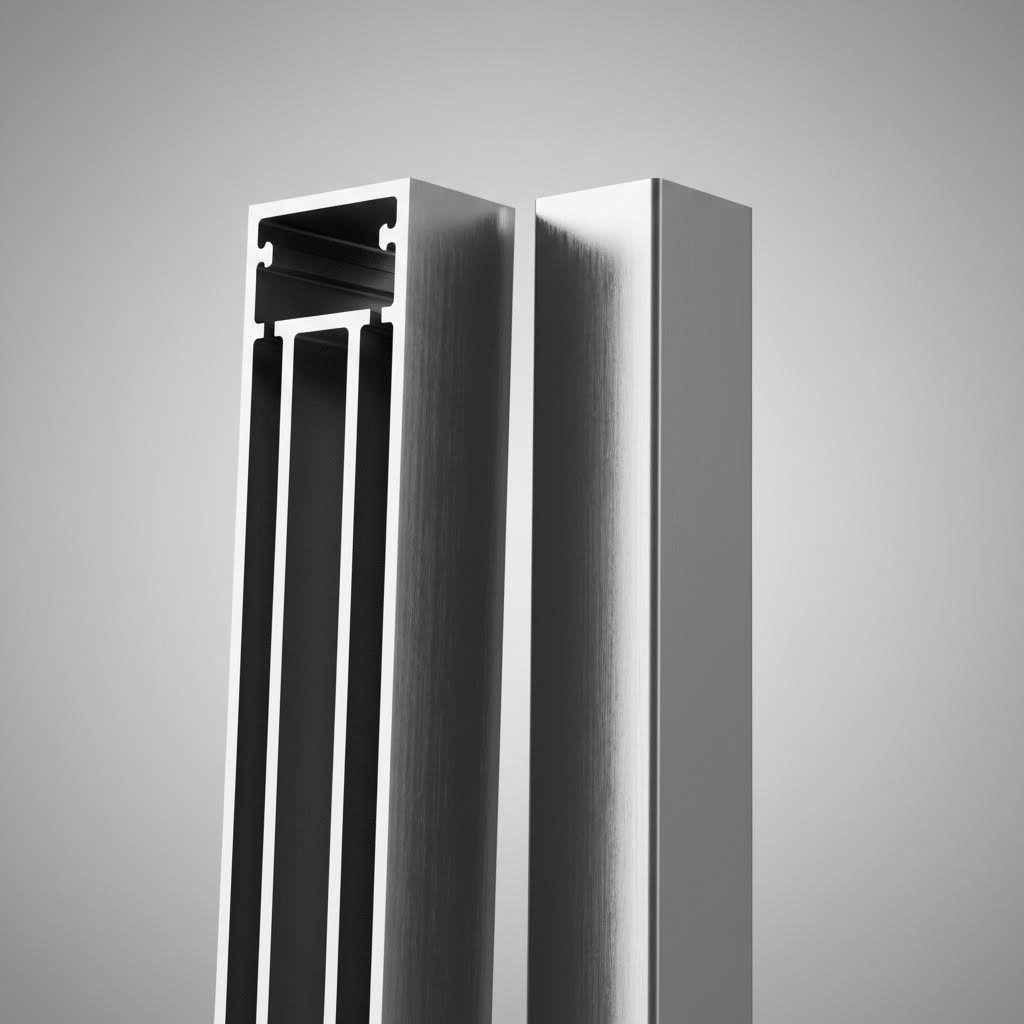
Now that you understand grades and tempers, another fundamental choice awaits: should your project use T-slot profiles or smooth extrusions? This decision affects everything from how you assemble your structure to how easily you can modify it later. Many Canadian buyers overlook this distinction, yet it represents one of the most impactful choices you will make when purchasing aluminum profiles.
Think of T-slot profiles as building blocks with built-in attachment points. Those distinctive grooves running along each face allow you to connect components anywhere along the profile length - no drilling, no welding, no permanent modifications. Smooth profiles, by contrast, offer clean lines and streamlined aesthetics but require different fastening approaches. Let's explore when each type makes sense for your project.
What makes 8020 aluminum so popular among builders and manufacturers? According to Rocky Mountain Machine Company, 80/20 is a modular T-slot aluminum frame and parts system that can be configured into endless custom solutions, from DIY projects to industrial applications. The secret lies in those T-shaped channels that accept specialized fasteners, brackets, and accessories.
When you work with 80 20 aluminum systems, assembly becomes remarkably straightforward. You can build complete structures using simple hand tools - no welding required. T-nuts slide into the slots at any position, allowing you to attach brackets, panels, hinges, and other components exactly where you need them. Need to reposition something? Simply loosen the fastener, slide the component to its new location, and retighten.
This flexibility explains why 8020 t slot profiles dominate applications like:
The 80 20 aluminum t slot system has become so synonymous with modular construction that many buyers use "80/20" as a generic term for any T-slot extrusion. While 80/20 Inc. is the original manufacturer of this system, numerous suppliers now offer compatible 80/20 t slot profiles and accessories, giving Canadian buyers competitive options.
Smooth aluminum profiles lack those distinctive T-slots, presenting clean rectangular, round, or custom-shaped cross-sections instead. While this means sacrificing the modular flexibility of 80 20 t slot aluminum, smooth profiles excel in applications where aesthetics, aerodynamics, or specific structural requirements take priority.
Consider architectural applications where visible aluminum must complement a building's design. Smooth profiles deliver sleek appearances without the industrial look of T-slots. They also work better for applications involving sliding contact, fluid flow channels, or tight clearances where protruding slot edges would interfere.
Here is a direct comparison to help you decide between these profile types:
| Factor | T-Slot Profiles | Smooth Profiles |
|---|---|---|
| Assembly Method | Slide-in T-nuts and specialized brackets; no drilling required | Through-drilling, welding, or external clamps required |
| Flexibility | Highly reconfigurable; components can be repositioned easily | Fixed once assembled; modifications require new holes or cuts |
| Cost | Higher per-foot cost but lower assembly labor; extensive accessory ecosystem | Lower profile cost but higher fabrication and assembly labor |
| Typical Applications | Machine frames, workstations, enclosures, prototypes, maker projects | Architectural trim, handrails, furniture, aesthetic structures |
| Fastener Requirements | Proprietary T-nuts, corner brackets, and connectors designed for slot geometry | Standard bolts, screws, rivets, or weld connections |
One key consideration: the 80 20 t slot system shines brightest when you anticipate future modifications or need rapid assembly. If you are building a permanent structure where configuration changes are unlikely, smooth profiles often deliver lower total project cost despite requiring more fabrication work upfront.
For Canadian buyers evaluating these options, consider your project lifecycle. Prototypes and evolving production environments benefit enormously from T-slot modularity. Finished products destined for end users often favor the cleaner appearance of smooth extrusions. Many complex projects actually combine both types - using T-slot framing for structural frameworks while incorporating smooth profiles for visible surfaces and specialized components.
With your profile type selected, the next consideration involves surface finishes that protect your aluminum and enhance its appearance for years of service.
You have selected your profile series, aluminum grade, and decided between T-slot or smooth configurations. Now comes a choice that affects both how your project looks and how long it lasts: surface finishing. When ordering aluminium extrusion profiles, the finish you specify determines corrosion resistance, aesthetic appeal, and maintenance requirements for years to come.
Here is something many buyers overlook: aluminum naturally forms a thin oxide layer the moment it contacts air. According to Momentum Manufacturing Group, this glass-hard protective film provides basic corrosion resistance and will instantly re-form whenever the metal is cut or abraded. For many indoor applications, this natural protection suffices. But when your extruded aluminium profiles face harsh environments, visible locations, or demanding conditions, additional surface treatments become essential.
What finish options are actually available when you order aluminium extruded profile products? Let's translate the technical terminology into practical terms you can use when specifying your requirements.
How do you choose among these aluminium extrusion products finishing options? Match the finish to your specific environmental conditions and appearance requirements.
For exterior architectural applications, coating durability matters most. The American Architectural Manufacturers Association (AAMA) publishes performance specifications that help buyers compare options. AAMA 2605 represents the most stringent standard for spray-coated aluminum, requiring actual ten-year exposure testing in South Florida. PVDF coatings consistently pass this specification across the widest variety of colors, which explains their dominance in exterior building applications.
Anodizing offers unique advantages for high-traffic areas. Its exceptional abrasion resistance makes it ideal for door frames, handrails, kick plates, and anywhere aluminum contacts people or objects regularly. As SAF notes, anodized surfaces can actually be renewed through cleaning - when the finish appears to have failed, proper cleaning often restores its appearance for another twenty years.
Consider these factors when specifying finishes for your project:
One important specification detail: when ordering anodized aluminum, always specify coating thickness. According to Aluminum Association standards, Class I anodizing (0.7 mils thick) lasts approximately twice as long as Class II (0.4 mils) in exterior applications. Thin sub-Class II coatings that appear identical to thick coatings when new will fail prematurely in outdoor environments.
With your surface finish requirements defined, the next step involves deciding whether standard stock profiles meet your needs or whether custom extrusion solutions justify the additional investment.
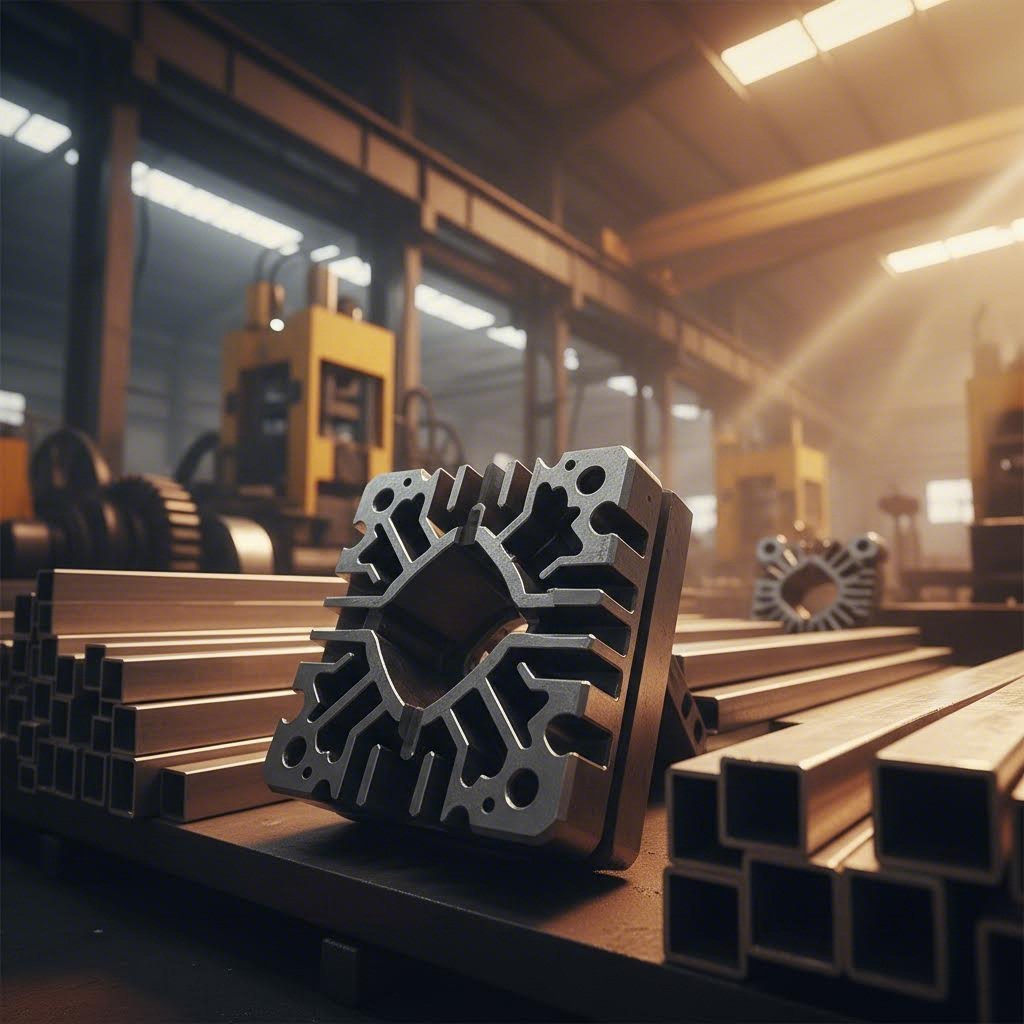
You have specified your profile series, selected your aluminum grade, and determined your surface finish requirements. Now comes a pivotal decision that directly impacts your budget and timeline: should you purchase stock aluminum extrusion profiles or invest in custom extrusion solutions? This choice separates quick-turnaround projects from those requiring specialized engineering - and understanding when each approach makes sense can save you thousands of dollars.
Think of it this way: stock profiles are like buying clothes off the rack, while custom extrusions are tailored suits made specifically for you. Both serve their purpose, but the right choice depends entirely on your project requirements, volume needs, and budget constraints.
Stock aluminium extrusion profiles represent the fastest and most economical path to purchasing aluminum extrusions. These pre-designed shapes come in standardized extruded aluminum sizes that suppliers keep readily available in their inventory. When you need common configurations like square tubes, rectangular channels, angles, or T-slot framing profiles, stock options typically deliver the best value.
According to Eleanor Aluminium, standard profiles eliminate the need for custom dies, reducing production costs while ensuring faster project execution. For Canadian buyers, this translates to shorter lead times and predictable pricing - especially valuable when working under tight deadlines.
Stock profiles make the most sense in these scenarios:
The extensive catalog of aluminum extrusion profiles products available from established distributors covers an impressive range of applications. From lightweight 20mm profiles to heavy-duty 45mm series, stock options often provide exactly what your project demands without custom engineering.
When does investing in custom dies become worthwhile? The answer involves balancing upfront tooling costs against long-term production economics and performance requirements that stock profiles simply cannot satisfy.
According to Gabrian International, tool costs for extrusion dies used in normal architectural and industrial applications typically range from $400 to $1,000, while dies for larger parts produced on 2,000-4,000 ton presses can reach as high as $2,000. Normal tool turnaround time runs 3-4 weeks, with production following within a week of sample approval.
Custom 8020 aluminum material solutions become justified in these situations:
One important consideration: some manufacturers refund tool costs when buyers meet volume commitments. Additionally, most suppliers do not charge for replacement dies after their useful life expires, provided orders continue. This makes custom extrusions increasingly economical for long-term production relationships.
Whether you choose stock or custom profiles, most suppliers offer precision cutting services that deliver profiles in exact lengths your project requires. This value-added service eliminates waste and reduces on-site fabrication time.
When requesting custom lengths from suppliers, provide these specifications:
Beyond cutting, many suppliers offering stock aluminum extrusion profiles also provide CNC machining services for drilling, tapping, countersinking, and complex fabrication. According to Gabrian, simple drilling operations typically add $200-$300 per metric ton, while more complex operations involve additional tooling costs based on machining time and complexity.
How do you decide between these options? Start by honestly assessing your requirements against what standard extruded aluminum sizes offer. If stock profiles satisfy your dimensional, structural, and aesthetic needs, you gain faster delivery and lower costs without compromise.
However, when your application genuinely requires unique geometry, optimized weight, or integrated features that standard profiles cannot provide, custom extrusion investment pays dividends through improved product performance and streamlined assembly. The key lies in accurate volume forecasting - higher quantities always improve custom extrusion economics.
For Canadian buyers evaluating suppliers, look for partners offering both comprehensive stock inventories and custom extrusion capabilities. This flexibility allows you to start with stock profiles during prototyping, then transition to custom solutions as production volumes justify the tooling investment. The right supplier relationship evolves with your project needs, providing guidance on when each approach delivers optimal value.
With your profile sourcing strategy defined, the next step involves evaluating potential suppliers across the full range of capabilities that affect quality, pricing, and service.
You have defined your profile requirements, selected appropriate grades, and determined whether stock or custom solutions fit your project best. Now comes the critical step that determines whether your project succeeds or stumbles: choosing the right supplier. For Canadian buyers navigating both domestic and international options, a systematic evaluation framework helps you identify partners capable of delivering quality, value, and reliability.
Imagine ordering 80 20 extruded aluminum for a time-sensitive automation project, only to discover your supplier lacks the processing capabilities to deliver cut-to-length pieces with drilled mounting holes. Suddenly your streamlined assembly plan requires additional fabrication steps, delays, and costs. This scenario plays out regularly when buyers evaluate suppliers on price alone rather than comprehensive capability assessment.
According to AlCircle, selecting the right aluminium extrusion supplier requires careful consideration of multiple factors beyond simple pricing. Experience, customization capabilities, manufacturing facilities, and quality control measures all contribute to successful project outcomes.
When researching potential suppliers for 80 20 aluminum extrusions or custom profiles, evaluate these essential criteria systematically:
| Evaluation Criteria | What to Look For | Why It Matters |
|---|---|---|
| Production Capacity | Number and tonnage of extrusion presses; annual output capability; ability to handle rush orders | Ensures supplier can meet your volume requirements without delays; larger facilities offer more scheduling flexibility |
| Surface Treatment Capabilities | In-house anodizing, powder coating, PVDF coating, mechanical finishing options | Integrated finishing eliminates coordination between multiple vendors and reduces lead times |
| Custom Die Services | In-house die design and manufacturing; turnaround time for new tooling; die storage policies | Faster prototyping and production startup; better control over profile tolerances and quality |
| Minimum Order Quantities | MOQ flexibility for stock versus custom profiles; willingness to handle smaller prototype runs | Aligns with your project scale; prevents excess inventory costs for low-volume applications |
| Shipping Options | Experience with Canadian customs; packaging for long-distance transport; freight partnerships | Affects landed costs and delivery reliability; proper packaging prevents transit damage |
| Deep Processing Capabilities | CNC cutting, drilling, tapping, bending, welding, and assembly services | Reduces your in-house fabrication requirements; delivers ready-to-install components |
| Quality Certifications | ISO 9001 certification; industry-specific certifications; documented quality control procedures | Provides confidence in consistent quality; simplifies compliance with customer specifications |
When you browse an 8020 catalog from any distributor, you will notice extensive accessory ecosystems that promise modular assembly convenience. However, the real value often comes from suppliers offering aluminum parts assembly service capabilities - the ability to deliver not just profiles but fully fabricated, finish-ready components that minimize your production labor.
Why does deep processing capability matter so much when evaluating alu 8020 suppliers and other extrusion sources? According to Wellste Aluminum, CNC aluminum extrusion processing is a fully automated procedure that guarantees tolerances as low as +/-0.02mm while handling operations like milling, cutting, and turning with defect-free results.
Suppliers offering integrated fabrication services transform raw extrusions into ready-to-assemble components through:
For example, Shengxin Aluminium demonstrates what comprehensive capability looks like in practice. With 35 extrusion presses ranging from 600T to 5500T capacity, plus state-of-the-art CNC machining centers, they provide end-to-end services from die development through mass production. Their surface treatment options include anodizing in custom colors, powder coating, PVDF, and micro-arc oxidation - all available through a single supplier relationship with factory-direct pricing.
Here is the challenge every Canadian buyer faces: the lowest quoted price rarely represents the lowest total project cost. When evaluating 80/20 framing extrusion suppliers or any aluminum extrusion source, consider the complete picture.
Quality considerations extend beyond the aluminum itself:
When comparing quotes from 80 20 distributors and international sources, request detailed breakdowns that include:
Lead time evaluation requires understanding your supplier's complete production cycle. A supplier quoting lower prices but longer lead times may cost you more if project delays affect downstream operations. Conversely, paying premium prices for expedited delivery makes sense when time-to-market drives profitability.
One practical approach: request references from suppliers and contact previous customers in similar industries. Ask specifically about on-time delivery performance, responsiveness to quality issues, and communication during order fulfillment. A major 80/20 company or smaller specialized supplier can both deliver excellent results - the key lies in verifying their track record with buyers facing requirements similar to yours.
The most successful Canadian buyers treat supplier selection as relationship building rather than transactional purchasing. Suppliers who understand your applications, maintain your custom dies, and proactively suggest improvements become valuable partners in your manufacturing success.
When evaluating potential long-term partners, assess their willingness to provide technical support during design phases. Can they recommend profile modifications that reduce cost while maintaining performance? Do they offer design assistance for optimizing your extrusions? Will they store your custom dies and maintain them between production runs?
Strong supplier relationships also provide buffer against supply chain disruptions. Established partners prioritize loyal customers during capacity constraints and communicate proactively about potential issues. This reliability becomes especially valuable when sourcing internationally, where communication barriers and time zone differences can complicate problem resolution.
With your supplier evaluation criteria established, the next section explores how aluminum extrusions serve diverse applications - from industrial machine frames to creative maker projects - helping you envision possibilities for your own requirements.
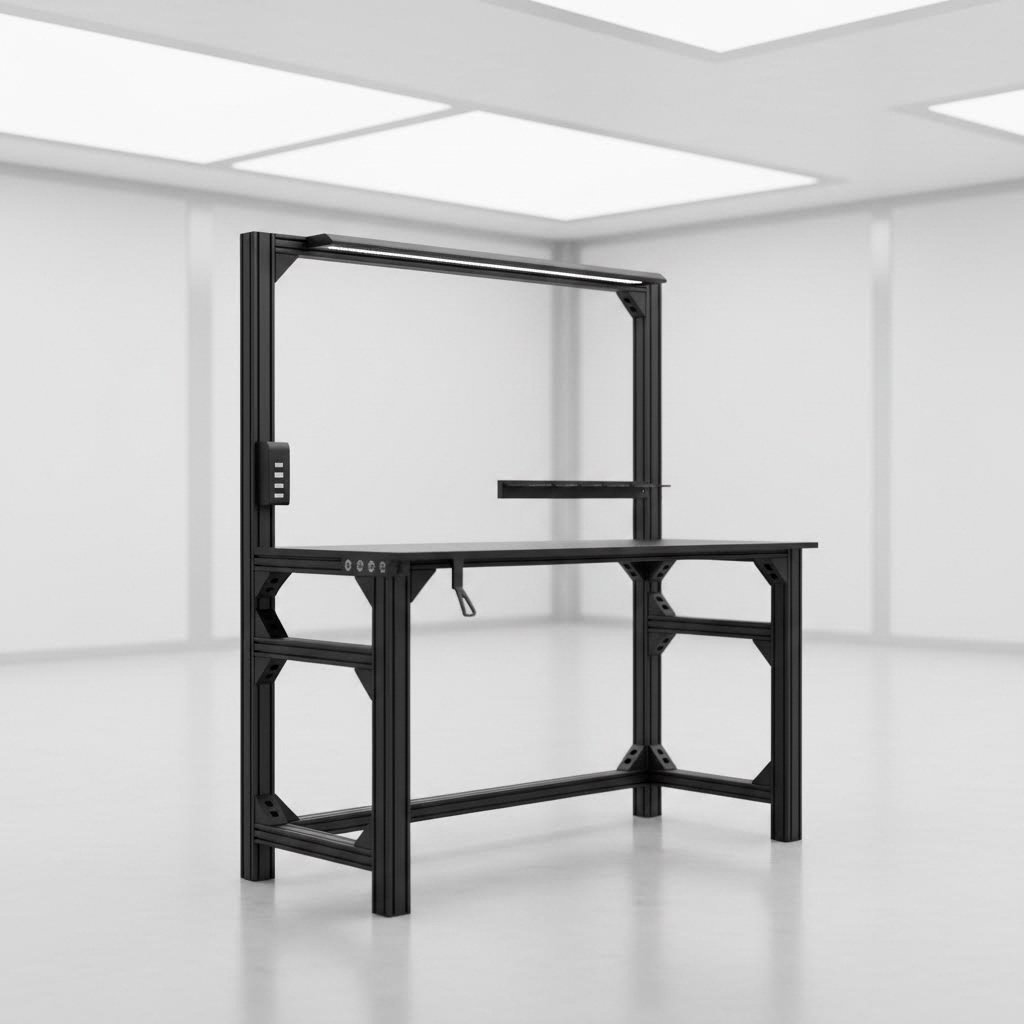
You have evaluated suppliers and understand your options - but what can you actually build with aluminum extrusions? Whether you are an industrial engineer designing production equipment or a weekend maker constructing your dream workshop, aluminum profiles serve as the foundation for countless projects. Understanding how others apply these versatile materials helps you envision possibilities and specify requirements more confidently.
The beauty of tslots and modular framing lies in their universal adaptability. The same profiles that support multi-ton automation equipment in manufacturing plants also frame hobbyist 3D printer enclosures in home workshops. Let's explore the full spectrum of applications where aluminum extrusions excel.
In industrial settings, the 80 20 framing system has become the go-to solution for equipment builders who need strength, precision, and flexibility. Factory floors worldwide feature aluminum extrusion frameworks supporting everything from conveyor systems to robotic work cells.
Here are the primary industrial applications where aluminum extrusions deliver exceptional value:
Industrial buyers typically specify 15 series or larger profiles for these applications, prioritizing load capacity and rigidity over cost savings from lighter materials. The investment in heavier profiles pays dividends through reduced vibration, longer equipment life, and improved manufacturing precision.
While industrial applications consume the largest volume of aluminum extrusions, the maker and DIY community has embraced modular framing systems with remarkable creativity. What began as industrial construction materials now supports passionate hobbyists building everything from custom furniture to sophisticated machinery.
According to 8020CNC, DIY CNC machines represent one of the most popular maker applications. The site notes that hobby CNC machines in the $3,000-$7,000 range are often as simple as an aluminum frame with linear motion components and a router - exactly the kind of project where modular extrusions excel. Builders can construct complete CNC routers using basic hand tools, with no welding required.
Popular maker and DIY applications include:
What makes the 80 20 frame approach so compelling for both professional and hobbyist builders? The answer lies in how modular construction accelerates the journey from concept to completed project.
Traditional fabrication requires precise measurements, cutting, drilling, welding, and finishing before you can evaluate whether your design actually works. With T-slot framing, you can assemble a prototype structure, test it, modify dimensions, relocate components, and refine your design - all without permanent alterations to expensive materials.
This iterative approach proves especially valuable when:
The practical reality? A project built with aluminum extrusions today can become something entirely different tomorrow. That 3D printer enclosure can transform into a CNC router frame when your interests evolve. The workstation supporting one manufacturing process can be reconfigured for completely different operations. This inherent flexibility represents value that extends far beyond the initial project scope.
With a clear understanding of how aluminum extrusions serve diverse applications, you are now ready to synthesize everything you have learned into a practical purchasing decision framework.
You have absorbed a wealth of information about profile series, aluminum grades, surface finishes, and supplier evaluation criteria. Now it is time to transform that knowledge into action. Whether you are ready to buy aluminum extrusion for an industrial automation project or a creative maker build, following a structured purchasing process ensures you get exactly what your project demands - without costly surprises or frustrating delays.
Think of this final section as your roadmap from research to receipt. Every decision you have considered throughout this guide converges here into practical steps that lead to successful procurement. Let's synthesize the key decision points and walk through a proven purchasing framework.
Before contacting any supplier, organize your requirements into clear specifications. This preparation dramatically improves quote accuracy and prevents miscommunication that leads to wrong materials arriving at your door.
Review these essential decision points:
According to Profile Precision Extrusions, starting with a basic sketch or detailed CAD file that specifies ideal dimensions and tolerances streamlines the entire quotation and production process. The more precisely you define requirements upfront, the more accurate your quotes become.
Ready to move from planning to purchasing? Follow this proven five-step process to navigate where to buy aluminum extrusion and secure the right materials for your project:
When searching for aluminum extrusion 8020 near me or evaluating international suppliers, prioritize partners offering comprehensive capabilities that match your project complexity. Simple stock profile orders may work fine through local distributors, but projects requiring custom dies, specialized finishes, or precision fabrication benefit from suppliers with integrated manufacturing capabilities.
For Canadian buyers seeking comprehensive custom extrusion services, Shengxin Aluminium represents a strong option worth exploring. With over 30 years of industry experience and 35 extrusion presses ranging from 600T to 5500T capacity, they offer end-to-end support from die development through mass production. Their extensive surface treatment options - including anodizing in custom colors like Champagne and Rose Gold, powder coating, PVDF, and micro-arc oxidation - address virtually any finish requirement. The combination of factory-direct pricing and technical support throughout the production process provides value that extends beyond simple material supply.
One practical tip from experienced buyers: do not sacrifice quality for the lowest quoted price. According to Profile Precision Extrusions, most extrusion dies cost under $2,000 - far less than many buyers assume. This relatively modest tooling investment often opens doors to custom solutions that outperform compromised stock profile workarounds.
Purchasing aluminum extrusions successfully requires balancing multiple factors: material specifications, supplier capabilities, timeline constraints, and budget realities. The structured approach outlined in this guide helps you navigate these considerations systematically rather than making decisions based on incomplete information.
Remember these key takeaways as you move forward:
Whether you need standard 8020 extrusions for a workshop project or custom architectural profiles for a commercial building, the Canadian aluminum extrusion landscape offers options to match virtually any requirement. Armed with the knowledge from this guide, you can approach suppliers confidently, specify accurately, and secure materials that deliver lasting value for your projects.
The most economical options depend on your volume and requirements. Canadian distributors like Proax and Fazstore offer competitive pricing on stock profiles with local shipping. For larger custom orders, international suppliers like Shengxin Aluminium provide factory-direct pricing that can offset shipping costs. Consider total landed cost including freight, customs duties, and any anti-dumping measures when comparing international versus domestic sources.
80/20 refers to a specific T-slot aluminum framing system featuring channels that accept specialized fasteners for modular assembly without drilling or welding. Regular aluminum extrusions include smooth profiles lacking these slots, requiring traditional fastening methods. T-slot profiles like 80/20 offer superior flexibility for reconfigurable structures, while smooth extrusions suit architectural and aesthetic applications where clean lines matter.
Yes, several Canadian extruders offer custom die services, including Apex Extrusions in BC and Extrude-A-Trim in Quebec. Custom dies typically cost $400-$2,000 with 3-4 week turnaround times. For buyers needing comprehensive capabilities including surface treatments and CNC machining, international suppliers with larger facilities can provide end-to-end custom solutions from die development through mass production.
For exterior applications facing Canadian weather, 6063-T5 aluminum offers superior corrosion resistance and excellent anodizing compatibility. Pair this with appropriate surface treatments: clear or colored anodizing provides durable protection, while PVDF coatings meeting AAMA 2605 specifications deliver decades-long UV resistance. Mill finish aluminum without protective coatings is unsuitable for outdoor use in humid or coastal environments.
According to the Canada Border Services Agency, aluminum extrusions from certain countries face anti-dumping and countervailing duties. Chinese aluminum extrusions specifically may incur duties up to 101% of export price for non-cooperative exporters. Always verify current duty rates before ordering internationally. Working with experienced customs brokers and suppliers familiar with Canadian import requirements helps navigate these complexities and avoid unexpected costs.



 un service en ligne
 0086 136 3563 2360
 sales@sxalu.com
 +86 136 3563 2360
 français
 English
 Deutsch
 русский
 español
 português
 العربية
 ไทย
ไทย Việt
Việt Українська