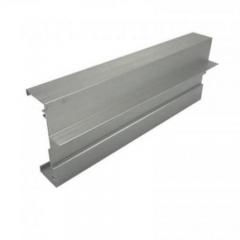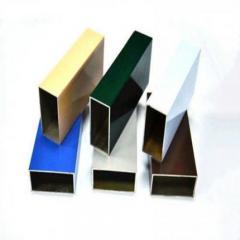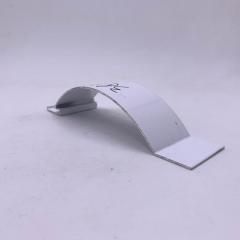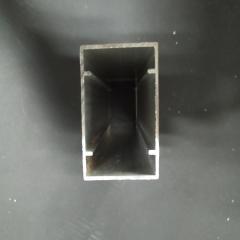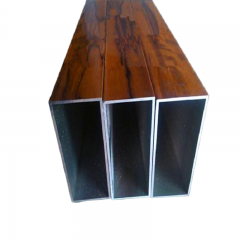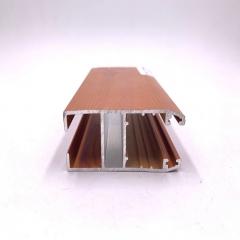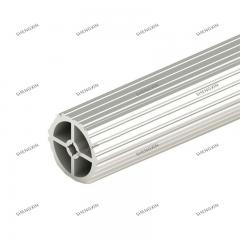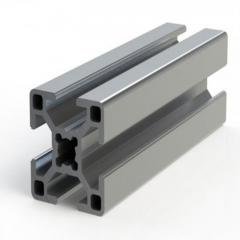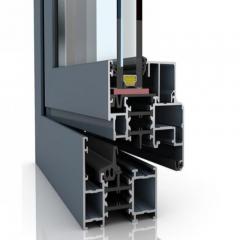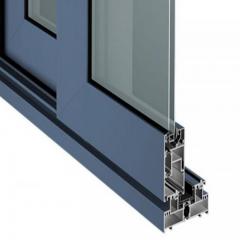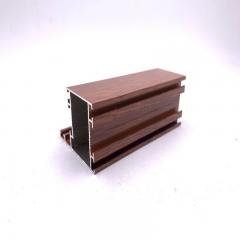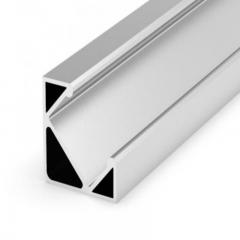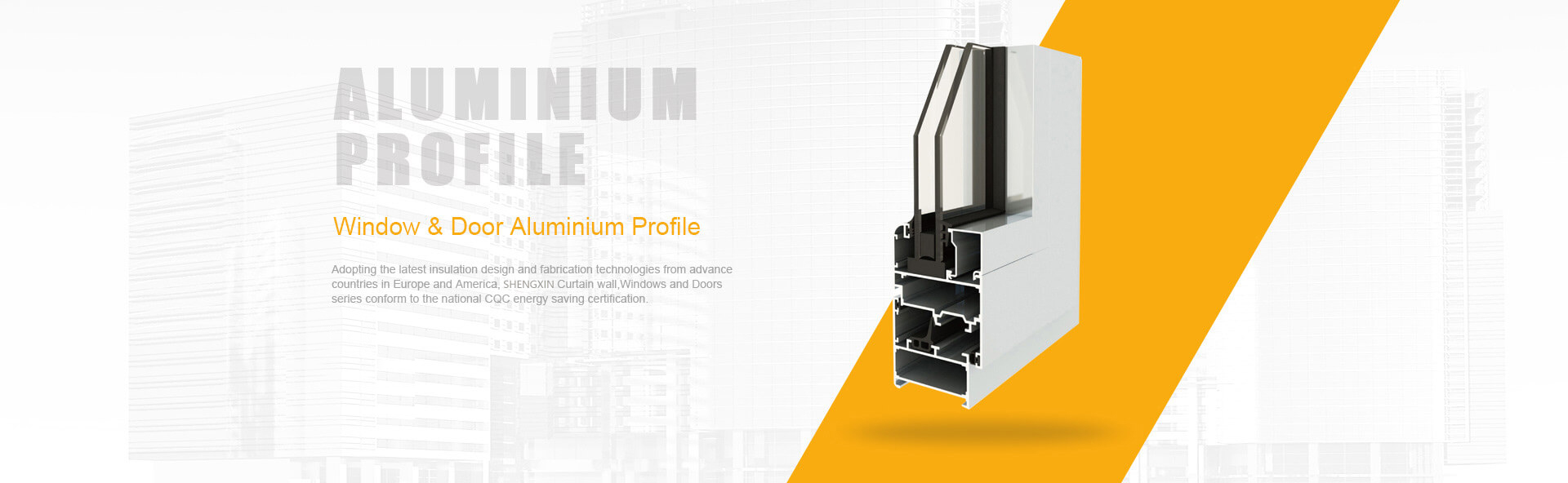
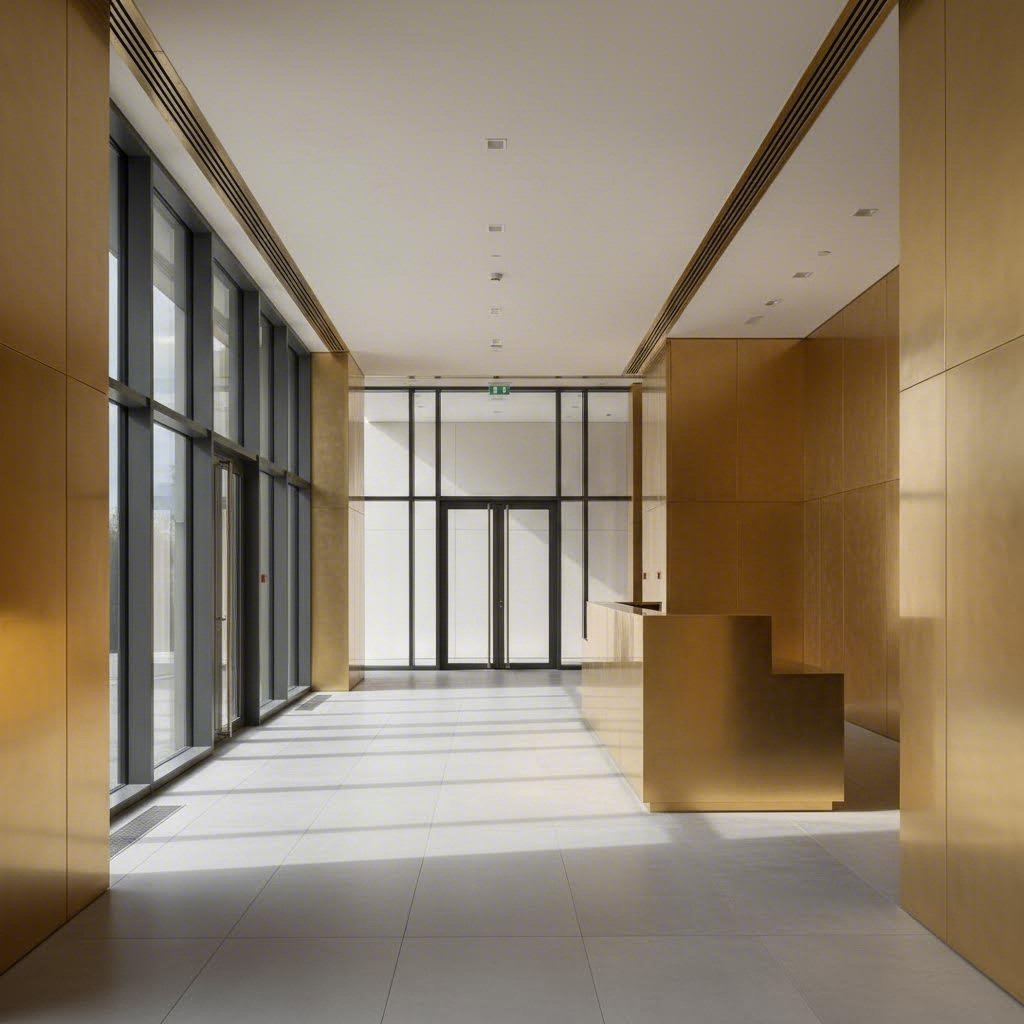
When you walk into a sleek modern building or admire the clean lines of custom cabinetry, you're likely looking at decorative aluminum extrusions at work. But what exactly sets these architectural elements apart from their industrial counterparts? Simply put, decorative aluminum extrusions are precision-shaped aluminum profiles designed to be seen and admired—not hidden behind walls or tucked away in machinery.
Before diving deeper, let's address a quick terminology note: whether you search for aluminum or aluminium, you're looking for the same remarkable metal. The aluminum vs aluminium spelling difference is simply regional—Americans use "aluminum" while most other English-speaking countries prefer "aluminium." Both terms describe identical materials with identical properties.
Not all extruded aluminum serves the same purpose. Structural extrusions prioritize strength and load-bearing capacity, often remaining invisible within frames or supports. Decorative extrusions, however, take center stage as visible architectural and design elements. Think of window frames, furniture trim, display cases, and molding accents.
According to industry experts at Extrude-A-Trim, the alluring factor for architectural aluminum is its finishing characteristics. This focus on appearance defines what makes an aluminum extrusion truly decorative.
Here are the key characteristics that define these aesthetic-focused profiles:
Imagine squeezing toothpaste from a tube—that's essentially how aluminum extrusion works, just with a lot more heat and pressure. The process begins with an aluminum billet, which is a solid cylindrical log of raw aluminum alloy.
Here's how manufacturers transform these billets into the finished profiles you see in stores and projects:
First, the aluminum billet is heated to a specific temperature where it becomes soft and malleable—but not quite molten. This softened billet then enters a press container where powerful hydraulic rams apply significant pressure, forcing the metal through a custom-designed steel die. As Eagle Aluminum explains, the result is a long length of consistently shaped aluminum emerging from the die opening in the exact cross-sectional profile desired.
The freshly extruded aluminum then travels along a run-out table for cooling. Workers stretch it for straightening and work hardening before cutting it to specified lengths. For decorative applications, this "mill finish" aluminum typically receives additional treatments—buffing, polishing, anodizing, or powder coating—to achieve that eye-catching final appearance.
Understanding this alum vs aluminium manufacturing process helps you appreciate why decorative extrusions command attention. Every profile starts as raw metal and transforms through precision engineering into the stunning architectural elements that define modern spaces.
Now that you understand how decorative aluminum extrusions are made, the next question becomes: which profile shape fits your project? With dozens of standard shapes available, choosing the right one can feel overwhelming—especially when you're unfamiliar with industry terminology. Let's break down the most common profiles and match them to real-world applications.
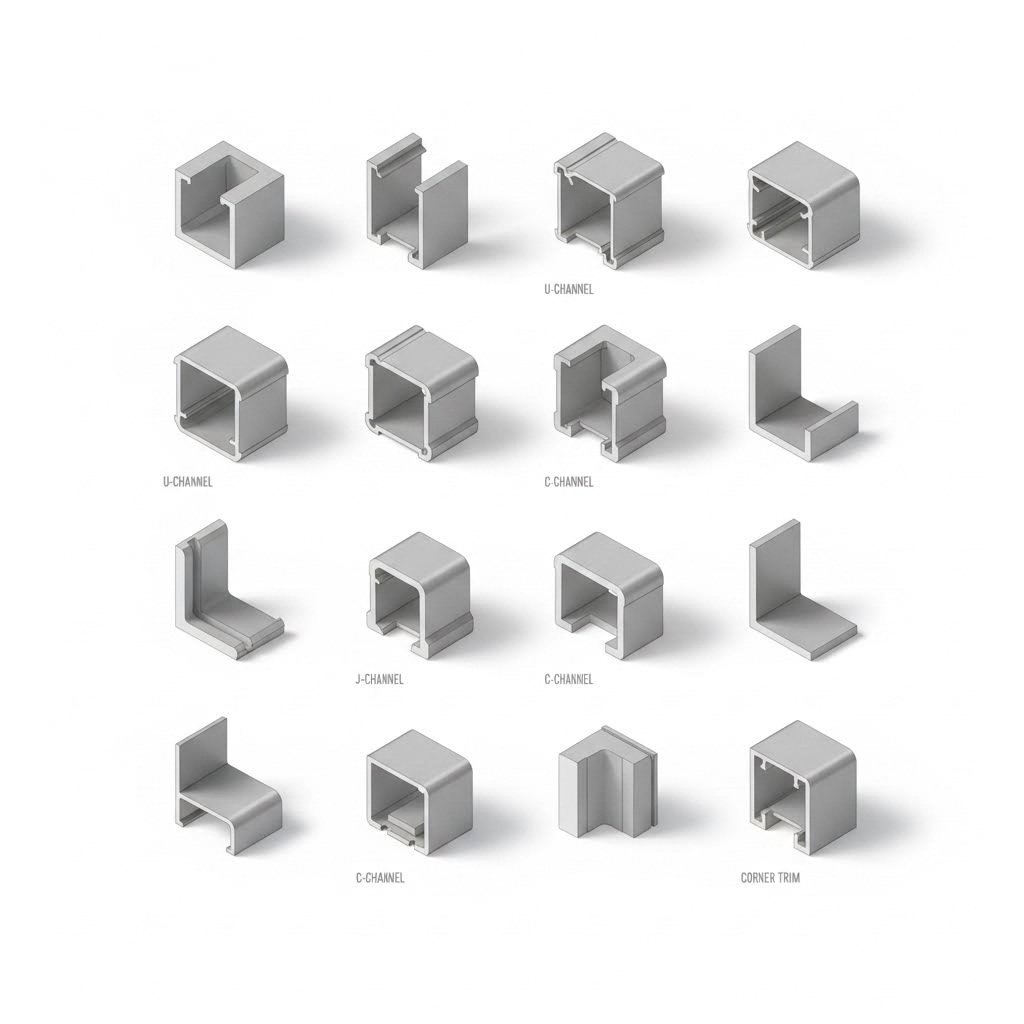
Channel profiles are the workhorses of aluminum extrusion trim. Their recessed design creates a groove that captures, protects, or conceals material edges. Each channel type serves distinct purposes, and understanding these differences helps you select the perfect profile without guesswork.
J Channel features a profile resembling the letter J, with one short leg and one extended leg forming a receiving pocket. This design excels at panel edging and transitions where you need to create clean terminations. Imagine installing siding panels around a window—the j channel captures the panel edge while providing a finished appearance. According to Hugh Aluminum, J channels fit snugly around windows, doors, and corners, making installation straightforward while creating weather-resistant connections.
U Channel profiles feature two parallel legs of equal height connected by a flat base—forming that classic U shape. These profiles work beautifully for glass retention, edge protection, and decorative framing. When constructing a glass showcase or display cabinet, u channel extrusions grip the glass edges securely while presenting a polished appearance. As noted by Zetwerk, U channels are commonly used for framing, slides, protective edges, railings, and architectural projects.
C Channel resembles the U channel but features legs that turn inward slightly at the top, creating a partially enclosed profile. This c channel design offers excellent structural rigidity while serving decorative purposes in railings, posts, and store fixture framing. The inward-facing flanges provide additional grip for mounting panels or supporting shelving systems.
Hat Channel gets its name from its distinctive hat-like cross-section—imagine a top hat viewed from the end. With two horizontal flanges extending outward from vertical walls, hat channel profiles provide exceptional leveling capabilities for uneven surfaces. According to industry sources, these channels protect interior and exterior framing while offering fire-resistant and corrosion-resistant properties for curtain wall applications.
Beyond channel profiles, decorative extrusions include angles and specialty shapes that solve specific design challenges. These profiles often work in combination with channels to create complete trim systems.
Corner Trim provides the clean finishing touch for wall intersections, cabinet corners, and panel joints. Outside corner moulding profiles protect vulnerable edges from damage while creating crisp, professional-looking transitions. Whether you're finishing drywall corners or trimming cabinet edges, corner trim extrusions eliminate the need for complicated miter cuts and deliver consistently perfect results.
Aluminum Angle profiles feature two legs meeting at 90 degrees—the simplest yet most versatile extrusion shape. These profiles serve both decorative and light structural purposes in furniture construction, display cases, and equipment framing. The aluminum angle iron designation reflects this dual functionality, providing aesthetic appeal alongside genuine structural support.
Specialty shapes like z clips enable hidden mounting systems, allowing panels and artwork to hang flush against walls without visible fasteners. This mounting hardware exemplifies how decorative extrusions solve practical problems while maintaining clean aesthetics.
| Profile Type | Common Dimensions | Primary Decorative Uses | Best Applications |
|---|---|---|---|
| J Channel | 1/2" to 1" leg heights; 0.040" to 0.062" wall thickness | Panel edging, clean terminations, transition trim | Siding installations, window surrounds, door frames |
| U Channel | 1/4" to 2" opening widths; various depths | Glass retention, edge protection, decorative framing | Display cases, glass showcases, cabinet doors, railings |
| C Channel | 3/4" to 3" widths; 0.003" to 0.500" thickness | Structural framing, store fixtures, panel support | Retail displays, wall framing, shelving systems |
| Hat Channel | 5.25" height typical; 0.005" minimum thickness | Leveling systems, furring strips, cladding support | Curtain walls, uneven wall correction, ceiling grids |
| Corner Trim | 3/4" to 1-1/2" leg lengths; 90° angles | Edge protection, decorative finishing, joint concealment | Wall corners, cabinet edges, panel intersections |
| Aluminum Angle | 1/2" to 4" equal or unequal legs | Decorative edging, light structural support, furniture frames | Display construction, equipment frames, furniture building |
When selecting profiles for your project, start by identifying the function you need: Are you capturing an edge? Protecting a corner? Creating a mounting system? This functional approach helps you narrow options before worrying about specific dimensions. Once you know the profile type, you can specify exact sizes based on the materials you're working with—glass thickness for U channels, panel depth for J channels, or wall intersection angles for corner trim.
With the right profile shape selected, the next critical decision involves choosing the aluminum alloy that delivers the performance characteristics your decorative application demands.
You've picked the perfect profile shape—but have you considered what's inside that aluminum? The alloy composition dramatically affects how your decorative extrusions look, perform, and age over time. Whether you call it aluminium or aluminum, understanding alloy selection separates stunning installations from disappointing ones.
Two alloys dominate the decorative extrusion landscape: 6063 and 6061. Both belong to the 6000 series, meaning magnesium and silicon serve as their primary alloying elements. Yet their subtle compositional differences create meaningful performance gaps for visible applications.
Walk into any architectural supply showroom, and the anodized aluminum profiles you admire are almost certainly made from 6063 alloy. Industry professionals call it "architectural aluminum" for good reason—this alloy was optimized specifically for extrudability and surface finish quality.
According to Gabrian, alloy 6063 provides a high-quality surface that can be easily anodized, making it the most popular aluminum alloy for extrusions. Its chemical composition tells the story: 98.9% aluminum with just 0.7% magnesium and 0.4% silicon, plus trace amounts of copper, iron, and chromium.
This simpler composition delivers several advantages for decorative applications:
When you're selecting aluminum tubing for furniture frames or aluminum tube profiles for display cases, 6063 delivers the flawless finish your visible applications demand.
So when does 6061 aluminum make sense? Often called "structural aluminum," a6061 material contains higher amounts of copper, silicon, chromium, and iron than its decorative counterpart. As PSI Extrusions explains, this composition results in higher strength and versatility—but with trade-offs for decorative work.
Consider the Brinell hardness values: 6061 scores 95 compared to 6063's 73. That extra hardness means greater durability for structural demands, but the slightly inferior surface finish makes premium decorative finishes harder to achieve.
Here's a practical breakdown of properties that matter for visible installations:
Thermal properties and weight remain nearly identical between alloys, so installation planning considerations stay consistent regardless of your choice. Both alloys can be heat-treated to enhance mechanical properties when needed.
Choose 6063 when appearance matters most; reserve 6061 for decorative applications requiring genuine structural strength.
The alloy you select directly impacts long-term appearance retention. Anodized aluminum in 6063 maintains its color integrity for decades, while 6061's slightly different oxide layer may show subtle variations over time. For maintenance, both alloys require minimal upkeep—occasional cleaning keeps decorative extrusions looking fresh.
With the right alloy selected, the next step transforms raw metal into eye-catching surfaces through finishing processes that define your project's final aesthetic impact.
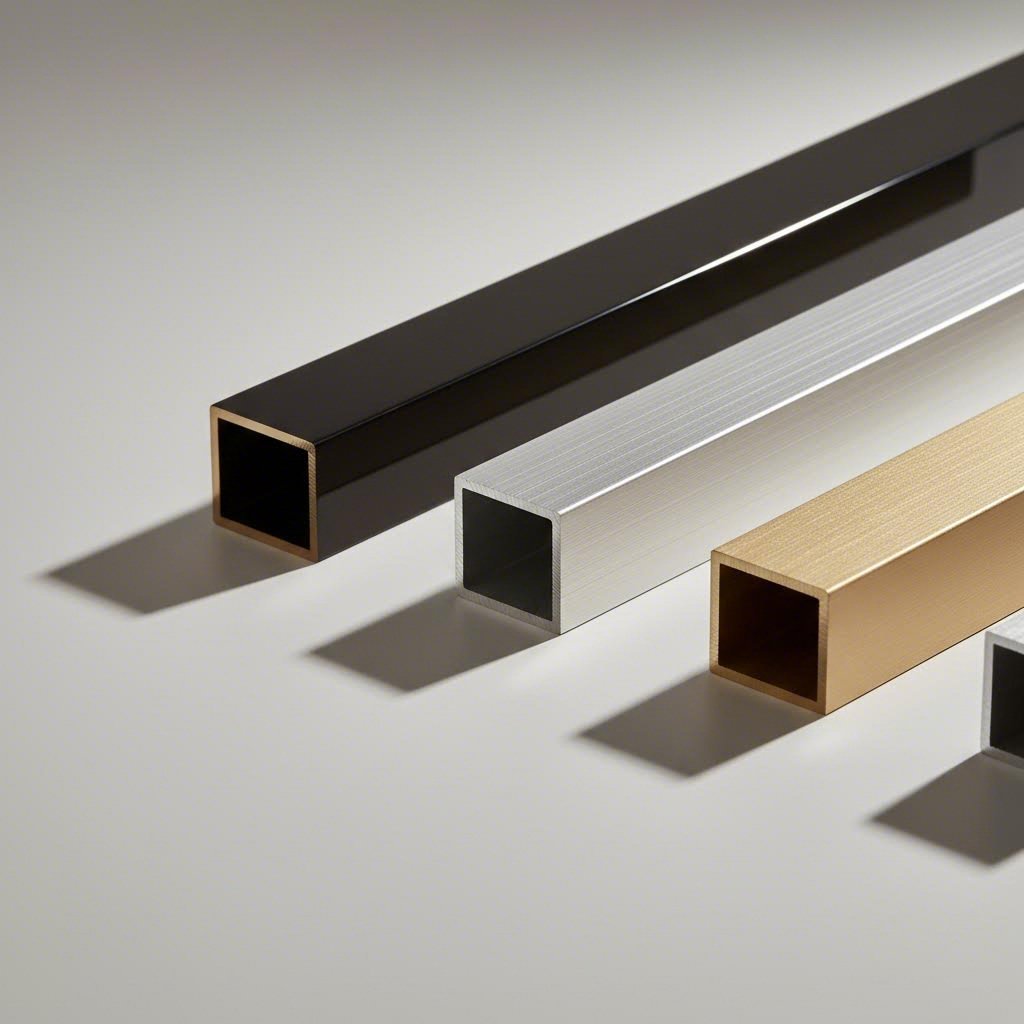
You've selected the perfect profile shape and the ideal alloy—but your decorative aluminum extrusions aren't ready to shine just yet. The surface finish you choose transforms raw extruded aluminum from industrial metal into architectural statement pieces. Whether you want subtle sophistication or bold color impact, understanding your finishing options helps you specify exactly what your project demands.
Think of surface finishing as the final makeover. Mill finish aluminum straight from the extrusion press has a utilitarian appearance—functional, but far from decorative. The right treatment elevates that same aluminum channel or trim piece into something worthy of prominent display.
When you admire those sleek bronze window frames or elegant black cabinet hardware, you're looking at anodized aluminum at work. But what exactly happens during anodizing, and why does it matter for decorative applications?
According to Gabrian, anodizing takes advantage of aluminum's natural tendency to form an oxide layer when exposed to air. The process thickens this protective layer through an electrochemical bath. Technicians submerge the aluminum piece into an electrolytic solution and run an electric current through it—using the aluminum as the anode in the circuit.
The result? An oxide layer that's integral to the metal itself, not merely sitting on top. This distinction matters enormously for decorative applications:
Color options for anodized finishes include clear (showcasing aluminum's natural silver tone), bronze, black, champagne, and custom colors including rose gold for contemporary design statements. The metallic quality of anodized surfaces creates depth that painted finishes simply cannot replicate.
For extruded aluminum trim in high-end architectural applications, anodizing delivers that signature sophisticated appearance. The finish maintains tight dimensional margins—critical when your aluminum extrusions must fit precisely within existing assemblies.
What if your project demands brilliant reds, ocean blues, or textured surfaces that anodizing can't provide? That's where powder coating enters the picture.
Unlike traditional painting, powder coating is a dry application process. As Gabrian explains, a technician applies electrostatically charged powder using a spray gun. The powder adheres to the grounded metal part and then cures in an oven, transforming into a uniform, solid protective layer.
The advantages for decorative aluminum applications are substantial:
For aluminium extrusion trim destined for outdoor equipment, playgrounds, or retail fixtures requiring vibrant colors, powder coating delivers lasting visual impact. According to Master Craft Finishers, advances in powder formulation now offer AAMA 2605-certified finishes with 20 to 30-year warranties—placing modern powder coatings on par with premium alternatives.
PVDF (Kynar) coatings represent the gold standard for extreme weather resistance in architectural applications. Since 1965, PVDF has protected aluminum facades, curtain walls, and exterior cladding against decades of sun, rain, and temperature extremes. The trade-off? Higher cost and limited gloss options (maximum around 40 degrees). But for projects demanding proven longevity and consistent color retention, PVDF remains the specification of choice for architects worldwide.
Mill finish and brushed aluminum serve projects embracing industrial aesthetics. Mill finish retains the natural appearance from extrusion—economical and unpretentious. Brushed finishes add directional satin textures through mechanical abrasion, creating sophisticated surfaces popular in contemporary furniture and appliance design.
Micro-arc oxidation (MAO) represents cutting-edge technology for demanding applications. This advanced process creates ceramic-like oxide layers with superior hardness, wear resistance, and thermal stability compared to conventional anodizing. While more expensive, MAO finishes excel where conventional treatments fall short.
| Finish Type | Durability Rating | Color Options | Best Use Cases | Maintenance Requirements |
|---|---|---|---|---|
| Clear Anodized | Excellent (20+ years) | Natural silver, bronze, black, champagne, rose gold, custom dyes | Architectural trim, window frames, high-end fixtures | Low – periodic cleaning with mild soap |
| Powder Coating | Very Good (15-30 years with AAMA 2605) | Unlimited colors, textures, and gloss levels | Outdoor equipment, retail fixtures, furniture, signage | Low – occasional washing; touch-ups more difficult |
| PVDF (Kynar) | Excellent (20-30+ years) | Wide range, limited to ~40 degree gloss maximum | Building facades, curtain walls, extreme weather exposure | Very Low – exceptional color retention |
| Mill Finish | Good (with natural oxide layer) | Natural aluminum silver only | Industrial aesthetics, concealed applications, budget projects | Low – may develop patina over time |
| Brushed Aluminum | Good | Natural with directional satin texture | Appliances, contemporary furniture, modern interiors | Moderate – fingerprints visible; clean with grain |
| Micro-Arc Oxidation | Superior (ceramic-like hardness) | Limited color range | High-wear surfaces, thermal management, specialty industrial | Very Low – extremely durable surface |
Choosing between these finishes ultimately depends on your project priorities. Need metallic elegance with superior corrosion resistance? Anodizing delivers. Want vibrant colors and impact resistance at competitive pricing? Powder coating wins. Demanding decades of proven outdoor performance? PVDF remains the architect's specification.
With your finish selected, the next consideration brings everything together: where will these beautifully finished decorative extrusions actually transform spaces?
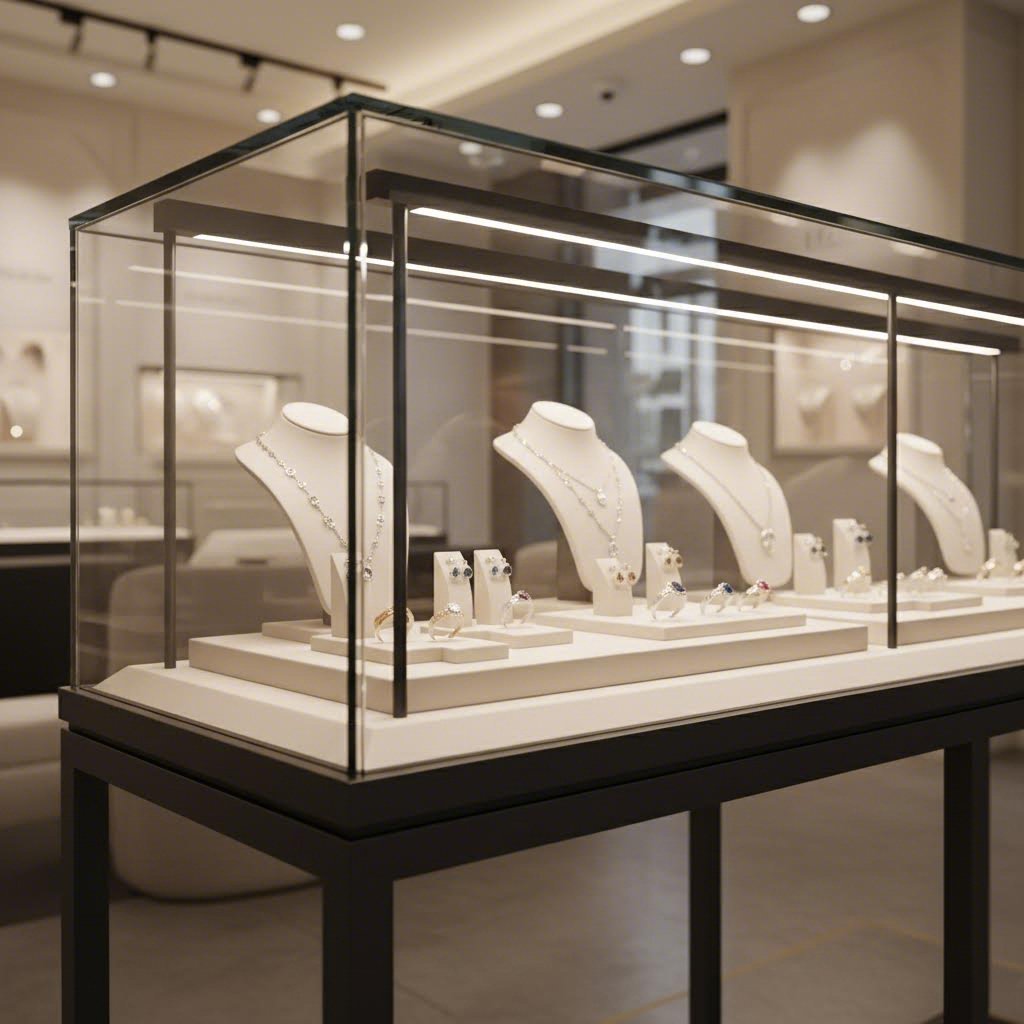
You've selected your profile shape, chosen the ideal alloy, and specified the perfect finish. Now comes the exciting part—seeing how these decorative aluminum extrusions actually work in real-world applications. From striking building facades to elegant furniture details, these versatile profiles solve design challenges across virtually every sector imaginable.
Rather than overwhelming you with endless product catalogs, let's explore applications by project type. This approach helps you identify solutions based on what you're actually building—not abstract product categories.
Step outside any modern commercial building, and you're surrounded by aluminum window extrusions, door frames, and facade systems. These architectural applications showcase decorative extrusions at their most visible and demanding.
Window and door frames represent perhaps the most common architectural application. According to Orange Aluminum, custom aluminum extrusions empower architects to think beyond the limitations of standard building materials, creating unique profiles that precisely match their design specifications. Window frames benefit from aluminum's dimensional stability—profiles won't warp, rot, or swell like wood alternatives.
Curtain wall systems define the sleek glass towers dominating urban skylines. These non-structural facade systems rely entirely on extruded aluminum framing to support glass panels while resisting wind loads and thermal expansion. The profiles must deliver both structural performance and aesthetic refinement, as every joint and mullion remains permanently visible.
Exterior cladding trim finishes building envelopes with precision. J channels capture panel edges around windows and doors, while corner trim creates clean intersections at building corners. Hat channel profiles provide leveling capability for uneven substrates, ensuring cladding panels align perfectly despite wall irregularities.
What makes aluminum excel for these demanding exterior applications? The combination of corrosion resistance, thermal performance, and finish durability means facades maintain their appearance for decades with minimal maintenance.
Move inside, and decorative extrusions transform from weather-resistant workhorses into refined design elements. Interior applications often demand even greater surface finish quality since viewers experience these profiles at close range.
Glass showcase construction relies heavily on aluminum channel profiles. When building a glass show case for retail jewelry displays or museum exhibits, U channels grip glass panels securely while presenting polished, fingerprint-resistant surfaces. According to Wellste Aluminum, extruded aluminum trim provides both decorative and protective functions—the edge is protected while presenting a nice appearance.
Cabinet door frames and furniture edging benefit from aluminum's lightweight strength. Drawer pulls, handle trim, and decorative accents add contemporary touches to kitchen cabinetry and custom furniture. The 6063 alloy's superior anodizing response ensures consistent color matching across multiple components.
Signage and display frames showcase products and messaging throughout commercial spaces. Aluminum sign frame extrusions provide rigid support for graphics panels while allowing quick content changes. Display case construction combines structural framing with accent trim for complete retail fixtures.
Different project types demand different solutions. Here's how decorative extrusions serve each major sector:
Some applications blur the line between purely decorative and purely functional—delivering both aesthetic appeal and genuine utility.
Sliding door track systems exemplify this dual nature. The track must provide smooth, reliable door operation while remaining visible as a design element. Whether guiding closet doors, patio sliders, or barn-style room dividers, these aluminum profiles combine precision engineering with attractive finishes.
The french cleat system represents another brilliant functional-decorative hybrid. A french cleat hanger uses interlocking beveled aluminum profiles to mount cabinets, artwork, and heavy fixtures to walls. The mounting hardware remains invisible once installed, yet the system provides exceptional holding power and easy repositioning. Designers increasingly specify french cleat systems for their clean aesthetics and practical installation advantages.
Outdoor living applications demand profiles that perform under weather exposure while enhancing visual appeal. Aluminum decking systems provide durable, low-maintenance deck surfaces that resist rot, insects, and fading. The hollow extruded profiles feel comfortable underfoot while spanning structural supports efficiently.
Aluminum awning frames protect outdoor spaces from sun and rain while adding architectural character. The natural corrosion resistance eliminates maintenance concerns that plague steel alternatives, and powder coating opens unlimited color possibilities to complement any exterior scheme.
The best decorative extrusion applications solve practical problems while elevating visual design—form and function working in harmony.
With so many applications demanding decorative extrusions, the next challenge becomes navigating the specification and purchasing process. Understanding how to specify exactly what you need—and where to source it—separates successful projects from frustrating experiences.
You've identified the perfect profile shape, alloy, and finish for your project. Now comes the part that trips up even experienced professionals—actually getting those decorative aluminum extrusions into your hands. Whether you're an architect writing specifications or a DIY enthusiast planning a weekend project, understanding the sourcing landscape saves time, money, and frustration.
Here's the reality: the extrusion industry serves vastly different audiences with different needs. Navigating this complex purchasing landscape becomes much easier once you understand the key distinctions.
Before diving into catalogs or contacting suppliers, answer one fundamental question: do standard aluminum extrusions meet your needs, or does your project require custom die development?
Standard extrusions include common aluminum extrusion shapes like angles, channels, tubes, and aluminum flat bar profiles that manufacturers stock in various sizes. These profiles ship quickly, require no tooling investment, and cost less per foot than custom alternatives. When browsing an extruded aluminum shapes catalog, you'll find hundreds of readily available options covering most typical applications.
An aluminum shapes catalog typically organizes profiles by type—channels, angles, tubes, bars—with detailed dimensional specifications for each. Learning to read these specifications helps you quickly identify suitable options. Look for outside dimensions, wall thickness, weight per foot, and available lengths. Most suppliers provide cross-sectional drawings showing exact profile geometry.
Custom extrusions become necessary when standard profiles can't satisfy your design requirements. Perhaps you need a unique cross-section, integrated mounting features, or precise tolerances that stock profiles don't offer. According to KMC Aluminium, extrusion dies can be created in virtually unlimited forms and dimensions, opening possibilities that standard shapes simply cannot provide.
The custom process involves several stages:
Custom tooling represents an upfront investment that amortizes across your order quantity. Simple solid dies cost considerably less than complex hollow or semi-hollow dies requiring internal mandrels. According to industry sources, aluminum extrusion tooling costs generally run much lower than alternative technologies like die-casting or steel roll forming—making custom aluminum extrusions profiles surprisingly accessible for medium-volume projects.
Understanding the difference between specifying and purchasing helps you navigate the right path for your role. Architects and designers create specification documents that define exactly what contractors must purchase. Contractors and DIY users actually source and buy the materials. Each audience needs different information.
Specifying aluminum extrusion profiles involves documenting requirements precisely enough that any qualified supplier can fulfill the order correctly. Specifications typically include alloy designation (6063-T5, for example), dimensional tolerances, surface finish requirements, and applicable quality standards. Professional specifications reference industry standards like ASTM B221 for aluminum extrusion bar and other profiles.
Purchasing extrusions requires translating specifications into actual orders—identifying suppliers, requesting quotes, evaluating samples, and coordinating delivery. This is where minimum order quantities (MOQ) and lead times become critical factors.
According to KMC Aluminium, MOQs exist for sound economic and technical reasons:
Lead times vary significantly based on project scope. Standard profiles from distributor stock might ship within days. Custom extrusions involving new die development require 6-12 weeks or more when factoring tooling, trial runs, production, and finishing. According to industry experience, fabrication steps like cutting, drilling, anodizing, or powder coating add additional days or weeks to production schedules.
Before contacting suppliers, gather this essential information to ensure accurate quotes and avoid costly miscommunication:
Where your extrusions ship from significantly impacts project budgets. Aluminum profiles are lightweight but bulky—shipping costs accumulate quickly for long lengths. Regional suppliers often provide cost advantages for standard profiles, while specialized custom work may justify longer shipping distances to access specific capabilities.
Consider these geographic factors:
Factory-direct purchasing from manufacturers with integrated finishing capabilities often streamlines logistics compared to coordinating separate extrusion and finishing vendors. This integration reduces handling damage risks and simplifies communication throughout the production process.
With your specifications documented and sourcing strategy clarified, the next critical consideration involves understanding how various factors influence project costs—knowledge that helps you balance quality expectations with budget realities.
Here's something most suppliers won't tell you upfront: the price you pay for decorative aluminum extrusions depends on far more than just material weight. Understanding what drives costs helps you make smarter decisions—whether you're a budget-conscious DIY enthusiast or a professional preparing client estimates.
Let's break down the real factors affecting your project budget so you can plan confidently and avoid expensive surprises.
Think of aluminum extrusion pricing as a formula with multiple variables. According to Hugh Aluminum, the total price calculation includes die costs, current aluminum prices, labor costs, production costs, finishing costs, and shipping costs. Each variable fluctuates independently, making accurate budgeting essential.
Raw material costs represent the biggest wildcard in your budget. The base price of aluminum fluctuates based on global demand, electricity costs, and geopolitical events. According to Gabrian, aluminum prices have varied anywhere from $1,500 to $3,500 per metric ton in recent years. The Russia-Ukraine conflict and environmental regulations in major producing countries continue impacting availability and pricing.
Profile complexity directly affects manufacturing costs. Simple shapes like aluminum angle or aluminum flat bar profiles extrude faster with less die wear than intricate decorative profiles. When your design includes hollow sections—like aluminum square tubing or rectangular tube profiles—mandrel tooling requirements increase die costs and production time.
Custom die investment represents an upfront cost that amortizes across your order quantity. According to industry sources, tool costs for standard architectural extrusion dies typically range from $400 to $1,000. However, larger profiles requiring 2,000-4,000 ton presses can push die costs as high as $2,000 or more. Complex geometries requiring extended design and machining time add additional expense.
Here's the good news: many manufacturers refund die costs when you purchase specified quantities within two years. And once your die exists, replacement tooling after normal wear typically comes at no charge for ongoing orders. Normal die turnaround runs 3-4 weeks, with production following within a week of sample approval.
Surface finish selection significantly impacts your per-unit costs. According to Hugh Aluminum, powder coating typically runs $1,300 to $1,800 per ton, while anodizing costs $800 to $1,400 per ton. Specialty finishes like PVDF or wood grain effects can exceed $2,700 per ton. Choosing the right finish for each application—rather than specifying premium treatments everywhere—stretches your budget further.
Order quantity affects pricing through economies of scale. Die costs spread across larger orders reduce per-unit expense. Additionally, higher volumes justify dedicated production runs with optimized efficiency. Minimum order quantities exist because setup and die preparation require the same effort regardless of how much you ultimately order.
| Cost Factor | Low-Cost Option | Premium Option | Cost Impact Level |
|---|---|---|---|
| Profile Type | Standard stock shapes (aluminum angle iron, basic channels) | Custom die development with complex geometry | High – custom dies add $400-$2,000+ upfront |
| Alloy Selection | Common 6063-T5 architectural alloy | Specialty alloys (6082, 7075) requiring special stock | Moderate – uncommon alloys cost 10-30% more |
| Surface Finish | Mill finish (no treatment) | PVDF coating or specialty wood-grain finish | High – finishing adds $800-$2,700+ per ton |
| Order Quantity | Large production runs (10+ tons) | Small orders below MOQ thresholds | High – per-unit costs drop significantly with volume |
| Secondary Processing | Standard cut-to-length only | Complex CNC machining, precision drilling, welding | Moderate to High – adds $200-$2,100 per ton |
| Shipping Distance | Regional supplier with standard freight | International sourcing with expedited shipping | Variable – container costs range $8,000-$20,000 |
Smart budgeting isn't about choosing the cheapest option everywhere—it's about investing where quality matters most and economizing where it doesn't.
Premium finishes justify their cost for visible applications. When your aluminum extrusion bar or extruded aluminum panels remain permanently visible to customers, clients, or family members, the investment in quality anodizing or durable powder coating pays dividends over decades of service. Color consistency, corrosion resistance, and professional appearance matter when impressions count.
Mill finish suffices for concealed applications. Aluminum profiles hidden behind panels, within wall cavities, or supporting equipment where appearance is irrelevant don't need decorative treatments. Saving $800-$1,400 per ton on finishing costs for hidden components frees budget for premium treatments where they actually show.
Secondary processing costs add up quickly. According to industry sources, simple drilling operations run $200-$300 per metric ton. However, complex CNC machining requiring precision tolerances and multiple operations can reach $900-$2,100 per ton. Before specifying elaborate fabrication, consider whether simpler approaches—or field modifications—achieve the same functional result at lower cost.
Common secondary processing costs include:
Factory-direct pricing offers meaningful advantages. Purchasing from manufacturers with vertically integrated capabilities—extrusion, finishing, and fabrication under one roof—eliminates distributor markups and reduces coordination headaches. You deal with one supplier responsible for the entire process, rather than managing separate vendors for each production step.
Distributors provide value through local inventory, smaller quantity availability, and technical support. But their margins add 15-35% to manufacturer prices. For larger projects where lead time allows factory production, going direct saves money while often improving quality control through single-source accountability.
The smartest budget strategy matches investment level to visibility—premium finishes where they show, economical options where they don't.
With cost factors clearly understood, the final piece of successful project execution involves selecting a manufacturing partner whose capabilities align with your specific requirements—a decision that can make or break your decorative extrusion project.
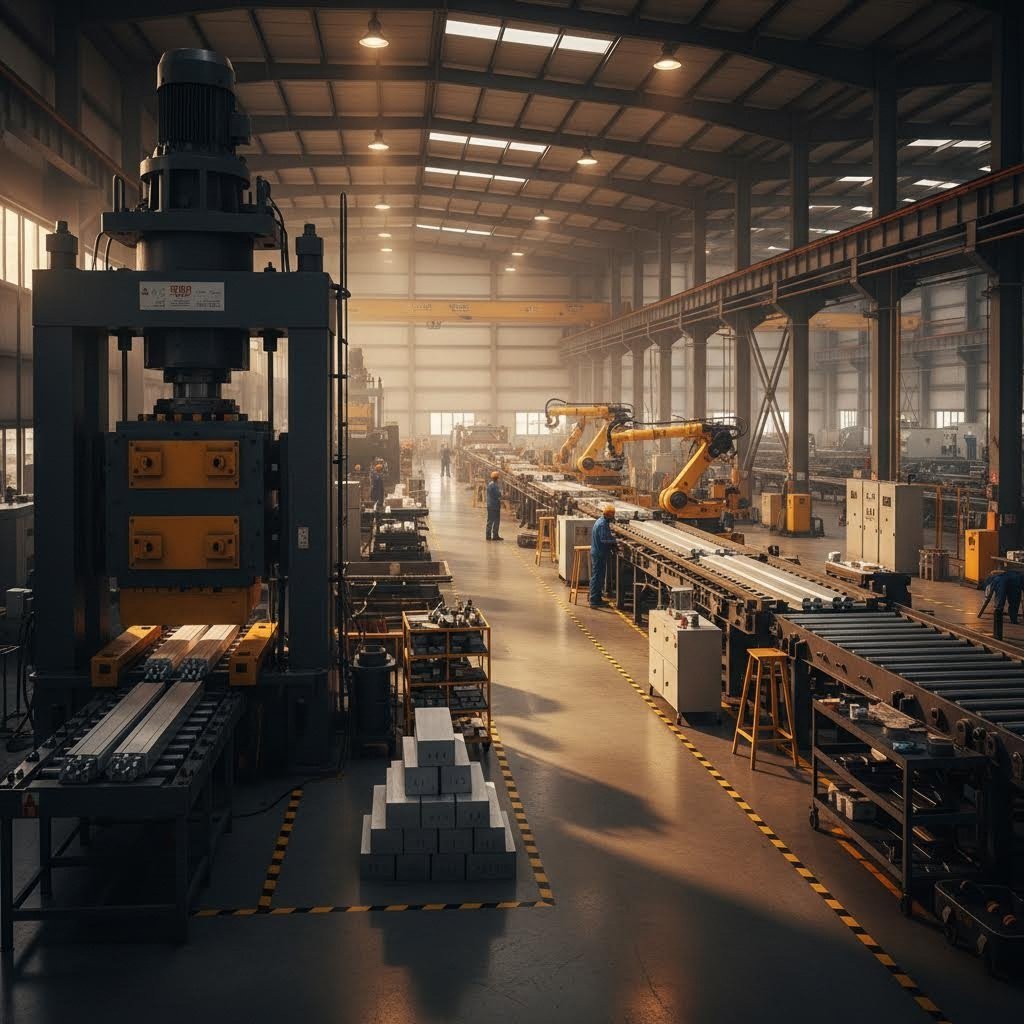
You've done the hard work—selected your profile shape, specified the alloy, chosen the perfect finish, and calculated your budget. Now comes the decision that determines whether all that planning pays off: finding the right manufacturing partner to bring your vision to life.
Here's something many buyers learn too late: not all extrusion suppliers deliver the same results. The difference between a frustrating project and a successful one often comes down to matching your specific needs with a manufacturer's actual capabilities. Let's walk through exactly what to evaluate before placing that order.
Think of manufacturer evaluation like hiring for a critical role—you need to verify that capabilities match your requirements, not just accept claims at face value. According to Aluphant, evaluating aluminum extrusion supplier capability requires more than a cost comparison—you need to analyze die design, process control, machining integration, and quality systems.
Press capacity range directly determines what profiles a supplier can produce. As industry experts explain, different press sizes serve different purposes:
Why does this matter for your decorative project? A supplier operating multiple press capacities maintains flexibility as your needs evolve. If your current project requires small decorative trim but future work involves larger aluminum extrusion systems, partnering with a well-equipped manufacturer avoids switching suppliers mid-relationship.
Surface treatment capabilities separate decorative specialists from general extrusion mills. According to Aluphant, a supplier's surface finishing ability often determines whether profiles meet both aesthetic and corrosion resistance requirements. Look for manufacturers offering:
Manufacturers like Shengxin Aluminium exemplify comprehensive capability—offering custom anodizing colors including champagne and rose gold, standard and PVDF powder coating, plus advanced micro-arc oxidation for superior hardness. This range of in-house treatments means your decorative extrusions receive finishing from the same team controlling extrusion quality.
CNC machining and secondary processing capabilities determine whether you receive ready-to-install components or profiles requiring additional fabrication. According to American Douglas Metals, in-house capabilities mean the manufacturer can oversee the entire production journey—curbing chances of miscommunication or undue delays.
Integrated processing matters because every time your aluminum c channel or decorative trim transfers between facilities, risks multiply. Handling damage, dimensional inconsistencies between vendors, and communication gaps all threaten project success. Suppliers with on-site CNC machining centers handle precise cutting, drilling, and bending without your profiles ever leaving their quality control environment.
Die design and maintenance capability reveals how suppliers handle the inevitable challenges of custom work. According to industry analysis, many suppliers outsource die manufacturing to third parties—leading to longer lead times and slower problem resolution when issues arise.
Suppliers maintaining in-house die workshops can modify or repair dies quickly, ensuring production continuity. When your crl us aluminum specification requires adjustment after trial runs, internal tooling capability means corrections happen in days rather than weeks.
Armed with evaluation criteria, you need specific questions that reveal actual capabilities—not just marketing claims. Before committing to any supplier, work through this manufacturer evaluation checklist:
According to Aluphant, strong technical communication differentiates professional suppliers from traders. A capable extrusion factory will provide DFM feedback on drawings, offer feasibility and cost optimization suggestions, and share inspection photos and reports before shipment.
Complex decorative projects demand more than basic extrusion capability. When your aluminum extrusion profiles require custom die development, precision finishing, and secondary machining, coordinating multiple vendors creates exponential complexity.
Consider what happens when problems arise with fragmented supply chains: the extruder blames the finisher, the finisher blames the machinist, and you're stuck mediating disputes while your installation deadline approaches. Single-source manufacturers eliminate this finger-pointing by owning accountability throughout production.
Shengxin Aluminium demonstrates this integrated approach with over 30 years of industry experience. Their facility combines 35 extrusion presses—ranging from 600T for precise decorative profiles up to 5500T for substantial architectural components—with comprehensive finishing lines and CNC machining centers. This means your custom extrusion project flows from die development through finished, fabricated components without changing hands.
Their factory-direct pricing model also eliminates distributor markups that inflate project costs. When you purchase directly from a manufacturer controlling the entire process, you gain both cost advantages and quality accountability that multi-vendor approaches cannot match.
The right manufacturing partner doesn't just make extrusions—they become invested in your project's success from concept through installation.
With your manufacturer selected and capabilities verified, you're ready to move confidently into project execution. The final consideration involves matching all these decisions—profile, alloy, finish, and partner—to your specific project scale and taking that next step toward stunning finished spaces.
You've journeyed from understanding what makes aluminum extrusions decorative to evaluating manufacturing partners. Now it's time to bring everything together into actionable decisions that move your project forward—whether you're planning a weekend DIY installation or specifying materials for a major architectural build.
The path from raw aluminum bar to stunning finished spaces doesn't have to feel overwhelming. By following a structured decision framework, you can navigate each choice point with clarity and confidence.
Your project scale determines which decisions matter most and where to focus your energy. Let's break down the framework into its four essential components:
Profile selection based on application. Start by identifying the function your extrusion must perform. Are you capturing panel edges with J channels? Retaining glass panels with U channels? Creating clean corner intersections with dedicated trim? The application drives the shape—not the other way around. Once you know the profile type, dimensional specifications follow naturally based on the materials you're working with.
Alloy choice for performance requirements. For visible decorative applications, 6063 aluminum remains the industry standard—offering superior surface finish quality and excellent anodizing response. Reserve 6061 for situations requiring genuine structural strength alongside decorative appearance. Most residential and commercial decorative projects perform beautifully with 6063-T5 temper.
Finish selection for aesthetic goals. Match your finish investment to visibility. Anodizing delivers metallic elegance with integral corrosion protection—perfect for architectural aluminum extrusions exposed to weather and scrutiny. Powder coating opens unlimited color possibilities at competitive pricing. Mill finish suffices for concealed components where appearance doesn't matter.
Partner selection for capability alignment. Your manufacturing partner should match your project's complexity. Simple projects using standard aluminum rod, aluminum pipe, or basic channel profiles work fine with local distributors. Complex custom work demands manufacturers with integrated extrusion, finishing, and fabrication capabilities under one roof.
Successful decorative extrusion projects balance aesthetic vision with practical manufacturing considerations—neither compromising beauty for convenience nor ignoring production realities in pursuit of design perfection.
Different readers arrive at this guide with different needs. Here's how to move forward based on your specific situation:
DIY users seeking standard profiles should start with local metal suppliers or online distributors offering stock aluminum extrusion panels, channels, and trim. Focus on common 6063 alloy profiles in mill or anodized finishes. Measure twice, order with 5-10% waste allowance, and verify that standard lengths work for your cuts before purchasing. For simple projects like extrusion frame construction or display cases, standard shapes often deliver everything you need without custom tooling costs.
Designers specifying for architectural projects need to document requirements precisely—alloy designation, dimensional tolerances, surface finish specifications, and applicable quality standards. Reference industry standards like ASTM B221 in your specifications. Consider whether standard profiles satisfy your design intent or whether custom development justifies the tooling investment. Build realistic lead times into project schedules, especially for custom work requiring die development and finishing.
Procurement professionals sourcing custom solutions should evaluate manufacturers on capability alignment, not just quoted pricing. Verify press capacities match your profile requirements. Confirm in-house finishing capabilities for your specified treatments. Request quality certifications and sample evaluations before committing to production orders. Factor total landed cost—including tooling, finishing, secondary processing, and shipping—into budget comparisons.
Whether your project requires custom 6063 aluminum tubes for furniture frames, architectural window profiles for commercial facades, or complex industrial termination bar applications, working with manufacturers offering comprehensive support—from die development through mass production—streamlines the entire process. Single-source accountability eliminates the coordination headaches and quality inconsistencies that plague multi-vendor approaches.
For readers ready to explore custom decorative extrusion solutions, Shengxin Aluminium's technical team offers factory-direct consultation backed by over 30 years of industry experience. Their integrated capabilities—35 extrusion presses, comprehensive finishing options including custom anodizing colors, and CNC machining centers—provide end-to-end support that transforms your design concepts into production reality.
The journey from raw metal to stunning spaces starts with a single informed decision. You now have the knowledge to make that decision—and every one that follows—with confidence.
Decorative aluminum extrusions prioritize aesthetic appeal and surface finish quality for visible installations like window frames, cabinet trim, and display cases. Structural extrusions focus on load-bearing capacity and remain hidden within frames or supports. Decorative profiles typically use 6063 alloy for superior anodizing response, while structural applications may use stronger 6061 alloy. The key distinction lies in visibility—decorative extrusions are designed to be admired, featuring blemish-free surfaces that accept premium finishes beautifully.
6063 aluminum, known as architectural alloy, dominates decorative applications. It offers superior surface finish quality, excellent anodizing response with consistent color results, outstanding corrosion resistance, and better formability for intricate profiles. While 6061 provides higher strength (Brinell hardness 95 vs 73), its slightly inferior finish quality makes 6063 the preferred choice when appearance matters most. Reserve 6061 for decorative elements requiring genuine structural support.
Custom aluminum extrusion costs depend on multiple variables: die development ($400-$2,000+ depending on complexity), raw aluminum prices ($1,500-$3,500 per metric ton based on market conditions), surface finishing ($800-$2,700 per ton for anodizing to specialty coatings), and secondary processing ($200-$2,100 per ton for drilling and CNC machining). Many manufacturers refund die costs when you purchase specified quantities within two years. Factory-direct purchasing eliminates distributor markups of 15-35%, offering significant savings on larger projects.
Major finish options include anodizing (clear, bronze, black, champagne, rose gold, custom dyes), powder coating (unlimited colors and textures), PVDF/Kynar coatings (20-30 year architectural warranties), mill finish (natural aluminum), brushed aluminum (directional satin texture), and micro-arc oxidation (ceramic-like hardness). Anodizing creates an integral oxide layer that won't chip or peel, while powder coating offers thicker protection and vibrant colors. Choose based on exposure conditions, color requirements, and budget considerations.
Standard profiles work when common shapes like channels, angles, tubes, and flat bars meet your dimensional needs—they ship quickly with no tooling investment. Custom extrusions become necessary for unique cross-sections, integrated mounting features, or precise tolerances unavailable in stock profiles. Evaluate your design requirements first: if standard profiles from distributor catalogs satisfy functional and aesthetic needs, avoid custom tooling costs. For unique designs, custom dies amortize across larger orders, making them cost-effective for medium-volume projects.



 un service en ligne
 0086 136 3563 2360
 sales@sxalu.com
 +86 136 3563 2360
 français
 English
 Deutsch
 русский
 español
 português
 العربية
 ไทย
ไทย Việt
Việt Українська