
Imagine pulling back the curtain one morning and spotting a cluster of dark spots creeping along your windowsill. Your first instinct? Crack the window open and let some fresh air in. It seems logical — fresh air should dry things out, right? But here's the problem: does opening windows help with mold, or could it actually make the situation worse?
The honest answer is neither a confident "yes" nor a flat "no." It depends on factors most advice articles completely ignore.
Search for this topic online and you'll find two camps. One says, "Just open a window!" The other warns you to keep everything sealed. Both are oversimplifying a question that hinges on measurable conditions — your indoor humidity, the outdoor climate at that moment, and even which room you're standing in. Does opening windows prevent mold on a dry autumn afternoon in Colorado? Very likely. Does keeping the window open help with mold during a muggy July evening in Florida? It can actually invite more moisture indoors and accelerate growth.
Opening a window can either starve mold of moisture or feed it — the difference comes down to relative humidity on both sides of the glass.
This guide is built to give you a decision-making framework, not a one-size-fits-all rule. Here's what we'll walk through together:
By the end, you'll know exactly how to read the conditions in your home and respond with the right ventilation move — every time. And that starts with understanding what mold actually needs to thrive.

Mold spores are everywhere — floating through the air in your living room right now, drifting in from outside, clinging to your shoes. That's not a scare tactic; it's just biology. The EPA confirms that eliminating all indoor mold spores is virtually impossible. Spores are invisible to the naked eye, and they travel freely through both outdoor and indoor air. So if mold spores are already inside your home, why doesn't mold grow on every surface?
Because spores alone are harmless drifters. They need one critical ingredient to germinate and colonize: sustained moisture on a surface. No moisture, no mold — it's that straightforward. The real question, then, isn't whether spores exist in your home (they do), but whether conditions are wet enough to wake them up.
You've probably heard the term "relative humidity" tossed around in weather forecasts, but understanding what it actually means changes how you think about mold entirely.
Relative humidity (RH) measures how much water vapor the air currently holds compared to the maximum it could hold at that temperature. Here's the key detail: warm air can hold significantly more moisture than cold air. A room at 75°F with 50% RH contains far more water vapor than a room at 50°F with the same 50% RH reading.
Why does this matter for mold? Imagine your living room is warm and humid on a winter evening. That warm, moisture-laden air drifts toward the coldest surface it can find — typically a window pane or an exterior wall. As the air touches that cold surface, its temperature drops. When it drops far enough, the air reaches its dew point — the temperature at which it can no longer hold all its moisture. The excess water vapor surrenders and becomes liquid droplets on the glass.
That's condensation. And condensation on windows is exactly the kind of sustained surface moisture that mold feeds on. You'll notice it most often in winter: tiny water beads pooling along window frames, slowly soaking into wood or paint. Leave it long enough and mold on the inside of windows becomes almost inevitable.
So the chain reaction looks like this: warm humid air meets a cold surface, temperature drops past the dew point, condensation forms, and mold spores finally have the wet environment they need to grow. Every link in that chain is driven by humidity and temperature — two things you can measure and control.
Not all humidity levels carry the same risk. The EPA recommends keeping indoor RH below 60% — and ideally between 30% and 50%. Cross that 60% line and you're entering territory where mold risk climbs sharply. Push past 70% RH on surfaces, and active mold colonization becomes highly likely.
Here's a quick reference to keep these thresholds straight:
| Relative Humidity Range | Indoor Comfort Zone | Mold Risk Level |
|---|---|---|
| Below 30% RH | Too dry — skin irritation, respiratory discomfort | Very low |
| 30% – 50% RH | Ideal comfort range | Low |
| 50% – 60% RH | Acceptable, but monitor closely | Moderate — caution zone |
| Above 60% RH | Uncomfortable, sticky air | High — mold risk increases significantly |
| Above 70% RH (on surfaces) | Damp, visible condensation likely | Very high — active mold growth likely |
Notice that what humidity level causes mold growth isn't a single magic number — it's a gradient. You're safe in the 30–50% sweet spot, cautious between 50–60%, and actively at risk above 60%. The danger zone above 70% is where condensation on windows mold and visible colonies tend to appear, especially on poorly insulated surfaces and window frames.
Here's the practical takeaway: you can't manage what you can't measure. A hygrometer — a small device that reads indoor relative humidity and temperature — costs as little as $10 to $30 at any hardware store or online retailer. Some models display both metrics on a single screen, giving you an instant snapshot of your indoor air conditions.
Place one in the rooms where moisture tends to accumulate: the bathroom, the kitchen, and any bedroom where you notice condensation on the glass by morning. Check it before deciding whether to open a window. If your hygrometer reads 55% RH or higher, you know moisture is building up and ventilation may help — but only if the air outside is actually drier. If it reads a comfortable 40%, your home is in the safe zone and you can focus your energy elsewhere.
Think of a hygrometer as your mold early-warning system. It transforms the question from a vague "should I open a window?" into a data-driven decision. And that distinction — between guessing and knowing — is exactly what separates homes that develop persistent mold problems from those that stay dry year-round.
The natural follow-up question is obvious: when your hygrometer does flash a warning, how do you know whether opening the window will actually fix the problem or quietly make it worse?
Your hygrometer is reading 65% RH in the bedroom. Moisture is clearly building up. Your hand goes to the window latch — but should you actually turn it? The answer hinges entirely on what's happening on the other side of the glass.
Does opening a window help with humidity? Sometimes brilliantly. Sometimes disastrously. The difference isn't random luck — it follows clear, predictable rules tied to the moisture content of outdoor air versus indoor air. Let's break down both scenarios so you can recognize which one you're facing in real time.
Opening windows genuinely helps when the air outside carries less moisture than the air trapped inside your home. In technical terms, the outdoor absolute humidity — the actual amount of water vapor per cubic meter of air — needs to be lower than the indoor level. When that condition is met, dry outdoor air flows in, displaces the damp indoor air, and your indoor relative humidity drops. It's a simple exchange: wet air out, dry air in.
When does this favorable scenario typically occur?
In these conditions, does opening windows help reduce humidity? Absolutely. The fresh air physically replaces moisture-laden indoor air, lowering the RH reading on your hygrometer within minutes. Everyday activities like cooking, showering, and even breathing release water vapor indoors, and ventilation during favorable conditions is one of the most effective — and free — ways to clear it out before it settles on surfaces and invites mold.
Here's the hidden risk most advice articles skip: can opening windows cause mold? Yes — and it happens more often than people realize.
If the outdoor air is more humid than your indoor air, opening a window doesn't remove moisture. It imports it. You're essentially inviting a wave of damp air into your home, raising indoor RH and giving mold spores exactly the wet conditions they need to colonize. This backfire scenario is common in several situations:
There's also a counterintuitive winter trap that catches many homeowners off guard. When you open a window on a cold winter day, the incoming frigid air drops the indoor temperature. Remember the science from the previous section: cold air holds less moisture at saturation, so even though the absolute amount of water vapor in the room may decrease slightly, the relative humidity can actually climb because the cooler air reaches its moisture-holding limit faster. Worse, the cold draft further chills window frames, exterior walls, and other cold surfaces — pushing them below the dew point and triggering condensation right where mold loves to grow.
That's why prolonged window opening in winter — even when it feels like you're "airing out" the house — can backfire. Brief ventilation bursts of 10 to 15 minutes work because they flush humid air before indoor surfaces have time to cool down significantly. Leave a window open for hours in freezing weather, and you're creating exactly the cold, damp surface conditions mold thrives on.
With two opposing outcomes possible, how do you decide in the moment? It's simpler than it sounds. You only need two data points: your indoor hygrometer reading and a quick check of outdoor conditions.
If your indoor relative humidity is above 60% and the outdoor air is drier than your indoor air, open the windows. If outdoor humidity is equal to or higher than indoor humidity, keep windows closed and use mechanical dehumidification — a dehumidifier, exhaust fan, or air conditioning — instead.
You can check outdoor humidity through a weather app, an outdoor hygrometer, or even a smart home weather station. Comparing the two numbers takes seconds and turns window ventilation from a gamble into a confident, informed decision.
A few practical pointers to keep in mind:
This decision rule works in any room and any season. But the effectiveness of opening windows shifts dramatically depending on when you do it throughout the year and where you live — factors that deserve their own closer look.

The decision rule from the previous section — compare indoor and outdoor humidity before touching the window latch — is your foundation. But here's the thing: the likelihood of outdoor air being drier than indoor air shifts dramatically depending on the season you're in and the climate you live in. A homeowner in Phoenix and a homeowner in Savannah could follow the exact same instinct on the exact same calendar date and get opposite results. Climate trumps calendar, every time.
Let's walk through each season with specific strategies so you know exactly when natural ventilation works in your favor — and when it quietly sets the stage for mold.
If you're looking for the best time of day to open windows for ventilation, spring and autumn in temperate climates give you the widest margin for success. Outdoor air during these shoulder seasons tends to be cool, moderate in moisture, and significantly drier than the warm, moisture-laden air trapped inside your home from cooking, showering, and breathing.
In spring, mornings between roughly 7 and 10 AM are typically ideal. The air is fresh, dew has evaporated, and temperatures haven't climbed high enough to load the atmosphere with excess moisture. Autumn offers an even more generous window — fall conditions tend to be stable, and you can often ventilate comfortably for 30 to 45 minutes at a stretch, sometimes well into the afternoon.
A few caveats worth remembering:
These two seasons are your natural allies in the fight against indoor moisture. Take full advantage of them, because summer and winter demand a very different approach.
Summer is where the question "does opening windows increase humidity in summer?" gets a loud, uncomfortable "yes" in many parts of the country. In humid climates — think the Gulf Coast, Southeast, Mid-Atlantic, and Pacific Northwest coast — afternoon outdoor humidity regularly climbs above 70% RH, and absolute moisture content in the air can be 40-60% higher than morning levels even at identical relative humidity readings. Opening your windows at 2 PM in Houston doesn't ventilate your home; it floods it with moisture that your air conditioning then has to work overtime to remove.
The smart summer strategy? Reserve window opening for early morning — between 6 and 8 AM — when temperatures are coolest and absolute humidity sits at its daily low. Even then, keep sessions short: 15 to 30 minutes of cross-ventilation is typically enough to exchange stale overnight air without importing excessive moisture. For the rest of the day, your AC and dehumidifier should be doing the heavy lifting. Air conditioning is particularly effective in summer because it simultaneously cools and dehumidifies, pulling moisture out of the air as it operates.
Homeowners in dry summer climates like the Southwest get more flexibility. When outdoor RH regularly hovers in the 15-30% range, summer ventilation through open windows can actually be too effective at drying indoor air. In those regions, the concern shifts from mold to discomfort from overly dry air — a problem most of the country would love to have in July.
Winter presents the trickiest balancing act. Does opening windows increase humidity in winter? Not directly — cold outdoor air is usually very dry in absolute terms. But as discussed earlier, the incoming cold air drops indoor surface temperatures, and those chilled window frames and walls can dip below the dew point, causing condensation to form right where mold colonies love to establish themselves. This is precisely why condensation on windows and the mold that follows it are most common during the coldest months of the year.
The solution isn't to keep everything sealed — that traps moisture from showers, cooking, and breathing, slowly driving indoor RH upward day after day. Instead, use brief ventilation bursts. Open windows wide for just 5 to 10 minutes, letting a fast exchange of air flush humid indoor air out and dry outdoor air in, then close up before surfaces lose significant heat. This "shock ventilation" approach is far more effective than leaving a window cracked for hours, which barely moves air but steadily cools your walls and frames.
Timing matters here, too. Mid-morning to early afternoon — roughly 10 AM to 2 PM — tends to be the safest winter window because outdoor temperatures are at their daily peak, reducing the thermal shock to your indoor surfaces.
In mild or maritime climates, where winters are damp rather than freezing, persistent outdoor humidity complicates the picture. Places like Seattle, Portland, or coastal Britain rarely see dry winter air. Here, target the driest part of the day — usually early afternoon when any weak winter sun has warmed the air slightly — and keep sessions brief. A dehumidifier becomes especially valuable in these climates as a reliable backup when outdoor air simply can't offer a moisture advantage.
Here's a quick seasonal checklist you can reference before reaching for the window latch:
Notice how the same action — opening a window — demands completely different timing and duration depending on where you live and what month it is. A humid spring day in Houston behaves nothing like a dry spring day in Denver, even though they share a calendar page. Your hygrometer doesn't care about the season label; it cares about the moisture reality on both sides of the glass.
Seasonal timing, though, is only half the equation. How you open windows — one versus several, with or without airflow assistance — has just as much impact on whether moisture actually leaves the room or simply swirls around inside it.
You've picked the right season. You've checked your hygrometer. You've confirmed the outdoor air is drier than what's trapped inside. You turn the latch on one window, crack it open a few inches, and walk away feeling productive. But here's the uncomfortable truth: that single open window in a closed room is doing far less than you think.
The way you open your windows matters just as much as when you open them. A poorly executed ventilation attempt can leave moisture sitting on surfaces long enough for mold spores to germinate — even when conditions outside are perfectly favorable. Understanding the difference between single-window opening and cross-ventilation is what separates homeowners who successfully prevent mold from those who wonder why it keeps coming back.
Picture a bedroom with one window cracked open six inches. What actually happens to the air inside? A thin layer of air near the opening exchanges with the outdoors — outdoor air drifts in along one part of the opening while indoor air slips out along another. But the bulk of the room's air, especially in the far corners, barely moves at all. It sits stagnant, holding onto its moisture like a sponge.
This is what building scientists call single-side ventilation — airflow through openings on just one wall. It relies entirely on subtle wind pressure fluctuations and small temperature differences between indoor and outdoor air to create a pulsating, inconsistent flow. In calm weather with little wind, the exchange rate drops to almost nothing. Even under favorable conditions, single-side ventilation moves far less air than cross-ventilation because there's no pressure differential driving air through the space. The air near the window shuffles in and out, but deeper parts of the room remain largely untouched.
For mold prevention, this matters enormously. Humid air clinging to a cold wall in the far corner of your bedroom doesn't care that there's a window open on the opposite side of the room. If that moisture never gets swept toward the exit, it condenses on the surface and gives mold exactly the damp foothold it needs. Does leaving a window open prevent mold in this scenario? Only in the narrow strip of space near the opening. The rest of the room stays at risk.
Cross-ventilation changes the equation entirely. When you open windows on opposite or adjacent walls, you create a pressure differential — wind pushes air in through one opening and pulls it out through the other. Instead of air lazily swirling near a single window, a steady stream flows through the entire room, sweeping moisture-laden air out and replacing it with drier outdoor air from end to end.
The difference in effectiveness is dramatic. Building ventilation experts measure air exchange using a metric called air changes per hour (ACH) — the number of times the total volume of air in a room is completely replaced within sixty minutes. A single cracked window in a closed room might achieve less than 1 ACH under calm conditions. Open two windows on opposite walls and you can easily reach 5 to 10 ACH or more, depending on wind speed and opening size. That's a fivefold to tenfold increase in the rate at which humid air leaves the room.
For mold prevention, sufficient ACH means moist indoor air gets flushed out before it has time to cool, condense on surfaces, and create the persistent dampness mold requires. Think of it as the difference between rinsing a dish under running water versus dunking it briefly and pulling it out — the continuous flow does the real work.
Daikin's ventilation research illustrates this principle clearly: opening two windows positioned diagonally across a room produces efficient airflow through the entire space, while opening two windows right next to each other on the same wall creates only a small circulation zone — barely better than a single opening. The positioning matters as much as the number.
Here's another practical detail worth knowing: if a breeze feels weak even with two windows open, try narrowing the inlet window and widening the outlet. Air naturally accelerates through a smaller gap — the same way water speeds up when you partially cover a garden hose nozzle. This pressure trick can significantly boost ventilation efficiency on low-wind days.
For homeowners wondering how to improve air circulation in a room with one window — or how to make cross-ventilation work even when the layout isn't ideal — here are practical tips:
Cross-ventilation is powerful — but it's not always possible. What about overnight, when security concerns keep windows locked? What about freezing winter nights, rainy afternoons, or homes in noisy urban areas where opening windows simply isn't practical? Moisture doesn't stop accumulating just because it's inconvenient to ventilate.
A sleeping adult exhales roughly a pint of moisture over an eight-hour night. Multiply that by two people sharing a bedroom, add the moisture from a warm shower taken before bed, and by morning, an unventilated room can see its relative humidity climb well above 60% — even if it started the evening in the safe zone. That's exactly how mold on the inside of windows develops seemingly overnight: hours of trapped moisture, cold glass surfaces, and zero air movement create the perfect storm.
This is where background ventilation comes in. The concept is simple: a continuous, low-volume trickle of fresh air that prevents moisture from accumulating, without requiring windows to be fully open. It won't create a dramatic breeze or a noticeable draft — it works quietly and constantly, keeping RH levels from creeping upward during the hours when you can't actively ventilate.
Background ventilation can take several forms. Many modern homes include 24-hour mechanical ventilation systems with small vents built into walls and ceilings that provide a steady exchange. Older homes, however, often lack these systems entirely. In those cases, solutions like passive trickle vents — small openings integrated into window frames — allow controlled fresh air to enter even while the window itself remains fully closed and locked. The airflow is modest by design, just enough to prevent stagnant, moisture-saturated conditions from developing.
Think of background ventilation as the overnight shift in your mold prevention strategy. Active cross-ventilation handles the heavy lifting during the day when conditions are right. Background ventilation covers the hours when leaving an open window house isn't realistic — the nighttime, the cold snap, the thunderstorm. Together, they form a continuous defense that never gives moisture enough uninterrupted time to settle and feed mold growth.
The effectiveness of any ventilation approach, though, varies wildly depending on which room you're trying to protect. A strategy that works perfectly in a second-floor bedroom can actively backfire in a below-grade basement — a distinction that deserves its own careful examination.

Your home isn't a single uniform space — it's a collection of microclimates. The bathroom after a hot shower and the basement on a July afternoon are practically different planets when it comes to moisture behavior. A ventilation move that rescues one room can sabotage another. That's why blanket advice like "just open a window" falls apart the moment you start applying it room by room.
Each space in your home has a distinct primary moisture source, a different temperature profile, and its own ideal ventilation approach. Let's walk through the rooms that matter most, starting with the one that generates more moisture per square foot than any other.
Bathrooms are ground zero for indoor mold. A single hot shower can release enough steam to spike a small bathroom's relative humidity above 80% in minutes. That warm, moisture-saturated air clings to mirrors, tile grout, ceiling paint, and — if you're wondering how to prevent mold in bathroom without exhaust fan — every cold surface it can find.
Your primary defense should always be mechanical exhaust. HVAC professionals recommend turning on the bathroom fan before you start the water, not after. As HVAC expert Brian White explains, "the overall goal is to create active airflow that captures steam at the source before it has a chance to spread into wall cavities, ceilings, and adjacent rooms." Keep the fan running for 20 to 30 minutes after you turn off the water — moisture doesn't vanish when the faucet stops. Wet tile, grout, and towels continue releasing humidity as they dry.
What about opening the bathroom window? It helps — but only as a supplement when outdoor air is dry. On a cool autumn morning, cracking the window while the exhaust fan runs creates a powerful combination: the fan pulls humid air out while the window supplies dry makeup air. On a humid summer day, though, the window imports moisture that fights against everything the exhaust fan is trying to accomplish.
If your bathroom has no exhaust fan at all, ventilation becomes even more critical. Open the bathroom door after showering to let moisture disperse into the larger home volume rather than concentrating in one small, enclosed space. A portable fan pointed toward the doorway can simulate the effect of an exhaust system in a pinch. And keep in mind what HVAC expert Lisa Purvins warns: fans that vent into the attic or crawl space rather than directly outdoors don't actually remove moisture from the home — they just relocate the problem. Make sure your exhaust duct terminates outside.
Kitchens are the second-biggest moisture producer in most homes. Boiling pasta, simmering soup, running the dishwasher — each activity generates significant steam. Your range hood is your best friend here, but only if it's vented to the exterior. Many builder-grade range hoods recirculate air through a charcoal filter and push it right back into the kitchen, removing odors but doing nothing about moisture. If yours vents externally, run it on medium or high while cooking and for 10 to 15 minutes afterward. Cracking a kitchen window while the range hood operates serves a smart purpose: it supplies fresh makeup air, which actually helps the hood pull steam out more efficiently.
A detail many homeowners overlook: the area under the kitchen sink is a quiet mold incubator. Plumbing leaks, damp sponges, and poor airflow behind closed cabinet doors create a hidden pocket of sustained moisture. Should you keep a cabinet with mold spores open? Leaving the cabinet doors slightly ajar after addressing any leak does help — it allows air to circulate into a space that otherwise stays dark, damp, and stagnant. Wipe the interior dry, fix any dripping connections, and consider placing a small moisture absorber inside.
Bedrooms present a sneakier challenge. There's no obvious steam event like a shower or boiling pot. Instead, the moisture source is you. A sleeping adult exhales roughly 200 to 300 milliliters of water vapor over an eight-hour night. Two adults sharing a room can release nearly a pint of moisture between them — all into a closed space with no ventilation.
By morning, you'll notice the results: condensation beading on the inside of windows, damp patches on cold exterior walls, and that slightly stuffy feeling when you wake up. This is exactly how mold on the inside of windows develops in bedrooms — hours of accumulated breathing moisture condensing on the coldest surface in the room.
The fix? Either crack the bedroom window slightly — even half an inch provides meaningful background air exchange — or ensure some form of passive ventilation is active overnight. Leaving the bedroom door open helps too, allowing moisture to disperse into a larger volume rather than concentrating against cold glass. In cold weather, where opening a window overnight is impractical, a trickle vent or mechanical ventilation system becomes especially valuable for keeping bedroom humidity in check without sacrificing warmth or security.
Basements are the room where well-intentioned ventilation causes the most damage. It seems logical — the basement smells musty, so you open the windows to air it out. But basement experts consistently warn that this instinct backfires, especially in summer. Here's why: basements are below grade, meaning their walls and floor stay naturally cool year-round — often 10 to 20 degrees cooler than the outdoor air in warm months.
When you open basement windows on a warm, humid day, that hot outdoor air rushes in and meets those cool concrete walls and floor. The air temperature drops rapidly on contact, the dew point is reached, and condensation forms across every cool surface. As the reference material puts it bluntly, instead of "airing out" the basement, you're "airing it in." Think of it like pulling a cold beverage outside on a summer day — the glass sweats immediately. Your basement walls do the same thing when exposed to warm, humid outdoor air.
The right approach for basements is a dedicated dehumidifier set to maintain 45-50% RH, running continuously during warm months. Basement window opening should be reserved for cool, dry days in spring or autumn when outdoor air is close to the same temperature as the basement interior — eliminating the temperature differential that causes condensation.
Attics follow a different set of rules entirely. Most attic spaces shouldn't have windows opened by homeowners at all. The primary moisture risk in attics comes from heat buildup during the day and rapid cooling at night, which causes condensation on the underside of the roof deck. Improperly vented bathroom or dryer exhaust ducts that terminate in the attic compound the problem by pumping moisture directly into the space.
Attic ventilation should be passive and structural — soffit vents along the eaves drawing cool air in, and ridge vents along the peak allowing warm, moist air to escape upward. The most effective thing a homeowner can do is ensure these vents are unblocked by insulation, storage boxes, or debris. Opening an attic access hatch or window disrupts the carefully balanced airflow path and can actually create dead zones where moisture settles.
Here's a quick reference table summarizing the ventilation approach for each room:
| Room | Primary Moisture Source | Best Ventilation Method | Opening Windows |
|---|---|---|---|
| Bathroom | Shower and bath steam | Exhaust fan (run 20-30 min post-shower) | Helpful on dry days as a supplement; exhaust fan is primary defense |
| Kitchen | Cooking steam, dishwasher | Externally vented range hood | Helpful for supplying makeup air while range hood runs |
| Bedroom | Overnight breathing moisture | Background ventilation or cracked window | Helpful overnight in mild weather; use passive vents in cold/humid conditions |
| Basement | Cool surfaces + outdoor humidity | Dehumidifier (set to 45-50% RH) | Risky in summer — causes condensation; only helpful on cool, dry days |
| Attic | Heat cycling, improperly vented ducts | Passive soffit and ridge vents | Not recommended — disrupts structural airflow balance |
The pattern is clear: there's no single ventilation answer that works in every room. Bathrooms and kitchens need targeted mechanical extraction. Bedrooms need gentle overnight air exchange. Basements and attics need solutions that account for their unique temperature profiles — and in both cases, the instinct to "just open a window" can create the very moisture problem you're trying to solve. Recognizing which room you're standing in is just as important as checking your hygrometer — and ignoring that distinction is one of several common mistakes that quietly feed mold growth behind the scenes.
Every strategy discussed so far — seasonal timing, cross-ventilation, room-specific approaches — works beautifully when applied correctly. The problem is that most homeowners don't fail because they lack good intentions. They fail because they repeat a handful of seemingly reasonable habits that quietly create the exact conditions mold needs. These mistakes are so common, and feel so logical in the moment, that they rarely get questioned until dark spots start spreading across a windowsill or wall.
Here are the five ventilation mistakes that sabotage indoor air quality most often — and what to do instead.
Timing errors deserve extra emphasis because they're so easy to make. Many homeowners develop a habit of opening windows at the same time each day without adjusting for conditions. A routine that works perfectly on a dry October morning — say, 9 AM with outdoor RH at 45% — becomes counterproductive at 9 AM in July when outdoor humidity has already climbed past 65%. The best time of day to open windows shifts with the season, the weather system moving through, and even the microclimate of your specific neighborhood. Homes near lakes, rivers, or coastlines face consistently higher humidity than homes just a few miles inland. Your hygrometer and a quick weather check are more reliable guides than any fixed daily habit.
Is mold on windows dangerous? It certainly can be. The EPA notes that molds produce allergens, irritants, and in some cases potentially toxic substances called mycotoxins. Inhaling or touching mold or mold spores can trigger allergic reactions — sneezing, runny nose, red eyes, skin rashes — and can provoke asthma attacks in sensitized individuals. Window-frame mold sits right at breathing height, in rooms where you spend hours sleeping or relaxing, making exposure particularly consistent.
The sealed-home winter trap is especially insidious because the mold develops gradually. You might not notice anything for weeks. Then one morning you pull back the curtain and find black specks dotting the silicone seal or creeping along the wooden frame. By that point, the colony has been feeding on weeks of accumulated condensation. How to stop condensation on windows overnight? The answer combines several layers: run exhaust fans after evening showers, avoid drying laundry indoors on radiators (a surprisingly common moisture source), keep bedroom doors slightly open to allow moisture to disperse, and ensure some form of background ventilation — whether a cracked window during milder nights or a passive vent — provides continuous air exchange while you sleep.
Ventilation is a powerful tool, but it has limits. When mold reappears in the same spot despite consistent ventilation efforts, the problem almost always traces back to a hidden moisture source that no amount of airflow can neutralize. Common culprits include slow leaks inside wall cavities, poorly sealed window flashing that allows rainwater to wick behind the frame, condensation forming inside uninsulated exterior walls, and bathroom exhaust ducts that dump humid air into the attic rather than outside.
If you spot mold returning repeatedly in one location, stop focusing on ventilation and start investigating the structure. Check for staining on drywall that suggests moisture behind the surface. Inspect caulk and weatherstripping around windows for gaps. Verify that exhaust ducts actually exit the building envelope. Fixing the source eliminates the problem permanently; ventilation alone only slows it down temporarily.
Recognizing these mistakes is a critical step forward — but knowing what not to do still leaves an important question unanswered: when conditions make window opening impractical or risky, what other tools belong in your mold-prevention arsenal, and how do they compare?
Opening windows is free, intuitive, and — under the right conditions — genuinely effective. But as the mistakes above illustrate, it's also weather-dependent, time-sensitive, and completely useless at 2 AM when everyone's asleep, during a rainstorm, or in a ground-floor apartment where security concerns keep every latch locked. Relying on a single tool to manage indoor moisture is like owning a toolbox with nothing but a hammer. Sometimes you need a screwdriver.
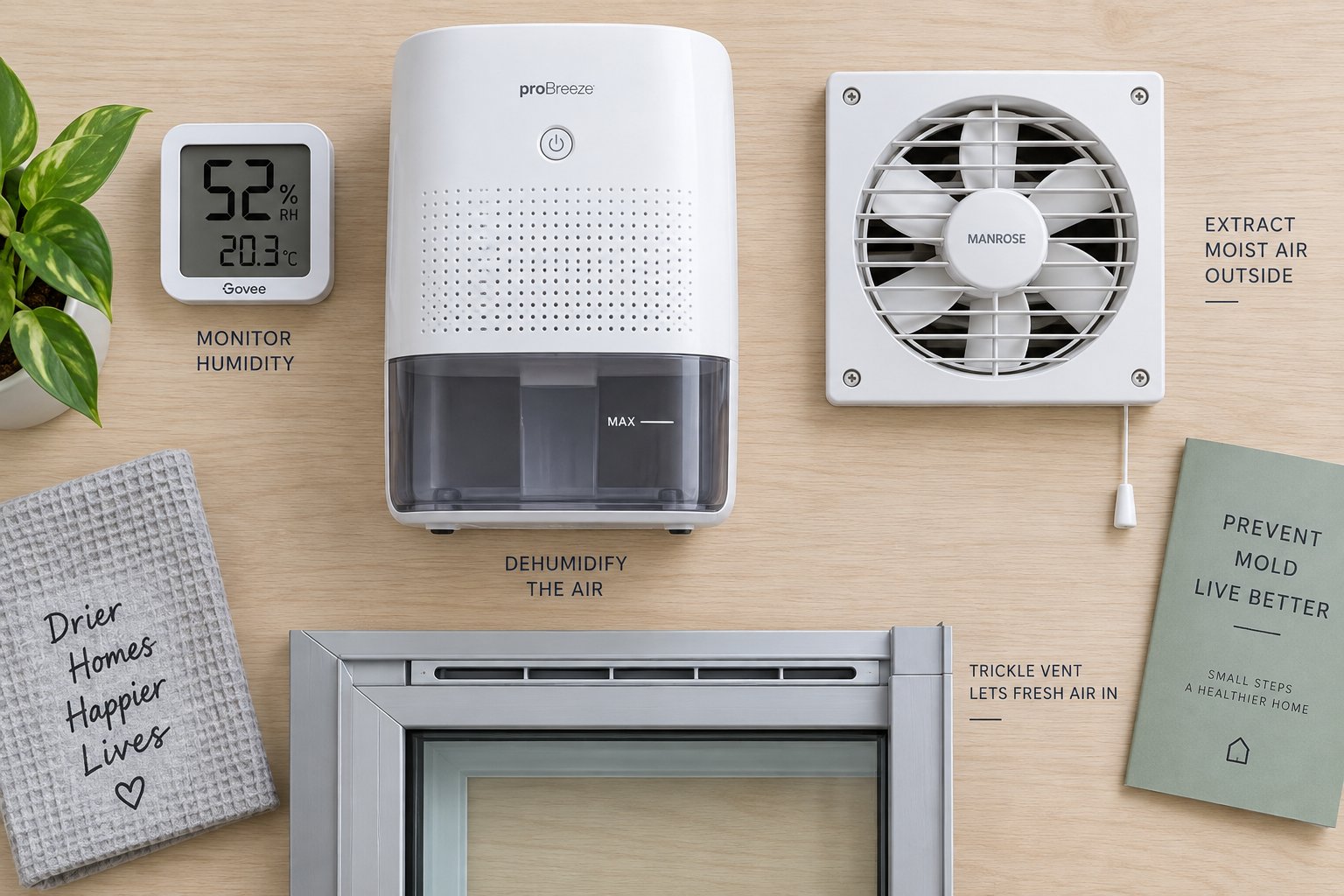
The real question isn't whether one method is "best." It's which combination of tools covers every gap in your specific situation — every season, every room, every hour of the day. Let's compare the five primary options side by side so you can build a toolkit that actually works around the clock.
Each ventilation and moisture-control method has a distinct set of strengths and blind spots. Some excel in dry climates but fail in humid ones. Others work brilliantly in a targeted room but can't protect the whole house. Understanding these trade-offs is what separates a homeowner who prevents mold from one who chases it.
Opening windows costs nothing and requires no equipment. When outdoor air is drier than indoor air, it's one of the fastest ways to drop indoor relative humidity — a 15-minute cross-ventilation session on a dry autumn afternoon can pull a bedroom from 65% RH down to 45% in remarkably short order. The catch? It's entirely dependent on weather, outdoor air quality, time of day, and the homeowner's physical presence. You can't open a window while you're at work, asleep, or away on vacation. In high-humidity climates, the method backfires for months at a stretch. And it raises legitimate concerns about security, noise, pollen, insects, and energy loss — especially overnight or during extreme temperatures.
The dehumidifier vs. opening windows for mold debate comes down to reliability. A dehumidifier mechanically pulls moisture from indoor air regardless of what's happening outside. Rain, snow, 95% outdoor humidity — none of it matters. The unit condenses water vapor onto cold coils and collects it in a reservoir or drains it through a hose. This makes dehumidifiers ideal for basements (where opening windows backfires in summer), consistently humid climates, and any space where outdoor air can't be trusted to be drier than indoor air. The trade-off is energy consumption — a standard residential dehumidifier draws 300 to 700 watts — and the maintenance of emptying the water tank or keeping the drain line clear. They also recirculate existing indoor air rather than introducing fresh outdoor air, so while they reduce humidity, they don't address stuffiness or indoor pollutant buildup.
Exhaust fans provide targeted, powerful moisture removal exactly where it's needed most — bathrooms and kitchens. A properly sized bath exhaust fan can remove steam from a hot shower within 20 to 30 minutes, and a range hood vented to the exterior pulls cooking moisture out before it spreads into adjacent rooms. The limitation is narrow: exhaust fans only work when someone remembers to switch them on (or when they're wired to a humidity sensor or timer), and they only protect the room they're installed in. A bathroom exhaust fan does nothing for the bedroom down the hall where two adults are exhaling moisture all night.
Air conditioning deserves a place in the conversation because it simultaneously cools and dehumidifies. As warm indoor air passes over the AC evaporator coil, moisture condenses out of the air before the cooled air is recirculated back into the room. In summer, this dual action makes AC one of the most effective moisture-control tools available — does opening windows help with sickness and stuffiness in a humid July? Often less than simply running the AC, which filters, cools, and dries the air in one pass. The downsides: air conditioning is expensive to run, it recirculates rather than exchanges air (meaning indoor pollutants stay trapped unless the system includes a fresh-air intake), and it's only practical during warm months. In winter, when condensation and mold on windows are at their worst, AC sits idle.
Notice the pattern in the limitations above? Every method has a window of time, a set of conditions, or a type of room where it simply can't operate. Opening windows fails overnight and in bad weather. Dehumidifiers don't bring in fresh air. Exhaust fans protect only one room. AC shuts down for half the year. There's a persistent gap: continuous, low-level fresh air exchange that works 24 hours a day without electricity, without opening the window, and without compromising security.
That's precisely the role passive trickle vents fill. These are small, frame-integrated openings built into the window head that allow a controlled trickle of outdoor air to enter even while the window remains fully closed and locked. They don't rely on wind pressure, electricity, or homeowner action — they provide background ventilation passively, around the clock, in every season.
Why does this matter for mold prevention? Because mold doesn't need a dramatic moisture event like a burst pipe. It thrives on the slow, steady accumulation of humidity that happens overnight in sealed bedrooms, in tightly closed bathrooms between uses, and in energy-efficient homes where airtight construction eliminates the accidental drafts that older buildings relied on for ventilation. A trickle vent interrupts that accumulation before it reaches dangerous levels. It's not dramatic — you won't feel a breeze or hear a rush of air. But that quiet, continuous exchange is exactly what prevents relative humidity from creeping above 60% during the hours when no other tool is running.
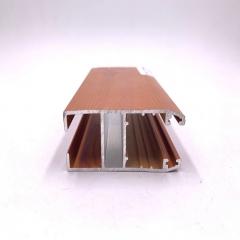
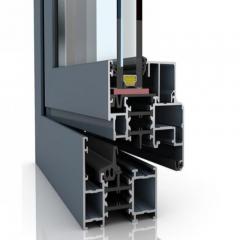
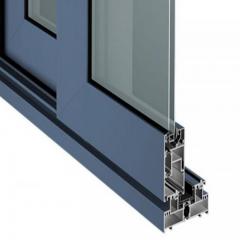
For homeowners exploring how to prevent mold in windows — especially in bedrooms where overnight breathing moisture causes condensation, or in bathrooms where humidity lingers between showers — a frame-integrated trickle vent addresses the root cause rather than treating symptoms after the fact. Shengxin Aluminium's Fresh Air Trickle Vent is a concrete example of this approach: designed specifically for moisture-prone rooms, it enables continuous fresh-air exchange without compromising window security or energy efficiency. The vent integrates directly into the window frame — compatible with uPVC, aluminum, and timber profiles — and features a manual slider so homeowners can adjust airflow based on conditions. For property managers overseeing multiple units, retrofit buyers upgrading older windows, or anyone who simply can't rely on remembering to open windows at the right time, this type of passive solution fills the gap that active methods leave wide open.
The comparison table below lays out how all five options stack up across the criteria that matter most for real-world mold prevention:
| Method | Upfront Cost | Effectiveness in Humid Climates | Effectiveness in Dry Climates | Energy Use | 24/7 Operation | Security Impact | Noise Impact |
|---|---|---|---|---|---|---|---|
| Passive Trickle Vents | Low (one-time install) | Moderate — provides continuous background ventilation; pair with dehumidifier for best results | High — steady air exchange keeps RH in check without over-drying | None (fully passive) | Yes — works continuously without any action | None — window stays closed and locked | Minimal — no moving parts, no motor noise |
| Opening Windows | Free | Low — often imports moisture; limited to early morning hours | High — dry outdoor air quickly lowers indoor RH | None | No — weather, security, and sleep prevent constant use | Compromised — open window is an entry point | High — outdoor noise enters freely |
| Dehumidifier | Moderate ($150–$400) | High — mechanically removes moisture regardless of outdoor conditions | Moderate — less necessary but useful in specific rooms like basements | Moderate to high (300–700 watts) | Yes — runs continuously when plugged in | None — windows stay closed | Moderate — compressor and fan produce some noise |
| Exhaust Fan | Low to moderate ($50–$200 installed) | High in target room — pulls moisture at the source | High in target room | Low (20–60 watts) | No — must be switched on; protects only one room | None — windows stay closed | Low to moderate — some fan noise during operation |
| Air Conditioning | High ($3,000–$7,000 for central AC) | High — cools and dehumidifies simultaneously | High for cooling; dehumidification less relevant | High (1,000–3,500 watts) | Seasonal — only practical in warm months | None — windows stay closed | Low to moderate — outdoor compressor and indoor fan |
No single row in that table solves every scenario. The most mold-resistant homes use a layered approach — multiple tools covering each other's blind spots. Here's how to think about building your own combination:
The through line across every scenario is the same: active tools like dehumidifiers and exhaust fans handle high-moisture events, while passive tools like trickle vents cover the quiet hours in between. Together, they eliminate the moisture accumulation gaps that mold exploits — gaps that no single tool, including opening windows, can close on its own.
Having the right tools, though, only matters if you use them consistently. A dehumidifier gathering dust in the closet or an exhaust fan nobody remembers to switch on won't prevent anything. What ties all these tools together into genuine mold prevention is a daily routine — a set of small, repeatable habits that keep moisture under control hour by hour, room by room.
A dehumidifier sitting unplugged in a closet prevents exactly zero mold. An exhaust fan wired perfectly but never switched on does the same. The gap between owning the right tools and actually preventing mold is filled by one thing: consistent daily habits. Think of it like brushing your teeth — no single session eliminates all risk, but the cumulative effect of doing it twice a day, every day, keeps problems from ever developing.
The routine below takes less than five minutes on most days. It doesn't require expensive equipment or technical expertise. What it does require is a small shift in awareness — checking a number on your hygrometer the same way you check the weather before getting dressed. Once these steps become automatic, you'll catch moisture buildup before it ever reaches the threshold where mold colonies take hold.
This protocol covers three phases of your day: morning, after moisture-generating activities, and evening. Each phase targets a specific vulnerability window when indoor humidity is most likely to spike.
That's the full daily cycle: check, ventilate, extract, wipe, and set up overnight airflow. Five distinct actions, none of them longer than a couple of minutes, collectively creating a 24-hour moisture defense that never gives humidity enough uninterrupted time to feed mold growth.
The overnight hours deserve special attention because they represent the longest uninterrupted stretch when moisture accumulates without intervention. Two adults sharing a bedroom release close to a pint of water vapor between them over an eight-hour sleep cycle. Add a warm evening shower taken before bed and the residual humidity it leaves in the hallway, and a tightly sealed home can see bedroom RH climb well past 60% by dawn — even if it sat comfortably at 45% when you turned the lights off.
Is window mold dangerous? The EPA warns that mold produces allergens, irritants, and in some cases mycotoxins that can trigger allergic reactions, asthma attacks, and respiratory irritation. Mould on windows is particularly concerning because it sits at breathing height in rooms where you spend six to eight continuous hours with your face just feet away. Preventing it is far simpler — and far cheaper — than remediating it after the fact.
For homes where security risks, street noise, freezing temperatures, or insect pressure make overnight window opening impractical, passive background ventilation becomes the critical overnight layer. Frame-integrated trickle vents are purpose-built for exactly this scenario. Products like Shengxin Aluminium's Fresh Air Trickle Vent mount directly into the window head, allowing a controlled low-volume stream of outdoor air to enter continuously — even while the window stays fully closed and locked. There's no electricity involved, no noise from a motor or compressor, and no security compromise. The manual slider lets you adjust airflow based on conditions: open wider on mild nights, narrow the slot during extreme cold to limit heat loss while still maintaining enough air exchange to keep RH from spiking.
This type of passive ventilation doesn't replace your exhaust fans or dehumidifier — it covers the gap between active ventilation events. Think of it as the overnight security guard for your indoor air: quietly on duty during the hours when every other tool in your arsenal is either switched off, impractical, or asleep along with you.
Daily habits keep humidity in check. Weekly inspections catch the early warning signs before a small moisture issue becomes a full-blown mold problem. Set a recurring reminder — Sunday morning works well — and walk through these checks:
These weekly checks take roughly 10 minutes. What they buy you is priceless: early detection. Mold caught as a faint speckle on a window seal can be wiped away with a damp cloth and a drop of detergent. Mold discovered after it has spread behind window trim, into drywall, or across ceiling paint often requires professional remediation costing hundreds or thousands of dollars. Mold specialists emphasize that prompt action is critical — mold damages what it grows on, and the longer it goes undetected, the more extensive and expensive the repair becomes.
Mold prevention is not about one silver bullet — it's about consistent, informed ventilation habits combined with the right tools for each room and season.
You now have the complete picture. You understand the science behind why mold grows, the specific conditions under which opening windows helps or harms, the seasonal and climate-specific timing that makes ventilation effective, the room-by-room strategies that account for each space's unique moisture profile, the common mistakes that quietly feed mold behind the scenes, and the full toolkit of active and passive solutions that cover each other's blind spots. Most importantly, you have a daily and weekly routine that ties all of it together into repeatable action.
Is mould on windows dangerous? It can be — but it's also preventable. Not with a single dramatic gesture, but with the steady accumulation of small, smart decisions made day after day. Check the hygrometer. Open the right windows at the right time. Run the exhaust fan. Wipe the condensation. Ensure passive airflow overnight. Inspect weekly. Each step is simple on its own. Together, they create an indoor environment where mold spores drift harmlessly through the air and never find the sustained moisture they need to become a problem.
Yes, opening windows can cause mold when outdoor air carries more moisture than the air inside your home. In humid climates — especially during hot summer afternoons in coastal or subtropical regions — outdoor relative humidity often exceeds 70-80%. Opening windows under these conditions imports moisture, raises indoor humidity, and creates the damp surface conditions mold spores need to colonize. The same risk applies on rainy or foggy days in any season. Always compare your indoor hygrometer reading to outdoor humidity before ventilating. If the outdoor number is higher, keep windows closed and rely on a dehumidifier, exhaust fan, or air conditioning instead.
The best time varies by season and climate. In spring and autumn, mornings between 7 and 10 AM typically offer the driest outdoor air and the most effective ventilation window. During summer in humid regions, early morning between 6 and 8 AM is safest because absolute humidity sits at its daily low before afternoon heat drives moisture levels up. In winter, mid-morning to early afternoon — roughly 10 AM to 2 PM — minimizes the thermal shock that causes condensation on cold window frames. Regardless of season, checking a weather app for current outdoor humidity before opening any window turns guesswork into a confident, data-driven decision.
Mold on windows can pose genuine health risks. According to the EPA, molds produce allergens, irritants, and in some cases mycotoxins — potentially toxic substances that can trigger allergic reactions such as sneezing, runny nose, red eyes, and skin rashes. For people with asthma, mold exposure can provoke attacks. Window-frame mold is particularly concerning because it sits at breathing height in bedrooms and living areas where you spend hours at close range. Catching mold early through weekly inspections and preventing it with proper ventilation habits — including continuous background airflow from passive trickle vents — is far simpler and cheaper than professional remediation after it spreads.
Overnight condensation forms when breathing moisture accumulates in sealed bedrooms and meets cold window glass. A multi-layered approach works best: run the bathroom exhaust fan for 20-30 minutes after any evening shower, avoid drying laundry indoors on radiators, leave bedroom doors slightly ajar so moisture disperses into a larger volume, and wipe any visible condensation from window glass and frames before bed. For continuous overnight air exchange without opening windows, frame-integrated passive trickle vents — such as Shengxin Aluminium's Fresh Air Trickle Vent — allow controlled fresh airflow while the window stays closed and locked, preventing humidity from climbing to mold-friendly levels while you sleep.
In most cases during warm months, no. Basements sit below grade, keeping walls and floors naturally 10-20 degrees cooler than outdoor summer air. When you open basement windows on a warm, humid day, incoming hot air meets those cool concrete surfaces, drops below its dew point, and condensation forms across walls and floors — creating widespread surface moisture that feeds mold rather than preventing it. The correct warm-weather solution is a dedicated dehumidifier set to maintain 45-50% relative humidity. Reserve basement window opening for cool, dry days in spring or autumn when outdoor air temperature is close to the basement's interior temperature, eliminating the condensation-causing temperature differential.



 un service en ligne
 0086 136 3563 2360
 sales@sxalu.com
 +86 136 3563 2360
 français
 English
 Deutsch
 русский
 español
 português
 العربية
 ไทย
ไทย Việt
Việt Українська