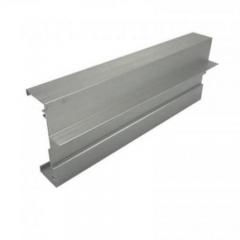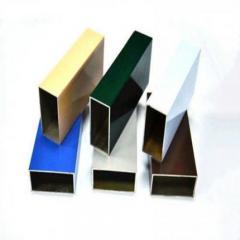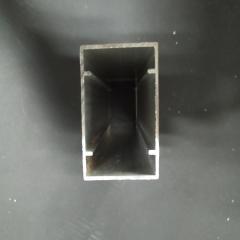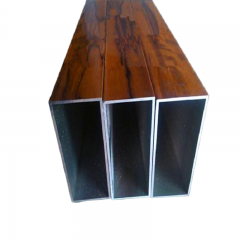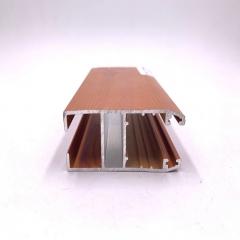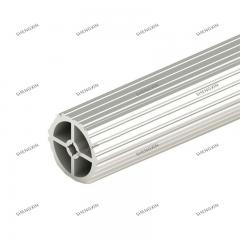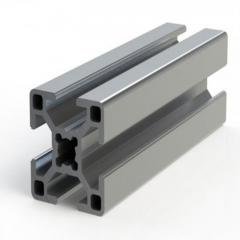
When you need to protect sensitive electronics from harsh environments, standard off-the-shelf enclosures often fall short. That's where durable customized aluminum extrusion enclosures come into play. These precision-manufactured protective housings offer a unique combination of strength, thermal management, and design flexibility that generic options simply cannot match.
But what exactly sets these enclosures apart? Unlike mass-produced boxes that force you to adapt your design, an aluminum extrusion enclosure is engineered to meet your exact specifications. Whether you're dealing with outdoor telecom installations facing rain and extreme temperatures or industrial automation systems requiring vibration resistance, these tailored solutions address specific environmental challenges head-on.
The fundamental distinction lies in how they're made and what they can become. Standard enclosures come in fixed sizes and shapes. You get what's available. Extruded aluminum enclosures, however, start as custom profiles that can be modified, machined, and finished to your precise requirements.
Think of it this way: when comparing aluminium vs aluminum enclosure options globally, the extrusion process remains consistent. Heated aluminum billets are forced through specially designed dies, creating continuous profiles with exact cross-sectional shapes. This method produces remarkably consistent dimensions throughout the entire length of the profile.
The result? Enclosures that fit perfectly, assemble smoothly, and protect reliably.
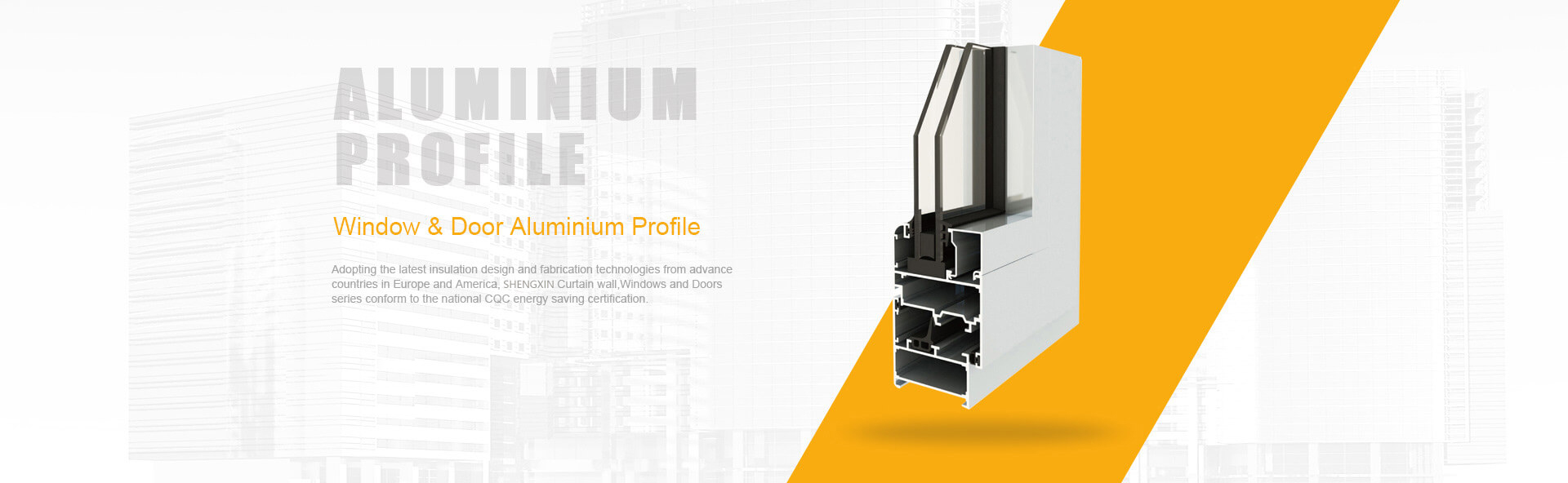
The extrusion manufacturing process transforms raw aluminum into sophisticated protective housings through several key stages. First, aluminum alloy billets are heated until pliable. Then, tremendous pressure forces the material through a die opening, creating profiles that can range from simple rectangular shapes to complex configurations with integrated mounting channels and heat sink fins.
After extrusion, profiles can undergo heat treatment to enhance their mechanical properties. For example, heat-treated 6061 aluminum achieves a tensile strength of 310 MPa compared to 241 MPa in its untreated state. This significant strength improvement directly impacts enclosure durability.
Unlike aluminum sheets that require extensive bending and welding, extruded profiles arrive with consistent wall thickness and structural integrity built in. The profiles can then be cut, machined, drilled, and finished to create complete enclosure systems.
Why does durability matter so much for electronics protection? Consider the challenges your equipment faces:
Quality extruded aluminium enclosures address these demands through four primary characteristics:
Understanding these foundational elements helps you make informed decisions when specifying enclosures for your next project. The following sections will explore alloy selection, surface treatments, IP ratings, and other critical factors that determine enclosure performance.
You've decided on an extruded aluminum case for your project. Now comes a critical question that many engineers overlook: which aluminum alloy should you specify? This decision significantly impacts your enclosure's strength, corrosion resistance, appearance, and long-term performance.
The reality is that not all aluminum is created equal. Just as you wouldn't use the same grade of steel for a bridge and a decorative railing, different aluminum alloys serve different purposes. Getting this choice right from the start saves headaches down the road.
When specifying extruded aluminum enclosures, you'll most commonly encounter two alloys: 6061 and 6063. Both belong to the 6000 series, meaning they're primarily alloyed with magnesium and silicon. However, the proportions differ, and those differences matter.
6061 Aluminum: The Structural Workhorse
Often called "structural aluminum," 6061 contains 0.8-1.2% magnesium and 0.4-0.8% silicon. This higher magnesium content gives it superior strength compared to 6063. When your enclosure must withstand significant mechanical stress, vibration, or impact loading, 6061 delivers the structural rigidity you need.
Consider 6061 when designing enclosures for:
6063 Aluminum: The Architectural Choice
Known as "architectural aluminum," 6063 has been optimized specifically for the extrusion process. With magnesium content between 0.45-0.9% and silicon at 0.2-0.6%, it produces exceptionally smooth surface finishes that respond beautifully to anodizing.
Choose 6063 when your application demands:
Wondering about the difference between alum vs aluminium terminology? It's simply regional preference. The alloy properties remain identical regardless of spelling conventions used in different countries.
Your alloy choice directly impacts four critical performance factors that determine enclosure durability. Understanding these relationships helps you match materials to application requirements.
Tensile Strength: This measures how much pulling force the material can withstand before failing. For enclosures subjected to mechanical stress, higher tensile strength means better resistance to deformation and damage.
Corrosion Resistance: Both alloys resist corrosion naturally, but 6063 performs better in harsh environments, particularly when properly anodized. This matters significantly for outdoor installations or applications with chemical exposure.
Thermal Conductivity: Aluminum's ability to conduct heat away from electronic components prevents overheating. Both alloys offer excellent thermal performance, with 6063 having a slight edge due to its higher aluminum purity.
Machinability: After extrusion, enclosures often require CNC machining for cutouts, holes, and threading. Alloy 6061 machines more easily, making it preferable when extensive post-extrusion modifications are needed.
| Alloy Type | Tensile Strength (T6 Temper) | Corrosion Resistance | Surface Finish Quality | Best Applications |
|---|---|---|---|---|
| 6061 | 310 MPa (45 ksi) | Good | Good | Structural enclosures, high-vibration environments, applications requiring extensive machining |
| 6063 | 241 MPa (35 ksi) | Excellent | Excellent | Architectural applications, anodized finishes, outdoor installations, complex extrusion profiles |
| 6005 | 262 MPa (38 ksi) | Very Good | Very Good | Balance of strength and finish quality, aluminum tubing, structural components with moderate aesthetic requirements |
Wall Thickness Considerations
Alloy selection works hand-in-hand with wall thickness to determine structural integrity. Thicker walls provide greater rigidity, but they also add weight and cost. The right balance depends on your specific application.
For most electronics enclosures, wall thicknesses between 1.5mm and 3mm provide adequate protection. If you select 6063 for its superior finish but need additional strength, increasing wall thickness compensates for the alloy's lower tensile strength compared to 6061.
Think of it this way: a 2.5mm wall in 6063 aluminum may provide comparable structural performance to a 2mm wall in 6061, while still delivering the excellent surface finish 6063 is known for. Similar principles apply whether you're working with aluminum plate, aluminum sheet, or extruded profiles.
When specifying your enclosure, consider environmental demands alongside aesthetic requirements. The best alloy choice balances strength, corrosion resistance, and finish quality for your specific application, setting the foundation for surface treatments that further enhance durability.
You've selected the right aluminum alloy for your enclosure. But here's something many engineers don't fully appreciate: the surface treatment you choose can have an even greater impact on long-term durability than the base material itself. Think of it like this. Even the finest aluminum casing will degrade prematurely without proper protection against its operating environment.
Surface treatments transform raw extruded aluminum from a capable material into a hardened, corrosion-resistant protective housing. The right finish extends service life from years to decades. The wrong choice? You might see degradation within months.
Several surface treatment options exist for aluminum enclosures, each with distinct advantages. Understanding the differences helps you match protection levels to actual environmental demands without over-engineering or under-specifying.
Type II Anodizing: The Versatile Standard
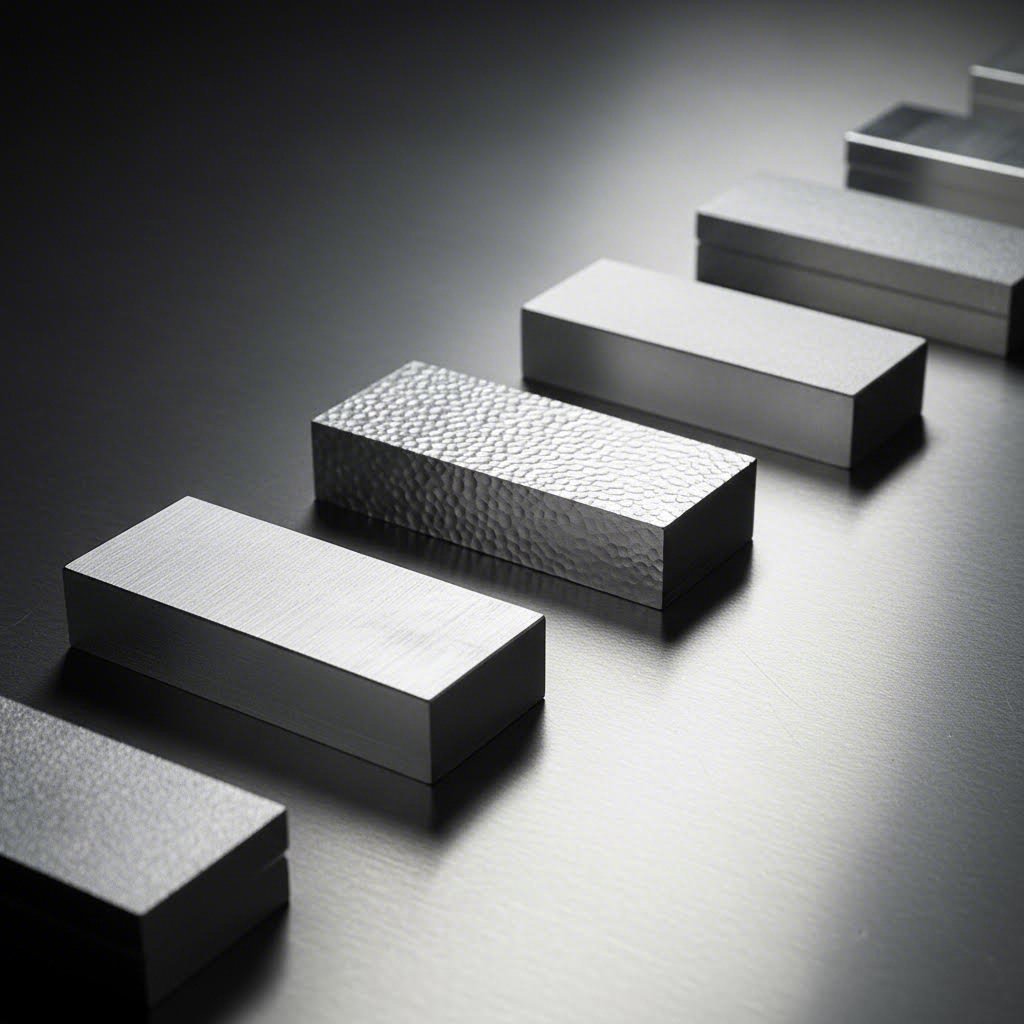
Type II anodizing, also known as sulfuric acid anodizing, creates an oxide layer typically between 0.00010" and 0.0005" (0.013-0.025mm) thick. This process artificially builds a protective coating in a sulfuric acid bath at around 70 degrees Fahrenheit.
What makes Type II anodizing so popular? It delivers enhanced corrosion protection while allowing parts to be dyed in various colors. This design flexibility proves especially valuable when aesthetic appeal matters alongside functionality. The process remains economical compared to more aggressive treatments, making it practical for high-volume production runs.
Type II works well for:
Type III Hard Anodizing: Maximum Protection
When standard anodizing isn't enough, Type III hard anodizing steps up. This process produces a much thicker coating, typically between 0.001" and 0.002" (0.025-0.076mm). The coating is applied at lower temperatures, creating a denser, more durable surface.
Hard anodizing offers superior abrasion and wear resistance that standard Type II simply cannot match. It also provides excellent thermal shock resistance, meaning the coating tolerates significant impacts from sound waves or mechanical stress without failing. For aluminum fence panels and metal fence panels exposed to harsh outdoor conditions, similar protective principles apply.
Consider Type III for:
The trade-off? Hard anodizing costs roughly 2-3x more than Type II and adds weight to the finished part. Only specify it when your environment genuinely demands this level of protection.
Powder Coating: Thick Coverage for Outdoor Durability
Powder coating applies a thick protective layer, typically 0.051-0.102mm, that excels in outdoor applications. Unlike anodizing, which becomes part of the aluminum surface, powder coating adds a separate polymer layer that provides excellent UV resistance and color retention.
This finish proves particularly valuable when enclosures face direct sunlight, temperature cycling, and weather exposure. The thick coating also helps hide minor surface imperfections from manufacturing.
PVDF Coatings: Extreme UV Protection
For applications with severe UV exposure, polyvinylidene fluoride (PVDF) coatings offer exceptional performance. Research on micro-arc oxidation with PVDF sealing demonstrates enhanced corrosion and wear resistance, with composite film thickness reaching 24.8 micrometers at optimal concentrations.
PVDF maintains color stability and surface integrity even under prolonged sun exposure that would degrade standard powder coatings.
Micro-Arc Oxidation: Superior Hardness
Micro-arc oxidation (MAO) represents an advanced treatment producing ceramic-like coatings with exceptional hardness. This process creates oxide layers significantly harder than conventional anodizing, offering outstanding wear resistance for demanding applications.
Selecting the right surface treatment starts with honestly assessing your operating environment. Over-specifying wastes money. Under-specifying leads to premature failure.
Indoor Electronics Applications
Outdoor Telecommunications
Marine Applications
Industrial Controls
Quality manufacturers offer multiple finish options including custom colors, enabling you to match corporate branding or safety requirements while maintaining full protection. The key is working with suppliers who understand how different treatments perform in real-world conditions.
Proper surface treatment can extend enclosure service life by 5-10x compared to untreated aluminum. When specifying your enclosure, consider the total cost of ownership. Investing in appropriate surface protection upfront prevents costly field replacements and downtime later.
With surface treatment selected, the next critical consideration is environmental sealing. How do you ensure your enclosure keeps dust, water, and contaminants out while maintaining access for installation and maintenance?
You've invested in the right alloy and specified proper surface treatment. But here's the question that separates reliable enclosures from failed installations: how well does your aluminum enclosure box actually keep contaminants out? This is where IP ratings become your essential guide.
Unlike vague marketing claims like "weatherproof" or "water-resistant," IP ratings provide clear, verifiable specifications. Understanding this system helps you specify exactly the protection level your electronics need, no more and no less.
The Ingress Protection (IP) rating system, established by the International Electrotechnical Commission under IEC 60529, uses a simple two-digit code to communicate protection levels. Once you understand this language, specifying aluminum enclosures becomes much more precise.
The First Digit: Solid Particle Protection
The first number (ranging from 0 to 6) indicates how well an enclosure prevents solid objects from entering. This scale progresses from no protection at all to complete dust-tight sealing:
For most aluminium electrical enclosure applications, you'll want ratings of 5 or 6. Industrial and outdoor electronics rarely tolerate dust accumulation on circuit boards or connectors.
The Second Digit: Liquid Ingress Protection
The second number (ranging from 0 to 8) defines water resistance. Each level builds upon the previous:
An aluminium box enclosure rated IP67, for example, provides complete dust protection (6) plus temporary submersion capability (7). This makes it suitable for outdoor installations where flooding might occur.
| Rating | Dust Protection Level | Water Protection Level | Typical Applications |
|---|---|---|---|
| IP65 | Dust tight - complete protection | Protected against water jets from any direction | Outdoor lighting, industrial controls, food processing equipment |
| IP66 | Dust tight - complete protection | Protected against powerful water jets and heavy seas | Marine electronics, vehicle-mounted equipment, washdown environments |
| IP67 | Dust tight - complete protection | Protected against temporary immersion (1m for 30 minutes) | Outdoor telecom, construction site equipment, flood-prone installations |
| IP68 | Dust tight - complete protection | Protected against prolonged submersion beyond 1 meter | Underwater sensors, buried junction boxes, submersible equipment |
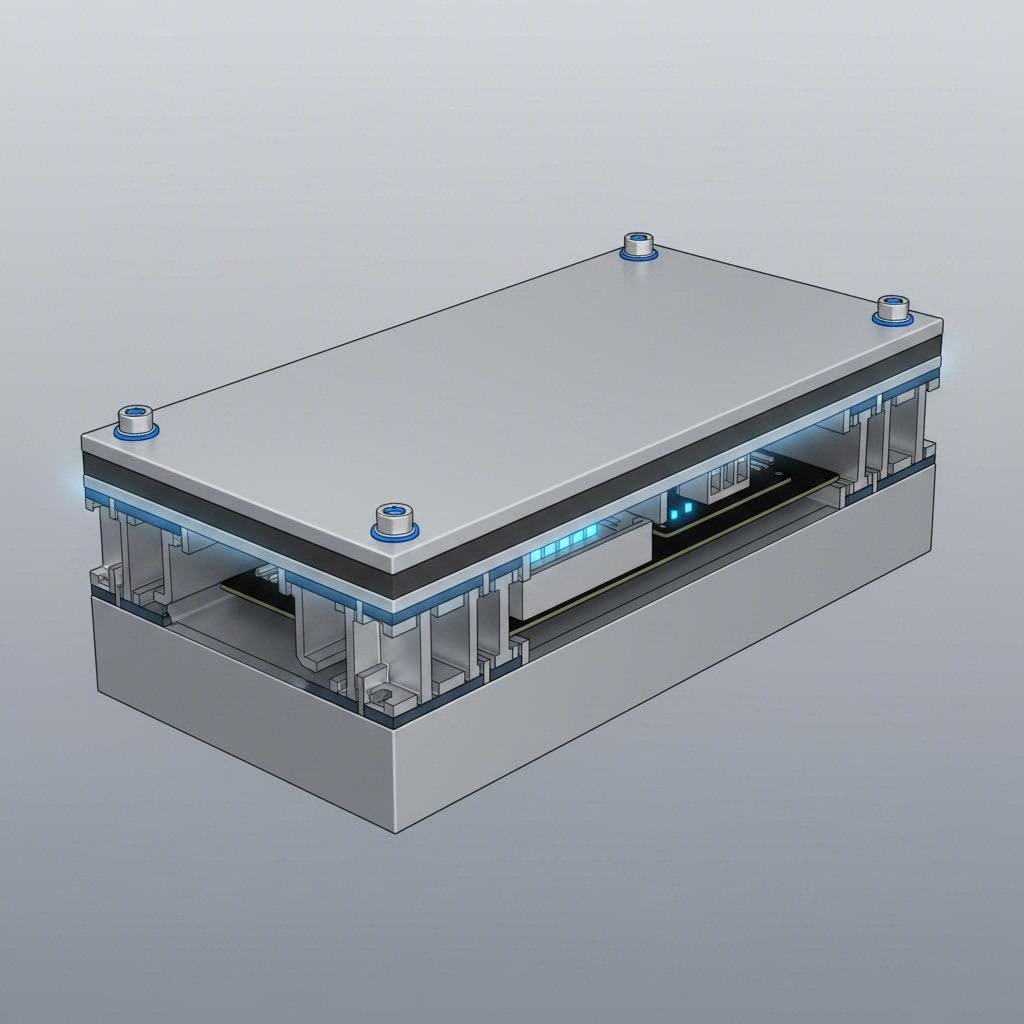
Here's what many engineers miss: an aluminum project enclosure doesn't automatically achieve a specific IP rating just because it's made from quality materials. The rating depends entirely on how the enclosure is designed, assembled, and sealed. Every potential entry point must be addressed.
Gasket Selection
Gaskets play a vital role in sealing aluminum enclosures and ensuring IP compliance. When two parts of an enclosure meet, a gasket fills the gap and prevents ingress. But not all gaskets perform equally:
The gasket must be properly seated and compressed when the enclosure is assembled. Insufficient compression leaves gaps. Excessive compression can deform the gasket, reducing its effectiveness over time.
End Panel Design
End panels represent critical sealing points in extruded aluminium enclosure for electronics. The joint between the extruded profile and the end caps requires careful attention:
Cable Entry Points
Every cable that enters your enclosure creates a potential leak path. Achieving target IP ratings requires using cable glands rated to the same standard as the enclosure itself. A beautiful IP67 enclosure becomes only as good as an IP54 unit if you use unrated cable pass-throughs.
Mounting Considerations
How you mount your enclosure affects sealing integrity. Mounting holes that penetrate the enclosure body can create water entry points if not properly sealed. Consider:
Specifying Environmental Requirements
When ordering custom aluminum enclosures, communicate your environmental requirements clearly. Don't just specify "IP67." Instead, provide context:
Remember that IP ratings don't account for UV exposure, chemical resistance, or extreme temperatures. Those concerns fall to material selection and surface treatments, which work alongside IP ratings to ensure complete protection.
Choosing the right IP rating means planning for worst-case scenarios. A system designed with proper protection from the start runs longer with fewer interruptions, reducing maintenance costs and preventing field emergencies. Beyond environmental sealing, your enclosure must also manage the heat generated by the electronics inside.
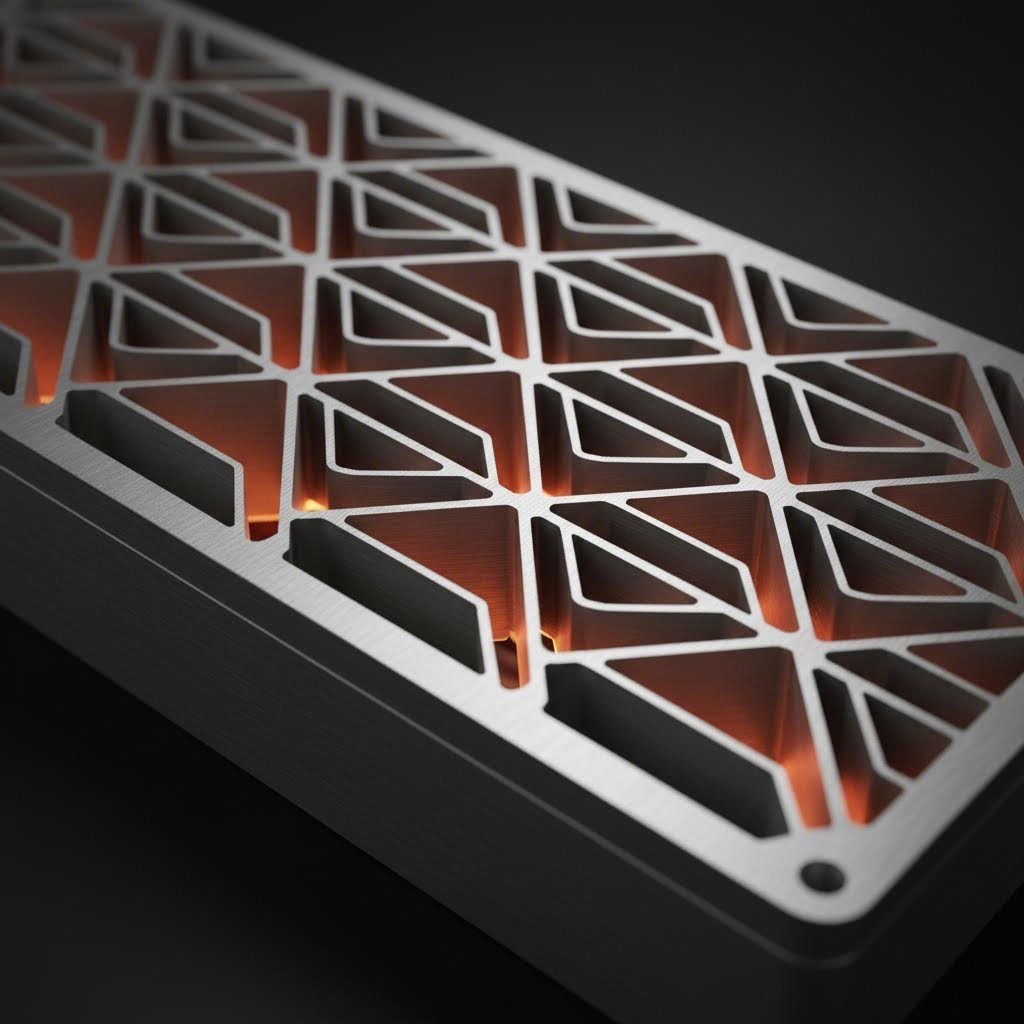
Your enclosure is sealed against dust and water. But there's another threat that can destroy electronics just as effectively: heat. Without proper thermal management, components overheat, performance degrades, and lifespans shrink dramatically. At the same time, electromagnetic interference can corrupt signals and cause system malfunctions. Fortunately, electronic aluminum enclosures address both challenges when designed correctly.
Here's the good news: aluminum's natural properties give you a head start on solving these problems. The key is leveraging those properties through smart design choices.
Aluminum conducts heat roughly four times better than steel, making it an excellent choice for extruded aluminium electronic enclosures that must manage thermal loads. But raw thermal conductivity only tells part of the story. How you design the enclosure determines whether that heat actually escapes or gets trapped inside.
Why Heat Management Matters
Every electronic component generates heat during operation. Power supplies, processors, LED drivers, and voltage regulators all contribute thermal energy to your enclosure's interior. When that heat can't escape, junction temperatures rise. For every 10°C increase above optimal operating temperature, component lifespan can be cut in half.
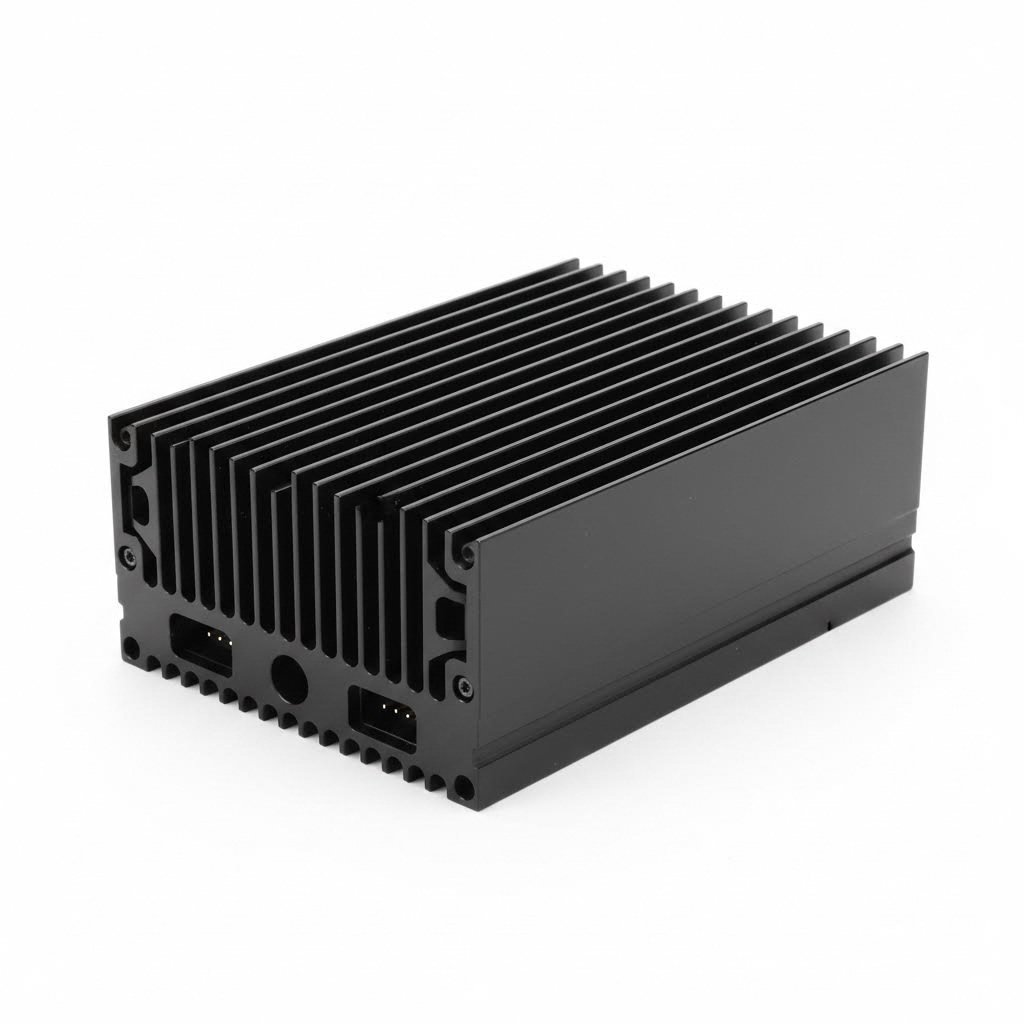
The extrusion process offers unique advantages here. Unlike sheet metal enclosures that require separate heat sinks, extruded aluminum profiles can incorporate cooling features directly into the enclosure walls. This integration eliminates thermal interfaces between components and heat dissipation surfaces, improving overall efficiency.
Integrated Heat Sink Fins
One of the most effective thermal solutions available with aluminum electronic enclosures boxes is integrated fin design. During extrusion, fins can be formed as part of the profile itself, creating a unified structure with no thermal barriers between the enclosure body and the cooling surfaces.
According to thermal engineering research, heat sink fins work by maximizing surface area available for heat dissipation. The larger the surface area, the more heat can transfer to the surrounding air through convection. Different fin configurations serve different needs:
When designing an aluminum box PCB housing, consider whether internal components can mount directly to the enclosure wall. This direct contact creates an efficient thermal path from heat-generating components to the external fins.
Design Elements That Improve Thermal Performance
Beyond fins, several design strategies help extruded aluminum enclosures electronics applications maintain safe operating temperatures:
For high-power applications, the 6063-T5 alloy commonly used in extruded enclosures provides an excellent balance of thermal conductivity and extrudability. When thermal demands are extreme, consider 6061-T6 for its balanced thermal and mechanical properties, making it suitable for power converters and industrial electronics.
While managing heat keeps components alive, managing electromagnetic interference keeps them functioning correctly. In our increasingly connected world, electronic aluminium enclosure designs must prevent both emissions and susceptibility problems.
How Aluminum Provides Inherent Shielding
Aluminum's electrical conductivity makes it naturally effective at blocking electromagnetic radiation. When electromagnetic waves encounter a conductive enclosure, they induce currents in the metal surface. These currents create opposing fields that cancel the incoming radiation, preventing it from reaching sensitive electronics inside.
This shielding works in both directions. It keeps external interference from affecting your equipment, and it prevents your equipment from radiating interference that could disrupt nearby devices. For applications requiring compliance with MIL-STD-461 or similar EMC standards, aluminum enclosures provide an excellent starting point.
The Importance of Proper Grounding
Shielding effectiveness depends heavily on proper grounding. An enclosure that isn't correctly grounded can actually amplify interference problems rather than solve them. Key grounding considerations include:
Design Features That Enhance Electromagnetic Compatibility
Achieving effective EMI shielding requires attention to every potential gap in the enclosure's conductive shell. Common failure points occur at panel seams, where inadequate shielding can result in radiated emissions exceeding compliance limits. Consider these design elements:
Balancing Thermal and EMI Requirements
Here's the challenge: thermal management often requires openings, while EMI shielding requires a continuous conductive barrier. Resolving this conflict requires creative solutions:
Both thermal management and EMI shielding directly impact long-term electronics reliability. Components that run cooler last longer. Systems protected from interference operate more reliably. When specifying durable customized aluminum extrusion enclosures, these performance factors deserve the same attention as mechanical strength and environmental sealing.
With thermal and electromagnetic considerations addressed, the next step is understanding how to translate all these requirements into a specification that manufacturers can execute precisely.
You understand alloys, surface treatments, IP ratings, and thermal management. Now comes the practical challenge: how do you communicate all these requirements to a manufacturer in a way that ensures you get exactly what you need? Specifying custom aluminum enclosures effectively requires translating your application requirements into clear, actionable specifications.
The difference between a successful enclosure project and a frustrating one often comes down to specification quality. Vague requirements lead to misunderstandings, delays, and costly revisions. Precise specifications result in enclosures that fit perfectly, perform reliably, and arrive on schedule.
When ordering an extruded aluminum enclosure box, you need to define several critical parameters before manufacturing can begin. Each specification influences cost, lead time, and final performance. Missing even one detail can result in an enclosure that doesn't quite work for your application.
External Dimensions and Internal Clearances
Start with the basics: how big does your enclosure need to be? But don't just measure your PCB and add a few millimeters. According to industry best practices, your enclosure's internal dimensions must accommodate all components and PCBs while leaving room for proper alignment and operation.
Consider these factors when determining dimensions:
Wall Thickness Requirements
Wall thickness affects structural integrity, thermal performance, and weight. For most electronics applications, walls between 1.5mm and 3mm provide adequate protection. However, your specific environment may demand thicker walls for impact resistance or thinner walls to minimize weight.
Keep in mind that CNC machining operations like threading or counterboring require minimum wall thicknesses to maintain structural integrity. If you're planning extensive post-extrusion machining, discuss thickness requirements with your manufacturer early in the design process.
Tolerance Requirements
Tolerances define how much variation from nominal dimensions is acceptable. Tighter tolerances mean more precise parts but also higher costs. The standard tolerance limit for CNC aluminum extrusion is around +/-0.127mm (+/-0.005"), with automated processes capable of achieving tolerances as low as +/-0.02mm.
Specify tolerances based on actual functional requirements:
Remember that tighter tolerances increase costs. They require additional manual inspection, extended machining time, and more careful handling. Only specify tight tolerances where they genuinely impact function.
Moving from a concept to a manufacturable design requires systematic attention to every aspect of your enclosure. The following checklist ensures you address all critical requirements before submitting your order.
Common Customization Options
Once you've defined your requirements, you can specify exactly how the manufacturer should modify standard extrusions to meet your needs. CNC machining transforms basic extruded aluminum housing profiles into finished enclosures ready for component installation.
Typical machining operations include:
For aluminium extrusion box designs, specialized design software like AutoCAD or SolidWorks enables faster, more precise quoting, streamlined prototyping, and reduced time to market.
Die Development Considerations
Sometimes standard extrusion profiles don't meet your requirements. You might need integrated mounting channels, specific internal geometries, or custom frame plates for specialized applications. In these cases, you face a choice: modify existing profiles or develop a custom die.
Custom die development makes sense when:
Modified standard extrusions work better when:
For extruded aluminum box enclosures in moderate volumes, modifying standard extrusions often provides the best balance of cost, lead time, and customization. Many manufacturers stock standard extrusion profiles that can be cut, machined, and finished to your specifications without custom die charges.
With your specifications complete, the next step is finding a manufacturing partner capable of executing your design with the quality and precision your application demands.
You've specified your dimensions, surface treatments, and environmental requirements. Now comes a fundamental question that shapes your entire project: is extruded aluminum actually the right material for your application? While these enclosures excel in many scenarios, understanding how they compare to alternatives helps you make truly informed decisions.
The reality is that no single enclosure material works best for every situation. Whether you spell it aluminum or aluminium, the comparison against other materials follows the same principles. Each option brings distinct advantages and trade-offs that matter depending on your specific application demands.
Extruded Aluminum: The Versatile Performer
Aluminum extrusions offer a compelling balance of properties that make them suitable for a wide range of applications. The extrusion process creates consistent cross-sections with excellent dimensional accuracy, and profiles can be cut to virtually any length. This flexibility proves especially valuable when you need enclosures in non-standard sizes.
According to industry analysis from DigiKey, aluminum is the lowest cost metallic material for enclosures while offering good strength despite being relatively lightweight. Extruded enclosures typically feature anodized finishes that enhance durability and allow for color customization.
The trade-off? Extrusion works best for profiles with consistent cross-sections. If your design requires complex three-dimensional shapes, other manufacturing methods may prove more practical.
Die-Cast Aluminum: Complex Shapes at Scale
Die-casting produces enclosures by pouring molten aluminum into precision molds. This process excels when you need intricate geometries, integrated mounting bosses, or complex internal features that extrusion simply cannot achieve.
However, die-casting comes with significant upfront costs. The molds themselves require substantial investment, making this approach most economical for large production volumes. For smaller quantities, the per-unit cost becomes prohibitive. Additionally, die-cast enclosures cannot be anodized like extruded parts and must use powder coating instead.
Die-casting makes sense when:
Sheet Metal and Steel Enclosures: Heavy-Duty Options
Sheet metal enclosures, including those made from mild steel, galvanized steel, or stainless steel, offer different characteristics than aluminum extrusions. Steel provides excellent strength and can be formed into myriad designs through cutting and folding operations.
The key considerations with steel:
Stainless steel, particularly 316 grade, excels in marine environments and applications requiring frequent washdown. Its inherent corrosion resistance and easy cleanability make it ideal for food processing and medical environments. However, these benefits come at a cost that often exceeds aluminum alternatives by a significant margin.
Plastic enclosures, typically made from ABS or polycarbonate, represent the other end of the material spectrum. They're lightweight, economical, and can be molded into complex shapes. But for many electronics applications, their limitations become apparent quickly.
Thermal Performance Differences
Remember our earlier discussion about heat management? Plastics are thermal insulators, not conductors. While this property has some applications, it creates serious problems for electronics that generate significant heat. Aluminum's thermal conductivity allows enclosures to serve as heat sinks, drawing heat away from components and dissipating it to the surrounding environment.
For power electronics, LED drivers, or any application where thermal management matters, plastic housings simply cannot match aluminum's heat dissipation capabilities.
EMI Shielding Capabilities
Perhaps the most significant advantage of metal enclosures over plastic alternatives is electromagnetic shielding. According to enclosure design guidance, aluminum enclosures offer superior electromagnetic compatibility characteristics compared to plastic options.
Non-metallic enclosures are permeable by radio frequency waves, which makes them suitable for wireless devices that need to send and receive signals. However, this same property proves detrimental when devices need isolation from electromagnetic interference and radio frequency interference.
For sensitive electronics or applications requiring EMC compliance, aluminum enclosures provide inherent shielding that plastic alternatives cannot match without expensive conductive coatings or wire mesh liners.
Durability and Impact Resistance
While polycarbonate offers good impact resistance, aluminum extrusions provide consistent structural integrity without the risk of cracking or shattering under extreme stress. For industrial environments where enclosures may face mechanical abuse, metal construction delivers greater confidence in long-term reliability.
| Material Type | Durability Rating | Weight | Cost Efficiency | Customization Flexibility | Thermal Performance | EMI Shielding |
|---|---|---|---|---|---|---|
| Extruded Aluminum | Excellent | Light | High (low tooling, scalable) | Excellent (length, machining) | Excellent | Excellent |
| Die-Cast Aluminum | Excellent | Light | Moderate (high tooling) | High (complex shapes) | Excellent | Excellent |
| Sheet Metal/Steel | Excellent | Heavy | Moderate | High (unlimited designs) | Good | Excellent |
| Stainless Steel | Excellent | Heavy | Low (premium pricing) | High | Good | Excellent |
| Plastic (ABS) | Good | Very Light | High | Excellent (molding) | Poor | None |
| Polycarbonate | Very Good | Very Light | Moderate | Excellent (molding) | Poor | None |
When Each Material Excels
Choosing the right enclosure material means matching properties to application requirements. Consider these scenarios:
Extruded aluminum works best for:
Die-cast aluminum makes sense for:
Steel enclosures suit:
Plastic housings are appropriate for:
The material comparison ultimately comes down to balancing performance requirements against cost constraints. Extruded aluminum enclosures occupy a sweet spot for many applications, offering excellent durability, thermal management, and electromagnetic shielding at competitive costs with outstanding customization flexibility. Understanding where alternatives excel helps you recognize when aluminum extrusions truly represent the optimal choice for your specific needs.
With material selection clarified, the next consideration is how durability requirements vary across different industries and applications.
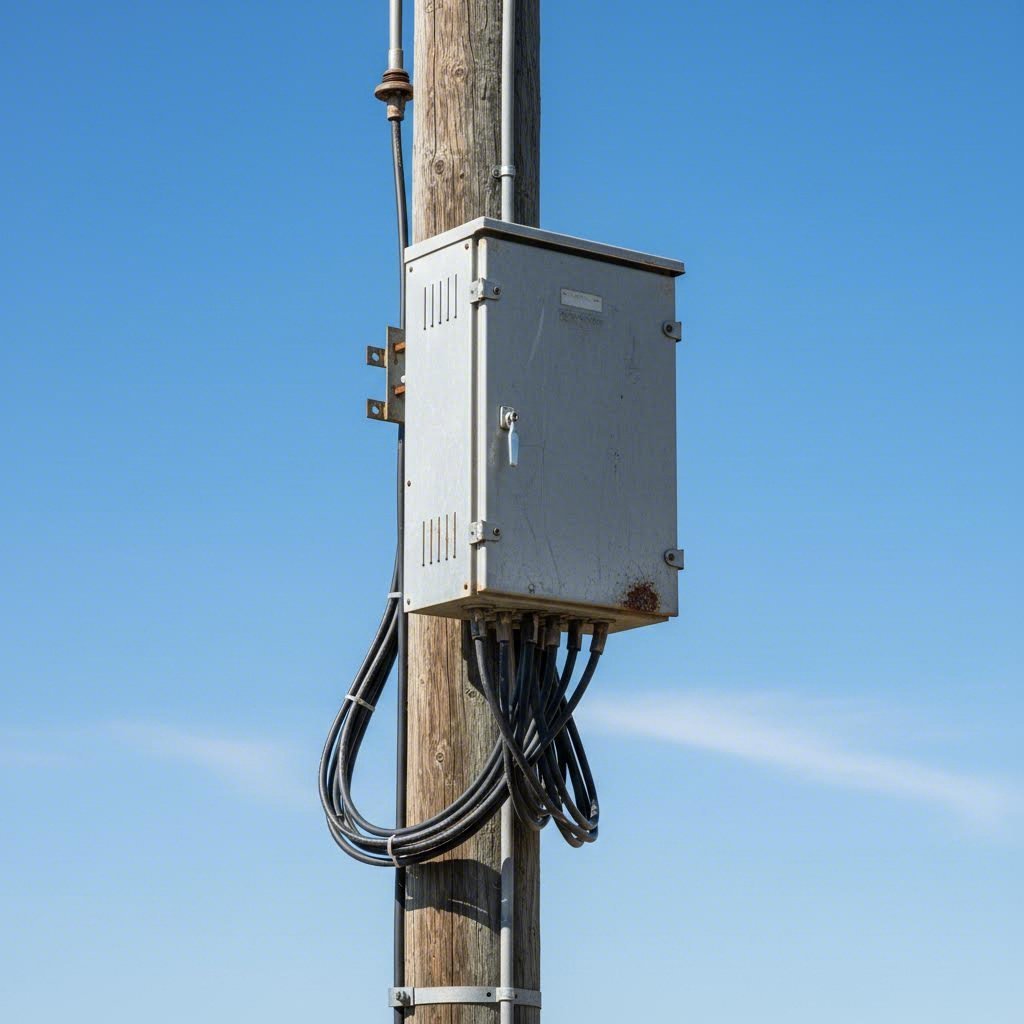
You've learned about alloys, surface treatments, IP ratings, and thermal management. But here's what really matters: how do all these factors come together for your specific application? The durability requirements for a roadside traffic controller look nothing like those for a handheld medical device. Understanding these industry-specific demands helps you specify exactly what your aluminum enclosures for electronics need to perform reliably.
Each industry brings unique environmental challenges, regulatory requirements, and performance expectations. Let's explore how durability specifications translate into real-world applications across major sectors.
Outdoor Telecommunications
Telecom cabinets operate continuously on towers, rooftops, and roadside installations. These aluminum electronic enclosures face some of the harshest conditions imaginable: blazing sun, freezing winters, driving rain, and constant temperature cycling.
According to industry design insights, telecom enclosures must provide EMI shielding, moisture protection, and internal thermal balance simultaneously. A single failure here can disrupt service for thousands of users.
An extruded aluminium case designed for telecom applications typically features thick walls, integrated mounting provisions, and multiple cable entry points with appropriate sealing.
Industrial Automation
Factory floors present a different set of challenges. Control panels housing PLCs, HMIs, drives, and wiring face oil mist, metal dust, chemical exposure, and constant vibration from nearby machinery.
For industrial controls, every aluminum instrument enclosure must withstand mechanical stress while protecting sensitive electronics from environmental contamination. Rugged construction is essential for reliable operation in these demanding environments.
Consumer Electronics
Consumer-facing products balance functionality with aesthetics. Your aluminium casing for electronics must look as good as it performs, with seamless finishes that communicate quality and reliability.
Medical Devices
Medical applications demand precision, reliability, and compliance with stringent regulatory requirements. According to medical device industry experts, enclosures in this sector must meet tight tolerances, material integrity requirements, and specialized finish specifications.
Common medical enclosure types include handheld device housings for glucose meters and pulse oximeters, wall-mounted control panels for operating rooms, cart-based equipment frames for mobile imaging systems, and rack-mounted systems for lab automation.
Transportation
Vehicles, trains, and aircraft subject enclosures to extreme mechanical stress. Mounted roadside or within vehicles, these aluminium extrusion case designs must guarantee reliable operation despite constant movement.
Transportation enclosures endure vibration, exhaust fumes, and fluctuating temperatures throughout their service life. Failure isn't an option when safety systems depend on reliable electronics.
Understanding your application environment drives every specification decision. When you clearly identify what your enclosure will face, the right choices become obvious.
Consider these questions when defining requirements:
A well-designed enclosure protects critical systems from environmental and electrical hazards while extending performance and reducing maintenance costs. By aligning materials, sealing methods, and thermal strategies with real-world demands, you ensure each application meets its safety, durability, and compliance goals.
Once you've identified your industry-specific requirements, the next step is finding a manufacturing partner with the capabilities and experience to deliver enclosures that meet your exact specifications.
You've defined your specifications, selected materials, and identified your industry requirements. Now comes perhaps the most consequential decision in your entire enclosure project: choosing who will actually manufacture it. The best specifications in the world mean nothing if your manufacturing partner lacks the capability, experience, or quality systems to execute them properly.
Sounds daunting? It doesn't have to be. When you know what to look for, evaluating potential partners becomes a systematic process rather than a guessing game. The right partner transforms your custom aluminum enclosure from a concept into a reliable, production-ready reality.
Not all aluminum extrusion manufacturers are created equal. Some specialize in high-volume architectural profiles. Others focus on precision industrial components. Finding a partner whose capabilities align with your specific enclosure requirements saves time, reduces costs, and prevents costly mistakes.
Manufacturing Capacity and Equipment
The first question to ask any potential supplier: what's your press tonnage range? According to industry expertise on extrusion equipment, press tonnage directly determines what profiles a manufacturer can produce. The tonnage affects profile complexity, wall thickness capabilities, and dimensional accuracy.
Here's why this matters for your enclosure project:
A manufacturer with a wide range of press sizes offers flexibility. They can match the optimal press to your specific profile requirements rather than forcing your design to fit their limited equipment. For example, Shengxin Aluminium operates 35 extrusion presses ranging from 600T to 5500T, providing the flexibility to produce everything from compact electronics housings to large industrial enclosures.
Experience and Industry Expertise
Years in business matter, but relevant experience matters more. A manufacturer with decades of architectural extrusion experience may struggle with the tight tolerances and specialized finishes that electronics enclosures demand.
When evaluating experience, look for:
As industry guidance emphasizes, an experienced manufacturer will be more likely to overcome various challenges and deliver efficient service. With over 30 years of industry experience, established manufacturers like Shengxin Aluminium have encountered and solved the problems that can derail less experienced suppliers.
Beyond basic manufacturing capability, several factors distinguish exceptional partners from adequate ones. These capabilities determine whether your project runs smoothly or becomes a frustrating series of delays and revisions.
In-House Capabilities
The most efficient manufacturers control their entire production process. When extrusion, machining, and finishing happen under one roof, communication improves, lead times shrink, and quality remains consistent throughout.
Essential in-house capabilities for extruded aluminum enclosures include:
When a manufacturer outsources critical processes, you lose visibility and control. Delays at one subcontractor cascade through the entire project. Quality issues become harder to trace and resolve. In-house integration eliminates these risks.
Shengxin Aluminium exemplifies this integrated approach, housing advanced extrusion presses alongside state-of-the-art CNC machining centers and comprehensive surface treatment facilities. Their custom extrusion services provide complete processing from raw material to finished enclosure, all under unified quality control.
Technical Support and Engineering Consultation
The best manufacturing relationships go beyond order processing. True partners contribute engineering expertise that improves your designs and prevents problems before production begins.
According to enclosure manufacturing experts, evaluating whether a manufacturer supports OEM/ODM development is essential. This means they can either manufacture to your exact specifications or suggest redesigns that improve manufacturability and reduce costs.
Valuable technical support includes:
Technical teams that support projects from initial concept through mass production add value at every stage. They catch potential problems early when changes are inexpensive and help optimize designs for efficient production.
Quality Control and Certifications
Quality isn't just a buzzword. It's the difference between enclosures that protect your electronics reliably and ones that fail in the field. Rigorous quality systems ensure consistent results from the first extruded aluminum box to the thousandth.
When evaluating quality capabilities, look for:
As industry best practices recommend, a reputable manufacturer should perform quality checks at various stages of the extrusion process to ensure final products meet industry standards and your specifications.
Communication and Project Management
Manufacturing capability means nothing if you can't get clear answers to your questions. Responsive communication and transparent project management separate professional partners from frustrating suppliers.
Consider these factors:
Request references from previous customers with similar projects. Their experiences reveal what working with the manufacturer is actually like, beyond the sales pitch.
Pricing Structure and Value Assessment
Price matters, but the lowest quote rarely represents the best value. According to custom enclosure procurement guidance, looking at total cost including unit price, rework risk, lead time, and service support provides a more accurate picture.
When comparing quotes for your custom aluminum enclosure, ensure you're comparing equivalent offerings:
Factory-direct pricing from established manufacturers often provides 10-15% cost advantages over intermediaries while maintaining quality and accountability. But beware of quotes that seem too good to be true. They usually are.
Building a Long-Term Partnership
The most successful enclosure projects come from ongoing relationships rather than one-time transactions. A partner who understands your applications, quality requirements, and business needs delivers better results over time.
Look for manufacturers who:
When you find a manufacturer with comprehensive capabilities, proven experience, rigorous quality systems, and responsive communication, you've found more than a supplier. You've found a partner who contributes to your product's success from the first prototype through years of production.
The right manufacturing partner transforms the complexity of durable customized aluminum extrusion enclosures into a straightforward process. With proper specifications and capable execution, your enclosures will protect critical electronics reliably for years to come.
6061 aluminum offers higher tensile strength (310 MPa vs 241 MPa) and better machinability, making it ideal for structural applications and high-vibration environments. 6063 aluminum provides superior corrosion resistance and excellent surface finish quality, perfect for anodized architectural applications. Choose 6061 when structural rigidity is priority; select 6063 when appearance and corrosion resistance matter most.
For outdoor installations, IP65 minimum is recommended for protection against dust and water jets. IP67 is ideal for outdoor telecom and flood-prone areas as it provides complete dust protection plus temporary submersion capability. IP68 suits underground or continuously submerged applications. The rating depends on specific environmental exposure including rain, humidity, and potential flooding risks.
Extruded aluminum enclosures outperform plastic in thermal management (aluminum conducts heat 4x better than steel), EMI shielding (inherent protection vs none), and structural durability. Plastic enclosures are lighter and cheaper but cannot dissipate heat effectively or block electromagnetic interference. For electronics generating significant heat or requiring EMC compliance, aluminum is the superior choice.
Type II anodizing suits indoor applications with moderate exposure. Type III hard anodizing (0.025-0.076mm thickness) provides maximum protection for marine and industrial environments. Powder coating excels for outdoor UV resistance. PVDF coatings offer extreme UV protection for prolonged sun exposure. Micro-arc oxidation creates ceramic-like surfaces with exceptional hardness. Proper surface treatment can extend service life 5-10x compared to untreated aluminum.
Evaluate press tonnage range (600T-5500T covers most applications), in-house CNC machining capabilities, comprehensive surface treatment options, and technical support from die development through production. Look for ISO certification, material traceability, and responsive communication. Manufacturers like Shengxin Aluminium with 30+ years experience and 35 extrusion presses offer the flexibility and expertise needed for custom enclosure projects.



 un service en ligne
 0086 136 3563 2360
 sales@sxalu.com
 +86 136 3563 2360
 français
 English
 Deutsch
 русский
 español
 português
 العربية
 ไทย
ไทย Việt
Việt Українська