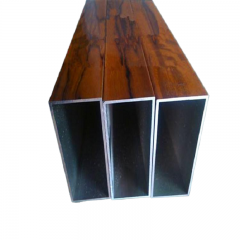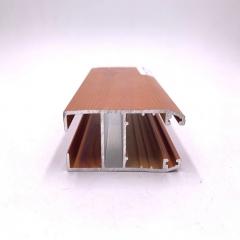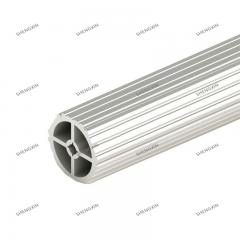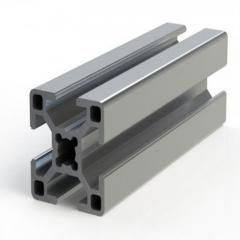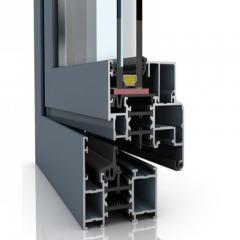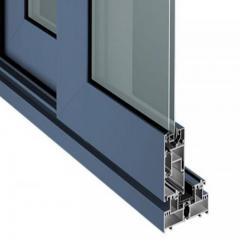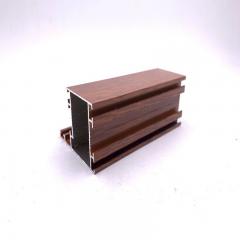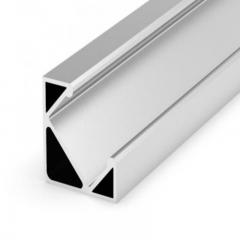
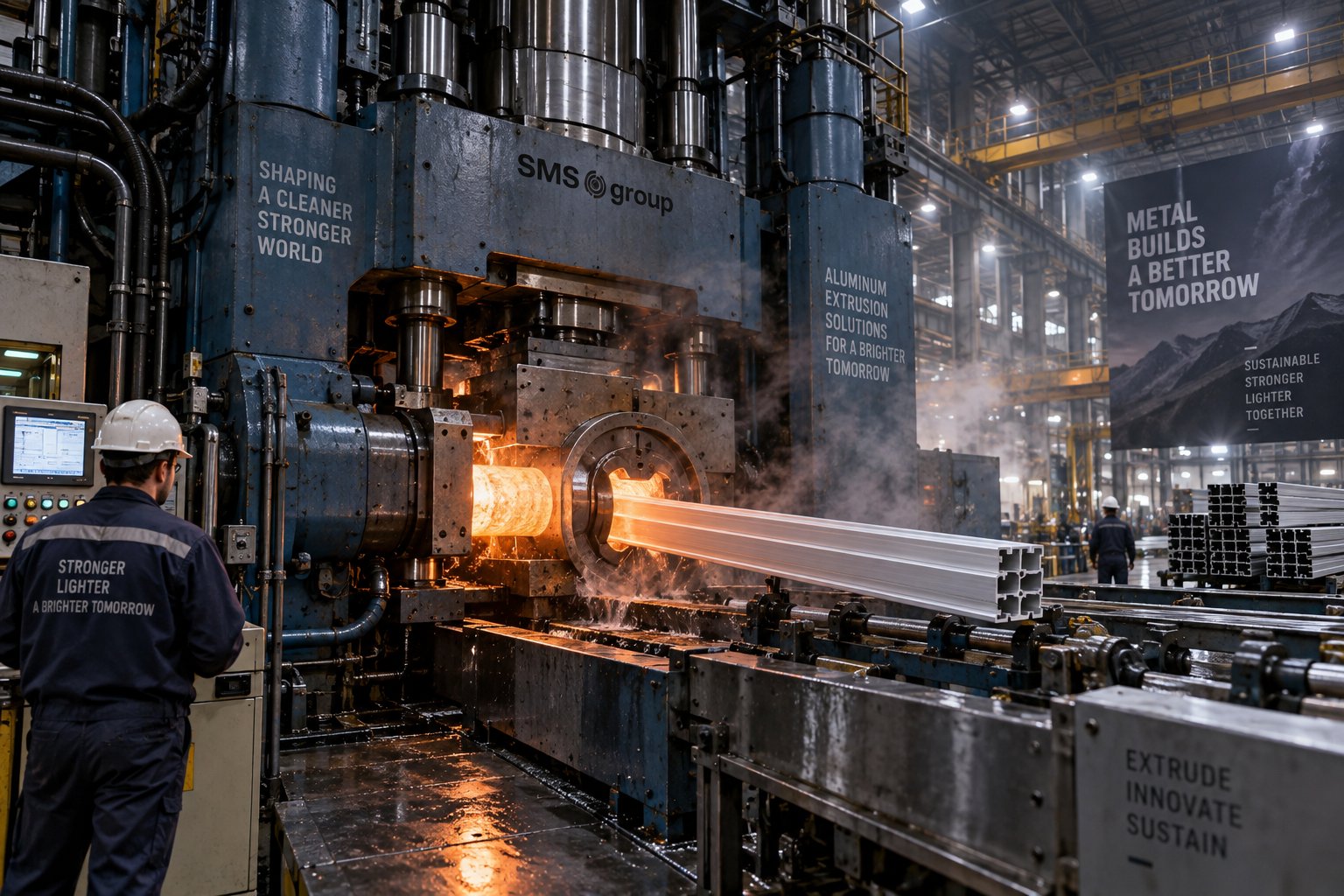
When you're sourcing extruded aluminum for a major construction project or industrial building system, choosing the right manufacturer can make or break your timeline and budget. But here's the thing—not all aluminum extrusion companies operate at the same scale. Understanding what separates large aluminum extrusion manufacturers from standard operations helps you match your project requirements with the right production capabilities.
So what exactly makes a manufacturer "large"? It's not just about the size of their facility—though that certainly matters. The defining characteristic comes down to press tonnage capacity. While standard extrusion companies typically operate presses in the 500 to 2,500 ton range, large-scale manufacturers run equipment starting at 3,000 tons and extending up to 13,000 tons or beyond.
Why does this matter for your procurement decisions? Simply put, larger presses can produce wider, more complex aluminum extrusion profiles that smaller operations physically cannot achieve. According to industry specifications, most standard presses max out at profile widths around 800mm, while high-tonnage equipment with larger billet diameters can push beyond these limitations for specialized applications.
Imagine you need oversized structural framing for a curtain wall system or heavy-duty components for rail transportation. Standard manufacturers simply can't deliver—their equipment lacks the force required to push aluminum through dies designed for large aluminum extrusions. Press capacity directly determines what's possible.
Here's how the numbers break down: an 800T or 1000T press works well for standard aluminum doors and windows, while curtain wall profiles and structural components typically require presses exceeding 1250T. For truly large-scale industrial applications, you'll need manufacturers operating in the 3000T to 6000T range—and some specialized facilities run presses up to 15,000 tons for the most demanding extrusions.
When evaluating potential suppliers, consider these key differentiating factors between large and standard manufacturers:
The growing demand for large aluminum extrusions spans multiple sectors. Construction projects increasingly specify wider aluminum sheet alternatives and structural profiles for curtain walls and building facades. Transportation manufacturers need lightweight yet robust components for rail cars and truck bodies. Industrial automation relies on precision-engineered framing systems that only high-capacity operations can deliver consistently.
Understanding these scale distinctions upfront saves you time during the sourcing process—and ensures you're reaching out to manufacturers genuinely equipped to handle your project's requirements.
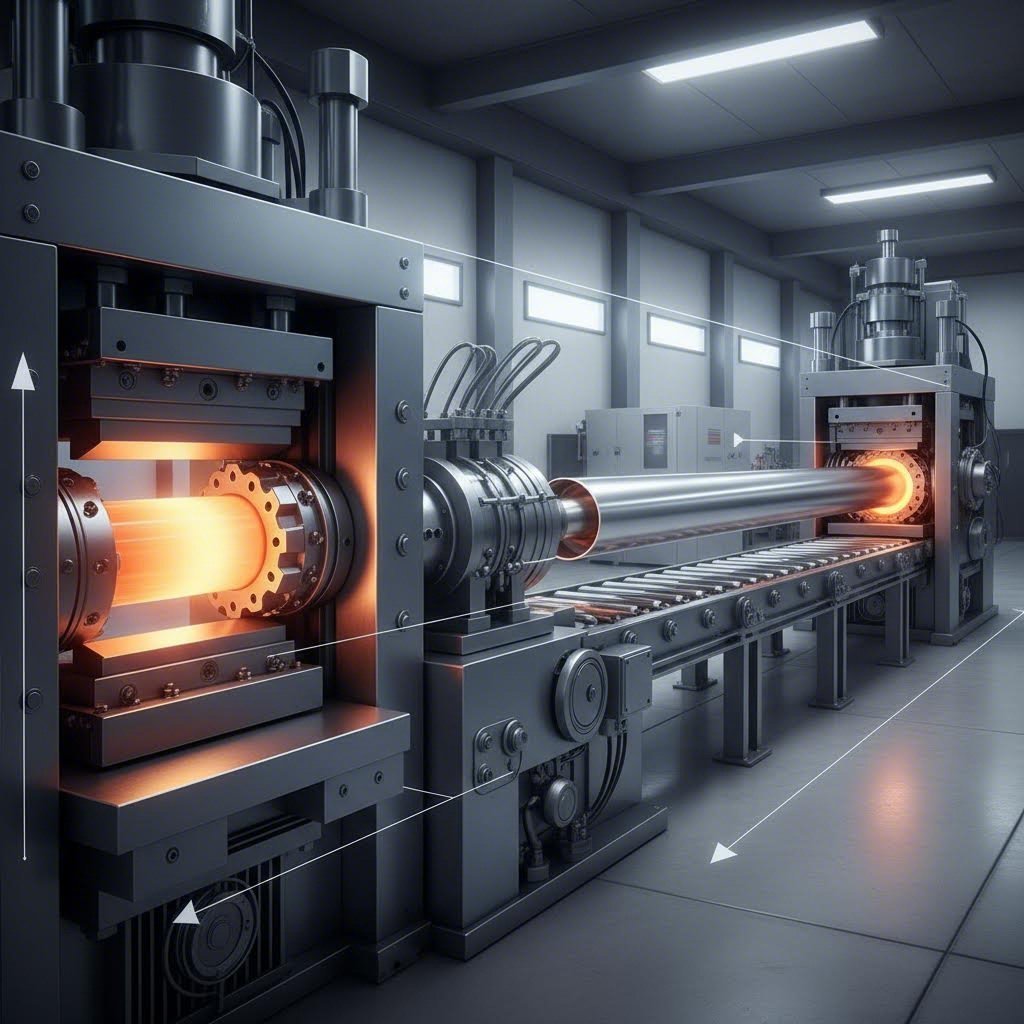
Ever wondered how extruded aluminum transforms from a solid metal cylinder into the complex profiles you see in building facades or rail car structures? The process is fascinating—and when you're dealing with large aluminum extrusion manufacturers, the scale and precision involved multiply significantly. Understanding how extruded aluminum is made helps you appreciate why manufacturer capabilities matter so much for your sourcing decisions.
At its core, the aluminum extrusion process works like squeezing toothpaste from a tube—except you're pushing heated metal through a precisely engineered die under tremendous pressure. The force required to extrude aluminum through larger, more complex dies is exactly why high-tonnage presses in the 3000T to 6000T range exist. These machines generate the pressure needed to produce wider profiles with intricate cross-sections that smaller operations simply cannot achieve.
Here's how the complete aluminum extrusion line operates from start to finish:
What makes large-scale extrusion different from standard operations? It comes down to process control and consistency. When you're running high-volume production across multiple shifts, maintaining tight tolerances on every single profile demands sophisticated monitoring systems and experienced operators.
Large manufacturers invest heavily in automated temperature control throughout the aluminum extrusion line. Sensors continuously monitor billet temperature, die temperature, extrusion speed, and cooling rates. Why does this matter? Because the relationship between speed, pressure, and temperature must remain precisely balanced. Even small variations can cause dimensional drift or surface quality issues across a production run.
Consider the extrusion ratio—the relationship between the billet's cross-sectional area and the final profile's area. Higher ratios require greater pressure and more mechanical work on the aluminum. Large manufacturers with high-tonnage presses can achieve ratios that would exceed smaller equipment's capabilities, enabling production of thinner walls and more complex geometries in a single extrusion pass.
Quality consistency across thousands of feet of extrusion products also depends on die maintenance protocols. Large operations rotate dies systematically, tracking performance metrics to predict when tooling needs refurbishment. This proactive approach prevents quality degradation that might only become apparent after significant production has occurred.
The fabrication options available post-extrusion further expand what's possible with aluminum profiles. Punching, drilling, CNC machining, and specialized cutting operations transform basic extrusions into finished components ready for assembly. When evaluating manufacturers, their downstream capabilities become just as important as their pressing capacity.
You've identified what makes a manufacturer "large" and understand how the extrusion process works at scale. Now comes the critical question: how do you actually evaluate whether a specific aluminum extrusion company can deliver what your project demands? Choosing the right partner requires looking beyond impressive facility photos and marketing claims. Let's break down the essential capabilities and certifications that separate truly capable suppliers from those who might leave you scrambling mid-project.
Think of capability assessment like building a checklist before a major purchase. You wouldn't buy industrial equipment without verifying specifications—the same principle applies when selecting certified aluminum suppliers for custom products. Here are the core areas demanding your attention:
Press Fleet Diversity and Tonnage Range
A manufacturer operating multiple presses across various tonnage ranges offers significant advantages. Why? Because your projects likely vary in complexity and scale. According to industry benchmarks, small presses (600-1800T) handle thin, precise profiles; medium presses (2000-3500T) suit general industrial applications; and large presses (5000-10,000T) tackle heavy structural components. Partnering with suppliers who maintain diverse press fleets means they can accommodate your full range of custom aluminum extrusions—from delicate electronic housings to massive architectural framing—without subcontracting work elsewhere.
CNC Machining and Secondary Processing
Raw extrusions rarely go directly into final assemblies. Most custom extrusions require drilling, cutting, punching, or precision machining before they're ready for use. Aluminum extrusion services that integrate CNC machining under one roof deliver faster turnaround and better quality control. When extrusions travel between multiple facilities for secondary processing, you introduce transportation damage risks, dimensional inconsistencies between vendors, and extended lead times. Look for manufacturers offering profile precision extrusions combined with in-house fabrication capabilities.
Surface Treatment Options
Your project's environment dictates surface finish requirements. Coastal installations demand superior corrosion resistance. Architectural applications need consistent color matching across large production runs. Industrial machinery may require specific hardness characteristics. Evaluate whether potential suppliers offer:
Die Design and Maintenance Capability
Here's something many buyers overlook: who designs and maintains the extrusion dies? Many suppliers outsource die manufacturing to third parties, creating longer lead times and slower problem resolution when issues arise. If a die fails or produces inaccurate dimensions during your production run, delays cascade across your entire project timeline. Manufacturers with in-house die workshops can modify or repair tooling quickly, ensuring production continuity. When evaluating an international extrusion corporation or domestic supplier, always ask about their die engineering capabilities.
Certifications aren't just wall decorations—they represent documented commitments to standardized processes and continuous improvement. Here's what the key certifications actually mean for your supply chain reliability:
| Capability Category | Evaluation Criteria | Why It Matters |
|---|---|---|
| Quality Management (ISO 9001) | Documented processes from quoting through shipping; regular internal audits; corrective action systems | Ensures repeatable quality across production runs and structured problem resolution when issues occur |
| Automotive Certification (IATF 16949) | Builds on ISO 9001 with automotive-specific defect prevention and supply chain requirements | Essential for transportation sector projects; demonstrates capability for zero-defect manufacturing |
| Aerospace Certification (AS9100) | Incorporates ISO 9001 plus additional safety, airworthiness, and traceability requirements | Required for aerospace applications; signals highest-tier process control and documentation standards |
| Dimensional Standards (EN755-9 / EN12020-2) | Compliance with European tolerance standards for extruded profiles | Confirms dimensional accuracy meets international specifications for precision applications |
| Environmental/Safety (ISO 14001 / ISO 45001) | Environmental management and occupational health systems | Indicates operational stability; reduces risk of production disruptions from incidents |
| Material Compliance (RoHS/REACH) | Verification of restricted substances and chemical compliance | Critical for products entering European markets or consumer electronics applications |
An extruded aluminum corporation worth partnering with will readily provide certification documentation and explain how these systems integrate into their daily operations. Ask whether they offer traceable lot data and quality assurance certificates with each shipment—this documentation becomes essential for long-term industrial customers requiring audit trails.
Beyond equipment and certifications, practical factors significantly impact your sourcing experience. Typical lead time benchmarks for aluminum extrusion companies look like this:
Minimum order quantities vary significantly among large manufacturers. Some specialize in high-volume production runs measured in tons, while others accommodate smaller development quantities for prototyping. Clarify these thresholds early—there's no point engaging with a supplier whose minimums exceed your project's total requirements.
Finally, assess engineering support and prototyping capabilities. Does the manufacturer provide Design for Manufacturability (DFM) feedback on your drawings? Will they suggest feasibility improvements or cost optimization alternatives? Strong aluminum extrusion services include proactive technical guidance that prevents problems before tooling investment occurs. Suppliers who simply quote your specifications without offering engineering insight may lack the expertise to troubleshoot complex profile designs.
With these evaluation criteria in hand, you're ready to assess potential suppliers systematically. But before finalizing any partnership, you'll want to understand which industries drive demand for large-scale extrusion capabilities—and how their specific requirements might align with your own applications.

Now that you understand how to evaluate manufacturer capabilities, let's explore who actually needs these large-scale extrusion services—and why. The industries driving demand for oversized aluminum profiles share common requirements: they need structural strength without excessive weight, corrosion resistance in demanding environments, and design flexibility that standard profiles simply cannot deliver.
When building something big and complex, material choice becomes critical. Steel adds weight and rust concerns. Plastics lack structural integrity. Large aluminum extrusions hit the sweet spot—providing excellent strength-to-weight ratios while resisting corrosion even in harsh outdoor conditions. According to industry analysis, aluminum provides excellent structural strength while being significantly lighter than steel, reducing transportation costs and improving efficiency across multiple sectors.
Here's how key industries leverage aluminum extrusion systems for their most demanding applications:
Why Construction Demands Large-Scale Capabilities
Imagine a curtain wall spanning 40 floors of a commercial tower. Standard extruded aluminum profiles might max out at 200-300mm widths—requiring multiple pieces joined together, creating potential leak points and aesthetic interruptions. Large manufacturers producing aluminum profiles exceeding 800mm in width can deliver single-piece mullions that simplify installation and improve weather sealing.
The rise of modular construction has further increased demand for prefabricated aluminum parts. According to market projections, the global construction equipment market will expand to USD 271.30 billion by 2030, maintaining an average annual growth rate of 6.7%—driving consistent demand for structural aluminum components. Window framing systems particularly benefit from aluminum's dimensional stability across temperature swings, preventing the expansion and contraction issues common with other materials.
Transportation's Weight Optimization Challenge
Every kilogram matters when you're moving vehicles thousands of miles annually. Rail car manufacturers increasingly specify large hollow sections and multi-chamber extruded aluminum profiles that would be impossible to produce on standard presses. These complex geometries distribute stress loads efficiently while minimizing material usage.
Consider electric vehicle battery enclosures—they must protect sensitive cells while adding minimal weight to the vehicle. Aluminum tubing and aluminum angle components create protective frameworks that absorb impact energy without the weight penalty of steel alternatives. Truck bodies similarly benefit from aluminum square tubing assemblies that reduce payload weight, allowing operators to carry more cargo per trip.
Industrial Equipment's Precision Requirements
Custom machine builders face a unique challenge: they need materials that are lightweight, strong, and infinitely customizable. Steel frames require welding for every modification. Aluminum extrusion systems with integrated slots, holes, and channels allow reconfiguration without destructive changes.
Automation and packaging equipment manufacturers report that switching to large aluminum extrusion frames can reduce total component counts by 30% or more. Fewer parts means faster assembly, simpler maintenance, and reduced inventory complexity. When profiles need internal cable routing or specialized coatings for low-friction surfaces, only manufacturers with comprehensive fabrication capabilities can deliver.
Renewable Energy's Durability Demands
Solar racking systems face a brutal combination of environmental challenges: UV radiation, temperature cycling, wind loads, and in coastal areas, salt spray corrosion. Aluminum doesn't rust—even after decades of exposure. Large manufacturers supply custom profiles with slots designed to match both American and European mounting component specifications, simplifying global project sourcing.
Wind turbine applications present different challenges. Internal platforms and service structures must handle heavy equipment loads while technicians perform maintenance at extreme heights. The strength-to-weight advantage becomes critical here—lighter components reduce tower structural requirements while maintaining safety margins.
Each of these sectors shares a common thread: they've outgrown what standard extrusion operations can provide. Structural requirements demand wider profiles. Weight optimization pushes toward complex multi-chamber designs. Design complexity requires manufacturers who can produce intricate shapes in single extrusion passes rather than assembled fabrications. Understanding these sector-specific needs helps you communicate more effectively with potential suppliers—and identify manufacturers whose experience aligns with your industry's unique requirements.
You've evaluated capabilities and identified which industries align with your needs. Now comes a pivotal decision that impacts everything from lead times to intellectual property security: should you source from domestic aluminum extrusion suppliers or look internationally? This choice isn't simply about finding the lowest price—it's about balancing cost optimization with supply chain resilience in an increasingly unpredictable global market.
Let's be honest—international sourcing often looks attractive on paper. Lower labor costs and raw material pricing can translate to significant per-unit savings. But here's what many procurement teams discover too late: those savings can evaporate quickly when tariffs spike, shipments get delayed, or quality issues require expensive corrections.
According to industry analysis on reshoring trends, expanded Section 301 tariffs on aluminum imports continue to create sudden cost spikes and budget uncertainty. For government contractors and infrastructure projects, Build America, Buy America (BABA) enforcement has made domestic sourcing not just preferable—but mandatory for contract eligibility.
Consider these critical trade-offs when evaluating your options:
Geographic Proximity and Logistics
American aluminum extrusion facilities offer obvious transportation advantages for North American projects. Shipping costs from overseas manufacturers can add 15-25% to landed costs, and ocean freight delays—sometimes stretching weeks beyond scheduled arrivals—create production scheduling nightmares. US aluminum manufacturers eliminate these variables, enabling just-in-time delivery strategies that reduce inventory carrying costs.
Communication and Responsiveness
Time zone differences with overseas suppliers create frustrating delays during critical project phases. When you discover a dimensional issue at 9 AM Eastern, your international contact may not respond until the next business day—costing you 24+ hours on every problem resolution cycle. American aluminum manufacturers operate during your working hours, enabling real-time collaboration on design changes and production questions.
Intellectual Property Protection
Custom die designs represent significant engineering investment. Aluminium companies in USA operate under robust IP protection frameworks with clear legal recourse if designs are misappropriated. International sourcing, particularly from regions with weaker IP enforcement, introduces risks that your proprietary profiles could appear in competitors' products. For defense contractors and innovative consumer product companies, this risk alone often justifies domestic sourcing premiums.
Rather than making sourcing decisions based on gut feel or single-factor analysis, systematic evaluation ensures you're weighing all relevant considerations. Use this comparison matrix when assessing potential aluminum extrusion suppliers:
| Evaluation Factor | Domestic Considerations | International Considerations |
|---|---|---|
| Unit Pricing | Typically 10-30% higher base costs; offset by reduced logistics and compliance expenses | Lower initial quotes; must factor tariffs (potentially 25%+), shipping, and customs fees |
| Lead Times | 4-8 weeks typical; expedited options often available | 8-16 weeks including ocean transit; port delays can add weeks unexpectedly |
| Quality Consistency | Easier to audit and maintain standards; proximity enables rapid corrective action | Variable results; offshore tolerances often fall short of MIL-SPEC or ISO standards |
| Communication | Same time zones; native English speakers; cultural alignment | 12-16 hour time differences; potential language barriers; different business practices |
| Supply Chain Risk | Lower exposure to geopolitical disruptions and shipping volatility | Vulnerable to port strikes, container shortages, and international trade policy shifts |
| Regulatory Compliance | BABA-compliant; easier material traceability documentation | May require extensive origin documentation; some contracts prohibit foreign sourcing |
| IP Protection | Strong legal frameworks; clear enforcement mechanisms | Varies by country; enforcement can be difficult and expensive |
The Supply Chain Diversification Trend
Smart procurement teams aren't choosing exclusively domestic or international—they're building diversified supplier networks that balance cost optimization with risk management. As supply chain experts recommend, relying on a single supplier for aluminum profiles increases risk significantly, making diversification across multiple qualified sources essential for business continuity.
This might mean sourcing standard, high-volume profiles from competitive international suppliers while reserving domestic capacity from us aluminum companies for custom aluminum extrusions requiring tight tolerances, rapid iteration, or compliance documentation. The largest aluminum companies in USA often serve as primary suppliers for critical components while international sources handle commodity profiles.
Conducting Effective Manufacturer Audits
Regardless of geographic location, verifying manufacturer capabilities requires more than reviewing marketing materials. Before committing significant volume to any aluminum producers USA or international, consider these audit priorities:
The sourcing decision ultimately depends on your specific priorities—whether that's minimizing unit costs, ensuring compliance, protecting intellectual property, or maximizing supply chain resilience. Understanding these trade-offs positions you to negotiate effectively and build supplier relationships aligned with your strategic objectives. With your comparison framework established, the next step involves understanding the cost components that drive pricing—and how to optimize your investment.
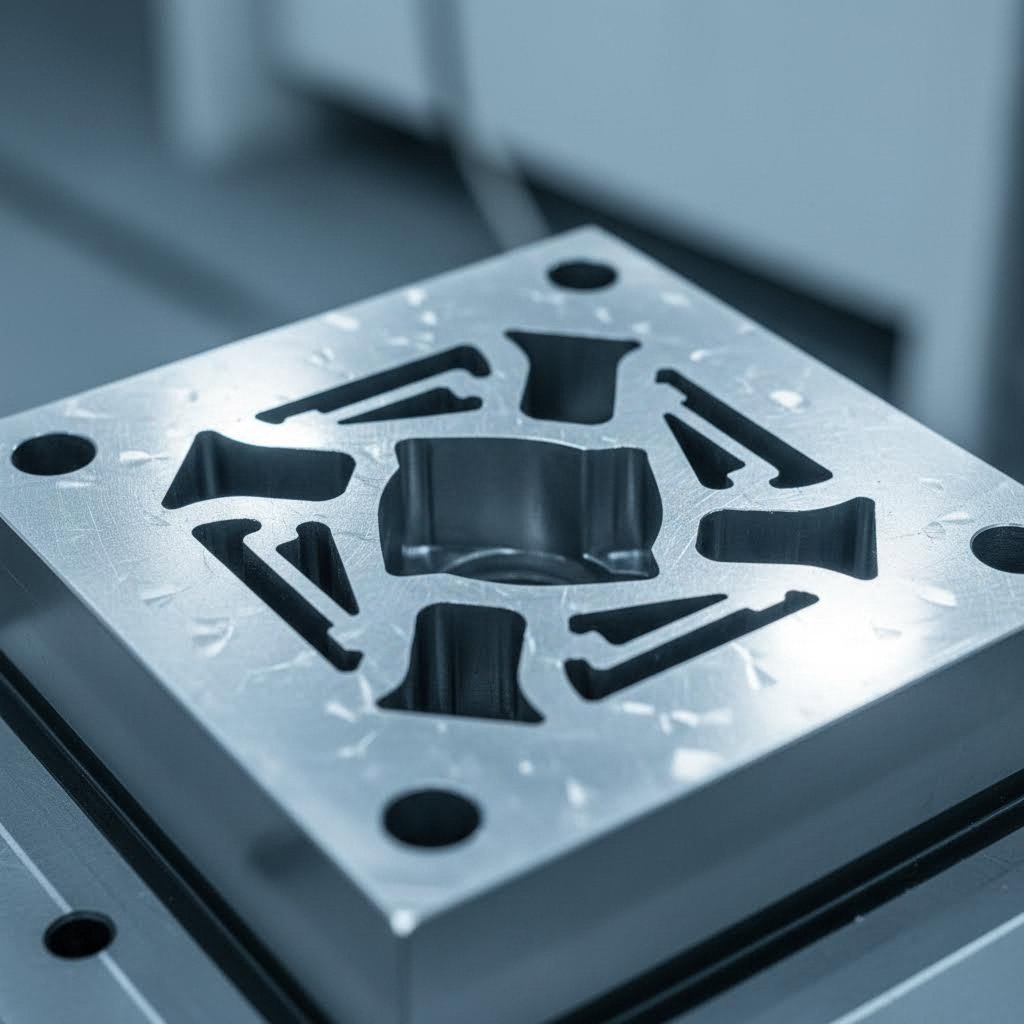
You've identified capable manufacturers and weighed domestic versus international trade-offs. Now comes the question that ultimately shapes every sourcing decision: what will this actually cost? Understanding the pricing components behind custom aluminum extrusion orders helps you budget accurately, compare quotes meaningfully, and identify opportunities to optimize your investment without sacrificing quality.
Here's something that surprises many first-time buyers: the price you pay for extruded aluminum profiles isn't a single number—it's a combination of several distinct cost elements. Each component responds to different variables, and understanding this breakdown gives you leverage when negotiating with aluminum extrusion supply partners.
Knowing where costs come from is just the first step—the real value lies in understanding how to optimize them. Contrary to what you might expect, searching for cheap aluminium extrusion rarely delivers the best overall value. Instead, strategic decisions during design and procurement phases yield more sustainable savings.
Design for Manufacturability
Your profile design directly influences production costs. Symmetrical extrusion profiles enable uniform material flow through dies, resulting in lower production expenses and fewer quality issues. Maintaining balanced wall thickness—avoiding ratios exceeding 2:1 between adjacent walls—improves dimensional control and reduces scrap rates. Sometimes breaking complex designs into simpler components that assemble together proves more cost-effective than producing a single intricate extrusion.
Consolidating Orders and Volume Leverage
If you're wondering where to buy aluminum extrusion for multiple projects, consider consolidating requirements with a single manufacturer. Combining several smaller orders into one larger purchase improves your volume pricing tier while reducing per-order administrative and logistics costs. For ongoing production needs, some manufacturers will lock in aluminum rates by purchasing metal in advance, protecting you from market fluctuations.
Establishing Long-Term Supplier Relationships
Wholesale aluminum extrusions pricing improves significantly when manufacturers view you as a long-term partner rather than a one-time buyer. Committed relationships often unlock preferential pricing, priority scheduling during capacity constraints, and more responsive engineering support. Manufacturers invest more in understanding your requirements when they anticipate ongoing business.
Requesting and Comparing Quotes Effectively
When soliciting quotes from multiple sources, ensure you're comparing equivalent specifications. Provide complete technical drawings with tolerances clearly noted, specify exact alloy and temper requirements, define surface finish expectations, and clarify packaging and shipping terms. Request itemized quotes that break out tooling, material, processing, finishing, and freight costs separately—this transparency reveals where each manufacturer's competitive advantages lie and prevents surprises when aluminum extrusion trim or other incidental items appear on final invoices.
Remember that the lowest quote doesn't always represent the best value. Factor in quality consistency, lead time reliability, and the hidden costs of managing problematic suppliers when making your final decision. With pricing fundamentals understood, selecting the right aluminum alloy for your application becomes the next critical consideration.
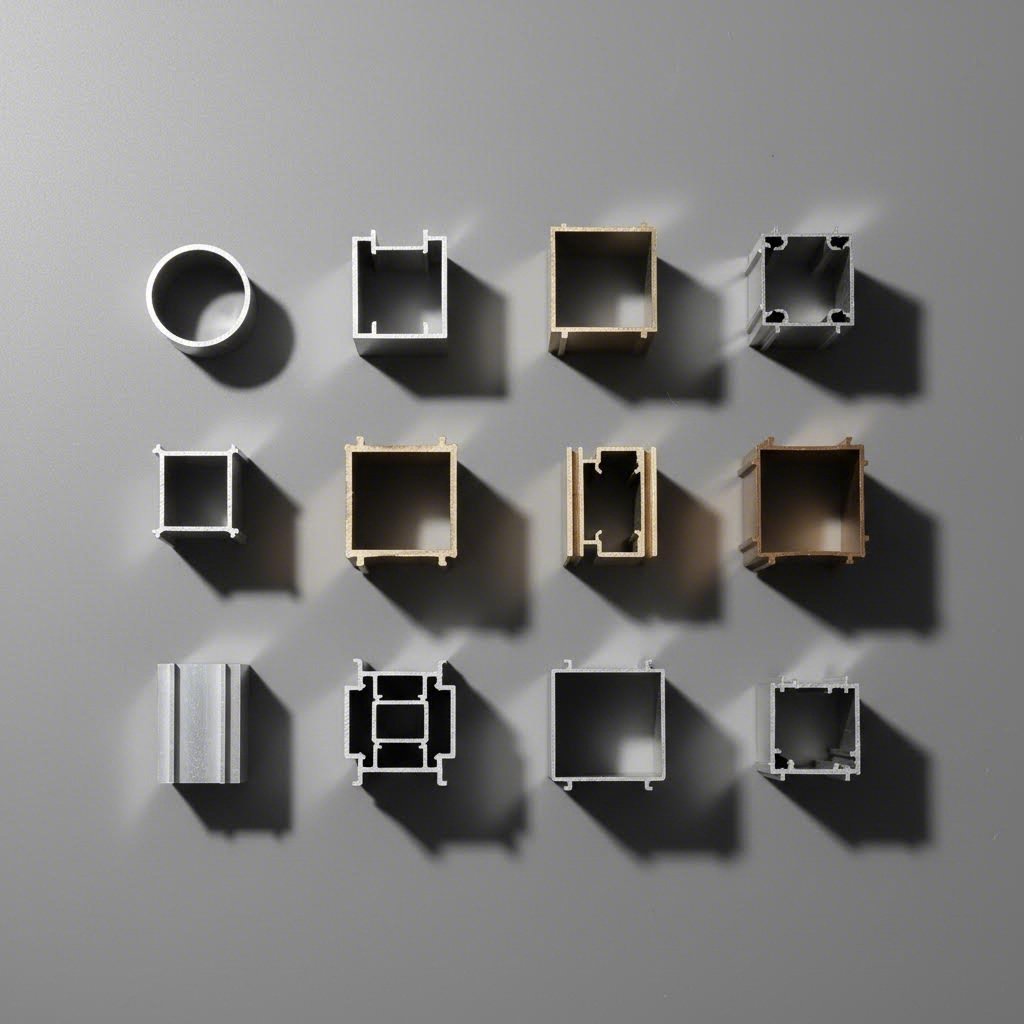
You've evaluated manufacturers, compared pricing structures, and understand the cost drivers behind your extrusion project. But here's a critical question that directly impacts your finished product's performance: which aluminum alloy should you specify? The material choice determines everything from structural strength to corrosion resistance, weldability, and even surface finish quality. Large aluminum extrusion manufacturers typically offer multiple alloy options—understanding the differences helps you match material properties to your application's real-world demands.
Aluminum extruded products aren't made from pure aluminum—they're produced from alloys combining aluminum with elements like magnesium, silicon, copper, and zinc. Each combination creates distinct mechanical and physical properties. According to industry specifications, approximately 85% of aluminum is utilized for wrought products like rolled plates, foils, and extrusions, with alloy selection being crucial for optimizing performance in final applications.
The 6xxx series dominates extrusion applications because these alloys offer an excellent balance of extrudability, strength, and corrosion resistance. Here's what you need to know about the most commonly specified aluminium extrusion profiles:
6063 Aluminum Alloy
Often called the "architectural alloy," 6063 is the most popular choice for aluminum profile production. It offers excellent extrudability—meaning it flows smoothly through complex die shapes—and responds beautifully to anodizing, producing consistent, high-quality finishes. You'll find 6063 in window frames, door frames, curtain walls, and decorative trim where surface appearance matters as much as structural performance.
6061 Aluminum Alloy
When your application demands higher strength, 6061 steps in. This alloy provides excellent joining characteristics, good acceptance of applied coatings, and notably better load-bearing capacity than 6063. Aerospace, marine, and structural applications frequently specify 6061 because it balances high strength with good workability.
6005 Aluminum Alloy
Think of 6005 as the middle ground between 6063 and 6082. It offers higher strength than 6063 with better extrusion characteristics than 6082, making it ideal for applications requiring more structural capability without sacrificing manufacturability. Rail profiles, tubing for furniture, and industrial framing commonly use this profile aluminum option.
6082 Aluminum Alloy
For structural applications demanding superior strength, 6082 delivers. It's commonly specified for bridges, cranes, and heavy-duty industrial equipment where mechanical performance takes priority over surface finish aesthetics.
7075 Aluminum Alloy
When maximum strength is non-negotiable, 7075 represents the peak performer among commercially available aluminum alloys. This alloy surpasses many mild steel grades in strength, making it highly sought after for aerospace aluminum extrusions and highly stressed structural parts. However, 7075 has lower corrosion resistance than 6xxx alloys and typically requires protective finishes.
Selecting the right alloy requires matching material characteristics to your application's specific demands. Use this comparison when evaluating extruded aluminum shapes for your project:
| Alloy | Tensile Strength (T6) | Corrosion Resistance | Weldability | Extrudability | Recommended Applications |
|---|---|---|---|---|---|
| 6063 | 240 MPa (35 ksi) | Excellent | Good | Excellent | Architectural profiles, window frames, decorative trim, thin-wall sections |
| 6061 | 310 MPa (45 ksi) | Excellent | Good | Good | Structural framing, aerospace components, marine applications, machine parts |
| 6005 | 270 MPa (39 ksi) | Excellent | Good | Very Good | Rail profiles, ladder components, industrial tubing, furniture framing |
| 6082 | 310 MPa (45 ksi) | Good | Fair | Moderate | Heavy structural applications, bridges, cranes, high-load components |
| 7075 | 570 MPa (83 ksi) | Lower | Fair | Moderate | Aerospace structures, high-stress parts, defense applications |
Understanding Temper Designations
Sounds complex? The temper designation following an alloy number tells you exactly how the material has been processed to achieve specific properties. According to Aluminum Association specifications, temper designations are alphanumeric codes appended to alloy designations that convey information about mechanical and thermal treatments applied to achieve desired properties.
Here are the temper designations you'll encounter most frequently:
The difference between tempers significantly impacts performance. For example, 6061-O (annealed condition) has a tensile strength around 125 MPa, while 6061-T6 reaches approximately 310 MPa—nearly 2.5 times stronger from the same base alloy.
Specialty Alloys and Custom Requirements
What if standard alloys don't meet your specific requirements? Large manufacturers with comprehensive metallurgical capabilities can accommodate custom alloy formulations for demanding applications. The 5xxx series alloys—containing magnesium rather than silicon—provide exceptional corrosion resistance for marine environments. The 2xxx series offers high strength for aerospace applications, though with reduced corrosion resistance requiring protective treatments.
Material Certification and Traceability
For safety-critical applications, material documentation becomes essential. ISO-compliant manufacturers maintain strict controls over chemical composition, with detailed documentation tracking every melt and cast from raw metal source to finished profile. This traceability—often referencing standards like ISO 209 for chemical composition verification—is a cornerstone of global quality management.
Request Mill Test Reports (MTRs) or Certificates of Analysis with each shipment. These documents verify chemical composition, mechanical properties from tensile testing per ISO 6892, and confirm the material meets your specified alloy and temper requirements. For aerospace and defense applications, full heat lot traceability from billet origin through final processing becomes mandatory.
With your alloy and temper requirements clearly defined, you're positioned to work effectively with manufacturers who can deliver consistent material performance. The final step involves establishing the partnership framework that ensures successful long-term collaboration.
You've evaluated capabilities, compared pricing, and selected the right alloy for your application. Now comes the step that determines whether your sourcing strategy succeeds or stumbles: building a productive relationship with your chosen custom aluminum extrusion manufacturers. The difference between a transactional supplier and a true manufacturing partner often defines project outcomes—especially for complex or ongoing production needs.
Imagine you've identified a promising supplier with the right press capacity and certifications. How do you move from initial inquiry to a partnership that delivers consistent results year after year? It starts with your very first communication—the Request for Quote (RFQ).
Crafting an Effective RFQ
A well-prepared RFQ does more than request pricing—it establishes your professionalism and helps suppliers understand exactly what you need. According to industry best practices, a detailed RFQ should include:
By providing comprehensive information from the start, you'll receive faster, more accurate quotes—and you'll immediately signal to top aluminum suppliers for custom products that you're a serious buyer worth prioritizing.
Why Technical Specifications Matter
Vague specifications create problems that ripple through entire projects. When your drawing says "anodized finish" without specifying thickness, color, or sealing requirements, you're inviting interpretation differences that may not match your expectations. Similarly, noting "tight tolerances" without numerical values leaves manufacturers guessing—and potentially bidding conservatively to cover uncertainty.
Clear specifications also protect you legally. When disputes arise over quality, documented requirements provide the baseline for resolution. Top aluminum extrusion manufacturing partners appreciate detailed specs because they reduce back-and-forth clarification cycles and prevent costly mid-production discoveries.
Communication Protocols That Work
Establishing clear communication channels early prevents misunderstandings that derail timelines. Identify your primary contacts on both sides—typically a project engineer for technical questions and an account manager for commercial matters. Agree on response time expectations, preferred communication methods, and escalation procedures for urgent issues.
Regular status updates become essential for ongoing production relationships. Weekly or bi-weekly check-ins keep both parties aligned on schedules, quality metrics, and upcoming requirements. When working with partner with aluminum extrusion suppliers across time zones, scheduled calls at mutually convenient times maintain relationship momentum.
Establishing Quality Agreements
Before production begins, formalize your quality expectations in writing. A solid quality agreement typically covers:
This documentation prevents the frustrating scenario where rejected parts become disputed territory. Both parties know the standards before metal ever flows through a die.
The most successful aluminum extrusion partnerships share one common trait: they're built on transparency, clear expectations, and mutual investment in problem-solving rather than blame assignment when challenges arise.
The Value of Integrated Capabilities
Here's where manufacturer selection directly impacts your ongoing experience. Working with custom aluminum extrusion suppliers offering end-to-end support—from die development through mass production and finishing—dramatically simplifies your supply chain. Instead of coordinating between separate die makers, extruders, machinists, and finishers, you have a single point of accountability.
Consider what comprehensive capabilities look like in practice. Shengxin Aluminium, with over 30 years of aluminum extrusion industry experience, exemplifies this integrated approach. Their facility houses 35 advanced extrusion presses ranging from 600T to 5500T, enabling production of everything from precision electronic housings to massive structural profiles. In-house CNC machining centers handle cutting, drilling, and bending to exact specifications, while surface treatment options including anodizing, powder coating, and PVDF finishes eliminate the need for third-party finishing vendors.
This consolidation delivers tangible benefits: shorter lead times because profiles don't travel between facilities, consistent quality because one team controls every process step, and simplified communication because your questions go to people who actually touch your product.
Ongoing Relationship Management
Successful partnerships require active cultivation beyond initial orders. Schedule periodic business reviews—quarterly works well for most relationships—to discuss performance metrics, upcoming projects, and continuous improvement opportunities. Share your product roadmaps when appropriate; manufacturers who understand your future direction can proactively suggest cost savings or capability investments that benefit both parties.
When problems occur—and they will occasionally—focus on root cause analysis rather than finger-pointing. Manufacturers who demonstrate genuine commitment to corrective action, even when issues aren't entirely their fault, prove their value as long-term partners. Conversely, suppliers who deflect responsibility or minimize concerns reveal their true priorities.
Protecting Your Investment
For custom aluminum products requiring proprietary die designs, clarify tooling ownership and storage terms upfront. Most manufacturers retain dies at their facilities for production convenience, but you should confirm:
These conversations feel awkward during the honeymoon phase of a new partnership, but they prevent painful disputes if circumstances change.
Making Your Final Decision
As you evaluate potential partners, remember that the right manufacturer brings more than equipment—they bring expertise, responsiveness, and genuine interest in your success. Top aluminum supply partners often provide Design for Manufacturability (DFM) feedback that improves your products while reducing costs. They offer engineering collaboration that catches problems before tooling investment. They maintain consistent communication through production challenges.
Whether you're sourcing your first custom extrusion or transitioning from an underperforming supplier, the principles remain consistent: communicate clearly, document expectations, verify capabilities, and invest in relationships that deliver value beyond the price sheet. The manufacturers who earn long-term partnerships are those who treat your success as inseparable from their own.
The largest aluminum extrusion companies globally include Hindalco (India, 20,000+ employees), Arconic (USA, 13,000+ employees), Kaiser (USA, 5,000+ employees), and Gulf Extrusions (UAE, 1,000+ employees). In the US specifically, top manufacturers include Universal Alloy Corp., Hydro Extrusion Portland, UACJ Automotive Whitehall Industries, and Bonnell Aluminum. When selecting a manufacturer, focus on their press tonnage capacity (3,000T+ for large-scale operations), production volume capabilities, and certifications like ISO 9001, IATF 16949, or AS9100 depending on your industry requirements.
The US aluminum extrusion market was valued at approximately 13.63 billion USD in 2024 and is projected to grow from 14.69 billion USD in 2025 to 31.04 billion USD by 2035, representing a compound annual growth rate (CAGR) of 7.77%. This growth is driven by increasing demand across construction, transportation, renewable energy, and industrial equipment sectors. Large aluminum extrusion manufacturers are particularly well-positioned to capitalize on this growth due to their ability to produce oversized structural profiles for curtain walls, rail car components, and solar mounting systems.
Large manufacturers are distinguished by press tonnage capacity (typically 3,000T to 6,000T or higher versus 500T to 2,500T for standard operations), maximum profile dimensions exceeding 800mm width, annual production capacity measured in tens of thousands of tons, and comprehensive facility infrastructure including extended cooling beds and downstream processing equipment. Companies like Shengxin Aluminium operate 35 extrusion presses ranging from 600T to 5500T, enabling production of everything from precision components to massive structural profiles with in-house CNC machining and multiple surface treatment options.
Key certifications include ISO 9001 for quality management systems, IATF 16949 for automotive applications requiring zero-defect manufacturing, and AS9100 for aerospace projects demanding the highest process control standards. Additional certifications like EN755-9/EN12020-2 confirm dimensional accuracy meets international specifications, while ISO 14001 and ISO 45001 indicate environmental and safety management. For products entering European markets, RoHS/REACH compliance is essential. Always request material certifications and traceability documentation with shipments.
Evaluate based on unit pricing (domestic typically 10-30% higher but offset by reduced logistics costs), lead times (4-8 weeks domestic versus 8-16 weeks international including shipping), quality consistency, communication ease, supply chain risk exposure, regulatory compliance (BABA requirements for government contracts), and IP protection. Many procurement teams now build diversified supplier networks, sourcing standard high-volume profiles internationally while reserving domestic capacity for custom extrusions requiring tight tolerances, rapid iteration, or compliance documentation.



 un service en ligne
 0086 136 3563 2360
 sales@sxalu.com
 +86 136 3563 2360
 français
 English
 Deutsch
 русский
 español
 português
 العربية
 ไทย
 Việt
 Українська