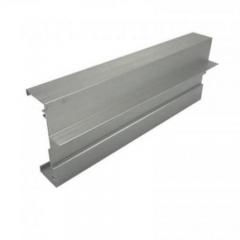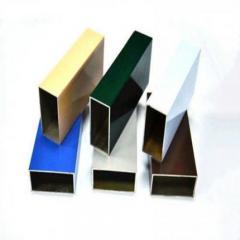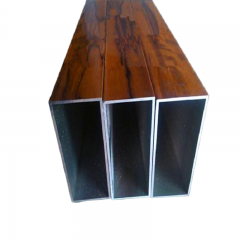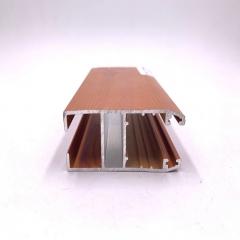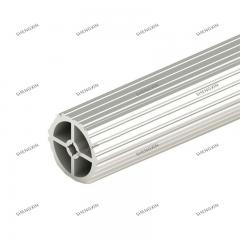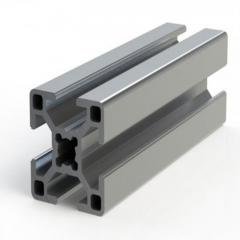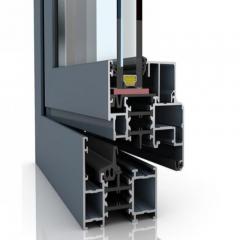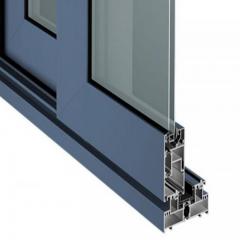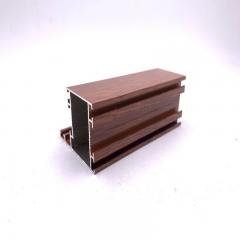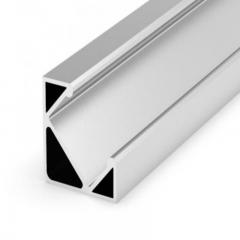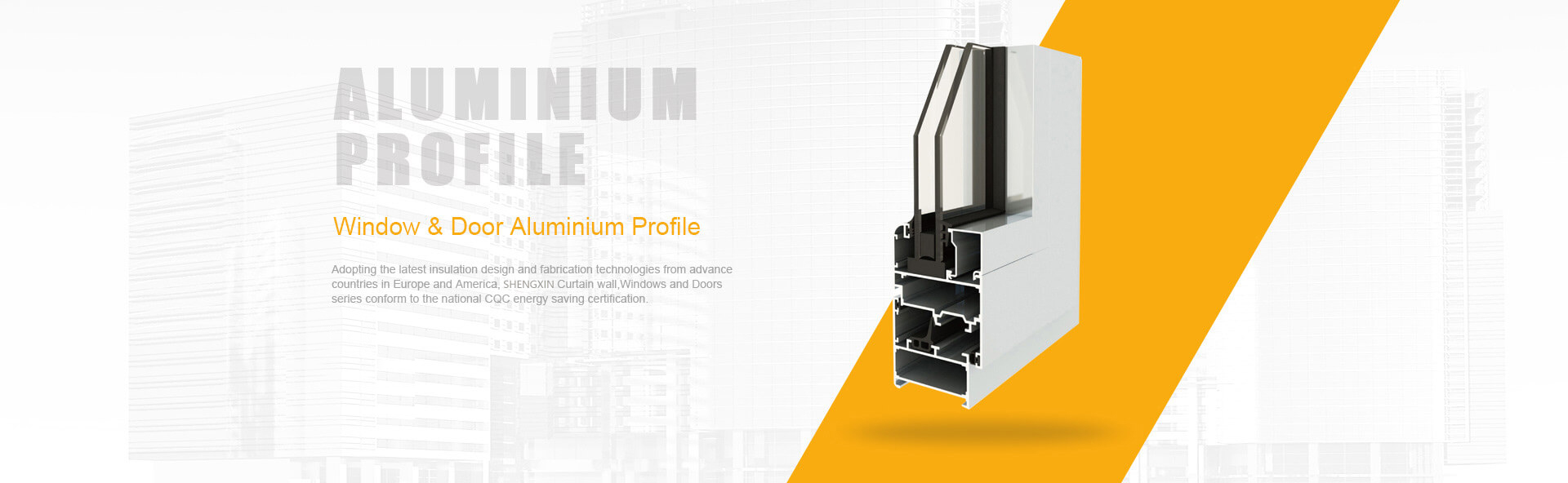
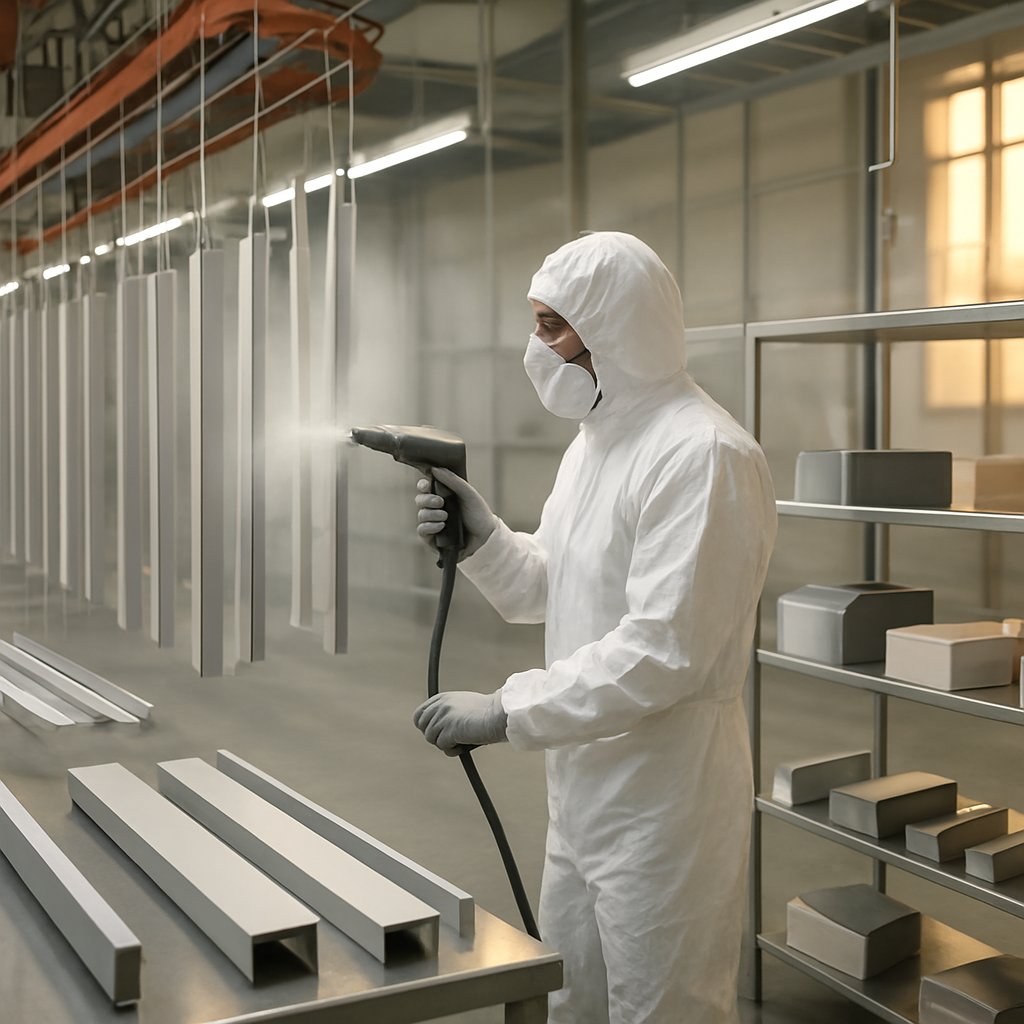
Powder coated aluminum is aluminum finished with a dry powder that is electrostatically sprayed onto the metal and then cured with heat. As the coating melts and flows, it forms a hard, continuous layer that is widely used on exterior and industrial products for added color, durability, and surface protection.
In plain language, powder coating aluminum is different from wet paint because it does not start as a liquid. Paint is sprayed on wet and hardens as solvents evaporate. Powder coating uses dry particles that cling to a grounded part through electrical charge, then bond into a finish during oven curing. That usually means a more durable surface with less risk of drips or sags than conventional paint, though it also requires dedicated equipment and controlled heat.
Aluminum is a popular substrate because it is naturally corrosion resistant and already has a clean, modern appearance. In many applications, it is also chosen where a lighter metal part is useful. A powder finish adds another layer of protection while giving designers more freedom with color and texture. That is why this finish is common on architectural parts, enclosures, signage, and everyday products such as a powder coated aluminum fence, a powder coated aluminum ladder, or powder coated aluminum furniture.
That balance is what makes aluminum powder coating worth understanding before you specify it. Process control, long-term performance, part design, finish comparisons, and defect diagnosis all shape the result, and the surface only performs as well as the steps used to create it.
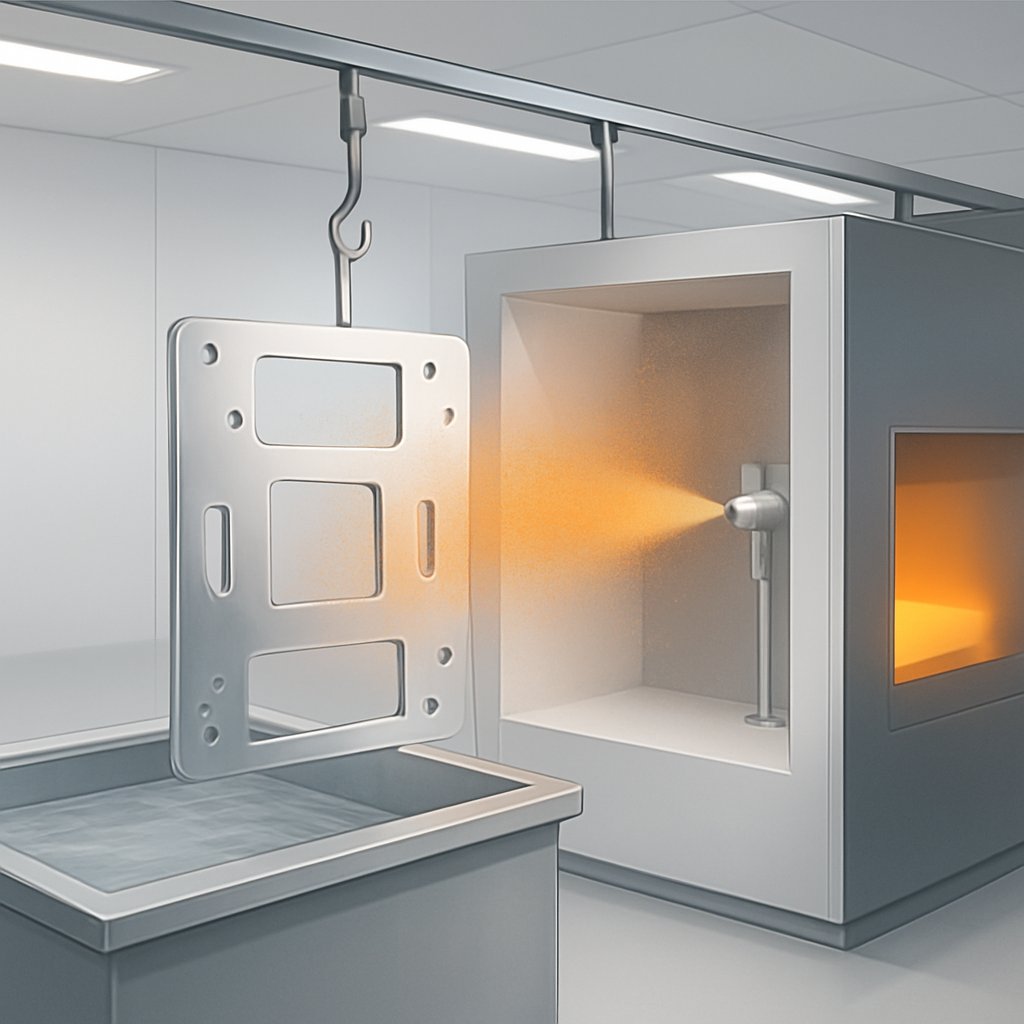
Can aluminum be powder coated? Yes, but aluminum usually rewards disciplined preparation and exposes shortcuts fast. If you need to powder coat aluminum, think of the process as surface cleaning first and color second. People searching for how to powder coat aluminum often focus on the spray gun and oven, yet the finish usually succeeds or fails before the powder is ever applied.
That is the practical answer to how do you powder coat aluminum. In some technical literature, you will also see the spelling powder coating aluminium, but the core process stays the same. What changes the outcome is how well the metal is cleaned, converted, dried, and matched to the right powder system. On aluminum, long-term performance usually begins below the color layer, in pretreatment chemistry and surface condition.
Two aluminum parts can leave the same line looking nearly identical and still age very differently. The reason usually sits below the color layer. For any coating for aluminum, pretreatment, drying control, and resin choice matter as much as the spray step itself. Among coatings on aluminum, powder systems are especially sensitive to what is left on the surface before curing.
Aluminum forms oxide quickly, and shop residue is often harder to see than it is to remove. QUALICOAT describes pretreatment as a sequence that cleans and etches the surface, then adds a very thin passivation or conversion layer that helps seal the metal and gives the finish a better key for adhesion. If oils, oxidation, or fabrication residue remain, the part may still look fine at first, but later problems can show up as peeling, blistering, or early corrosion.
| Pretreatment goal | Common risk when it is weak | Likely visual or durability problem |
|---|---|---|
| Remove oils, coolants, and shop soil | Residue blocks direct bonding | Poor adhesion, craters, uneven appearance |
| Reduce oxide and lightly etch the surface | Powder bonds to unstable contamination | Peeling, edge failure, inconsistent finish |
| Add a conversion or passivation layer | Less corrosion resistance and weaker key | Blistering, underfilm attack, shorter service life |
| Dry fully before spraying | Moisture or trapped chemistry remains | Staining, cure issues, localized defects |
That is why a good aluminum coating system is never just powder over bare metal. Modern chrome-free pretreatments are widely used, and QUALICOAT notes that they are engineered to deliver performance comparable to, or better than, older chromate-based approaches in many applications.
Not all coatings for aluminum are built for the same environment. Guidance on epoxy vs polyester consistently points to polyester for outdoor exposure, where UV stability and weathering matter more. Epoxy is often stronger for indoor chemical and wear resistance, but it is a poor fit for long-term sunlight. Hybrid systems sit in the middle for milder service, while super-durable polyester is often chosen when exterior color and gloss retention matter more.
Chemistry also shapes appearance. A smooth satin, a fine wrinkle, and other powder coated aluminum texture options can all perform well when matched to the job, but the finish may either hide or highlight surface variation depending on film build and lighting.
The final look of coated aluminum still depends on the metal underneath. Clean extrusions usually finish more uniformly than parts carrying coolant, chips, burrs, adhesive, or weld residue. The Wellste guide lists coolant, dust, chips, and poor hanger cleaning among common defect sources. Cast or heavily fabricated parts can also show more variation than cleaner extrusions because contamination and surface irregularity are harder to control. Even subtle alloy and texture differences can change gloss, feel, or color perception from one batch to another.
That is why well-specified coated aluminum is treated as a full system: substrate, pretreatment, powder chemistry, and process control working together. Outdoor durability makes that reality even more obvious, because sun, moisture, salt, and abrasion do not test the powder alone. They test the whole build.
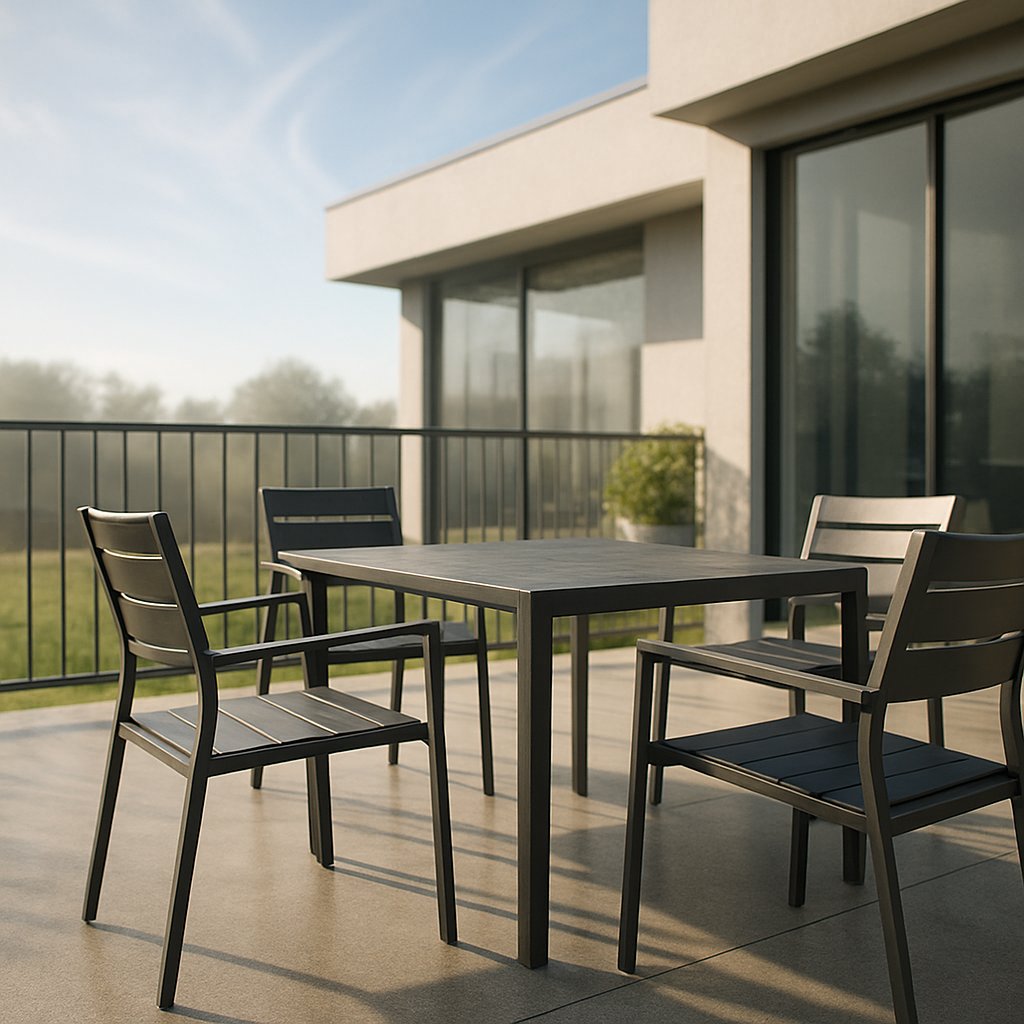
Buyers often ask, is powder coating durable enough for exterior aluminum. The honest answer is yes in many applications, but not as a fixed number. A lifespan guide for aluminum puts the range at about 5 to 30 years, depending on coating type, environmental exposure, surface preparation, and upkeep. That spread is wide because sun, humidity, salt, abrasion, and maintenance do not affect every part the same way.
It helps to break durability into evaluation categories instead of asking for one blanket promise. In architectural work, AAMA ratings are commonly used to describe rising exterior performance expectations for organic coatings. For everyday products such as powder coated aluminum patio furniture, railings, or powder coated aluminum outdoor furniture, the same thinking applies: match the finish to the real environment, not just the color card.
| Evaluation category | What it tells the buyer | Main variables | Where careful specification matters most |
|---|---|---|---|
| UV stability | How well color, gloss, and appearance hold in sunlight | Powder chemistry, color choice, climate, sun intensity | Facades, fencing, poolside pieces, high-sun regions |
| Corrosion resistance | How well the finish stays bonded and protects the metal | Pretreatment quality, coating continuity, damage, moisture | Exterior trim, railings, exposed fastener areas |
| Salt exposure | How the system handles coastal air or deicing conditions | Environment, pretreatment, resin type, cleaning frequency | Marine projects, roadsides, coastal furniture |
| Abrasion resistance | How the surface handles wear from touch and movement | Resin choice, texture, film build, frequency of contact | Handrails, seating, powder coated outdoor furniture |
| Chalking and fading | How quickly the finish loses visual appeal | UV exposure, powder type, maintenance, darker colors | Decorative exterior products where appearance matters |
| Film thickness | Whether there is enough protective build without appearance problems | Application control, part geometry, cure schedule | Edges, corners, large profiles, complex shapes |
Outdoor performance is a system result, not just a powder choice. Pretreatment, resin, film build, environment, and maintenance all shape service life.
Powder chemistry drives much of the result. Polyester is commonly used for moderate conditions. Epoxy offers strong chemical resistance, but it is not suited to prolonged UV exposure because it can chalk. Fluorocarbon systems are chosen for harsher exterior exposure because they offer stronger UV resistance and longer life in demanding environments. Humidity and salt can accelerate blistering or peeling when prep is weak, while repeated contact slowly wears high-touch areas.
Many shoppers type does aluminum outdoor furniture rust, but the more useful question is whether the entire finish system resists corrosion and stays intact after scratches, sun, and moisture.
Film build matters more than many buyers realize. The same thickness reference cites roughly 50 to 80 microns for polyester and 60 to 100 microns for fluorocarbon systems. Too little film can reduce protection. Too much can increase the risk of defects such as orange peel or cracking. Even products marketed as rust proof aluminum patio furniture still benefit from mild cleaning and periodic inspection, especially in salty or high-UV locations. And when durability changes from one edge to another, the issue is often tied to shape, corners, joints, and drainage as much as weather itself.
Many outdoor coating failures start in the drawing, not the booth. Coverage, cure, and appearance all change when a part has sharp corners, blind holes, seams, or hidden cavities. That matters whether you are specifying powder coated aluminum extrusions for framing or a powder coated aluminum railing for an exposed balcony.
A profile analysis notes that complex aluminum workpiece structure can reduce coating efficiency and make uniform spray harder, especially in recesses and internal corners. Simple, open shapes are easier to coat evenly. Large decorative faces can also make minor variation easier to see, so highly visible powder coated aluminum parts usually need tighter rack planning and spray control.
A sheet-metal design guide lists a typical powder film build of 60 to 120 μm. It recommends breaking sharp edges by at least 0.3 mm and oversizing coated holes or slots for fasteners by at least 0.15 mm. Those small allowances matter on powder coated aluminum sheet, powder coated aluminum cabinets, and powder coated aluminum windows, where tight fits can turn into scraping, poor closure, or exposed metal.
The same guide advises vent and drain holes in hollow sections, plus blended welds for better appearance. Rough welds, lap seams, and enclosed joints can trap air or process chemistry and show up later as visible defects. Masking guidance from Products Finishing also shows why threads, blind holes, studs, grounding points, and gasket lands should be reviewed before coating, not after.
Good design reduces surprises, but finish choice still involves tradeoffs. Appearance range, repairability, edge behavior, and service environment can shift the answer from powder to anodizing or liquid paint.
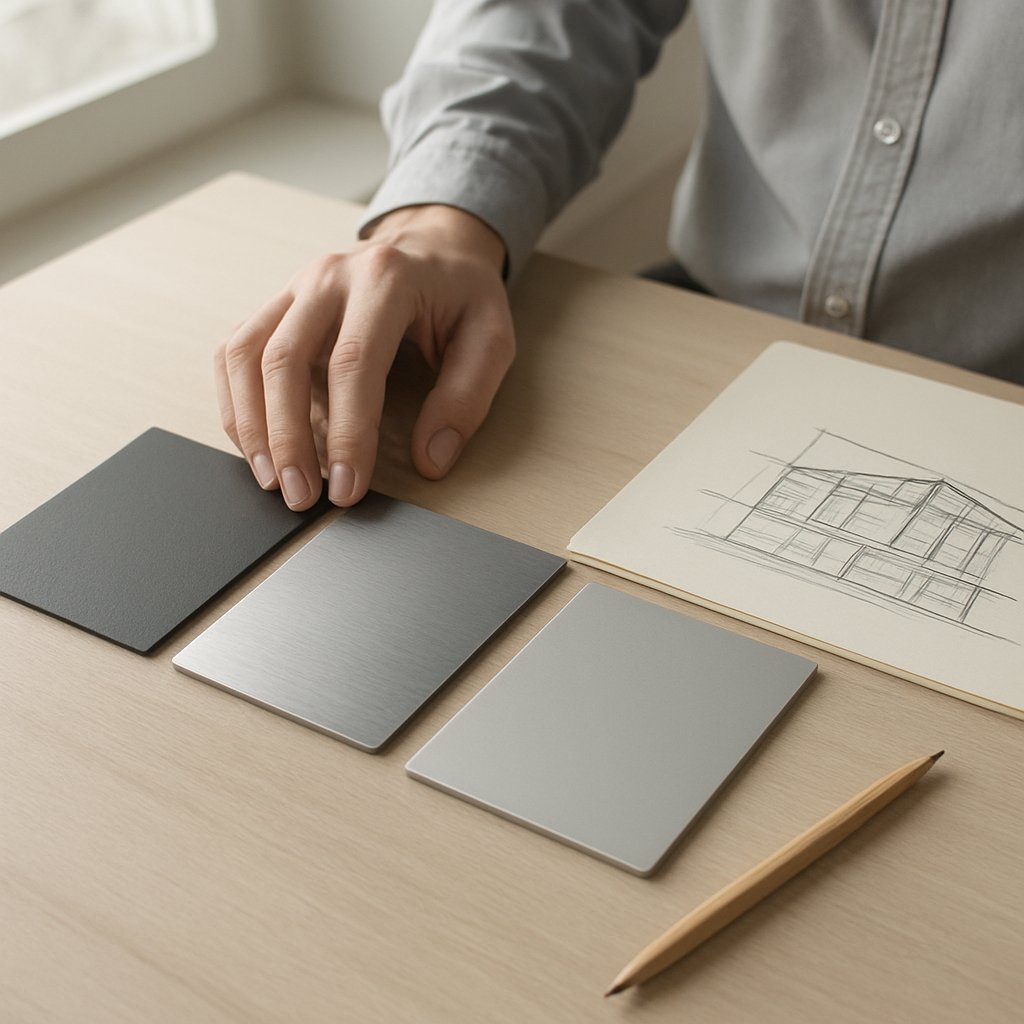
A railing, a storefront, and a sheet panel can all be aluminum, but they do not always need the same finish. When finishing aluminum, the better question is not which option is best in general. It is which finish best fits the part, the environment, and the maintenance plan. In most real-world comparisons, specifiers are weighing powder-coated aluminum, anodized aluminum, and liquid-painted aluminum because those three cover most common architectural and industrial choices.
Anodizing and powder coating protect the metal in very different ways. An anodized finish is an electrochemically grown oxide layer that becomes part of the aluminum itself. The SAF guide notes that anodizing will not peel or flake and is generally harder than organic finishes, which is why it is often favored in high-traffic areas. Powder coating, by contrast, adds a cured film on top of the surface. That gives wider color and texture flexibility and can provide strong weather and chemical resistance when pretreatment and resin choice are right.
People often ask, can you powder coat anodized aluminum. Keystone Koating says yes, but the anodized layer needs careful cleaning and sanding for adhesion, and combining both methods can reduce some of the value anodizing offers on its own.
| Comparison point | Powder coated aluminum | Anodized aluminum | Liquid-painted aluminum |
|---|---|---|---|
| Appearance range | Very wide color and texture options, but it hides the natural metallic look | Metallic, translucent appearance with a more limited palette | Broad color range and easier custom color matching in small runs |
| Durability | Tough finish, with performance tied to pretreatment and resin | Very hard, wear resistant, integral to the metal | Depends heavily on resin system and pretreatment |
| Corrosion behavior | Good barrier protection when the film stays continuous | Weather resistant, but acidic or extreme pH exposure can be a concern | High-performance systems can do very well in corrosive environments |
| Repairability | Spot repair is possible, but invisible matches are difficult | Damaged areas are not easy to repair locally | Easier to repaint in the field, though perfect matching is still unlikely |
| Maintenance | Needs routine cleaning to preserve appearance | Needs cleaning too, and some aged surfaces can be renewed by cleaning | Needs cleaning, and failed films usually require repainting |
| Edge coverage and recesses | Good on open shapes, but corners and recesses need process control | Generally reaches interior surfaces better than powder | Can be practical on complex shapes and for field-applied work |
| Touch-up reality | Factory finish is hard to duplicate onsite | Touch-up options are very limited | Most touch-up friendly of the three, but aging can differ from the original coat |
| Ideal use cases | Colored railings, enclosures, furniture, and many fabricated parts | Storefronts, handrails, and surfaces needing metallic character and abrasion resistance | Curtainwall, roofing, small custom color runs, and repaint-oriented programs |
Liquid paint still has a strong case when batch size is small, colors change often, or field repair matters. The SAF guide explains that powders are often supplied in larger batches, while liquid coatings are easier to mix and match in smaller quantities. That flexibility matters for custom façades, refurbishment work, or matching older painted aluminum patio furniture. It also helps explain why some maintenance teams still reach for outdoor aluminum furniture paint when they need an onsite refresh instead of a factory-baked finish.
There is another practical detail here. SAF notes that powder and liquid versions made from the same resin and pigment can have very similar performance. In other words, the gap is not always about chemistry alone. Application method, batch flexibility, and repair strategy often decide the outcome. For flat sheet products, coil-coated or pre-painted aluminum may be the smarter factory option because the sheet is finished before fabrication.
Use anodizing when you want metallic character and strong abrasion resistance. Choose powder when you want factory-applied color, texture, and a low-VOC process with the right part geometry. Choose liquid paint when color flexibility, small runs, or easier field maintenance carry more weight. Across all aluminum coatings, the right answer depends on environment, appearance goals, substrate form, and whether touch-up convenience matters later. That is why finish selection and process control are hard to separate. The same tradeoffs that shape appearance on day one often explain the defects that show up later.
Defects rarely appear at random. A flawed powder coating finish usually points back to one of three places: prep, application, or curing. That breakdown is consistent with guidance from Canadian Metalworking, which also notes that the same defect can hurt both appearance and protection. Aluminum adds its own twist. Clean extrusions are often more predictable, while fabricated parts and castings can carry weld residue, contamination, porosity, or trapped gas that show up later as visible flaws.
| Symptom | Likely causes | What stage to review | Practical prevention ideas |
|---|---|---|---|
| Orange peel | Poor grounding, uneven film thickness, inconsistent spray settings | Application | Improve grounding, keep film build consistent, verify spray setup |
| Poor adhesion | Oil, grease, oxidation, other contaminants, excessive edge build, improper curing | Surface prep and curing | Clean thoroughly, remove residue, confirm cure schedule and edge thickness |
| Outgassing | Porous substrate, trapped gas, oxidation, contamination, excessive cure temperature | Substrate review and curing | Pre-bake porous parts, especially castings, and control cure conditions |
| Pinholing | Contamination, entrapped air, moisture in the powder or part | Prep, drying, and application | Dry parts fully, protect powder from moisture, inspect porous areas closely |
| Edge pullback or picture-framing | Uneven application, excessive buildup at edges, low viscosity during curing | Application and curing | Avoid heavy edge loading and verify cure settings |
| Uneven coverage | Incorrect gun-to-part distance, inconsistent film build, contamination in the booth | Application | Stabilize spray technique, keep the booth clean, check coverage on complex shapes |
| Blistering | Poor surface preparation, trapped moisture, trapped gas below the film | Prep and curing | Improve cleaning and drying, and use a bake-out on porous castings when needed |
| Appearance variation on fabricated or cast parts | Weld residue, surface variation, porosity, inconsistent cure, uneven thickness | All stages, especially prep and curing | Separate part types, clean fabricated areas carefully, and monitor oven consistency |
Inspection should look beyond color and gloss. On powder coated aluminum, continuity matters too. Check edges, corners, holes, welded zones, and hidden surfaces where film can thin out or chemistry can linger. For powder coating cast aluminum, watch thicker sections and complex shapes even more closely. A bake-out cycle is often used before coating because trapped gas in die castings can expand during cure and create bubbles, pinholes, or blisters.
This is why surface failure can be misleading in the field. If you are researching how to refinish aluminum patio furniture, what looks like simple wear may actually be adhesion loss or blistering from an earlier prep problem. The same goes for oxidized patio furniture. If the old finish is already lifting, recoating over it will not solve the root cause. And when people consider painting cast aluminum outdoor furniture, the casting itself may still need cleaning, drying, and sometimes degassing before any new finish goes on.
That root-cause approach saves time because simply spraying more powder over a bad surface usually repeats the defect. When the same problem keeps coming back, the real fix often belongs in the purchase requirements: substrate type, pretreatment expectations, cure verification, and inspection limits should all be defined before the next batch is coated.
Many coating defects start long before the line. If a purchase order only says "black powder coat," the coater still has to guess the environment, pretreatment level, inspection standard, and warranty target. In aluminium surface finishing, that guesswork is where expensive problems begin. A better spec turns powder coated aluminium from a color choice into a defined performance system.
Not all aluminum powder coating services are built for the same jobs. Some are best for small fabricated parts. Others are better suited to architectural systems or custom extrusion programs.
| Supplier type | Best fit | What to verify |
|---|---|---|
| Shengxin Aluminum | Custom architectural and industrial extrusions, including large or complex profiles | Press capacity, profile size limits, pretreatment route, coating QA, and color approval process |
| Accredited architectural powder coater | Projects needing documented application quality and warranty alignment | Accreditation status, approved systems, and project-specific inspection records |
| General local job shop | Small batches, simpler parts, or fast local turnaround | Actual aluminum experience, masking control, and batch-to-batch consistency |
Large curtain wall members, long trims, and coordinated facade packages often need more than basic coating capacity. For example, Shengxin Aluminum presents itself as a fit for custom extrusion work, with 30 years of manufacturing experience and extruders up to 5500T for large profiles. That can matter when the scope includes repeatability across a wider aluminium powder coating package, not just one-off parts. The same thinking applies when powder coated aluminium must visually align across extrusions, flashings, and related sheet components. Clear specs, approved samples, and realistic inspection limits usually protect service life better than any broad durability claim.
Yes. Aluminum is one of the most common metals used for powder coating because it is lightweight, naturally corrosion resistant, and well suited to architectural, industrial, and outdoor products. The key is proper cleaning and pretreatment, since aluminum can hold oils, oxide, and fabrication residue that are easy to miss but can weaken adhesion.
Outdoor life is not a fixed number. It can range from several years to decades depending on sun exposure, salt, humidity, powder chemistry, pretreatment quality, color choice, and routine cleaning. A well-specified system usually lasts much longer than a finish chosen by color alone, especially in coastal or high-UV settings.
Neither finish is automatically better. Powder coating is often chosen when you want a wide color range, texture options, and a durable factory-applied film. Anodizing is often preferred when the project needs a metallic look and a hard surface that becomes part of the aluminum itself. The right choice depends on appearance goals, environment, part shape, and how repairs will be handled later.
Yes, but it should not be treated like raw aluminum. The anodized surface usually needs careful preparation so the new coating can anchor properly. If prep is rushed, the finish may look acceptable at first but perform poorly over time, which is why many coaters review the existing surface condition before accepting the part.
At minimum, confirm the service environment, aluminum form, finish color and texture, pretreatment expectations, inspection criteria, and any durability standard the project requires. For large or complex extrusions, it also helps to verify line capability, profile handling, and batch consistency. Suppliers such as Shengxin Aluminum may be a strong fit when a project needs custom aluminum extrusions, larger profiles, and coordinated powder coating under one manufacturing program.



 un service en ligne
 0086 136 3563 2360
 sales@sxalu.com
 +86 136 3563 2360
 français
 English
 Deutsch
 русский
 español
 português
 العربية
 ไทย
ไทย Việt
Việt Українська