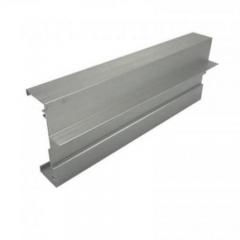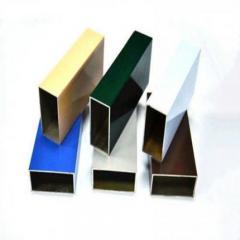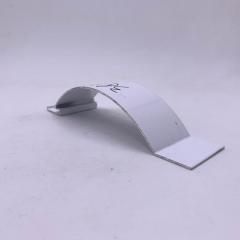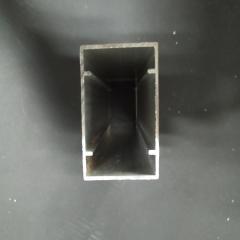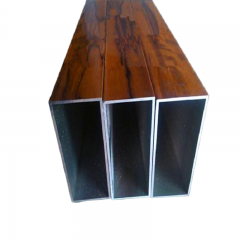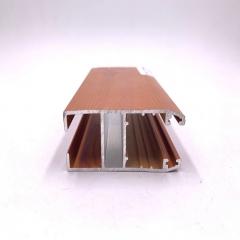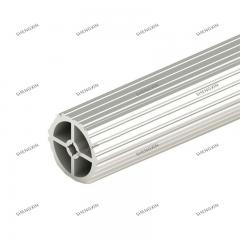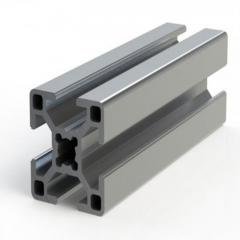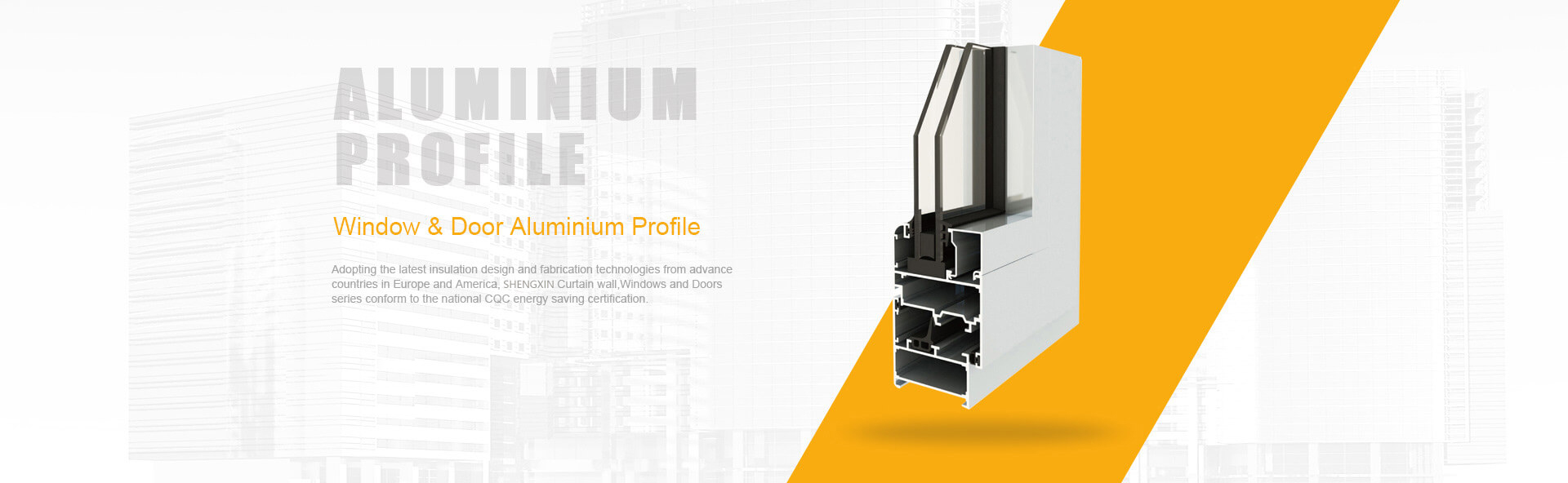
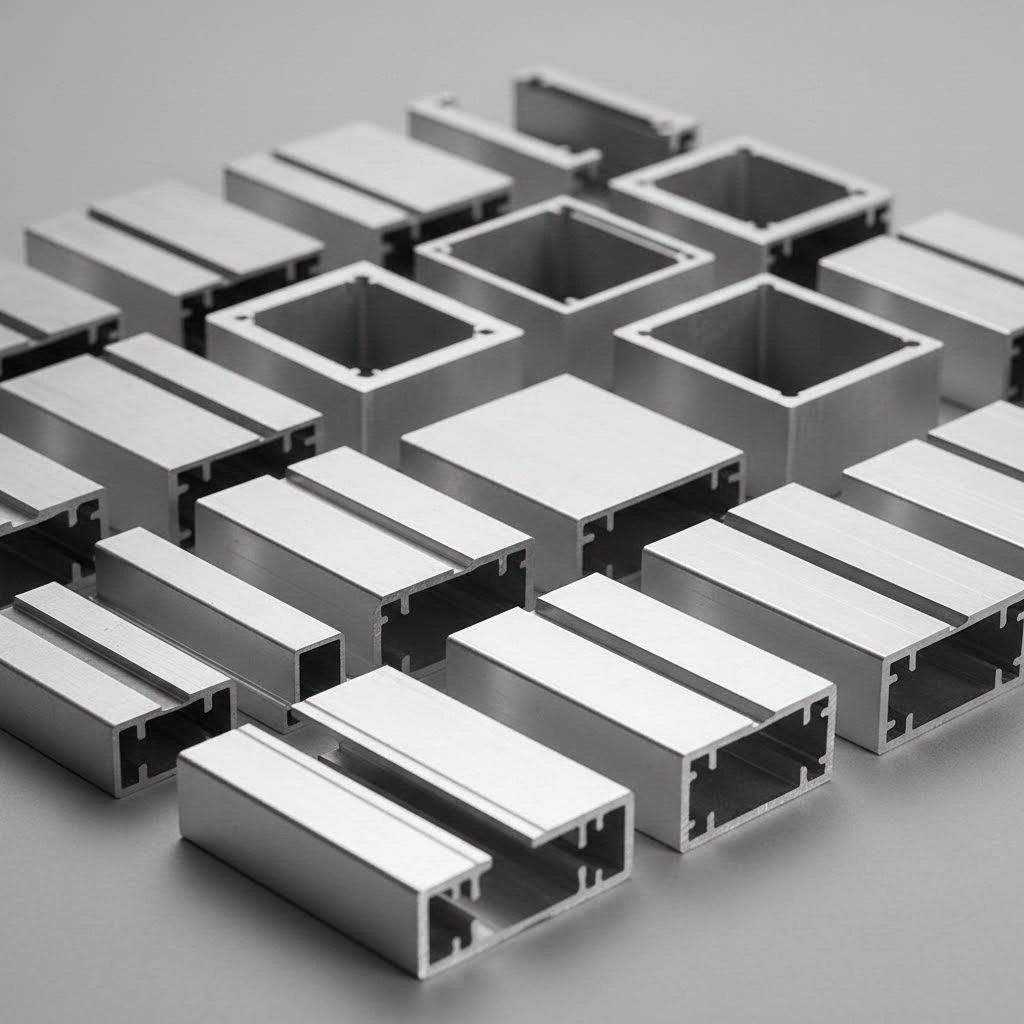
Ever wondered how manufacturers create those sleek aluminum frames, channels, and profiles you see everywhere—from 3D printer builds to industrial machine frames? The answer lies in aluminum extrusion, a remarkably efficient process that transforms raw aluminum into precisely shaped profiles. When you source these components strategically, you unlock significant cost savings without sacrificing quality.
Low cost aluminum extrusion refers to obtaining quality extruded aluminum profiles at competitive prices through smart sourcing, appropriate material selection, and optimized ordering strategies. Whether you're a manufacturer looking to reduce production overhead, a builder designing custom structures, or a DIY enthusiast tackling your next project, understanding how to find affordable aluminum material for sale can dramatically impact your bottom line.
Compared to other metals and fabrication methods, the extrusion of aluminium stands out as remarkably cost-effective. The tooling required—a hardened steel die with your profile cut into it—typically costs between $500 and $5,000, a fraction of what casting or injection molding tools demand. This lower barrier to entry means even smaller buyers and hobbyists can access custom aluminum extrusion profiles without breaking the bank.
Additionally, extrusion creates near-net-shape parts, meaning the process uses only the material required for your profile. This efficiency can reduce material waste by 50% or more compared to CNC machining from solid blocks.
The basic process is surprisingly straightforward. A cylindrical aluminum billet gets preheated to around 400-500°C—hot enough to become malleable but not molten. A hydraulic ram then pushes this softened metal through a shaped die opening, and the extruded aluminum emerges fully formed with your desired cross-section.
This simplicity translates directly to affordability. Die production takes just 3-6 weeks, and once created, the same die can produce thousands of identical profiles. The result? Cheap aluminum solutions that don't compromise on precision or structural integrity.
Throughout this guide, you'll discover:

When you're shopping for aluminum extrusions, you'll quickly notice that prices vary dramatically—sometimes by 50% or more for seemingly similar products. What drives these differences? Understanding the core pricing factors empowers you to make smarter purchasing decisions and identify where you can genuinely save money versus where cutting corners might backfire.
Imagine pushing soft aluminum through a cookie cutter. A simple circle or rectangle slides through easily, while an intricate snowflake design requires much more precision and force. The same principle applies to aluminum extrusion profiles.
Simple extruded aluminum shapes—rectangular tubes, solid bars, and basic angles—use straightforward dies that cost less to manufacture. According to industry data, tool costs for standard architectural and industrial dies typically range from $400 to $1,000. However, larger or more complex profiles requiring 2,000-4,000 ton presses can push die costs as high as $2,000 or more.
Here's what influences die pricing:
The good news? Many manufacturers refund tool costs if you purchase a stipulated quantity within two years, and most won't charge for replacement dies as long as orders continue.
Not all aluminum is created equal—and neither are the prices. The two most common alloys for extrusion are 6061 and 6063, and your choice significantly impacts both aluminum extrusion cost and performance characteristics.
6063 aluminum is the go-to choice for architectural applications. It extrudes beautifully, produces smooth surface finishes, and offers excellent corrosion resistance. With an average cost of $3.2–$4.0 per kilogram, it's the more economical option for window frames, curtain walls, and decorative profiles.
6061 aluminum delivers higher strength and better machinability, making it ideal for structural frames and load-bearing applications. Expect to pay slightly more—around $3.5–$4.5 per kilogram—for this versatile workhorse alloy.
When evaluating extruded aluminum sizes and grades, consider your actual requirements. Many buyers over-specify 6061 when 6063 would perform perfectly well, paying a premium for strength they'll never utilize.
The T-slot sizing system—10, 15, 20, 30, 40, and 45 series—represents the nominal width in millimeters. A 2020 aluminum extrusion, for instance, measures approximately 20mm x 20mm, while 1010 aluminum extrusion profiles come in at a compact 10mm x 10mm.
Which series offers the best value? It depends entirely on your application:
| Profile Type | Relative Cost | Die Investment | Best For |
|---|---|---|---|
| Standard shapes (tubes, angles, channels) | Low ($) | Minimal or none | Basic structural needs, trim work |
| T-slot profiles (20-30 series) | Medium ($$) | Usually stock dies | Modular framing, workstations, DIY projects |
| T-slot profiles (40-45 series) | Medium-High ($$$) | Stock or custom dies | Heavy machinery, industrial automation |
| Custom extrusions | Variable ($$-$$$$) | $400–$2,000+ new die | Unique applications, proprietary designs |
Here's where many buyers get caught off guard: minimum order quantities (MOQs) can dramatically shift your per-unit pricing. Order 10 meters of a custom aluminum extrusion profile, and you're paying a premium because die costs get spread across minimal production. Order 1,000 meters of the same profile, and your per-unit cost plummets.
The math is straightforward. If a custom die costs $800 and you order 100 meters, that's $8 per meter just for tooling—before material and processing costs. Order 1,000 meters, and tooling drops to $0.80 per meter. This is precisely why stock aluminum extrusions often make more economic sense for smaller projects.
For buyers navigating these decisions, the key is matching your volume to the right sourcing strategy—a topic that leads directly into comparing domestic versus international options.
So you've identified the profile you need and understand the pricing factors—now comes the critical question: where should you actually buy aluminum extrusion? The answer isn't as simple as comparing unit prices on a spreadsheet. Your choice between domestic suppliers and international manufacturers involves tradeoffs that can either save thousands or create costly headaches down the road.
Working with US-based aluminium extrusion suppliers delivers benefits that extend well beyond patriotic sentiment. When timing matters—and it usually does—domestic sourcing wins convincingly.
Consider the numbers: domestic extruders typically turn around dies and production runs in three to eight weeks once material is booked. For repeat orders with existing dies, lead times can shrink to just two weeks from order to delivery. Compare that to ocean freight from Asia, which averages 32 days to the West Coast or 52 days to the East Coast—before you factor in customs clearance and local transport.
Domestic suppliers also excel at:
For anyone wondering where to buy extruded aluminum for custom or time-sensitive projects, the domestic route often delivers the best total value despite higher quoted unit prices.
That said, overseas manufacturers still hold a legitimate place in your sourcing toolkit. When your demand is steady, high-volume, and price-sensitive, importing extruded aluminium can deliver meaningful savings—provided you understand the full cost picture.
International sourcing typically makes financial sense when:
However, those attractive unit prices can evaporate quickly once you add hidden costs. According to industry analysis, the true cost equation looks like this:
Total Landed Cost = Ex-works price + Freight + Duties + Tariffs + Compliance + Carrying Cost + Risk Buffer
Here's the reality check: an eight-week ocean transit that forces you to carry two extra months of inventory at an 18% annual carrying cost can completely erase a 5-8% price advantage. Add current tariff volatility—with some aluminum imports facing 50-100% duties—and the math shifts dramatically.
Quality consistency presents another consideration. While established overseas facilities can match domestic quality on large, repeatable orders, they typically lack the fast iteration pace that smaller US runs offer. If you're searching for aluminium extrusions for sale at the lowest possible price, verify that "cheap" doesn't mean "cheapest total cost of ownership."
Whether sourcing domestically or internationally, supplier verification protects your investment. Before committing to any order—especially with an unfamiliar vendor—ask these essential questions:
Reputable suppliers welcome these questions—they demonstrate that you're a serious buyer who values quality partnerships.
A growing trend worth noting: factory-direct pricing models that eliminate middleman markups are reshaping how buyers access the aluminum extrusion supply chain. Rather than purchasing through distributors who add 15-30% margins, many manufacturers now sell directly to end users.
This approach works particularly well for buyers who can handle slightly larger minimum orders in exchange for substantially better per-unit pricing. If you're evaluating where to buy aluminum extrusion for ongoing projects, building a direct relationship with a capable manufacturer often delivers the best long-term value.
Understanding these sourcing dynamics positions you to make smarter decisions—but source selection is only half the equation. Next, we'll explore the specific T-slot systems and budget-friendly alternatives that can maximize your project's value.
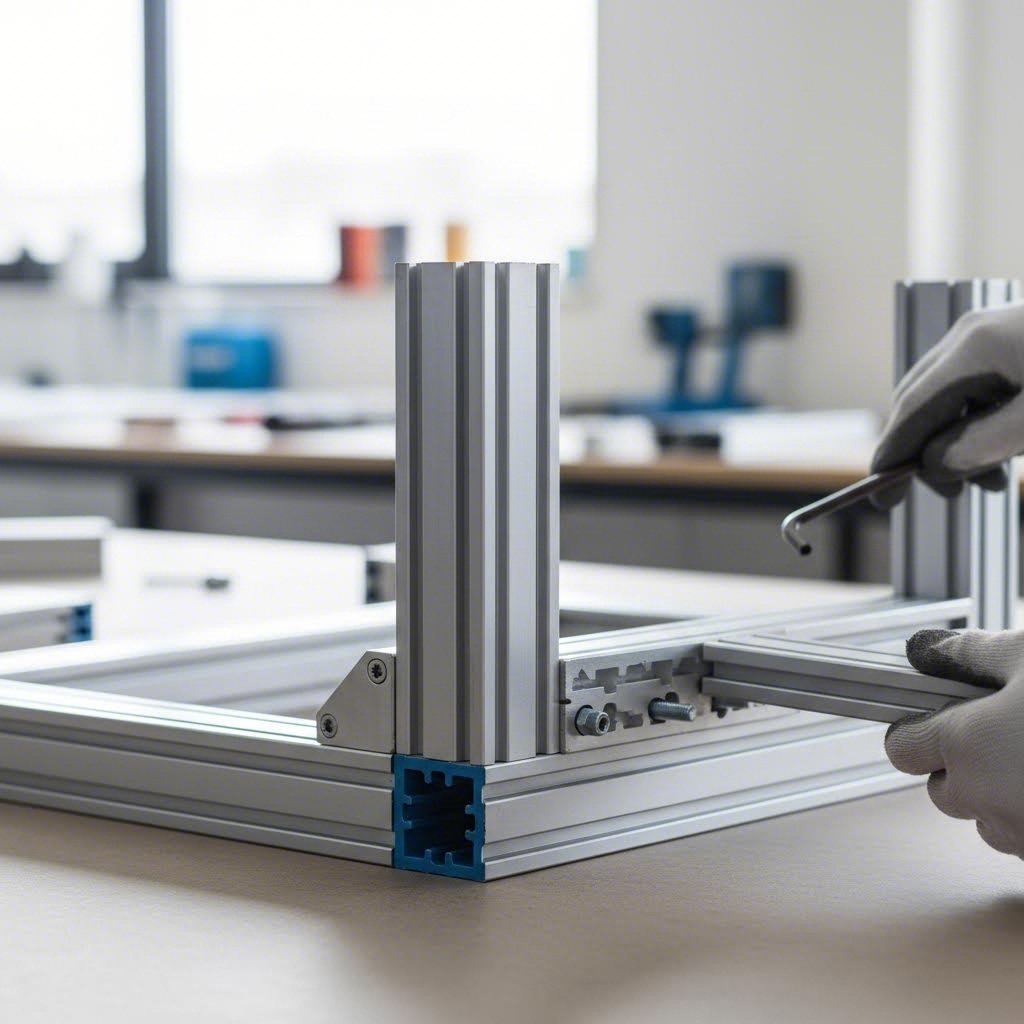
You've identified your sourcing strategy—now it's time to choose the right aluminum t slot system for your specific application. With dozens of profile sizes and multiple brands competing for your attention, how do you select a system that delivers adequate strength without overspending? The answer starts with understanding what those cryptic numbers actually mean.
When you see designations like "2020 extrusion" or "4040 profile," you're looking at a simple naming convention: the numbers represent the profile's cross-sectional dimensions in millimeters. A 2020 aluminum extrusion measures approximately 20mm x 20mm, while a 4060 profile spans 40mm x 60mm.
This sizing system extends across the entire t slotted aluminum extrusions family:
Here's the critical insight: doubling the profile dimension doesn't just double the strength—it increases the moment of inertia (stiffness) by more than tenfold. This means a 4040 profile resists bending dramatically better than a 2020, which explains why profile selection matters so much for structural applications.
You've probably heard "80 20 t slot aluminum" used almost interchangeably with T-slot framing—much like "Kleenex" for tissues. The 80/20 brand pioneered this modular framing concept and maintains a reputation for premium quality and tight tolerances.
But here's what many buyers don't realize: numerous manufacturers now produce compatible profiles at significantly lower price points. Generic alternatives typically cost 30-50% less than name-brand equivalents while offering identical functionality for most applications.
When does premium justify the price difference?
For DIY projects, workbenches, display fixtures, and general t slot framing applications, generic profiles perform equally well. The aluminum alloy (typically 6063-T5 or 6063-T6) remains functionally identical regardless of branding.
Selecting the optimal profile involves balancing structural requirements against cost constraints. Over-engineering wastes money; under-engineering creates safety risks. Use this comparison to guide your decision:
| Profile Series | Typical Applications | Relative Cost | Load Capacity | Best Value When... |
|---|---|---|---|---|
| 1010 | Electronics housings, cable management, small enclosures | $ (Lowest) | Light duty only | Weight and space are critical constraints |
| 2020 | 3D printers, small CNC frames, display fixtures, prototypes | $$ | Moderate (suitable for most hobbyist needs) | Building compact machines or learning projects |
| 2080 | Workstation legs, linear motion bases, medium conveyor frames | $$$ | High in one axis | You need rigidity in a specific direction |
| 4040/4060 | Industrial workbenches, automation equipment, safety guarding | $$$$ | High (handles substantial loads) | Professional or commercial installations |
| 8080 | Heavy machinery bases, large gantries, structural supports | $$$$$ (Highest) | Very high | Maximum strength is non-negotiable |
Notice the 2080 aluminum extrusion in the middle of this table? This rectangular profile offers an intelligent compromise—substantial rigidity in one direction at a lower cost than square 4040 profiles. When loads primarily stress your structure in a single plane, rectangular profiles deliver more value than oversized square sections.
Here's where many project budgets derail: aluminum extrusion t slot profiles are just the skeleton. The complete assembly requires brackets, fasteners, T-nuts, corner connectors, end caps, and often panels or guards.
Consider a typical workstation build:
Industry experience suggests that accessories often represent 30-50% of total project cost—sometimes more than the profiles themselves. This reality makes it essential to price complete assemblies, not just the extrusions.
Budget-conscious builders can reduce accessory costs by:
The most cost-effective approach? Match your profile selection precisely to actual requirements—no more, no less. A 3D printer frame built from 4040 profiles wastes money on unnecessary strength. Conversely, a safety guard around moving machinery built from 1010 profiles creates liability.
According to comparative analysis, 2020 profiles suit prototyping and light structural needs, 4040 handles medium industrial loads, and 8020 profiles address heavy machinery requirements. Mixing series within a single project—using heavier profiles for base supports and lighter ones for upper framing—often delivers the best balance of strength and economy.
With your profile selection strategy clarified, the next consideration becomes equally important: how do you verify that the affordable extrusions you're sourcing actually meet quality standards worth paying for?
You've found a supplier offering extruded aluminum profiles at prices that seem too good to pass up. But here's the question that separates savvy buyers from those who learn expensive lessons: how do you know whether those budget-friendly extrusions will actually perform when it matters? The cheapest quote rarely equals the lowest total cost—and understanding where quality truly impacts value versus where you can safely economize is the key to smart sourcing.
When evaluating aluminum extruded products, certain quality factors directly affect whether your finished project succeeds or fails. Cutting corners on these specifications often costs more in rework, replacement, and frustration than the initial savings ever justified.
Dimensional tolerances represent the first critical checkpoint. Standard aluminum extrusion profiles should conform to established industry standards like EN 755-9 or equivalent specifications. For structural aluminum extrusions, even small deviations compound across assemblies—a profile that's 0.5mm off specification might seem acceptable until you're trying to align 20 pieces in a frame and nothing fits properly.
Surface finish consistency matters more than many buyers initially realize. According to supplier capability assessments, surface roughness should measure below Ra 1.6μm for parts requiring subsequent machining. Inconsistent finishes indicate process control problems that likely extend to other quality dimensions.
Alloy certification provides your assurance that you're receiving what you ordered. Reputable suppliers provide material certifications (EN10204 3.1/3.2) documenting the actual alloy composition. Without this documentation, you're trusting that the stock aluminum extrusions you received match the 6061-T6 or 6063-T5 specification you ordered—a trust that occasionally proves misplaced.
Straightness specifications determine how well profiles align in assembled structures. Aluminum extrusion hardware and framing systems depend on straight profiles to function correctly. Bowed or twisted extrusions create gaps, stress points, and assembly headaches that no amount of creative shimming fully resolves.
The decision between raw mill finish, anodizing, and powder coating involves more than aesthetics—it's a lifecycle cost calculation that smart buyers evaluate carefully.
Anodizing creates an electrochemical oxide layer that becomes integral to the aluminum surface. This process typically adds 5-15% to part cost but delivers exceptional durability. Type II anodizing suits most architectural and general applications, while Type III hardcoat anodizing—though more expensive—provides wear resistance approaching tool steel hardness. For outdoor installations or high-wear applications, anodized finishes can last 10-20 years with minimal maintenance.
Powder coating offers broader color options and excellent impact resistance at competitive prices. It's particularly effective when you need specific brand colors or when parts will experience physical contact. However, unlike anodizing, powder coating can chip or peel if the underlying surface preparation was inadequate.
Here's the hidden math: an extruded aluminum hardware component that costs 15% more with proper anodizing but lasts three times longer than a raw finish alternative actually costs far less per year of service. When structural integrity or appearance matters—outdoor installations, customer-facing equipment, or safety-critical applications—paying more upfront for appropriate surface treatment represents genuine value, not unnecessary expense.
Not every quality factor carries equal weight for every application. Smart buyers identify where specifications exceed actual requirements and negotiate accordingly.
Cosmetic standards offer the most common opportunity. If your extrusions will be hidden inside enclosures or painted over, paying premium prices for architectural-grade surface finish wastes money. Communicate clearly with suppliers about which surfaces are critical and which can accept standard industrial finish.
Tolerance requirements present another optimization target. Standard dimensional tolerances suit most applications perfectly. Specifying tighter-than-necessary tolerances increases manufacturing difficulty and cost without delivering functional benefit. Reserve precision specifications for the dimensions that actually affect fit and function.
Alloy selection deserves realistic assessment. Many projects specify 6061 aluminum when 6063 would perform identically—paying a strength premium for capacity they'll never utilize. Unless your application genuinely requires 6061's higher yield strength, 6063 typically delivers equivalent results at lower cost.
Before committing to any supplier—especially one offering notably lower prices—watch for warning signs that suggest corners are being cut:
Sounds obvious, but it bears repeating: the lowest quoted price frequently delivers the highest total cost. When structural integrity matters—safety guarding, load-bearing frames, precision equipment bases—substandard extruded aluminum profiles create liability, not savings.
Consider what happens when cheap extrusions fail dimensional specifications: assemblies don't fit, requiring custom shimming or rework. When surface finishes deteriorate prematurely, you're refinishing or replacing components within months instead of years. When alloy properties fall short of specification, structural calculations become meaningless.
Professional buyers recognize that apparent savings of 10-20% on material cost can easily generate 50-100% cost overruns when quality problems cascade through assembly, installation, and service life.
Protect yourself by establishing verification protocols before large orders:
Request samples from actual production runs—not specially prepared showcase pieces. Measure critical dimensions, examine surface finish consistency, and verify that samples match your specifications. According to industry best practices, capable suppliers welcome this scrutiny because it prevents problems for everyone.
Review certifications including ISO 9001 quality management, relevant dimensional tolerance standards (EN 755-9, EN 12020-2), and material compliance documentation. For specialized applications, confirm appropriate certifications like EN1090-3 for structural welded aluminum.
Ask for inspection documentation including CMM reports, hardness testing results, and visual inspection records. Suppliers with robust quality systems generate this data routinely; those who can't provide it likely lack the process controls that ensure consistent quality.
Start with smaller orders when working with new suppliers. A test order that reveals quality issues costs far less than discovering problems after committing to a major production run.
Balancing quality against cost isn't about choosing one or the other—it's about investing appropriately where specifications genuinely matter while avoiding unnecessary premiums where standard quality suffices. With this framework established, you're ready to explore how different applications can maximize the value of your aluminum extrusion investment.
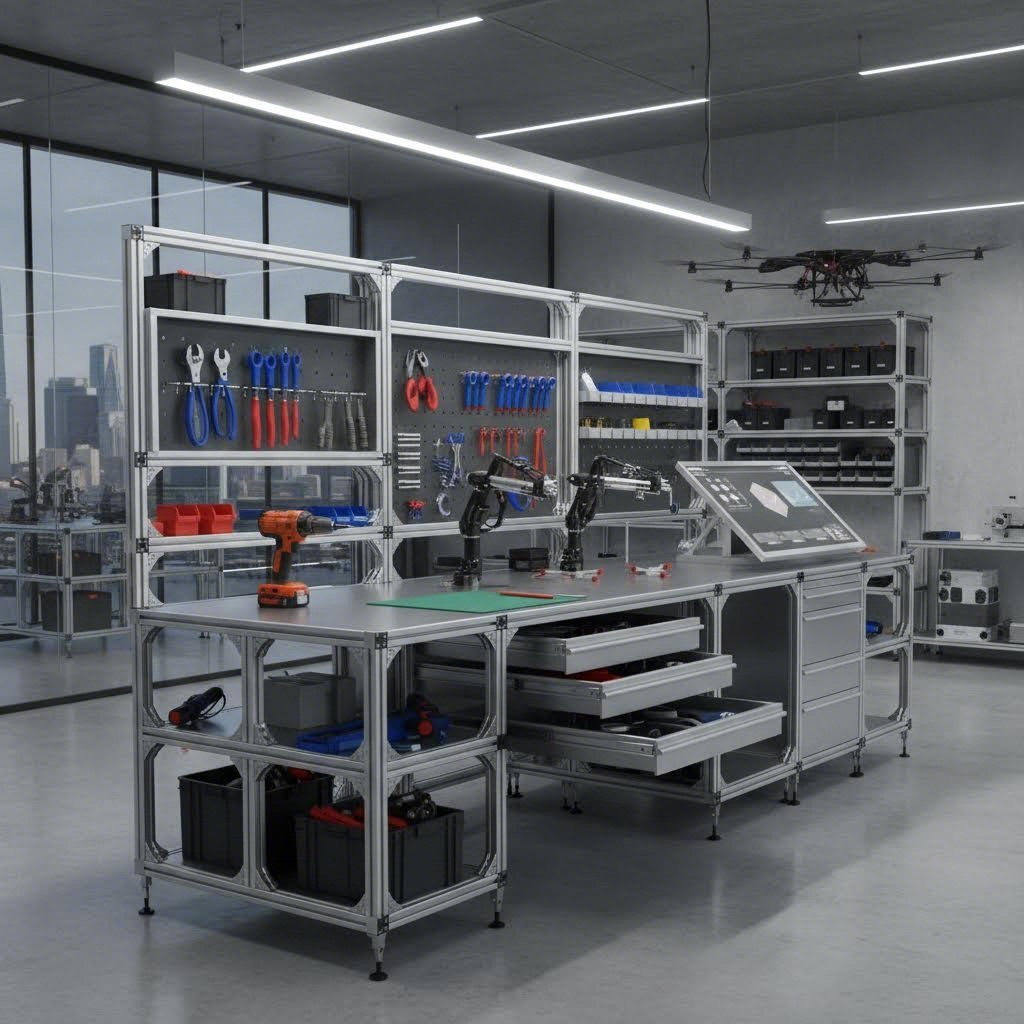
Now that you understand quality considerations, where does low cost aluminum extrusion actually deliver the best return on investment? The answer spans an impressive range—from factory floors where precision matters to home workshops where flexibility reigns supreme. Understanding these applications helps you match the right profile to your specific needs, preventing both over-engineering that wastes money and under-building that creates problems.
In professional environments, aluminum framing extrusion has become the backbone of modern manufacturing infrastructure. Why? Because the modular nature of T-slot systems allows facilities to adapt quickly without scrapping entire structures.
Consider what manufacturers are building with these versatile profiles:
The real value proposition? When production needs change—and they always do—an extruded frame can be reconfigured rather than replaced. A workstation built this year becomes a testing fixture next year, then transforms into a display stand the year after. That adaptability translates directly into long-term cost savings that rigid welded structures simply cannot match.
If you've ever built or modified a 3D printer, you've likely encountered T-slot extrusions firsthand. But hobbyist applications extend far beyond printer frames. As maker community resources note, these profiles work anywhere you need a sturdy and versatile frame—from custom fixtures inside vans to picture frames and light fixtures.
Popular DIY projects leveraging aluminum frame kit components include:
What makes these projects economically attractive? You're essentially buying an adult Erector set—one where components from your first project can become part of your fifth project without any waste.
Here's where smart buyers save significant money: selecting the right profile for each application prevents costly over-engineering. An extruded frame for a lightweight electronics enclosure doesn't need industrial-grade 4040 profiles. Conversely, a heavy CNC machine base shouldn't rely on undersized 2020 extrusions just to save a few dollars.
Different profile shapes serve distinct purposes within aluminum framing systems:
According to framing system specialists, the key advantage of T-slot aluminum framing systems lies in their adaptability—easy assembly and modifications without welding or specialized tools, combined with flexibility for design changes as needs evolve.
Perhaps the most compelling economic argument for T-slot aluminum extrusion frame kits? They virtually eliminate waste through reconfiguration potential.
Imagine this scenario: you build a workbench today using quality extrusions. Three years later, your needs change—you need that aluminum for a different project. With welded steel, you'd be starting from scratch. With modular aluminum framing, you simply disassemble, reconfigure, and rebuild. The same profiles, brackets, and fasteners serve multiple purposes across their decades-long service life.
This adaptability proves especially valuable for:
The upfront investment in quality T-slot extrusions pays dividends across multiple projects and years of service—a consideration that should factor into any honest cost comparison with cheaper but less adaptable alternatives.
Understanding these applications clarifies where aluminum extrusion delivers genuine value. But how do you actually capture that value through smarter purchasing strategies? The next section reveals practical tactics for reducing your extrusion costs without sacrificing quality.
You've selected the right profiles and identified quality benchmarks worth paying for—now comes the part that directly impacts your bottom line. How do you actually secure better pricing on aluminum extrusions for sale without sacrificing the quality your projects demand? The answer lies in strategic purchasing tactics that leverage timing, volume, relationships, and smart specification choices.
The simplest path to discount aluminum pricing? Order more at once. But there's more nuance to volume optimization than simply buying bulk aluminum in larger quantities.
Consolidate similar orders. Rather than placing four separate orders throughout the year, forecast your annual requirements and combine them. According to industry sourcing experts, consolidating multiple similar SKUs into fewer variants qualifies you for higher-tier volume pricing while reducing die changes and streamlining inventory management.
Time purchases strategically. Suppliers batch production based on capacity and seasonality. Aligning your orders with their production cycles—or placing orders during slower periods—can unlock savings of 10-20% on large-scale purchases. Ask potential suppliers directly: when is their low season for extrusion aluminum production? Do they offer discounts for backfill orders or shared container loads?
Leverage long-term agreements. If your demand remains relatively stable, negotiate 6 to 12-month pricing contracts based on forecasted volume. This approach cushions against aluminum wholesale price fluctuations, currency exchange volatility, and freight charge increases. Even without firm commitments, providing longer forecasts helps suppliers plan production—and they typically reward that predictability with better pricing.
The economics shift dramatically depending on whether you're purchasing standard profiles or investing in custom dies.
Stock extrusions win for smaller projects, prototyping, replacement parts, and applications where standard shapes—angles, channels, tubes, common T-slot series—meet your requirements. You avoid die costs entirely and benefit from immediate availability.
Custom extrusions become cost-effective when volume justifies the tooling investment. If a custom die costs $800 and you're ordering 2,000 meters, that's only $0.40 per meter for tooling—often offset by material savings from profiles designed exactly to your specifications without excess material. For high-volume runs, custom profiles frequently deliver lower total cost than adapting stock shapes.
Here's an often-overlooked option: purchasing remnants or off-cuts from suppliers. Many extrusion operations generate short lengths and end pieces that don't meet standard order requirements. For smaller projects, prototypes, or hobbyist builds, these remnants offer substantial savings—sometimes 40-60% below standard pricing—while reducing supplier waste.
Effective negotiation starts long before you discuss numbers. According to aluminum sourcing specialists, preparation and relationship-building create the foundation for successful price discussions.
Follow this systematic approach to getting quotes and comparing suppliers effectively:
One of the most overlooked cost reduction strategies? Specifying tolerances and finishes that match actual requirements—not aspirational standards that inflate manufacturing difficulty.
Over-specifying dimensional tolerances increases manufacturing costs that get passed directly to you. Standard industry tolerances suit the vast majority of applications perfectly. Reserve tight-tolerance specifications for dimensions that genuinely affect fit and function in your assemblies.
The same principle applies to surface finishes and alloy grades. If your extrusions will be painted, hidden, or used in non-critical applications, paying premium prices for architectural-grade finishes or unnecessarily high-strength alloys wastes budget without delivering functional benefit.
With these cost-reduction strategies in your toolkit, you're well-positioned to source aluminum for sale at genuinely competitive prices. But finding the right supplier—one who delivers consistent quality alongside fair pricing—requires knowing what capabilities to evaluate and what questions to ask.
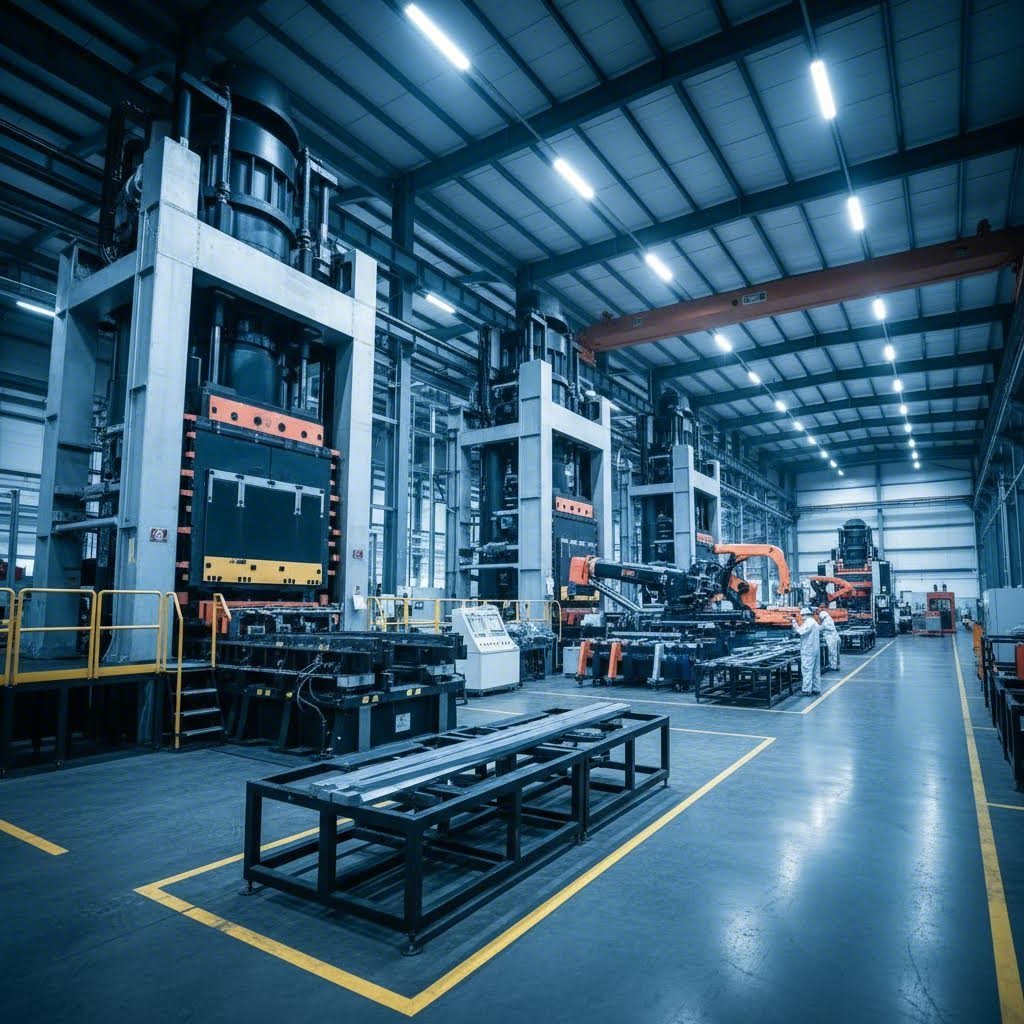
You've mastered cost-reduction tactics and quality evaluation criteria—but none of that knowledge matters if you partner with the wrong supplier. The difference between a frustrating procurement experience and a seamless one often comes down to choosing manufacturers with genuine end-to-end capabilities rather than those who simply broker orders to third parties. How do you identify partners who can handle everything from aluminum profile extrusion to finished, ready-to-install components?
Think of supplier evaluation like hiring for a critical role: you need both the right skills and the right infrastructure. A supplier's press capacity directly determines what aluminium extrusion profiles they can produce—and whether they can accommodate your projects cost-effectively.
According to industry capability assessments, press sizes serve distinct purposes:
Here's the critical insight: suppliers operating multiple press capacities can handle diverse project requirements without subcontracting—keeping quality control consistent and lead times predictable. When your needs span from delicate aluminum extrusion channel components to heavy structural members, working with a single capable manufacturer simplifies logistics dramatically.
Imagine ordering extruded aluminum parts that require anodizing, precision drilling, and custom cutting. With a fragmented supply chain, your profiles travel from the extruder to an anodizing facility, then to a machining shop, and finally to your door. Each handoff introduces delays, potential damage, and quality inconsistencies.
Suppliers with integrated capabilities eliminate these risks. As procurement research indicates, integration reduces transportation between subcontractors, prevents damage, and shortens lead time. An extrusion that requires surface treatment and secondary operations can be processed completely within a single facility—ensuring batch consistency in both dimension and finish.
What integrated capabilities should you look for?
One-time transactions require basic competence. Long-term partnerships demand something more: suppliers who invest in your success rather than simply fulfilling orders. The distinction becomes apparent in how manufacturers approach communication, problem-solving, and technical support.
Professional aluminum extrusion services providers differentiate themselves through proactive engagement. According to supplier evaluation frameworks, capable manufacturers provide DFM (Design for Manufacturability) feedback on drawings, offer feasibility and cost optimization suggestions, and share inspection documentation before shipment. They prevent problems rather than simply reacting after defects occur.
When evaluating potential partners for extruded aluminum systems and components, prioritize suppliers who demonstrate:
Promises mean nothing without consistent delivery. When evaluating aluminum extrusion accessories and profile suppliers, lead time reliability often serves as the most practical capability indicator.
Industry benchmarks from capability assessments suggest typical timelines:
| Production Phase | Typical Duration | What Affects Timing |
|---|---|---|
| Die manufacturing | 10-20 days | Profile complexity, in-house vs. outsourced tooling |
| Extrusion production | 7-15 days | Order volume, press scheduling, material availability |
| Surface finishing | 5-10 days | Treatment type, batch size, color matching requirements |
| Total project cycle | 4-6 weeks | Integration level, production planning systems |
Ask prospective suppliers how they manage production scheduling during peak seasons. Factories with ERP-based production systems generally deliver more consistently than those relying on manual planning. This infrastructure investment signals operational maturity that benefits your projects through predictable deliveries.
Documentation validates claims. Professional aluminum profile extrusion manufacturers should provide:
These certifications show commitment to process control and traceability—vital considerations for buyers who need consistent quality across multiple orders and extended supplier relationships.
The best time to evaluate suppliers isn't when you're facing an urgent deadline. Invest time upfront to visit facilities (virtually or in person), request sample orders, and test communication responsiveness before committing to critical projects.
Suppliers appreciate buyers who approach relationships professionally—providing clear specifications, realistic timelines, and honest volume forecasts. This mutual respect creates the foundation for preferential pricing, priority scheduling during capacity constraints, and collaborative problem-solving when challenges arise.
With a reliable supplier partner identified, you're positioned to execute on everything this guide has covered. The final step? Translating these insights into a concrete action plan that moves your aluminum extrusion projects forward efficiently and economically.
You've absorbed a wealth of information about sourcing low cost aluminum extrusion—from understanding pricing factors and evaluating suppliers to balancing quality against budget constraints. Now it's time to transform that knowledge into action. What concrete steps should you take to secure the best value for your specific project?
Successful aluminum extrusion procurement doesn't happen by accident. It requires systematic decision-making across four critical areas:
Remember: the cheapest per-unit price rarely equals the lowest total cost of ownership. Factor in quality consistency, lead time reliability, rework costs, and long-term durability when comparing aluminum extrusion for sale options.
Whether you're building a prototype, scaling production, or tackling a DIY project, the principles remain consistent: define your requirements clearly, verify supplier capabilities thoroughly, and request samples before committing to large orders.
Working with experienced manufacturers who offer technical support throughout your project—from initial die development through mass production—prevents costly mistakes and accelerates timelines. Look for partners who provide DFM feedback, share inspection documentation, and maintain responsive communication when questions arise.
For projects requiring both durability and aesthetics, surface treatment capabilities matter significantly. Suppliers offering comprehensive options—anodizing in custom colors, powder coating, PVDF finishes—give you flexibility to meet diverse application requirements without coordinating multiple vendors.
Ready to move forward? Established manufacturers like Shengxin Aluminium demonstrate what comprehensive capability looks like: 35 extrusion presses, CNC machining centers, extensive surface treatment facilities, and over three decades of experience supporting projects from concept through delivery. Their factory-direct pricing model eliminates middleman markups while maintaining quality control across every production stage.
Whatever your cheap aluminum extrusion needs—standard T-slot profiles, custom aluminum t channel designs, or precision-machined components—take these final steps: request quotes from multiple qualified suppliers, order samples to verify quality firsthand, and evaluate total value rather than headline prices alone. The suppliers who welcome this scrutiny are typically the ones worth partnering with for the long term.
Your next project deserves extruded aluminum for sale that delivers genuine value—quality that performs, pricing that makes sense, and supplier relationships that simplify rather than complicate your work. Armed with the strategies in this guide, you're equipped to find exactly that.
The cheapest sources depend on your order volume and requirements. For small quantities, online retailers and bulk pack sellers offer competitive pricing on standard T-slot profiles. For larger orders, factory-direct manufacturers like Shengxin Aluminium eliminate middleman markups, often saving 15-30% compared to distributors. Consider remnants or off-cuts from suppliers for prototype projects—these can save 40-60% off standard pricing.
The numbers indicate cross-sectional dimensions in millimeters. A 2020 extrusion measures approximately 20mm x 20mm, while 4040 measures 40mm x 40mm. The key difference is structural capacity—doubling the profile dimension increases stiffness by more than tenfold. Choose 2020 for 3D printers and lightweight projects; select 4040 for industrial workstations, automation equipment, and applications requiring substantial load-bearing capability.
Neither is universally better—each serves different purposes. 6063 aluminum extrudes more smoothly, produces superior surface finishes, and costs less (approximately $3.2-4.0/kg), making it ideal for architectural and decorative applications. 6061 offers higher strength and better machinability at slightly higher cost ($3.5-4.5/kg), suiting structural frames and load-bearing components. Many buyers over-specify 6061 when 6063 would perform equally well.
Custom die costs typically range from $400 to $2,000 or more, depending on profile complexity and size. Simple architectural dies cost $400-1,000, while larger or intricate profiles requiring high-tonnage presses can exceed $2,000. Many manufacturers refund tool costs if you purchase stipulated quantities within two years, and replacement dies are often free as long as orders continue.
Domestic sourcing suits custom work, smaller quantities, and time-sensitive projects with 2-8 week lead times. International sourcing makes sense for high-volume standard profiles when you can accept 10-14 week timelines. However, calculate total landed cost including freight, tariffs (currently 50-100% on some imports), customs fees, and inventory carrying costs—a 5-8% unit price advantage can disappear when hidden costs are factored in.



 un service en ligne
 0086 136 3563 2360
 sales@sxalu.com
 +86 136 3563 2360
 français
 English
 Deutsch
 русский
 español
 português
 العربية
 ไทย
ไทย Việt
Việt Українська