
Ever noticed those small, slotted openings at the top of modern windows? Those are trickle vents, and they serve a vital purpose in keeping your home healthy and comfortable. But what is a trickle vent exactly, and why should you care about these unassuming features?
Simply put, trickle air vents for windows are small, controllable openings built into window frames that allow fresh outdoor air to enter your home while keeping windows securely closed and locked. According to Wikipedia, these components are designed to provide "small amounts of ventilation in spaces intended to be naturally ventilated when major elements of the design—windows, doors, etc.—are otherwise closed." Think of them as your home's breathing mechanism, working quietly in the background to maintain air quality without requiring you to open a window.
Trickle vents operate on a beautifully simple principle: passive ventilation. You don't need electricity, fans, or complex machinery. Instead, these window trickle vents harness natural pressure differences between the inside and outside of your home to create airflow.
Here's how it works. When air pressure outside your home differs from the pressure inside, air naturally wants to move from the high-pressure area to the low-pressure area. Trickle vents create a controlled pathway for this movement. Fresh outdoor air enters through the vents while stale indoor air escapes through other openings or extraction points in your home.
The difference between window and ventilator systems lies primarily in control and purpose. While opening a window provides what's called "purge ventilation" (a large, immediate air exchange), trickle vents deliver consistent "background ventilation" at a controlled rate, typically between 5 to 10 liters per second per meter of window length. This steady, gentle airflow helps maintain indoor air quality without creating uncomfortable drafts or significant heat loss.
Most modern trickle vents feature adjustable slats, allowing you to increase or reduce airflow based on your needs. When fully open, they draw fresh air in and help expel stale, moisture-laden air, all while your windows remain securely locked.
You'll find window trickle vents positioned at the upper part of window frames, and there's a good reason for this placement. Warm air rises, so locating vents at the top allows incoming fresh air to mix with room air before descending, minimizing drafts and maintaining comfort.
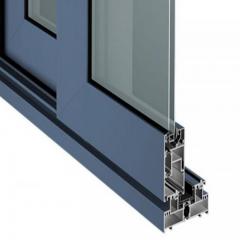
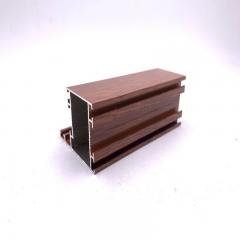
Trickle vents work across all major window frame materials:
Each trickle vent system consists of three essential components that work together:
Understanding the difference between window and ventilator options becomes important when considering your home's specific needs. Through-frame vents provide the most discreet appearance, while over-frame designs are ideal for retrofitting existing windows without major modifications. Glazed-in vents, though less common, offer solutions where frame space is limited.
With this foundation in place, you're now ready to explore why these small but mighty components have become essential for modern homes and their impact on your indoor environment.
Imagine stepping into a brand-new home with triple-glazed windows, perfectly sealed doors, and top-tier insulation. Sounds ideal, right? Yet within months, you notice water droplets forming on your windows every morning. Mold appears in bathroom corners. The air feels stuffy, and someone in your family starts experiencing unexplained allergies. What went wrong?
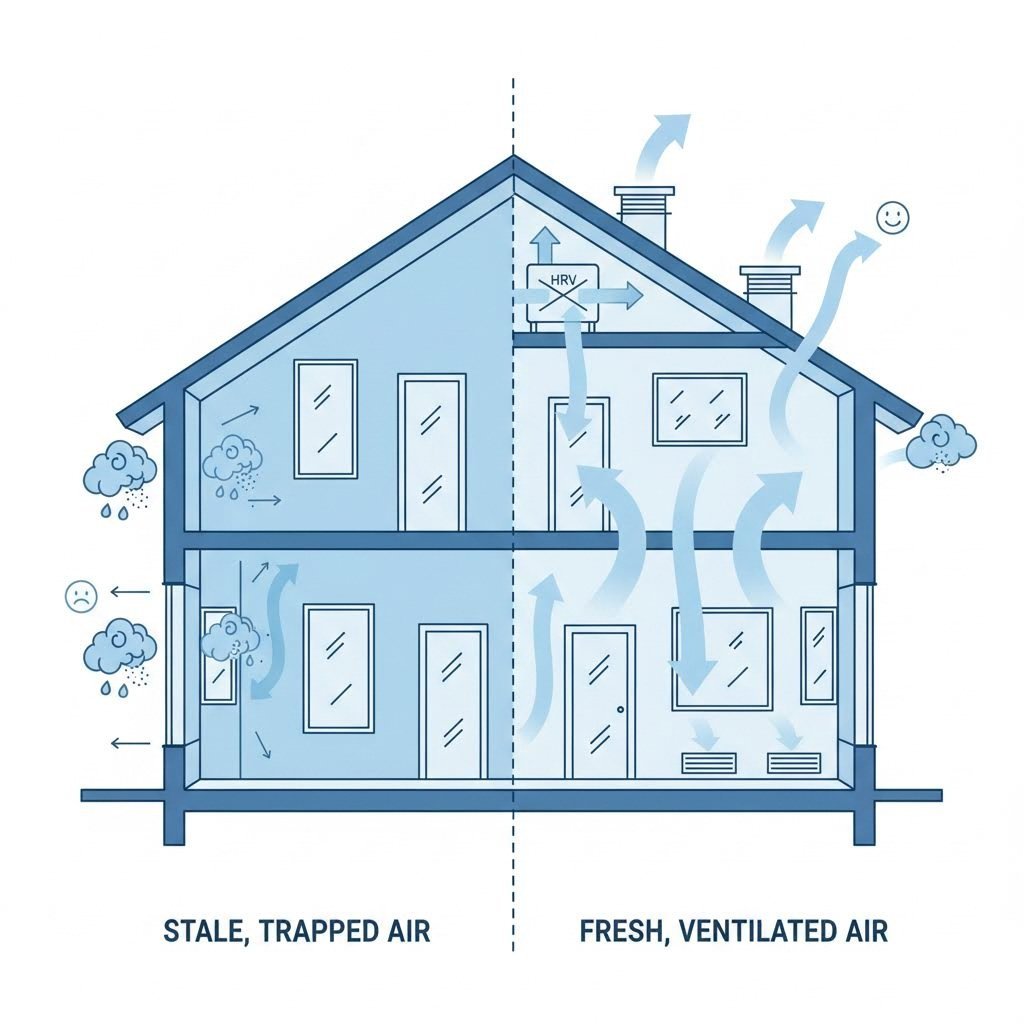
The answer lies in a modern building paradox. Today's energy-efficient homes are engineered to be airtight, which dramatically reduces heating costs and carbon footprints. However, this same airtightness can trap stale air, excess moisture, and indoor pollutants with nowhere to escape. This is precisely where window ventilation through trickle vents becomes essential rather than optional.
Your home generates a surprising amount of moisture and pollutants every single day. A family of four produces approximately 10 to 15 liters of water vapor daily through activities like breathing, cooking, showering, and even drying laundry indoors. Add to this the volatile organic compounds (VOCs) released from cleaning products, furniture, carpets, and building materials, and you begin to understand the invisible challenges your indoor air faces.
According to Alleguard's research on airtight homes, the EPA lists poor indoor air quality as one of the top five health hazards. These harmful chemicals combine with off-gassing from paints, furniture, and building materials, creating an environment that can trigger nausea, fatigue, respiratory illnesses, headaches, and irritation of the eyes, skin, nose, and throat.
In older properties, natural air leakage through gaps around windows and doors provided unintentional ventilation. You might recall seeing wall vents in old houses, those characteristic circular or rectangular grilles that allowed homes to "breathe" naturally. While these created drafts and heat loss, they did serve the valuable purpose of allowing passive air exchange.
Modern construction eliminates these gaps entirely. Double glazing, draft-proofing, and improved insulation create sealed environments where moisture and pollutants accumulate rapidly. Without adequate trickle ventilation, your home becomes a closed container where air quality steadily deteriorates.
Condensation forms when warm, moisture-laden air meets cold surfaces. Picture your bathroom mirror after a hot shower, or your windows on a cold winter morning. This isn't just an inconvenience. It's a warning sign of inadequate window air vent capacity.
When condensation repeatedly forms on windows, frames, and walls, it creates the perfect breeding ground for mold. Recent industry studies indicate that nearly 30% of new or recently renovated homes show signs of mold, largely due to modern sealed environments that trap moisture inside. The consequences extend beyond aesthetics:
Vented windows equipped with trickle vents address this problem at its source. By providing continuous background ventilation, they remove excess moisture from indoor air before it has a chance to condense on cold surfaces. Fresh outdoor air enters through the window air vent, diluting humidity levels and carrying moisture-laden air toward extraction points like bathroom fans and kitchen extractors.
The science is straightforward but powerful. As Comfort Solutions explains, background ventilation provides a continuous, low-level supply of fresh air essential for maintaining indoor air quality. By working in tandem with extract systems in moisture-prone areas, it creates balanced ventilation that reduces the risk of condensation and mold.
Modern homes face a critical balancing act: achieving maximum energy efficiency while ensuring sufficient air exchange for healthy living. Trickle vents resolve this tension by providing controlled, continuous ventilation that maintains air quality without significantly compromising thermal performance.
This approach differs fundamentally from simply opening windows, which creates uncontrolled heat loss and security concerns. Trickle ventilation delivers measured, consistent airflow that works around the clock, whether you're home or away, awake or asleep.
Understanding why background ventilation matters naturally leads to an important question: when does it become a legal requirement? Building regulations have evolved to address these health and safety concerns, and knowing your obligations is essential before any window replacement project.
So you're planning to replace your windows or building a new home. Do you actually need trickle vents, or are they just a nice-to-have feature? The answer isn't always straightforward, and conflicting information online can make things confusing. Let's cut through the noise and explain exactly what UK Building Regulations require when it comes to trickle vents in windows.
The rules governing ventilation windows fall under Approved Document F of the Building Regulations, which was significantly updated in June 2022. These regulations apply in England, with similar requirements in Wales. Whether you're renovating an older property or constructing a new build, understanding these requirements ensures your project stays compliant and your home remains healthy.
Here's the key principle you need to understand: when you replace windows in an existing building, the new windows must provide ventilation that's at least as good as what was there before. According to the official UK government guidance, "ventilation for the building has not been made less satisfactory as a result of the work."
What does this mean in practice? Two scenarios apply:
One common misconception deserves attention: night-vent latches are not acceptable substitutes for trickle vents. A window that locks slightly ajar might seem like a ventilation solution, but the government specifically states this "is not an appropriate background ventilation solution" because it doesn't provide sufficiently secure means of background ventilation.
Can homeowners simply sign a disclaimer refusing trickle vents? No. The UK government clarifies that "a disclaimer signed by the homeowner stating that they do not wish to have background ventilators or that they will be installed in future is not a suitable way of complying with the Building Regulations." Similarly, purchasing an indemnity policy doesn't satisfy these requirements.
For new builds, the requirements are even more specific. Properties must meet defined Equivalent Area standards for background ventilation in every habitable room, kitchen, and bathroom. Double glazed windows with ventilation are no longer optional in new construction but rather a fundamental compliance requirement.
You'll encounter the term "Equivalent Area" (EA) frequently when shopping for trickle vents in windows. But what does it actually mean?
Equivalent Area measures the aerodynamic performance of a ventilator, expressed in square millimeters (mm²). Think of it as the effective opening size through which air can flow, rather than the physical dimensions of the vent itself. A ventilator's EA rating tells you how much airflow capacity it provides under standardized test conditions at 1Pa pressure difference.
Why does this matter? Because two vents with identical physical dimensions might have very different EA values depending on their internal design. When selecting ventilation windows, always check the EA rating rather than assuming physical size equals airflow performance. Manufacturers are required to mark the equivalent area where it's visible from inside the dwelling once installed, making verification straightforward for building control inspectors.
Interior door ventilation also plays a role in whole-house airflow. Building Regulations require internal doors to allow air movement through the dwelling, typically achieved through a 10mm undercut above the floor finish. This ensures air can flow from rooms with background ventilators to extraction points in kitchens and bathrooms.
The following table summarizes the minimum EA requirements per room type according to current Building Regulations:
| Room Type | Multi-Storey Dwellings (mm² EA) | Single-Storey Dwellings (mm² EA) |
|---|---|---|
| Habitable Rooms (bedrooms, living rooms) | 8,000 | 10,000 |
| Kitchen | 8,000 | 10,000 |
| Bathroom (with or without toilet) | 4,000 | 4,000 |
| Utility Room | No minimum required | No minimum required |
| Sanitary Accommodation (WC only) | No minimum required | No minimum required |
Notice that single-storey dwellings require higher EA values for habitable rooms and kitchens. This reflects the reduced natural stack effect in single-level properties, where there's less vertical air movement to assist ventilation.
An important practical consideration: meeting these requirements may necessitate installing multiple trickle vents per window, especially in larger rooms or when using vents with lower individual EA ratings. A standard trickle vent typically provides between 2,500 and 5,000mm² EA, meaning some windows may need two or more vents to achieve compliance.
What about properties with existing wall vents? According to official guidance, if your room already has a wall ventilator meeting the minimum EA requirements, you don't need additional background ventilation when replacing windows. However, air vents provided for open-flued combustion appliances (to meet Part J requirements) don't count toward Part F compliance. These serve a different purpose and additional interior door ventilation or trickle vents would still be required.
Understanding these regulations prevents costly mistakes and ensures your window investment delivers both compliance and comfort. With the legal framework clear, you're ready to explore the different types of trickle vents available and how to choose the right ones for your specific situation.
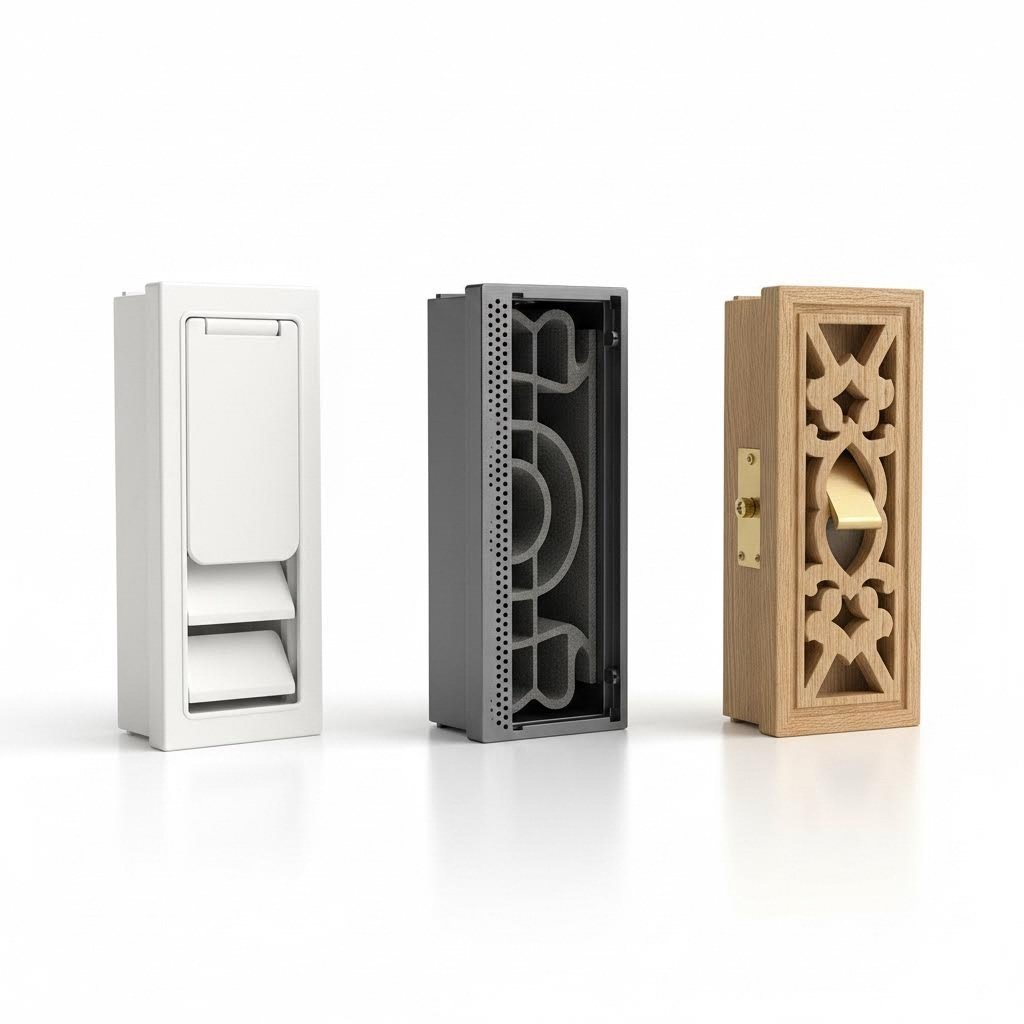
Now that you understand the regulations, here's the practical question: which trickle vent should you actually choose? Walk into any building supplies store or browse online, and you'll encounter dozens of options with varying specifications, materials, and price points. The differences matter more than you might think.
Selecting the right trickle ventilation windows involves matching vent characteristics to your specific needs. A homeowner living on a quiet suburban street has different priorities than someone whose bedroom overlooks a busy road. Similarly, air vents for double glazed windows in a ground-floor flat require different security considerations than those on an upper floor.
Let's break down the main categories so you can make an informed decision.
Standard trickle vents represent the workhorses of residential ventilation. These straightforward designs suit most homes and typically offer the best value for money. If you're replacing windows in a quiet location without special requirements, standard vents will likely meet your needs perfectly.
What defines a standard trickle vent? These units feature a simple through-frame design with adjustable slats that allow you to control airflow. The external canopy shields against rain, while the internal grille lets you open or close the vent as needed. Most standard models provide between 2,500 and 5,000mm² Equivalent Area, making them suitable for meeting Building Regulations in typical rooms.
Standard vents work across all common frame materials:
The main limitation of standard vents? Sound transmission. According to Ashby Energy Assessors' retrofit guide, typical standard trickle vent covers offer around 30-35dB noise reduction. For homes in quiet areas, this presents no problem. But if you live near traffic, railways, or flight paths, you'll notice external noise entering through these small vent windows.
Standard vents excel in straightforward applications: bedrooms overlooking gardens, living rooms in residential neighborhoods, or any room where noise isn't a primary concern. They're also the easiest to retrofit to existing windows, making them popular for upgrading older double glazing that lacks ventilation.
Living near a busy road? Flight path overhead? Noisy neighbors? Acoustic trickle vents address the fundamental challenge of allowing airflow while blocking sound. These specialized units use clever engineering to separate air movement from noise transmission.
How do they work? Acoustic variants incorporate internal baffles and sound-absorbing materials that force air through a maze-like path. Sound waves struggle to navigate these tortuous routes, losing energy at each turn. Meanwhile, air flows through relatively unimpeded. The result is ventilation with significantly reduced noise intrusion.
The performance difference is substantial. Research indicates that acoustically treated trickle vent covers may offer a 40-45dB reduction when installed correctly, compared to 30-35dB for standard versions. That 10dB improvement represents a perceived halving of loudness, transforming a room from uncomfortably noisy to genuinely peaceful.
According to acoustic research on trickle vent products, different designs show significant variation in sound insulation performance. Studies measuring the weighted sound reduction index (RW) and traffic-noise correction (RW + Ctr) found values ranging from 29dB to 34dB across different trickle ventilator models. The internal structure, including guide plates and filter materials, directly influences acoustic performance.
Acoustic vents do come with trade-offs:
When are acoustic vents worth the investment? Consider them essential if you're installing air vents in double glazed windows facing roads with heavy traffic, properties near airports or beneath flight paths, or homes adjacent to commercial premises, pubs, or venues. The improved sleep quality and reduced stress from lower noise exposure justify the additional expense in these situations.
What if you want more ventilation than a trickle vent provides, but opening a window feels risky? This is where night vent positions and secure ventilation options enter the picture. These features address the tension between airflow and home security.
According to industry experts, the night vent position involves partially opening a window approximately 10mm or more and then locking it in place. This provides greater ventilation than a trickle vent alone, making it particularly useful during warm weather when background ventilation isn't sufficient for comfort.
However, it's crucial to understand what night vents can and cannot do:
For enhanced security with improved ventilation, consider these alternatives:
The Door and Window Experts clarify that while windows may lock in the night vent position, they're "not fully secure and actually more exposed to attack." This distinction matters for insurance purposes and home security assessments.
Choosing between vent types becomes easier when you can see the key specifications side by side. The following comparison covers the most important factors for residential applications:
| Vent Type | Typical EA Range (mm²) | Noise Reduction | Frame Compatibility | Best Applications |
|---|---|---|---|---|
| Standard Trickle Vent | 2,500 - 5,000 | 30-35 dB | uPVC, Aluminum, Timber | Quiet residential areas, bedrooms away from roads, general living spaces |
| Acoustic Trickle Vent | 2,500 - 4,000 | 40-45 dB | uPVC, Aluminum, Timber | Roadside properties, near airports, urban locations, bedrooms requiring quiet |
| Over-Frame Vent | 4,000 - 8,000 | 30-35 dB (varies) | All frame types (retrofit-friendly) | Retrofitting existing windows, shallow frame depths, heritage properties |
| Glazed-In Vent | 2,500 - 4,000 | Varies by design | Limited compatibility | Minimal frame space, curtain walling, contemporary designs |
| Night Vent Position | Variable (not EA-rated) | Significantly reduced | Most modern windows | Supplementary summer ventilation, purge ventilation (not for background ventilation compliance) |
A few practical considerations when using this comparison:
Premium brands like Velfac incorporate integrated ventilation solutions within their window systems. A Velfac trickle vent, for instance, maintains the clean Scandinavian aesthetic while meeting ventilation requirements. If aesthetics rank highly on your priorities, explore how different manufacturers integrate vents into their designs.
Remember that "tickle vents" (a common misspelling you might encounter when searching) refers to the same products. Whether you're searching for trickle or tickle vents, the specifications and selection criteria remain identical.
With a clear understanding of vent types and their applications, the next step is practical: how do you actually install these components in your windows? Whether you're tackling a DIY retrofit or preparing for a professional installation, knowing the process helps you make informed decisions and achieve the best results.
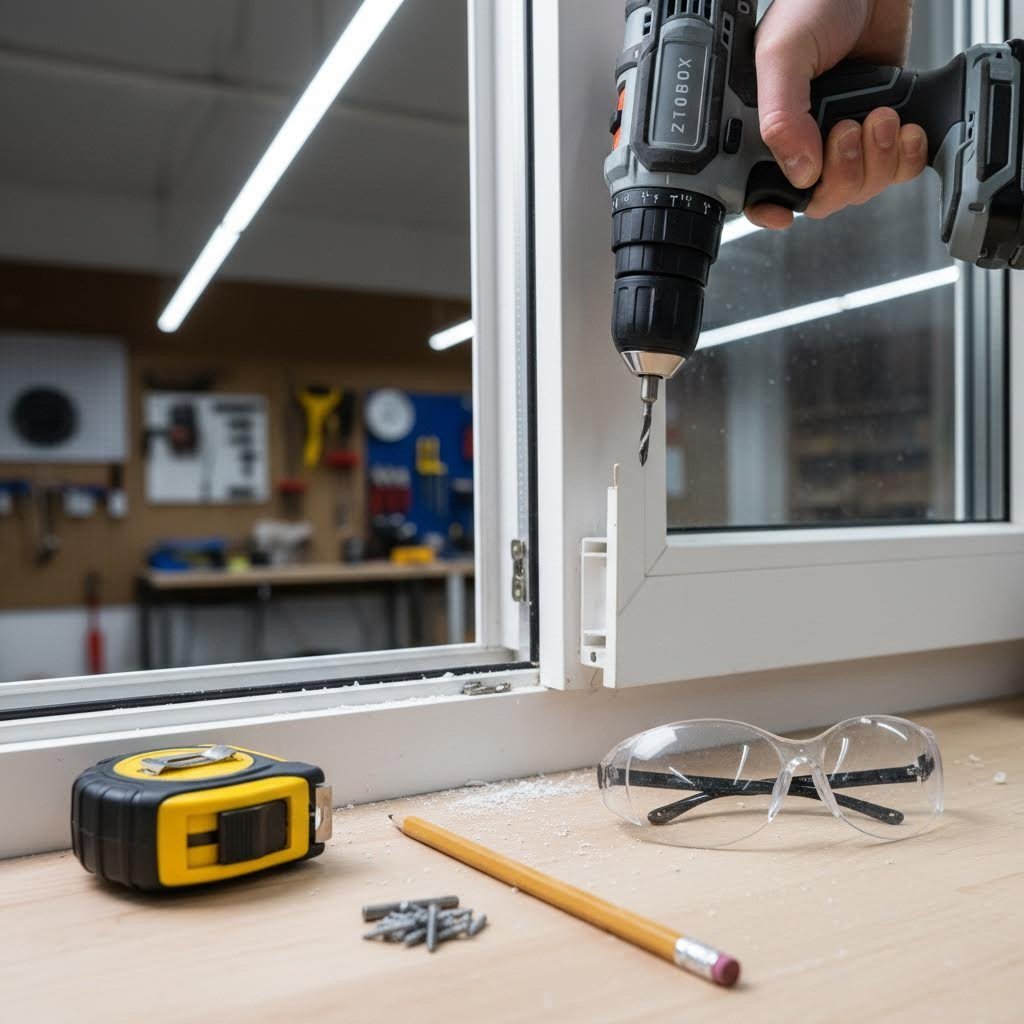
Ready to tackle a window trickle vent installation yourself? Good news: many homeowners successfully complete this project in under an hour per window. While the thought of drilling into your window frames might feel intimidating, the process is straightforward when you understand the steps involved.
Fitting a trickle vent window retrofit doesn't require professional glazing experience. Most modern trickle vents are specifically designed for DIY installation, with clear templates and pre-measured components that simplify the process. According to GB DIY Store's installation guide, the process involves drilling holes through the top rail of your window frame, then securing the internal and external vent covers in position.
That said, this project does require confidence with power tools and attention to detail. If you're uncomfortable drilling through your window frames or working at height, calling a professional remains a sensible choice. But if you're reasonably handy and enjoy tackling home improvement projects, installing fitted vents yourself can save significant money while giving you complete control over the finished result.
Before starting, gather everything you need. There's nothing worse than stopping mid-project to hunt for a missing drill bit. Here's your complete checklist:
Your trickle vent kit should include the internal vent (with the opening/closing mechanism), external canopy (often with an integrated insect mesh), fixing screws, and screw cover caps. Check the contents before starting to ensure nothing is missing.
One important note about drill bits: as installation experts explain, many modern uPVC windows contain steel or aluminum reinforcement inside the frame. If your drill suddenly meets resistance partway through, don't panic. This is normal. A TCT drill bit designed for this purpose will cut through without difficulty, though it takes slightly longer than drilling through plastic alone.
With your tools assembled and workspace prepared, follow this sequence for a professional result:
A practical tip from DIY Direct's installation guide: place a dust sheet or cloth on the windowsill before drilling. This catches debris and makes cleanup much easier. Working from inside where possible also gives you better drill control, especially when reaching the top of tall windows.
While the basic process remains consistent, each frame material presents unique considerations:
The most common frame type for trickle vent retrofits. uPVC drills easily but may contain hidden steel reinforcement, especially in larger windows or those meeting enhanced security standards. Start drilling slowly to gauge what's inside. If you hit metal, switch to a TCT bit and continue at a slower speed. The plastic may want to melt if you drill too fast, so moderate pressure works best.
Some homeowners wonder about the option to block window vent openings on existing installations. While blanking plates exist for this purpose, blocking vents defeats their purpose and may cause the condensation and air quality problems discussed earlier. If drafts are the concern, check that vents are closing properly rather than permanently sealing them.
Aluminum requires metal-cutting drill bits and generates more heat during drilling. Use cutting oil or WD-40 to lubricate the bit and extend its life. Drill at moderate speed with consistent pressure. Aluminum frames are often thinner than uPVC, so check the frame depth before purchasing vents to ensure compatibility.
One advantage of aluminum: the material doesn't contain hidden reinforcement, so you'll experience consistent resistance throughout the drilling process. The clean-cut holes typically require less smoothing than uPVC.
Wood is the most forgiving material for DIY installation. Standard wood drill bits work well, and the material cuts cleanly without melting or generating excessive heat. However, timber frames require additional consideration for weatherproofing.
After drilling, seal any exposed wood with primer or wood preservative before fitting the vent. This prevents moisture from entering the frame and causing rot over time. Many easy glaze trickle vents designed for timber include foam or rubber gaskets that help create a weathertight seal.
A few critical safety points deserve emphasis:
If your frame contains steel reinforcement and you don't own a TCT drill bit, consider purchasing one rather than struggling with standard bits. The small investment saves time and frustration while ensuring clean, professional-looking results.
Successfully installing your own trickle vents brings genuine satisfaction and saves installation costs. But the work doesn't end once the vents are in place. Knowing how to use and maintain them properly ensures you get the full benefit from your investment for years to come.
Your trickle vents are installed and ready to work. But here's a question that catches many homeowners off guard: should you actually leave them open? And if so, when? Getting the most from your window air vents requires understanding how they're designed to function and developing habits that maximize their benefits.
Surprisingly, many people install venting windows only to close the vents permanently, defeating their entire purpose. Others leave them open year-round without ever cleaning them, allowing dust and debris to gradually reduce airflow. Neither approach delivers the healthy indoor environment these simple devices can provide.
Let's explore the practical day-to-day decisions that help your house window vents work their best.
Here's the straightforward answer most people don't expect: your trickle vents should remain open almost all the time. According to HVAC expert Kevin Goude, "generally no, you don't need to close them. These vents help maintain airflow, reduce your home's humidity, and prevent mold growth, even in winter."
This advice surprises homeowners who instinctively want to seal every opening during cold months. But closing window air vents creates problems that outweigh any marginal heating savings. As HVAC technician Josh Mitchell explains, without fresh air, "pollutants and allergens are unable to escape, which might make air quality issues worse for everyone, particularly those with respiratory conditions."
Think of it this way: your home generates moisture and stale air continuously. Cooking, showering, breathing, even houseplants release water vapor into your indoor environment. Trickle vents provide the escape route this moisture needs before it condenses on cold surfaces and feeds mold growth.
That said, specific situations warrant temporarily closing your vents:
The key word in each scenario is "temporary." Once conditions normalize, return your vents to their default open position. Background ventilation works best when it's genuinely continuous rather than intermittent.
You might wonder about that common question regarding window AC unit vent open or closed settings. While air conditioning units have different considerations than passive trickle vents, the underlying principle remains similar: proper ventilation improves indoor air quality. During heating or cooling seasons, your trickle vents complement mechanical systems by providing fresh air exchange that HVAC equipment alone doesn't deliver.
While the general advice is "keep them open," smart homeowners adjust their approach as seasons change. Balancing ventilation needs with energy efficiency doesn't require complex calculations, just sensible responses to changing conditions.
Cold months present the greatest temptation to seal vents shut. Resist it. Winter is precisely when your airtight home traps the most moisture from indoor activities: drying laundry, increased cooking, longer showers, and reduced window opening. According to ventilation experts, "the airflow from open trickle vents is minimal but essential. It helps keep your home's air clean and healthy, which is always a plus during the colder months."
If you're concerned about heat loss, focus on other efficiency measures rather than closing vents:
The heat loss through a properly functioning trickle vent is minimal compared to poorly insulated walls or drafty doors. Prioritize those improvements before considering vent closure.
Warm weather changes the equation. Background ventilation through trickle vents continues providing fresh air, but you'll likely want more airflow for comfort. This is where night vent positions become valuable.
As described in the Anglian operating guide, some outward-opening casement windows "can be locked in a partially closed position to provide ventilation." You turn the handle to open slightly, leaving a gap, then turn it back to engage the locking mechanism while the window remains ajar.
Remember the important distinction: night vent positions supplement trickle vents but don't replace them. Use the night vent for additional summer airflow while keeping your trickle vents open for continuous background ventilation. This combination provides comfortable temperatures without sacrificing consistent fresh air supply.
A word of caution from industry experts: "Windows on the ground floor should certainly not be left in the night vent position and the property unoccupied." While the window locks in place, it remains more exposed than when fully closed. Reserve night venting for occupied upper floors or secure indoor areas.
Expert guidance from HVAC professionals recommends treating different rooms differently: "In high-moisture areas, like the basement, kitchen and bathrooms, keep them fully open. For all other rooms, such as living rooms, dining rooms and bedrooms, use the partially open mode."
This targeted approach directs maximum ventilation where moisture generation is highest while providing balanced airflow elsewhere. Kitchens produce steam from cooking, bathrooms generate humidity from showers, and basements often struggle with dampness. These spaces benefit from fully open vents year-round, regardless of outdoor temperatures.
Trickle vents are low-maintenance devices, but "low" doesn't mean "no." Neglected vents gradually lose effectiveness as dust, insects, and debris accumulate in the airflow path. According to the Anglian maintenance guide, regular care keeps your vents working properly for years.
Here's your maintenance checklist:
How often should you perform this maintenance? A thorough inspection every six months covers most situations. Clean dusting can happen more frequently, especially in dusty environments or homes near busy roads.
One enhancement worth considering: HVAC expert Goude recommends upgrading vents with activated carbon filters that "can be trimmed to fit various vent sizes, including trickle vents." These cut-to-fit carbon filters help capture airborne pollutants entering through the vent, improving the quality of incoming fresh air.
Even well-maintained vents occasionally develop issues. Here's how to diagnose and address the most frequent complaints:
Feeling cold air around your vents? First, verify whether the sensation is an actual draft or simply air movement from temperature differences (convection). As the Anglian troubleshooting guide notes, "Air movement detected near to a window or door may be due to natural currents caused by heating or cooling of the air and is not necessarily due to air leaking."
If genuine drafts exist:
Remember that trickle vents are "not designed to be air tight when closed." Some minimal air movement is normal even in the closed position.
Vents are open, yet condensation still appears on windows? This frustrating situation often indicates that moisture generation exceeds what background ventilation can handle. Possible solutions:
A single trickle vent works as part of a whole-house ventilation strategy. If extraction systems aren't functioning properly, incoming fresh air has nowhere to push the stale, moist air toward.
Vents that won't open or close need attention before problems worsen. Paint is a common culprit, especially after decorating when careless application seals mechanisms shut. Gently work the slider back and forth while applying light pressure. A drop of light oil on moving parts helps free stuck mechanisms.
If internal blockages are suspected, remove the internal grille (usually held by clips or screws) and inspect the airway through the frame. Clear any debris and reassemble. For persistent problems or damaged components, replacement vents are readily available and follow the same installation process described earlier.
What about that trickle vent blanking plate you might have seen? These products completely seal vent openings and are occasionally used when vents are damaged beyond repair or during specific renovation work. However, permanently blanking off vents is generally not recommended.
Blocking your vents eliminates the background ventilation your home needs, potentially leading to the condensation, mold, and air quality problems we've discussed. If drafts are your concern, investigate whether the vent is damaged or improperly sealed rather than blanking it entirely. Replacement vents cost little and restore proper function without sacrificing ventilation.
With your vents working effectively and maintained properly, you're well-positioned to enjoy healthier indoor air. But perhaps you're still weighing whether trickle vents suit your specific situation, or considering alternatives that might work better for your home. Understanding both sides of the equation helps you make the most informed decision.
You've learned how trickle vents work, what the regulations require, and how to install and maintain them. But here's the question that matters most: are they actually right for your home? Every ventilation solution involves trade-offs, and understanding both the advantages and limitations helps you make a confident decision.
Too many sources present trickle vents as either a perfect solution or an unnecessary complication. The truth, as usual, lies somewhere in between. Let's examine both sides honestly so you can weigh what matters most for your specific situation.
Trickle vents have become standard in modern construction for good reasons. When properly selected and installed, they deliver genuine benefits that improve daily living:
Honest evaluation requires acknowledging limitations. Trickle vents aren't perfect for every situation, and understanding potential drawbacks helps set realistic expectations:
Trickle vents represent just one approach to home ventilation. Understanding alternatives helps you choose the right solution, or combination of solutions, for your circumstances.
MVHR systems offer the most sophisticated alternative to trickle vents. According to ClimateWorks research, these systems "recover heat from outgoing air, reducing heating demand by up to 50%" while providing "filtered incoming air, removing dust, allergens, and pollutants."
When does MVHR make sense as an alternative to trickle vents?
The trade-offs are significant: MVHR systems cost substantially more to install, require professional design and commissioning, need regular filter changes, and consume electricity continuously. A Manchester homeowner case study showed heating cost reductions of 35% after switching from traditional ventilation to MVHR, but initial investment was considerable.
For most existing homes, trickle vents provide adequate background ventilation at a fraction of the cost and complexity.
Extractor fans excel at removing moisture and odors from specific locations, particularly kitchens and bathrooms. They're essential complements to trickle vents rather than replacements.
Consider the distinction: extractor fans provide "extract ventilation" that removes air from high-moisture areas. Trickle vents provide "supply ventilation" that brings fresh air in. A balanced system needs both. Installing powerful extractors without supply air creates negative pressure, potentially drawing air through uncontrolled routes or even reversing flue gases from combustion appliances.
The combination works effectively: trickle vents supply fresh air to living spaces, internal doors allow airflow through the home, and extractors remove stale air from kitchens and bathrooms. This strategy meets Building Regulations while creating healthy, comfortable indoor environments.
The simplest ventilation method requires no installation at all. Just open a window. So why bother with trickle vents?
As Mumford & Wood explains, "Trickle vents offer steady 'background' airflow while keeping windows safe and secure. Open windows offer 'purge' ventilation, which is only as efficient as the length of time the window is left open."
The practical limitations of relying solely on open windows include:
The verdict? Opening windows remains valuable for rapid air exchange when cooking, showering, or airing rooms. But it cannot substitute for the continuous, controlled window air ventilation that trickle vents provide. The two methods complement each other rather than compete.
The right choice depends on your specific situation:
With a clear understanding of what trickle vents can and cannot do, you're ready to make an informed selection. The final step is matching specific products to your windows, rooms, and requirements.

You understand why trickle vents matter, you know the regulations, and you've weighed the pros and cons. Now comes the practical question: which specific vents should you actually buy? With dozens of products on the market featuring different sizes, finishes, and specifications, the selection process can feel overwhelming.
Here's the good news: choosing the right drip vents in windows doesn't require engineering expertise. By working through a few key considerations systematically, you'll identify products that match your frames, meet regulations, and deliver the performance you need. Let's break down exactly how to make this decision with confidence.
Your window frame material is the starting point for any selection. Not all windows vents work with all frames, and choosing incompatible products leads to installation headaches, poor performance, or both.
The most common window material in UK homes, uPVC frames typically accommodate trickle vents easily. Most standard vents are designed with uPVC installation in mind. Key factors to consider:
For uPVC applications, through-frame vents offer the neatest appearance since they sit flush within the frame profile. Over-frame alternatives work well for retrofits where cutting into the frame isn't preferred.
Aluminum windows demand vents designed specifically for metal frames. According to industry specialists, standard plastic vents can clash with the sleek, metallic finish of aluminum frames. Purpose-built aluminum vents feature anodized or powder-coated finishes that match your frames precisely.
Sizing matters more with aluminum because frame profiles tend to be slimmer than uPVC equivalents. Always verify the available installation depth before ordering. Premium manufacturers offer vents engineered for strength, weather resistance, and seamless integration with common aluminum window systems.
When considering a basement window with vent requirements, aluminum's corrosion resistance becomes particularly valuable. Below-grade installations face higher humidity levels, making durable materials essential for long-term performance.
Wooden windows present unique aesthetic demands. Heritage properties, listed buildings, and period homes often require vents that respect traditional appearances. Options include:
Timber frames also require additional weatherproofing consideration. Ensure any exposed wood is sealed before and after installation to prevent moisture ingress that could cause rot.
Selecting appropriately sized vents means understanding Equivalent Area requirements for your specific rooms. As explained in the regulations section, different spaces have different minimum EA values. But how do you translate those requirements into a practical shopping list?
Start with your room type and building configuration. According to ventilation specialists at VENTI Group, Equivalent Area measures the aerodynamic performance of a ventilator expressed in square millimeters. The relationship between EA and actual airflow depends on air velocity, but for compliance purposes, you need to meet the minimum EA values specified in Building Regulations.
For multi-storey dwellings:
For single-storey dwellings, habitable rooms and kitchens require 10,000mm² EA due to reduced stack effect.
Now compare these requirements to available vent specifications. A standard small window vent might provide 2,500-4,000mm² EA, meaning a bedroom in a two-storey house would need two vents totaling at least 8,000mm² EA. Larger vents offering 5,000mm² or more reduce the number of units needed per window.
Imagine you're fitting windows with vents in a typical semi-detached house. You have three bedrooms, one living room, a kitchen, and a bathroom. Here's how the calculation works:
| Room | Required EA (mm²) | Vent Option 1 (2,500mm² each) | Vent Option 2 (4,000mm² each) |
|---|---|---|---|
| Master Bedroom | 8,000 | 4 vents needed | 2 vents needed |
| Bedroom 2 | 8,000 | 4 vents needed | 2 vents needed |
| Bedroom 3 | 8,000 | 4 vents needed | 2 vents needed |
| Living Room | 8,000 | 4 vents needed | 2 vents needed |
| Kitchen | 8,000 | 4 vents needed | 2 vents needed |
| Bathroom | 4,000 | 2 vents needed | 1 vent needed |
This comparison shows why vent specification matters. Choosing higher EA vents reduces total units needed, simplifies installation, and often proves more cost-effective despite higher individual prices.
For properties with basement windows, ventilation requirements follow the same principles. A basement window with vent installation serving as a habitable space (perhaps a home office or bedroom) needs the full 8,000mm² EA. Non-habitable basements used purely for storage have no minimum requirement, though some ventilation helps prevent dampness.
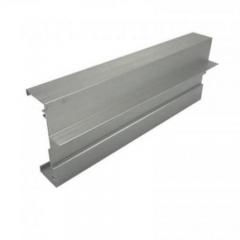
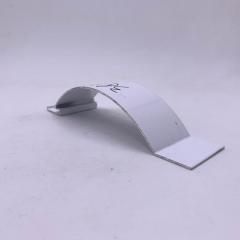
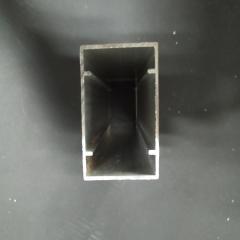
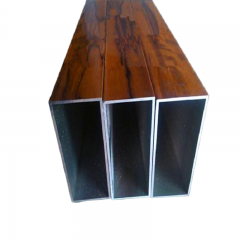
For homeowners seeking quality trickle vents that balance durability with energy efficiency, Shengxin Aluminium offers a comprehensive range designed to reduce condensation while maintaining thermal performance. Their vents suit uPVC, aluminum, and timber windows, making them versatile for both new builds and retrofit applications.
What distinguishes quality products from budget alternatives? Look for these characteristics:
Explore the full range of options to find products matching your specific frame type, required ventilation capacity, and aesthetic preferences. Multiple sizes and finishes ensure compatibility with virtually any window installation.
Before placing your order, work through this summary of key selection criteria:
Taking time to match products to your specific situation pays dividends in performance, appearance, and long-term satisfaction. The right windows vents become invisible contributors to your home's comfort rather than sources of ongoing frustration.
With proper selection, installation, and maintenance, your trickle vents will quietly work in the background for years, keeping condensation at bay, maintaining air quality, and helping your home breathe exactly as it should. The investment in understanding your options and choosing wisely creates a healthier, more comfortable living environment that you'll appreciate every day.
Trickle vents are small, controllable openings installed in window frames that provide continuous background ventilation while keeping windows closed and secure. Modern energy-efficient homes with sealed windows trap moisture, pollutants, and stale air inside. Trickle vents solve this by allowing fresh air to enter through natural pressure differences, preventing condensation buildup and mold growth. They're particularly essential in well-insulated properties where natural air leakage no longer exists, helping maintain healthy indoor air quality without compromising security or creating significant heat loss.
Yes, UK Building Regulations Part F require replacement windows to provide ventilation at least as good as the original windows. If your existing windows have trickle vents, replacements must include vents with equivalent or greater Equivalent Area (EA) values. Even if original windows lacked trickle vents, current regulations mandate background ventilation in replacement windows to prevent air quality deterioration. Homeowner disclaimers or indemnity policies cannot substitute for compliance. Professional window installers should ensure your new windows meet these legal requirements.
Trickle vents should remain open almost all the time. HVAC experts recommend keeping them open continuously to maintain airflow, reduce humidity, and prevent mold growth—even during winter. The heat loss through properly functioning trickle vents is minimal. However, you may temporarily close them during severe storms with driving rain, high pollution events, or nearby construction generating excessive dust. In high-moisture areas like kitchens and bathrooms, keep vents fully open year-round for optimal moisture control.
Operating trickle vents is straightforward. Locate the slider or lever on the internal grille, typically at the top of your window frame. Slide it to open the vent for maximum airflow or close it when needed temporarily. Most homeowners should leave vents in the open position for continuous background ventilation. For maintenance, dust the grilles monthly, check for blockages from debris or insects, and ensure the mechanism moves smoothly. Clean both internal and external components every six months to maintain optimal performance.
Several trickle vent types suit different requirements. Standard trickle vents work well for quiet residential areas and offer the best value. Acoustic trickle vents use internal baffles and sound-absorbing materials to reduce noise by 40-45dB, ideal for properties near busy roads or airports. Over-frame vents install above existing windows for easy retrofitting. Night vent positions allow partially open windows to lock securely for additional summer airflow. Shengxin Aluminium offers versatile options compatible with uPVC, aluminum, and timber frames in various sizes and finishes.



 un service en ligne
 0086 136 3563 2360
 sales@sxalu.com
 +86 136 3563 2360
 français
 English
 Deutsch
 русский
 español
 português
 العربية
 ไทย
ไทย Việt
Việt Українська