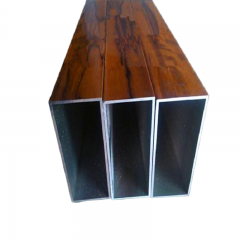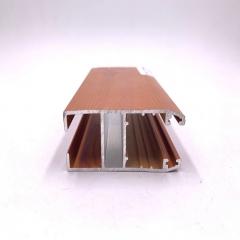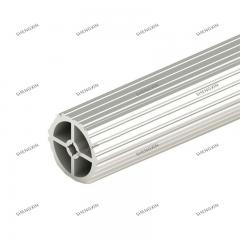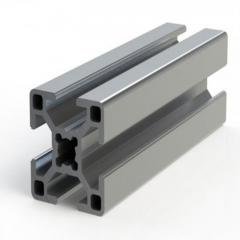
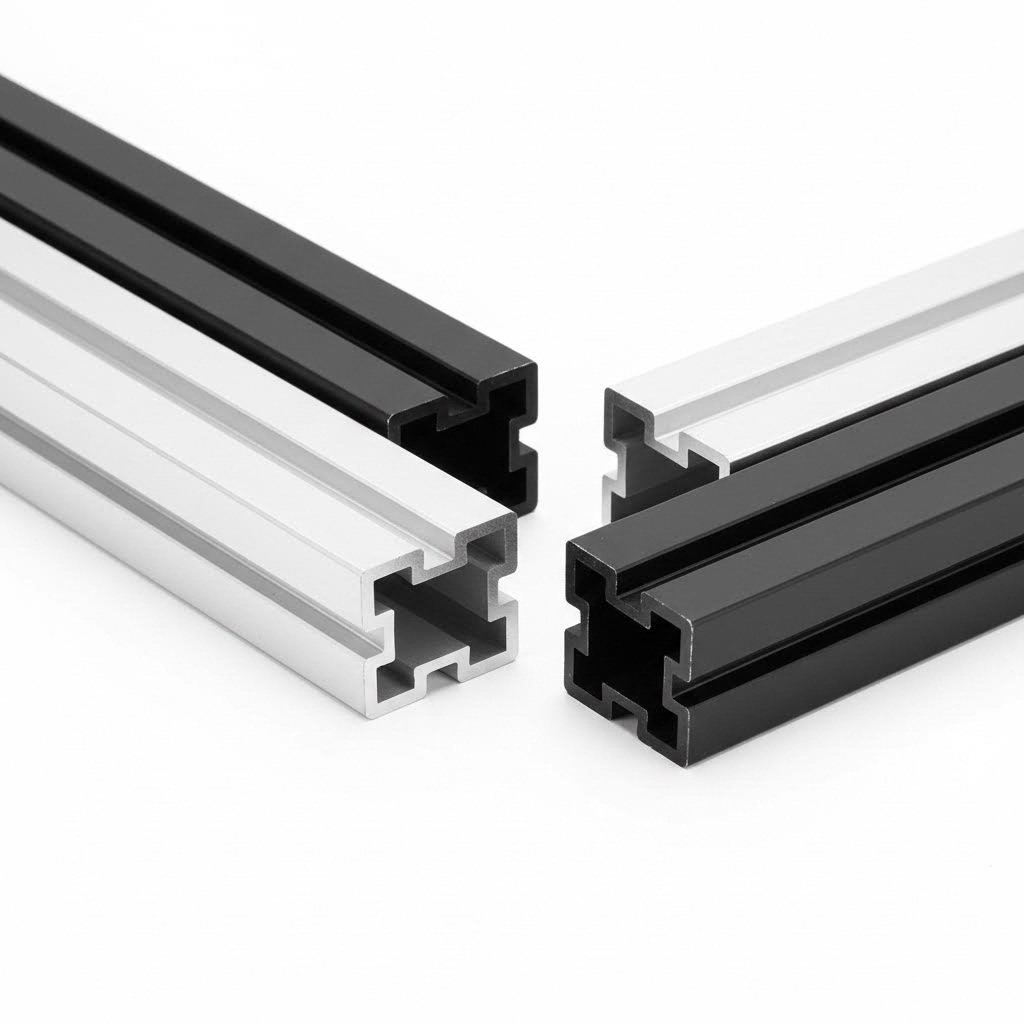
Ever wondered why certain aluminum profiles have numerical names like "2020" or "4040"? The answer is surprisingly simple once you understand the logic behind it. A 2020 aluminum extrusion gets its name directly from its cross-sectional dimensions: 20mm x 20mm. That's it—no complicated jargon, just straightforward measurements that tell you exactly what you're working with.
A 2020 aluminum extrusion is a square, T-slotted aluminum profile measuring 20mm x 20mm in cross-section. Part of the modular framing family, it features longitudinal grooves (T-slots) that allow quick assembly using specialized hardware—no welding required.
The 20mm x 20mm aluminum extrusion sits at the lighter end of the industrial profile spectrum. According to industry standards, the 20 series represents the smallest commonly available base dimension, making it ideal for applications where weight matters but structural integrity remains essential. Think 3D printer frames, small automation equipment, and lightweight lab fixtures.
What makes this profile particularly useful is its T-slot design. These longitudinal grooves run along each face of the extrusion, creating channels where T-nuts and fasteners slide in and lock into place. You can connect profiles at virtually any angle, add accessories, or reconfigure your entire structure—all without drilling a single hole.
Here's where things get interesting. The naming convention extends beyond just "2020." The aluminum extrusion 2020 follows a logical pattern that applies across the entire product family:
So a 2040 profile? That's 20mm wide and 40mm tall—a rectangular variation of the standard square 20 20 extrusion. This system remains consistent whether you're shopping from major brands like 80/20 Inc., Misumi, or budget-friendly options like ZYLtech.
One important note: while the naming convention stays consistent, slight dimensional variations exist between manufacturers. A 2020 extrusion from one supplier might have a 5mm slot width, while another offers 6mm. Always verify specifications before mixing components from different brands.
Understanding how these profiles are made helps explain their remarkable consistency. The manufacturing process—called extrusion—forces heated aluminum billets through a precision die, creating that uniform 20 x 20 aluminium extrusion shape we rely on for modular construction.
Most manufacturers use either 6063-T5 or 6061-T6 aluminum alloys. The 6063-T5 variant offers excellent extrudability and a smooth surface finish, making it the standard choice for general applications. Need higher strength? The 6061-T6 alloy delivers greater rigidity for demanding structural requirements.
Regardless of which brand you choose—whether it's the premium 80/20 system or generic alternatives—the fundamental principle remains identical. That's the beauty of standardized modular framing: once you understand one system, you understand them all.
Now that you understand what a 2020 aluminum extrusion is, let's dive into the numbers that actually matter when planning your project. Knowing the precise 2020 extrusion dimensions prevents costly mistakes—like ordering hardware that doesn't fit or underestimating shipping costs by 30%. These specifications might seem like minor details, but they're the foundation of successful builds.
When you're comparing extruded aluminum sizes across suppliers, you'll notice that 2020 aluminum extrusion dimensions remain remarkably consistent—but subtle differences can trip you up. Here's a comprehensive breakdown of standard specifications you'll encounter:
| Specification | Standard 2020 Value | Notes |
|---|---|---|
| Outer Dimensions | 20mm x 20mm | Square cross-section; some imperial suppliers offer 0.787" x 0.787" |
| Slot Width | 6mm (typical) | Ranges from 5mm to 6.2mm depending on manufacturer |
| Center Bore Diameter | 4.2mm - 5mm | Designed for M5 tap threads |
| Weight per Meter | ~0.65 kg/m | Approximately 1.43 lbs per 3.28 feet |
| Wall Thickness | 1.5mm - 2mm | Affects overall rigidity and load capacity |
| Material Grade | 6063-T5 or 6061-T6 | 6061-T6 offers higher strength for demanding applications |
| Moment of Inertia (Ix) | ~0.7 cm⁴ | Key value for calculating deflection under load |
Why does the moment of inertia matter? Imagine you're building a 3D printer frame. This value tells you exactly how much your aluminum extrusion dimensions will flex under a given load. A higher moment of inertia means less deflection—critical when precision matters.
Here's where many first-time builders run into trouble. That 6mm slot width isn't just a number—it determines which T-nuts, brackets, and fasteners will actually work with your 20x20mm aluminum extrusion. Order hardware designed for an 8mm slot (common in larger 8020 extrusion dimensions), and you'll find yourself with unusable parts.
The standard configuration works like this:
Keep in mind that some manufacturers—particularly those producing budget-friendly options—may use slightly narrower 5mm slots. This isn't necessarily a problem, but it does mean you'll need to source hardware specifically designed for their system. When researching aluminum extrusion sizes, always cross-reference slot dimensions with your intended hardware.
At approximately 0.65 kg per meter, 2020 profiles strike an excellent balance between structural capability and practical handling. But here's what many project planners overlook: weight adds up fast when you're ordering multiple meters, and shipping costs are calculated by dimensional weight or actual weight—whichever is greater.
Consider a typical 3D printer enclosure requiring 20 meters of extrusion. That's 13 kg (roughly 29 lbs) of aluminum before you add hardware, panels, or accessories. For structural calculations, this weight-per-meter figure helps you determine total frame mass and ensures your mounting points can handle the load.
The lightweight nature of these profiles—compared to steel alternatives—also means easier handling during assembly. You can comfortably work with 1-meter lengths single-handedly, making solo builds entirely feasible.
One final note on metric versus imperial measurements: while 2020 profiles are inherently metric (20mm x 20mm), some North American suppliers list dimensions in inches. You might see specifications like 0.787" x 0.787"—that's simply the imperial equivalent. The profiles themselves are identical; only the measurement system differs.
With these specifications in hand, you're ready to compare how 2020 stacks up against other popular profile sizes—and determine whether it's the right choice for your specific application.
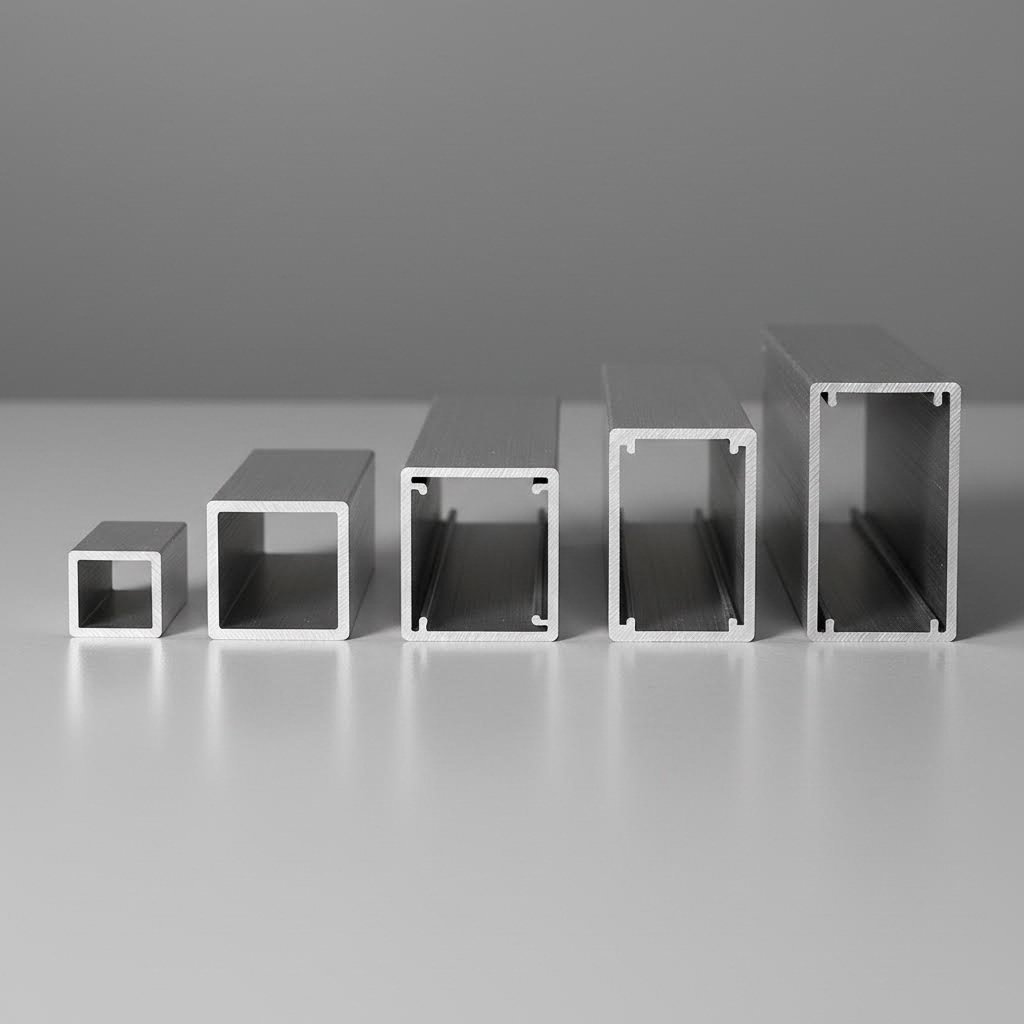
Choosing the right aluminum extrusion profile can make or break your project. Too small, and you'll deal with unwanted flex and structural instability. Too large, and you're wasting money on unnecessary material while adding bulk you don't need. So how does the 20x20 aluminum extrusion stack up against other popular sizes? Let's break down the options so you can make an informed decision.
When weight and compactness matter most, smaller extrusion profiles become attractive options. The 1515 profile (15mm x 15mm) represents the ultra-lightweight end of the spectrum—perfect for educational robotics, camera sliders, or decorative frames where structural demands are minimal.
However, there's a practical floor to how small you can go. According to industry sizing guides, the 20 series represents the smallest commonly available base dimension for serious structural applications. Here's why the 20x20 extrusion often wins over smaller alternatives:
The 2040 profile offers an interesting middle ground—same 20mm base width but doubled height at 40mm. This rectangular extrusion aluminum profile provides increased rigidity in one axis while maintaining compatibility with standard 20-series hardware. Consider it when you need extra stiffness in a specific direction without jumping to an entirely larger system.
Sounds simple enough—just pick a bigger profile when you need more strength, right? Not quite. The decision involves balancing load requirements against cost, weight, and available workspace. The 3030 profile (30mm x 30mm) serves as a stepping stone between lightweight and industrial-grade construction, offering roughly double the rigidity of 2020 while remaining manageable for single-person assembly.
The 4040 profile enters genuinely heavy-duty territory. With both width and height at 40mm, technical comparisons show these extrusion profiles deliver significantly enhanced load-bearing capacity and resistance to bending. They're the go-to choice for:
But here's the trade-off most people don't consider: a 4040 frame costs roughly 3-4 times more than an equivalent 2020 structure when you factor in both profile and hardware costs. The heavier components also demand sturdier mounting solutions and may require two-person assembly for longer sections.
The real question isn't which profile is "best"—it's which profile extrusions match your specific application. Consider this comprehensive comparison:
| Profile Size | Dimensions | Weight (kg/m) | Relative Load Capacity | Typical Applications | Relative Cost |
|---|---|---|---|---|---|
| 1515 | 15mm x 15mm | ~0.35 | Low | Camera sliders, decorative frames, educational projects | $ |
| 2020 | 20mm x 20mm | ~0.65 | Light-Medium | 3D printers, small CNC, lab equipment, DIY frames | $ |
| 2040 | 20mm x 40mm | ~1.0 | Medium (directional) | Printer Y-axis, conveyor sides, directional reinforcement | $$ |
| 3030 | 30mm x 30mm | ~1.1 | Medium-High | Medium machinery, sturdy workbenches, display fixtures | $$ |
| 4040 | 40mm x 40mm | ~1.5-1.7 | High | Heavy workbenches, industrial frames, CNC machines | $$$ |
Notice how the aluminum extrusion profile weight roughly doubles as you move from 2020 to 4040? That weight difference translates directly to shipping costs and handling complexity. For a typical Voron 3D printer build or desktop CNC enclosure, the 2020 profile delivers the ideal strength-to-weight ratio without unnecessary expense.
Here's a practical decision framework:
The beauty of modular aluminum extrusion profiles is that you can mix sizes within a single project. Many experienced builders use 4040 for base frames and vertical supports while switching to 2020 for upper sections and non-structural elements—optimizing both cost and performance.
Understanding these profile comparisons sets the foundation for your build, but selecting the right size is only half the equation. Next, you'll need to navigate the hardware ecosystem that brings these extrusions together into functional structures.
You've selected your profile size and understand the specifications—but here's the reality: without the right hardware, those aluminum extrusions are just expensive metal sticks. The 2020 t slot system shines because of its extensive accessory ecosystem, allowing you to build virtually anything without welding or permanent modifications. Let's explore the complete hardware landscape so you can confidently source exactly what your project needs.
Think of T-nuts as the foundation of every aluminum t slot connection. These small but critical components slide into the T-slot channel and provide threaded mounting points for screws. However, not all T-nuts work the same way—and choosing the wrong type can turn a 10-minute assembly into an hour of frustration.
Here's your complete guide to T-nut varieties for t-slot aluminum extrusions:
For standard 2020 profiles, M5 thread T-nuts are your go-to choice. The 6mm slot width accommodates M5 hardware perfectly, and this size delivers the ideal balance between holding strength and compact footprint. When shopping, you'll encounter designations like "M5 Standard Drop-in T-Nut"—that's exactly what you need for most t slot rail applications.
While T-nuts handle the fastening, brackets and plates create the actual structural connections. These components transform individual extrusion lengths into rigid frames, and selecting the right type affects both strength and aesthetics.
Corner brackets form the backbone of most builds:
Joining plates extend your design possibilities:
When working with extruded t slot profiles, remember that bracket dimensions matter. A bracket designed for 4040 profiles will dwarf a 2020 extrusion and may not align properly with the smaller slot spacing. Always verify bracket compatibility with your specific profile series.
Beyond basic fasteners and brackets, the aluminum extrusion t slot ecosystem includes specialized components that solve specific challenges. These accessories often separate functional builds from truly professional results.
Here's what catches many builders off-guard: not all 2020 hardware is universally interchangeable. While the basic dimensions remain consistent, manufacturers introduce subtle variations in slot width, corner radius, and tolerance that can cause fitment issues.
Consider these compatibility factors before mixing components:
The safest approach? Source your hardware from the same supplier as your extrusions, or purchase from vendors who explicitly state cross-brand compatibility. Premium brands like 80/20 publish detailed specifications; budget alternatives often require test purchases to verify fit.
With the right hardware in hand, you're ready to move from collecting components to actually building. The next step is mastering the assembly techniques that transform loose parts into rigid, professional-quality structures.
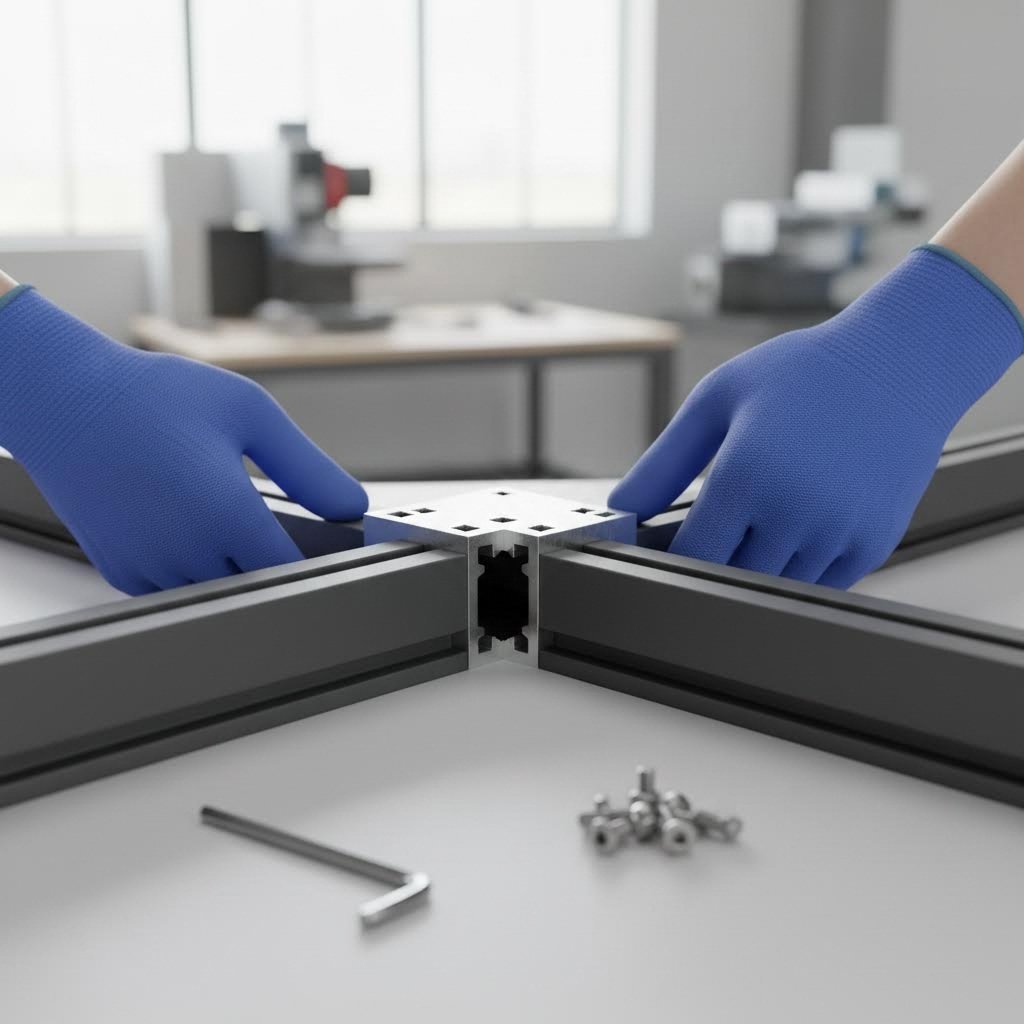
You've got your 2020 extruded aluminum profiles and a box full of hardware—now what? This is where many builders hit a wall. Unlike traditional construction where you simply bolt things together, working with 2020 extrusions requires understanding several distinct joining methods. Each technique offers different trade-offs between strength, aesthetics, and ease of assembly. Master these approaches, and you'll build frames that look professional and perform reliably for years.
Want corners that look seamlessly connected with no visible hardware? The blind joint technique delivers exactly that. This method uses the center bore of your aluminum extrusion 2020 rail as a mounting point, hiding all fasteners inside the extrusion itself.
Here's how the process works, step by step:
When should you choose blind joints? They're ideal for visible frames where aesthetics matter—think display fixtures, enclosures, or furniture. The clean look comes at a cost: slightly reduced joint strength compared to bracket methods, and more preparation time for drilling and tapping.
When structural integrity trumps appearance, corner brackets are your best friend. These L-shaped connectors mount inside or outside the corner junction, providing substantial reinforcement without any drilling into the extrusion rail itself.
The bracket method works straightforward:
For 2020 extrusions, standard inside corner brackets with two mounting holes per side deliver excellent rigidity. Aluminum joining experts note that mechanical fasteners offer high versatility and can be taken apart and reassembled as needed—a significant advantage when your design might evolve or require maintenance access.
Critical tip: don't over-tighten bracket screws. The aluminum threads in T-nuts and the extrusion's center bore can strip surprisingly easily. Tighten until snug, then add a quarter turn—that's typically sufficient. If you feel the resistance suddenly decrease, you've already stripped the threads.
Between fully visible brackets and blind joints lies a middle ground: hidden fastener systems that combine strength with cleaner aesthetics. These specialized connectors work particularly well for extruded rail applications where you want rigid joints without external hardware cluttering the frame.
Anchor fastener systems use a two-piece design: an anchor that installs in one extrusion's center bore and a threaded stud that pulls the perpendicular piece tight. The connection happens entirely within the profiles, leaving no visible hardware on any external face.
Corner cubes and hidden corner connectors fit inside the extrusion channel, creating three-way joints where profiles meet at corners. These cast or machined components fill the internal corner space while providing multiple threaded mounting points.
For inline connections—extending your 2020 extrusions beyond standard lengths—internal splice plates slide into the T-slot channels of both pieces. When combined with set screws or through-bolts, these create seamless joints that maintain the profile's clean lines.
Even experienced builders make these errors when working with 2020 extruded aluminum:
A properly assembled frame feels solid—no wobble, no flex, no rattling joints. Achieve this by following these principles:
With your assembly techniques mastered, you're ready to apply these methods to real-world projects. Understanding where 2020 extrusions excel—from 3D printer frames to industrial enclosures—helps you leverage this versatile material system to its full potential.
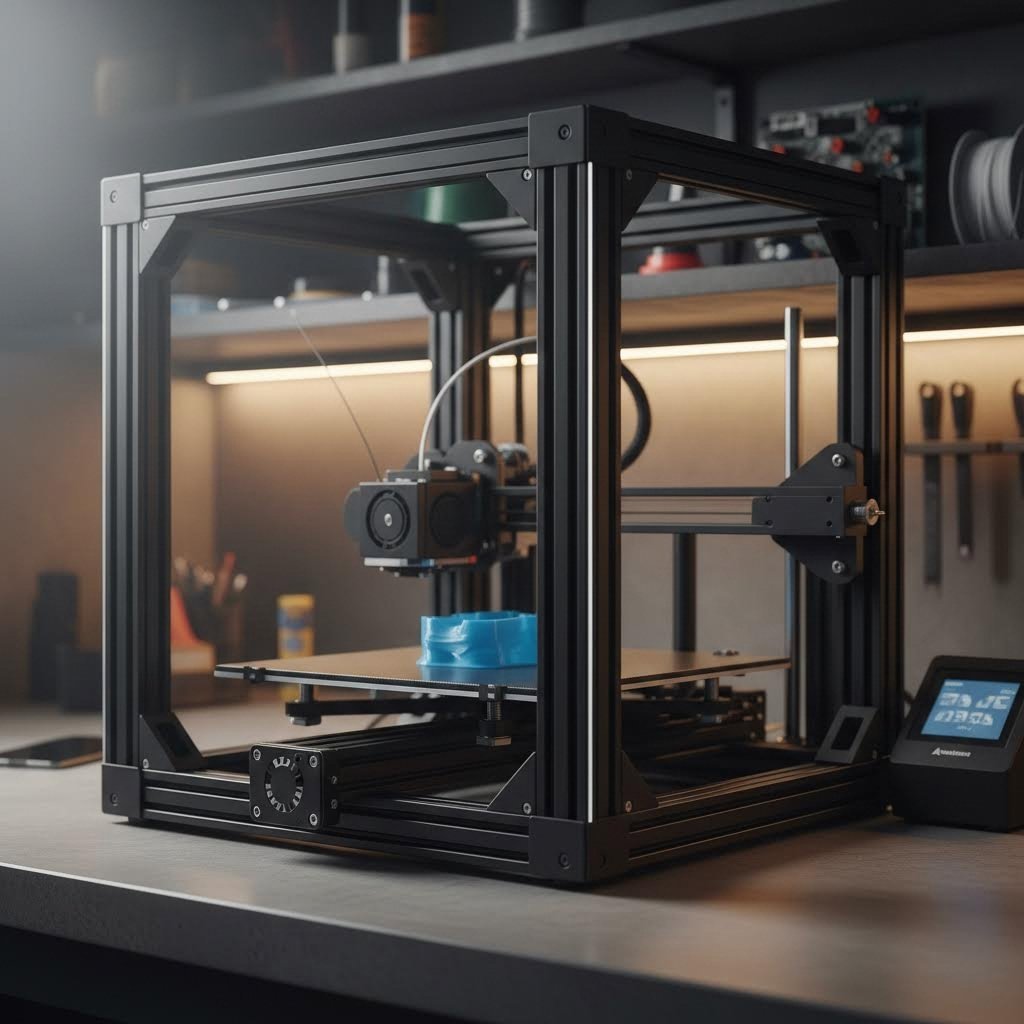
So you've learned the specifications, compared profile sizes, and understand assembly techniques—but where does aluminum extrusion actually shine in practice? The versatility of 2020 aluminum extrusions makes them the backbone of countless projects across maker spaces, workshops, and light industrial settings. Let's explore the real-world applications where this profile size delivers exceptional value.
Walk into any serious maker space, and you'll spot 2020 extrusions everywhere—especially framing 3D printers. There's a reason this profile dominates the desktop manufacturing world: it delivers the perfect balance of rigidity, weight, and cost for machines that need precision without breaking the bank.
The Voron Design project exemplifies this perfectly. According to their documentation, "All V1, V2, and Legacy frames are constructed with 2020 aluminum extrusions with a 6mm slot width." These community-designed printers have earned a reputation for exceptional print quality, and their choice of aluminum extrusion speaks volumes about the profile's capabilities.
Popular 3D printer applications include:
Why does extrusion aluminum work so well for 3D printers specifically? The T-slot design enables rapid prototyping and easy modifications—you can relocate motors, add sensors, or reconfigure the entire layout without drilling new holes or fabricating custom brackets.
Desktop CNC routers and laser cutters share many requirements with 3D printers: they need rigid frames that resist vibration while remaining affordable and modifiable. The 2020 profile handles lighter-duty CNC aluminium extrusion applications remarkably well.
Common CNC-related uses include:
As noted by Hackaday's extrusion guide, "We use extrusions to create frames for 3D printers, laser cutters, and CNC machines. But you can use it anywhere you need a sturdy and versatile frame." The modular nature means you can start with a basic machine and expand capabilities over time without rebuilding from scratch.
Beyond maker equipment, 2020 aluminum extrusions solve everyday challenges in workshops, retail environments, and professional settings. Their clean appearance and infinite adjustability make them surprisingly versatile for non-machine applications.
The same source notes that people use extrusions "to build custom fixtures inside vans" and for "a custom workbench, a light fixture, or even a picture frame." The only limit is your imagination—and perhaps your budget for hardware.
Three factors explain why this specific profile size dominates the DIY and maker communities:
Whether you're building your first Voron printer or designing a custom automation rig, 2020 aluminum extrusions provide the foundation for projects that look professional and perform reliably. The question isn't whether this profile can handle your application—it's which finish and material grade will serve you best over the long term.
You've selected your profile size, sourced compatible hardware, and mastered assembly techniques—but there's one decision that dramatically affects both performance and appearance: material grade and surface finish. These choices determine how your 2020 aluminum frame looks on day one and how it holds up years later. Get this wrong, and you'll deal with premature corrosion, unsightly discoloration, or unnecessary expense. Let's break down the options so you can match your selection to your specific environment and aesthetic goals.
When you order aluminium 2020 profiles, you'll typically choose between mill finish (raw) aluminum and anodized options. Understanding the difference helps you balance cost against long-term durability.
Mill finish is exactly what it sounds like—aluminum straight from the extrusion process with no additional surface treatment. It has a slightly dull, silvery appearance with visible extrusion lines. While perfectly functional, raw aluminum 2020 lacks protection against oxidation and fingerprints. In humid environments, you'll notice gradual dulling and potentially white corrosion spots over time.
Anodized aluminum extrusion undergoes an electrochemical process that creates a hard, protective oxide layer on the surface. According to BRT Extrusions, "Anodizing significantly enhances the natural corrosion resistance of aluminum. The anodic oxide layer acts as a barrier, protecting the extrusion from moisture, chemicals, and UV radiation."
Here's what makes anodizing particularly valuable for al extrusion applications:
For most projects, anodized profiles justify their modest price premium through extended service life and maintained appearance. The exception? Internal structural members that will never be seen—mill finish works perfectly fine and saves a few dollars per meter.
Walk through any maker space, and you'll notice a clear preference: black anodized profiles dominate. There's practical reasoning behind this aesthetic choice, but silver and custom colors each have their place.
Clear anodized (silver) preserves the natural aluminum appearance while adding protection. It's ideal for:
Black anodized has become the default for 3D printers, CNC machines, and visible builds. Beyond looking sleek, black finishes hide fingerprints and minor scratches better than silver. The Voron printer community's preference for black frames isn't just aesthetic—it's practical for equipment that gets handled frequently.
Powder coating opens up virtually unlimited color options. Industry sources note that powder coating "provides a wide range of color options, finishes, and textures. From matte to glossy, smooth to textured, powder coating allows for customization to meet specific design requirements." However, the coating adds 0.05-0.15mm thickness—enough to potentially affect tight-tolerance hardware fits.
When considering alluminum extrusion finishes, remember that powder coating offers one significant advantage: environmental friendliness. The powder material contains no solvents or volatile organic compounds, and overspray can be collected and reused.
Your operating environment should drive finish selection more than personal preference. Here's a comprehensive comparison to guide your decision:
| Finish Type | Durability | Corrosion Resistance | Aesthetics | Relative Cost | Best Applications |
|---|---|---|---|---|---|
| Mill Finish (Raw) | Low | Moderate | Industrial, shows wear | $ | Hidden structural members, budget builds, indoor only |
| Clear Anodized | High | Excellent | Clean metallic appearance | $$ | Lab equipment, industrial frames, professional installations |
| Black Anodized | High | Excellent | Modern, hides fingerprints | $$ | 3D printers, visible builds, consumer-facing equipment |
| Powder Coated | Very High | Excellent | Custom colors, textures possible | $$$ | Outdoor applications, brand-specific colors, high-wear surfaces |
Consider these environmental factors when selecting your finish:
Beyond surface finish, the underlying alloy affects your frame's performance. Most 2020 aluminum profiles use one of two aluminum-magnesium-silicon alloys:
6063-T5 is the standard choice for aluminum 2020 extrusions. Technical specifications confirm that 6063 is "specifically engineered for extrusion" with "excellent extrudability, superior surface finish, and strong corrosion resistance." The T5 temper indicates air cooling after extrusion by artificial aging—producing profiles with good strength and excellent surface quality for anodizing.
6061-T6 delivers approximately 40% higher yield strength than 6063-T5, making it the choice when structural demands exceed what standard profiles can handle. The trade-off? Slightly reduced surface quality after anodizing and higher cost. Unless you're building heavy-duty industrial equipment or spanning unusually long distances without support, 6063-T5 handles most applications perfectly well.
With material grade and finish selected, you're nearly ready to place your order. But before you do, understanding the purchasing landscape—from bulk discounts to supplier quality—can save you significant money and frustration.
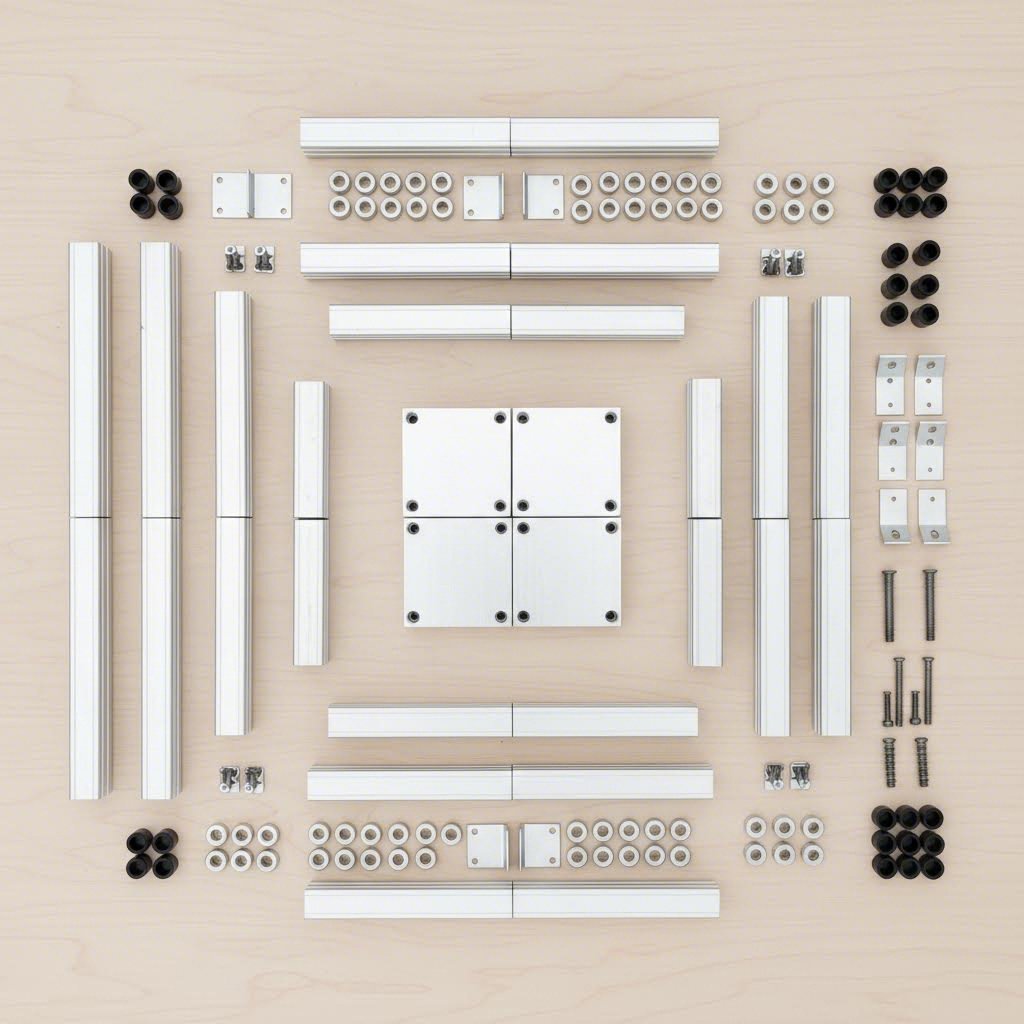
You've done the research—selected your profile size, chosen the right finish, and mapped out your assembly approach. Now comes the question that determines whether your project stays on budget or spirals into unexpected expenses: where to buy aluminum extrusion, and how do you evaluate whether you're getting fair value? Unlike commodity materials with transparent pricing, 2020 extrusions vary dramatically in cost depending on source, quantity, and included services. Let's demystify the purchasing process so you can buy aluminum extrusion with confidence.
When you start shopping for extruded aluminum for sale, you'll quickly notice that quoted prices only tell part of the story. According to Alibaba's buying guide, raw 2020 aluminum extrusion pricing typically ranges from $2 to $5 per foot for standard 1.5mm wall thickness, while thick-wall or anodized versions may cost $6 to $9 per foot. But that per-meter price is just your starting point.
The true cost of your project includes several often-overlooked factors:
Here's a practical example: you need 15 meters of black anodized 2020 extrusion cut into specific lengths. The base price might be $4 per meter ($60), but adding anodizing (+$15), 12 cuts (+$12), and shipping (+$25) brings your real cost to $112—nearly double the advertised per-meter rate.
Smart buyers calculate total landed cost before comparing suppliers. That cheap aluminium extrusion deal from an overseas vendor might not look so attractive once you factor in longer shipping times, potential customs duties, and the risk of receiving off-spec material with no easy recourse.
The economics of where to buy extruded aluminum shift dramatically based on order size. Understanding these thresholds helps you decide whether to buy just what you need or stock up for future projects.
Small quantities (under 10 meters): Expect to pay premium per-meter prices, often 30-50% above bulk rates. Online retailers like Amazon, smaller specialty shops, and tnutz aluminum extrusion suppliers cater to this market. The convenience of quick shipping and no minimum orders justifies the markup for one-off projects or prototypes.
Mid-range orders (10-50 meters): This sweet spot unlocks meaningful discounts—typically 15-25% off retail pricing. Most dedicated extrusion suppliers offer price breaks starting around 10 meters. You'll also find more flexibility on cut-to-length services and hardware bundling at this volume.
Bulk purchases (50+ meters): Direct factory sourcing becomes viable at this scale. Industry sources note that bulk discounts are common beyond 10-meter purchases, particularly from B2B suppliers. At 50+ meters, you might negotiate 30-40% below retail, but you'll need space to store inventory and capital to tie up in stock.
Consider this strategy: if you're planning multiple projects over the next year, consolidating purchases into a single bulk order often saves more than the carrying cost of storing extra material. Aluminum doesn't degrade in storage, and having stock on hand eliminates project delays from shipping lead times.
Not all 2020 extrusion suppliers deliver the same value—even when selling seemingly identical profiles. According to aluminum industry experts, a qualified supplier offers much more than extruded profiles—they provide engineering collaboration, quality assurance, and integrated production capabilities that align with your business goals.
When evaluating potential suppliers, prioritize these quality indicators:
You have three primary options for sourcing 2020 extrusions, each with distinct advantages:
Online specialty retailers (like tnutz extrusion, ZYLtech, or OpenBuilds) offer convenience and reasonable prices for small to mid-range orders. They typically stock compatible hardware, provide cut-to-length services, and ship quickly. The trade-off? Prices run 20-40% above direct manufacturer rates.
Local distributors provide the advantage of seeing and handling material before purchase. You can verify finish quality, test hardware fit, and avoid shipping costs by picking up orders. However, selection may be limited, and pricing varies widely by location.
Direct manufacturer sourcing through platforms like Alibaba offers the lowest per-unit costs for bulk purchases. The industry guide recommends requesting samples, checking for mill test reports, and clarifying return policies before committing. When working with overseas suppliers, confirm whether customs duties or import taxes apply in your region.
Before finalizing your order, build a comprehensive budget that accounts for all project costs:
A realistic budget for a typical 3D printer enclosure using 20 meters of 2020 extrusion might look like: $80-120 for extrusions, $40-60 for hardware, $15-30 for cutting services, $25-50 for shipping, and $20-30 for tools—totaling $180-290 depending on finish choices and supplier selection.
Armed with this purchasing knowledge, you're ready to make informed buying decisions. But selecting standard profiles and hardware only gets you so far—some projects demand custom solutions that go beyond off-the-shelf options.
You've absorbed the specifications, compared profile sizes, evaluated finishes, and mapped out your purchasing strategy. Now it's time to pull everything together into a coherent decision framework. Selecting the right 2020 aluminium extrusion isn't about finding the "best" option—it's about matching your specific requirements to the available solutions. Let's walk through the decision process that transforms research into action.
Every successful build starts with honest assessment. Before placing any orders, work through these critical decision factors:
Application requirements: What will your frame actually do? A display fixture faces different demands than a 3D printer frame operating at high speeds. Consider whether your application involves static loads, dynamic forces, vibration, or precision positioning. The 2020 aluminum extrusion strength handles most desktop-scale applications beautifully, but knowing your limits prevents disappointment.
Load considerations: Calculate the weight your frame must support—not just the obvious loads, but everything attached to it. A workbench supporting a 15kg 3D printer plus filament spools, tools, and enclosure panels might see 25-30kg total. For standard aluminum profiles in the 20 series aluminum extrusion family, unsupported spans under 500mm handle light-to-medium loads without noticeable deflection. Longer spans or heavier loads signal the need for either larger profiles or intermediate supports.
Finish preferences: Your operating environment drives this choice more than aesthetics. Indoor, climate-controlled spaces work fine with mill finish or clear anodized profiles. Humid workshops, outdoor installations, or high-touch applications benefit from black anodized finishes that hide wear and resist corrosion. Match your finish to where the frame will live—not just where it looks best in photos.
Budget constraints: Set a realistic total project budget before shopping. Remember the complete picture: extrusions represent only 40-50% of most project costs once you factor in hardware, cutting services, shipping, and tools. That "cheap" extrusion deal evaporates quickly when incompatible hardware forces you to reorder from a different supplier.
Standard off-the-shelf 20mm aluminum extrusion handles the vast majority of projects. But what happens when your requirements exceed what commodity suppliers offer? Perhaps you need:
For these requirements, partnering with an experienced extrusion specialist makes the difference between frustrating compromises and exact-specification results. Shengxin Aluminium's deep processing services exemplify what comprehensive custom extrusion support looks like: with over 30 years of industry experience and 35 extrusion presses ranging from 600T to 5500T capacity, they handle everything from die development through mass production.
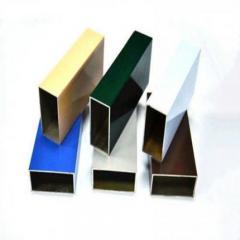
What sets specialist manufacturers apart from commodity suppliers? Consider the surface treatment options alone. Beyond standard anodizing, advanced providers offer PVDF coatings for extreme weather resistance, micro-arc oxidation for superior hardness, and custom color matching that transforms functional alu extrusion profiles into brand-aligned components. When your project demands more than basic black or silver, these capabilities matter.
According to CNC machining experts, "Aluminum machined parts are compatible with extensive surface finishes such as anodizing, powder coating, and painting to achieve the preferred custom appearance for your project." Integrated CNC capabilities mean your profiles arrive ready to assemble—holes precisely located, threads cleanly tapped, and complex cuts completed with accuracy that hand tools simply cannot match.
Ready to move from planning to purchasing? Here's your action checklist:
For projects requiring standard 20 20 aluminum extrusion in common finishes, online specialty retailers deliver quickly and conveniently. When your specifications demand custom lengths, specialized finishes, or integrated machining, reach out to manufacturers with deep processing capabilities who can execute your exact requirements.
The modular nature of aluminium extrusion 2020 systems means your first project teaches skills that transfer directly to your next build. Start with something manageable—perhaps a simple enclosure or workstation frame—before tackling complex multi-axis machines. Each assembly reinforces your understanding of what this versatile material system can accomplish.
Whether you're building a Voron printer, designing automation equipment, or creating custom fixtures, 2020 aluminum extrusions provide the foundation for structures that look professional and perform reliably. The knowledge you've gained here—from specifications and finishes to assembly techniques and sourcing strategies—positions you to execute projects with confidence. Now it's time to stop researching and start building.
A 2020 series aluminum extrusion is a square, T-slotted profile measuring 20mm x 20mm in cross-section. The name directly reflects its dimensions—20mm width by 20mm height. These profiles feature longitudinal T-slot grooves on each face that allow quick assembly using specialized hardware like T-nuts and brackets, eliminating the need for welding. Made from 6063-T5 or 6061-T6 aluminum alloys, they're ideal for building 3D printer frames, CNC enclosures, workbenches, and custom fixtures. The modular design enables easy reconfiguration and modifications throughout a project's lifecycle.
The 2020 aluminum extrusion offers a tensile strength ranging from 230 to 270 MPa and bending strength between 150 and 180 MPa. Standard profiles use 6063-T5 aluminum alloy, while high-strength applications may use 6061-T6, which provides approximately 40% greater yield strength. For practical applications, 2020 profiles handle light-to-medium loads effectively on unsupported spans under 500mm. They're well-suited for 3D printers, small CNC machines, and desktop-scale equipment. For heavier loads or longer spans, consider sizing up to 3030 or 4040 profiles or adding intermediate supports.
2020 extrusions work with an extensive hardware ecosystem including M5 T-nuts (standard, drop-in, and spring-loaded varieties), 90-degree and 135-degree corner brackets, joining plates (straight, L-shaped, and T-shaped), hinges, end caps, cable management clips, and linear motion components. The standard 6mm slot width accommodates M5 fasteners perfectly. Important note: hardware compatibility varies slightly between manufacturers due to slot width differences ranging from 5mm to 6.2mm. Always verify that your hardware matches your specific extrusion brand before purchasing.
The primary differences lie in size, load capacity, weight, and cost. 2020 profiles measure 20mm x 20mm and weigh approximately 0.65 kg/m, ideal for lightweight applications like 3D printers and small CNC machines. 4040 profiles measure 40mm x 40mm, weigh 1.5-1.7 kg/m, and deliver significantly higher rigidity for heavy-duty workbenches and industrial frames. Cost-wise, a 4040 frame runs 3-4 times more than an equivalent 2020 structure when factoring in profiles and hardware. Choose 2020 for structures under 1 meter with static loads under 10kg per span; choose 4040 for spans exceeding 1 meter or when vibration dampening is critical.
Purchase options include online specialty retailers (TNUTZ, ZYLtech, OpenBuilds), local distributors, and direct manufacturer sourcing through platforms like Alibaba for bulk orders. Standard pricing ranges from $2-5 per foot for basic profiles, with anodized versions costing $6-9 per foot. Beyond per-meter pricing, factor in cut-to-length fees ($0.50-2.00 per cut), finish upcharges (15-25% for black anodizing), and shipping costs based on weight. For custom requirements like specialized lengths, unique surface treatments, or integrated CNC machining, working with experienced manufacturers like Shengxin Aluminium ensures precise specifications are met.



 un service en ligne
 0086 136 3563 2360
 sales@sxalu.com
 +86 136 3563 2360
 français
 English
 Deutsch
 русский
 español
 português
 العربية
 ไทย
ไทย Việt
Việt Українська