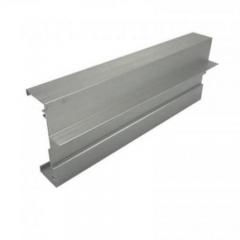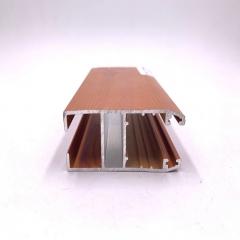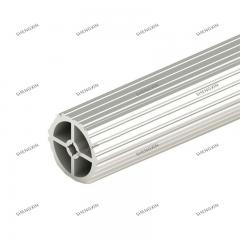

Importing aluminum extrusions into the United States? Then you've likely encountered one of the most critical documents in trade compliance: the AD CVD aluminum extrusion compliance worksheet. This document serves as your roadmap for navigating antidumping (AD) and countervailing duty (CVD) requirements, ensuring your shipments clear customs without unexpected delays or costly penalties.
But what exactly is this worksheet, and why does it matter so much to your bottom line? Let's break it down.
The AD CVD aluminum extrusion compliance worksheet is a standardized documentation tool that helps importers accurately report product specifications, manufacturer details, and alloy compositions to determine whether their aluminum form products fall within the scope of active trade remedy orders and what duty liabilities apply.
Think of this worksheet as a bridge between your import shipment and U.S. Customs and Border Protection (CBP). It systematically captures every detail CBP needs to assess whether your aluminum extrusion case falls under existing AD/CVD orders. The worksheet collects information about alloy composition, manufacturing origin, product dimensions, and end-use applications.
When completed accurately, the document accomplishes three essential functions:
Without proper documentation, you're essentially importing blind, leaving yourself vulnerable to retroactive duty assessments that can reach into the hundreds of thousands of dollars.
CBP doesn't request this paperwork arbitrarily. The agency enforces trade remedy orders issued by the U.S. Department of Commerce, and these orders require specific product information to function properly. When you import aluminium extrusion products from countries subject to AD/CVD orders, CBP must verify whether your goods match the scope definitions established in those orders.
The compliance worksheet standardizes this verification process. Rather than forcing customs officers to interpret inconsistent documentation from thousands of importers, the worksheet ensures everyone provides information in the same format. This consistency speeds up processing times and reduces classification disputes.
For the aluminum extrusion case involving China, the A570-967 order remains one of the most significant trade actions affecting U.S. importers. Cash deposit rates can vary dramatically depending on the specific manufacturer and whether proper documentation accompanies each entry.
AD/CVD orders don't appear from nowhere. They result from formal investigations conducted by the Department of Commerce and the International Trade Commission. These investigations determine whether foreign manufacturers sell products in the U.S. at unfairly low prices (dumping) or receive prohibited government subsidies (countervailable subsidies).
The Federal Register publishes official notices establishing these requirements. For aluminum extrusions, key notices include 88 FR 74421 and 88 FR 74433, which outline scope definitions, applicable duty rates, and compliance obligations. These Federal Register publications serve as the authoritative legal foundation for every field you'll complete on your compliance worksheet.
Understanding this legal framework isn't just academic. It explains why certain worksheet fields exist and why accuracy matters so much. Each data point connects directly to scope language or duty calculation methodologies established in these official publications. When you complete the worksheet correctly, you're essentially translating regulatory requirements into actionable import documentation.
Ever wondered how an aluminum extrusion product suddenly becomes subject to hefty duties? The answer lies in a structured investigation process that unfolds over many months, sometimes years. Understanding this timeline helps you anticipate compliance requirements before they impact your shipments.
The Department of Commerce and International Trade Commission follow a precise sequence when evaluating trade remedy petitions. Each stage creates new obligations for importers, and missing these milestones can leave you scrambling to catch up with documentation requirements.
Trade remedy investigations don't happen spontaneously. They begin when a domestic industry files a formal petition alleging unfair trade practices. For aluminum extrusions, domestic manufacturers argued that foreign producers were either selling below fair value or receiving government subsidies that distorted competition.
Once Commerce accepts a petition, the investigation clock starts ticking. During this phase, Commerce investigators gather data from foreign manufacturers, analyze pricing structures, and calculate preliminary duty margins. Importers often don't realize their products fall under investigation until preliminary determinations make headlines.
The A-570-967 case covering aluminum extrusions from China represents one of the longest-running and most consequential trade orders affecting U.S. importers. More recently, the A-570-158 and A570-158 investigations have expanded coverage to additional product categories and countries, creating new compliance layers for importers to navigate.
Imagine you're tracking a shipment through customs. Now imagine that shipment's duty liability changes based on where Commerce stands in its investigation timeline. That's exactly what happens with AD/CVD cases. Here's how the process typically unfolds:
Each milestone triggers specific documentation requirements. The preliminary determination stage is particularly critical because it establishes initial cash deposit rates that importers must pay at the time of entry.
When Commerce issues a preliminary determination, everything changes for importers. Suddenly, you're required to post cash deposits based on preliminary duty rates, even though final rates won't be established for months. These deposits can significantly impact your cash flow and pricing calculations.
The May 2024 preliminary determination timeline for certain aluminum extrusion products illustrates how quickly compliance obligations can shift. One day your products enter duty-free; the next, you're depositing substantial sums pending final determination. Understanding where your products fall in this timeline directly affects your compliance worksheet completion.
Several key terms become essential at this stage:
The difference between preliminary and final determinations matters enormously for your bottom line. Preliminary rates represent Commerce's initial estimate based on available information. Final rates incorporate additional data, verification results, and responses to interested party comments. Sometimes final rates decrease significantly from preliminary levels; other times they increase.
Your compliance worksheet captures the information needed to apply the correct rates at each stage. Accurate completion ensures you're depositing appropriate amounts and maintaining documentation that supports potential refund claims if final rates prove lower than preliminary estimates.
With a clear understanding of how investigations progress from petition to enforcement, you're better positioned to anticipate which products require documentation and when. Next, let's examine exactly which aluminum extrusion products fall under these orders and how HTS code classifications determine your compliance obligations.

So you've got aluminum products arriving at the port. The million-dollar question? Whether they fall within the scope of AD/CVD orders. Getting this wrong can mean unexpected duty deposits, delayed shipments, or worse, penalty assessments that devastate your profit margins.
The scope determination process relies heavily on two interconnected classification systems: Harmonized Tariff Schedule (HTS) codes and product scope definitions established in the original investigation orders. Understanding how these systems work together is essential for completing your compliance worksheet accurately.
When your shipment arrives, CBP officers look first at the HTS code declared on your entry documentation. Certain codes immediately flag products for potential AD/CVD review. Think of HTS codes as the first line of defense in scope determination. They tell customs officials whether your aluminium extrusion products warrant closer examination.
The A 570 orders covering aluminum extrusions from China capture products across multiple HTS chapters. Here's a breakdown of commonly affected classifications:
| HTS Code Range | Product Description | Typical Scope Status |
|---|---|---|
| 7604.10 | Aluminum bars, rods, and profiles (non-alloy) | Generally covered |
| 7604.21 | Hollow profiles of aluminum alloys | Generally covered |
| 7604.29 | Other aluminum alloy profiles | Generally covered |
| 7608.10 | Aluminum tubes and pipes (non-alloy) | Covered with exceptions |
| 7608.20 | Aluminum alloy tubes and pipes | Covered with exceptions |
| 7610.10 | Doors, windows, and frames | Subject to finished goods analysis |
| 7610.90 | Other aluminum structures | Subject to finished goods analysis |
Important: HTS codes alone don't determine scope coverage. Products classified under covered HTS codes may still fall outside the order's scope based on physical characteristics, alloy composition, or end-use applications. Always verify scope status using the complete product specifications, not just the tariff classification.
For the most current and authoritative HTS information, consult the official USITC HTS database. This resource provides detailed classification guidance and notes relevant to AD/CVD determinations.
Here's where things get technical. The scope of aluminum extrusion orders depends significantly on alloy composition. Different alloy series contain varying percentages of aluminum and alloying elements, and these percentages determine whether your products fall within coverage.
Aluminum alloys are categorized into series based on their primary alloying elements:
The 6xxx series dominates the extruded aluminum panels market and represents the largest volume of covered products. Alloys like 6061 and 6063 appear frequently in compliance worksheet submissions because they're the workhorses of the aluminum extrusion industry.
When completing your worksheet, you'll need to specify the exact alloy designation and verify that the aluminum content percentage meets the scope definition thresholds. The order scope typically covers products containing at least 50% aluminum by weight. Products with aluminum content below this threshold may fall outside scope, but you'll need supporting documentation to substantiate that claim.
Your supplier's mill test reports and material certifications become critical here. These documents provide the alloy composition data you'll transfer to your compliance worksheet. Without accurate alloy information, you're essentially guessing at scope coverage.
Not every aluminum extrusion triggers duty liability. Understanding exclusions helps you identify legitimate opportunities to avoid unnecessary deposits while maintaining full compliance. The key is proper documentation supporting your exclusion claims.
Common categories falling outside scope include:
Claiming an exclusion requires more than simply checking a box. You'll need a comprehensive Goods Outside Scope Declaration Checklist approach that documents exactly why your products qualify. This checklist typically includes:
The burden of proof rests with importers. CBP presumes products falling under covered HTS codes are within scope unless you provide convincing documentation otherwise. Incomplete or unsubstantiated exclusion claims often result in duty deposits first, questions later, tying up your capital while you gather supporting evidence.
Now that you understand which products require documentation and why, let's walk through the actual worksheet fields you'll complete for each covered shipment.
You've identified that your aluminum extrusion products fall within scope. Now comes the practical challenge: completing every field on your compliance worksheet accurately. Each entry serves a specific purpose in the duty determination process, and understanding the "why" behind each field helps you avoid costly errors.
Think of the aluminum extrusion worksheet as a story you're telling CBP about your product. Every field adds another chapter to that story, building a complete picture that customs officers use to verify scope coverage and calculate duty liability. Miss a detail, and the story falls apart.
The first section of your CVD compliance form establishes who made your product and where. Sounds simple enough, right? But these fields carry enormous weight in duty calculations because AD/CVD rates are manufacturer-specific in many cases.
Here's what you'll typically encounter:
Why does manufacturer identification matter so much? Because Commerce calculates separate duty rates for manufacturers that participate in administrative reviews. A manufacturer with a 10% rate saves you significant money compared to the country-wide "all others" rate that might exceed 100%. Getting the manufacturer name wrong means potentially paying the wrong rate.
Your supplier should provide official documentation confirming their legal name, manufacturing location, and any Commerce-assigned identification numbers. Request these documents before your first shipment to avoid delays at entry.
This section gets into the technical heart of how aluminum extrusion is made and whether your specific product matches scope definitions. Understanding these fields requires some familiarity with metallurgical specifications.
Each technical specification connects directly to scope language in the AD/CVD order. When Commerce defined covered products, they used these exact parameters. Your worksheet essentially translates your product's physical reality into the regulatory language CBP needs for scope verification.
A common question: what if my supplier provides different alloy documentation formats? Mill test reports from different countries may use varying standards (ASTM, EN, JIS). Your worksheet should reference the alloy designation that corresponds to the product's actual composition, with supporting documentation showing any equivalent standards.
Here's where many importers stumble. End-use declarations aren't just bureaucratic checkboxes. They directly influence scope determination, particularly for products claiming finished goods exemptions or specific product exclusions.
End-use declarations carry legal weight. False statements on customs documentation can result in penalties beyond just duty liability. If you're uncertain about the correct end-use classification, document your reasoning and consult with a customs broker or trade compliance specialist before submitting.
The relationship between end-use and scope becomes particularly important for products near the boundary between covered and excluded merchandise. Extruded aluminum panels destined for architectural applications face different scrutiny than identical profiles heading to industrial equipment manufacturers.
The final section of your worksheet references the supporting documents that substantiate your field entries:
These reference fields create an audit trail. When CBP or Commerce reviews your entry months or years later, they'll request the underlying documents. Your worksheet serves as the roadmap to that supporting documentation.
Completing every field accurately takes time, especially for your first few shipments. But investing that effort upfront prevents far greater time and expense dealing with customs holds, duty reassessments, or penalty investigations down the road. With your worksheet properly completed, let's examine the most common mistakes that trip up even experienced importers.

You've carefully reviewed every field on your compliance worksheet. You're confident the information looks correct. Then your shipment gets flagged at customs, and suddenly you're facing delays, unexpected duty deposits, or worse. What went wrong?
Even experienced importers make aluminum extrusion compliance errors that derail otherwise smooth entries. The good news? Most ad cvd worksheet mistakes follow predictable patterns. Understanding these common pitfalls helps you spot problems before they reach CBP's attention.
Imagine your shipment sitting at the port while customs officers wait for documents you didn't realize were required. That's exactly what happens when documentation gaps appear in your compliance package. These aren't minor oversights. They're missing puzzle pieces that prevent CBP from completing scope verification.
The most frequent customs documentation errors include:
When documentation gaps appear, CBP typically issues a Request for Information (CF-28) or places your shipment on hold pending clarification. Every day your goods sit waiting costs money in demurrage, storage fees, and lost sales opportunities.
Sounds technical, but classification mistakes represent some of the most expensive import compliance issues you can face. Getting the HTS code wrong doesn't just delay your shipment. It can trigger retroactive duty assessments covering years of previous imports.
Here's where importers commonly go wrong:
The consequences of classification errors extend beyond immediate duty liability. CBP can issue rate advances requiring immediate payment of additional deposits. Commerce may initiate scope inquiries that examine your entire import history. In egregious cases, penalty assessments can reach up to four times the unpaid duties, plus interest calculated from the original entry date.
Prevention beats correction every time. Before submitting your compliance worksheet, run through this verification process to catch errors while you can still fix them.
Cross-reference every field against source documents: Don't rely on memory or previous entries. Pull out the mill test report, commercial invoice, and manufacturer certification for this specific shipment. Verify that each worksheet field matches exactly what appears on these documents.
Confirm manufacturer identification with Commerce records: If you're claiming a manufacturer-specific duty rate, verify that the manufacturer name on your worksheet matches Commerce's official records exactly. Even minor spelling variations can result in "all others" rate application.
Calculate aluminum content independently: Don't simply copy the percentage from your supplier's documentation. Use the alloy composition data to verify that aluminum content exceeds the 50% threshold required for scope coverage. If you're claiming the product falls outside scope due to low aluminum content, ensure your calculation methodology matches Commerce's approach.
Review blanket statement language against current requirements: Blanket statement requirements evolve with new scope rulings and administrative reviews. Verify that your certification language addresses current requirements, not outdated versions that may no longer satisfy CBP.
Document your verification process: Create a checklist noting which documents you reviewed, when you reviewed them, and who performed the verification. This audit trail demonstrates good faith compliance efforts if questions arise later.
Consider implementing a second-set-of-eyes policy where someone other than the worksheet preparer reviews entries before submission. Fresh perspective catches errors that become invisible after you've stared at the same data repeatedly.
Catching mistakes before submission saves far more than the time invested in verification. With your worksheet accuracy confirmed, you're ready to move your documentation through the complete compliance workflow from completion to customs entry.

Your compliance worksheet is complete and verified. Now what? The document doesn't simply sit in a folder. It becomes an active component in a multi-step customs entry process that determines whether your shipment clears smoothly or gets tangled in delays and additional scrutiny.
Understanding the complete workflow from worksheet completion through CBP review helps you anticipate what comes next and prepare accordingly. Each step builds on the previous one, and gaps at any stage can unravel work you've already completed.
Think of your compliance worksheet as one critical piece of a larger documentation package. The customs entry process follows a structured sequence that transforms your paperwork into an approved import. Here's how the workflow typically unfolds:
The relationship between worksheet accuracy and duty deposit calculation deserves special attention. Errors in manufacturer identification, alloy composition, or scope determination directly affect the deposit amount. Overpaying ties up working capital unnecessarily. Underpaying triggers additional deposits, interest charges, and potential penalties.
Unless you're handling customs entries in-house, your customs broker serves as the critical link between your documentation and CBP. Establishing clear communication protocols makes the difference between seamless entries and frustrating miscommunications.
What should you expect from your customs broker workflow? Professional brokers follow established industry practices that include:
To maximize this relationship, provide your broker with complete documentation packages well before vessel arrival. Last-minute scrambling for missing documents creates pressure that leads to errors. Establish standing instructions for how AD/CVD entries should be handled, and review those instructions whenever regulations or your product mix changes.
Your compliance obligations don't end when goods clear customs. Document retention requirements extend years beyond the original entry date, and CBP audits can resurface long after you've moved on to other shipments.
Federal regulations require importers to retain entry documentation for five years from the date of entry. For AD/CVD merchandise, this includes:
Organize these records by entry number and date, making retrieval straightforward when CBP requests documentation. Digital storage is acceptable provided you can produce legible copies on demand. Many importers maintain both electronic and physical archives as backup.
Audit preparedness goes beyond simple document storage. Periodically review your retained records to ensure nothing has been lost or corrupted. Verify that worksheet entries still match supporting documentation. Identify any entries where subsequent information might change your scope determination.
When CBP initiates a focused assessment or compliance audit, your documentation quality determines the outcome. Complete, well-organized records demonstrate good faith compliance and typically result in faster resolution. Missing or inconsistent documentation raises red flags that extend audit scope and increase penalty risk.
With your compliance workflow established and documentation properly retained, you're positioned to handle the ongoing obligations of AD/CVD importing. But what happens when your products might qualify for exemption from these requirements? Understanding exclusions and how to properly document them opens additional opportunities.
What if your aluminum extrusion products don't actually belong under the AD/CVD umbrella? Not every import triggers duty liability, and understanding legitimate exemptions can save substantial money while maintaining full compliance. The key lies in knowing which products qualify and how to document your claims properly.
Exemptions aren't loopholes or workarounds. They're built into the scope language of AD/CVD orders, recognizing that certain products shouldn't face duties despite sharing characteristics with covered merchandise. However, claiming an exemption without proper documentation is a recipe for customs problems.
The finished goods exemption represents one of the most significant pathways for duty free aluminum products. But here's where many importers stumble: simply calling something a "finished good" doesn't make it one for AD/CVD purposes.
Commerce defines finished goods as products that have undergone substantial transformation beyond basic extrusion and require no further processing before reaching their intended end use. This means more than cutting to length or drilling a few holes. The transformation must fundamentally change the product's character or function.
| Product Category | Typical Scope Status | Key Determining Factors |
|---|---|---|
| Raw extruded profiles | Covered | No additional processing beyond extrusion |
| Profiles cut to length only | Covered | Cutting alone doesn't constitute substantial transformation |
| Assembled window frames with glass | Typically excluded | Integration with non-aluminum components creates finished product |
| Heat sinks with specific fin configurations | May be excluded | Must meet precise dimensional and design criteria from scope rulings |
| Automotive structural components | Varies | Depends on extent of machining, welding, and integration |
| Extruded aluminum with attached hardware | Often excluded | Assembly with fasteners, hinges, or mechanisms may qualify |
Beyond finished goods, Commerce has issued specific product exclusions through scope rulings. These ad cvd scope exclusions apply to products meeting precise specifications outlined in individual rulings. Examples include certain heat sink designs, specific industrial components, and products with unique dimensional characteristics that distinguish them from standard covered merchandise.
Understanding aluminum extrusion exemptions requires careful analysis of both the general finished goods criteria and any product-specific rulings that might apply to your imports. Don't assume your product qualifies based on general similarity to excluded merchandise. Each claim requires individual evaluation against the specific criteria.
Claiming an exemption without documentation is like claiming a tax deduction without receipts. It might work initially, but it won't survive scrutiny. CBP presumes products classified under covered HTS codes fall within scope. The burden of proving otherwise rests entirely with you.
A complete exemption claim documentation package typically includes:
Your compliance worksheet should clearly indicate the exemption claim and reference the supporting documentation. Create a cross-reference system that allows CBP to quickly locate the evidence supporting each claim element.
Determining whether your products qualify for the finished goods exemption requires honest evaluation against Commerce's criteria. Ask yourself these questions before claiming exemption:
Has the product been substantially transformed? Minor operations like cutting, drilling mounting holes, or applying basic finishes typically don't constitute substantial transformation. Significant machining, welding, assembly with other components, or integration into larger manufactured items generally do.
Is the product ready for its intended end use? Finished goods require no further manufacturing before serving their purpose. If your customer will perform additional processing, your product likely remains within scope.
Does a specific scope ruling cover your product? Commerce has issued numerous scope rulings addressing whether particular products fall within or outside AD/CVD orders. Research existing rulings before assuming your product's status.
If uncertainty remains after this analysis, consider requesting a formal scope ruling from Commerce. While this process takes time, it provides definitive guidance that protects you from retroactive duty assessments. The cost of a scope ruling often pales compared to the risk of incorrectly claiming exemption for years of imports.
Remember that exemption claims draw heightened CBP scrutiny. Officers reviewing your entries will examine supporting documentation carefully. Incomplete or unconvincing evidence results in duty deposits first, with the burden on you to prove your case for refunds later. Building a solid documentation package upfront prevents this cash flow disruption and demonstrates your commitment to compliant importing.
With exemptions and exclusions understood, the next step involves ensuring your suppliers can provide the documentation needed to support both covered entries and legitimate exemption claims.

Your compliance worksheet is only as reliable as the documentation behind it. The most carefully completed worksheet falls apart if your supplier cannot provide the technical certifications, mill test reports, and origin documentation that substantiate every field entry. Selecting the right aluminum extrusion supplier isn't just about product quality and price. It's about building a supply chain that supports your ongoing compliance obligations.
Think about it this way: every time CBP questions an entry, you'll need to produce supporting documents from your manufacturer. If those documents don't exist, arrive late, or contain inconsistencies, your shipment sits waiting while your costs mount. The right supplier anticipates these needs and delivers documentation as part of standard service.
Before placing your first order, establish clear expectations about aluminum extrusion supplier documentation requirements. Don't assume manufacturers automatically provide everything you need. Many suppliers serve domestic markets where AD/CVD compliance isn't relevant, and their standard documentation packages may fall short of U.S. import requirements.
Essential documents to request from every supplier include:
Request sample documentation before committing to a supplier relationship. Review these samples for completeness, accuracy, and consistency with U.S. import requirements. A supplier who struggles to provide proper documentation during the sales process will likely create ongoing compliance headaches.
Not all aluminum extrusion manufacturers are created equal when it comes to manufacturer compliance support. The difference often lies in operational maturity, quality management systems, and experience serving markets with strict documentation requirements.
What capabilities should you look for? Consider these factors when evaluating potential suppliers:
Integrated quality management systems: Manufacturers holding ISO 9001 certification have documented processes for material traceability, testing, and certification. This systematic approach ensures consistent documentation quality across shipments. More specialized certifications like IATF 16949 (automotive) or AS9100 (aerospace) indicate even more rigorous quality controls.
In-house testing capabilities: Suppliers with their own metallurgical laboratories can generate mill test reports quickly and address composition questions without waiting for third-party testing. This speeds up documentation turnaround and provides greater confidence in alloy verification.
Comprehensive processing capabilities: Manufacturers offering end-to-end services from die development through surface treatment maintain better control over documentation at every stage. When extrusion, machining, and finishing happen under one roof, traceability becomes simpler and documentation more consistent. For example, Shengxin Aluminium, with over 30 years of industry experience, operates 35 extrusion presses and maintains CNC machining centers alongside extensive surface treatment options including anodizing, powder coating, and PVDF finishes. This integrated approach means technical documentation flows from a single source rather than requiring coordination across multiple vendors.
Technical team support: Suppliers with dedicated engineering support can assist with alloy selection, dimensional specifications, and documentation preparation. When questions arise about scope determination or product classifications, having technical experts available accelerates resolution.
Experience with export documentation: Manufacturers regularly serving U.S. importers understand what documentation CBP expects. They've refined their processes based on actual customs experiences rather than guessing at requirements.
Selecting the right supplier is just the beginning. Building a truly compliance-ready supply chain requires ongoing communication, clear expectations, and systematic verification processes.
Start with a supplier qualification process that evaluates documentation capabilities alongside product quality and pricing. Request references from other U.S. importers and ask specifically about documentation experiences. Have they encountered CBP holds due to missing or inadequate supplier documentation? How responsive is the supplier when additional information is needed?
Establish documentation requirements in your purchase agreements. Specify exactly which documents must accompany each shipment, the format requirements, and timing expectations. Include language requiring prompt response to documentation requests that may arise during customs review.
Create feedback loops with your suppliers. When documentation issues cause customs delays, communicate the specific problem back to the manufacturer. This helps them improve their processes and prevents recurring issues. Similarly, acknowledge when documentation arrives complete and accurate, reinforcing good practices.
Consider documentation capabilities when making sourcing decisions. A supplier offering slightly lower prices but inadequate documentation support may cost far more in the long run through customs delays, compliance penalties, and administrative burden. The cheapest per-unit price means nothing if your shipments sit at the port accumulating demurrage charges.
Factory-direct relationships often provide documentation advantages over trading company arrangements. When you work directly with the manufacturer, documentation comes from the source without intermediary confusion. Manufacturers like Shengxin Aluminium, offering direct technical team support from die development through mass production, can provide comprehensive documentation packages because they control every production stage.
Finally, maintain backup supplier relationships. Even the best suppliers occasionally face capacity constraints or documentation delays. Having qualified alternatives ensures you can maintain import operations when primary suppliers encounter difficulties. Apply the same documentation qualification standards to backup suppliers so they're ready to step in seamlessly when needed.
Your supply chain documentation capabilities directly impact your ability to complete compliance worksheets accurately and substantiate those entries when questioned. Investing time in supplier selection and relationship development pays dividends through smoother customs entries, reduced compliance risk, and more predictable import operations.
You've made it through the complexities of worksheet completion, scope determination, and documentation requirements. Now comes the crucial part: putting this knowledge into action. Establishing robust AD/CVD compliance processes isn't a one-time effort. It's an ongoing commitment that protects your business from costly surprises and positions you for long-term import success.
The difference between importers who struggle with AD/CVD requirements and those who handle them smoothly? Systematic preparation and reliable resources. Let's translate everything you've learned into concrete next steps.
Ready to implement a solid ad cvd compliance checklist for your operations? Work through these action items to establish your compliance foundation:
Staying current with AD/CVD requirements means accessing authoritative aluminum import compliance resources regularly. Bookmark these essential references:
The USITC HTS database provides the official Harmonized Tariff Schedule with current classifications, chapter notes, and general notes governing tariff treatment. Use this resource to verify HTS code assignments and understand classification requirements for your products.
Federal Register publications establish the legal foundation for AD/CVD orders. Key notices including 88 FR 74421 and 88 FR 74433 define scope language, duty rates, and compliance obligations. Access the Federal Register ad cvd notices through the official Federal Register website to review scope definitions and stay informed about order modifications.
The Department of Commerce's Enforcement and Compliance website publishes current cash deposit rates, administrative review schedules, and scope ruling decisions. Check this resource monthly to catch rate changes before they affect your entries.
For importers seeking manufacturers with comprehensive documentation support, working with established suppliers who understand export requirements simplifies compliance significantly. Shengxin Aluminium offers end-to-end technical support from die development through mass production, with factory-direct documentation capabilities that align with U.S. import requirements.
Compliance isn't just about avoiding penalties. It's about creating predictable, efficient import operations that support your business growth. When your documentation processes run smoothly, shipments clear faster, cash flow improves, and you can focus on serving customers rather than resolving customs issues.
Accurate documentation isn't just a regulatory requirement. It's the foundation of sustainable importing that protects your margins, preserves your reputation, and positions your business for growth in an increasingly complex trade environment.
The importers who thrive under AD/CVD requirements share common characteristics: they invest in understanding the rules rather than hoping problems won't arise, they build relationships with suppliers who prioritize documentation quality, and they treat compliance as a competitive advantage rather than a burden.
Your next shipment doesn't have to be stressful. With the right preparation, reliable suppliers, and systematic processes, AD/CVD compliance becomes routine rather than reactive. Start implementing these practices today, and you'll find that what once seemed overwhelming becomes simply another well-managed aspect of your import operations.
The AD/CVD Aluminum Extrusion Compliance Worksheet is a standardized documentation tool that helps importers report product specifications, manufacturer details, and alloy compositions to U.S. Customs and Border Protection. It determines whether aluminum products fall within the scope of antidumping and countervailing duty orders, calculates applicable duty rates based on manufacturer-specific assessments, and creates an audit trail protecting importers during CBP reviews. Without proper completion, importers risk delayed shipments, unexpected duty deposits, and potential penalties reaching hundreds of thousands of dollars.
AD/CVD orders typically cover aluminum extrusions containing at least 50% aluminum by weight, including bars, rods, hollow profiles, and tubes classified under HTS codes 7604.10, 7604.21, 7604.29, 7608.10, and 7608.20. The 6xxx alloy series (particularly 6061 and 6063) represents the largest volume of covered products. However, coverage depends on physical characteristics, alloy composition, and end-use applications. Products like assembled window frames with glass, certain heat sinks meeting specific criteria, and substantially transformed finished goods may qualify for exclusions with proper documentation.
Essential supplier documentation includes Mill Test Reports certifying chemical composition and mechanical properties, alloy certifications confirming aluminum content percentages, Country of Origin Certificates, manufacturer identification documentation with Commerce-assigned ID numbers, and Certificates of Analysis verifying metallic element percentages. Manufacturers with integrated capabilities like Shengxin Aluminium, offering end-to-end services from die development through surface treatment, can provide comprehensive documentation packages from a single source, simplifying traceability and ensuring consistency across shipments.
The most frequent errors include incomplete alloy documentation without matching mill test reports, missing manufacturer certifications confirming production location, unsigned or undated blanket statements, mismatched document references between worksheets and invoices, and selecting HTS codes based on end use rather than product characteristics. Classification errors are particularly costly, potentially triggering retroactive duty assessments covering years of previous imports. Always cross-reference every worksheet field against source documents and verify manufacturer names match Commerce records exactly.
Federal regulations require importers to retain all entry documentation for five years from the date of entry. This includes completed compliance worksheets, mill test reports, alloy certifications, commercial invoices, purchase orders, manufacturer certifications, country of origin documentation, scope rulings, correspondence with customs brokers, and payment records. Organize records by entry number and date for easy retrieval during CBP audits. Both electronic and physical archives are acceptable, provided you can produce legible copies on demand when requested.



 un service en ligne
 0086 136 3563 2360
 sales@sxalu.com
 +86 136 3563 2360
 français
 English
 Deutsch
 русский
 español
 português
 العربية
 ไทย
ไทย Việt
Việt Українська