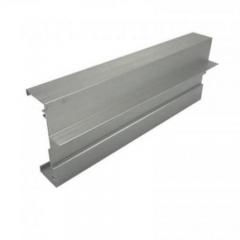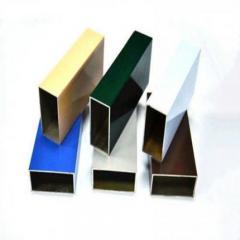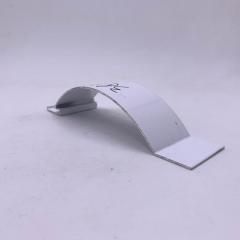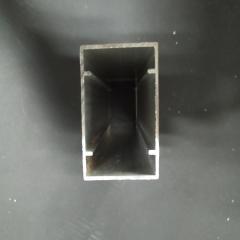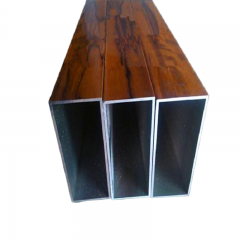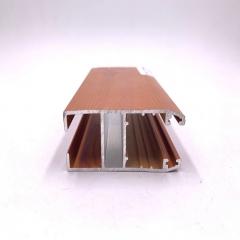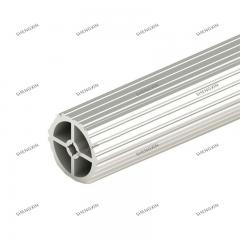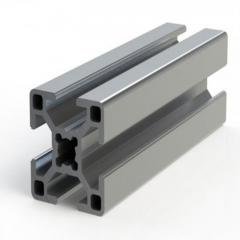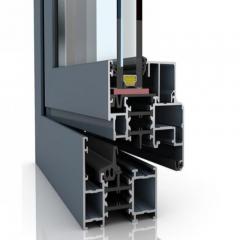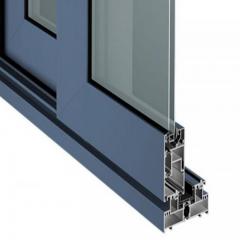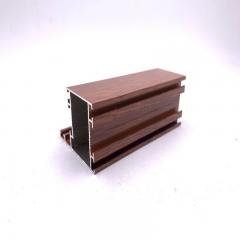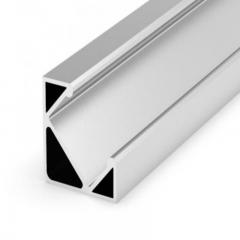
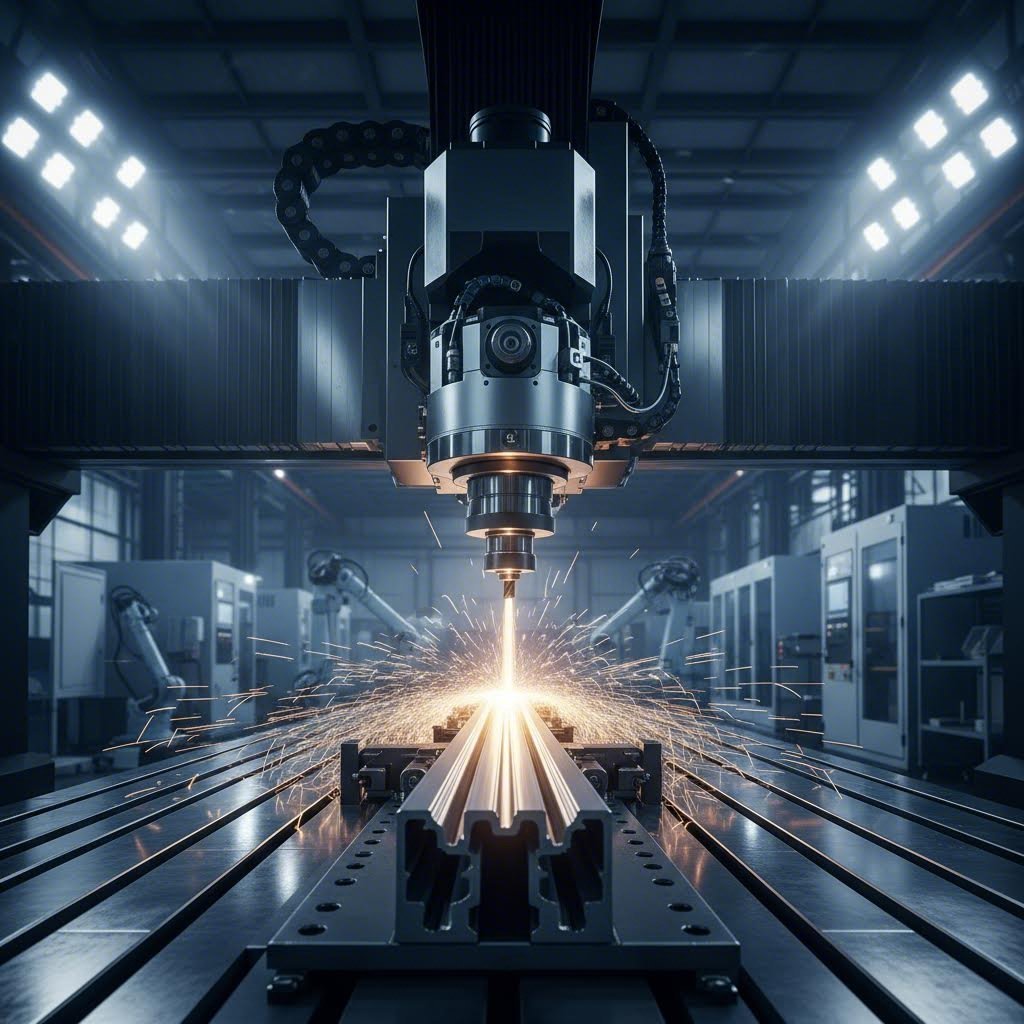
Ever wondered how those sleek aluminum frames in your office furniture or the precision rails in industrial equipment get their perfect holes, slots, and threads? The answer lies in a powerful combination: CNC machining applied specifically to aluminum extrusions. While the extrusion process creates the basic cross-sectional shape, it's the CNC machine for aluminum extrusions that transforms these raw profiles into fully functional components.
So, what is CNC aluminium machining exactly? CNC stands for Computerized Numerical Control—a process where pre-programmed instructions guide cutting tools with remarkable precision. When applied to aluminum extrusions, this technology enables operations like cutting, drilling, milling, tapping, and bending with tolerances as tight as 0.01 mm. Unlike manual methods, CNC machining delivers consistent accuracy across hundreds or thousands of identical parts.
Imagine receiving an extruded aluminum profile fresh from the press. You'll notice it has the right cross-section—perhaps a T-slot, channel, or custom hollow shape—but it lacks the specific features your application demands. This is where aluminum extrusion machining becomes essential.
The transformation process typically involves:
These secondary operations bridge the gap between a near-net shape and a usable component. Whether you're building electronics housings, transportation components, or industrial frames, proper aluminium extrusion machining ensures every piece fits precisely into the final assembly.
Here's something many newcomers overlook: you can't simply machine aluminium extrusions the same way you'd handle solid aluminum stock. The differences run deeper than you might expect.
Extruded aluminum profiles feature unique internal geometries—hollow sections, thin walls, and complex cross-sections—that require specialized workholding strategies and cutting parameters. Unlike solid billets, these profiles can deflect, vibrate, or distort during machining if not properly supported.
Consider the challenges specific to extrusion profiles. Thin-walled sections may flex under cutting pressure, causing dimensional inaccuracies. Hollow chambers create chip evacuation difficulties that don't exist with solid material. The grain structure from the extrusion process affects how the material responds to different cutting directions.
Additionally, many aluminum grades like 6061 or 6063 are selected precisely because they're easy to machine after extrusion. However, "easy" doesn't mean "identical." Each alloy and temper combination responds differently to spindle speeds, feed rates, and tool geometries.
This article will guide you through the complete landscape of CNC machines suitable for aluminum extrusion work—from desktop units perfect for prototyping to industrial profile machining centers. You'll learn how alloy selection impacts your machining approach, which tooling strategies prevent common problems, and how to match machine capabilities to your specific production needs. Whether you're a hobbyist building your first CNC project or an industrial buyer evaluating equipment investments, you'll find practical guidance for making informed decisions.
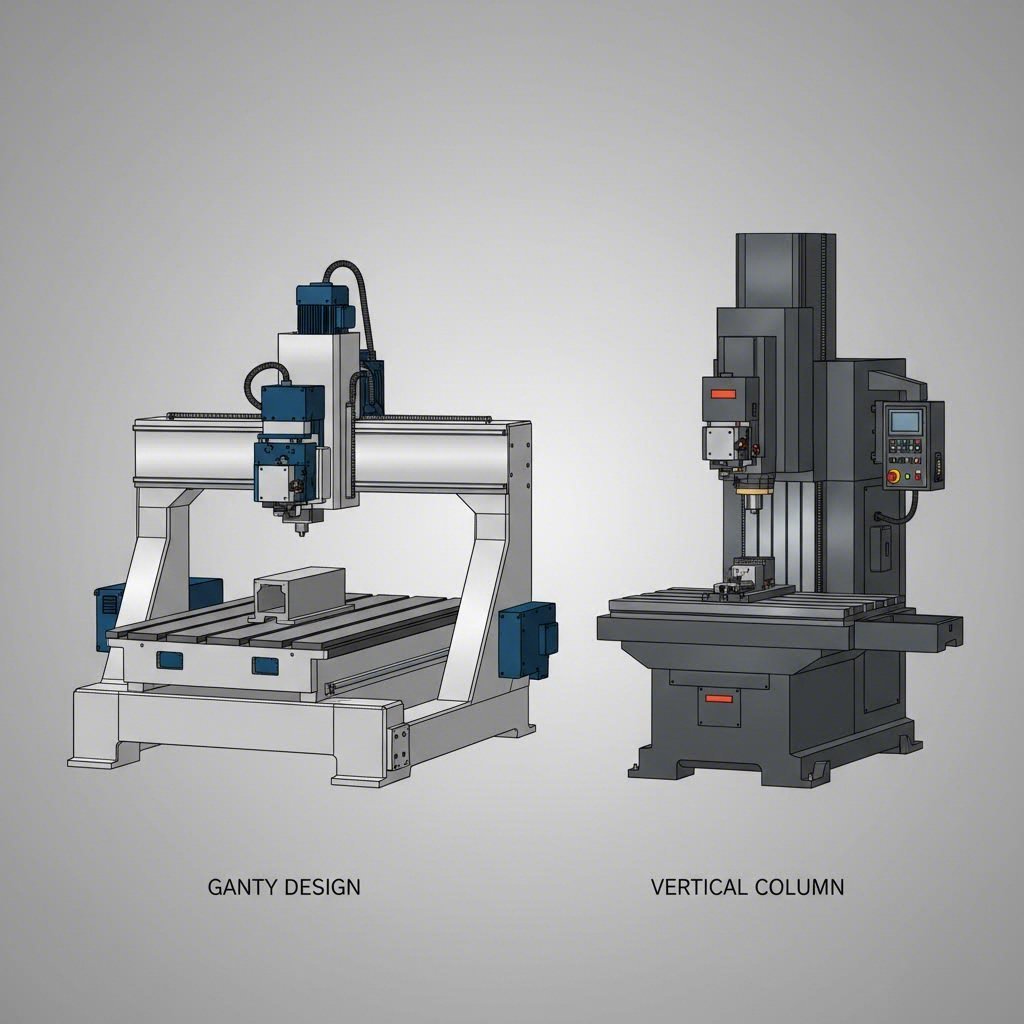
Choosing the right aluminum cnc machine for your extrusion work can feel overwhelming. With options ranging from lightweight routers to heavy-duty vertical mills and specialized profile machining centers, how do you know which fits your needs? The answer depends on several factors: the complexity of your parts, production volume, and the precision tolerances you need to achieve.
Let's break down each machine category so you can make an informed decision.
When you're evaluating a cnc machine for aluminum, you'll likely encounter two primary options: CNC routers and CNC mills. While both can process aluminum extrusions, their design philosophies differ significantly.
A cnc router for aluminum excels at cutting, shaping, and engraving operations across large work areas. According to Xometry's comparison guide, CNC routers feature a gantry-style design with a flat, stationary table that accommodates large workpieces. This makes them ideal for processing long extrusion lengths without multiple setups. The high-speed spindle rotation produces smooth cut surfaces on aluminum, though they sacrifice some rigidity compared to mills.
In contrast, a cnc mill for aluminum delivers superior rigidity and cutting force. Mills handle harder materials and tighter tolerances more effectively, making them the preferred choice when precision is paramount. However, their typically smaller work envelope can limit the length of extrusions you can process in a single setup.
Here's a practical way to think about it:
Beyond general-purpose routers and mills, dedicated profile machining centers exist specifically for aluminum extrusion work. These specialized machines incorporate features that address the unique challenges of processing long, complex profiles.
Dedicated profile machines typically offer:
When does investing in dedicated equipment make sense? Generally, if you're processing high volumes of similar extrusion profiles with consistent machining requirements, the productivity gains justify the higher capital investment. These machines reduce setup time dramatically and maintain consistent quality across production runs.
Not every application requires industrial-scale equipment. A desktop cnc for aluminum offers hobbyists, prototypers, and small-batch producers an accessible entry point into extrusion machining. Modern desktop aluminum cnc machines have evolved significantly, with many capable of handling 6061 and similar alloys effectively.
When evaluating desktop machines for aluminum work, prioritize these specifications:
Keep realistic expectations with desktop equipment. While capable of producing quality parts, cycle times will be longer, and maximum material removal rates won't match industrial machines.
| Machine Type | Best Applications | Typical Work Envelope | Rigidity Level | Investment Range |
|---|---|---|---|---|
| Desktop CNC Mill | Prototyping, small parts, learning | 12" x 8" x 4" | Low to Moderate | $2,000 - $15,000 |
| CNC Router (Hobby) | Larger profiles, cutting, engraving | 24" x 24" x 4" | Low to Moderate | $3,000 - $20,000 |
| CNC Router (Industrial) | High-volume profiling, long extrusions | 48" x 96" x 6" | Moderate | $25,000 - $150,000 |
| Vertical Machining Center | Precision milling, complex features | 20" x 16" x 16" | High | $50,000 - $250,000 |
| Dedicated Profile Center | High-volume extrusion processing | 240"+ x 12" x 8" | High | $150,000 - $500,000+ |
One question often puzzles buyers: should you invest in 5-axis capability for aluminum extrusion work? The answer depends entirely on your part geometry.
According to ETCN Machining's analysis, 3-axis machines move the cutting tool along X, Y, and Z axes—perfectly adequate for flat surfaces, drilling operations, and profiles accessed from one direction. Most standard extrusion machining operations fall into this category: end cuts, hole patterns, slot milling, and surface facing.
5-axis machining adds two rotational axes, allowing the tool to approach the workpiece from virtually any angle. This capability becomes essential when:
For most aluminum extrusion applications involving standard operations like cutting, drilling, and tapping, a well-specified 3-axis machine delivers excellent results at lower investment. Reserve 5-axis capability for genuinely complex geometries where multi-face access in a single setup provides measurable benefits.
Two specifications deserve special attention when selecting any cnc router aluminum or milling solution: spindle power and axis travel.
Spindle power directly affects your material removal rate. For aluminum extrusions, consider these guidelines:
Axis travel must accommodate your typical extrusion lengths. Standard architectural and industrial extrusions often come in 6-meter (20-foot) lengths. If you're processing full lengths, you'll need either a machine with matching X-axis travel or an efficient repositioning strategy.
Understanding these machine categories and their respective strengths positions you to match equipment capabilities with your production requirements. But the machine is only part of the equation—the aluminum alloy you're machining significantly impacts performance parameters and tooling choices.
You've selected your machine—now here's a question that will dramatically affect your results: which aluminum alloy are you machining? The answer influences everything from spindle speeds to tool selection to the surface finish you can realistically achieve. Understanding these differences separates frustrating trial-and-error from predictable, high-quality outcomes.
Aluminum extrusions aren't created equal. The alloy composition and heat treatment determine how the material behaves under your cutting tools. Let's explore the three most common alloys you'll encounter in cnc aluminum work and what each demands from your machining approach.
When you're cnc machining aluminum extrusions, you'll typically encounter alloys from the 6000 series and 7000 series. Each family brings distinct characteristics that affect how you set up your operations.
6063 Aluminum - The Architectural Standard
Walk into any commercial building and you'll see 6063 aluminum everywhere—window frames, door systems, railings, and decorative trim. According to Fictiv's material analysis, this alloy's silicon content makes it exceptionally well-suited for extrusion, producing smooth surfaces and allowing complex geometries.
Here's the challenge with 6063: its lower tensile strength means chips tend to smear rather than break cleanly. You'll notice built-up edge forming on your cutting tools if you don't use appropriate strategies. The good news? Its softer nature reduces tool wear significantly.
6061-T6 Aluminum - The Structural Workhorse
When your application demands strength, 6061-T6 becomes the go-to choice. This precipitation-hardened alloy appears in everything from bicycle frames to aerospace fittings to hydraulic components. The T6 temper indicates it has been solution heat-treated above 900°F, quenched, and artificially aged—creating a significantly harder material than its unhardened counterpart.
The higher tensile strength of 6061-T6 actually makes cnc milling aluminum easier in many ways. Chips break more readily, surface finish improves, and you'll experience less gummy behavior. However, the increased hardness means faster tool wear and higher cutting forces.
7075-T6 Aluminum - Aerospace Grade Performance
Need strength approaching steel while maintaining aluminum's weight advantage? 7075-T6 delivers. This zinc-alloyed material represents one of the strongest commercially available aluminum alloys, making it the standard for aerospace structural components, precision tooling, and high-performance applications.
When you're aluminium cnc milling 7075, expect increased cutting forces and faster tool wear. The material's hardness demands respect—but rewards you with excellent dimensional stability and surface finish quality.
Ever noticed those letters and numbers after an alloy designation? They tell you exactly how the material has been processed—and directly predict how it will behave on your machine.
According to Xometry's temper guide, understanding these designations helps you anticipate machining behavior before you make the first cut:
Here's a practical insight: always verify the temper of your extrusions before establishing machining parameters. A 6061-O blank machines completely differently than 6061-T6, even though the base alloy is identical. The hardened T6 condition produces cleaner chips and better surface finishes, while the soft O temper requires different speeds, feeds, and often different tooling altogether.
Now for the practical question: what speeds and feeds should you use? While exact parameters depend on your specific machine, tooling, and setup rigidity, these guidelines provide reliable starting points for aluminum cnc machining operations.
Cutting Speed Recommendations
CERATIZIT's machining guide provides these foundational parameters:
Feed Rate Guidelines by Tool Diameter
Depth of Cut Considerations
Your alloy hardness directly influences how aggressively you can cut:
Remember the fundamental rule: harder alloys permit higher cutting speeds for surface quality, while softer alloys benefit from faster material removal strategies despite the chip control challenges.
Your alloy selection has direct implications for tooling decisions. Soft alloys like 6063 in annealed condition demand polished, sharp cutting edges that resist material adhesion. Hard alloys like 7075-T6 can work with standard coated carbide tooling because the material's hardness produces cleaner shearing action.
Surface finish expectations also vary by alloy. The harder 7075 and properly tempered 6061-T6 yield excellent as-machined finishes suitable for many applications without secondary operations. Softer alloys may require finishing passes at higher speeds and lighter depths to achieve comparable results.
With your alloy characteristics understood, you're ready to select the optimal cutting tools—a decision that prevents the frustrating problems of built-up edge, poor surface finish, and premature tool failure that plague many aluminum machining operations.
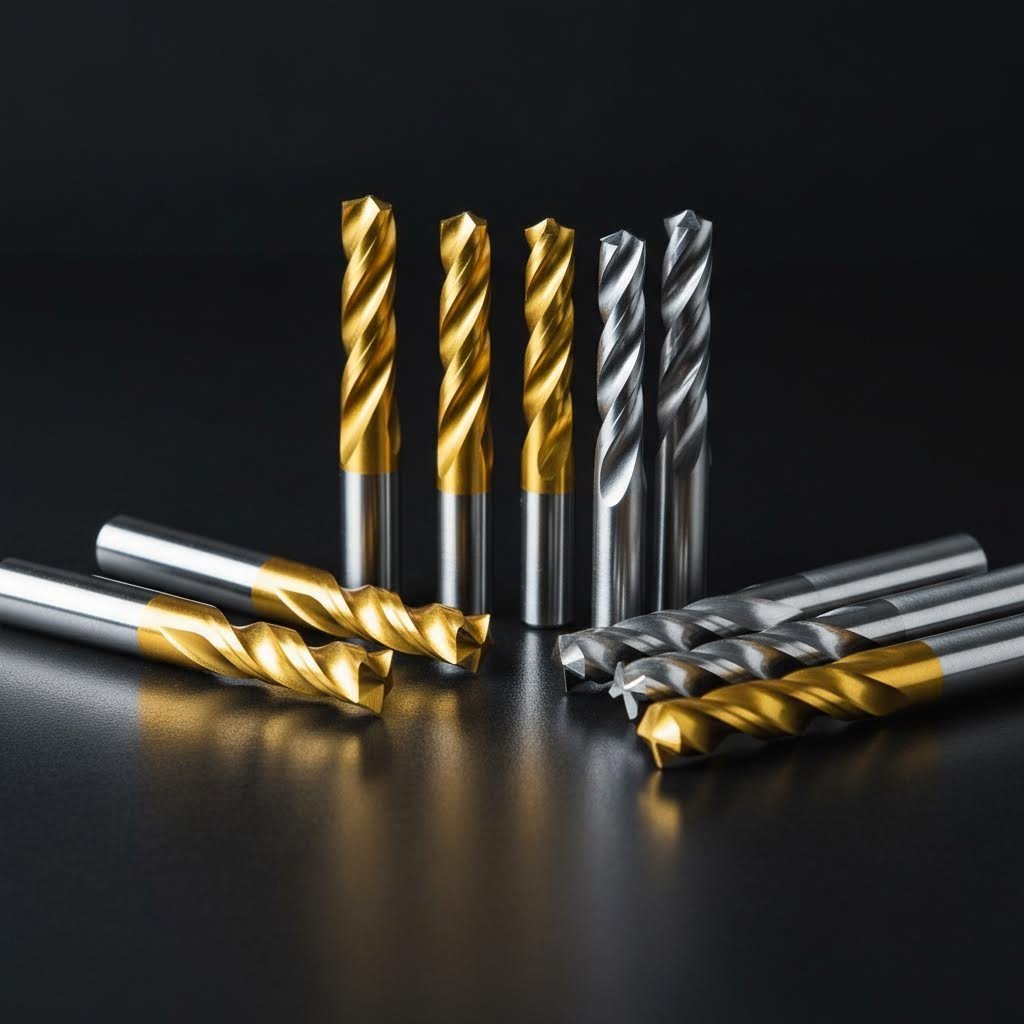
You've matched your machine to your application and understand how different alloys behave. Now comes a decision that makes or breaks your results: tooling selection. The right end mill transforms aluminum extrusion machining from a frustrating battle with gummy chips and smeared surfaces into a smooth, predictable process. The wrong choice? You'll spend more time cleaning built-up edge off your cutters than actually making parts.
Whether you're running a cnc aluminum milling machine in a production environment or a desktop setup for prototyping, these tooling fundamentals apply universally. Let's dive into the specifics that separate successful aluminum machining from costly trial-and-error.
Here's a fundamental truth about aluminum: it produces large chips that need somewhere to go. Pack those chips too tightly in your cutter's flutes, and you'll break tools, damage surfaces, and create the conditions for material welding. According to Star Tool USA's machining guide, choosing the right flute count is primarily about managing chip evacuation.
2-Flute End Mills
Two-flute cutters remain the workhorse for aluminum slotting and deep pocket work. Why? Those two large gullets provide maximum chip clearance. When you're burying the tool in material—slotting, plunging, or full-width cuts—chips have nowhere to go except through those flute valleys. Two big channels make it harder to pack chips, allowing you to maintain aggressive feed rates without welding the cutting edge.
3-Flute End Mills
When you're profiling, adaptive clearing at light radial engagement, or finishing walls, three-flute designs often outperform. You get more teeth in the cut for the same diameter, which translates to better stability and smoother load distribution on thin-walled extrusion profiles. The trade-off? Smaller chip valleys mean you must manage radial engagement carefully.
A practical approach for your cnc milling machine for aluminium: stock both 2-flute and 3-flute end mills in your commonly used diameters. Run a quick trial—one slotting cut with a 2-flute, one side-milling pass with a 3-flute—and compare spindle load and surface quality. You'll quickly develop intuition for which tool fits each situation.
The helix angle—measured between the tool's centerline and its cutting edge—directly affects how cleanly chips shear and evacuate. Aluminum rewards higher helix angles because a steeper helix shears more cleanly and pulls chips up and away from the cut.
Built-up edge is the recurring villain in aluminum machining. Material literally welds itself onto your cutter's rake face, the edge wedges into the cut, and surface quality collapses rapidly. According to CNC Cookbook's troubleshooting guide, once metal starts welding to your cutting edge, things go downhill quickly—often ending with a broken tool.
Two factors combat built-up edge: edge condition and surface chemistry.
Coating Options for Aluminum
A simple field test when problems arise: swap a coated tool for a polished uncoated version on a finish pass and note the change. If the finish improves immediately, you were either rubbing (insufficient chip load) or your coating choice was mismatched for the alloy.
Aluminum extrusions frequently feature thin walls that present unique machining challenges. Standard tooling approaches can cause deflection, chatter, and dimensional inaccuracies that render parts unusable. Your aluminum milling machine needs the right tooling strategy for these delicate features.
Recommended Tool Specifications by Operation
For cnc router cutting aluminium profiles with thin walls, reduce cutting forces by using sharp, polished tools and maintaining consistent chip load. The goal is cutting—not pushing material around.
Your coolant strategy directly impacts tool life, surface finish, and chip evacuation. Different scenarios call for different approaches on your aluminum milling cnc machine.
Flood Coolant
The safest default for slotting and deep pockets. Flood coolant accomplishes three critical functions: it lubricates the cutting edge to prevent adhesion, cools the cut zone to maintain dimensional stability, and flushes chips away from the cutting area. When chips tend to linger or temperatures become unstable, flood coolant provides the most reliable solution.
Mist Systems
Mist cooling works well for finishing operations at light radial engagement where chip evacuation is less demanding. The fine lubricant mist prevents built-up edge without the mess and maintenance of full flood systems. However, if chips start bird-nesting or walls go matte, step back to flood until evacuation stabilizes.
Air Blast
Compressed air provides excellent chip evacuation for operations where heat generation is minimal. Many finishing passes and light profiling operations work perfectly with air blast alone—especially when using coated or polished tools designed for dry cutting. The key is reliable, directional airflow aimed into the cut.
Troubleshooting Chip Problems
When chips start bird-nesting or surfaces deteriorate, prioritize chip evacuation before adjusting anything else. According to Harvey Performance's aluminum machining guide, more air or coolant, cleaner pathing with consistent climb engagement, and a verified sharp edge will usually resolve finish problems long before you need to rewrite the program or buy new tooling.
With proper tooling selected, your next challenge becomes equally critical: how do you hold those extrusion profiles securely without causing the deflection, chatter, and dimensional problems that plague many aluminum machining operations?
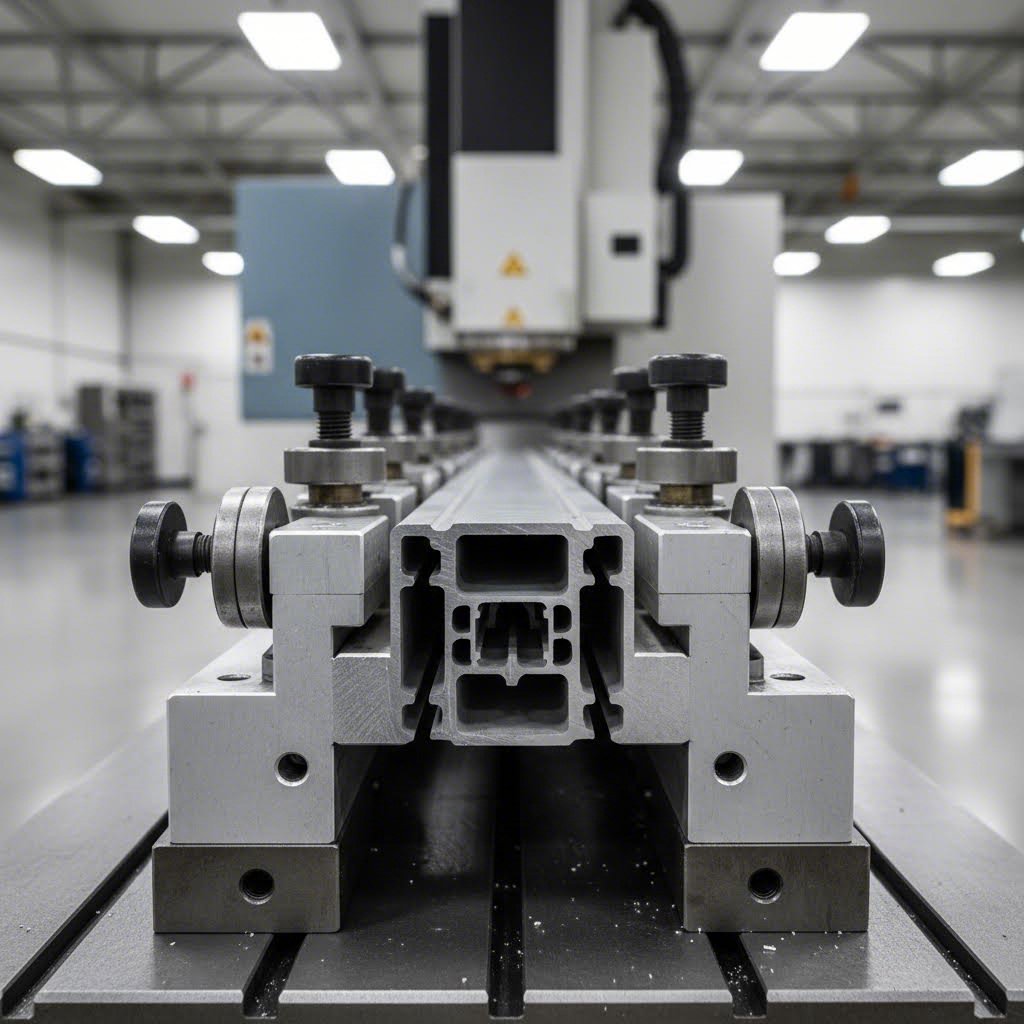
You've selected the perfect machine and tooling—but here's a sobering reality: none of that matters if your workpiece moves during cutting. Workholding is the unsung hero of successful extrusion machining, and getting it wrong leads to scrapped parts, broken tools, and endless frustration. When you're processing a machined aluminum extrusion with thin walls and hollow chambers, the stakes are even higher.
According to 3ERP's workholding guide, this step comes before plotting the tool path and plays a crucial role in the entire process. Many experienced machinists figure out the workholding before they even think about toolpaths—and for good reason. The right setup keeps your workpiece secure, your tools safe, and your tolerances tight.
Imagine clamping a 6-foot aluminum extrusion at both ends and milling the center. What happens? The profile bows under cutting pressure, walls deflect away from the tool, and your carefully programmed dimensions become meaningless. This deflection problem intensifies with thin-walled and hollow extrusion profiles.
Successful extruded aluminum cnc operations require support along the entire workpiece length. Here's what works:
For aluminum profile cnc work involving T-slot extrusions, the slots themselves often provide convenient clamping locations. T-nuts dropped into the profile's own channels can secure it to a sub-plate without additional fixtures cluttering the work envelope.
Off-the-shelf vises and clamps work fine for simple rectangular extrusions. But what about complex cross-sections with multiple chambers, angles, or asymmetric geometries? These situations demand custom fixtures tailored to your specific profile.
Follow this step-by-step approach when designing effective extrusion fixtures:
For high-volume extrusion machining, the initial investment in custom jigs pays dividends quickly. According to 3ERP, by securing multiple workpieces simultaneously, custom fixtures not only streamline the machining process but also substantially increase throughput.
Two primary workholding philosophies dominate aluminum extrusion work: mechanical clamping and vacuum tables. Each approach offers distinct advantages depending on your application.
Mechanical Clamping (T-Slots, Step Clamps, Vises)
Vacuum Tables
Here's a practical consideration: vacuum workholding struggles with typical hollow aluminum extrusions because air flows through the internal chambers, preventing vacuum formation. For solid or closed-end profiles, vacuum tables excel. For hollow sections, mechanical clamping remains the reliable choice.
According to Great Meets' comparison guide, many shops use a hybrid approach—combining vacuum hold-down for the main body with light mechanical clamps at the ends to prevent any lateral movement during aggressive cuts.
Hollow and semi-hollow extrusion profiles create unique challenges beyond simple clamping. Chips can accumulate inside chambers where they become difficult to remove, and heat builds up in enclosed spaces with nowhere to dissipate.
Chip Evacuation Strategies
Temperature Control
Aluminum's high coefficient of thermal expansion means localized heating during cutting causes uneven expansion, by uneven contraction during cooling—leading to residual stress and dimensional inaccuracy. According to LS Precision's research, high-pressure internal coolant exceeding 70 bar, directed precisely at the cutting edge, provides immediate chip ejection, effective cooling of the cutting zone, and improved surface quality.
For thin-walled extrusion profiles, temperature management becomes even more critical. Small amounts of thermal growth in unsupported wall sections can push dimensions out of tolerance before you even complete the operation.
With proper workholding established, you're positioned to evaluate machines holistically—matching capability to your production requirements while understanding the true cost of ownership beyond the initial purchase price.
You've explored machine types, understood alloy behaviors, and mastered tooling strategies. Now comes the decision that ties everything together: which cnc machine aluminum setup actually fits your specific needs? This isn't about finding the "best" machine—it's about finding the right match between your production requirements and equipment capabilities.
Think of machine selection like choosing a vehicle. A sports car excels on the track but struggles hauling lumber. Similarly, a high-end 5-axis machining center might be overkill for simple drilling operations, while a desktop unit won't survive production demands. Let's build a framework that guides you toward the optimal choice.
Your production volume fundamentally shapes which machine category makes sense. According to CNC WMT's 2025 buyer's guide, entry-level CNC models cost a few thousand dollars, while high-end sophisticated models can reach hundreds of thousands—but price alone doesn't determine value for your application.
Consider these volume-based scenarios:
Here's a practical test: calculate your target cycle time by dividing available machine hours by required parts. If that number demands capabilities beyond your current equipment's realistic output, you've identified the gap your next machine needs to fill.
Manufacturer specification sheets overflow with numbers—but which ones actually matter for cnc for aluminum work? Understanding what drives real-world performance helps you cut through marketing claims.
Rigidity Indicators
Machine rigidity directly affects achievable tolerances and surface finish. According to Machining Custom's precision guide, rigidity and stability of the CNC machine are pivotal for precision—a stable machine setup minimizes vibrations, ensuring accuracy in machining operations.
Look for these rigidity markers:
Precision Specifications That Matter
Positioning accuracy and repeatability are the numbers that predict dimensional consistency. For cnc aluminium extrusion work, typical requirements include:
Be cautious about specifications measured under ideal conditions. Ask manufacturers for accuracy data under cutting loads, not just during positioning moves with the spindle off.
| Application Type | Recommended Machine Class | Key Specifications to Prioritize | Budget Considerations |
|---|---|---|---|
| Hobbyist/Learning | Desktop CNC Mill or Router | Ease of use, community support, upgradability | $2,000 - $8,000; prioritize learning over production |
| Prototyping/R&D | Benchtop Mill or Mid-size Router | Flexibility, quick setup, reasonable accuracy (±0.1mm) | $8,000 - $25,000; value versatility over speed |
| Small Batch Production | VMC or Industrial Router | Repeatability, tool changer, spindle power (3-5kW) | $25,000 - $80,000; ROI within 2-3 years |
| Medium Volume Production | VMC with ATC or Aluminum CNC Mill | Cycle time, rigidity, automation compatibility | $80,000 - $200,000; calculate cost-per-part savings |
| High Volume/Long Profiles | Dedicated Profile Machining Center | Extended axis travel, integrated clamping, throughput | $150,000 - $500,000+; justify through volume economics |
The sticker price represents only the beginning of your investment. According to CNC WMT's comprehensive analysis, your budget needs to account for a number of additional costs beyond the machine's purchase price.
Installation and Setup Costs
Ongoing Operating Costs
Hidden Cost Factors
Here's a revealing exercise: calculate your true hourly machine cost by adding annual operating expenses to depreciation, then dividing by productive hours. Compare this number across machine options—the aluminum cnc mill with higher purchase price may deliver lower hourly cost through better reliability and faster cycles.
Specification sheets require interpretation. Manufacturers naturally present their equipment in the best light, and understanding what numbers mean in practice separates informed buyers from disappointed ones.
Questions to Ask About Every Specification
Red Flags in Machine Evaluation
The best validation comes from running your actual parts on the machine before purchase. Request a cutting demonstration using your materials, your CAM programs, and your tolerance requirements. Real-world performance under your conditions reveals truths that specifications cannot.
With machine selection criteria established, understanding how CNC machining integrates with downstream operations—anodizing, powder coating, assembly—ensures your machining decisions support the complete production workflow.
Your perfectly machined aluminum extrusion isn't finished when it leaves the CNC machine. In most applications, secondary operations transform that precision part into a complete, ready-to-install component. Understanding how anodizing, powder coating, welding, and bending interact with your machining decisions prevents costly surprises and ensures dimensional accuracy through the entire production chain.
Think of it this way: every upstream decision affects downstream results. The surface finish your cnc aluminium machine produces directly impacts anodizing quality. The tolerances you hold during milling must account for material added during coating. Planning this sequence upfront saves rework, reduces scrap, and keeps your projects on schedule.
When should you machine versus when should you coat? The answer depends on which operations alter dimensions and which require specific surface conditions. According to CNCRUSH's best practices guide, sequencing decisions directly affect final part quality—getting the order wrong creates problems that are expensive to fix.
Common Secondary Operations and Their Sequencing Requirements
A practical sequencing principle: operations that add material come after operations that remove material. Operations that distort dimensions come before final precision machining. This logic keeps tolerances achievable without constant rework.
Here's something that catches many manufacturers off guard: the surface finish from your profile milling machine directly affects how subsequent treatments perform. According to Okdor's surface treatment guide, anodizing and powder coating amplify existing surface defects rather than hiding them.
How Machining Affects Anodizing Quality
Anodizing doesn't conceal machining marks—it highlights them. Tool paths visible on the machined surface become more pronounced after the electrochemical process. If your cnc aluminium extrusion requires a uniform anodized appearance, plan for either:
Tolerance Stack-Up Across Multiple Operations
Every secondary operation introduces dimensional variation. When multiple processes combine, these variations accumulate—sometimes pushing your final dimensions out of specification even when each individual operation meets its targets.
Consider this example: you machine a hole at nominal diameter with ±0.05mm tolerance. Anodizing adds 0.02mm per surface, powder coating adds another 0.08mm per surface, and both processes have their own tolerances. Your original hole has effectively shrunk by 0.2mm—possibly more—with uncertainty that compounds at each step.
Managing tolerance stack-up requires:
According to Okdor's dimensional guidance, if your parts mate with other components or have functional tolerances tighter than ±0.05mm, either choose bead blasting (which maintains original dimensions) or budget for post-coating machining of critical features.
Understanding these interactions positions you to specify complete processing requirements—not just machining operations in isolation. For complex projects involving multiple secondary operations, partnering with suppliers who handle the entire sequence under one roof eliminates the coordination challenges and finger-pointing that plague multi-vendor workflows.
Theory is valuable—but seeing how these concepts play out in actual workshops brings everything together. Whether you're a hobbyist dreaming of building your own CNC machine, a startup prototyping your first product, or an established manufacturer scaling production, the path forward depends on matching your ambitions with practical realities.
Let's explore how different users apply cnc projects aluminum knowledge across the full spectrum—from garage workshops to industrial facilities.
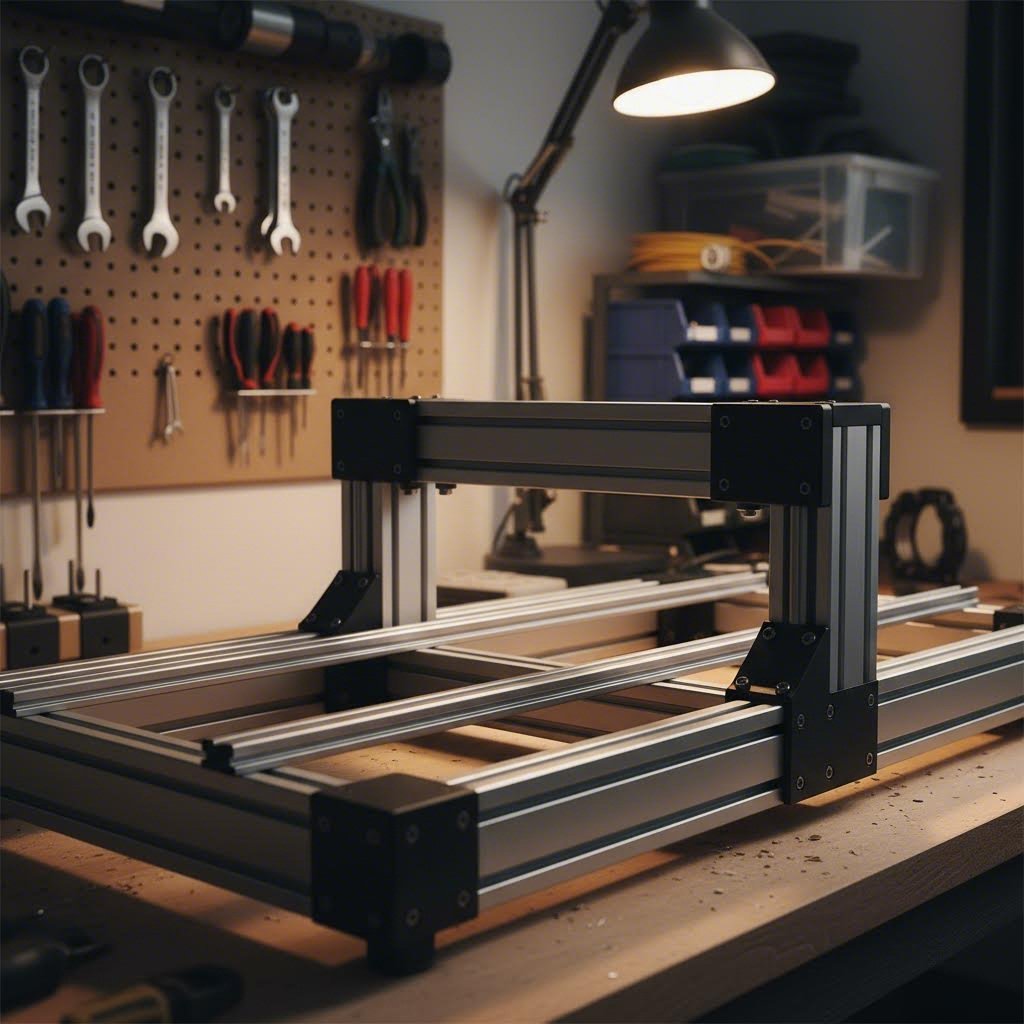
Ever considered building your own CNC machine? Aluminum extrusion profiles have become the foundation of choice for DIY CNC builders worldwide. According to 8020CNC, you can actually construct a capable aluminum machine using basic tools—literally screwdrivers, hex wrenches, calipers, and a dial indicator.
Why do builders choose aluminum extrusion frames? The modular T-slot design eliminates precision machining requirements. Instead of fabricating custom steel plates that demand mill access, you're assembling pre-made components that bolt together with predictable accuracy. The same profiles you might machine on a CNC become the structure of the machine itself.
Key Considerations for DIY CNC Builds
Here's an honest assessment from experienced builders: don't expect your DIY cnc aluminum router to perform like a $50,000 commercial machine. But for prototyping, one-off parts, and learning CNC fundamentals, a well-built extrusion-frame machine delivers genuine capability at accessible cost.
Prototyping and production represent fundamentally different challenges—and the transition between them trips up many growing operations. According to JeekRapid's manufacturing guide, aluminum CNC machining offers a unique advantage by enabling seamless transitions from prototype to scaled production using the same base material and processes.
Project Categories and Recommended Approaches
The scaling path often surprises newcomers. Your prototype workflow—careful manual setups, single-part verification, extended programming time—becomes economically impossible at volume. Each order of magnitude increase in quantity demands process evolution.
Aluminum cnc routing operations that work perfectly for ten parts may need complete restructuring for a thousand. Fixturing that took an hour to set up needs to become a repeatable five-minute process. Manual deburring that seemed trivial becomes a production bottleneck.
One of the biggest decisions you'll face is whether to build internal capability or partner with external specialists. According to Renew Manufacturing Solutions, there's no one-size-fits-all answer—but asking the right questions leads to clarity.
Consider In-House Investment When:
Consider Outsourcing When:
Here's practical wisdom from experienced manufacturers: outsourcing can be both an immediate solution and a learning opportunity. By working with professional CNC shops, you gain insight into what equipment, skills, and training would be needed to eventually bring those capabilities in-house—if the volume ever justifies it.
The cost-per-job calculation seems straightforward but hides complexity. In-house work requires equipment investment, maintenance, training, tooling inventory, and skilled labor whether or not machines are running. Outsourcing eliminates those fixed costs but adds per-part expenses and coordination overhead.
Many successful operations find the optimal path lies somewhere in between—handling routine work internally while outsourcing specialized operations or overflow capacity. This hybrid approach balances capability development with practical economics.
Understanding these real-world application scenarios prepares you to make informed decisions about your own path forward. But for projects requiring integrated capabilities from extrusion through final machining, partnering with specialists who handle the complete process offers advantages worth considering.
You've explored machine types, tooling strategies, and workholding solutions—but here's a question worth considering: does managing every step in-house actually make sense for your operation? For many projects, partnering with an integrated aluminium extrusion machine and processing specialist delivers better results than coordinating between multiple vendors.
According to industry research on partner selection, a reliable partner must be equipped with a modern production line, including aluminum extrusion machines, CNC machining, cutting, laser welding, surface finishing, and packaging. When one supplier handles everything from die development to cnc aluminum cutting to final surface treatment, you eliminate the coordination headaches, finger-pointing, and tolerance stack-up problems that plague multi-vendor workflows.
Imagine sending your design to one supplier and receiving finished, coated, ready-to-install components. That's the promise of integrated processing—and the benefits extend beyond convenience.
Reduced Coordination Overhead
When you source extrusions from one company, send them to another for cnc machine aluminum cutting, then ship to a third for anodizing, you become the project manager for every handoff. Each transition introduces delays, shipping costs, and opportunities for miscommunication. Integrated suppliers eliminate these gaps.
Tighter Tolerance Control
According to Fast Precision's manufacturing analysis, combining CNC machining and aluminum extrusion addresses the challenge of balancing cost, complexity, and precision with a single method. When the same facility controls extrusion parameters and machining setups, they can optimize the entire process chain—adjusting upstream operations to benefit downstream results.
Faster Turnaround
Parts don't sit in shipping queues between operations. Precision Steel Services reports that working with integrated providers results in faster turnaround times compared to coordinating with multiple service providers. Your project moves from extrusion press to aluminum cutting machine to surface treatment in a continuous flow.
Single-Source Accountability
When problems arise—and they occasionally do—you have one phone call to make. No vendor blaming the previous operation. No disputes over where dimensional variation originated. The integrated supplier owns the outcome.
Not all integrated suppliers offer equal capabilities. According to criteria for evaluating custom aluminum fabrication partners, experience is proof of capability—a company with many years in the aluminum industry typically has deep knowledge of material properties and machining processes.
Key Evaluation Criteria for Selecting an Aluminum Processing Partner
For projects requiring this integrated approach, suppliers like Shengxin Aluminium exemplify what comprehensive capability looks like in practice. With over 30 years of industry experience and 35 advanced extrusion presses ranging from 600T to 5500T, they combine extrusion expertise with state-of-the-art CNC machining centers for cutting, drilling, and bending operations. Their deep processing and custom extrusion services include comprehensive surface treatments—anodizing in custom colors like Champagne and Rose Gold, powder coating, PVDF, and micro-arc oxidation for superior durability.
What distinguishes specialists like this from basic aluminium machinery operations? The end-to-end support from die development to mass production. Rather than simply processing parts to your specifications, they collaborate on design optimization, suggest manufacturing improvements, and take ownership of the complete production sequence.
When does integrated partnership make more sense than managing operations internally or coordinating multiple vendors?
Consider the integrated approach when:
The aluminum extrusion and CNC machining landscape offers multiple paths to success. Whether you build capabilities in-house, partner with integrated specialists, or combine both approaches, the knowledge you've gained throughout this guide positions you to make informed decisions. From understanding how alloys affect machining parameters to selecting appropriate tooling and workholding, you now have the foundation to specify requirements, evaluate options, and achieve the precision results your projects demand.
CNC machine costs for aluminum vary widely based on capability and size. Desktop CNC mills suitable for prototyping range from $2,000-$15,000, while hobby-grade CNC routers cost $3,000-$20,000. Industrial routers run $25,000-$150,000, vertical machining centers range from $50,000-$250,000, and dedicated profile machining centers for high-volume production can exceed $500,000. Beyond purchase price, factor in installation, tooling, training, and ongoing maintenance costs for accurate budgeting.
For cutting aluminum extrusions, 2-flute or 3-flute carbide end mills with high helix angles (35-45°) perform best. Choose 2-flute tools for slotting and deep pockets where chip evacuation is critical, and 3-flute tools for profiling and finishing thin walls. Coatings like ZrN or TiB2 prevent aluminum adhesion, while polished uncoated tools work excellently for softer alloys. For thin-wall profiles, variable helix geometry reduces chatter and vibration.
Yes, aluminum is highly machinable and one of the easiest metals for CNC work. It can be machined 3-4 times faster than steel or titanium, produces excellent surface finishes, and causes less tool wear. However, aluminum extrusions present unique challenges including thin-wall deflection, chip evacuation in hollow profiles, and material adhesion (built-up edge). Success requires proper tooling selection, appropriate speeds and feeds, and effective workholding strategies.
6063 aluminum is softer with lower tensile strength (186 MPa in T6 temper), making it prone to gummy chips and smearing during machining but excellent for anodizing. 6061-T6 offers nearly double the strength (310 MPa), produces cleaner chips, and machines more predictably. Choose 6063 for architectural applications requiring superior surface finish and corrosion resistance. Select 6061-T6 for structural applications demanding strength and better machinability.
CNC routers excel for large work areas, long extrusion lengths, profiling, and cutting operations with moderate accuracy (±0.005" or looser). CNC mills deliver superior rigidity, tighter tolerances (±0.001" or better), and handle heavy material removal on shorter sections. For most aluminum extrusion work involving standard operations like cutting and drilling, industrial CNC routers provide excellent value. Reserve mills for precision milling with tight tolerances.



 un service en ligne
 0086 136 3563 2360
 sales@sxalu.com
 +86 136 3563 2360
 français
 English
 Deutsch
 русский
 español
 português
 العربية
 ไทย
ไทย Việt
Việt Українська