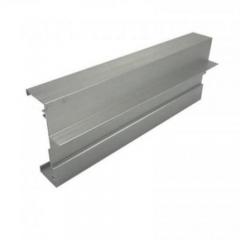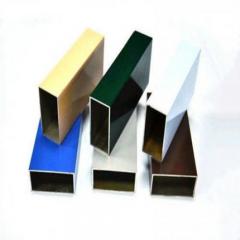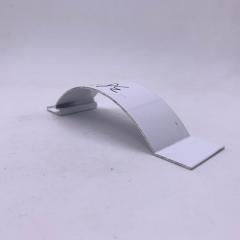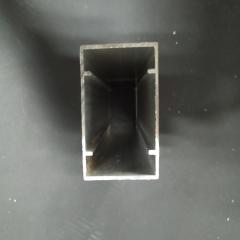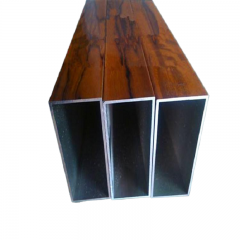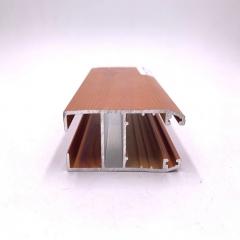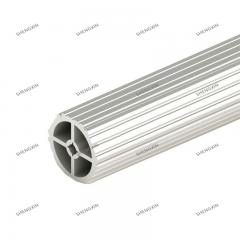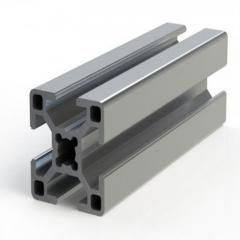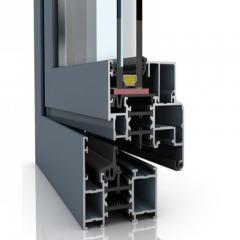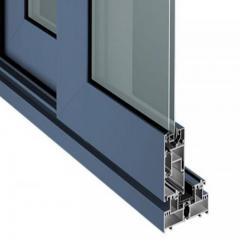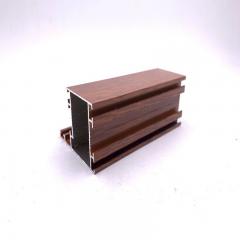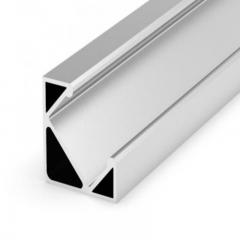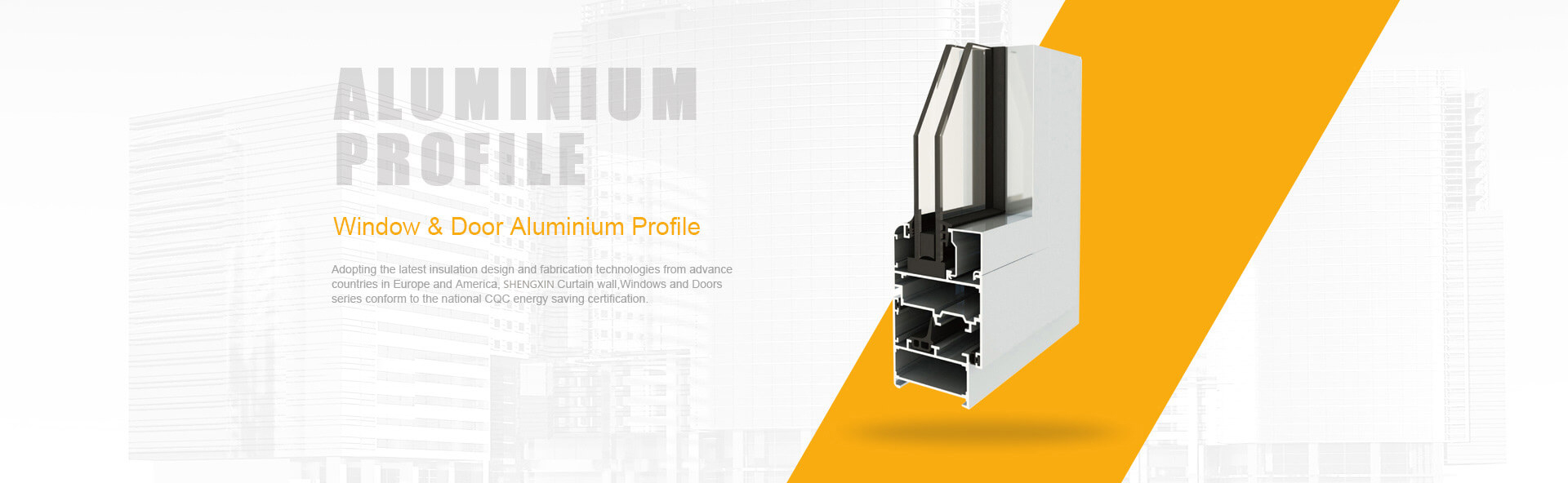
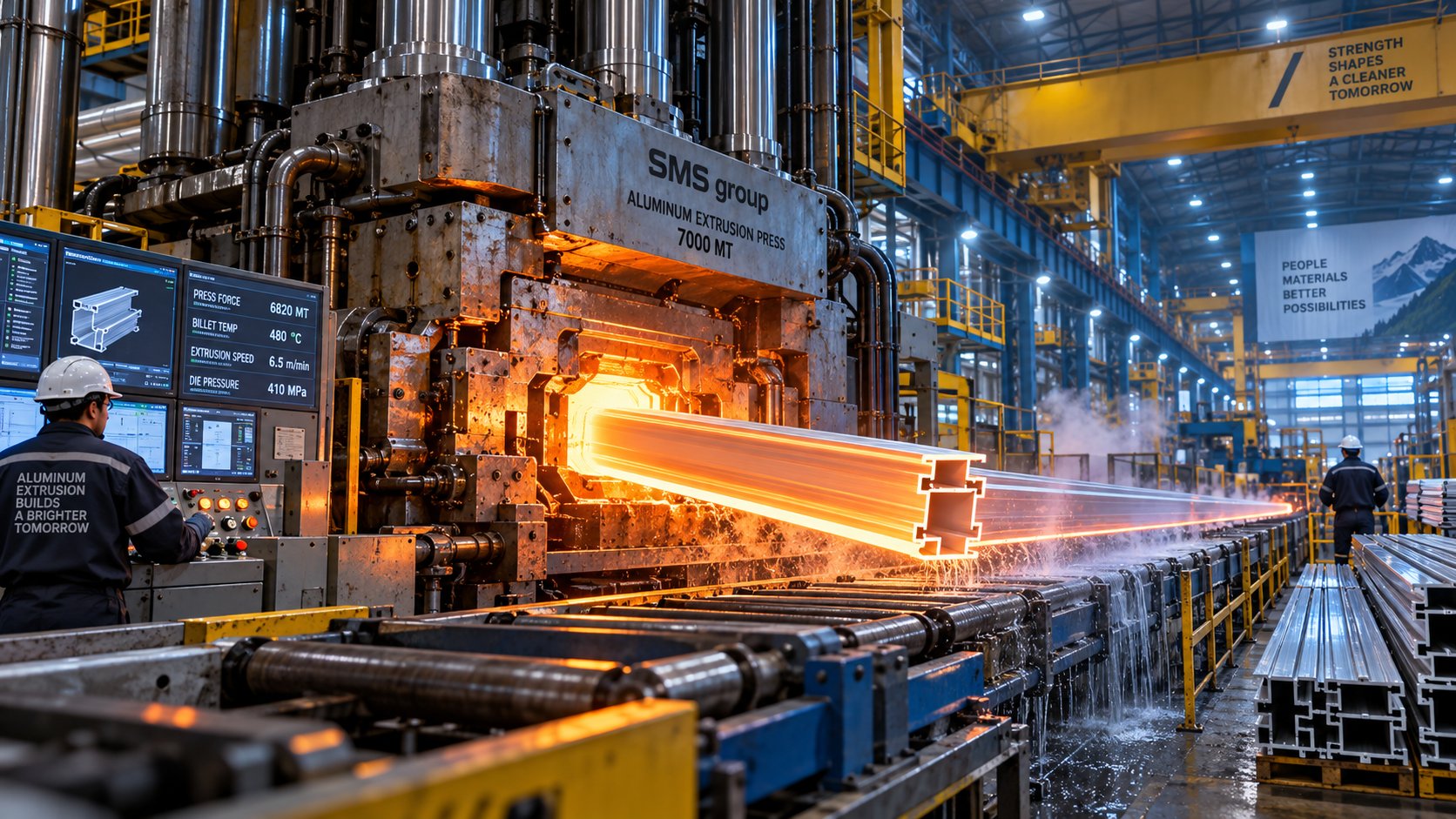
Ever wondered how those sleek, seamless aluminum cases protecting your electronics are actually made? Aluminum enclosure extrusion is a manufacturing process that transforms raw aluminum into precisely shaped protective housings through a fascinating technique. Imagine squeezing toothpaste from a tube—the material takes the exact shape of the opening. That's essentially what happens when manufacturers extrude aluminum, except the "toothpaste" is superheated metal and the "opening" is a precision-engineered die.
Unlike cutting, bending, and welding sheet metal pieces together, an extruded aluminum enclosure emerges as a continuous profile with a perfectly consistent cross-section. This fundamental difference gives engineers and designers remarkable freedom to create protective housings that would be impossible—or prohibitively expensive—to manufacture any other way.
The journey from raw aluminum to a finished aluminum extrusion enclosure begins with careful preparation. First, a cylindrical aluminum billet gets preheated in an oven to temperatures between 400-500°C. This makes the metal malleable without melting it completely. Meanwhile, the shaped die—which determines the enclosure's final profile—is preheated to 450-500°C to ensure even metal flow and extend the die's lifespan.
Here's where the magic happens: a hydraulic ram applies up to 15,000 tons of pressure, forcing the softened aluminum through the die opening. The metal stretches and flows, emerging on the other side as a fully formed profile. A puller mechanism grasps the extrusion as it exits, guiding it along a runout table where quenching—either through water baths or fans—rapidly cools the material.
After cooling to room temperature, the profiles undergo stretching to correct any minor twists and achieve precise dimensional specifications. Finally, the continuous extrusion is cut to desired lengths and heat-treated to achieve the optimal temper for strength and durability.
When you compare an extruded aluminium enclosure to one assembled from sheet metal, the advantages become immediately clear. The extrusion process delivers benefits that fabrication simply cannot match:
Extrusion enables complex internal geometries—like integrated PCB slots, internal ribs, and hollow channels—that would require multiple separate components and extensive assembly work with traditional sheet metal fabrication.
This capability to create intricate cross-sectional shapes in a single operation is what makes aluminum enclosure extrusion the preferred choice for electronics housing, industrial controls, and countless other applications where precision and reliability matter most.
Now that you understand how the extrusion process works, here's a question that often trips up first-time buyers: which aluminum alloy should you choose for your enclosure? Not all aluminum is created equal, and selecting the wrong grade can mean the difference between an aluminum enclosure that performs flawlessly for decades and one that fails prematurely under stress.
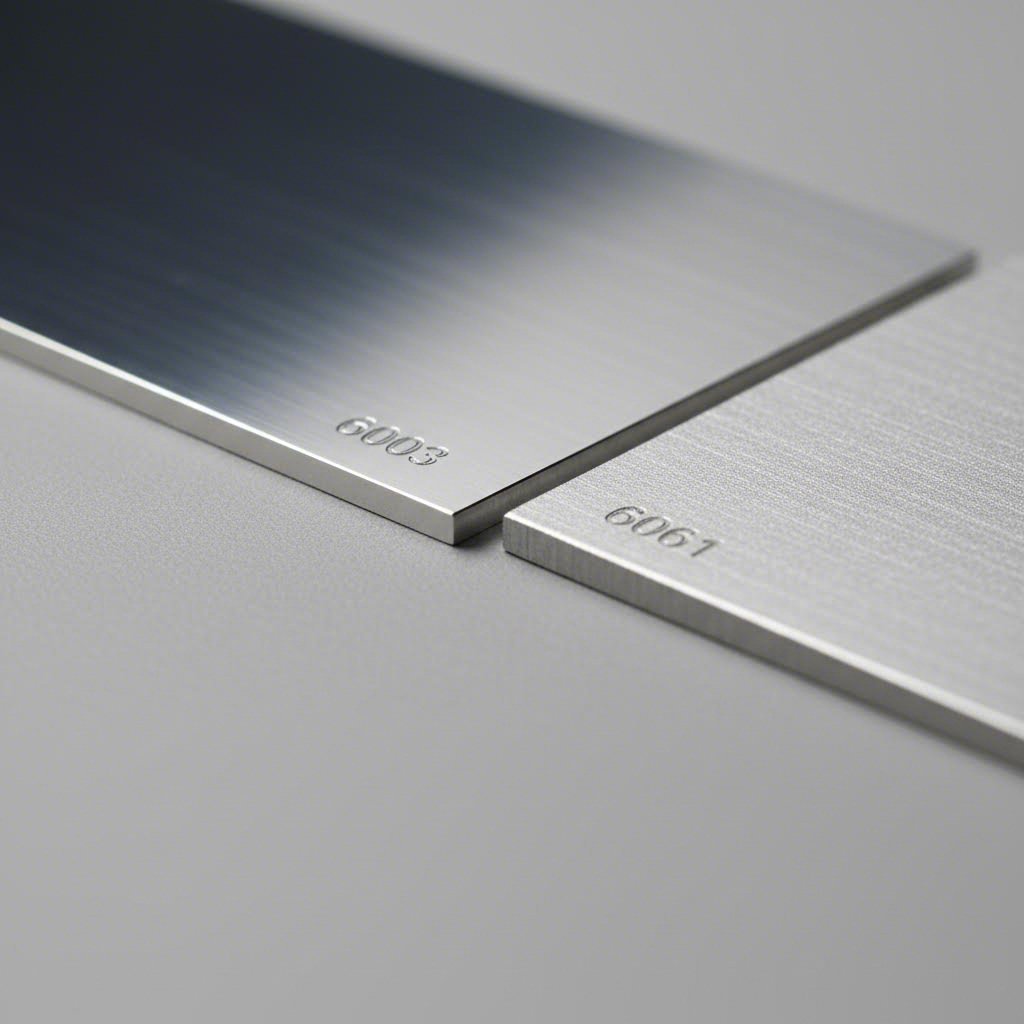
The 6000-series aluminum alloys dominate the enclosure market for good reason. These alloys combine silicon and magnesium to create materials that extrude beautifully while delivering the mechanical properties electronics and industrial applications demand. Two grades stand out above the rest: 6063 and 6061.
Think of 6063 as the "architectural alloy" and 6061 as the "structural workhorse." When manufacturers produce an extruded aluminum case for consumer electronics or decorative applications, they typically reach for 6063. This alloy flows through extrusion dies like butter, creating smooth surfaces with intricate details and sharp corners.
On the other hand, when engineers need an aluminium extrusion box for demanding industrial environments—where vibration, impact, or heavy internal components are concerns—6061 becomes the obvious choice. Its higher tensile strength provides a safety margin that 6063 simply cannot match.
Here's a practical comparison to help you decide:
| Alloy Grade | Tensile Strength (T6 Temper) | Corrosion Resistance | Extrudability Rating | Best Applications |
|---|---|---|---|---|
| 6063-T5/T6 | 186-241 MPa | Excellent | Outstanding | Consumer electronics, architectural enclosures, decorative housings |
| 6061-T6 | 290-310 MPa | Good | Good | Industrial controls, military equipment, high-stress applications |
| 6005A-T6 | 255-270 MPa | Very Good | Very Good | Transportation enclosures, outdoor equipment |
| 6082-T6 | 290-310 MPa | Good | Moderate | Heavy-duty industrial, marine applications |
Imagine you're designing an extruded aluminium case for portable test equipment. You'll need CNC-machined cutouts for displays, connectors, and ventilation. In this scenario, 6061's superior machinability becomes a significant advantage—it produces cleaner cuts with less tool wear compared to 6063.
However, if your aluminum extrusion case features thin walls with delicate fins or complex internal channels, 6063's exceptional extrudability allows tighter tolerances and finer details. You'll achieve wall thicknesses as thin as 1.0mm with 6063, while 6061 typically requires minimum walls of 1.5mm or greater for reliable extrusion.
Standard tolerances achievable through extrusion depend on both alloy selection and profile complexity:
When matching alloy selection to your application, consider this practical guidance: if your enclosure will sit in a climate-controlled environment housing low-power electronics, 6063 delivers the surface finish quality and cost efficiency you need. But when your enclosure faces thermal cycling, mechanical stress, or requires extensive post-machining, the extra investment in 6061 pays dividends in long-term reliability.
Understanding these material properties sets the foundation for the next critical consideration—how your enclosure handles the heat generated by the electronics inside.
Here's a scenario every electronics engineer dreads: your carefully designed circuit board works perfectly on the bench, then fails mysteriously after a few months in the field. The culprit? Heat buildup inside the enclosure that slowly degraded critical components. This is precisely why understanding thermal management in an aluminum electronics enclosure isn't optional—it's essential.
Aluminum offers a remarkable advantage in this arena. With a thermal conductivity of approximately 205 W/m·K, aluminum transfers heat roughly 1,000 times more efficiently than plastic and about five times better than stainless steel. But raw material properties only tell part of the story. The real magic happens when extrusion technology transforms that thermal potential into practical cooling solutions.
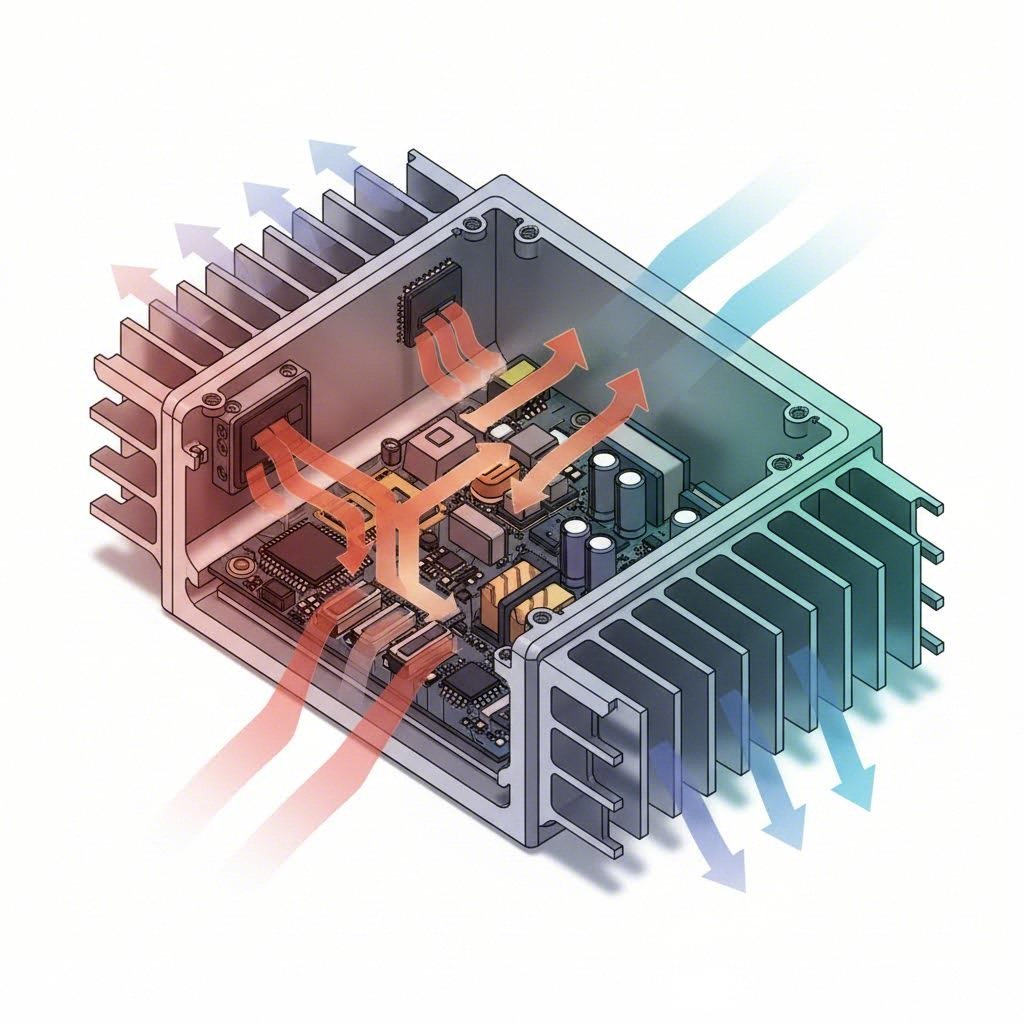
Remember how we discussed extrusion creating complex cross-sectional geometries in a single operation? This capability becomes incredibly valuable for thermal management. Unlike fabricated enclosures where heat sinks must be attached as separate components—introducing thermal resistance at every joint—extruded aluminium electronic enclosures can incorporate cooling fins directly into the profile design.
Picture this: instead of a simple rectangular box, your electronic aluminum enclosures feature rows of precisely spaced fins running along the exterior. These fins increase surface area dramatically—sometimes by 300% or more compared to flat surfaces—without adding assembly steps or creating potential points of thermal resistance.
The extrusion process enables several thermal management features that would be difficult or impossible to achieve through other manufacturing methods:
So how do you know if your electronic aluminium enclosure design will keep components cool enough? The answer starts with understanding heat load and thermal resistance.
Every electronic component generates waste heat measured in watts. A simple microcontroller might produce 0.5W, while a power amplifier could generate 50W or more. Add up all your heat sources, and you've got your total thermal load. The enclosure's job is to transfer that heat to the ambient environment before internal temperatures reach dangerous levels.
For most electronic components, keeping junction temperatures below 85°C ensures long-term reliability. When ambient temperatures are 25°C, that gives you a 60°C temperature rise budget. The thermal resistance of your enclosure—measured in °C/W—determines whether you'll stay within that budget.
Here's a practical guideline for choosing between passive and active cooling:
The orientation of your enclosure matters too. Vertical mounting with fins running horizontally optimizes natural convection—hot air rises between fins, drawing cooler air in from below. Horizontal mounting can reduce passive cooling efficiency by 20-30% unless compensated with additional surface area.
With thermal management strategies in hand, the next logical question becomes: how do extruded aluminum enclosures compare to alternative materials when all factors—including thermal performance—are weighed together?
You've seen the thermal advantages of aluminum enclosures, but here's the question that keeps engineers and procurement teams debating: is extruded aluminum actually the best choice for your specific application? The honest answer is—it depends. While extruded aluminum enclosures excel in many scenarios, understanding when alternative materials make more sense can save you money and headaches down the road.
Let's cut through the marketing noise and examine how different enclosure materials stack up against each other. This isn't about declaring a winner—it's about matching the right material to your unique requirements.
When comparing aluminum enclosures to each other, the manufacturing method matters as much as the material itself. Extruded aluminum box enclosures, die-cast aluminum, and sheet metal each bring distinct advantages to the table.
Die-casting excels when you need complex three-dimensional shapes with features on multiple planes—think curved surfaces, integrated bosses, and intricate internal geometries. However, die-casting demands substantial upfront tooling investment, often $15,000 to $50,000 or more for a single mold. That expense only makes sense at production volumes of 5,000+ units.
Sheet metal fabrication offers the lowest tooling costs and fastest turnaround for prototypes. Need ten custom aluminum enclosure units next week? Sheet metal is your answer. But those welded seams create weak points for EMI leakage and potential corrosion. Plus, achieving the integrated features that extrusion provides—like internal mounting channels or heat sink fins—requires costly secondary operations.
Extruded aluminum occupies a sweet spot between these extremes. Die costs typically range from $500 to $5,000, making custom profiles economically viable even at modest volumes of 500-1,000 pieces. The continuous profile nature means you're essentially getting unlimited length variations from a single die investment.
Sometimes aluminum isn't the right answer at all. Plastic enclosures—particularly those made from ABS, polycarbonate, or polyamide—dominate applications where weight reduction, electrical isolation, or RF transparency matter most.
Consider wireless devices with internal antennas. As industry research indicates, metal enclosures can shield antenna signals, leading to weak reception and data transmission issues. In these cases, a plastic enclosure that doesn't interfere with radio waves becomes the practical choice. That's why you'll find plastic housings on everything from Wi-Fi routers to Bluetooth speakers.
Stainless steel enters the picture when corrosion resistance trumps all other considerations. Food processing equipment, marine environments, and chemical exposure scenarios often mandate stainless steel despite its higher weight and cost. The material's natural corrosion resistance eliminates the need for protective coatings that could chip or wear over time.
Here's a comprehensive comparison to guide your decision:
| Material Type | Weight | Cost at Volume (1000+ units) | Tooling Investment | EMI Shielding | Thermal Performance | Customization Flexibility |
|---|---|---|---|---|---|---|
| Extruded Aluminum | Low (2.7 g/cm³) | Medium | Low ($500-$5,000) | Excellent | Excellent (205 W/m·K) | High (length variations, secondary machining) |
| Die-Cast Aluminum | Low (2.7 g/cm³) | Low-Medium | High ($15,000-$50,000+) | Excellent | Excellent | Very High (complex 3D shapes) |
| Sheet Metal (Aluminum) | Low (2.7 g/cm³) | Medium-High | Very Low ($100-$500) | Good (seam gaps reduce effectiveness) | Excellent | Medium (limited by bending constraints) |
| Plastic (ABS/PC) | Very Low (1.0-1.2 g/cm³) | Low | Medium-High ($3,000-$20,000) | None (requires shielding additives) | Poor (0.2 W/m·K) | Very High (injection molding flexibility) |
| Stainless Steel | High (8.0 g/cm³) | High | Low-Medium ($200-$2,000) | Excellent | Moderate (16 W/m·K) | Medium (challenging to form) |
The cost-benefit analysis shifts dramatically based on production volume. Here's how the economics typically play out:
Don't forget to factor in hidden costs. Plastic enclosures requiring EMI shielding need conductive coatings or metal inserts—adding $2-5 per unit. Sheet metal aluminium enclosures with welded seams require grinding and finishing—adding labor time. Stainless steel's weight increases shipping costs, particularly for international logistics.
The choice ultimately depends on balancing your specific requirements: thermal management needs, EMI sensitivity, production volume, budget constraints, and environmental exposure. For many electronics applications, extruded aluminum enclosures deliver the optimal combination of performance, cost, and flexibility—but knowing when alternatives make sense ensures you're making an informed decision rather than a default one.
Of course, selecting the right material is only part of the equation. The next critical consideration involves understanding IP ratings and how your enclosure protects electronics from environmental hazards.
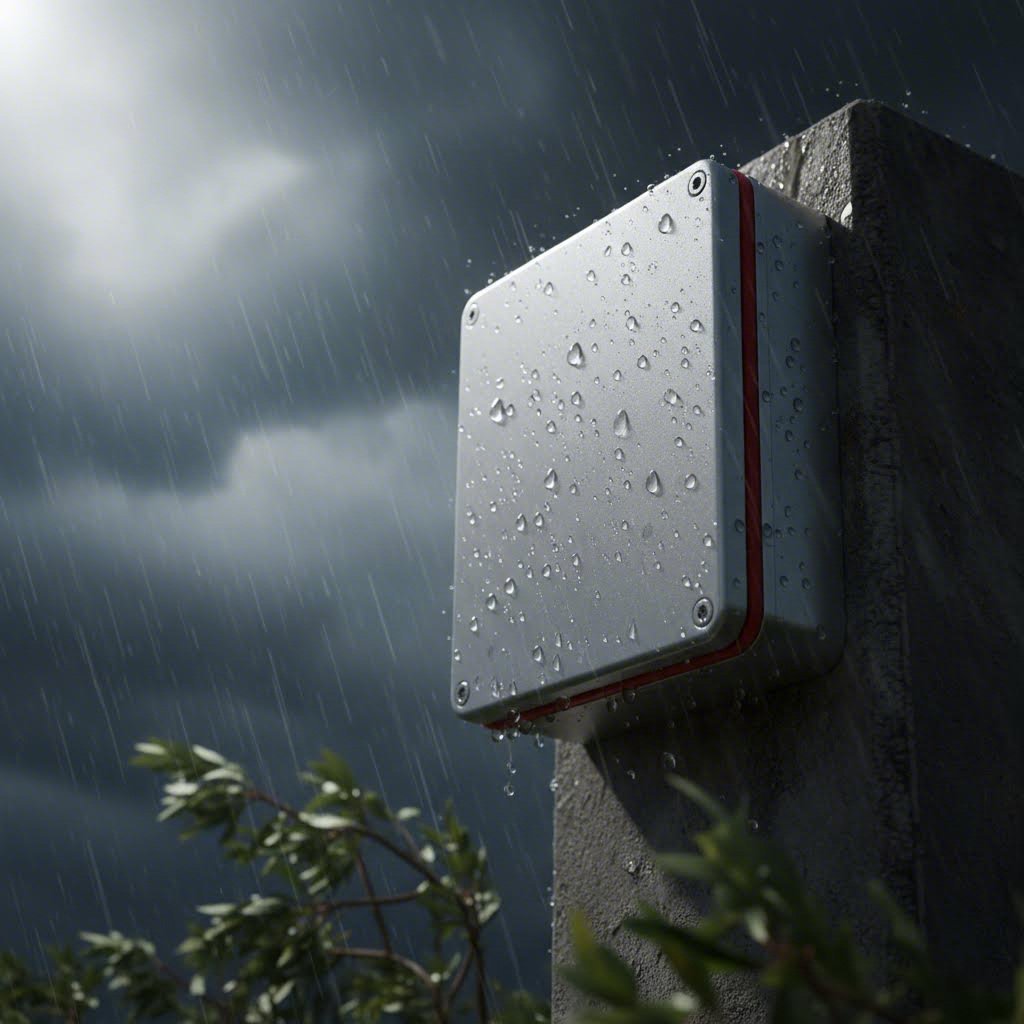
You've selected the perfect material and designed for optimal thermal performance—but here's a question that can make or break your project: will your aluminum enclosure for electronics survive its intended environment? A beautifully engineered enclosure means nothing if dust infiltrates your circuitry or moisture corrodes your connections. That's where IP ratings come into play.
IP stands for "Ingress Protection," and these two-digit codes tell you exactly how well an aluminium enclosure shields its contents from solid particles and liquids. Understanding this system isn't just helpful—it's essential for anyone specifying extruded aluminum enclosures electronics applications depend on for reliable operation.
Think of an IP rating as a shorthand report card for environmental protection. The first digit (0-6) indicates protection against solid objects and dust, while the second digit (0-9) describes water resistance. Higher numbers mean better protection—but also typically higher costs and potential trade-offs with ventilation.
Here's what the most common ratings actually mean for your application:
| IP Rating | Dust Protection Level | Water Protection Level | Typical Applications |
|---|---|---|---|
| IP54 | Limited dust ingress (no harmful deposits) | Splashing water from any direction | Indoor control panels, office electronics, ventilated equipment rooms |
| IP65 | Dust-tight (complete protection) | Water jets from any angle (12.5 L/min at 30 kPa) | Outdoor control enclosures, industrial machinery, junction boxes |
| IP66 | Dust-tight (complete protection) | Powerful water jets (100 L/min at 100 kPa) | Lighting fixtures, wash-down areas, exposed outdoor equipment |
| IP67 | Dust-tight (complete protection) | Temporary immersion (1 meter depth for 30 minutes) | Outdoor sensors, battery enclosures, portable electronics |
| IP68 | Dust-tight (complete protection) | Continuous immersion (depth specified by manufacturer) | Marine systems, underground installations, submersible equipment |
| IP69K | Dust-tight (complete protection) | High-pressure hot water jets (80°C at 8-10 MPa) | Food processing equipment, heavy-duty vehicles, sanitary applications |
One important detail that catches many engineers off guard: water ratings aren't always cumulative above IPx6. According to the IEC 60529 standard, a device rated IPx7 for immersion isn't necessarily compliant with IPx5 or IPx6 for water jets. If your application faces both hazards, look for enclosures tested and rated for both—often shown as IPx5/IPx7.
Sounds complex? The good news is that extruded aluminum enclosures are particularly well-suited for achieving high IP ratings. The seamless profile walls eliminate the welded seams that plague sheet metal alternatives—seams that often become the weakest link in environmental protection.
But the extruded body is only part of the equation. Achieving IP65, IP67, or higher requires careful attention to every potential ingress point:
Precision-machined mating surfaces: The interface between enclosure body and end panels must be CNC-machined to tolerances as tight as ±0.1mm. Many designs incorporate interlocking tongue-and-groove profiles that enhance sealing efficiency while maintaining alignment during assembly.
Gasket selection and compression: Silicone or EPDM rubber gaskets bridge the gap between mating surfaces. The key is achieving proper compression—typically 30-40% of the gasket's original thickness. Too little compression allows leakage; too much accelerates gasket fatigue and creates assembly difficulties.
Fastener sealing strategy: Every screw penetration is a potential leak path. High-IP enclosures use evenly distributed stainless steel fasteners with O-ring seals on threaded holes. Uneven torque creates localized gaps that compromise the entire sealing system.
Cable gland and connector interfaces: The most common failure point in otherwise well-sealed enclosures. IP-rated cable glands, pre-mounted connectors with integrated seals, and properly sized knockout plugs are non-negotiable for maintaining rated protection.
Pressure equalization: Temperature swings cause internal pressure changes that can force moisture past seals during cool-down cycles. For IP67 and IP68 applications, breather valves or Gore-Tex-style membranes allow pressure equalization while blocking water and dust.
Choosing the right IP rating isn't about selecting the highest number—it's about matching protection levels to actual operating conditions while balancing cost and thermal management considerations. Here are the environmental factors you need to evaluate:
A practical tip from industry experience: avoid over-specification. An IP68-rated aluminium enclosure designed for marine submersion costs significantly more than an IP65 unit—and the enhanced sealing often reduces ventilation options, potentially creating thermal management challenges for heat-generating electronics.
Match your IP rating to real operating conditions, not worst-case scenarios that may never occur. An IP65 enclosure handles most outdoor applications beautifully, while IP67 or IP68 should be reserved for genuine submersion risks.
For applications in North America, you may also encounter NEMA ratings alongside IP codes. While not directly equivalent—NEMA standards include additional requirements like corrosion resistance and ice resistance—IP65 roughly corresponds to NEMA 4, and IP67 aligns with NEMA 6. Understanding both systems ensures your specifications translate accurately across international supply chains.
With environmental protection requirements defined, the next step is understanding how to match enclosure types to specific applications—from industrial control panels to portable instrumentation.
You understand materials, thermal management, and IP ratings—but here's where theory meets practice: which enclosure configuration actually fits your project? An aluminum project enclosure designed for a benchtop amplifier looks nothing like one protecting a PLC in a manufacturing plant. Getting this match right from the start saves redesign costs and ensures your electronics perform reliably in their intended environment.
Let's walk through the major application categories and identify exactly which enclosure features matter most for each scenario. Whether you're housing a simple PCB prototype or specifying industrial control systems, this guidance helps you make confident decisions.
Industrial applications demand enclosures that prioritize protection, accessibility, and long-term serviceability. According to industry standards like UL508A and NFPA 79, industrial control panels must guard internal components from environmental extremes while keeping workers safe during maintenance activities.
When specifying aluminum project boxes for industrial settings, these features deserve particular attention:
One often overlooked detail: many industrial devices generate substantial heat. As noted in control panel design best practices, enclosure selection must consider ambient conditions and potentially provide appropriate cooling systems—or heaters in extremely cold locations to prevent condensation on electronics.
Consumer and commercial electronics present different priorities than industrial equipment. Here, aesthetics often matter alongside functionality, and production volumes may justify tighter optimization of enclosure dimensions.
Outdoor installations face the harshest conditions: temperature extremes, UV exposure, moisture, and sometimes vandalism or wildlife interference. Material selection and sealing become critical success factors.
The divide between portable and rack-mount applications represents fundamentally different design philosophies. Portable equipment prioritizes weight reduction and durability during handling, while rack-mount systems optimize for standardized mounting and serviceability.
For portable applications:
For rack-mount configurations, the 19-inch width standard dominates. Equipment racks accommodate heights measured in rack units (1U = 1.75 inches), and your enclosure must align precisely with these dimensions. Rack-mount enclosures typically feature:
Determining the right enclosure size starts with your internal components—but doesn't end there. Here's a practical approach to sizing:
Step 1: Map out your largest components and their positions. Include clearance for cable routing, typically 25-50mm on connector sides.
Step 2: Add thermal clearance. Heat-generating components need airspace above them for convection—typically 10-15mm minimum between hot spots and enclosure surfaces.
Step 3: Consider serviceability. Can technicians access adjustment points, replace fuses, or disconnect cables without removing the entire assembly?
Step 4: Plan for future expansion. Adding 15-20% to your calculated dimensions accommodates component revisions and feature additions.
The following table matches common application types to their recommended enclosure features:
| Application Type | Recommended Wall Thickness | Key Enclosure Features | Typical IP Rating | Sizing Priority |
|---|---|---|---|---|
| Industrial Control Panels | 2.5-4.0mm | DIN rail mounting, grounding provisions, removable panels | IP54-IP65 | Internal accessibility, future expansion |
| PCB Housings | 1.5-2.5mm | Card guides, mounting bosses, front panel cutouts | IP40-IP54 | Board dimensions + connector clearance |
| Power Amplifiers | 2.0-3.0mm | Integrated heat sinks, EMI shielding, vibration damping | IP20-IP40 | Thermal dissipation surface area |
| Outdoor Telecom | 2.5-3.5mm | Pressure equalization, UV-resistant finish, pole mounting | IP65-IP67 | Environmental sealing + thermal balance |
| Portable Test Equipment | 1.5-2.0mm | Integrated handles, impact-resistant corners, light weight | IP40-IP54 | Weight vs. durability trade-off |
| Rack-Mount Systems | 1.5-2.5mm | 19" mounting flanges, ventilation patterns, cable management | IP20-IP40 | Standard rack unit dimensions |
With your application requirements clearly defined, the next consideration becomes how to customize standard extrusions—through CNC machining, surface treatments, and other secondary operations—to meet your exact specifications.
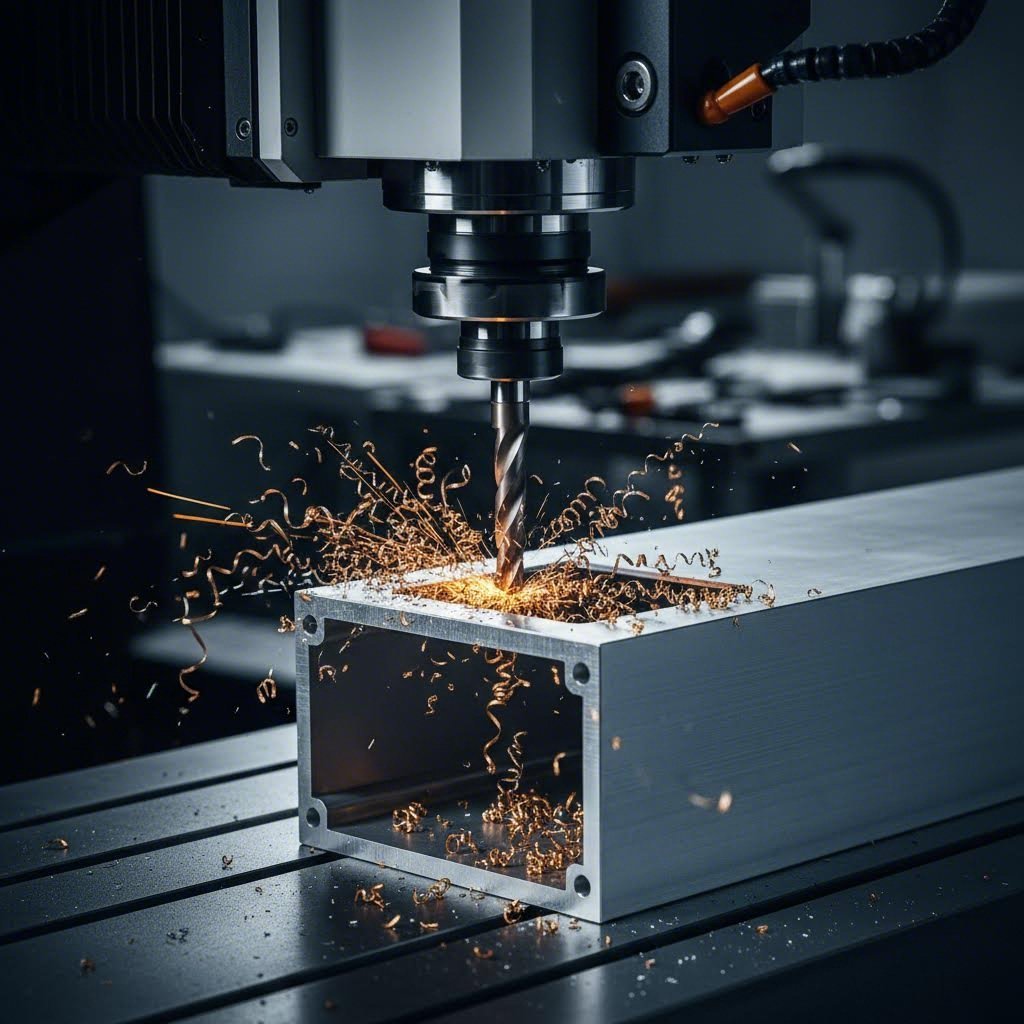
You've selected the perfect profile, matched your IP rating to environmental conditions, and sized your enclosure for the application—but here's where your design truly becomes yours. Custom aluminum enclosures rarely ship straight from the extrusion press. Secondary processing transforms standard profiles into precisely tailored housings that fit your exact specifications, from display cutouts to specialized finishes that match your brand identity.
Think of the extruded profile as a blank canvas. The real customization magic happens through CNC machining operations and surface treatments that turn generic aluminum extrusion panels into finished products ready for your electronics. Understanding these options—and their limitations—helps you design smarter and avoid costly revisions.
Modern extruded aluminum CNC capabilities have transformed what's possible with standard profiles. Where fabricators once struggled with manual cutting and drilling, today's machining centers deliver precision features that integrate seamlessly with your components.
The most common secondary machining operations include:
Precision cutting to length: While extrusions emerge from the press as long profiles, your enclosure needs exact dimensions. CNC sawing or milling achieves length tolerances as tight as ±0.1mm, ensuring end panels and accessories fit perfectly.
Drilling and tapping: Mounting holes for circuit boards, threaded holes for fasteners, and clearance holes for cable glands require precise positioning. Multi-axis CNC machines drill patterns with positional accuracy of ±0.05mm, and tapping operations create threads for standard fastener sizes from M2 through M10 or larger.
Display and panel cutouts: LCD windows, membrane switch openings, and ventilation grilles demand clean edges and exact dimensions. CNC milling creates these cutouts with corner radii as small as 1.5mm for standard tooling—though sharper internal corners require EDM (electrical discharge machining) at additional cost.
Connector mounting features: D-sub cutouts, USB ports, and circular connector holes follow industry-standard patterns. Experienced fabricators maintain libraries of these common configurations, reducing programming time and ensuring compatibility with standard hardware.
Counterboring and countersinking: Flush-mounted fasteners require recessed head clearance. These operations integrate directly into drilling cycles, maintaining consistent depth across all fastener locations.
Pocket milling: Internal recesses for component clearance, battery compartments, or weight reduction are achievable through pocket milling operations that remove material while maintaining structural integrity.
When planning custom aluminum boxes with extensive machining, keep these design considerations in mind:
Suppliers with comprehensive deep processing capabilities—like Shengxin Aluminium's 35 extrusion presses and CNC machining centers—can handle precise cutting, drilling, and bending operations under one roof. This integrated approach reduces lead times and ensures consistent quality compared to shipping profiles between multiple vendors.
Raw aluminum looks attractive initially, but it scratches easily and develops inconsistent oxidation over time. Surface treatments solve these problems while adding functional properties that raw aluminum cannot provide. The choice between treatments depends on your priorities: corrosion resistance, color options, electrical properties, or cost.
Here's what each major surface treatment offers:
Beyond aesthetics, your finish choice directly impacts enclosure performance. Consider these functional implications:
Corrosion resistance: According to industry testing, anodized aluminum can survive over 3,000 hours of salt spray exposure without significant degradation. Powder coating provides excellent barrier protection but can allow corrosion to spread beneath the coating if the film is breached. For marine or coastal environments, combining anodizing with powder coating creates a belt-and-suspenders approach that maximizes longevity.
Electrical properties: Anodized surfaces are electrically insulating—the oxide layer blocks current flow. This matters for EMI shielding applications where electrical continuity between enclosure sections is critical for grounding. In these cases, specify bare aluminum contact areas or use conductive gaskets at mating surfaces. Powder coating similarly insulates, while chromate conversion maintains conductivity.
Dimensional impact: Anodizing adds approximately half its thickness outward and half inward from the original surface. A 0.025mm anodize layer means your enclosure grows roughly 0.0125mm per surface—usually negligible, but critical for tight-tolerance assemblies. Powder coating adds its full thickness outward, potentially affecting fit with mating components.
Thermal considerations: Dark anodized or powder-coated surfaces emit heat more effectively through radiation than bare aluminum. For enclosures relying on radiative cooling, black finishes can improve thermal performance by 10-15% compared to natural silver aluminum.
If your products enter European markets—or you're working with environmentally conscious customers—regulatory compliance matters. Both the EU RoHS Directive and REACH Regulation restrict hazardous substances in electronic products and materials.
According to compliance guidance from Assent, the EU RoHS Directive limits specific hazardous substances like lead, mercury, and certain flame retardants in electrical and electronic equipment. The REACH Regulation takes a broader approach, requiring disclosure of substances of very high concern (SVHCs) and restricting certain chemicals across all products.
For aluminum enclosure extrusion applications, key compliance considerations include:
Working with established suppliers simplifies compliance. Manufacturers like Shengxin Aluminium, with over 30 years of experience serving global markets, maintain documentation and quality systems aligned with international regulatory requirements. Their surface treatment options—including anodizing in custom colors, powder coating, PVDF, and micro-arc oxidation—are formulated for RoHS and REACH compliance.
Planning your customization strategy early prevents expensive surprises. Here are practical guidelines to keep in mind:
Sequence matters: Most machining operations happen before surface treatment. Features machined after anodizing expose raw aluminum that requires touch-up treatment. Plan your operations sequence with your supplier to optimize quality and cost.
Masking adds cost: If certain areas must remain bare for electrical contact or subsequent welding, they require masking during surface treatment. Complex masking patterns—multiple small areas, tight tolerances, or features on multiple surfaces—increase labor costs significantly.
Color matching across batches: Anodizing colors can vary slightly between batches due to alloy variations and process conditions. For consistent appearance across large orders, specify color standards and request samples for approval before production runs.
Lead time planning: Surface treatments add 3-7 days to production schedules. Specialty finishes like MAO or custom color matching may require longer. Build this time into your project timeline from the start.
With customization options clearly understood, the final piece of the puzzle involves working effectively with suppliers to specify requirements and navigate the journey from concept to production-ready enclosures.
You've mapped out your ideal enclosure—material selected, thermal strategy defined, IP rating matched to your environment, and customization requirements documented. Now comes the critical step that determines whether your vision becomes reality: working effectively with an extrusion supplier. The questions you ask, specifications you provide, and supplier you choose can mean the difference between a smooth production run and months of frustrating revisions.
Whether you're ordering your first custom extruded aluminum housing or scaling up an established product line, understanding the supplier relationship transforms you from a passive buyer into an informed partner. Let's walk through exactly what you need to specify, the questions that reveal supplier capability, and how production economics shape your decisions.
Before committing to any supplier, you need answers that go beyond pricing. The right questions uncover technical capability, quality systems, and whether the supplier can actually deliver what you need. Based on industry sourcing guidance, here's what to investigate:
Technical capability questions:
Quality and compliance questions:
Capacity and logistics questions:
Suppliers with comprehensive capabilities—like manufacturers operating multiple press sizes from 600T to 5500T with integrated machining and finishing—can handle complex projects that would require coordination between multiple vendors elsewhere. This integrated approach typically reduces lead times and quality variability.
Clear specifications prevent misunderstandings and ensure accurate quoting. When requesting quotes for an extruded aluminum box or custom enclosure, provide documentation covering these essential elements:
Understanding the production journey helps you plan timelines and budgets realistically. For custom pcb enclosure projects requiring new die tooling, here's what to expect:
Die design and fabrication: Creating a new extrusion die typically takes 2-4 weeks depending on complexity. The die—precision-machined from H13 tool steel—determines your profile's exact cross-section. Simple solid profiles require less complex dies than hollow sections with internal features. According to industry sources, die costs vary widely based on profile complexity, ranging from a few hundred dollars for simple shapes to several thousand for intricate hollow designs.
Die trials and optimization: New dies rarely produce perfect extrusions on the first attempt. Initial runs verify dimensional accuracy and surface quality, often requiring die adjustments and parameter tuning. Budget 1-2 additional weeks for this optimization phase—it's normal, not a sign of problems.
Production extrusion: Once the die is qualified, production runs proceed according to your order schedule. Lead times depend on order size, press availability, and any secondary operations. Typical production lead times range from 2-6 weeks after die approval.
Secondary processing: CNC machining, surface treatment, and assembly operations add time based on complexity. Simple drilling and cutting might add 3-5 days; extensive machining plus anodizing could add 2-3 weeks.
When does investing in custom tooling make sense versus adapting standard profiles? The math depends on your production volume and how well standard options meet your requirements.
Standard profiles make sense when:
Custom dies become economical when:
Consider this example: a standard aluminum extrusions for panels profile might cost $8/foot but require $15 of machining per enclosure to add mounting features. A custom profile with integrated features might cost $12/foot but need only $3 of finishing work. At 500 units, the custom approach saves $2,000 even after die costs.
Minimum order quantities (MOQs) exist for legitimate economic and technical reasons—not just to maximize supplier revenue. As noted by KMC Aluminium, several factors drive MOQ requirements:
Setup overhead: Each extrusion run requires die preparation, press setup, and quality verification. These fixed costs must be distributed across enough pieces to maintain reasonable per-unit pricing.
Press economics: Larger presses capable of bigger profiles require higher MOQs because they consume more aluminum per cycle and have higher operating costs.
Quality stabilization: The first pieces from any run often show variation as process parameters stabilize. Minimum quantities ensure you receive consistent material after the process settles.
Typical MOQs for enclosure extrusions range from 100-500 kg of aluminum, translating to perhaps 50-200 enclosures depending on size. Some suppliers offer lower MOQs for first orders or prototype runs at premium pricing.
How volume affects per-unit pricing:
Not all extrusion suppliers are created equal. Here's what separates capable partners from vendors who'll struggle with your requirements:
Press tonnage range matters: Small presses (under 1,000 tons) handle simple profiles up to about 150mm circumscribing circle diameter. Complex enclosure profiles or larger sizes require presses in the 2,000-5,500 ton range. Ask about available press capacities—a supplier with diverse equipment can optimize production for your specific profile.
In-house processing reduces risk: When extrusion, machining, and finishing happen under one roof, quality control is seamless and lead times compress. Shipping profiles between vendors for secondary operations introduces delays, handling damage potential, and accountability gaps.
Experience with similar applications: A supplier experienced in exseries enclosure profiles understands the tolerances and features your application demands. Ask for examples of similar projects and references from customers in your industry.
Technical support depth: The best suppliers catch design issues before tooling begins. Look for engineering teams that review drawings, suggest improvements, and communicate proactively throughout production.
Manufacturers like Shengxin Aluminium exemplify comprehensive capability—with 35 extrusion presses spanning 600T to 5500T, integrated CNC machining centers, and complete surface treatment facilities, they provide end-to-end support from die development through mass production. Their 30+ years of experience and factory-direct pricing model demonstrate the kind of established capability that de-risks complex enclosure projects.
By asking the right questions, providing complete specifications, and understanding production economics, you transform from a customer placing orders into a partner driving successful outcomes. The supplier relationship you build today determines whether your aluminum enclosure extrusion project delivers on its promise—or becomes a cautionary tale of missed expectations.
An extruded aluminum enclosure is a protective housing created by forcing heated aluminum billets through precision-engineered dies under extreme pressure (up to 15,000 tons). This process produces seamless profiles with consistent cross-sections, integrated features like mounting channels and heat sink fins, and uniform wall thickness—advantages impossible to achieve with traditional sheet metal fabrication or welding methods.
The two most common alloys are 6063 and 6061. Choose 6063 (186-241 MPa tensile strength) for consumer electronics, decorative housings, and applications requiring smooth surfaces with intricate details. Select 6061 (290-310 MPa tensile strength) for industrial controls, military equipment, and high-stress environments requiring superior strength and machinability. Both offer excellent corrosion resistance.
Extruded aluminum offers a middle ground between die-casting and sheet metal. Die tooling costs $500-$5,000 (versus $15,000-$50,000+ for die-casting), making custom profiles viable at 500-1,000 units. Unlike sheet metal, extrusions eliminate welded seams that compromise EMI shielding and create corrosion points. Extrusions also allow integrated features like card guides and heat sink fins in a single operation.
Extruded aluminum enclosures can achieve IP ratings from IP54 through IP68, depending on sealing design. IP65 (dust-tight, water jet resistant) suits most outdoor applications. IP67 handles temporary submersion, while IP68 allows continuous underwater operation. Achieving higher ratings requires precision-machined mating surfaces, proper gasket selection with 30-40% compression, and IP-rated cable glands at all penetration points.
Customization includes CNC machining (drilling, tapping, display cutouts, connector mounting), and surface treatments like anodizing (various colors including custom matches), powder coating (unlimited color options), PVDF coating for UV stability, and micro-arc oxidation for extreme durability. Suppliers like Shengxin Aluminium offer end-to-end services from die development through finishing with 35 extrusion presses and integrated CNC machining centers.



 un service en ligne
 0086 136 3563 2360
 sales@sxalu.com
 +86 136 3563 2360
 français
 English
 Deutsch
 русский
 español
 português
 العربية
 ไทย
 Việt
 Українська