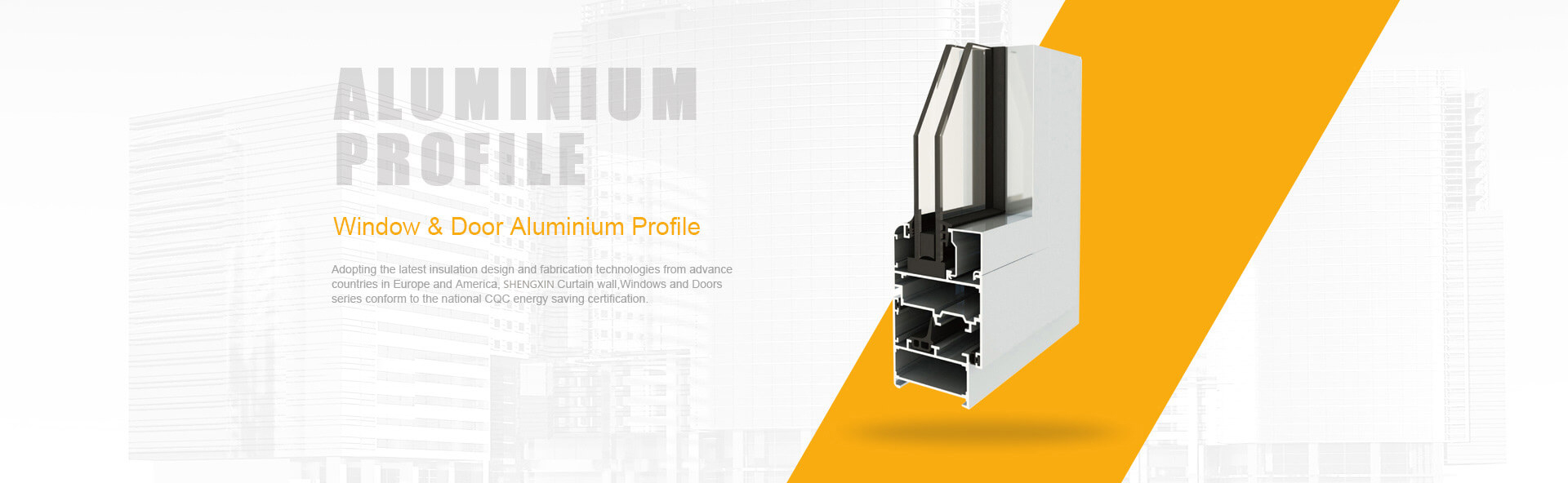
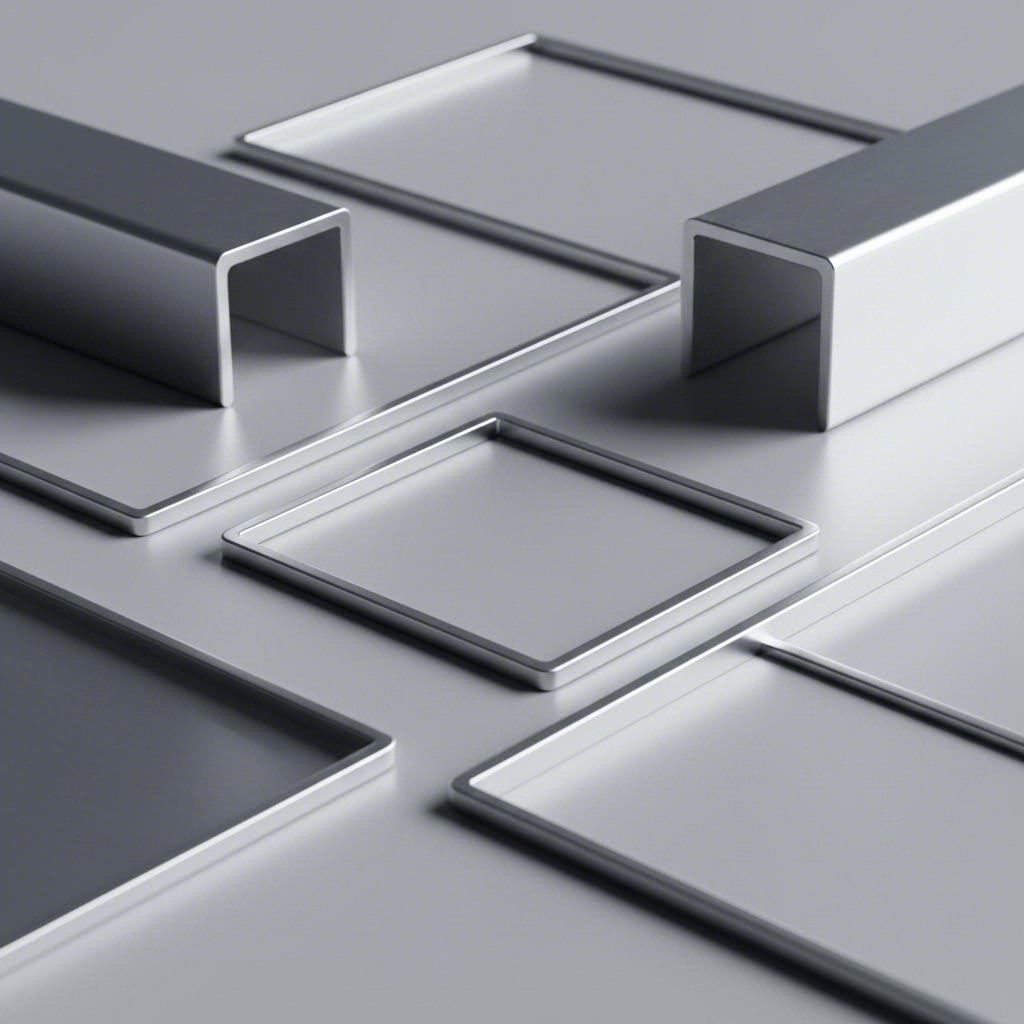
When you're selecting aluminum shapes for your next project, have you ever stopped to consider the corners? It might seem like a small detail, but the difference between a sharp 90-degree edge and a smooth, curved transition can significantly impact your design's safety, appearance, and long-term performance.
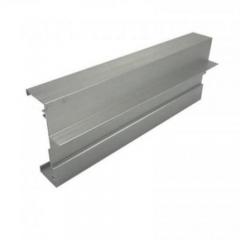
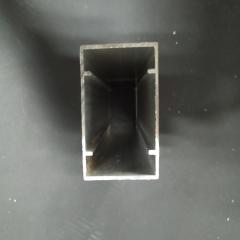
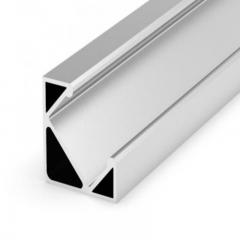
Aluminum angle extrusions with rounded corners are L-shaped aluminum profiles specifically designed with intentionally curved edges rather than the traditional sharp, pointed intersections. Unlike standard 90 degree angle aluminum profiles where two legs meet at a precise, crisp angle, these rounded alternatives feature a controlled arc or curve at one or more corner locations. This rounded edge isn't added after manufacturing—it's an integral part of the extruded shape itself, created directly through the extrusion die design.
Understanding the distinction between sharp and rounded corner profiles helps you make informed decisions for your specific application. Standard architectural aluminum angle L profiles typically feature a constant thickness throughout with a sharp 90-degree angle on both the outside and inside where the two legs meet. These sharp corners extend all the way to the end of the piece, creating precise, angular intersections.
Rounded corner alternatives, however, replace these pointed intersections with smooth curves of a defined radius. According to manufacturing experts, this rounding can be applied to the inside corner, the outside corner, or both simultaneously. The radius dimension itself varies—smaller radii maintain a more angular appearance while larger curves create a noticeably softer aesthetic.
You'll sometimes hear related terms like "radius corner extrusion" or "bullnose profile," but they all describe the same fundamental concept: intentionally replacing sharp angles with smooth, curved transitions during the extrusion process.
So what exactly defines an aluminium angle with rounded corners? The key lies in where and how the rounding is applied. There are three main configurations available in common aluminum angle sizes:
Why does this distinction matter? The benefits extend across three critical areas. For safety, rounded corners eliminate sharp edges that can cause cuts or injuries during handling, installation, or everyday use. Aesthetically, curved transitions create a softer, more refined visual appearance that blends naturally into modern design environments. Functionally, rounded profiles are easier to clean since debris doesn't accumulate in sharp corners, and the curved geometry reduces stress concentration points that could otherwise become weak spots under load.
Whether you're designing architectural trim, equipment frames, or furniture components, understanding these rounded corner options opens up new possibilities for creating safer, more attractive, and longer-lasting aluminum solutions.
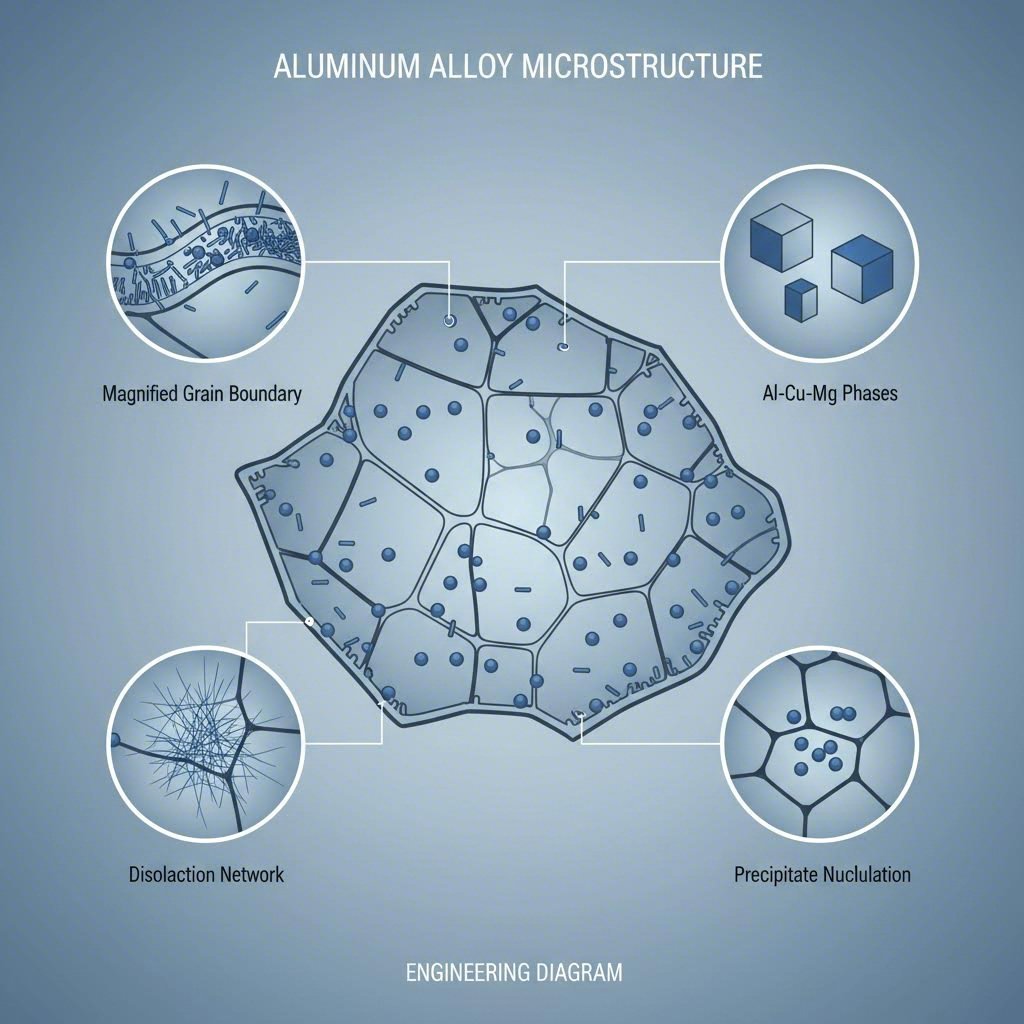
Now that you understand the physical difference between sharp and rounded corner profiles, you might be wondering—what's actually inside that aluminum? The alloy composition and heat treatment process dramatically influence how your aluminum angles perform, how well they accept surface finishes, and whether they'll hold up in demanding applications.
When browsing aluminum angle stock from various suppliers, you'll frequently encounter designations like "6063-T5" or "6061-T6." These aren't random codes. They tell you exactly what you're getting in terms of material composition and mechanical properties. Let's break down what these specifications mean for your project.
The two most common alloys you'll encounter in aluminum angle profiles are 6063 and 6061. Both belong to the 6000 series, meaning they use magnesium and silicon as their primary alloying elements. However, their performance characteristics differ significantly.
6063 Aluminum is often called the "architectural alloy" for good reason. According to Eagle Aluminum's technical resources, this alloy delivers a much smoother surface finish and responds exceptionally well to anodizing treatments. If you're working on visible applications—think interior trim, furniture frames, or retail displays—6063 is typically your best choice. Its superior formability also makes it the preferred material for custom aluminum extruded angle profiles with complex shapes and rounded corners.
6061 Aluminum steps up when structural strength becomes the priority. This precipitation-hardened alloy undergoes a heat treatment process that spreads strengthening particles evenly throughout the metal's grain structure, dramatically increasing durability. When your application involves load-bearing frames, equipment supports, or industrial machinery, 6061 provides the extra strength you need.
Here's a practical way to think about the choice: if someone will see the aluminum angles in the finished project, lean toward 6063. If the aluminum angles need to support significant weight or stress, consider 6061.
The letter-number combination after the alloy (like T5 or T6) indicates the temper—essentially, how the aluminum was heat-treated after extrusion. This treatment significantly affects the mechanical properties of your aluminum angles.
According to Engineering Express's technical documentation, the T6 temper involves a two-stage process. First, the alloy is heated to approximately 980 degrees Fahrenheit to dissolve all alloying elements into a solid solution. After quenching in water, an aging process at 325-400 degrees Fahrenheit causes the elements to form ordered atomic arrays called GP zones, which substantially strengthen the material.
The T5 temper follows a slightly different path. Instead of solution treating the material separately, manufacturers quench extrusions directly from the press while still hot, then age them. For practical purposes, T5 and T6 materials in the same alloy perform similarly, though T6 typically achieves slightly higher strength values.
What does this mean for your aluminium angle sizes selection? T6 tempered material offers the highest strength within each alloy family, making it ideal for structural applications. T5 provides good strength with potentially lower cost and is perfectly suitable for most architectural and general-purpose uses.
| Property | 6063-T5 | 6063-T6 | 6061-T6 |
|---|---|---|---|
| Ultimate Tensile Strength | 22,000+ psi | 28,000+ psi | 42,000+ psi |
| Yield Strength | 16,000+ psi | 23,000+ psi | 35,000+ psi |
| Corrosion Resistance | Excellent | Excellent | Very Good |
| Weldability | Excellent | Excellent | Good |
| Surface Finish Quality | Superior | Superior | Good |
| Anodizing Response | Excellent | Excellent | Good |
| Best Applications | Architectural trim, visible profiles | Premium architectural, furniture | Structural frames, load-bearing |
You might also encounter terminology like "8 Series" or "Base 40" when researching alum angle sizes for modular framing systems. Don't let these terms confuse you—they refer to standardized modular framing system classifications rather than alloy types. These designations indicate specific slot widths and profile dimensions within proprietary T-slot framing systems, not the aluminum composition itself. Most modular systems actually use 6063 alloy for their components due to its excellent extrudability and surface finish characteristics.
With this foundation in alloy types and temper designations, you're now equipped to read specification sheets with confidence and select the right material for your rounded corner angle extrusions. Next, let's explore the size configurations available to ensure you choose the perfect dimensions for your application.
Understanding alloy types and temper designations is essential, but equally important is selecting the right physical dimensions for your project. Aluminum angle extrusions with rounded corners come in a wide range of sizes, from delicate trim profiles measuring fractions of an inch to robust structural members spanning several inches across. The key to choosing correctly lies in understanding how leg lengths, wall thicknesses, and corner radii work together.
Whether you're framing a display case or constructing industrial equipment, the dimensional specifications you select directly impact both appearance and performance. Let's explore the two fundamental configurations available and how to interpret the numbers you'll see on specification sheets.
Equal leg aluminum angles feature two flanges of identical width—think 1x1 inch, 2x2 inch, or even 4x4 aluminum angle profiles. This symmetrical design provides balanced strength in both directions, making equal leg configurations the most versatile choice for general construction, framing, and support applications.
When you see a specification like "2 x 2 x 1/8," here's what it means: the first two numbers indicate leg lengths (both 2 inches in this case), while the third number specifies wall thickness (1/8 inch or 0.125 inch). Standard wall thicknesses typically range from 1/16 inch for lightweight trim applications up to 1/2 inch for heavy structural demands. A 1/2 aluminum angle, for instance, refers to either a half-inch leg dimension or half-inch wall thickness depending on context—always verify which measurement the supplier intends.
According to industry specifications, common equal leg sizes typically range from 1 inch to 6 inches in leg length, with thicknesses from 1/16 inch to 1/4 inch for most commercial applications. Corner radii on these profiles generally correlate with overall size—smaller profiles might feature a 1/16-inch radius, while larger structural angles often incorporate 1/8-inch or 1/4-inch curves.
| Profile Type | Common Leg Sizes | Typical Wall Thickness | Suggested Corner Radius | Primary Applications |
|---|---|---|---|---|
| Small Trim | 1/2" x 1/2" to 1" x 1" | 1/16" to 1/8" | 1/32" to 1/16" | Edge protection, decorative trim |
| Medium Duty | 1" x 1" to 2" x 2" | 1/8" to 3/16" | 1/16" to 1/8" | Furniture frames, light supports |
| Standard Structural | 2" x 2" to 4" x 4" | 3/16" to 1/4" | 1/8" to 3/16" | Equipment frames, brackets |
| Heavy Structural | 4" x 4" to 6" x 6" | 1/4" to 1/2" | 3/16" to 1/4" | Load-bearing frames, machine bases |
Sometimes symmetry isn't what your design needs. Unequal leg aluminum angle configurations feature flanges of different widths—for example, 2 x 1.5 inches or 3 x 2 inches—allowing you to optimize material placement exactly where strength or mounting surface is required.
According to ASTM B308 specifications for structural aluminum shapes, aluminum angle unequal legs configurations span a wide range. Common sizes include 1.50 x 1.25 inch profiles weighing approximately 0.386 pounds per foot, up to substantial 6 x 4 inch sections weighing over 5.5 pounds per foot. These angle aluminum bar profiles prove invaluable when you need a wider mounting flange on one side while minimizing projection on the other.
Consider a typical scenario: you're creating a bracket that mounts flush against a wall but needs to support a shelf extending outward. An unequal leg aluminum angle supplier would recommend a profile with a shorter leg against the wall (reducing visible projection) and a longer leg extending horizontally to provide adequate shelf support.
Wall thicknesses for unequal leg profiles follow similar ranges as equal leg versions. According to the ASTM standards, common thicknesses include 0.125 inch, 0.188 inch, 0.250 inch, and 0.375 inch, with weight increasing proportionally. The cross-sectional area—which directly relates to load-bearing capacity—ranges from approximately 0.33 square inches for smaller profiles to over 4.7 square inches for the largest standard configurations.
Here's a detail many buyers overlook: the corner radius you choose affects both aesthetics and function. Larger radii create a noticeably softer, more contemporary appearance—ideal for consumer products, furniture, and architectural features where a refined look matters. Smaller radii maintain a more angular, industrial character while still eliminating truly sharp edges.
As a general guideline, corner radii typically scale with profile size. A small 1-inch aluminum angle bar might work well with a 1/32-inch to 1/16-inch radius, while a 4-inch structural profile could accommodate a 3/16-inch or larger curve without appearing disproportionate. Beyond aesthetics, larger radii reduce stress concentration at corners, potentially improving fatigue resistance in applications involving repeated loading.
Understanding tolerance standards helps you communicate effectively with suppliers. Standard dimensional tolerances for extruded aluminum profiles typically allow plus or minus 0.006 to 0.024 inches depending on the specified dimension, with precision tolerances available at tighter ranges for critical applications. When ordering, specify whether your stated dimensions represent nominal values or absolute limits to avoid confusion.
Armed with this understanding of size configurations, you're ready to explore the surface finish options that will give your rounded corner aluminum angles their final appearance and protection.
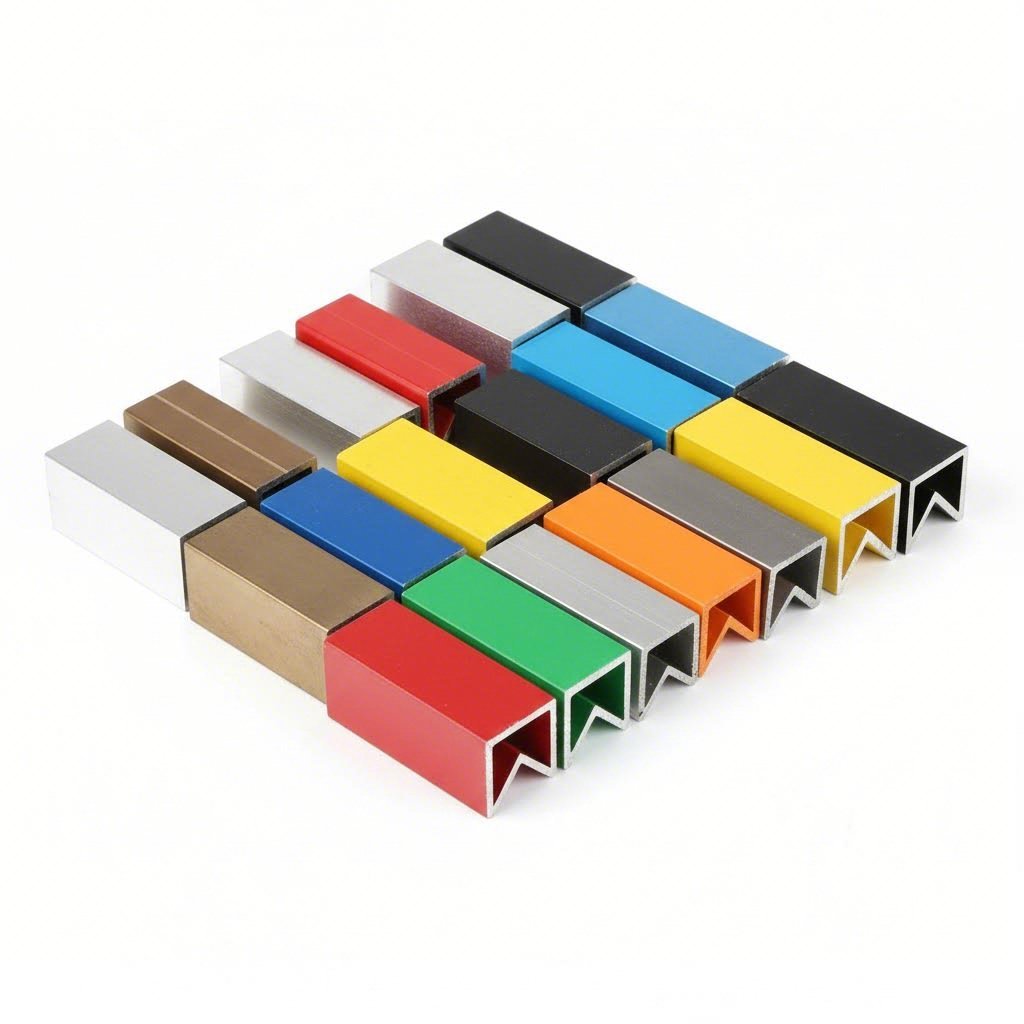
You've selected the perfect alloy, temper, and dimensional configuration for your project—but what about the surface? The finish you choose transforms raw aluminum into a product that resists corrosion, matches your design vision, and performs reliably for years. For aluminum angle extrusions with rounded corners, the finishing process offers some distinct advantages you won't find with sharp-edged alternatives.
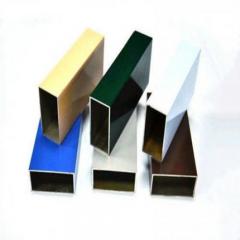
Surface treatments do far more than add color. They create protective barriers against environmental exposure, enhance durability, and establish the visual character of your finished product. Whether you need the natural metallic elegance of a satin anodized finish or the bold impact of aluminum angle black powder coating, understanding your options helps you specify exactly what your application demands.
Anodizing remains one of the most effective methods for finishing anodized aluminum angle profiles. But what exactly happens during this process? According to Monarch Metal's anodizing guide, the treatment involves immersing aluminum parts in an electrolytic bath while passing an electric current through the solution. This controlled oxidation reaction creates a tough oxide layer that becomes molecularly bonded to the aluminum itself—not sitting on top like paint, but integrated into the metal's surface.
This integration makes anodizing remarkably durable. The anodized layer won't peel, flake, or chip because it's literally part of the material. For anodized aluminum extrusion profiles used in high-traffic environments, this permanence translates to years of reliable performance with minimal maintenance.
The color possibilities with anodizing extend far beyond simple clear or natural finishes:
The anodizing thickness you specify depends on your application environment. Thinner coatings work well for indoor settings, while thicker layers—sometimes called "hard anodizing"—provide enhanced protection for exterior or high-wear applications. The process also naturally resists fingerprints and maintains its clarity over time, making aluminium angle trim an excellent choice for visible architectural installations.
When your project demands specific colors, textures, or maximum weather resistance, powder coating and PVDF (polyvinylidene fluoride) coatings offer powerful alternatives to anodizing.
Powder coating has evolved dramatically over the past two decades. According to Master Craft Finishers' industry analysis, advances in powder formulation now enable AAMA 2605-certified finishes with warranties extending 20 to 30 years. This development places modern powder coatings on par with traditional PVDF paints in terms of long-term durability.
What makes powder coating attractive for rounded corner aluminum profiles? Several practical advantages stand out:
PVDF coatings—often known by the trade name Kynar—represent the premium tier of architectural finishes. With over half a century of proven performance, PVDF delivers exceptional color and UV stability even under prolonged weather exposure. The coating maintains its finish for decades, which is why it remains the standard for high-profile architectural projects where long-term appearance matters critically.
However, PVDF does carry some trade-offs. The application process requires primer and specialized pretreatment, curing temperatures reach approximately 450°F, and only licensed applicators can perform the work. These factors typically make PVDF more expensive than powder coating, though the unmatched longevity often justifies the investment for demanding exterior applications.
Here's where your decision to specify rounded corner profiles pays dividends in finish quality. Sharp corners create real challenges during surface treatment application—challenges that rounded profiles elegantly solve.
According to Dole Fabricators' technical insights, sharp edges and burrs can negatively impact coating adhesion and appearance. When powder coating is applied, the material tends to pull away from sharp edges during the curing process, resulting in thinner coverage at these critical points. This phenomenon—sometimes called "edge pull-back"—leaves sharp corners more vulnerable to corrosion and wear.
Rounded corners eliminate this problem. The curved geometry allows coating material to flow more uniformly across the surface, maintaining consistent thickness throughout the profile. The benefits are tangible:
This advantage applies to anodizing as well. The electrochemical process forms oxide layers more evenly on curved surfaces than on sharp angles, where electrical field concentrations can cause inconsistencies. For applications where surface finish quality is paramount—display fixtures, architectural trim, consumer products—rounded corner profiles deliver noticeably superior results.
Beyond standard anodizing and powder coating, specialized surface treatments address specific performance requirements:
The surface treatment you select ultimately depends on your application's specific demands—environmental exposure, aesthetic requirements, maintenance expectations, and budget constraints all factor into the decision. With rounded corner aluminum angles, you gain the advantage of superior coating application regardless of which finish you choose.
Now that you understand the finish options available, let's explore where these rounded corner profiles perform best across different industries and applications.
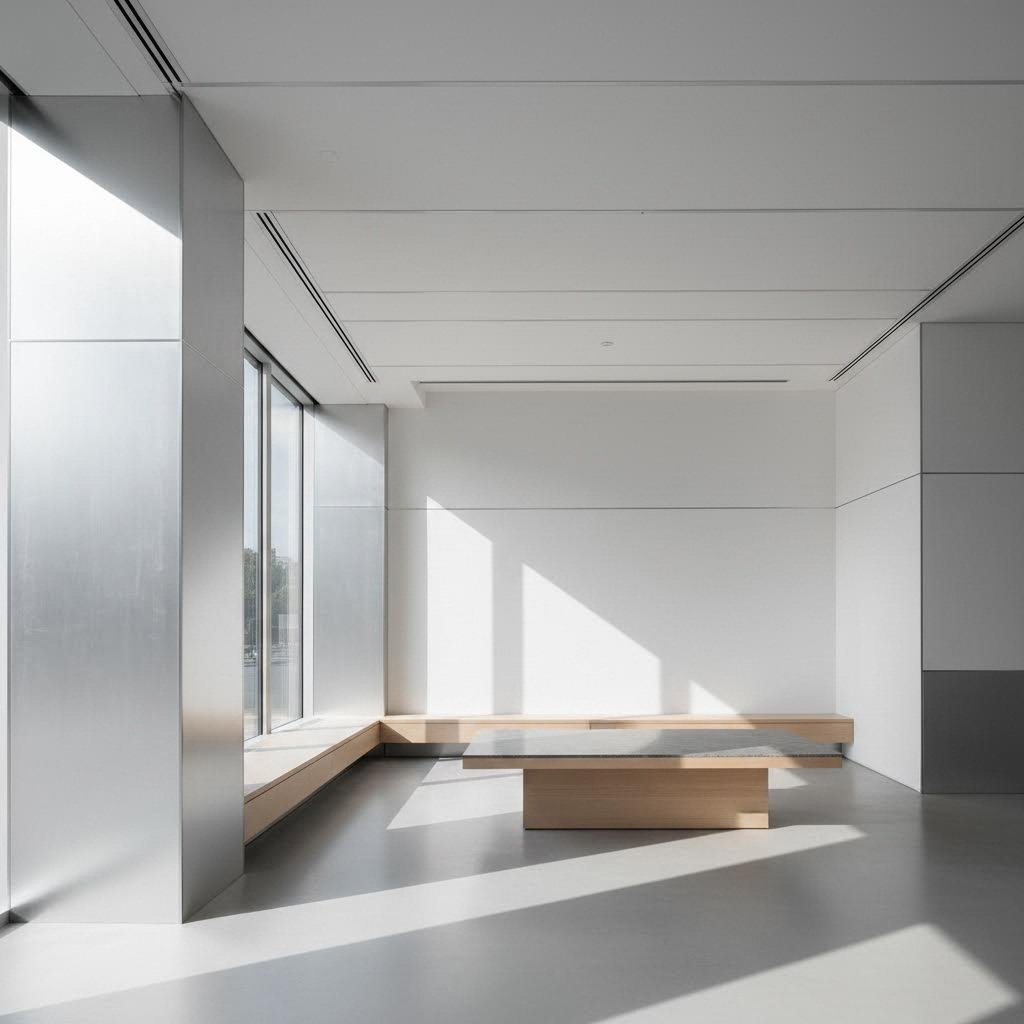
You've explored alloys, sizes, and surface finishes—but where do aluminum angle extrusions with rounded corners actually shine in real-world applications? The answer spans virtually every industry where safety, aesthetics, and functionality converge. From the elegant trim defining a hotel lobby to the protective guarding surrounding industrial machinery, these profiles solve problems that sharp-edged alternatives simply cannot address.
What makes rounded corner aluminum corner extrusion profiles so versatile? The curved edges eliminate injury risks, simplify cleaning and maintenance, and create a refined appearance that sharp corners can never match. Let's explore the specific applications where these benefits translate into measurable value across three major sectors.
Imagine walking through a modern commercial building—the clean lines where walls meet, the seamless transitions between different surface materials, the protected edges of custom millwork. Behind many of these refined details, you'll find extruded aluminum corner profiles doing essential work.
According to Eagle Aluminum's architectural specifications, aluminum L angles are commonly used in architectural, millwork, store fixture, and display industries. These profiles serve as cross-section or framing components for doors, entranceways, and ceilings, as well as corner protection along walls, desks, and store fixtures. Their millwork angles, manufactured from 6063-T5 aluminum, feature smooth surfaces ideally structured for anodized finishing.
The architectural applications for rounded corner aluminum angles include:
Why do rounded corners matter specifically for architectural applications? Beyond the obvious safety benefit—no sharp edges to cut maintenance workers or building occupants—the curved profiles create softer visual transitions that complement contemporary design sensibilities. Sharp angles can appear harsh under certain lighting conditions, casting hard shadows that draw unwanted attention. Rounded profiles diffuse light more gently, blending into their surroundings rather than standing out.
When you step onto a factory floor, safety becomes paramount—and the choice between sharp and rounded corner profiles takes on heightened importance. Industrial environments demand materials that protect workers while withstanding the rigors of continuous operation.
According to AngleLock's machine guarding analysis, every operator and material handler knows sharp edges are more dangerous than rounded ones. But the concern extends beyond cuts and scrapes. An edge with a severe radius puts more stress on the profiles and can lead to hairline fractures and premature failure—often going unnoticed until it's too late.
Industrial applications where rounded corner alu corner profiles excel include:
The industrial safety advantages extend to maintenance considerations as well. Aluminum angle with holes for mounting hardware can be configured for quick-release access panels. When workers need to enter guarded areas for maintenance, rounded edges mean fewer cuts and abrasions—reducing first aid incidents and keeping maintenance crews focused on their actual tasks.
Food processing and pharmaceutical manufacturing present unique requirements where rounded corner profiles prove essential. Sharp corners trap debris, harbor bacteria, and resist thorough cleaning. Curved aluminum surfaces allow sanitizing solutions to flow completely across all surfaces, meeting stringent hygiene requirements without creating contamination pockets.
Consumer-facing products demand a level of refinement that industrial components may not require. When end users interact directly with aluminum frames—touching, handling, and living with these products daily—rounded corners transform from a nice-to-have feature into an essential specification.
Furniture and consumer product applications include:
The cleaning advantage deserves special emphasis in consumer applications. Sharp interior corners accumulate dust, debris, and moisture that can be difficult to remove completely. Rounded profiles allow cleaning cloths and sanitizing solutions to reach all surfaces, maintaining hygiene standards without tedious detail work.
Beyond these three major categories, aluminum corner extrusions with rounded edges serve specialized needs across numerous other sectors:
Whatever your specific application, the fundamental benefits remain consistent: enhanced safety through eliminated sharp edges, improved aesthetics through refined profiles, and better functionality through easier cleaning and reduced stress concentration. These advantages make rounded corner aluminum angles the specification of choice for designers and engineers who prioritize both performance and user experience.
Understanding where these profiles excel naturally leads to the next question: how do you actually work with them? Let's explore the fabrication and machining techniques that ensure professional results from your rounded corner aluminum angles.
You've selected the perfect rounded corner aluminum angle for your project—but now comes the hands-on work. How do you cut angle aluminum cleanly without warping the material or leaving rough edges? What drilling techniques prevent burrs from forming around your fastener holes? And when should you handle fabrication yourself versus calling in professional CNC machining services?
Working with extruded aluminum angle profiles requires different techniques than cutting wood or steel. The material's thermal conductivity, relative softness, and tendency to gum up cutting tools all demand specific approaches. Whether you're tackling a single bracket or producing dozens of identical components, the following techniques will help you achieve professional results.
The question of how to cut angle aluminum comes up constantly among DIY fabricators and professional builders alike. According to Speciality Metals' fabrication guide, achieving clean cuts without warping requires attention to blade selection, cutting speed, and material support throughout the process.
Your tool choice depends largely on the material thickness and quantity of cuts needed. For occasional cuts on thinner profiles, a hacksaw with a fine-toothed blade (18-24 teeth per inch) provides excellent control and minimal heat buildup. Power tools like miter saws and circular saws handle thicker sections and larger production runs efficiently—but only when equipped with appropriate metal-cutting blades.
Here's a step-by-step approach for cutting aluminum angle extrusion profiles cleanly:
Angle grinders offer another option for quick cuts on thicker extruded angle profiles, though they typically leave rougher edges requiring more finishing work. When using an angle grinder, position the tool at a slight angle to the material and maintain steady pressure—forcing the cut generates heat and creates jagged edges.
Creating clean holes in aluminum angle profiles requires proper bit selection and technique. According to YJing Extrusion's drilling guide, high-speed steel (HSS) or carbide drill bits designed for aluminum produce the best results. Standard twist bits intended for steel can grab and tear the softer aluminum, creating oversized or oval-shaped holes.
Key drilling considerations include:
After drilling, use a deburring tool or countersink bit to remove the raised edge that forms around each hole. This step ensures fasteners seat properly and prevents sharp burrs from causing injury during assembly.
The rounded corner geometry of your angle extrusion actually provides an advantage when locating fastener holes. Sharp-cornered profiles concentrate stress at the intersection point, making hardware placement near corners problematic. Rounded profiles distribute loads more evenly, allowing fasteners to be positioned closer to the corner without creating stress risers that could lead to cracking under load.
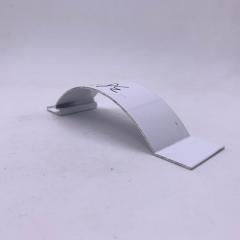
What happens when your project requires curved aluminum extrusions rather than straight lengths? Bending aluminum angles introduces additional complexity, particularly for profiles with rounded corners.
Cold bending—forming the material at room temperature—works for gradual curves with large radii. The aluminum's natural ductility allows it to deform without cracking, though spring-back must be accounted for in your bend calculations. Tighter radii may require heat application or specialized roll-bending equipment to prevent cracking at the outside of the curve.
According to Fonnov Aluminium's fabrication specifications, professional bending services for curved aluminum extrusion profiles ensure consistent results across production quantities. Their capabilities include tube bending, plate bending, and extrusion profile bending—all performed with equipment calibrated for aluminum's specific material properties.
When planning curved installations, consider these factors:
Field fabrication works well for simple cuts, basic drilling, and one-off projects. But as complexity and quantity increase, professional CNC machining services offer significant advantages that justify their cost.
Consider CNC machining when your project involves:
CNC capabilities for angle extrusion profiles include precision cutting with length tolerances of ±0.1mm, milling operations on 3-axis through 5-axis equipment, and plasma cutting for complex shapes that conventional milling cannot efficiently produce. For projects requiring multiple machining operations, having extrusions processed at a single facility eliminates the positioning errors that occur when parts move between different machines or shops.
The decision between field fabrication and professional machining ultimately depends on your specific requirements for precision, consistency, and volume. Simple projects with generous tolerances work fine with basic shop tools. Complex assemblies with tight specifications—or production runs exceeding a handful of pieces—typically benefit from the precision and efficiency that professional CNC machining delivers.
With fabrication techniques understood, the next critical step involves finding the right supplier who can provide quality aluminum angle extrusions along with the processing services your project requires.
You've determined the alloy, dimensions, surface finish, and fabrication requirements for your project—but where do you actually source rounded corner aluminum angles that meet your specifications? Finding the right aluminum angle supplier can mean the difference between a seamless project and costly delays, quality issues, or unexpected expenses.
Whether you need standard catalog profiles or fully custom extrusions, the supplier selection process deserves careful attention. Not all manufacturers offer the same capabilities, and understanding these differences helps you match your project requirements with a partner who can deliver consistently. Let's explore how to evaluate your options and make an informed decision.
When browsing angle aluminum for sale, you'll encounter two fundamental sourcing approaches: selecting from existing standard profiles or developing custom extrusions tailored to your exact specifications. Each path offers distinct advantages depending on your project's nature.
According to Modular1's analysis of profile selection, standard profiles are mass-produced in itemized lengths and commonly requested shapes. These catalog options deliver several compelling benefits:
Standard alum angle bar profiles work exceptionally well for projects using common dimensions where visual customization through finishing satisfies aesthetic requirements. If a catalog profile matches your dimensional needs, this path typically offers the fastest and most economical solution.
Custom extrusion development becomes the right choice when standard options fall short. According to the Modular1 analysis, custom profiles unlock design possibilities that catalog shapes cannot provide:
The trade-off? Custom extrusions require die development—typically a one-time investment that adds upfront cost and lead time. However, this tooling cost amortizes across your production volume, often becoming negligible for larger orders.
Once you've determined whether standard or custom profiles suit your needs, evaluating potential suppliers becomes your next priority. According to Orange Aluminum's supplier selection guide, several critical factors distinguish capable partners from those who may struggle to meet your requirements.
Experience and expertise form the foundation. Look for manufacturers with proven track records in producing aluminum angle bars similar to your specifications. Experienced suppliers possess comprehensive knowledge of the extrusion process, have refined their techniques over years of production, and can offer valuable insights to optimize your designs.
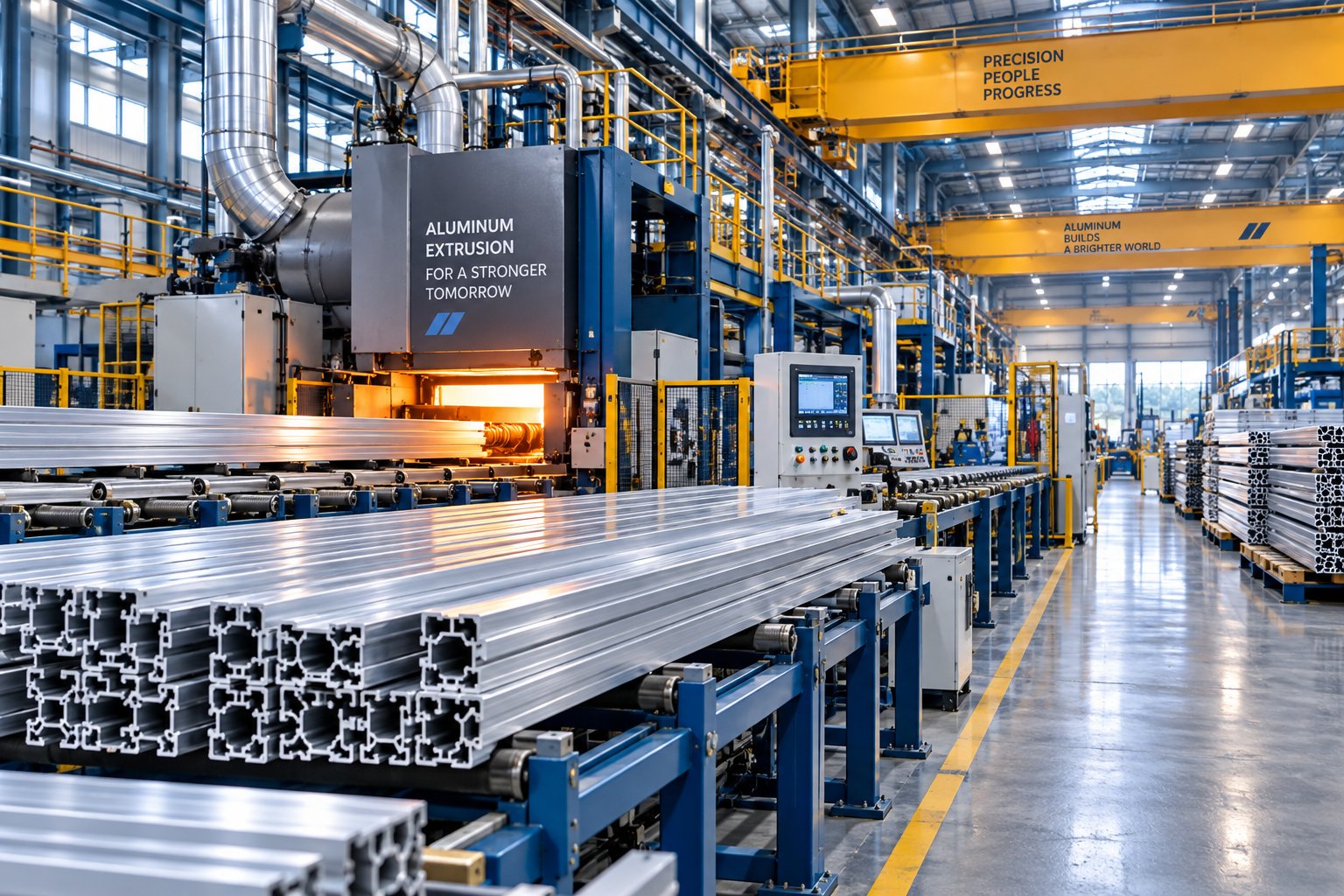
Manufacturing capacity directly impacts whether a supplier can handle your project's scale. Extrusion press size determines the maximum profile dimensions possible—smaller presses handle fine architectural trim while larger presses produce heavy structural sections. For example, Shengxin Aluminium operates 35 extrusion presses ranging from 600T to 5500T, enabling production of profiles across the full spectrum from delicate trim to substantial structural aluminum angle bars.
Surface treatment capabilities matter tremendously when your project requires finished profiles. Suppliers offering in-house anodizing, powder coating, PVDF, and specialized treatments like micro-arc oxidation can manage your entire production sequence without outsourcing—reducing lead times and quality variables.
Machining and fabrication services add significant value when your profiles require cutting, drilling, or bending. CNC machining centers capable of precise hole patterns, complex cutouts, and tight tolerances eliminate the need for secondary processing at separate facilities. Shengxin Aluminium's integrated CNC machining centers handle cutting, drilling, and bending operations, providing end-to-end support from die development through mass production.
Before committing to an aluminum angle for sale from any supplier, gather specific information that reveals their true capabilities. According to KMC Aluminium's purchasing guidance, three primary factors—price, minimum order quantities, and lead time—deserve particular attention.
Use this checklist when evaluating potential partners:
If your project requires custom profiles, understanding die economics helps you plan effectively. According to KMC Aluminium's technical explanation, extrusion dies come in several configurations:
Die costs typically range from several hundred to several thousand dollars depending on profile complexity. The die becomes your tooling asset—retained by the manufacturer for your exclusive use in future production runs.
Minimum order quantities exist for legitimate economic and technical reasons. According to KMC Aluminium's analysis:
For projects requiring aluminium angle for sale in smaller quantities, established suppliers like Shengxin Aluminium offer flexibility through their extensive standard profile libraries while maintaining custom capabilities for larger production requirements.
The ideal supplier combines technical capability with responsive communication and reliable delivery. According to Orange Aluminum's evaluation criteria, good customer support and effective communication are critical for a successful partnership. Evaluate responsiveness, willingness to address concerns, and ability to provide timely project updates.
Clear communication channels and a dedicated point of contact make significant differences in collaboration quality. When your project requires modifications or encounters unexpected requirements, a supplier who engages proactively solves problems faster than one who merely takes orders.
For projects demanding comprehensive support—from initial die development through finished, machined components—integrated manufacturers offer compelling advantages. With over 30 years of experience, Shengxin Aluminium exemplifies this full-service approach, combining extrusion capacity across 35 presses with comprehensive surface treatments and precision CNC machining. Their technical team provides end-to-end support for custom 6063 aluminum extrusions, helping customers navigate specification decisions while delivering factory-direct pricing. Explore their custom extrusion services to understand how integrated capabilities streamline complex projects.
With supplier selection criteria established, you're ready to synthesize all these considerations into a coherent decision framework that matches your specific project requirements to optimal aluminum angle specifications.
You've explored alloys, dimensions, surface treatments, applications, fabrication techniques, and supplier evaluation criteria throughout this guide. Now comes the moment of decision—how do you synthesize all these considerations into a clear specification that meets your project's unique demands? The answer lies in matching your specific requirements systematically to the right aluminum angle extrusions configuration.
Whether you're specifying l shape aluminum trim for architectural finishing or heavy-duty aluminum l shape profiles for industrial equipment framing, the decision framework below helps you navigate the selection process with confidence. Let's bring together everything you've learned into actionable next steps.
Every successful aluminum angle project starts with honest assessment of your actual needs. Before requesting quotes or committing to specifications, work through these key decision factors:
Application environment: Will your l shaped aluminum extrusion face indoor conditions, outdoor weathering, or demanding industrial exposure? Indoor architectural trim requires different protection than marine environments or food processing facilities where aggressive cleaning chemicals are routine.
Structural demands: Does your application involve significant load-bearing requirements, or is the profile primarily decorative? This distinction drives alloy selection—6061-T6 for structural strength versus 6063-T5 for superior finish quality on visible aluminum l extrusion components.
Safety priorities: How much human contact will your profiles experience? High-traffic areas, consumer products, and equipment requiring frequent maintenance access all benefit from generously rounded corners that eliminate injury risk.
Aesthetic requirements: Is the aluminum visible in the finished installation? Visible profiles demand attention to surface finish quality, corner radius appearance, and color matching that concealed structural members may not require.
The following table maps common project scenarios to recommended specifications, helping you quickly identify the configuration that best suits your needs:
| Application Type | Recommended Alloy | Suggested Finish | Corner Radius | Budget Consideration |
|---|---|---|---|---|
| Architectural interior trim | 6063-T5 | Anodized (clear or color) | Medium to large radius | Moderate - finish quality matters |
| Exterior building facades | 6063-T5 or T6 | PVDF or powder coat | Medium radius | Higher - weathering protection essential |
| Industrial machine guarding | 6061-T6 | Powder coat or mill finish | Large radius for safety | Moderate - durability over aesthetics |
| Retail display fixtures | 6063-T5 | Anodized custom colors | Large radius | Moderate to higher - appearance critical |
| Furniture framing | 6063-T5 | Anodized or powder coat | Large radius | Moderate - user contact frequent |
| Structural equipment frames | 6061-T6 | Mill finish or powder coat | Small to medium radius | Lower to moderate - strength priority |
| Food processing equipment | 6063-T5 | Anodized (easy clean) | Large radius | Higher - hygiene compliance required |
| Signage and wayfinding | 6063-T5 | Anodized or painted | Medium to large radius | Moderate - visibility important |
With your specifications taking shape, the path forward involves requesting quotes, obtaining samples, and validating your choices before committing to production quantities. According to industry sample request procedures, taking time to test actual materials prevents costly surprises during production.
Request detailed quotes: Provide suppliers with complete specifications including alloy, temper, dimensions, corner radii, surface finish, and quantity requirements. The more precise your request, the more accurate the quote you'll receive. Ask about die costs for custom profiles and minimum order quantities that apply to your specific configuration.
Obtain physical samples: Never commit to production quantities without testing actual samples first. According to sample request guidelines, standard profile samples often ship within 3-7 days, while custom profiles may require 1-3 weeks. Use samples to verify:
Test before committing: Install sample pieces in representative locations. Evaluate how the finish looks under your actual lighting conditions. Confirm that extruded aluminum corners align properly with adjacent materials. Verify that fastener locations work with your assembly sequence. This validation step costs little compared to discovering problems after production.
Plan for lead times: Custom aluminum angle extrusions require die development time—typically 2-4 weeks—before production can begin. Standard profiles ship faster but may still require surface treatment lead time. Build realistic timelines into your project schedule to avoid rush charges or compromised quality.
For projects requiring comprehensive support from specification through delivery, working with an experienced integrated manufacturer streamlines the entire process. Shengxin Aluminium brings over 30 years of aluminum extrusion expertise to projects of every scale, from architectural trim to industrial equipment framing.
Their capabilities align perfectly with the requirements discussed throughout this guide:
Whether you need standard catalog profiles or fully custom aluminum l extrusion solutions, their end-to-end capabilities ensure consistent quality from first sample through final delivery.
The best aluminum angle specification balances your structural requirements, aesthetic goals, safety priorities, and budget constraints—then matches these needs with a supplier capable of delivering consistently.
Ready to move forward with your rounded corner aluminum angle project? Start by gathering your dimensional requirements, identifying your finish preferences, and calculating your quantity needs. Then reach out to qualified suppliers for quotes and samples. With the knowledge you've gained throughout this guide, you're equipped to ask the right questions, evaluate responses effectively, and make confident decisions that deliver lasting value for your application.
Custom aluminum rounded corner extrusions serve diverse applications across architecture, industrial equipment, and consumer products. In architectural settings, they protect drywall corners, create millwork transitions, and finish casework edges. Industrial uses include machine guarding, equipment frames, and modular workstations where worker safety is paramount. Consumer applications range from retail display fixtures to furniture framing. The rounded edges eliminate injury risks, simplify cleaning, and create refined aesthetics that sharp-cornered alternatives cannot match.
The primary difference lies in strength versus finish quality. 6063 aluminum, known as the architectural alloy, delivers superior surface finish and exceptional anodizing response, making it ideal for visible applications like trim, furniture, and displays. 6061 aluminum offers significantly higher tensile and yield strength through precipitation hardening, making it the preferred choice for structural and load-bearing applications. For visible profiles, choose 6063; for structural demands, consider 6061.
Clean cuts require proper blade selection, controlled feed rates, and secure workpiece clamping. Use carbide-tipped blades designed for non-ferrous metals in power saws, maintaining slow and steady feed rates to prevent heat buildup. For hand cutting, fine-toothed hacksaw blades with 18-24 teeth per inch work well on thinner profiles. Always clamp the material firmly, apply cutting lubricant for thicker sections, and deburr edges immediately after cutting to achieve professional results.
Multiple finishing options exist to match your application requirements. Anodizing provides integrated protection with options including clear, bronze, black, and custom colors like champagne and rose gold. Powder coating offers unlimited color choices with matte to high-gloss finishes and excellent durability. PVDF coatings deliver premium weathering resistance for demanding exterior applications. Rounded corners actually improve finish quality by allowing more uniform coating thickness compared to sharp edges where coatings tend to thin.
Minimum order quantities vary based on profile complexity, press requirements, and supplier policies. Standard catalog profiles often ship in small quantities suitable for prototyping. Custom extrusions require die development investment and typically have higher minimums to offset setup costs. Experienced manufacturers like Shengxin Aluminium, with 35 extrusion presses and comprehensive processing capabilities, offer flexibility across production scales while maintaining quality through integrated die development, surface treatment, and CNC machining services.



 un service en ligne
 0086 136 3563 2360
 sales@sxalu.com
 +86 136 3563 2360
 français
 English
 Deutsch
 русский
 español
 português
 العربية
 ไทย
 Việt
 Українська