Ever heard someone mention "that 8020 stuff" and wondered what they're talking about? You're not alone. Whether you're an engineer designing a workstation or a DIY enthusiast building a custom 3D printer frame, understanding aluminum extrusion profiles is your first step toward project success.
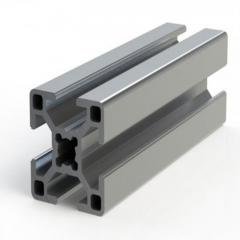
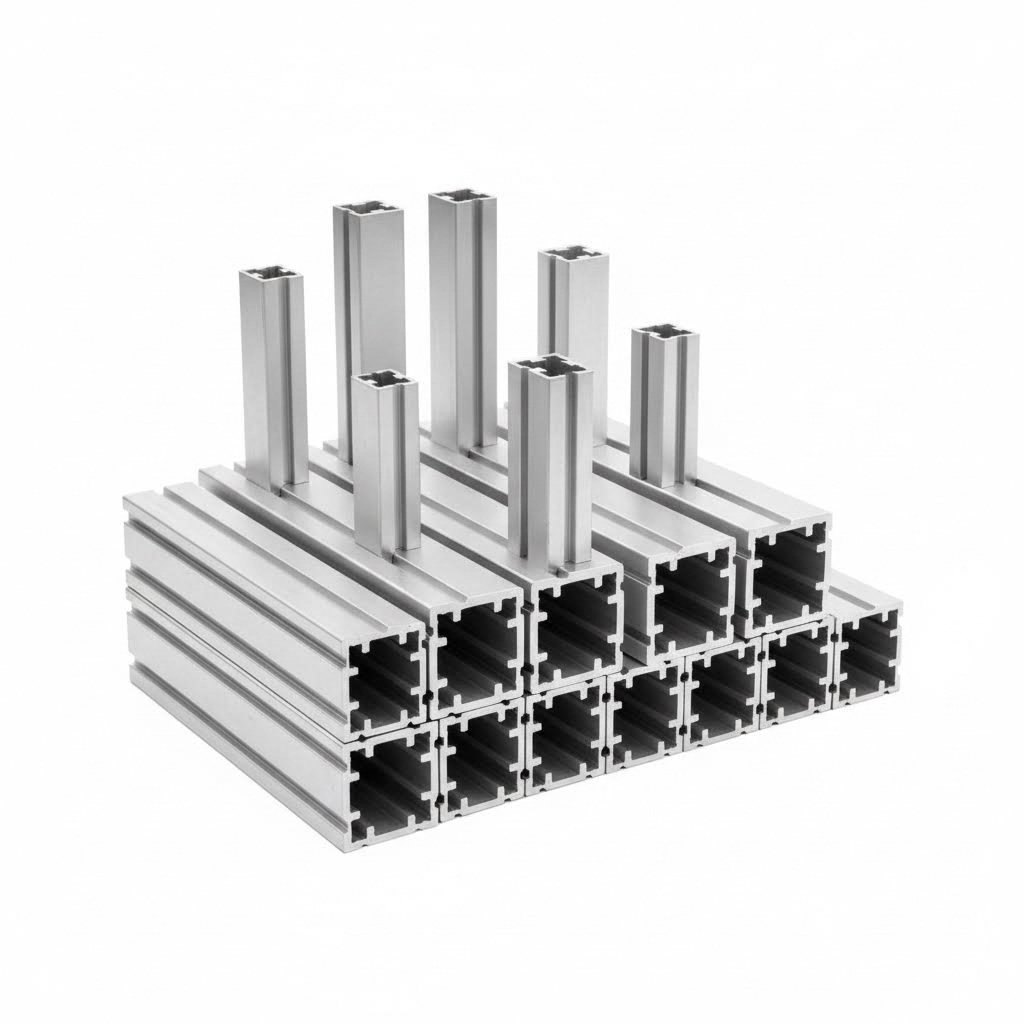
So, what is 80/20 aluminum exactly? At its core, these are modular T-slot aluminum extrusion profiles that allow you to build virtually anything—from machine guards and automation frames to custom furniture and industrial enclosures. The beauty lies in their versatility and the speed at which you can assemble complex structures.
Here's where things get interesting. The term "80/20" actually refers to a specific company—80/20 Inc., founded in 1989—that pioneered and popularized T-slot aluminum framing in North America. The company claimed their system could help you build structures that are 80% complete in just 20% of the time compared to traditional fabrication methods. Hence the catchy name.
But here's what confuses many people: the term has become generic, much like "Kleenex" for facial tissue or "Band-Aid" for adhesive bandages.
While "80/20" is technically a registered trademark of 80/20 Inc., the term is now commonly used across the industry to describe any T-slot aluminum extrusion system—regardless of manufacturer.
Today, numerous companies produce compatible 8020 aluminum systems, including Parker IPS, ITEM, Maytec, MK Systems, and Bosch Rexroth. Interestingly, Bosch actually developed modular aluminum extrusion systems for internal use back in the 1960s, making them one of the earliest innovators in this space. When you're researching what is 80/20 aluminum for your project, remember that you're exploring an entire product category, not just a single brand.
Quick note on spelling: you might see "alum vs aluminium" debates online. In American English, we use "aluminum," while British English prefers "aluminium." Both refer to the same lightweight, corrosion-resistant metal that makes these extrusion profiles so practical.
What makes extruded aluminum profiles so revolutionary? It all comes down to the ingenious T-slot design running along each profile's length.
Imagine a long aluminum bar with T-shaped grooves cut into its sides. These grooves aren't just decorative—they're the secret sauce that makes the entire system work. Here's why the T-slot design changed modular construction:
This flexibility explains why aluminum extrusion profiles dominate industries from manufacturing and automation to healthcare and robotics. You can prototype quickly, make adjustments on the fly, and even disassemble structures to repurpose the components for future projects.
The combination of high-quality aluminum alloy construction and the T-slot system delivers impressive strength-to-weight ratios. These profiles handle demanding industrial applications while remaining light enough for easy handling and modification. Whether you're building workstations, machine guards, or custom automation equipment, the fundamental T-slot concept remains your foundation for success.
Now that you understand what T-slot aluminum extrusions are, here's the next challenge: making sense of those seemingly random numbers. When you see designations like 1515, 2020, 4040, or 4545, what do they actually mean? Let's decode the system so you can confidently select the right 8020 profiles for your project.
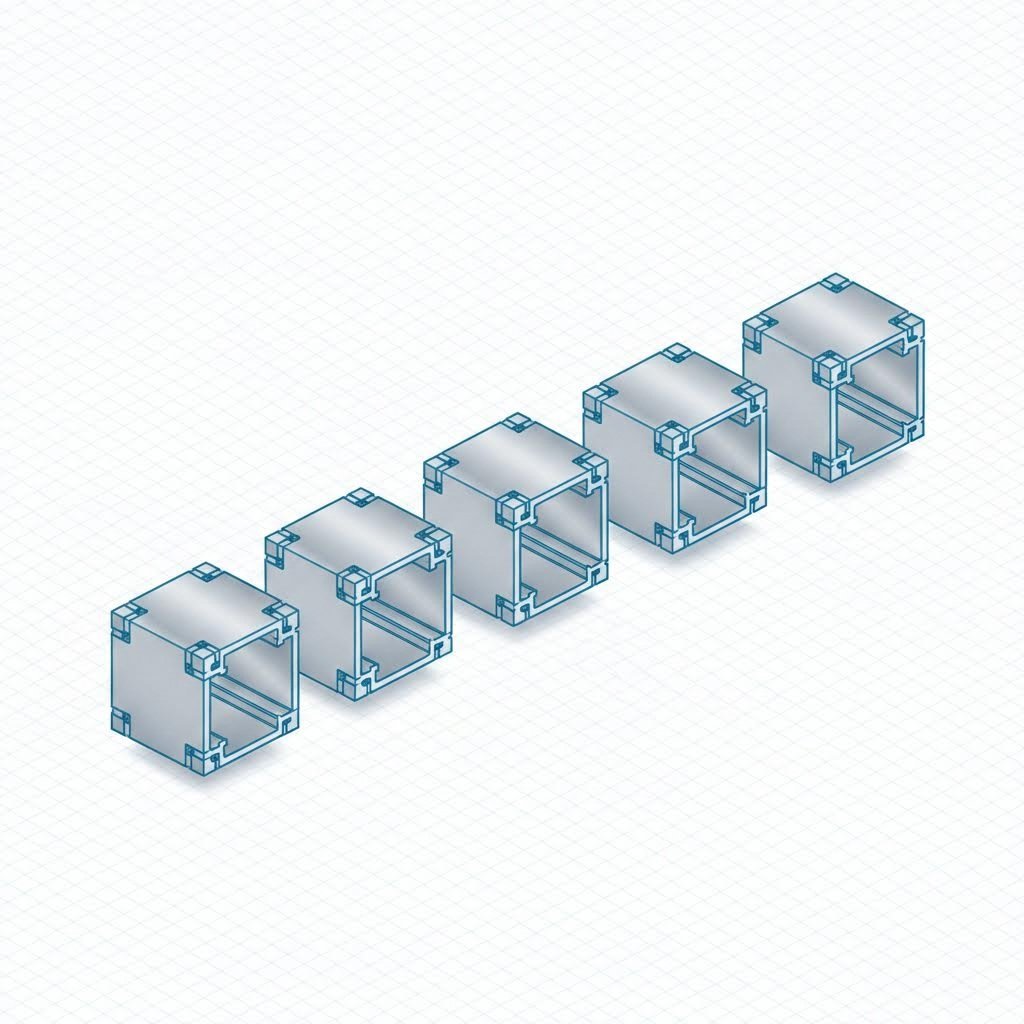
The numbering system is simpler than it looks. Those four-digit codes directly tell you the cross-sectional dimensions of the profile in millimeters.
Here's how it works:
What about rectangular profiles? The same logic applies. A profile labeled 40 x 20 measures 40mm in one direction and 20mm in the other. Similarly, an 80 x 20 profile gives you 80mm of height with just 20mm of depth—perfect when you need strong bending resistance in one axis without adding bulk in the other. You might also encounter 50 x 20 configurations for medium-duty applications requiring asymmetric strength.
The profile series designation (10, 15, 20, 25, 30, 40, 45) refers to the base dimension and determines compatible hardware. For example, a 4040 profile belongs to the 40 series and uses 40 series brackets, connectors, and T-nuts. This is crucial because mixing slot series complicates assembly and can lead to compatibility headaches.
Here's where things get interesting for builders working across different standards. T-slot aluminum extrusions come in two primary measurement systems:
Metric profiles dominate European and Asian markets. These follow the millimeter-based numbering we've discussed—2020, 3030, 4040, and so on. Slot widths correspond to specific metric fastener sizes (typically M4, M5, M6, or M8 depending on the series).
Imperial/fractional profiles are common in North American applications. Instead of millimeters, you'll see dimensions like 1" x 1", 1.5" x 1.5", or 2" x 2". The 80/20 Inc. brand popularized fractional sizing in the United States, with their classic 1010 profile measuring 1" x 1" (roughly 25.4mm x 25.4mm).
Can you mix metric and imperial profiles in the same build? Technically possible, but not recommended. Sticking to one slot series simplifies connectors, brackets, and panel fittings, reducing cost and build complexity. If you're working from imperial drawings but sourcing metric profiles, use the conversion factor: 1 inch = 25.4mm.
Choosing between a 1515 and a 4545 profile isn't just about size—it's about matching structural requirements to your application. Here's a comprehensive breakdown to help you select the right 8020 profiles:
| Series Name | Cross-Section Dimensions | Slot Width | Typical Applications |
|---|---|---|---|
| 10 Series | 10mm x 10mm | ~4mm | Miniature frames, electronics enclosures, lightweight prototypes |
| 15 Series (1515) | 15mm x 15mm | ~5mm | Small 3D printer frames, sensor mounts, compact fixtures |
| 20 Series (2020) | 20mm x 20mm | ~6mm | Desktop projects, printer frames, guards, light-duty enclosures |
| 25 Series | 25mm x 25mm (or 1" x 1") | ~6-8mm | General-purpose framing, workstations, display fixtures |
| 30 Series (3030) | 30mm x 30mm | ~8mm | Medium enclosures, machine bases, doors, balanced rigidity needs |
| 40 Series (4040) | 40mm x 40mm | ~8mm | High-load frames, long spans, machine guards, vibration-sensitive setups |
| 45 Series (4545) | 45mm x 45mm | ~10mm | Industrial automation, robot frames, heavy-duty workstations, conveyors |
Notice how the slot width increases with profile size? This matters because larger slots accept larger fasteners, which translates to stronger connections. A 4545 profile with M8 fasteners can handle significantly more load than a 2020 profile with M5 hardware.
When selecting your profile series, consider this practical guidance from industry experience: 2020 works well for lightweight desktop projects like sensor gantries or small printer frames. If you're seeing flex in one direction, stepping to a rectangular profile like 2040 increases bending resistance without enlarging the footprint. For high-load frames, long spans, or vibration-sensitive applications, 4040 or 4545 reduces deflection and keeps assemblies square.
The key takeaway? Choose the smallest section that delivers the rigidity you need, then upsize when spans grow, loads increase, or precision requirements tighten. With a solid understanding of the numbering system, you're ready to explore how slot configurations affect your design options.
You've selected your profile series and understand the sizing system. But here's a question that trips up many first-time builders: should you choose a profile with slots on one side, two sides, or all four? The answer shapes everything from connection options to panel mounting capabilities. Let's explore how 80/20 aluminum t-slot configurations affect your build.
When you look at an 8020 t slot profile head-on, you'll notice slots positioned on different faces. This isn't random—it's intentional design that serves specific structural and functional purposes.
Single-slot profiles feature a T-slot on just one face. Imagine a square profile where three sides are smooth and one side has the characteristic T-groove. These work beautifully when you only need attachment points on one surface—think wall-mounted rails or linear guides.
Double-slot profiles offer T-slots on two opposite faces. This configuration is common in applications where you need connections or panel mounting on parallel sides, such as door frames or conveyor rails where components attach from two directions.
Triple-slot profiles provide attachment points on three faces, leaving one smooth side. These excel in corner applications where the smooth face sits against a wall or another surface while the remaining three sides accept hardware and panels.
Quad-slot profiles are the most versatile option, featuring T-slots on all four faces. This is the standard configuration for t slot 80 20 systems and offers maximum flexibility. You can attach brackets, panels, sensors, or connectors from any direction without planning ahead for specific orientations.
Here are the advantages of each slot configuration:
Beyond slot count, you'll encounter profiles with v slotted aluminum insert compatibility. These feature a slightly different groove geometry that accepts both standard T-nuts and specialized V-slot wheels—popular in CNC machines and linear motion systems where profiles double as bearing surfaces.
Here's a distinction that often confuses newcomers to extruded aluminum t-slot systems: not every profile in a framing system has slots at all.
Standard T-slot profiles are the workhorses we've discussed—grooves on one or more faces designed to accept T-nuts, bolts, and connectors. They're what most people picture when thinking about 80 20 t slot aluminum construction.
Smooth profiles share the same external dimensions and often the same internal structure as their slotted counterparts, but feature flat, ungrooved faces. Why would you want this? Several practical reasons:
Many builds combine both types strategically. You might use quad-slot profiles for the main framework where flexibility matters, then switch to smooth profiles for visible sections or areas requiring easy sanitation.
Sounds complex? It doesn't have to be. Here's practical guidance for choosing your slot configuration:
Choose single or double-slot profiles when:
Choose quad-slot profiles when:
Choose smooth profiles when:
The slot configuration also affects your fastener options. Quad-slot profiles accept more connector types and allow brackets to be positioned at virtually any location. Single-slot profiles limit where T-nuts can be inserted, requiring more careful planning during the design phase.
For panel mounting specifically, slot configuration determines how acrylic shields, polycarbonate guards, or sheet metal covers attach to your frame. Many builders use the slots themselves to grip panel edges directly, while others prefer dedicated panel-holding strips that snap into the T-grooves. Either approach works best with sufficient slot access on the faces where panels will be installed.
Understanding these configuration options puts you one step closer to a successful build. Next, you'll need to match these choices with load requirements and project constraints to finalize your profile selection.
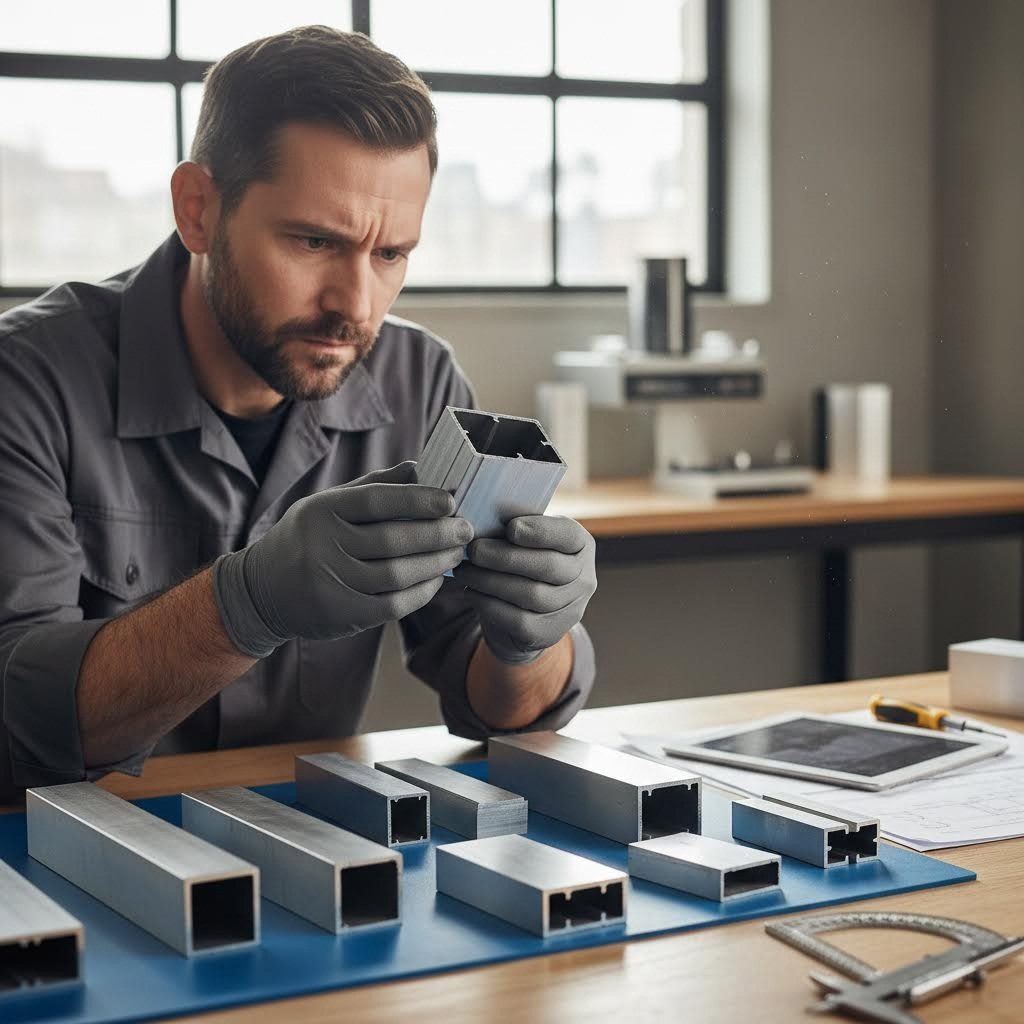
You understand the sizing system, you've explored slot configurations, and now comes the critical question: which 80 20 profile actually fits your specific application? Picking the wrong size leads to two equally frustrating outcomes—structures that flex and wobble, or overbuilt frames that drain your budget unnecessarily. Let's build a decision-making framework that helps you get it right the first time.
Before selecting any 80 20 extrusion, you need to understand how forces will act on your structure. This isn't just about weight—it's about how that weight behaves.
Static loads are constant forces that don't change over time. Think of a workstation holding monitors, tools, and equipment that sit in place. The profile needs to support this weight continuously without excessive deflection. Most manufacturer load tables are based on static loading conditions.
Dynamic loads introduce movement, vibration, or impact forces. A conveyor frame experiences dynamic loading as products move across it. A robotic cell deals with acceleration forces as arms swing through their cycles. These scenarios demand stronger profiles than static calculations might suggest because repeated stress cycles and sudden force changes create additional strain on the structure.
Here's what many builders miss: the load capacity of an 8020 extrusion depends heavily on how it's supported and where forces are applied. A profile supported at both ends handles more load than the same profile cantilevered from one side. Forces applied at the center create more deflection than forces distributed along the length.
When evaluating 80/20 material options, consider these key specifications from manufacturer datasheets:
A practical example: doubling profile dimensions from 20mm to 40mm increases the moment of inertia by more than tenfold. This dramatic stiffness improvement explains why stepping up just one profile series often solves deflection problems that seemed insurmountable with the smaller size.
Ready to select your 80 20 profile? Follow this step-by-step process to match your requirements with the right solution:
Even experienced builders fall into these traps when selecting aluminum extrusion 8020 profiles:
Over-engineering wastes money. It's tempting to specify the largest profile "just to be safe." But a 4545 profile where a 3030 would suffice adds unnecessary cost—not just for the profiles themselves, but for all the heavier-duty brackets, fasteners, and connectors that larger series require. Larger and custom-cut profiles tend to be more expensive, and that premium compounds across every component in your build.
Under-specifying creates failures. The opposite mistake is equally problematic. Choosing minimal profiles to save costs often results in structures that flex, vibrate, or fail under real-world conditions. Rebuilding with larger profiles after the fact costs far more than specifying correctly from the start.
Ignoring dynamic forces leads to fatigue. A frame that holds steady under static weight might fail after weeks of operation if it experiences vibration or cyclic loading. Always account for how forces actually behave in your application, not just their magnitude.
Forgetting deflection limits causes precision problems. For applications like machine bases or measurement fixtures, preventing outright failure isn't enough—you also need minimal deflection to maintain accuracy. A profile might safely hold the load while bending enough to throw off alignment or measurement precision.
Mixing profile series creates compatibility headaches. Using 30 series profiles with 40 series brackets doesn't work. Slot widths, fastener sizes, and accessory dimensions are series-specific. Standardize on one series wherever possible, or carefully plan transitions where different sizes must meet.
The good news? 80 20 aluminum extrusion systems are inherently forgiving. If you discover mid-project that a span needs reinforcement, you can add parallel profiles or cross-bracing without scrapping your existing work. This adaptability is one of the greatest advantages of 80 20 extruded aluminum over welded steel construction—mistakes are fixable, and designs can evolve as requirements become clearer.
With your profile selection framework in place, you're ready to explore the framing systems and hardware that bring these components together into complete structures.
You've selected your profile size and slot configuration—but here's what many builders overlook: the framing system and hardware you choose matter just as much as the profiles themselves. Different systems use fundamentally different connection methods, and picking the wrong one can turn a weekend project into a frustrating ordeal. Let's compare your options and explore the 80 20 hardware that holds everything together.
When shopping for aluminum extrusion hardware, you'll encounter several distinct framing systems. Each offers unique advantages depending on your precision requirements, timeline, and technical comfort level.
T-Slotted Profile Systems represent the classic approach we've discussed throughout this guide. These use the characteristic T-shaped grooves that accept specialized fasteners at any position along the profile length. The system offers maximum flexibility—you can attach components anywhere, adjust positions during assembly, and reconfigure structures months or years later. Most 8020 hardware and aluminum extrusion accessories you'll find are designed for this system.
Quick Frame Systems simplify assembly by using pre-engineered connection points. Instead of sliding T nuts into grooves and positioning components manually, you work with profiles that feature integrated connection geometry at fixed intervals. Assembly is faster, but flexibility decreases since you're limited to predetermined attachment locations.
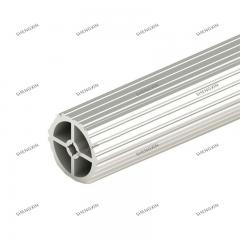
Ready Tube Systems take a different approach entirely. Profile Tube System D30, for example, uses round aluminum tubes with four slimline undercut flanks that accept specialized fasteners. Up to four fasteners can connect at the same intersection point, and a single tool handles all connections. These systems excel in lean manufacturing environments where speed and simplicity trump maximum structural capacity.
Pipe & Joint Systems use round tubes connected by cast or machined joints at intersection points. These work well for ergonomic workstation frames and material handling equipment where organic shapes and quick assembly matter more than precision alignment. However, they sacrifice the dimensional accuracy that T-slotted profiles provide.
| System Type | Assembly Method | Strength Level | Best Applications | Skill Level Required |
|---|---|---|---|---|
| T-Slotted Profiles | T-nuts, brackets, internal connectors | High—joints can approach welded strength when properly designed | Machine frames, automation, precision fixtures, guards | Moderate—requires understanding of fastener selection and torque |
| Quick Frame | Pre-positioned connection points with snap or bolt fasteners | Medium-High—limited by fixed connection locations | Workstations, enclosures, display fixtures | Low—minimal decisions required during assembly |
| Ready Tube (D30) | Friction-based fasteners on undercut flanks | Medium—friction-based main load direction | Lean manufacturing, flow racks, ergonomic stations | Low—single tool, intuitive connections |
| Pipe & Joint | Mechanical joints at tube intersections | Medium—joint strength limits overall capacity | Material handling, carts, adjustable frames | Low—simple bolt-together assembly |
Understanding the difference between internal and external fastening methods helps you choose wisely. External fastening uses visible brackets that wrap around profile corners—easy to install and adjust, but the brackets protrude from the frame surface. Internal fastening hides the connection hardware inside the profiles themselves, creating cleaner aesthetics but requiring more precise drilling and assembly technique. Internal connectors provide a cleaner look by concealing the connection hardware within the profile slots, making them popular for customer-facing installations.
No matter which framing system you choose, you'll need the right 80 20 accessories to complete your build. Here's what belongs in your hardware toolkit:
T-Nuts and Fasteners
The t nut is the foundation of every T-slot connection. These specially shaped nuts slide into the profile groove and rotate 90 degrees to lock under the slot's shoulders. You'll encounter several varieties:
Brackets and Connectors
Mounting brackets transform individual profiles into rigid structures. Your options include:
Hinges and Motion Hardware
Panel and Accessory Hardware
When sourcing aluminum extrusion accessories, remember that hardware must match your profile series. A t nut designed for 40 series profiles won't fit properly in 30 series slots—the dimensions differ enough to cause loose connections or impossible insertion. The choice of bolt depends on the T-nut thread size (M4, M5, M6, M8 are common for metric profiles) and the required strength.
One more consideration: connection strength depends heavily on proper torque. Under-tightened fasteners allow joints to shift under load, while over-tightening can strip threads or deform the t nuts. Most manufacturers specify torque values for their hardware—following these recommendations ensures your 8020 hardware performs as designed. With your framing system selected and hardware sourced, you're ready to explore specific applications where these components come together.
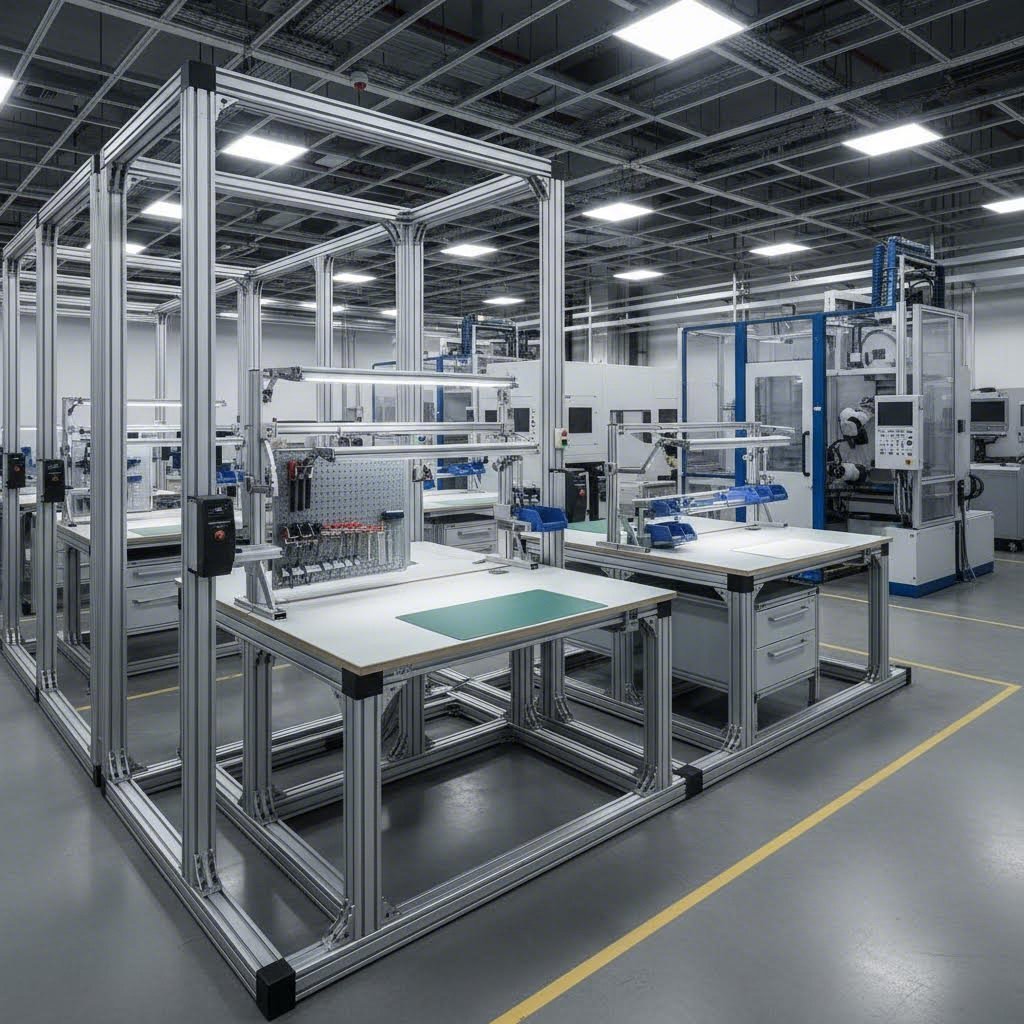
You've mastered profile selection and hardware essentials—now let's see where these systems actually shine. From factory floors to home workshops, 80 20 framing system solutions have transformed how industries approach structural challenges. Whether you're building an industrial building system for a manufacturing plant or assembling an 8020 frame for your weekend project, understanding application-specific requirements helps you specify the right components from day one.
The versatility of aluminum extrusion frame kits explains their widespread adoption across diverse industries. Here's how different sectors leverage these systems:
Manufacturing and Automation
Material Handling
The material handling sector particularly benefits from T-slot flexibility. According to industry data, material handling applications tailored to your workforce can help increase productivity by up to 25% through improved ergonomics and reduced product damage.
Food and Beverage
Architecture and Construction
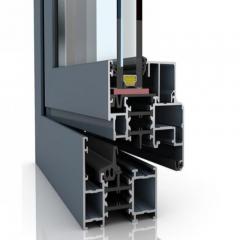
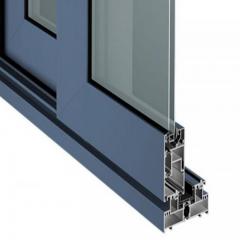
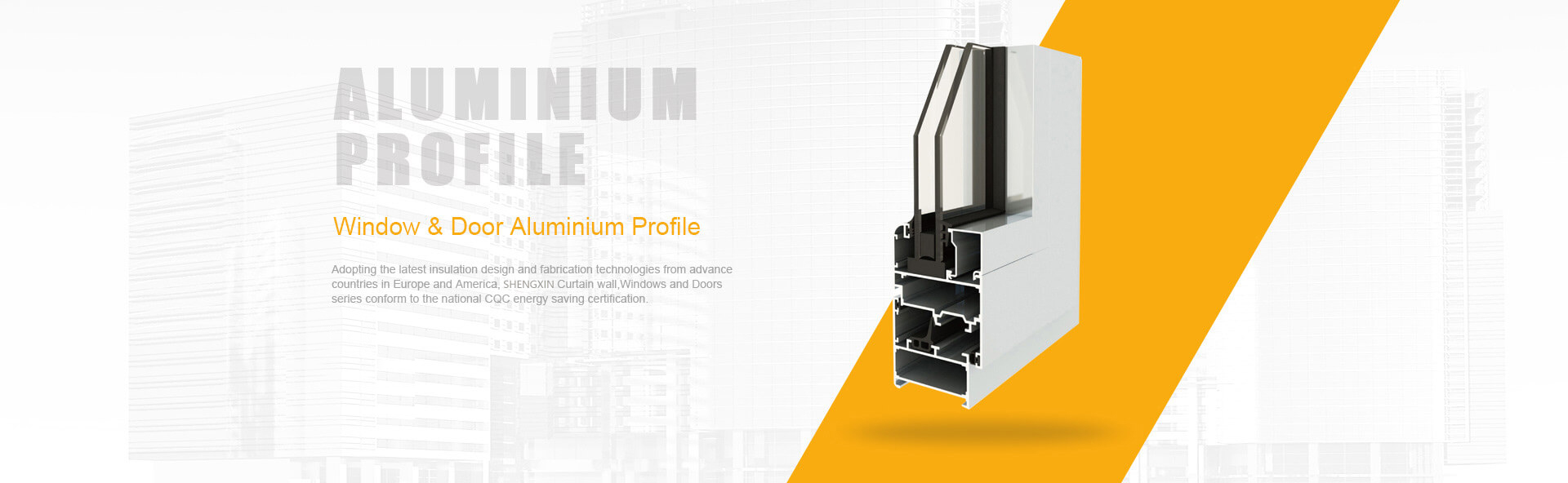
The architecture and construction industry heavily relies on aluminum extrusions for applications including window frames, curtain walls, and structural frameworks. The lightweight nature allows easy installation while providing structural stability.
You don't need a factory to benefit from these systems. Home workshops and makerspaces worldwide have embraced aluminum extrusion profiles for projects that demand precision and reconfigurability.
3D Printer Enclosures
Building a temperature-controlled enclosure? The 2020 or 3030 series handles most printer frames beautifully. These profiles offer:
Custom Workstations and Furniture
Imagine designing an 80 20 desk that fits your exact space and workflow. Or building an 80 20 table for electronics assembly with integrated lighting, adjustable shelves, and cable management. These projects typically work well with:
CNC Machine Frames
Hobbyist CNC routers and laser cutters frequently use 4040 or 4545 frames. The precision of extruded profiles ensures squareness, while the T-slots allow easy mounting of linear rails, motors, and electronics. V-slot compatible profiles serve double duty as bearing surfaces for motion systems.
Photography and Video Equipment
Wondering which series fits your specific project? Here's a quick reference guide:
The common thread across all applications? Flexibility. Whether you're constructing industrial infrastructure or weekend workshop projects, the same fundamental system adapts to your needs. And when requirements change—as they inevitably do—reconfiguration takes hours instead of weeks. Next, let's explore how surface finishes and material specifications affect durability and performance across these diverse applications.
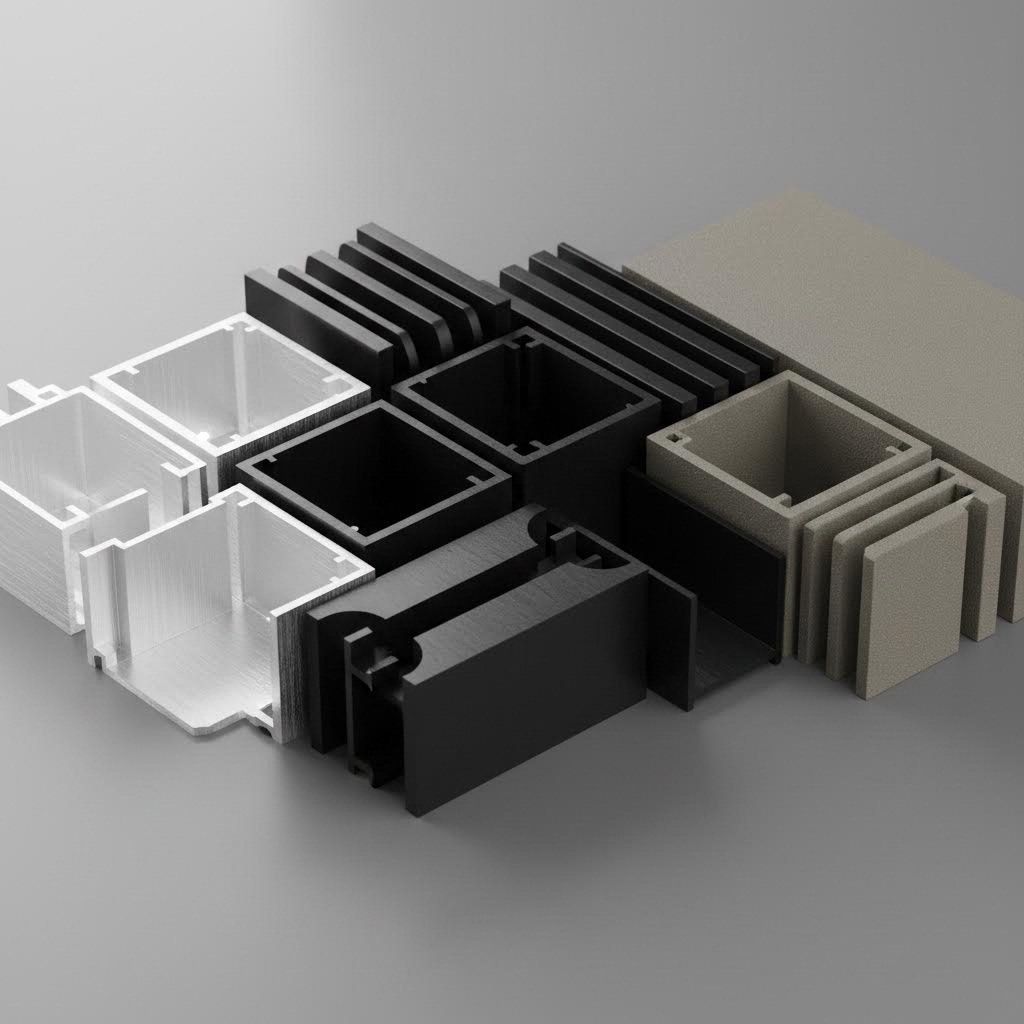
You've selected the right profile size and mapped out your application—but here's a factor that dramatically affects how your structure performs over time: surface treatment and alloy selection. The same 8020 aluminium profile can behave very differently depending on its finish and base material. Whether you're building equipment for a clean manufacturing environment or an outdoor installation exposed to the elements, these specifications determine long-term durability, appearance, and maintenance requirements.
When you examine aluminum extrusions closely, you'll notice they rarely leave the factory with bare metal surfaces. Surface treatments serve multiple purposes—protecting against corrosion, enhancing aesthetics, improving wear resistance, and sometimes adding functional properties like electrical insulation.
Anodizing remains the most popular treatment for 8020 aluminum material. This electrochemical process thickens the natural oxide layer that forms on aluminum surfaces. Technicians submerge the aluminum piece into an electrolytic bath and run an electric current through it, using the aluminum as the anode in the circuit. The result? An oxide layer far thicker and more protective than what forms naturally.
Anodizing offers several distinct advantages:
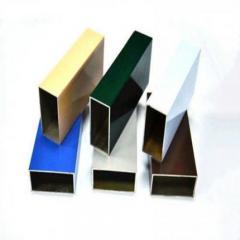
You'll encounter anodizing in several forms. Clear anodizing maintains the natural aluminum appearance while adding protection. Black anodizing creates a sleek, professional look popular in automation and electronics applications. Custom color anodizing—including options like Champagne, Rose Gold, and bronze tones—allows designers to match corporate colors or architectural requirements.
Powder coating takes a completely different approach. This dry application process uses no solvents, making it an environmentally friendly alternative. A technician applies electrostatically charged powder to the grounded aluminum part, where it adheres uniformly. The part then cures in an oven, transforming the powder into a solid, durable coating.
Here's a comparison to help you choose between these primary options:
| Characteristic | Anodizing | Powder Coating |
|---|---|---|
| Coating Thickness | Thin (5-25 microns typical) | Thick (50-100+ microns) |
| Color Options | Limited palette, metallic appearance | Virtually unlimited colors and textures |
| UV Resistance | Excellent—won't fade or chalk | Good—some formulations resist fading better than others |
| Dimensional Impact | Minimal—maintains tight tolerances | Adds measurable thickness to surfaces |
| Chip Resistance | Integral to metal—cannot chip | May chip under impact |
| Cost | Generally higher | Generally lower |
| Best For | Precision parts, metallic aesthetics, heat dissipation | Vibrant colors, outdoor equipment, cost-sensitive projects |
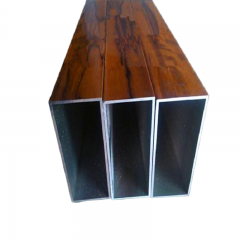
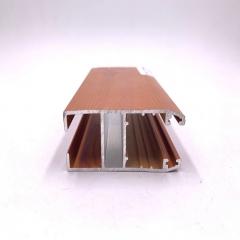
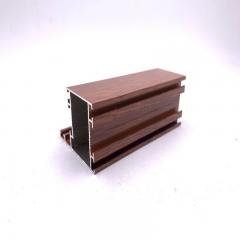
Specialty finishes address specific performance requirements. PVDF (polyvinylidene fluoride) coatings excel in architectural applications where decades of outdoor exposure demand exceptional weathering resistance. Micro-arc oxidation creates ceramic-like surfaces with extreme hardness and electrical insulation properties. Wood grain transfer printing applies realistic wood textures to aluminum profiles—increasingly popular for architectural trim where warmth is desired without sacrificing aluminum's durability.
Quick note on terminology: you might see "aluminum vs aluminium" in technical documentation. American English uses "aluminum" while British English prefers "aluminium"—the underlying metal and its surface treatment options remain identical regardless of spelling. Similarly, "aluminium vs aluminum" debates online reflect regional preferences rather than material differences.
Beneath any surface treatment lies the aluminum alloy itself. Not all aluminum sheets or extrusions are created equal—alloy composition significantly affects strength, formability, and corrosion resistance.
6063-T5 is the workhorse alloy for architectural and general-purpose extrusions. This alloy is widely recognized for its weldability and heat treatability, as well as for its corrosion resistance. The surface finish of 6063 is notably smoother than alternatives, making it ideal for visible applications where aesthetics matter. Custom aluminum extrusions frequently use 6063 because it flows well through complex die shapes, enabling intricate profiles with clean surfaces.
6061-T6 steps up when strength requirements increase. Comparing aluminum alloy 6061 T6 vs 6063 T6, we know that 6061 T6 has an ultimate tensile strength of at least 42,000 psi and yield strength of at least 35,000 psi. This compares to 6063 T6's ultimate tensile strength of at least 28,000 psi and yield strength of 23,000 psi—a substantial difference for load-bearing applications.
When should you choose each alloy?
The "T" designation indicates temper—the heat treatment and mechanical processing the alloy received. T5 indicates the profile was cooled from extrusion temperature and artificially aged. T6 involves solution heat treatment by artificial aging, resulting in higher strength but typically rougher surface finish.
For projects requiring both precision finishes and high strength, consider working with manufacturers offering comprehensive processing capabilities. Shengxin Aluminium, for example, combines over 30 years of extrusion experience with advanced surface treatment options including anodizing in custom colors like Champagne and Rose Gold, powder coating, PVDF, and Micro-arc Oxidation. Their 35 extrusion presses—ranging from 600T to 5500T capacity—handle everything from delicate architectural profiles to heavy-duty industrial sections. CNC machining capabilities enable precise cutting, drilling, and bending to meet exact specifications. For projects requiring custom 6063 aluminum tubes or complex industrial profiles, their custom aluminum processing services provide end-to-end support from die development through mass production.
Whether you're specifying standard 4x8 aluminum sheet for panel inserts or custom-extruded profiles for specialized applications, matching alloy selection with appropriate surface treatment ensures your structure performs reliably for years. With surface specifications determined, you're ready to explore sourcing options and find the right supplier for your project needs.
You've determined your profile size, selected the right alloy, and specified your surface finish—now comes the practical question: where to buy aluminum extrusion profiles that meet your requirements? The sourcing landscape ranges from authorized 80 20 distributors to direct manufacturers and online suppliers. Each option offers distinct advantages depending on your project scale, customization needs, and timeline. Let's break down your choices so you can source confidently.
When searching for 8020 aluminum extrusion near me or exploring 80/20 suppliers online, you'll encounter several distinct sourcing channels. Understanding the tradeoffs between them helps you balance cost, lead time, and customization.
Authorized Brand Distributors
Companies like 80/20 Inc. and other major brands maintain networks of authorized 80 20 dealers who stock standard profiles and accessories. Visiting an 80 20 store or distributor offers advantages when you need profiles quickly and prefer working with established product lines. These 80 20 distributors typically maintain inventory of popular sizes and can ship standard items within days.
Online Industrial Suppliers
E-commerce platforms have transformed how builders source T-slot framing. Websites specializing in industrial components often stock multiple profile series with transparent pricing and fast shipping. For makers and small-scale projects, online ordering simplifies the procurement process—especially when quantities are modest and specifications are standard.
Direct Manufacturers
Working directly with extrusion manufacturers unlocks possibilities that distributors cannot match. Custom extrusions are made using a unique die designed to your specifications, enabling profiles optimized precisely for your application. While tooling costs add upfront investment, the per-piece savings and performance advantages often justify this approach for medium to large production runs.
Domestic vs. Import Considerations
Geography affects both pricing and lead times significantly. Domestic aluminum extrusions offer faster lead times, easier communication, and reduced shipping complexity. Imported profiles typically carry lower per-unit costs but require longer lead times and may involve minimum order quantities that don't suit smaller projects. For time-sensitive applications or ongoing service needs, domestic sources often prove more practical despite higher unit prices.
| Source Type | Price Range | Lead Time | Customization Options | Best For |
|---|---|---|---|---|
| Authorized Brand Distributors (80/20 company dealers) | Premium—brand markup applies | 1-5 days for stocked items | Limited to catalog options, cut-to-length available | Quick projects needing proven compatibility and local support |
| Online Industrial Suppliers | Moderate—competitive pricing on standard profiles | 3-10 days typical | Standard profiles only, some offer basic machining | DIY projects, prototypes, small quantities with fast turnaround |
| Domestic Manufacturers | Moderate to Premium—depends on volume | 2-6 weeks for custom; faster for stock | Full custom dies, surface treatments, secondary machining | Medium production runs, ongoing supply relationships |
| Import Manufacturers (e.g., Shengxin Aluminium) | Competitive—factory-direct pricing advantage | 4-8 weeks including shipping | Complete customization from die design through finishing | Large orders, custom profiles, cost-sensitive volume production |
One of the biggest decisions you'll face is whether to specify standard catalog profiles or invest in custom extrusions. Each path suits different project requirements.
Standard Profiles: Speed and Simplicity
Stock aluminum extrusions—angles, channels, tubes, bars—that extrusion mills or distributors keep in inventory offer immediate availability and zero tooling costs. If your design works with existing profile geometries, standard options minimize both lead time and upfront investment. They're ideal for prototyping, small projects, replacement parts, or applications where standard dimensions suffice.
Custom Profiles: Optimized Performance
When standard profiles don't quite fit your requirements, custom extrusion opens new possibilities. Custom extrusions offer exact fit to your design, optimized wall thicknesses, and integrated features that reduce secondary operations. The initial die investment typically ranges from a few hundred to several thousand dollars depending on complexity, but this cost amortizes quickly across production volumes.
Consider custom profiles when:
For projects requiring custom extrusions or high-volume production, selecting the right manufacturing partner matters tremendously. Key factors to evaluate include press capacity, finishing capabilities, engineering support, and quality certifications.
Shengxin Aluminium exemplifies what a comprehensive manufacturing partner offers. With over 30 years of industry experience and 35 advanced extrusion presses ranging from 600T to 5500T capacity, they handle everything from delicate architectural profiles to heavy-duty industrial sections. Their factory-direct pricing eliminates distributor markups, while end-to-end capabilities—from die development through mass production—streamline the entire procurement process.
What sets a premier manufacturer apart?
For specialized projects requiring custom aluminum extrusions, exploring dedicated aluminum processing services connects you with manufacturing capabilities that standard distributors simply cannot match.
Three factors typically drive sourcing decisions: what it costs, how long it takes, and how much you must order.
Price considerations extend beyond per-foot costs. Factor in shipping—especially for long profiles—plus any secondary operations like cutting, drilling, or finishing. Domestic sources may quote higher unit prices but lower total costs when shipping and handling are included. Import sources often require larger orders to achieve their best pricing tiers.
Lead times vary dramatically by source and customization level. Stock profiles from an 80 20 store or online supplier ship within days. Custom profiles require die creation plus production time—typically four to eight weeks minimum. If your project timeline is flexible, longer lead times unlock better pricing and customization options.
Minimum order quantities range from single pieces at retail distributors to hundreds of kilograms at direct manufacturers. For 80 20 aluminum near me searches, local distributors typically accommodate small orders without minimums. Import manufacturers may require minimum shipment values to justify logistics costs—but those thresholds often prove reasonable for production projects.
The question of where to buy aluminum extrusion ultimately depends on your specific balance of these factors. Small, urgent projects favor local distributors. Large production runs with custom specifications reward direct manufacturer relationships. And prototyping phases might combine both—using standard profiles for initial testing before committing to custom tooling for production. Whatever path you choose, the T-slot system's inherent flexibility ensures your sourcing decisions support rather than constrain your project's success.
Grooved T-slot profiles offer maximum versatility with attachment points at any position along the profile length, making them ideal for projects requiring frequent adjustments or multiple connection points. Smooth profiles provide marginally higher structural integrity, easier cleaning, and cleaner aesthetics—making them preferred for food processing, cleanroom environments, or customer-facing installations. Many builders combine both types strategically, using grooved profiles for the main framework and smooth profiles for visible sections or sanitation-critical areas.
The name '80/20' comes from 80/20 Inc., founded in 1989, which named their company after Pareto's Law. The principle suggests that their modular T-slot aluminum system helps you build structures that are 80% complete in just 20% of the time compared to traditional fabrication methods. While it's a registered trademark, the term has become generic in the industry—similar to 'Kleenex' or 'Band-Aid'—and now refers to any T-slot aluminum extrusion system regardless of manufacturer.
6063-T5 is the standard choice for architectural and general-purpose extrusions, offering excellent corrosion resistance, smoother surface finish, and better formability for complex die shapes. 6061-T6 provides significantly higher strength—with ultimate tensile strength of at least 42,000 psi compared to 6063's 28,000 psi—making it ideal for heavy-load structural applications, machine bases, and marine environments. Choose 6063 when aesthetics and formability matter; choose 6061 when maximum strength is the priority.
While technically possible, mixing metric and imperial profiles is not recommended. Slot widths, fastener sizes, and accessory dimensions are series-specific, creating compatibility issues with brackets, connectors, and panel fittings. Sticking to one measurement system simplifies your build, reduces costs, and eliminates the frustration of mismatched components. If converting between systems, use the factor: 1 inch equals 25.4mm.
Profile selection depends on load requirements, span length, and application type. Use 1515-2020 profiles for lightweight projects like 3D printer frames and small enclosures. Step up to 3030 for medium workstations, display cases, and equipment carts. Choose 4040 for machine guards, conveyor frames, and heavy workbenches. Select 4545 for large industrial enclosures, high-load automation, and heavy-duty material handling. For custom requirements or volume production, manufacturers like Shengxin Aluminium offer technical support from die development through finishing.



 un service en ligne
 0086 136 3563 2360
 sales@sxalu.com
 +86 136 3563 2360
 français
 English
 Deutsch
 русский
 español
 português
 العربية
 ไทย
ไทย Việt
Việt Українська