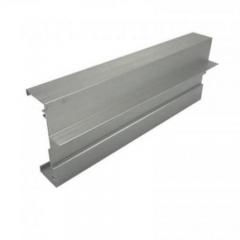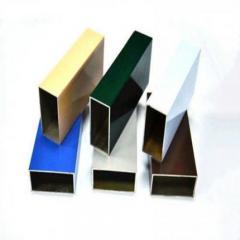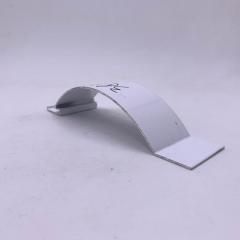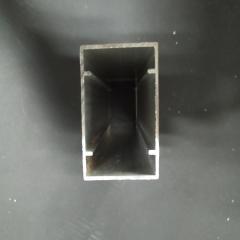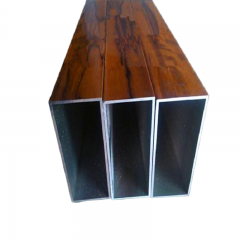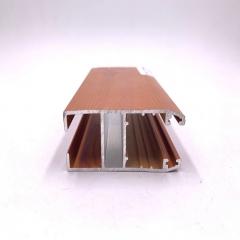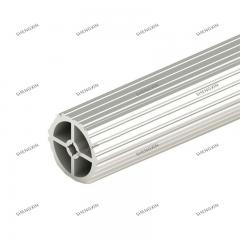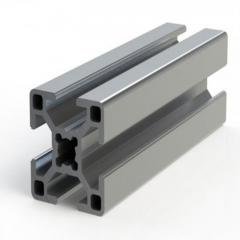
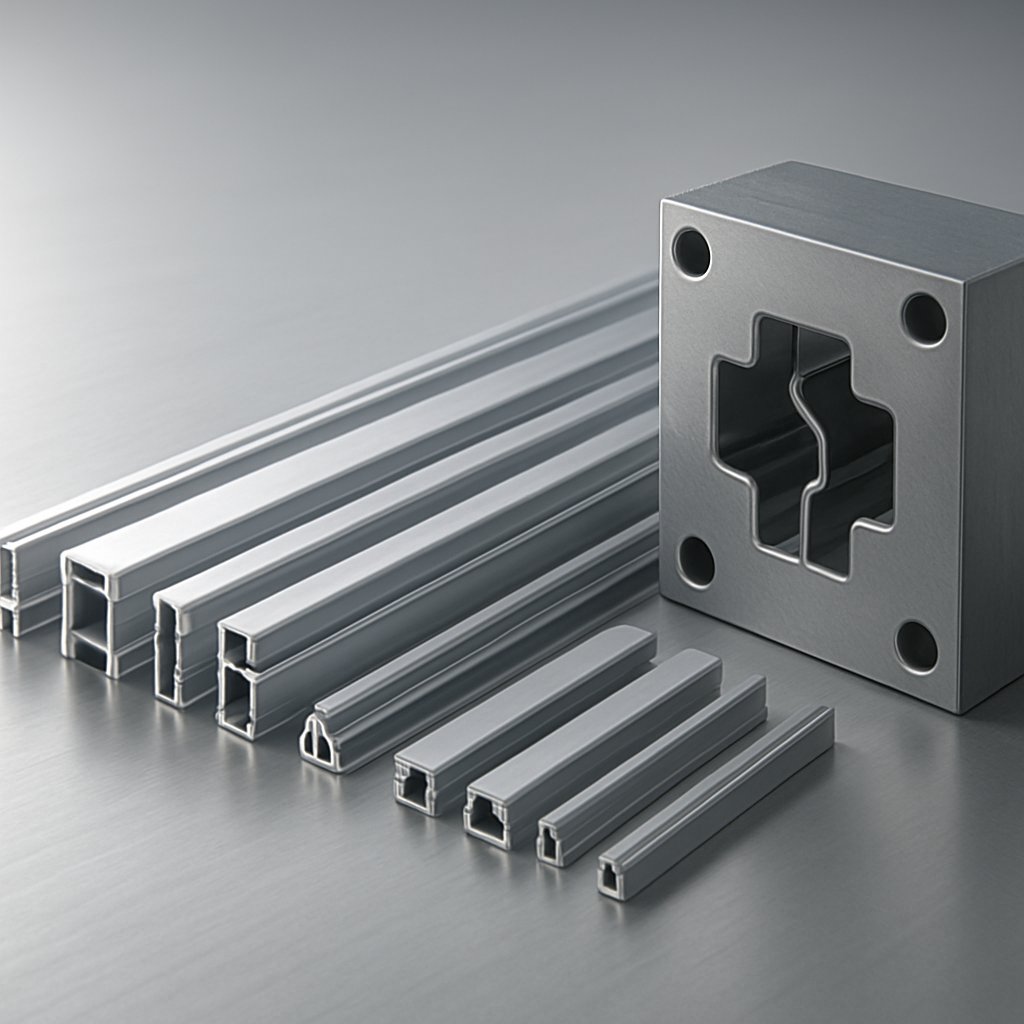
Say a buyer asks for an extrusion aluminium alloy. Two different ideas are packed into that phrase. The first is the process. Aluminum extrusion shapes heated aluminum by forcing it through a die, creating a long part with the same cross-section from end to end. The second is the material. The alloy is the aluminum grade, and that choice changes how the finished profile performs. If you need to define aluminum extrusion in plain language, it is simply a way to form aluminum into continuous shapes.
So, what is aluminum extrusion? It is a manufacturing method used to make channels, tubes, rails, and custom sections. The extruded aluminum meaning is not "a special shape only" and not "a special metal only." It is aluminum alloy that has been shaped in an extrusion press. In most cases, these profiles come from wrought aluminium alloys, which are made to be mechanically worked into useful forms.
Aluminum extrusion creates the profile. The alloy decides how that profile performs in strength, corrosion resistance, finish quality, and fabrication.
Extrusion is often the right product form when a part needs the same profile along its length and when built-in features can reduce assembly. Sheet and plate start flat. Cast parts begin in a mold. Machined-from-solid parts are cut from larger stock. Each route has a place, but extrusion stands out when you want efficient, repeatable shapes with functional detail.
This is where aluminium alloy extrusion becomes a real buying decision. One alloy may favor a cleaner cosmetic finish and better corrosion resistance. Another may be chosen for higher strength or easier machining. That is why two extruded aluminum parts can look similar at first glance but behave very differently in bending, welding, cutting, or outdoor exposure. The clearest way to understand extruded aluminum meaning is to separate shape from performance, then match both to the job.
Those tradeoffs begin long before the part reaches the job site. Heat, pressure, and cooling at the press already start shaping the outcome.
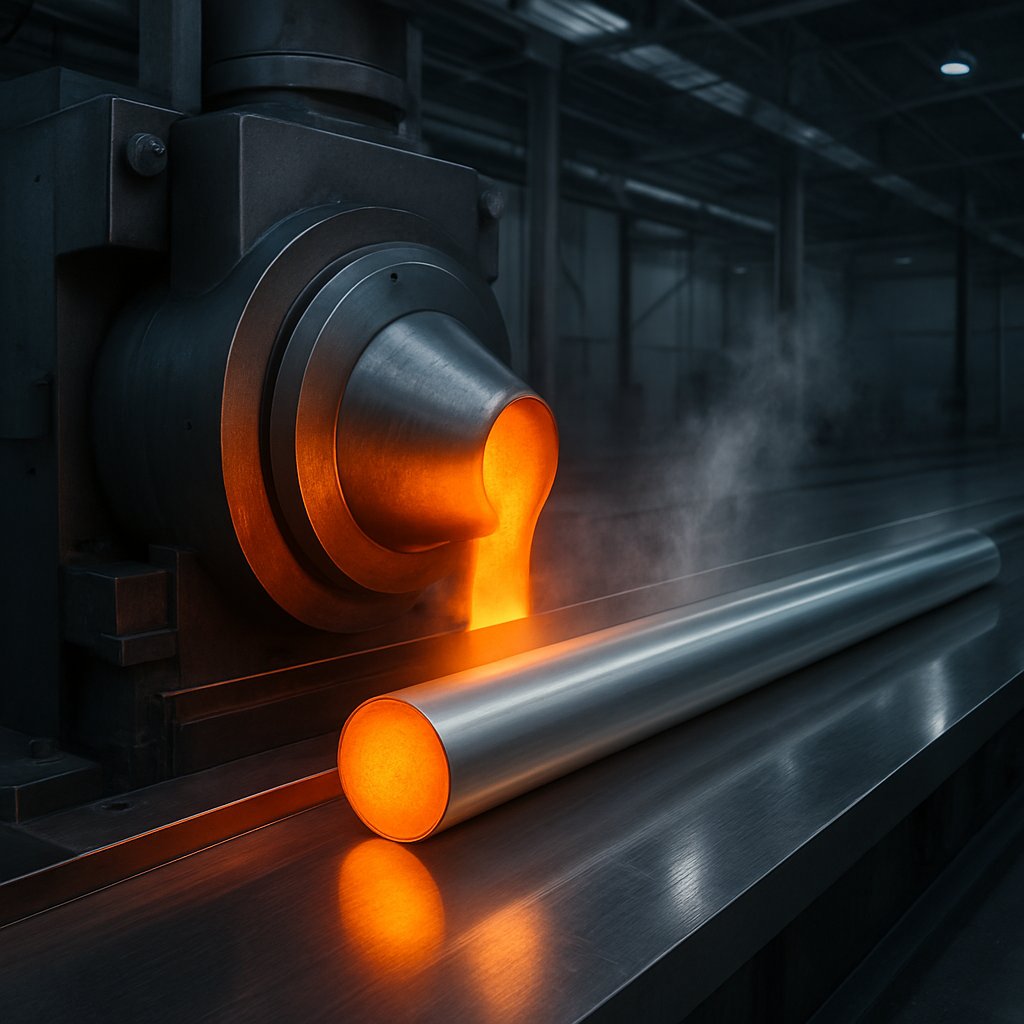
Inside the press, those early material choices become real manufacturing limits. If you have ever asked how is extruded aluminum made, the short answer is simple: a heated billet is pushed through a shaped die, then cooled, straightened, cut, and heat treated so the profile keeps the properties you need. For any extrusion aluminium alloy, the process route matters just as much as the grade name on the spec sheet.
The aluminum extrusion process is easiest to understand as a step-by-step flow:
The same sequence does not behave the same way for every grade. In the aluminium extrusion process, easy-flowing alloys usually support finer details, thinner walls, and cleaner cosmetic surfaces. Stronger or less extrudable grades may need slower press speeds, simpler geometry, or tighter temperature control.
That is why extrusion of aluminium is never just a machine question. Lower processing temperatures can improve surface finish and dimensional accuracy, while excessive heat or speed can increase waviness, twisting, or tearing at thin edges. Cooling practice matters too. Bonnell Aluminum notes that 6061 is commonly water quenched as well as air cooled, which shows how process choices affect final properties and consistency.
So the practical answer to how is extruded aluminum made is this: the press creates the shape, but alloy behavior decides how easily that shape can be made well. That is also where many buyers get tripped up, because similar-looking 6xxx alloys can deliver very different results once strength, finish quality, and fabrication all start competing for priority.
This is where many sourcing mistakes begin. In the 6000 aluminum series, several grades look close enough on paper that buyers assume they are interchangeable. They are not. The confusion comes from their shared magnesium-silicon family, overlapping applications, and similar naming. Their shared al alloy composition is exactly why comparison needs to go beyond a grade number.
For aluminum alloys for extrusions, the biggest tradeoff is usually this: as mechanical properties rise, extrudability and cosmetic finish often get harder to maintain. Alexandria Industries highlights that pattern across the main 6xxx options, while Tri-State Aluminum shows how the same family splits into architectural, structural, machining, and bright-finish roles.
| Alloy | Relative strength | Extrudability | Corrosion resistance | Weldability | Anodizing appearance | Machinability | Thermal suitability | Best-fit applications | Not ideal when |
|---|---|---|---|---|---|---|---|---|---|
| 6060 | Lower than 6063 and 6061 | Excellent | Strong | Good | Very good | Good | Good, with slightly better heat transfer noted for heat sinks | Intricate profiles, thin walls, heat sink alternatives | Maximum mechanical properties drive the design |
| 6063 | Moderate | Excellent | Good | Good | Very good | Good | Common for heat sinks | Doors, window frames, tubing, architectural profiles, general-purpose visible parts | Higher structural strength is the top priority |
| 6005A | High, similar to 6061 | Better than 6061 | Good | Good | Good | Good | Not specifically emphasized in the references | Framing, fixtures, construction-related uses where strength and finish both matter | Ultra-fine detail or top cosmetic anodizing is more important than added strength |
| 6061 | High | Good | Good to excellent | Very good | Fair to poor finishing response | Excellent | Used for heat sinks and many structural parts | Boats, enclosures, manifolds, welded and machined parts, multi-purpose structural components | Appearance, thin walls, or complex profiles matter more than raw strength |
| 6082 | Project-specific review required | Project-specific review required | Project-specific review required | Project-specific review required | Project-specific review required | Project-specific review required | Project-specific review required | Commonly shortlisted by buyers, but not characterized in the cited references | Any substitution decision made without supplier property data |
| 6463 | Similar-use family to 6063, not a strength-first choice | Excellent | Generally aligned with 6063-type use | Good | Excellent, designed for bright dip anodizing | Good | Not usually chosen for thermal performance first | Picture framing, trim, shower enclosures, bright cosmetic parts | High mechanical properties dominate the spec |
The finish gap is not just subjective. In an Alexandria exhibit, typical roughness values are listed as 32 for 6463, 63 for 6060 and 6063, 90 for 6005A, and 125 for 6061, with shape dependence noted. That helps explain why a stronger grade can disappoint on a cosmetic anodized part.
The 6060 alloy and 6063 are often treated like minor variations, but the difference matters. Alloy 6060 is designed for maximum extrudability, so it is attractive when geometry is tight, walls are lean, or heat sink style profiles need easy flow. 6063 remains one of the most common and cost-efficient choices because it balances appearance, corrosion resistance, and general manufacturability. Tri-State even describes 6063 as the architectural alloy.
Stronger options change the decision. 6005A can be a smarter step up than 6061 when you need more strength but still want better extrudability and better surface appearance than 6061 usually gives. By contrast, 6061 is the familiar workhorse when machining, welding, and higher mechanical performance matter most, even though its finish response is less attractive for visible parts.
For appearance-first work, 6463 is the specialist. It was developed to accept bright dip anodizing and is a better fit than 6061 when the surface is the product. Meanwhile, 6063 can support thinner walls than 6061. Alexandria notes a range of 25 to 35 percent thinner in some designs, which is a major reason buyers confuse shape capability with strength capability.
That is the heart of this aluminium series comparison. There is no universal winner. A commonly chosen grade may be the wrong call if the part needs show-quality anodizing, fine detail, or heavy post-machining. And the grade number alone still does not finish the spec, because temper can change how the same alloy bends, cuts, welds, and performs in service.
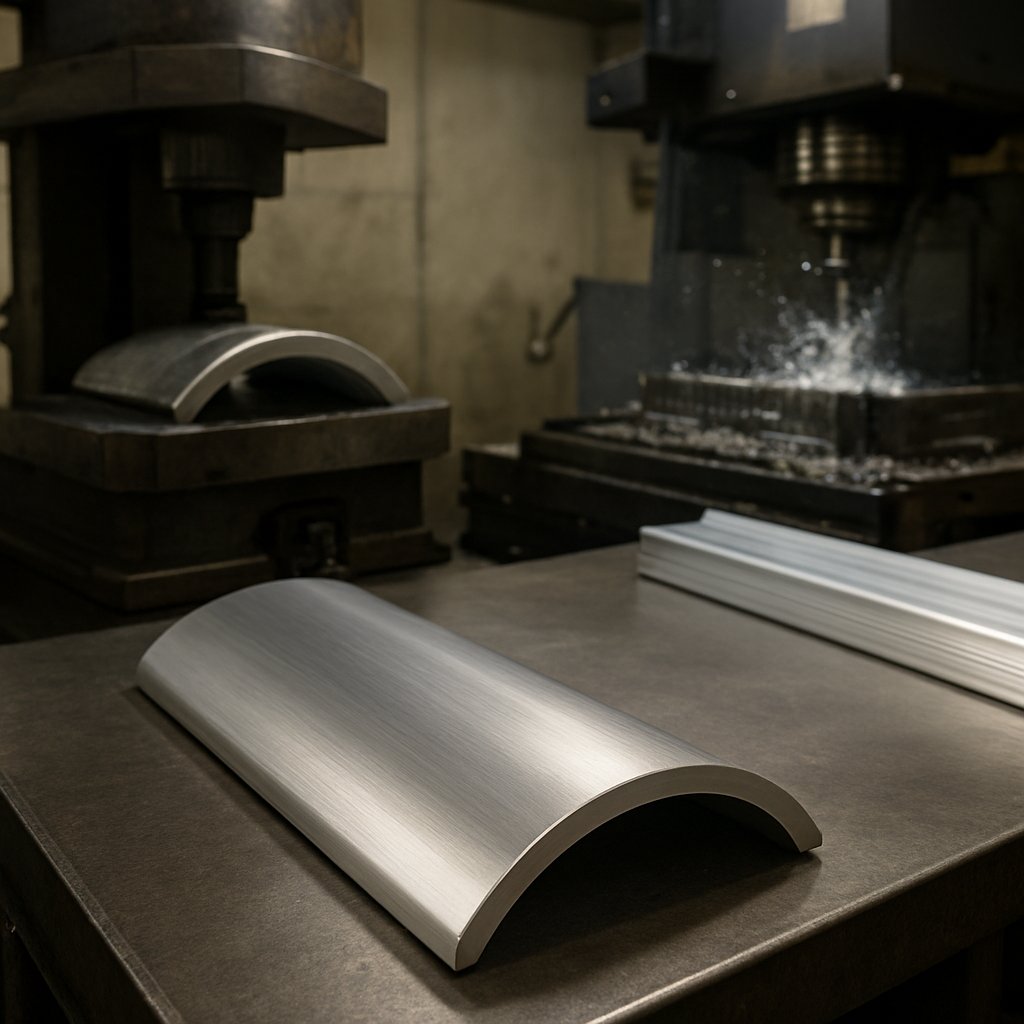
6063-T5 and 6063-T6 may share the same alloy, yet they do not behave like the same material in production. That extra code is the temper. In simple terms, temper tells you what thermal treatment the profile received after extrusion, and that treatment changes strength, ductility, stability, and shop behavior. If a drawing names the alloy but skips the aluminium temper, the specification is only half written.
The letter T in the temper designation system identifies a thermally treated condition. For heat-treatable 6xxx profiles, common aluminum tempers include T4, T5, and T6. The basic routes below match the descriptions published by Alpha Glass.
| Temper | How it is created | What it usually gives you | Best when | Main tradeoff |
|---|---|---|---|---|
| T4 | Solution heat-treated, then naturally aged | Moderate strength with better flexibility and formability | The profile still needs bending, forming, or reshaping | Not the highest as-supplied strength |
| T5 | Cooled from extrusion, then artificially aged | A balanced mix of strength, dimensional stability, and production efficiency | You want a ready-to-use profile with no major post-forming | Lower strength than T6 |
| T6 | Solution heat-treated, quenched, then artificially aged | The highest strength and hardness of the three | Load-bearing parts where stiffness and lower deflection matter | Less flexibility, with more distortion risk in thin or complex shapes |
A tempered aluminum profile is not just stronger aluminum. It carries a specific process history. In a 6063 example from Engineering Express, 6063-T5 is listed at 27 ksi ultimate and 21 ksi yield, while 6063-T6 rises to 35 ksi ultimate and 31 ksi yield. Two tempered aluminum parts in the same alloy can therefore serve very different jobs.
Buyers sometimes describe this as tempering aluminum, but the real decision is broader than the code itself. A good alloy in the wrong aluminium temper can crack during forming, distort after processing, or add cost without adding value. That matters even more once the profile moves into anodizing, welding, polishing, bending, and CNC work.
A profile that looks perfect at the press can still become a bad material choice later. This is where many extrusion decisions go sideways. Buyers compare strength tables, but the shop floor deals with anodizing color match, weld distortion, bend cracking, tool wear, and cosmetic scrap. In practice, the right extruded aluminum alloy is the one that survives the whole route, not just the extrusion step.
Different 6xxx alloys behave differently once secondary processing begins. American Douglas Metals notes that 6063 is widely chosen when anodized appearance matters, while 6061 is valued for machinability and weldability. The comparison at Ya Ji Aluminum adds a useful pattern: 6463 is optimized for bright decorative surfaces, 6063 favors smooth architectural finishes, and 6061 is more at home in structural and machining-heavy work.
Temper changes the feel of these operations too. A harder T6 condition may support load better, yet it can be less forgiving in bending than a softer option. AZoM also points out that bend radius depends on alloy, temper, section shape, mandrel use, and surface finish, which is why bendability should never be guessed from alloy name alone. The same source explains that welding aluminum reduces properties in the heat-affected zone, and that zone can extend about 25 mm from the weld. That matters when a slim profile is expected to stay straight and strong after joining.
A useful sourcing question is not, "Which alloy is strongest?" It is, "What must this profile go through after extrusion?" That shift changes decisions fast. An extruded aluminum alloy picked for raw strength may machine well but anodize only fairly. Another may look excellent after finishing but add limits in load-bearing use. A third may weld acceptably yet become costly if the part also needs tight-radius bending.
That is why aluminum alloy extrusion should be specified around the full process chain: extrusion, straightening, cutting, welding, bending, machining, polishing, and finishing. Good material selection protects yield across all of them. It also exposes a detail many teams miss early: once finish quality, weld access, and bend radii enter the picture, the profile geometry itself may need to change. That makes die design and section complexity part of the material conversation, not a separate one.
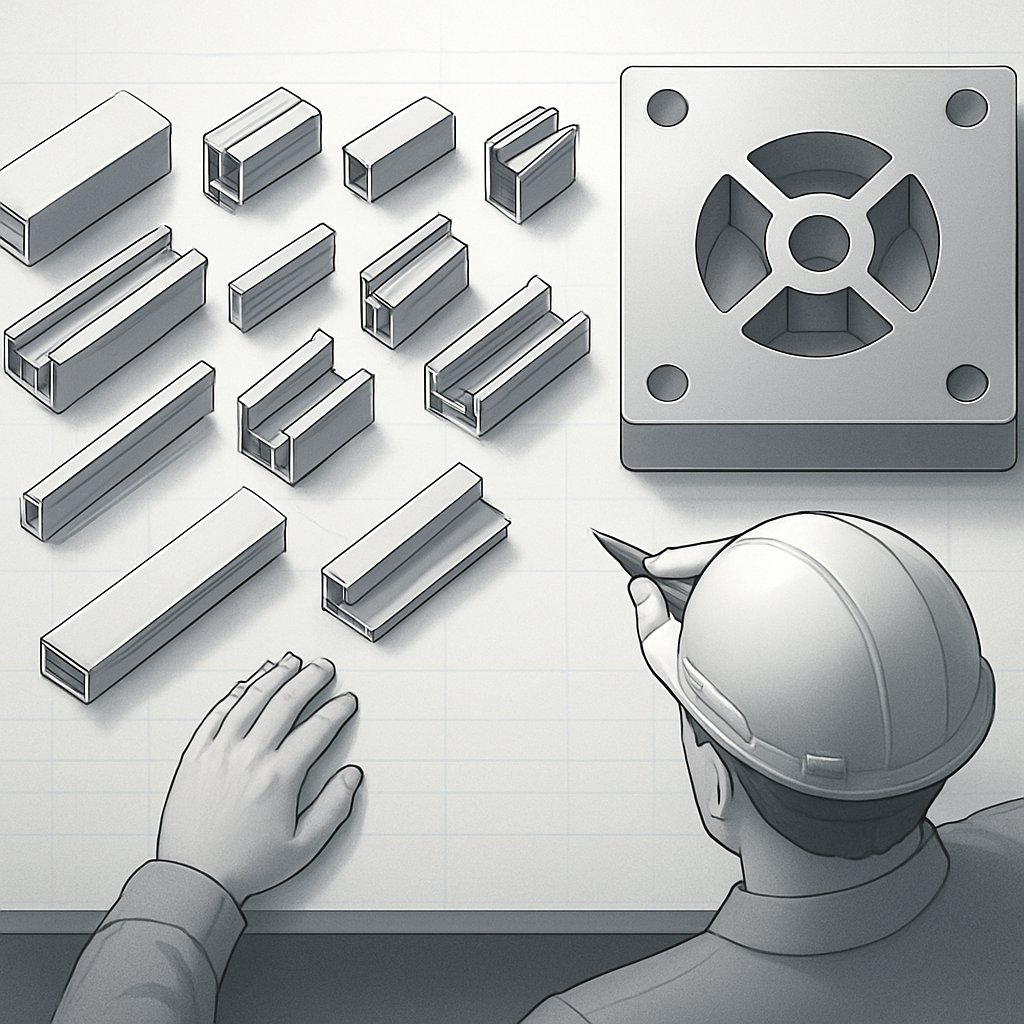
Geometry is where a smart alloy choice can either pay off or unravel. A profile may look perfect for anodizing, welding, or machining on paper, yet the press still has to move hot metal through a die without tearing thin walls, twisting long fins, or distorting hollows. Good design-for-extrusion work connects alloy, section shape, and realistic tolerances in one decision. Many standard aluminum extrusion profiles are useful starting points, but copying a stock shape rarely solves a custom load case or assembly need.
The die for aluminium extrusion is not just a shaped opening. It has to control metal flow. Balanced sections run more predictably, while deep narrow features, sharp corners, and uneven mass create stress in the die and instability in the profile. The AEC manual and the Yaji DFM guide point to a few habits that reduce risk:
In practice, the extrusion profiles aluminum buyers see in catalogs are only starting points. The easiest section to source is not always the easiest one to extrude well for your chosen alloy and temper.
| Profile style | Typical geometry | Manufacturing effect | Practical sourcing consequence |
|---|---|---|---|
| Simple solid | Balanced walls, open shape, generous radii | Best metal flow and strongest tolerance control | Lower die cost and easier production; typical values can be around +/- 0.15 mm width and 1/1000 straightness |
| Simple hollow or semi-hollow | Single cavity or slot-based section | More die complexity and more distortion risk in cooling | Higher tooling demand; typical values widen to about +/- 0.20 mm and 1.5/1000 straightness |
| Complex hollow | Multi-voids, thin fins, asymmetry, deep cavities | Uneven flow, higher die wear, more quench movement | More cost, slower speed, and wider typical capability such as +/- 0.30 to 0.50 mm and 2/1000 straightness |
Those representative values come from Sino Extrud, and actual results still depend on alloy, wall balance, die design, and process control.
For structural aluminum extrusion, stiffness does not always mean thicker walls. AEC recommends grooves, webs, and ribs because moving material away from the neutral axis often improves section efficiency better than adding bulk. The same design logic also explains why the types of aluminum extrusions matter so much: an easy-flowing 6xxx grade can usually support finer detail and cleaner surfaces, while a stronger but less extrudable option may need larger radii, fewer hollows, or simpler fins to stay manufacturable.
That tradeoff shows up quickly in real parts. An extruded aluminium profile with several separate hollows may be cheaper and more stable if it becomes one larger cavity plus internal ribs. And if the circumscribing circle diameter grows too far outward, cost climbs because press choice, die size, and run speed all get worse. The AEC guidance notes that many extrusions are most economical within a CCD of 1 to 10 in, with clear cost benefits below 8 in.
That is why extruded aluminum profiles should be designed from function first. Use stock sections when they truly fit the job. Do not let standard aluminum extrusion profiles dictate wall placement, hole geometry, or tolerance demands that the application never needed. A useful design brief is usually short and practical: what load the part carries, which faces matter, which features may need machining, and which surfaces must stay cosmetic. Once those priorities are visible, geometry, alloy, and cost stop competing blindly, and specification mistakes become much easier to spot before the quote stage.
Specs get expensive when teams choose by habit instead of by priority. That is especially true with extrusion aluminium alloy decisions, where alloy, temper, geometry, finish, and tolerance all pull on cost at the same time. A practical aluminum extrusion alloy selection guide should narrow choices in order, not chase the strongest grade first and hope everything else works out later.
Strength alone should not drive the decision.
The goal is not to name one winner from the best alloys list. It is to build a shortlist that can actually be extruded, finished, fabricated, and sourced with confidence. At that point, the material question starts to merge with a supplier question, because capability matters just as much as the grade on the drawing.

A well-chosen extrusion aluminium alloy can still disappoint if the supplier is set up for the wrong kind of work. Some plants are strongest in visible architectural sections. Others are better at structural parts that need tight tolerances, machining, or repeat repeatability across long production runs. That is why supplier review should follow the application, not just the quote.
When comparing aluminum extrusions and aluminium extrusion profiles, look past catalog photos and ask how well the supplier matches your real production route. Guidance from JY shows why this matters: architectural profiles prioritize appearance, weather resistance, and outdoor stability, while industrial profiles focus more on strength, precision, and machinability.
A checklist from Kenan Metal points to capabilities that separate dependable suppliers from quote-only vendors: integrated processing, alloy control, die manufacturing, T5 and T6 heat treatment, surface treatment, and traceable quality checks. Those details shape straightness, finish match, and batch consistency long before parts reach assembly.
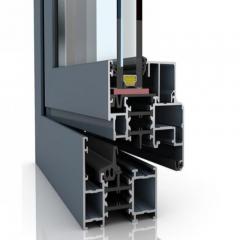
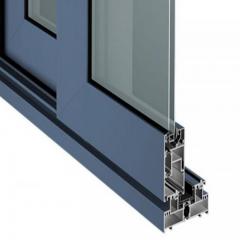
As one practical resource example, Shengxin Aluminium shows the kind of breadth many buyers want to see during evaluation. Its public range includes custom profiles for doors and windows, anodized options, T-slot style sections, and larger industrial profiles, which makes it useful as a reference point for comparing supplier scope across architectural and industrial needs.
A shorter list built around capability, finish control, and profile type is usually more useful than a longer list built around familiarity. With those filters in place, the final supplier review becomes a simple checklist instead of a guessing game.
By the time supplier options are on the table, the real job is simple: turn a broad material discussion into a workable shortlist. That matters because Profile Precision Extrusions highlights just how wide the end-use range can be, from aerospace and healthcare to industrial, outdoor, and defense-related work. So when buyers ask what are aluminum extrusions used for, the practical answer is this: they are used wherever profile efficiency, corrosion resistance, and process flexibility make sense.
In many industrial applications for aluminum extrusions, the best choice is rarely the strongest alloy on paper. High-performance aluminum extrusions industrial applications often also depend on finish quality, machining plans, weld response, and realistic profile geometry. A shortlist should therefore reflect the whole route from extrusion press to final assembly.
The best extrusion aluminium alloy is the one that fits the full manufacturing and service context, not just a strength target.
If you want a practical reference after building that shortlist, Shengxin Aluminium's catalog is a useful low-pressure resource for reviewing custom, anodized, architectural, and industrial profile examples. Used that way, supplier research becomes a final validation step instead of a substitute for good specification.
It combines two decisions in one phrase. Extrusion is the shaping method used to form a long continuous profile through a die. The alloy is the aluminum grade selected for properties such as corrosion behavior, strength, finish quality, and fabrication response. In other words, the process creates the shape, while the alloy helps determine how that shape performs in use and in downstream production.
That depends on what matters most in the part. 6063 is often preferred for visible profiles, smoother surfaces, and more intricate shapes because it is easier to extrude cleanly. 6061 is usually the stronger and more machining-friendly option, so it is commonly chosen for structural or heavily fabricated parts. A good shortlist should weigh appearance, geometry, welding, machining, and loading together instead of treating one alloy as the default winner.
They change how the same alloy behaves after extrusion. T4 is generally more form-friendly, which helps when the profile still needs bending or reshaping. T5 is a balanced production choice for many ready-to-use extrusions. T6 is normally chosen when higher strength and stiffness matter more than post-forming flexibility. When placing an order, naming only the alloy is incomplete because temper has a direct effect on fabrication, dimensional stability, and end-use performance.
For appearance-led parts, buyers often begin with 6063 because it is widely used for clean architectural finishes. If bright decorative performance is especially important, 6463 may deserve a closer look. Stronger grades can still be anodized, but they may not deliver the same visual consistency or surface quality. If the part will be seen by end users, finish expectations should be stated early so alloy choice and profile design support that goal from the start.
Ask whether the supplier can support your profile complexity, target alloy and temper, finishing route, machining needs, and tolerance expectations. It is also useful to confirm whether they mainly serve architectural work, industrial parts, or both, since those capabilities are not always the same. Review die support, quality checks, anodizing or coating options, and handling of complex hollows or thin walls. If you want a practical benchmark during research, a broad catalog such as Shengxin Aluminium can help you compare custom profiles, anodized options, and industrial sections before final supplier selection.



 un service en ligne
 0086 136 3563 2360
 sales@sxalu.com
 +86 136 3563 2360
 français
 English
 Deutsch
 русский
 español
 português
 العربية
 ไทย
ไทย Việt
Việt Українська