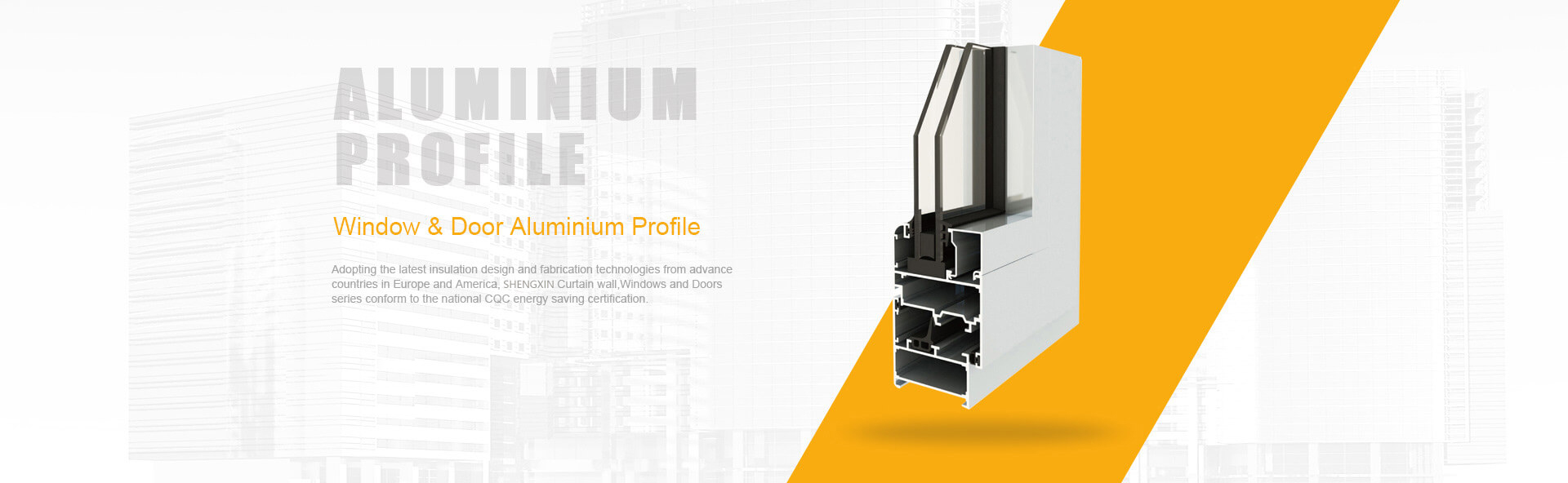
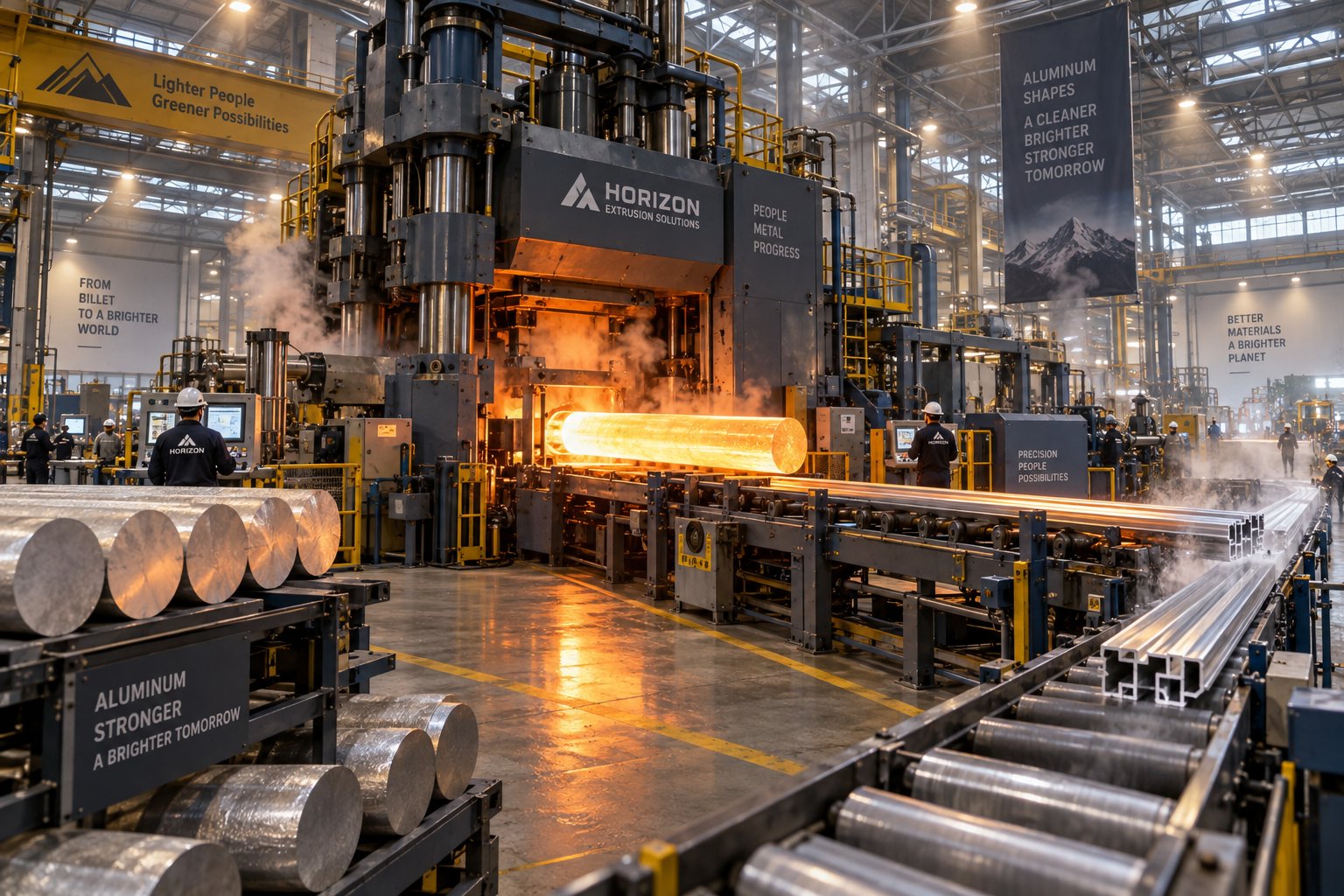
When you're searching for aluminum extrusion suppliers, one country consistently dominates the conversation. China has established itself as the undisputed global leader in aluminum extrusion manufacturing, and understanding this market is essential before you make any purchasing decisions.
But here's the challenge: with thousands of extruded aluminum manufacturers operating across the country, how do you separate reliable partners from risky ventures? Before we dive into the verification steps that could save you from costly mistakes, let's first understand exactly what you're dealing with.
The numbers tell a compelling story. According to AL Circle Research, China accounts for approximately 66 percent of global aluminum extrusion capacity, with around 32.94 million tonnes out of the world's total 49.91 million tonnes per annum. This isn't just market dominance—it's an entire ecosystem built around aluminum manufacturing.
What does this mean for you as a buyer? Imagine having access to the largest pool of aluminium extrusion manufacturers on the planet. You'll find suppliers specializing in everything from architectural profiles to precision industrial components. Whether you need standard aluminium tube stock or complex custom shapes, Chinese suppliers have likely produced something similar before.
The country's position wasn't achieved overnight. Decades of infrastructure investment, technical expertise development, and vertical integration have created manufacturing clusters where raw materials, processing equipment, and skilled labor converge efficiently.
Global aluminum extrusion demand reached an estimated 34.27 million tonnes in 2024, according to industry data. Chinese aluminum profile manufacturers serve not only domestic consumption but also export markets worldwide. This scale creates significant advantages that directly benefit international buyers.
Here's what China's market position means for your sourcing strategy:
The industry continues evolving toward higher-value segments. Chinese manufacturers are increasingly focusing on applications in electric vehicles, solar energy installations, and sustainable infrastructure—sectors experiencing rapid growth globally.
However, this opportunity comes with important caveats. The sheer number of aluminum extrusion suppliers means quality varies significantly. Some operate state-of-the-art facilities with rigorous quality controls, while others cut corners that could compromise your project. That's precisely why the verification steps we'll cover throughout this guide are non-negotiable before you wire any money.
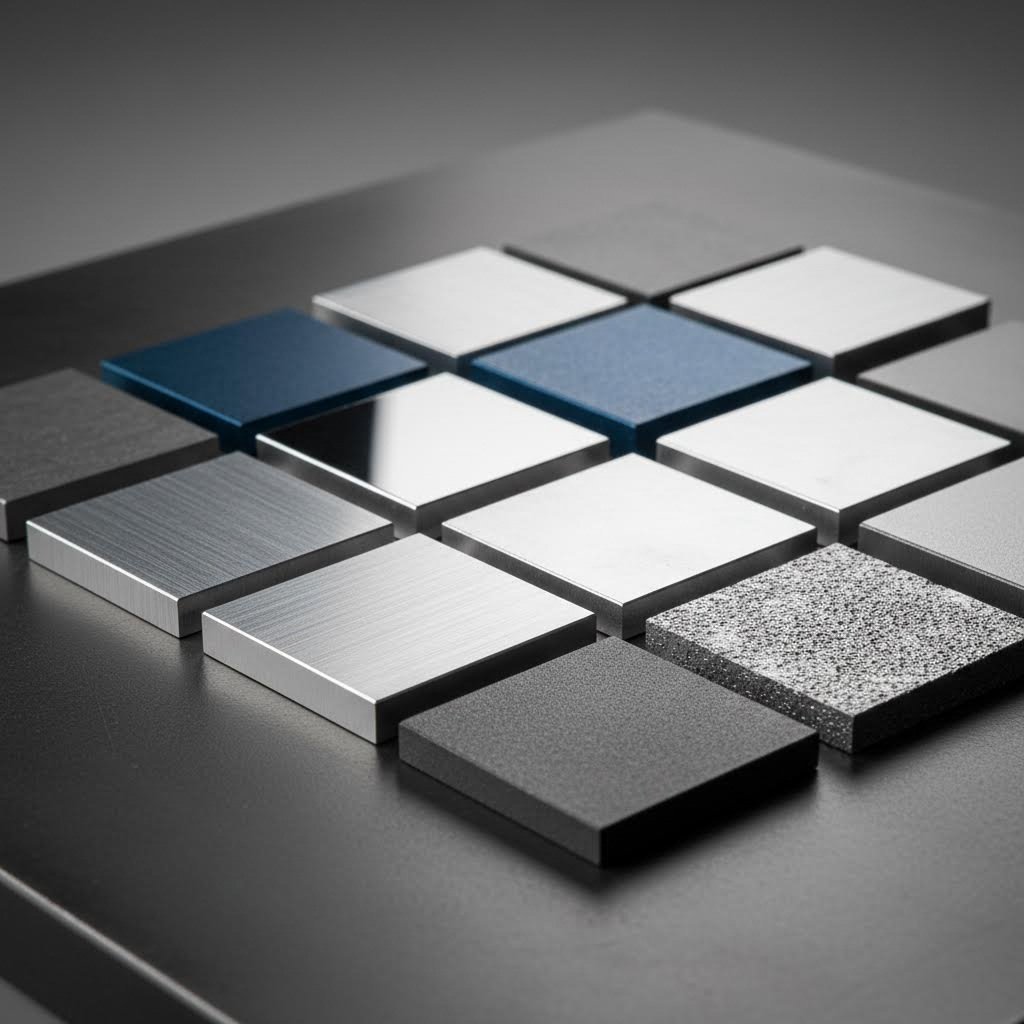
Now that you understand the scale of China's aluminum extrusion industry, here's a critical question: do you know which alloy grade to specify when requesting quotes? Many buyers overlook this decision, yet it directly impacts your product's performance, durability, and cost.
Chinese suppliers offer a wide range of aluminum extrusion shapes across multiple alloy series. Understanding the differences between these grades helps you communicate requirements clearly and evaluate whether a supplier truly understands your application. Let's break down the most common options you'll encounter.
Pure aluminum is too soft for most industrial applications. That's why manufacturers add elements like magnesium, silicon, zinc, and copper to create alloys with specific performance characteristics. The 6000 series dominates the extrusion market because these alloys balance formability with practical strength—but knowing which specific grade to choose makes all the difference.
6063 - The Architectural Standard
Often called the "architectural alloy," 6063 is the most cost-efficient choice for a wide range of applications. According to Tri-State Aluminum, this grade offers good corrosion resistance alongside solid finish, machinability, formability, and weldability capabilities. You'll find it specified for door and window frames, shop fittings, display structures, and decorative trim. When you need anodized extruded aluminum with a smooth, attractive surface, 6063 typically delivers the best results at competitive pricing.
6061 - The Structural Workhorse
When your project demands higher strength, 6061 steps up. This alloy offers excellent strength, corrosion resistance, and machinability, though its finishing response isn't as refined as 6063. You'll encounter standard aluminium extrusions in 6061 across structural applications, marine components, automotive parts, and aerospace frameworks. Need a large diameter aluminum tube that can handle significant loads? 6061 is often the specified grade.
7075 - High-Performance Applications
For applications where strength-to-weight ratio is paramount, 7075 aluminum extrusion represents the premium option. This alloy contains zinc as its primary alloying element, achieving tensile strength comparable to many steels while remaining lightweight. Aerospace components, high-stress structural elements, and precision sporting equipment often rely on 7075. However, as industry experts note, this grade requires special attention—it's more expensive, harder to extrude, and demands careful surface protection to prevent corrosion.
Sounds complex? It doesn't have to be. The key is matching alloy properties to your actual application needs rather than defaulting to the strongest option. According to Gabrian International, designers should evaluate which properties are vital, which are nice to have, and which aren't relevant for their specific product.
Consider these factors when selecting your alloy:
When specifying a large diameter aluminum pipe for industrial applications, material selection becomes even more critical. Thicker wall sections in higher-strength alloys can achieve performance targets while reducing overall weight compared to steel alternatives.
| Alloy Type | Key Properties | Common Applications | Best Use Cases |
|---|---|---|---|
| 6063 | Excellent extrudability, good finish, moderate strength (up to 241 MPa tensile) | Window frames, doors, signage, display structures, lighting fixtures | Architectural profiles requiring attractive appearance and complex shapes |
| 6061 | High strength (up to 310 MPa tensile), excellent machinability, good weldability | Structural components, marine fittings, automotive parts, aerospace frames | Load-bearing applications where strength matters more than surface finish |
| 6005/6105 | Balance of strength and finish, good formability | Ladders, platforms, building construction, marine applications | Projects needing both reasonable strength and acceptable surface quality |
| 6463 | Bright mirror-like finish, good formability | Shower enclosures, picture frames, automotive trim, decorative elements | Premium aesthetic applications where visual appeal is priority |
| 7075 | Very high strength (up to 572 MPa tensile), poor corrosion resistance | Aerospace components, high-stress structures, sporting equipment | Maximum strength-to-weight ratio requirements in controlled environments |
When requesting quotes from Chinese suppliers, always specify your alloy requirement upfront. A supplier's response to your alloy specification reveals their technical expertise—knowledgeable manufacturers will confirm suitability or suggest alternatives based on your application.
Understanding alloy grades gives you a foundation for evaluating suppliers, but material selection is just one piece of the puzzle. Equally important is understanding how these alloys get transformed into finished profiles—which brings us to the extrusion manufacturing process itself.
You've selected your alloy grade. Now imagine walking through a Chinese supplier's factory floor. Would you recognize quality manufacturing when you see it? Understanding the aluminum profile manufacturing process gives you the vocabulary to ask smart questions and spot red flags before signing any contracts.
The extrusion process is elegantly simple in concept—force heated aluminum through a shaped opening to create continuous profiles. Think of squeezing toothpaste through a tube, as described by RapidDirect. But in practice, every step involves precise controls that separate capable aluminium profile manufacturers from those cutting corners.
Every aluminum extrusion begins as a billet—a solid cylindrical log of aluminum alloy. What happens next determines whether you receive profiles that meet specifications or parts destined for the scrap bin. Here's the complete manufacturing sequence:
What about specialty shapes? Oval aluminum extrusion and oval extruded aluminum profiles follow this same fundamental process, though they require dies engineered for their specific cross-sections. Complex geometries demand more sophisticated die designs and often slower extrusion speeds to maintain dimensional accuracy.
When evaluating Chinese suppliers, press tonnage tells you a lot about their capabilities. Small presses around 600 tons handle simple profiles and smaller cross-sections. Large aluminium extrusions—think structural beams or wide architectural panels—require presses ranging from 3,500 to 5,500 tons or more.
Here's what press capacity means for your project:
Die development deserves special attention when ordering custom profiles. According to industry specialists, effective die design requires uniform material flow velocity, optimal bearing lengths, and proper thermal management. A quality supplier invests in finite element analysis (FEA) simulations before manufacturing dies—this virtual prototyping catches problems before they waste your time and money.
Ask potential suppliers these revealing questions:
A supplier who can confidently explain their process controls demonstrates the technical competence you need. Vague answers or dismissive responses should raise immediate concerns about their manufacturing capabilities.
Understanding the extrusion process reveals why some suppliers deliver consistent quality while others struggle. But raw extrusions rarely ship directly to end users—most profiles require surface treatments that dramatically affect appearance, durability, and cost. Let's examine your finishing options next.
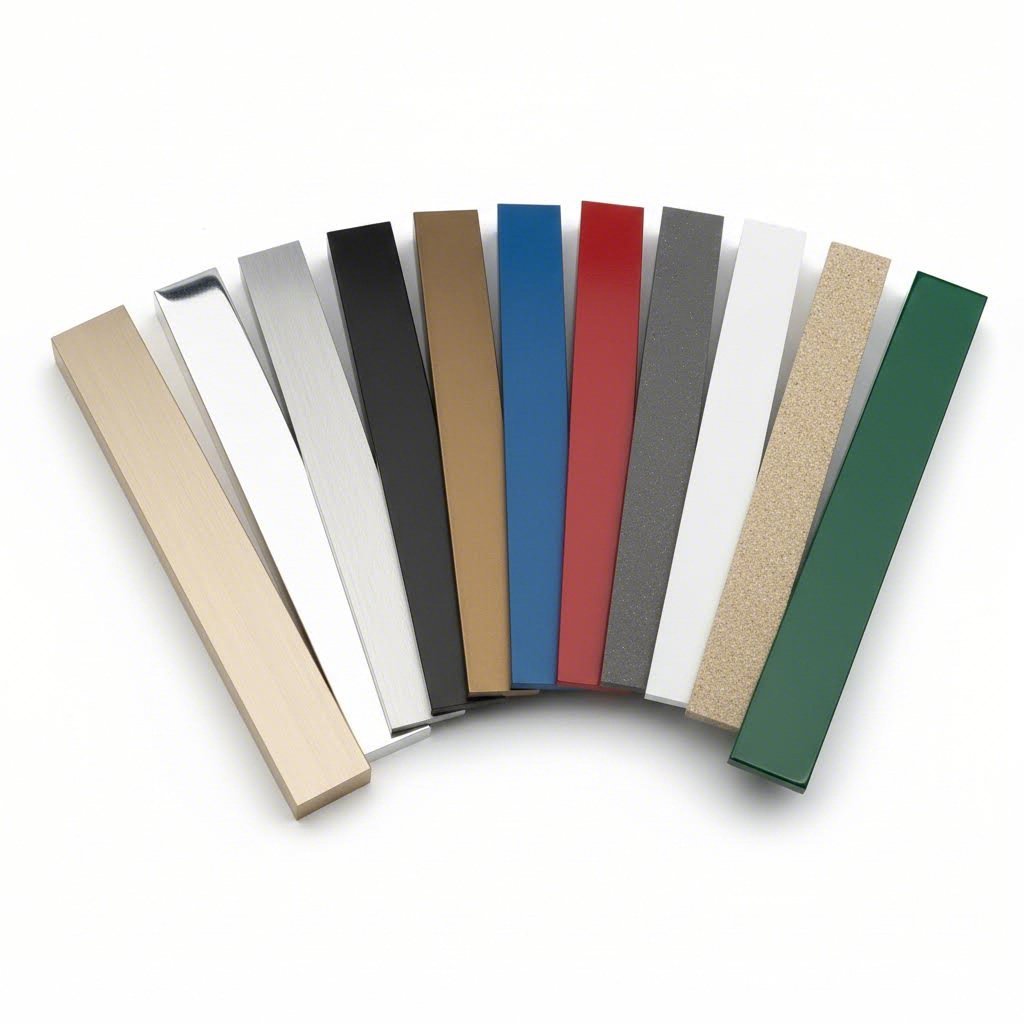
Your aluminum extrusion leaves the press with a clean, natural finish—but for most applications, that's just the starting point. Surface treatments transform raw profiles into finished products ready for architectural facades, industrial equipment, or consumer goods. Chinese suppliers offer virtually every finishing method available globally, yet many buyers struggle to choose the right option for their needs.
Here's the reality: selecting the wrong surface treatment can mean premature corrosion, color inconsistency, or wasted budget on unnecessary protection. Let's walk through your options so you can specify finishes confidently and evaluate supplier capabilities accurately.
Anodizing: The Electrochemical Standard
Anodizing remains the most popular finish for aluminum window profiles and architectural applications. According to SAF, this electrochemical process creates a protective aluminum oxide layer that's integral to the metal itself—it cannot peel or flake like applied coatings.
What makes anodizing unique? The coating grows from the base aluminum rather than sitting on top. This creates exceptional abrasion resistance, making it ideal for high-traffic areas like storefront doors and aluminium window extrusions. You'll find three main types:
Thickness matters significantly. Class I anodizing (0.7 mils) lasts roughly twice as long as Class II (0.4 mils) in exterior applications. When specifying aluminum window frame material, always confirm the coating class—cheap alternatives with sub-Class II thickness won't survive more than a few years outdoors.
Powder Coating: Color Freedom and Protection
When your project demands specific colors or enhanced weather protection, powder coating delivers. This process electrostatically applies pigmented powder to aluminum surfaces, then cures it at high temperatures to create a durable finish.
Powder coating offers advantages that anodizing can't match:
The trade-off? Powder coatings sit on the surface rather than becoming part of the aluminum. Under extreme abrasion, they can chip or scratch. For aluminium window frame extrusions in residential settings, this rarely matters. For industrial applications with heavy wear, anodizing may prove more durable.
PVDF Coating: The Architectural Premium
For curtain walls, metal roofing, and high-end architectural projects, PVDF (polyvinylidene fluoride) coatings represent the gold standard. According to industry specifications, PVDF coatings meeting AAMA 2605 standards must pass actual ten-year exposure testing in South Florida—one of the most demanding weathering environments.
PVDF formulations typically contain 70% PVDF resin combined with 30% acrylic. This chemistry delivers exceptional UV resistance and color retention that other coatings can't match. If you're sourcing anodized aluminum tubing suppliers but need superior weather resistance, PVDF-coated alternatives deserve consideration.
Advanced Treatments: Micro-Arc Oxidation and Beyond
Chinese suppliers increasingly offer specialized treatments for demanding applications. Micro-arc oxidation (MAO) creates ceramic-like surfaces with extreme hardness and thermal resistance. Electrophoretic coating deposits uniform films even in recessed areas—useful for custom aluminum tile trim and complex profiles where spray coatings struggle to reach.
Selecting finishes isn't about finding the "best" option—it's about matching treatment characteristics to your specific requirements. A storefront door needs abrasion resistance above all else. A curtain wall panel prioritizes color consistency and UV stability. Industrial equipment may require chemical resistance that neither anodizing nor standard powder coating provides.
| Treatment Type | Durability Rating | Color Options | Best Applications | Cost Considerations |
|---|---|---|---|---|
| Anodizing (Class I) | Excellent abrasion resistance; 20+ year exterior life | Clear, bronze, black, champagne; limited bright colors | Storefronts, doors, aluminum window profiles, high-traffic areas | Moderate; thickness significantly affects price |
| Anodizing (Class II) | Good; 10-15 year exterior life | Same as Class I | Interior applications, light-duty exterior use | Lower than Class I; economy option |
| Powder Coating (Polyester) | Good weather resistance; 5-10 years exterior | Virtually unlimited; excellent color matching | General architectural, furniture, appliances | Cost-effective for standard colors |
| PVDF Coating | Superior UV and chemical resistance; 20+ years | Wide range; excellent long-term color retention | Curtain walls, metal roofing, premium facades | Premium pricing; justified for demanding applications |
| Micro-Arc Oxidation | Exceptional hardness and wear resistance | Limited; primarily functional rather than decorative | High-wear industrial components, thermal applications | Higher cost; specialized applications only |
When evaluating suppliers, ask for their AAMA certification documentation. Quality finishers willingly provide test reports and warranty terms. Hesitation or vague responses often indicate substandard finishing capabilities.
Environmental factors also influence your decision. Anodizing facilities produce byproducts that integrate well with municipal wastewater treatment and emit no VOCs. Powder coating eliminates solvent emissions entirely. PVDF liquid coatings require pollution control equipment, though manufacturers are developing PVDF powder alternatives that combine performance with environmental compliance.
Surface treatment represents a significant portion of your total project cost—and an even larger portion of long-term performance. But finishing is just one capability to verify. Before committing to any supplier, you need a systematic approach to evaluating their legitimacy and overall capabilities.
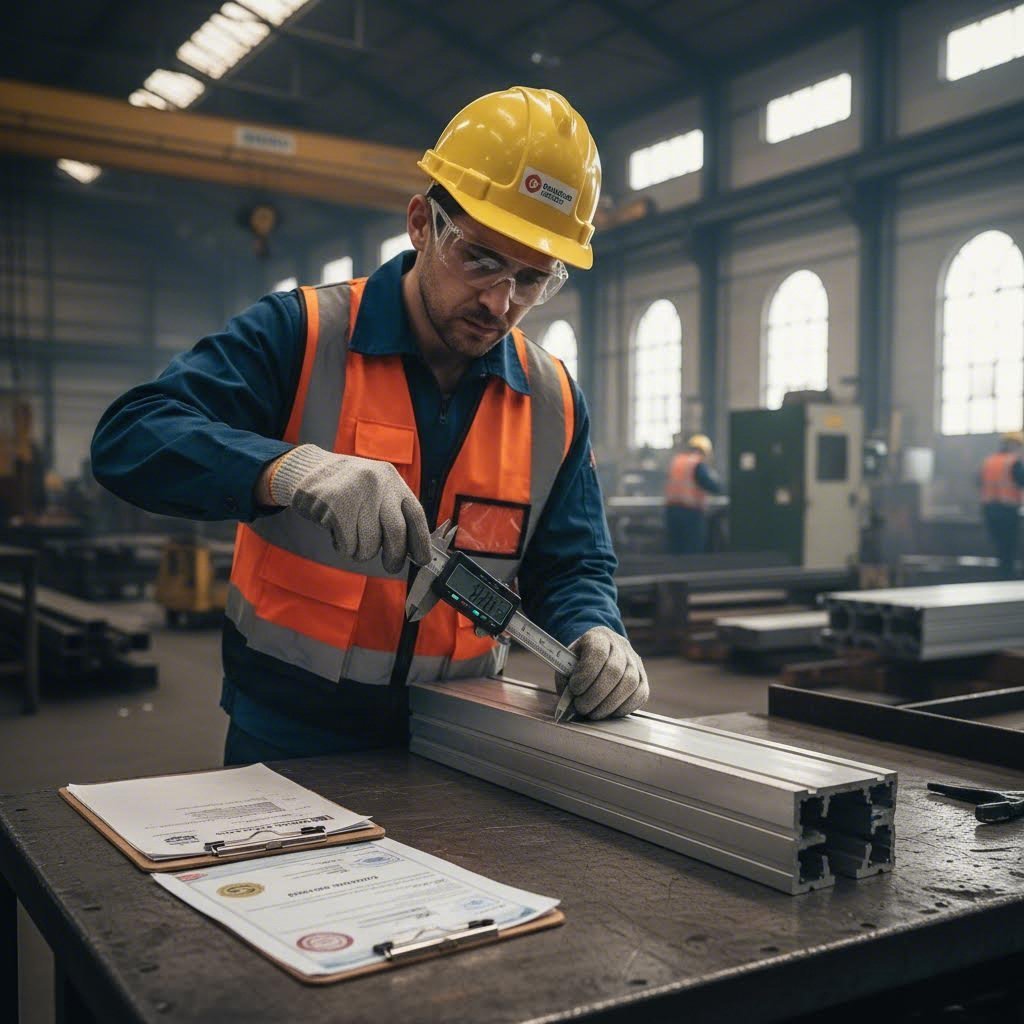
You've identified promising extruded aluminium suppliers, compared alloy options, and understand the manufacturing process. Now comes the step that separates successful sourcing projects from costly disasters: verification. According to Lansil Global, China had over 6 million manufacturing enterprises by late 2024, with 27.37 million new business entities established that year—averaging 24,000 new companies daily.
Many of these are legitimate operations. Others are trading middlemen or fraudulent listings posing as manufacturers. For buyers sourcing custom aluminum extrusion manufacturer services at scale, skipping verification can lead to costly mistakes, shipment delays, or poor-quality products that damage your reputation with end customers.
How do you distinguish a capable aluminum extruder supplier from one that will cause headaches? Start by understanding what warning signs to watch for—and which indicators suggest you've found a reliable partner.
Red Flags That Should Raise Concerns:
Green Lights That Build Confidence:
Rather than relying on instinct, systematic verification protects your investment. According to Pro QC International, thorough verification helps mitigate risks while building long-term relationships based on trust and reliability. Here's a step-by-step framework for evaluating extruded aluminum profiles suppliers.
Step 1: Verify Business License and Registration
Every legitimate Chinese factory must hold a government-issued business license. A valid license includes an 18-digit Unified Social Credit Code, registered company name in Chinese and English, business scope, legal representative, and establishment date. To verify, visit the National Enterprise Credit Information Publicity System (NECIPS) and enter the supplier's Chinese company name. Confirm that registration details match the supplier's invoices and bank information.
Step 2: Confirm Factory Location and Ownership
Use Google Maps or Baidu Maps to cross-check factory coordinates against industrial zone locations. Request a live video call to see production areas, equipment, and company signage. According to industry experts, suppliers serving well-known, reputable companies tend to have better-established processes and quality standards—ask who their key clients are.
Step 3: Review Certifications and Quality Documents
Not all certifications carry equal weight. Here's what matters for different applications:
To verify authenticity, confirm certificates directly with issuing bodies such as SGS, TÜV, or Intertek. Check issue and expiration dates. A 2024 QIMA report found that 59 percent of audited factories in China passed compliance reviews—legitimate suppliers welcome transparency.
Step 4: Conduct Factory Audits
On-site audits remain the most reliable verification method. According to Pro QC, comprehensive audits should evaluate basic supplier information including legal status and ownership, production capacity and equipment condition, quality control procedures throughout manufacturing, workforce qualifications and labor practices, and environmental and safety compliance.
Audits typically cost between USD 250 and 400 and include detailed reports with photos. For aluminium frame solar panel projects or other applications requiring consistent quality, this investment pays for itself by preventing costly problems downstream.
Step 5: Request and Evaluate Production Samples
Samples provide your best defense before committing to mass production. Order samples from multiple suppliers to compare quality and materials. Request official test reports for product safety and performance. Keep one approved "golden sample" as your quality benchmark for future shipments. Evaluate dimensional accuracy, surface finish quality, and alloy certification documentation accompanying each sample.
Choosing Between Large Integrated Manufacturers and Specialized Suppliers
Your project requirements should guide supplier selection. Large integrated manufacturers offer advantages for high-volume orders: extensive press capacity, in-house finishing lines, and established export experience. They typically handle everything from die development to surface treatment under one roof, simplifying quality control and logistics.
Smaller specialized suppliers excel in different scenarios. They often provide greater flexibility for custom work, shorter lead times for smaller orders, and deeper expertise in specific application areas. A specialized architectural profile supplier may deliver better results for complex aluminium window extrusions than a general-purpose factory handling diverse product lines.
Match supplier scale to your order profile. Approaching a 5,000-ton-capacity manufacturer with a 500kg prototype order wastes everyone's time. Conversely, asking a small workshop to deliver container quantities monthly creates supply chain risk.
Your Supplier Evaluation Checklist
Before wiring any deposit, confirm you've completed these essential verification steps:
Verification requires effort upfront but prevents far greater costs from failed shipments, quality disputes, or outright fraud. With legitimate suppliers identified, your next consideration becomes practical: understanding the pricing factors and logistics that determine your total landed cost.
You've verified your supplier's legitimacy and confirmed their manufacturing capabilities. Now comes the question every buyer eventually asks: what will this actually cost, and how long will it take? Working with aluminum profile manufacturers in China involves pricing structures and logistics considerations that differ significantly from domestic sourcing. Understanding these factors upfront prevents budget surprises and scheduling conflicts that derail projects.
Here's what many buyers discover too late: the quoted price per kilogram represents only part of your total investment. Tooling costs, minimum order quantities, surface treatments, and shipping terms all influence your landed cost. Let's break down each component so you can build accurate project budgets and realistic timelines.
Understanding MOQ Requirements
Minimum order quantities vary dramatically based on profile complexity and supplier scale. For stock aluminium extrusion profiles—standard shapes already in production—MOQs often start at 500 kg per order. Custom profiles requiring new tooling typically demand larger commitments to justify die development costs.
Expect these general MOQ ranges when working with Chinese aluminium extrusion suppliers:
Don't assume MOQs are fixed. Many suppliers negotiate quantities for buyers demonstrating long-term potential or offering to pay higher per-unit prices for smaller initial orders.
Realistic Lead Time Expectations
Lead times depend on whether you're ordering from existing dies or developing custom tooling. According to industry sources, understanding these timelines helps you plan procurement cycles accurately:
Factor in shipping time separately. Sea freight from major Chinese ports to North American or European destinations typically requires 4-6 weeks. Air freight reduces transit to days but increases costs substantially—usually reserved for urgent small shipments or sample orders.
Key Cost Factors Influencing Your Quote
When aluminium extruded profiles suppliers calculate pricing, several variables determine your per-kilogram rate. Understanding these factors helps you optimize specifications for cost efficiency without sacrificing performance:
Shipping Terms: FOB vs CIF
Understanding Incoterms prevents costly misunderstandings about responsibility and cost allocation:
FOB (Free on Board): The supplier handles everything until goods are loaded onto the vessel at the departure port. You assume responsibility and costs from that point forward—including ocean freight, insurance, customs clearance, and inland delivery. FOB pricing appears lower but requires you to manage logistics or engage a freight forwarder.
CIF (Cost, Insurance, Freight): The supplier arranges and pays for shipping and basic insurance to your destination port. You handle customs clearance and final delivery. CIF simplifies your logistics burden but reduces visibility into actual shipping costs.
Most experienced buyers prefer FOB terms, allowing them to negotiate freight rates directly and choose carriers. However, CIF makes sense for smaller orders where managing logistics independently isn't cost-effective.
Communication Best Practices
Effective communication with Chinese suppliers requires adapting to time zones and cultural norms. According to Business Negotiation Academy, Chinese business culture prioritizes long-term relationships and trust-building over transactional efficiency.
Practical tips for smooth communication:
Never accept the first quoted price as final. Chinese suppliers expect negotiation as part of the process. Counter with a significantly lower offer and work toward a middle ground—but focus on building long-term value rather than squeezing every cent from a single transaction.
Cultural Considerations in Negotiations
Several cultural factors influence how negotiations proceed with aluminum tube china suppliers:
Understanding these practical realities—pricing components, lead times, shipping logistics, and communication norms—prepares you for productive supplier relationships. But not every supplier suits every application. Your next step involves matching supplier specializations to your specific project requirements.
Here's a question that trips up many first-time buyers: should you choose a large general-purpose manufacturer or a specialist focused on your industry? The answer significantly impacts both quality outcomes and pricing. According to Ya Ji Aluminum, suppliers with proven experience in your industry are better equipped to understand your technical needs, anticipate challenges, and offer efficient solutions.
Think of it this way—an extruded aluminum window frame requires entirely different expertise than a heat sink for electronics or a structural beam for transportation. Suppliers who specialize develop deep knowledge of relevant standards, typical tolerances, and finishing requirements specific to their focus area. Generalists may offer competitive pricing but lack the nuanced understanding that prevents costly mistakes.
The aluminum extrusion market naturally segments into distinct specialization areas. Understanding where suppliers focus their capabilities helps you identify partners most likely to deliver what you need.
Architectural Profile Suppliers
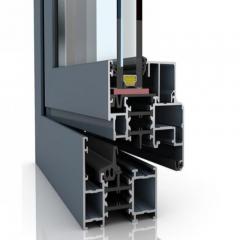
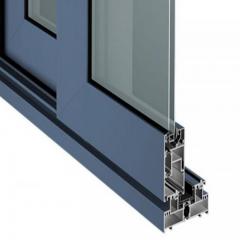
These manufacturers specialize in aluminum window extrusions suppliers typically need—curtain wall systems, storefront framing, door components, and facade elements. Their expertise centers on aesthetic consistency, tight dimensional tolerances for weatherproofing, and surface finish quality. They understand thermal break technology, drainage requirements, and how profiles interface with glass and sealing systems.
When sourcing aluminum window frame extrusions, architectural specialists offer advantages beyond manufacturing capability. They've solved your problems before. They know which alloy and temper combinations minimize warping in large spans. They understand how anodizing thickness affects color matching across production batches. This expertise translates into fewer revisions and faster project completion.
Industrial Profile Manufacturers
Industrial specialists serve machinery builders, automation equipment manufacturers, and general manufacturing sectors. Their profiles become structural framing, conveyor components, workstation systems, and equipment enclosures. These suppliers prioritize dimensional precision, mechanical strength, and integration with hardware systems like T-slot accessories.
Industrial applications demand different capabilities than architectural work. Machinability matters more than surface aesthetics. Structural calculations and load-bearing specifications take precedence over appearance. Suppliers in this segment often maintain extensive engineering support for custom profile development.
Transportation Sector Specialists
Automotive, rail, and marine applications require suppliers meeting stringent certification requirements. Transportation specialists understand aluminum door frame extrusions and structural components must pass crash testing, vibration analysis, and fatigue cycling. They hold IATF 16949 certification for automotive supply chains and maintain traceability systems that general manufacturers rarely implement.
Solar and Photovoltaic Frame Suppliers
The rapidly growing solar industry has created specialized aluminium window extrusions suppliers focused exclusively on panel frames, mounting structures, and tracking systems. These manufacturers understand corrosion requirements for 25-year warranties, ground-mount versus rooftop specifications, and the volume pricing essential for competitive solar installations.
Matching supplier expertise to your requirements involves more than checking product catalogs. You're looking for evidence of relevant experience, appropriate certifications, and capability alignment with your specific needs.
| Specialization Area | Typical Products | Key Capabilities | Buyer Considerations |
|---|---|---|---|
| Architectural | Window frames, curtain walls, storefronts, railings, decorative trim | Precision finishing, thermal break systems, large-scale anodizing lines, color matching expertise | Request facade project references; verify AAMA certification; confirm multi-batch color consistency |
| Industrial | T-slot framing, machine guards, conveyor rails, workstation structures, equipment enclosures | Tight tolerances, CNC machining integration, hardware compatibility, engineering support | Evaluate technical support quality; confirm tolerance capabilities; check accessory availability |
| Transportation | Body panels, structural members, crash components, interior trim, heat exchangers | IATF 16949 certification, weld qualification, fatigue testing, full traceability systems | Verify automotive certifications; request crash test documentation; confirm batch traceability |
| Solar/PV | Panel frames, mounting rails, tracker components, cable management systems | High-volume capacity, corrosion testing, competitive pricing for utility-scale projects | Compare pricing at volume; verify salt spray test results; check delivery consistency history |
| Electronics/Thermal | Heat sinks, LED housings, enclosures, chassis components | Complex fin geometries, precision machining, thermal conductivity optimization | Request thermal performance data; evaluate fin density capabilities; confirm secondary machining |
Why Specialization Affects Quality and Pricing
Specialized suppliers invest differently than generalists. An architectural expert maintains expensive anodizing lines capable of consistent color across large batches—equipment a general manufacturer might skip. An industrial specialist invests in engineering staff who optimize T-slot profiles for structural efficiency rather than visual appeal.
These investments create quality advantages within their focus areas. According to Zetwerk, suppliers who leverage advanced extrusion techniques ensure accuracy in measurements and cuts while contributing to overall durability and longevity. Specialists continuously refine their processes for the applications they serve most frequently.
Pricing reflects specialization too. A supplier tooled for your specific application type produces more efficiently than one adapting general equipment. Their die libraries already contain similar profiles. Their operators understand common challenges. This efficiency advantage often translates into competitive pricing despite specialized expertise.
Questions That Reveal Relevant Experience
When evaluating potential suppliers, these questions help assess application-specific expertise:
Suppliers who answer confidently with specific examples demonstrate genuine expertise. Vague responses or pivots to unrelated capabilities suggest your application falls outside their core competency.
Application matching sets the foundation for successful supplier relationships. But within your chosen specialization, you'll still need to evaluate specific profile capabilities—standard shapes versus custom designs, simple geometries versus complex cross-sections. Understanding these options helps you specify exactly what you need.
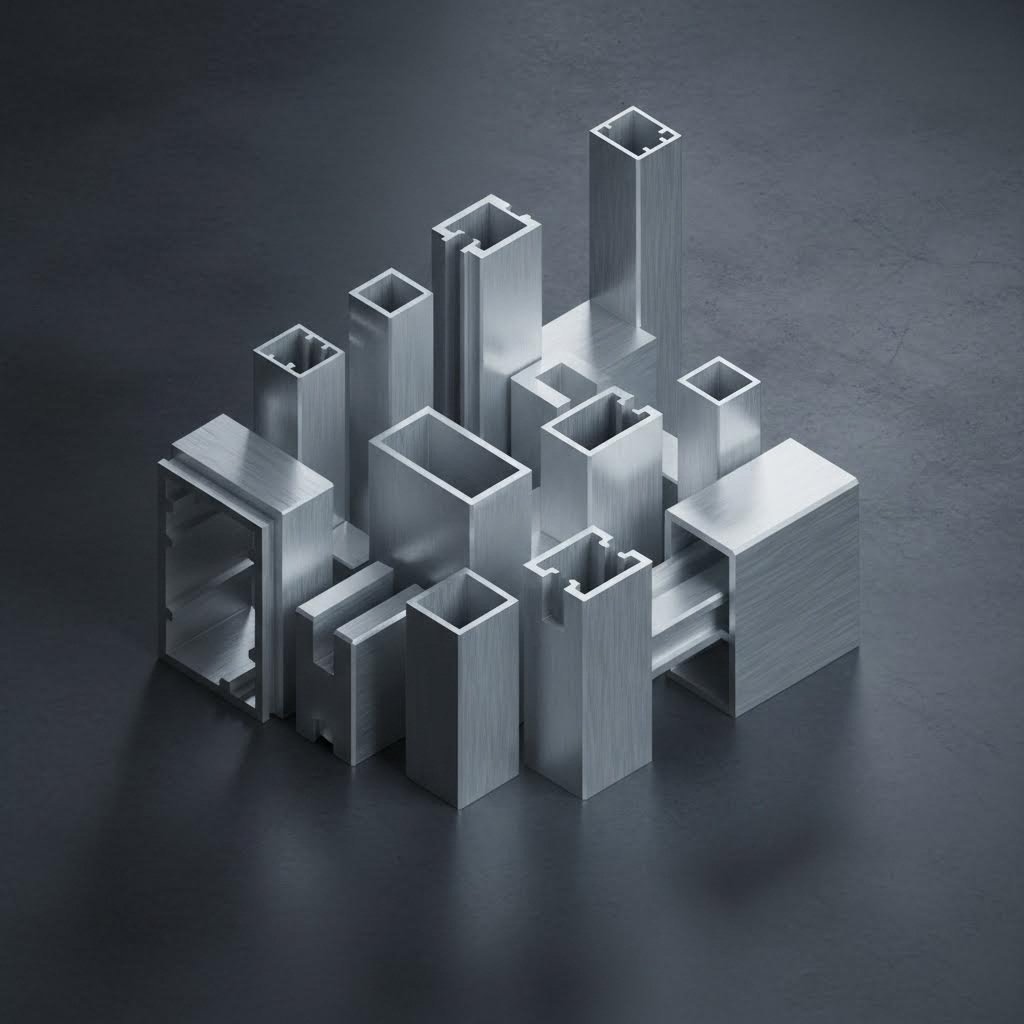
You've matched a supplier to your application area—now comes a practical question: do you need standard off-the-shelf profiles or custom designs? Chinese suppliers offer everything from ready-to-ship stock shapes to fully bespoke geometries engineered for your exact specifications. Understanding this spectrum helps you balance cost efficiency against design optimization.
Here's what many buyers don't realize: standard profiles often cost 20-40% less than custom alternatives because tooling already exists. But forcing your design to fit available shapes sometimes creates engineering compromises that cost more downstream. Let's explore your options so you can make informed decisions.
Stock Profiles: Speed and Economy
Standard aluminum extrusion profiles represent the fastest, most economical path from order to delivery. These shapes come from existing dies that suppliers maintain in their libraries—no tooling development required, no sample approval delays.
According to Wellste Aluminum, standard profiles include a wide range of configurations suitable for construction, home decoration, transportation, electronics, and industrial applications. The main categories you'll encounter include:
When standard shapes meet your requirements, the advantages compound quickly. Lead times shrink to 2-3 weeks versus 5-8 weeks for custom work. You avoid tooling charges entirely. And you can often source smaller quantities since suppliers maintain inventory of popular shapes.
Custom Profiles: Optimized for Your Application
When standard shapes force design compromises, custom extrusion becomes the better investment. A purpose-engineered profile integrates features that would otherwise require secondary machining—saving assembly time and reducing part counts.
Consider what custom profiles enable:
According to Gabrian International, tool costs for extrusion dies in normal architectural and industrial applications range from $400 to $1,000. Large parts requiring 2,000-4,000 ton presses may see die costs as high as $2,000. Many manufacturers refund tool costs if a stipulated amount is purchased within two years—and most don't charge for replacement tooling after useful life if orders continue.
The profile categories available from Chinese suppliers span simple to highly complex geometries. Understanding these options helps you specify requirements accurately and evaluate supplier capabilities effectively.
Channel Configurations
Channels represent one of the most versatile profile families. Beyond basic c channel aluminum extrusion, you'll find H-channels for structural applications, J-channels for trim and edge finishing, U-channels for enclosure and track applications, and Z-channels for specialized framing needs. Each configuration serves distinct purposes—selecting the right geometry prevents overengineering while ensuring adequate performance.
Tube and Hollow Sections
Hollow profiles deliver excellent strength-to-weight ratios essential for structural applications. Round tubes suit fluid transport and aesthetic applications. Square and rectangular tubes excel in framing and structural assemblies. Oval sections—sometimes called aluminium extrusion box profiles—combine the aesthetics of round tubes with better flat-surface mounting options. Multi-void hollow sections enable complex thermal break designs for architectural applications.
T-Slot and Modular Framing
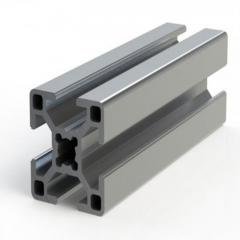
The v slotted aluminum insert and related v slot extruded aluminum profiles have revolutionized industrial framing. These profiles accept standardized hardware, enabling rapid assembly and reconfiguration of workstations, machine guards, and automation equipment. When specifying T-slot profiles, confirm compatibility with your preferred hardware system—different manufacturers use slightly varying slot geometries.
The Custom Die Development Process
What happens when you need a profile that doesn't exist? The die development process follows predictable steps that directly affect your timeline and costs:
For buyers requiring complex profiles with tight tolerances, supplier capabilities vary significantly. Shengxin Aluminium exemplifies the comprehensive approach needed for demanding applications. With 35 advanced extrusion presses ranging from 600T to 5500T capacity, their facility handles everything from small precision components to large structural sections. Their CNC machining centers provide secondary processing including precise cutting, drilling, and bending—enabling complex custom aluminum extrusion services that deliver finished components rather than raw profiles requiring additional fabrication.
Surface Treatment Integration
Custom profiles often require coordinated surface finishing. According to industry specialists, suppliers can provide different surface finishes according to requirements, including colorful anodizing, powder coating, PVDF, electrophoresis coating, and polished or brushed surfaces. Vertically integrated manufacturers who handle extrusion and finishing under one roof simplify logistics and ensure accountability for final quality.
When requesting quotes for custom profiles, always ask about die ownership and reorder terms. Understanding who controls the tooling—and what happens if you need additional production later—prevents disputes and protects your design investment.
Profile selection represents one of your most consequential sourcing decisions. Standard shapes offer speed and economy when they fit your requirements. Custom profiles deliver optimization when design priorities justify tooling investment. Either path requires suppliers with appropriate capabilities—and the verification steps we've covered ensure you're working with partners who can deliver what they promise.
You've now walked through nine critical verification steps—from understanding China's manufacturing landscape to evaluating profile capabilities. But knowledge without action won't protect your investment. The suppliers you've identified need systematic evaluation before any funds transfer. Here's how to transform everything you've learned into a practical sourcing workflow that minimizes risk while maximizing value.
Ready to move forward? Whether you're sourcing aluminium track extrusions for industrial applications or bespoke aluminium profiles for architectural projects, following a structured approach prevents costly mistakes. According to CPG Sourcing, the Request For Quotation is a crucial step in your China sourcing program—you'll usually get the same effort put into your quote as you put into your RFQ.
When evaluating window extrusion suppliers or any aluminum profile manufacturers, pay attention to how they handle your questions. A supplier offering end-to-end support—from die development through mass production—simplifies your supply chain significantly. Shengxin Aluminium exemplifies this approach with over 30 years of industry experience, 35 extrusion presses, and integrated custom aluminum extrusion services including CNC machining for secondary processing. Their factory-direct pricing eliminates middleman markups while maintaining quality accountability.
Here's what separates successful China sourcing programs from frustrating ones: relationship investment. According to Minden Sourcing, Chinese manufacturers value guanxi—structured connections that enable business relationships built on trust rather than pure transaction.
What does relationship building look like in practice?
For applications requiring premium aesthetics—like mirror profile finishes or high-end architectural work—supplier relationships become even more critical. Consistent quality across production batches requires suppliers who understand your standards intimately and invest in meeting them.
The lowest quoted price rarely delivers the lowest total cost. Invest verification effort upfront, start with pilot orders to prove capability, and build relationships that prioritize long-term value over short-term savings. Suppliers who demonstrate technical expertise, transparent communication, and quality commitment become strategic partners—not just vendors.
You now have the framework to source aluminum extrusions from China with confidence. The verification steps protect your investment. The application matching ensures capability alignment. And the relationship approach builds partnerships that improve over time. Your next move? Start preparing that detailed RFQ—and remember, the effort you invest in supplier selection pays dividends throughout your production lifecycle.
Verify legitimacy through multiple steps: check their 18-digit Unified Social Credit Code on China's NECIPS database, confirm factory location via mapping tools and video calls, validate ISO 9001 or IATF 16949 certifications directly with issuing bodies like SGS or TÜV, and request references from existing customers. Red flags include residential addresses, personal bank account payment requests, and refusal to allow factory visits. Third-party audits costing $250-400 provide comprehensive verification reports with photos.
The best alloy depends on your application. 6063 is ideal for architectural profiles requiring attractive finishes and complex shapes. 6061 offers higher strength for structural, marine, and automotive components. 7075 provides maximum strength-to-weight ratio for aerospace applications but costs 40-60% more and requires specialized surface protection. For most commercial applications, 6063 delivers the optimal balance of extrudability, cost, and performance.
Custom extrusion die costs typically range from $400-1,000 for standard architectural and industrial applications. Complex profiles requiring large 2,000-4,000 ton presses may cost up to $2,000. Many Chinese suppliers offer die cost refunds if you purchase stipulated volumes within two years, and replacement dies are often free if orders continue. Dies remain supplier property but are dedicated exclusively to your orders.
Lead times vary by order type: stock profiles require 2-3 weeks production plus shipping, custom profiles with new dies need 3-4 weeks for tooling plus 2-3 weeks production, and complex profiles requiring revisions may take 6-8 weeks total. Surface treatments add 1-2 weeks. Sea freight to North America or Europe adds 4-6 weeks. Plan procurement cycles accordingly, especially for custom tooling projects.
FOB (Free on Board) gives you control over freight negotiations and carrier selection—most experienced buyers prefer this. You assume responsibility after goods load onto the vessel but gain visibility into actual shipping costs. CIF (Cost, Insurance, Freight) simplifies logistics as suppliers handle shipping to your destination port, making it suitable for smaller orders where managing logistics independently isn't cost-effective.



 un service en ligne
 0086 136 3563 2360
 sales@sxalu.com
 +86 136 3563 2360
 français
 English
 Deutsch
 русский
 español
 português
 العربية
 ไทย
ไทย Việt
Việt Українська