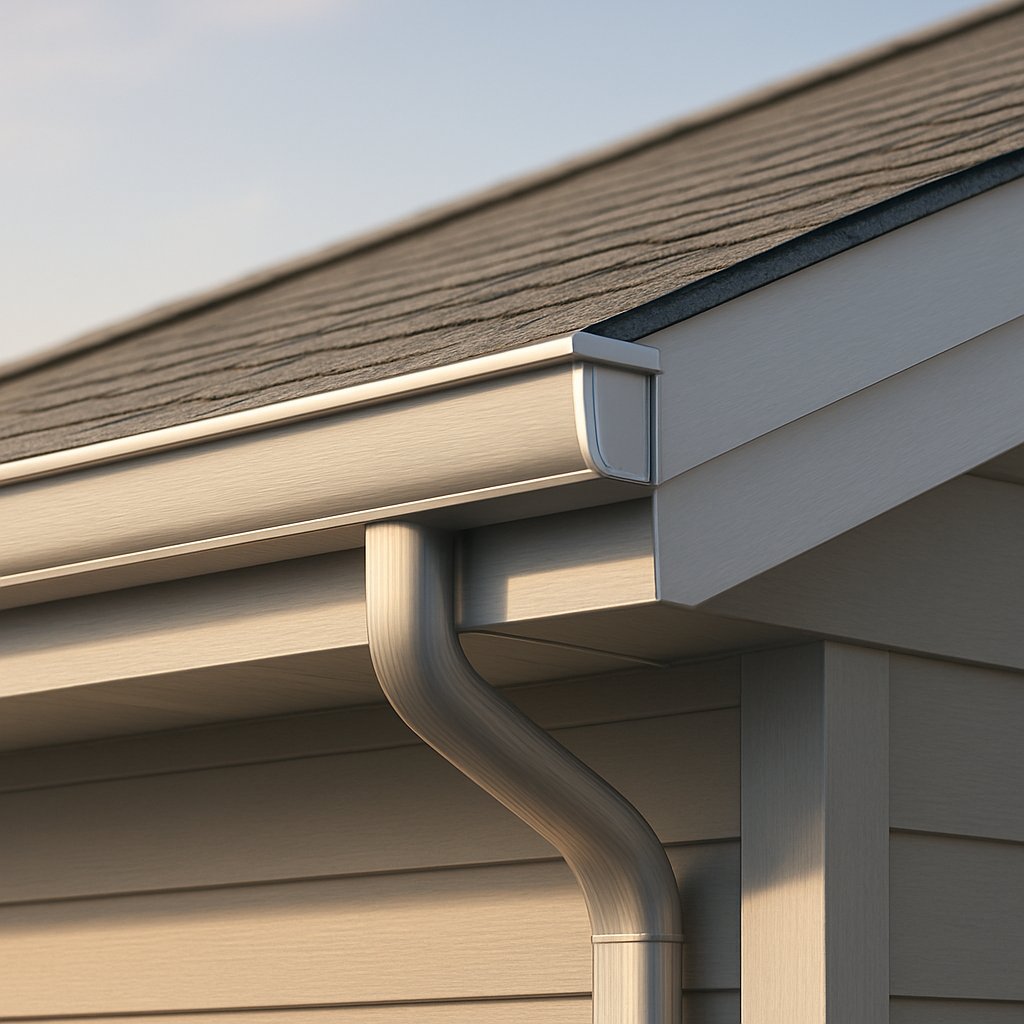
People often look at the roof edge and call every visible trim piece "fascia." That is where the confusion begins. At this narrow strip of the exterior, the fascia board, the aluminum covering on it, the soffit below it, and the drip edge above it can all sit close together.
Aluminum fascia material is the metal trim or wrap installed at the roof edge to cover and protect the fascia area, often over a wood fascia board, while creating a finished line for gutters.
In simple terms, the roof fascia board is the board at the edge of the roof. Aluminum fascia, often sold as fascia trim, is usually the visible metal layer at that same location. Intafloors describes it as a metal covering that wraps the fascia board, and The Spruce notes that fascia boards may be aluminum-wrapped. So when a homeowner says the "fascia on house" needs repair, they may mean the outer trim, the board behind it, or both.
Fascia runs along the outer roof edge where the roof meets the top of the exterior wall. Guides from Worthouse and The Spruce place it on the face of the roof structure, below the roof edge and above the soffit. It covers exposed rafter or truss ends and helps close off the roof cavity from weather.
Homeowners mix it up with nearby parts because the pieces work side by side. The soffit is the horizontal panel underneath the roof overhang. The drip edge is a separate metal flashing above the fascia that helps direct water into the gutter. They belong to the same roof-edge assembly, but they are not the same thing.
This is why fascia on house is not just decorative. It sits at a busy transition point where roofing, ventilation, and drainage meet. Worthouse and The Spruce both describe fascia as a protective barrier and a common mounting surface for gutters, which is why damaged boards can lead to gutter alignment or attachment problems.
That clears up the terminology. The trickier part shows up during buying and planning, because this material comes in different forms, finishes, and profile shapes, and not every option fits the same roof edge.
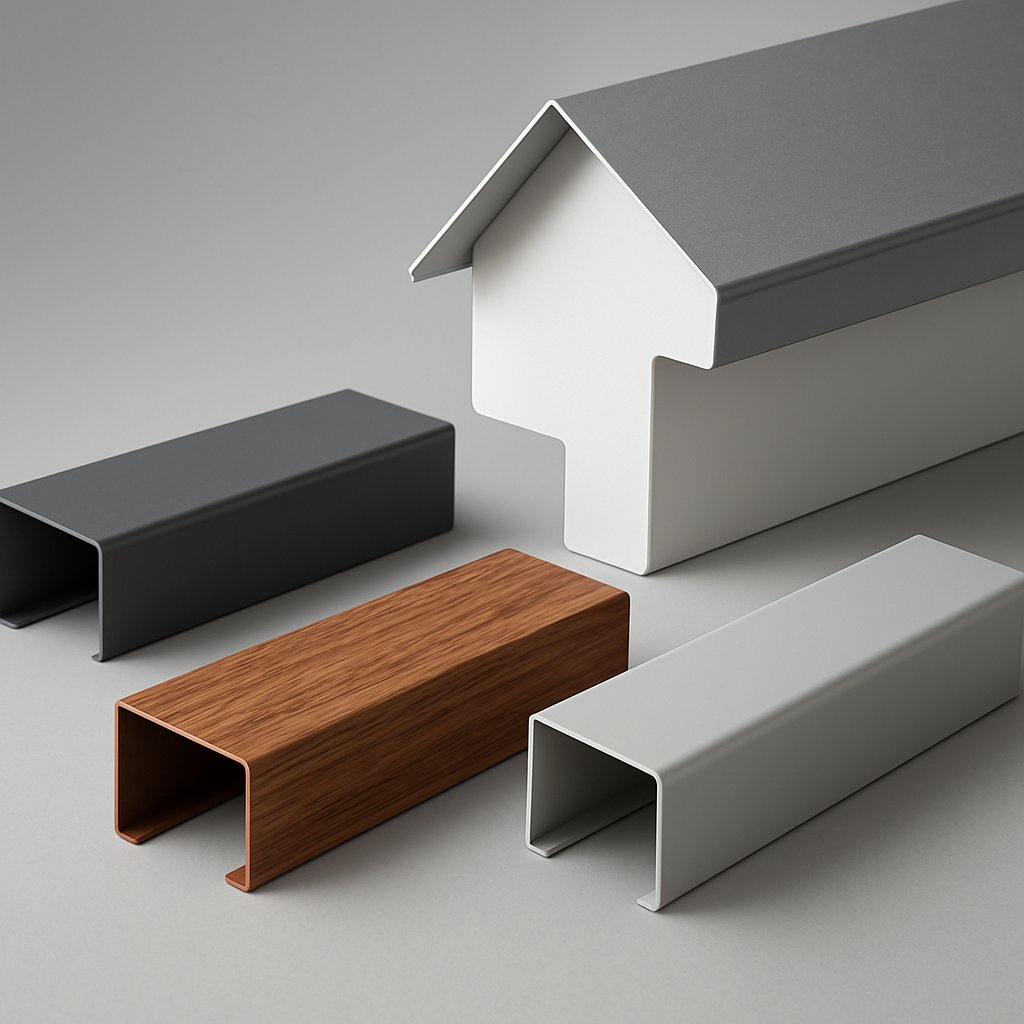
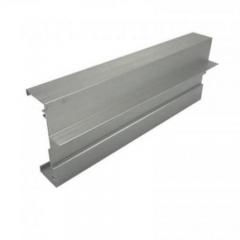
With aluminum fascia material, the differences show up fast in product listings. One seller may use aluminum fascia trim as the broad category, while another separates an aluminum fascia cover from a factory-made profile. For buyers, the useful question is not the label alone. It is whether the piece will be bent on site, arrive pre-formed, or wrap over an existing board.
A trade overview on trim coil and pre-engineered fascia highlights the main split buyers should understand. Trim coil is shaped on site, which allows custom bending but depends heavily on installer accuracy. Factory-formed fascia arrives with more consistent angles and dimensions, and the source notes that pre-cut or notched pieces can also save time and reduce material waste.
That broad split often turns into buyer-facing terms such as fascia cover, wrap, or board-cover application. In plain language, those names usually point to a metal piece meant to cap the visible face of an existing roof fascia board rather than replace the structural backing behind it.
| Form | Appearance | Best-use context |
|---|---|---|
| On-site bent trim coil | Custom look, but final lines depend on field bending accuracy | Repairs, unusual roof edges, or projects needing custom bends |
| Pre-bent fascia profile | More uniform lines and repeatable angles | Larger runs or projects that prioritize consistency and installation efficiency |
| Fascia cover or board-cover wrap | Finished exterior face over existing wood backing | Remodel work where the substrate is still sound |
| Decorative finish profile | Smooth or patterned face selected for visual effect | Projects focused on trim matching and curb appeal |
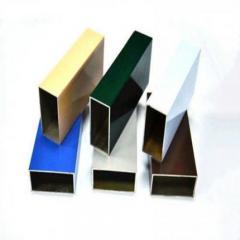
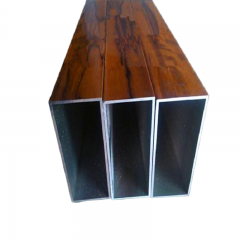
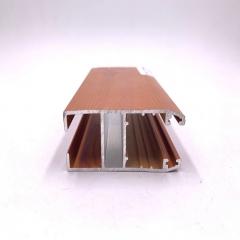
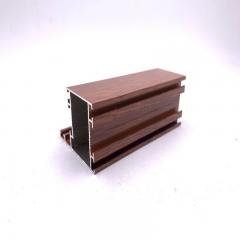
Finish language can sound more technical than it really is. White aluminum fascia trim usually signals a clean painted look that pairs easily with light gutters, soffit, and window trim. A wood grain aluminum fascia points buyers toward a more decorative style when the goal is to echo wood-look details at the roof edge. If a listing reads 6 inch smooth aluminum fascia, the word smooth describes the face appearance, while the size callout tells you what fascia height the product is intended to cover.
The same idea applies to 6 inch aluminum fascia more broadly. Treat it as a size cue first, then confirm the actual profile drawing before ordering. Color names help narrow the field, but photos alone rarely tell the whole story when you are trying to match existing exterior trim.
Profile shape controls both fit and finish. A simple face can give the eave a crisp, quiet line. A deeper return can hide top or bottom edges more fully and create a stronger shadow line. Factory-formed profiles tend to look more uniform from section to section because the bends are produced to repeatable angles, while field-bent pieces can vary slightly if the setup changes or the roofline is irregular.
Three checks prevent most ordering mistakes: the visible face height, the return depth, and whether the part is a cover piece or a full profile. Get those right and the fascia becomes much easier to coordinate with soffit, gutters, corners, and flashing. Miss one of them and even a good-looking finish can feel off, which is why profile shopping quickly turns into a bigger material comparison between aluminum, wood, vinyl, and steel.
Profile and finish narrow the options, but the harder question is material. Homeowners often ask it bluntly: is aluminum better than wood or vinyl? The honest answer is no single fascia material wins every time. Aluminum fascia material usually sits in a useful middle ground. It offers the low-upkeep appeal of a metal fascia, yet it does not ask every project to pay for the heaviest-duty option.
Preventive Support describes wood as a strong choice for a traditional, upscale look. It can be cut to size, customized, and selected in different species. The tradeoff is maintenance. Wood can rot, warp, and attract insects, and it usually needs regular painting, staining, oiling, or waterproofing to stay sound. Aluminum handles that differently. It is lightweight, weather resistant, and does not rust, so upkeep is much lower. Still, wood remains the better fit when real grain and a classic exterior matter more than maintenance hours. Aluminum can also dent if struck during installation or roof work.
Wood delivers natural character. Aluminum reduces routine upkeep and moisture-related headaches.
Compared with vinyl fascia, aluminum usually appeals to buyers who want a cleaner, more solid-looking roof edge. The same comparison guide notes that PVC fascia is more affordable than both wood and aluminum, while still offering weather resistance and very low maintenance. That makes it attractive on tighter budgets. But PVC also has limits. It can look less natural, and it may become brittle, crack, or chip in direct sun or very cold temperatures. Aluminum generally costs more upfront, yet it avoids that brittleness. When impact happens, the damage pattern is simply different: vinyl is more likely to crack, while aluminum is more likely to dent.
Vinyl fascia often wins on price. Aluminum usually feels more refined, but dents remain a real tradeoff.
Steel fascia becomes compelling when impact resistance matters most. A side-by-side from TruLog says aluminum tends to be the more economical option, while steel is generally stronger against dents, dings, and scrapes. That can make steel the smarter fascia material in areas with hail, falling branches, or frequent ladder contact. The same source also notes that steel may offer better insulation value, depending on thickness and design. Aluminum still answers many of the same moisture concerns. It does not rust, and Gradwell notes that corrosion concerns usually show up in salty coastal settings or where protective coatings are damaged, not as rust in the usual sense.
Aluminum is often the practical middle choice in metal fascia. Steel leans harder into toughness, while wood and PVC shift the balance toward style or budget.
| Material | Relative upfront cost | Durability and moisture response | Maintenance | Best-use context |
|---|---|---|---|---|
| Aluminum | Mid | Weather resistant, does not rust, but can dent; coating damage can raise corrosion risk in coastal air | Low | Good all-around choice for homeowners who want lighter weight and less upkeep |
| Wood | Varies, often mid to high | Can rot, warp, and attract insects if not maintained | High | Best for traditional homes or projects where natural appearance comes first |
| Vinyl/PVC | Low | Weather resistant and bug resistant, but can become brittle and crack or chip | Low | Budget-focused projects that prioritize easy care over a natural look |
| Steel | Higher than aluminum | Stronger against dents, dings, and scrapes; thickness and design can improve toughness | Varies by product finish | Best where impact resistance and long-term ruggedness matter most |
That narrows the material choice, but the roof edge still has one more filter to pass. Gutters, soffit panels, flashing, and trim profiles all influence whether a good material choice will actually fit and perform well once installed.
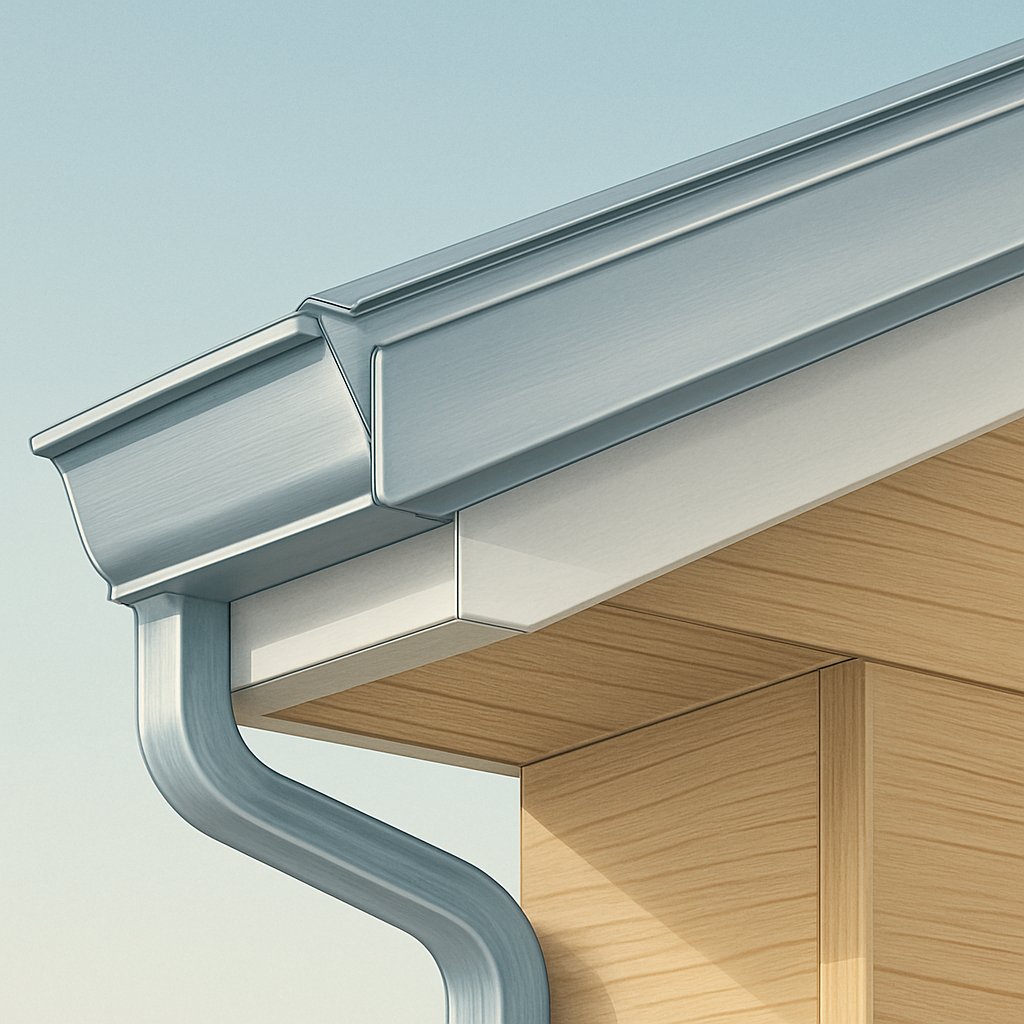
A fascia profile can look right in a product photo and still be wrong for the roof edge. At the house, fascia is part of an assembly, not a standalone trim piece. The roof edge anatomy described by Rapid Restore places fascia alongside drip edge, soffit, and gutters, all working together to move water away from the roof deck, walls, and framing. When one piece is out of sync, the whole edge can look off or shed water poorly.
The fascia covers the vertical face of the roof edge. The soffit closes the underside of the overhang. In an aluminum soffit and fascia setup, those two parts need to meet at the right depth, angle, and finish line. Rapid Restore also notes that vented soffits help feed attic airflow, so trim placement should not block that intake area. That matters most at the eaves fascia, where the face and underside come together in a tight space.
Buyers often focus on color matching first. Fit usually depends more on profile geometry. If the fascia return depth does not line up with the soffit system, the result can be visible gaps, awkward edges, or a choppy shadow line along the eave.
The gutter side adds another layer. The gutters and fascia guide explains that gutters rely on fascia for secure attachment, while the drip edge above helps guide runoff into the gutter instead of behind it. That is why gutter fascia should be evaluated for strength, face width, and alignment, not just appearance.
Fascia flashing matters at the same time. Flashing, corners, and roof-edge trim need clean overlaps so water is pushed outward rather than trapped behind the finish. At gable trim, rake edges, and outside corners, mismatched profiles can create weak transitions that collect water or leave open gaps.
| Adjacent component | Fascia question to ask | Why it matters |
|---|---|---|
| Soffit | Does the fascia depth align with the soffit channel or panel edge? | Helps avoid gaps and protects soffit vent paths |
| Gutters | Is there solid backing and enough face area for hangers? | Keeps the gutter run stable and properly positioned |
| Drip edge | Will runoff fall into the gutter, not behind the fascia? | Reduces staining, rot, and overflow problems |
| Gable trim and corners | Do the profiles meet cleanly at side edges and transitions? | Improves weather protection and visual continuity |
Before ordering, use this quick compatibility checklist:
Those checks often reveal whether the right answer is a simple cover, a deeper custom bend, or a full aluminum soffit and fascia system with a different profile at the eaves fascia. They also shape the installation method, which is where planning errors tend to get expensive.
A profile can match the roof edge perfectly on paper and still go wrong at the jobsite. The biggest fork in the road is method. Are you wrapping a sound wood fascia board, or are you dealing with a roof edge that needs the structural board repaired or replaced first? That choice affects everything from gutter removal to cutting strategy, fastener selection, and the final fit against the soffit.
In many remodels, covering fascia with aluminum means installing a fascia wrap or fascia board cover over an existing wood board. That approach can make sense when the backing is still straight, dry, and secure. It gives the roof edge a cleaner finish and adds a protective metal skin without rebuilding the whole assembly. A Rapid Roofing guide makes one point especially clear: fascia covers are not load-bearing, so they need solid backing behind them.
If the board is soft, rotted, split, or no longer supporting the gutters properly, fascia capping is only hiding the problem. In that situation, the safer path is a standalone fascia repair or replacement first, by the finish metal if desired. The same guide also notes that gutters usually need to be removed before the work begins, since they are commonly mounted directly to the fascia.
Planning starts with inspection, not with the brake or snips. Check the existing roofline for rot, looseness, peeling paint, staining, or signs that water has been getting behind the edge. Clean the surface and remove old nails, screws, or debris so the new piece can sit flat.
Then measure carefully. For practical aluminum fascia installation, you need the visible face height, the return depth, the full run length, and any corner or angle changes. If the piece will be field bent, mark those bends before you cut. If it is preformed, compare the profile to the soffit line and gutter position before fastening anything. Homeowners who research the cost to install aluminum fascia should also know that published numbers are often for fascia work broadly, not aluminum alone. One installation range places fascia board installation at about $15 to $25 per linear foot, while replacement averages about $7 to $40 per linear foot depending on material and labor.
One more planning note matters with any formed metal trim: check the manufacturer's documents before final cuts. Profile-specific details such as joint treatment, overlap, and fastening guidance can vary, so the product sheet should govern the exact method.
If any wood remains exposed after the trim is in place, the same source recommends protecting it with exterior sealant and paint. Small decisions at this stage have a long afterlife. They shape how well the finish resists weather, how much upkeep it will need, and how closely new trim will keep matching the rest of the exterior.
Installation quality matters, but what homeowners notice year after year is simpler: does the roof edge stay straight, clean, and close to its original color? With aluminum fascia material, the answer is often yes, provided the finish stays protected and routine care stays gentle.
Gradwell notes that aluminum fascia and soffits can last 30 to 40 years with minimal maintenance. Aluminum does not rust like ferrous metals, which is a major advantage at the roof edge. Still, it is not immune to wear. The same source points to the most common trouble areas: impact dents, coating damage, movement problems from poor fitting, and coastal corrosion when salty air reaches worn or exposed surfaces.
Use the mildest cleaning method that gets the trim clean.
Engage recommends a basic annual washdown for aluminum trim using warm water and mild soap, mixed at about 1 part soap to 3 parts water, then rinsed with clean water. It also advises against abrasive solvents, scraping tools, hard-bristled brushes, and power washing on systems that do not allow it, since those can dull the finish or leave visible scratches.
That advice matters on light colors in particular. A smooth white fascia can show dirt, mildew staining, and ladder scuffs faster than darker tones. On a full white soffit and fascia setup, even minor surface wear can stand out from the ground.
Yes, if the metal is still sound. Ron's Painting notes that undamaged aluminum soffits, fascia, and gutters can be painted instead of replaced, and chalky surfaces may need a chalk sealer before finish paint. That makes repainting a practical fix when the problem is faded color rather than structural damage.
Matching takes a little judgment. A fresh black fascia trim may look sharp beside dark gutters or window frames, but older trim may have faded unevenly in the sun. Samples, sheen, and prep quality matter almost as much as color name, which is why buyers should look closely at finish availability before ordering.

Finish quality matters, but ordering confidence usually comes down to the supplier. When people search where to buy aluminum fascia, the best answer is rarely just "who has stock." It is who can confirm the right profile, finish, and support for your roof edge before anything ships. That may be a roofing supply house, a siding and trim distributor, a sheet metal shop, or a manufacturer-backed source.
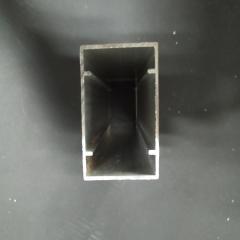
Photos alone are not enough. Ask for a cross-section drawing and verify whether each fascia panel is smooth, decorative, or custom formed. If the job depends on pre bent fascia metal, confirm lead time and whether bends follow a standard profile or your field measurements. A good quote should translate technical terms into measurements you can check on site.
The supplier traits outlined in Shengxin's extrusion guide are a useful benchmark: precision dies, standard and custom extrusions, finishing services, and strong logistics and customer support. In that same spirit, Shengxin Aluminum is a practical example to review because it highlights 30 years of industry experience, advanced extrusion, one-stop services, decorative trim options, and 60,000-ton annual production capacity. Even if you buy from another source, those are sensible standards to compare against.
A shortlist built on fit, finish, documents, and support makes the final choice easier. Then the decision stops being about availability alone and starts focusing on the best material match for the home.
A good supplier list narrows the field, but the final choice still belongs to the house. The best aluminum fascia material is not automatically the cheapest option or the toughest one on paper. It is the product that fits the roof edge assembly, supports the gutter line, matches your exterior, and asks for a level of upkeep you will actually live with.
Aluminum is often the right call when you want a clean-looking roof fascia with low routine maintenance. Preventive Support and Parry's Roofing guide both describe aluminum as durable, weather resistant, and less maintenance-heavy than wood. It also does not rust like ferrous metals, which helps at exposed eaves and gutter runs. If the fascia on home needs to stay neat without frequent sealing, staining, or repainting, aluminum is usually a strong fit.
Some homes still point to other choices. Wood can be the better fascia for house styles that depend on a natural, traditional appearance, but it needs regular painting or sealing and is more vulnerable to rot and insects. Vinyl can work well for budget-focused roofing fascia projects because it is low maintenance and moisture resistant, though the same references note that extreme temperatures can make it brittle or prone to cracking. Composite deserves a look when you want a wood-like finish with added durability and are comfortable with a higher upfront cost.
Choose the material that fits the whole roof edge, not just the price tag.
That decision path keeps the purchase grounded in fit and function. When the material, profile, and supplier support all line up, choosing the right fascia for roof performance becomes much simpler.
In many residential projects, aluminum fascia is primarily a protective finish layer rather than the structural member itself. It often wraps a wood fascia board that still provides the backing for the roof edge and, in many cases, the gutter attachment point. If the wood behind it is soft, split, or rotted, the metal cover alone will not solve the problem.
Yes, if the existing board is straight, dry, and firmly attached. This wrap-style approach is common for remodeling because it refreshes the roof edge without rebuilding the entire assembly. Before ordering, it is smart to verify board dimensions, return depth, corner conditions, and how the new piece will meet the soffit and gutter line.
Aluminum does not rust the way ferrous metals do, which is one reason it is popular at the roof edge. However, it can still suffer finish wear, scratching, pitting, or corrosion in harsher environments, especially near salt air or where coatings are damaged. Gentle cleaning and keeping the finish intact are the best ways to protect long-term appearance.
Pre-bent fascia usually makes sense when you want cleaner repeatability, easier alignment, and a more predictable finished look across long runs. Coil stock is more flexible for unusual roof edges, custom bends, and repair work, but the final result depends more heavily on field measuring and bending accuracy. The better choice depends on whether your job prioritizes custom fit or consistent factory-formed lines.
Ask for the exact profile shape, finish options, board coverage, availability of pre-bent pieces, and documentation that shows how the fascia works with soffit, flashing, and gutters. It also helps to compare suppliers by their manufacturing support, customization ability, and logistics strength. For example, a manufacturer-backed source such as Shengxin Aluminum can serve as a useful benchmark because it highlights long industry experience, advanced extrusion capability, one-stop services, and large-scale production support for trim profiles.



 un service en ligne
 0086 136 3563 2360
 sales@sxalu.com
 +86 136 3563 2360
 français
 English
 Deutsch
 русский
 español
 português
 العربية
 ไทย
ไทย Việt
Việt Українська