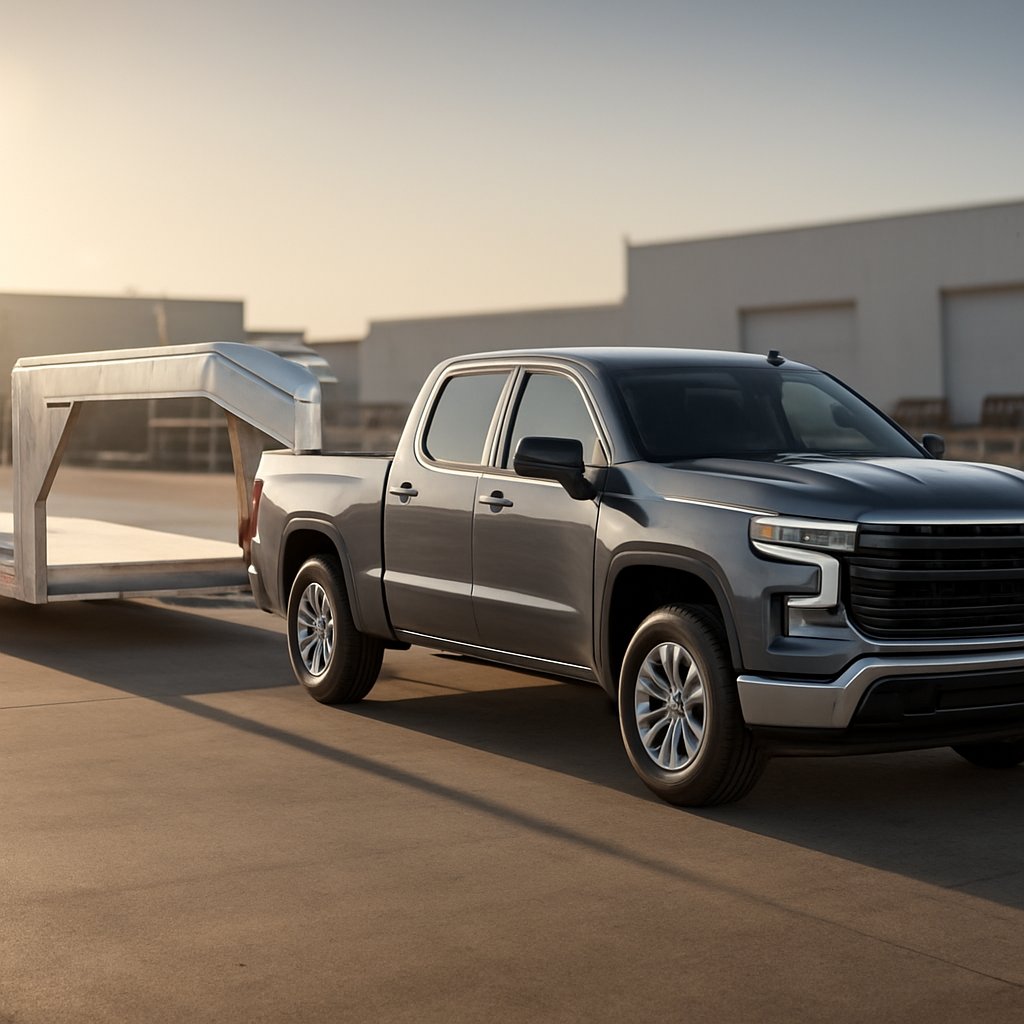
An aluminum gooseneck trailer is a truck-bed-connected trailer built with aluminum in key structural or deck components instead of all-steel construction. The gooseneck part refers to the long curved front section that reaches over a pickup bed and locks onto a hitch mounted above the rear axle. That layout differs from a bumper-pull trailer, which connects at the back of the vehicle. In practice, buyers usually look at this trailer type when they want heavier-duty towing manners, better corrosion resistance, and the potential benefit of a more lightweight aluminum trailer design for outdoor use.
A standard gooseneck trailer is designed for a pickup truck, not just any tow vehicle. Industry buying guides from Big Tex Trailer World and Advanced Trailer Mfg describe the hitch as bed-mounted and positioned over the rear axle, which helps the trailer carry larger, heavier loads with more control than many bumper-pull setups. Aluminum matters because it is rust-resistant and lighter than steel, though the exact benefit depends on how the trailer is built.
That truck-bed connection changes the feel on the road. With more load carried over the rear axle, gooseneck designs are widely valued for improved stability, reduced sway, and a tighter turn radius. Big Tex also notes that proper weight distribution is a core advantage of this style, which is one reason many aluminum gooseneck trailers are considered for equipment, livestock, and other demanding loads.
Best fit: Buyers who tow with a pickup, want steadier heavy-load handling, and value corrosion resistance for long-term outdoor ownership.
That sounds simple on paper. The harder part is deciding whether aluminum actually earns its premium over steel in daily ownership.
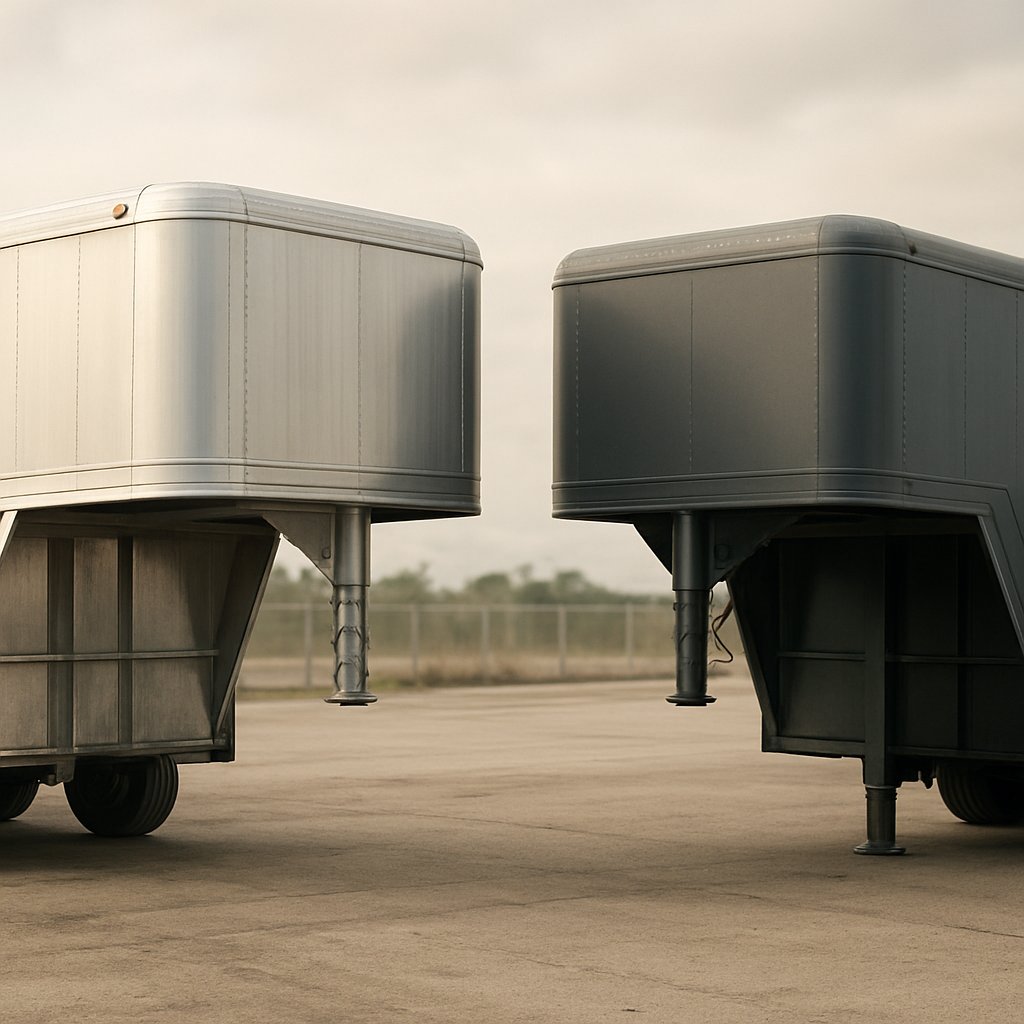
Material choice shapes ownership more than a spec sheet headline. For many buyers, the real question is not whether aluminum sounds premium. It is whether the tradeoffs fit the way the trailer will actually live, work, and age.
In plain terms, aluminum usually helps reduce empty trailer weight, while steel usually brings a lower purchase price and broader repair access. Both reference guides from KOC Outdoors and Trident Trailer describe aluminum as lighter and more corrosion-resistant, while steel is heavier, stronger in heavy-duty use, and often easier to repair locally.
That matters on a flatbed gooseneck trailer just as much as it does on enclosed or utility designs. A lighter trailer can leave more room for payload within your overall rating limits. A heavier one may ask more of the tow vehicle before cargo is even loaded.
| Factor | Aluminum | Steel | What it means for buyers |
|---|---|---|---|
| Empty weight | Usually lighter | Usually heavier | Lighter weight can help towing ease and available cargo capacity |
| Corrosion behavior | Does not rust, but can oxidize | Can rust if coating is damaged or upkeep slips | Outdoor storage and wet climates raise the value of corrosion resistance |
| Maintenance | Typically lower routine upkeep | Often needs more paint, coating, and rust prevention attention | Maintenance burden adds up over years, not just seasons |
| Repairability | May require specialized welding and repair experience | Usually easier to weld and repair in more local shops | Downtime and repair access matter for work trailers |
| Upfront cost | Usually higher initial price | Usually lower initial price | Budget pressure may favor steel even when aluminum looks appealing |
| Long-term cost drivers | Lower corrosion upkeep, possible resale advantage | Lower entry cost, but more ongoing rust prevention | Best value depends on use frequency and storage conditions |
If the trailer lives outside, sees rain, road spray, humidity, or coastal air, aluminum starts making more sense. KOC notes that aluminum resists rust and generally needs less upkeep, while Trident highlights its appeal for lower maintenance and potential long-term value. On an aluminum flatbed trailer, that can mean less time chasing surface corrosion around rails, crossmembers, and exposed hardware. The same logic often appeals to buyers considering an aluminum deck over trailer for wide cargo and frequent outdoor use.
Steel still deserves serious consideration. If your priority is the lowest purchase cost, maximum strength for repeated heavy hauling, or simpler repair options in rural areas, steel may be the better answer. That is especially true for a hard-working gooseneck flatbed that may take rough use, jobsite damage, or frequent weld repairs. Trident also notes that many buyers still choose steel when extra strength under heavy loads is the main goal.
Honest takeaway: Aluminum often wins on weight and corrosion resistance. Steel often wins on price, repair simplicity, and brute-duty value.
Even with the right material selected, the job is only half done. Deck height, wheel placement, and bed style can change how useful the trailer feels day to day.
Material decides how a trailer ages. Layout decides how easy it is to load, turn, and actually live with. This is where many buyers get tripped up, because terms like low profile, deckover, and flatbed describe different parts of the trailer decision.
A bumper-pull trailer connects at the rear of the tow vehicle, while a gooseneck connects in the pickup bed over the rear axle. That hitch position changes towing behavior in a real way. Guidance from NTS and Big Tex Trailer World points to better weight distribution, reduced sway, tighter turns, and improved control as key gooseneck advantages. A bumper-pull still makes sense for lighter-duty use and simpler storage, but heavier or more frequent hauling often favors the gooseneck layout.
A low profile gooseneck trailer sits closer to the ground, which reduces ramp angle and makes loading easier. Notes from Westside Rental also connect that lower deck height to a more stable feel because the load rides closer to the ground. That is why many sellers also label this style a low pro gooseneck trailer.
A deck over gooseneck trailer places the deck above the wheels. The tradeoff is a higher loading height, but you gain full-width deck space with less wheel-well intrusion into usable cargo area. Westside highlights deckover designs for wide loads, pallets, lumber, and commercial cargo where deck width matters more than easy ramp loading.
Flatbed describes the open cargo area, not just the hitch. Big Tex notes that most goosenecks are flatbeds, which is why the open-deck format shows up so often in equipment and material hauling. A flat deck trailer gives you side access, flexible tie-down space, and easier loading for forklifts or awkward cargo. A flatbed gooseneck can be built as either a lower-profile or deckover style, so the smarter question is which deck shape fits your cargo width and loading method.
| Configuration | Loading tradeoff | Deck access and width | Common cargo fit |
|---|---|---|---|
| Bumper-pull | Simpler for lighter-duty towing, but less stable with larger loads | Rear access depends on body style | Lighter loads, shorter trips, less frequent hauling |
| Low profile gooseneck | Lower deck and easier ramp angle | Lower deck can limit full-width use around the wheels | Equipment, vehicles, machinery |
| Deck over gooseneck | Higher loading height, but more usable width | Full-width deck above the wheels, easier side loading | Pallets, lumber, wide equipment, commercial cargo |
| Flatbed gooseneck | Open-deck loading from rear or sides, with height varying by build | Strong cargo flexibility and easier tie-down access | Bulky, mixed, or awkward loads |
The right format narrows the field quickly. Cargo type, deck length, axle setup, and GVWR decide the final shortlist, and those specs matter far more than a category label.
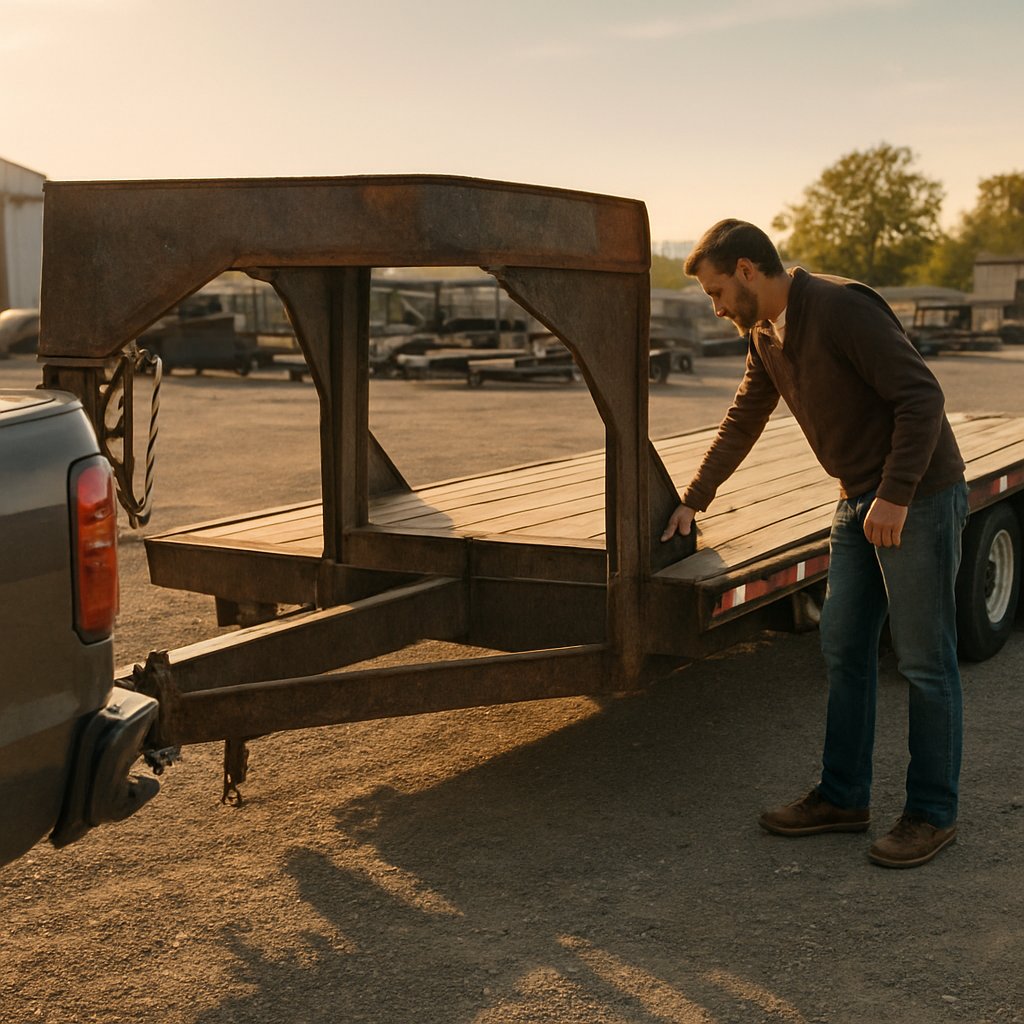
A trailer can look right on paper and still be wrong for the job. The fastest way to narrow the field is to build from the load outward, not from features inward. That keeps shiny options from distracting you from the numbers and layout details that actually affect payload, loading ease, and towing fit.
Big Tex notes that gooseneck trailers are used for everything from equipment to bulky materials, and that different cargo types push buyers toward different sizes and capacities. Start with what you haul most often, how it gets loaded, and whether width or weight is the bigger constraint.
This is where a lot of shopping gets practical. Big Tex describes common gooseneck lengths in roughly the 20-40 foot range, while Diamond C shows one manufacturer lineup stretching from 20 to 44 feet depending on model and GVWR. That does not make longer automatically better. Longer trailers can improve cargo flexibility, but they also affect turning space, storage, empty weight, and truck fit.
When comparing gooseneck trailer sizes, ask whether the extra deck space is truly usable. Wheel-well intrusion matters on low-profile builds. A deckover gives cleaner full-width deck space, but the higher deck can change ramp angle and loading comfort. The right coupler adjustment also matters here, because trailer height must match truck bed height closely enough for level towing.
GVWR is the maximum allowed weight of the trailer plus cargo. Payload is what remains for cargo after subtracting the trailer's empty weight. Axle rating is the maximum load each axle is designed to carry. Diamond C's guide shows how market offerings can span from 15,500 lb GVWR into 40,000 lb GVWR classes, with axle choices ranging from lighter 7K setups to much heavier configurations. Those numbers should steer the conversation long before color, flooring, or add-ons do.
Once those specs are pinned down, one question starts to outweigh the rest: whether the truck, hitch setup, and ratings can safely support the trailer you just narrowed down.
Specs look neat on a sales sheet. Real towing is less forgiving. Before an aluminum gooseneck trailer ever carries cargo, its own weight, its legal rating, and the truck's limits all have to line up.
If you are trying to figure out how much does a gooseneck trailer weigh, separate empty weight from loaded weight first. Guidance from NATM puts GVWR at the center of that decision. GVWR is the maximum allowed weight of the trailer plus everything on it. Usable payload is what remains after subtracting the trailer's empty or shipping weight from that rating. A lighter trailer can leave more room for cargo, but only within the trailer's own limits.
That is why searches like how much does a 40ft gooseneck trailer weigh do not have one universal answer. Length alone does not set weight. Deck style, axle count, ramps, material mix, and installed equipment all change the number. Two trailers with similar gooseneck trailer dimensions can have very different empty weights and very different payload margins. The same caution applies to any claimed 40 ft gooseneck trailer weight or estimated 40 foot gooseneck trailer weight. Use the specific VIN label, MCO, or manufacturer spec sheet for the exact trailer you are considering.
The truck has its own ceiling. NATM warns that matching a trailer's GVWR to a truck's absolute maximum towing rating can still leave the tow vehicle working at its limit, which may affect merging, passing, hill climbs, and overall handling. Read the owner's manual and the manufacturer's towing guide for gooseneck ratings, not just conventional bumper-pull figures. Capacity can change sharply with engine, axle ratio, drivetrain, cab configuration, and tow package. For a sense of that spread, a Ford towing guide shows everything from light-duty truck ratings to Super Duty gooseneck and fifth-wheel ratings above 40,000 pounds when properly equipped.
Hardware matters just as much. The bed-mounted gooseneck hitch has to be rated for the trailer. The truck needs a working brake controller if the trailer uses electric brakes. Bed clearance, coupler height, and gooseneck trailer width all affect whether the combination tows level and clears the truck safely in turns.
Verify ratings from the trailer label, tire placard, hitch paperwork, owner's manual, and official towing guide. Listing copy and guesswork are not enough for a loaded gooseneck.
Paper specs answer the safety question. They also expose a more practical one: the right setup changes once the cargo itself changes.
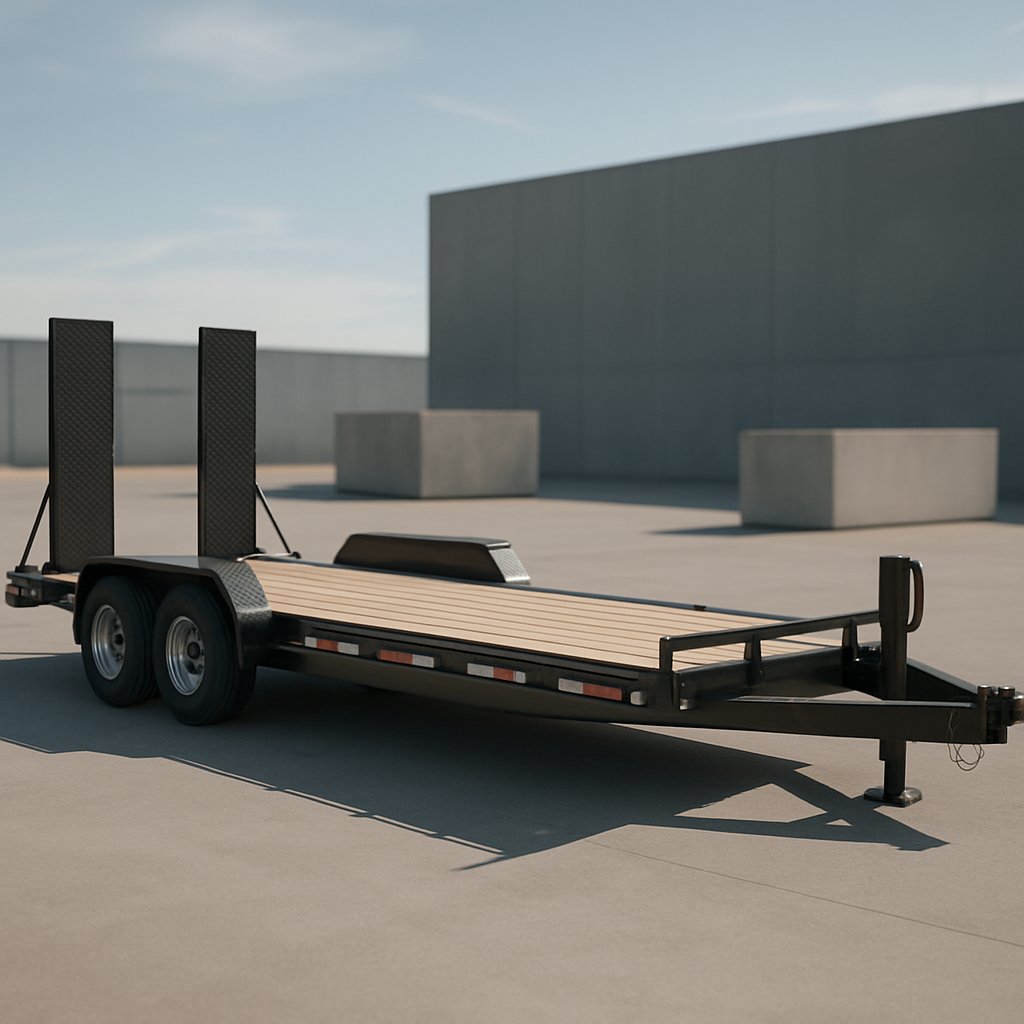
Even with aluminum already on the shortlist, the load still decides the build. A trailer that fits the truck can still be wrong for the job if the deck, loading method, or securement layout does not match the cargo. Guidance from Nationwide Trailers points to ramps, storage, specialized flooring, and cargo-specific tie-down systems as key features, while Hetman Rental emphasizes even weight distribution, secure tie-down points, and height clearance during loading.
A gooseneck equipment trailer, sometimes listed as an equipment gooseneck trailer, should be judged first by loading control and securement. Rear entry design, ramp or beavertail setup, axle and brake support, and well-placed tie-down points matter more than cosmetic options. Hetman's loading guidance reinforces the basics that make equipment hauling safer: spread weight evenly, secure each machine properly, and verify overall height before travel. If the trailer will carry machinery often, a heavy duty gooseneck trailer usually makes more sense than a lighter general-purpose setup.
A gooseneck utility trailer usually handles more varied cargo, so flexibility becomes the main advantage. Multiple tie-down locations, easy deck access, and practical add-ons like storage compartments can matter more than one specialized loading feature. Nationwide notes that storage and custom tie-down systems are useful upgrades when the trailer needs to adapt to changing materials, tools, and mixed loads rather than one consistent type of equipment.
Open-deck freight follows a different logic. Metro Trailer describes flatbeds as a strong fit for lumber, crates, and equipment because the platform stays open and securement points remain accessible. That is why flatbed gooseneck trailers and other gooseneck flatbeds appeal to buyers moving palletized materials, awkward freight, or loads that need forklift access from the side. The payoff is versatility. The tradeoff is that deck durability and load securement become even more important.
| Cargo category | Priority features | Why they matter |
|---|---|---|
| Equipment and machinery | Ramps or beavertail, strong tie-down points, reliable brakes, balanced loading space | Easier machine loading and better control of concentrated weight |
| Utility and mixed loads | Multiple securement points, open deck access, storage options | Handles changing cargo without over-specializing the trailer |
| Flatbed materials and pallets | Open platform, side access, flexible tie-down access, durable deck surface | Improves forklift loading and fits awkward or wide freight |
| General-purpose hauling | Balanced feature mix, dependable brakes, practical securement layout | Works across different load types with fewer compromises |
The right feature mix usually becomes obvious once the cargo is honest about what it demands. The harder decision is whether those advantages will pay back their cost over years of real use, weather exposure, and maintenance.
Price is easy to compare. Ownership cost is where trailer decisions get real. With an aluminum gooseneck trailer, the long-term budget is shaped by more than the invoice: material choice, corrosion exposure, maintenance habits, repair planning, storage conditions, finish longevity, and how often the trailer is actually used. Guidance from Featherlite and Wright-Way points to the same basic truth: the trailer that costs less to buy is not always the one that costs less to own.
Material changes the maintenance pattern. Featherlite notes that aluminum resists rust and generally asks for simpler routine care such as cleaning and lubricating hinges and latches, while steel needs closer attention to paint, coatings, and scratches that can turn into oxidation. A Wright-Way maintenance guide also says over 60 percent of trailer-related breakdowns come from preventable maintenance issues. That puts real dollar value on covered storage, washing off salt and mud, checking tires and brakes, and catching small problems before they become downtime.
The extra cost tends to pay back best when the trailer lives outdoors, sees wet or corrosive conditions, or gets used often enough that lower upkeep and lower empty weight matter every month. Buyers looking at aluminum flatbed trailers, aluminum deckover trailers, or a lightweight gooseneck trailer are often trying to protect payload margin and reduce corrosion headaches over years of use.
Steel can still be the better value when purchase price matters most, the trailer is stored well, and the owner is disciplined about upkeep. For some lower-use buyers, paying less upfront is the smarter move than stretching for lightweight aluminum trailers whose benefits they may not fully use.
Lowest upfront cost and best long-term value are often two different decisions.
That money question sharpens the shopping process fast. A shorter list, better dealer questions, and the right paperwork checks usually matter more than one more round of material hype.
By this point, the field should be smaller. Instead of scrolling every listing for gooseneck trailers, focus on the few that truly match your cargo, truck setup, and storage conditions. That is especially helpful when search results lump together deckovers, low-profile builds, and gooseneck flatbed trailers for sale as if they solve the same problem.
Bring documentation questions into the first conversation. A VIN tag guide shows why that small plate matters: it carries the 17-digit VIN plus key rating and production details.
Some owners tow more than one trailer type. A gooseneck still needs its bed-mounted hitch system, but other trailers in the fleet may call for a different tool.
The strongest choice is rarely the loudest listing. It is the trailer whose layout, ratings, and paperwork all agree with the work you expect it to do.
It can be, but only when the trailer's real use supports the premium. Aluminum makes the most sense for buyers who want lower empty weight, strong corrosion resistance, and less ongoing finish upkeep, especially when the trailer stays outdoors or sees wet conditions. Steel can still be the smarter buy if a lower upfront price, easier local repair access, and rugged work use matter more than long-term rust resistance.
For many heavier loads, yes. A gooseneck connects in the pickup bed above the rear axle, which usually helps the trailer track more steadily and reduces the loose, tail-heavy feel that some bumper-pull setups can develop. That said, it also requires a pickup, proper bed-mounted hardware, and enough truck capacity to handle the trailer safely.
Start with the cargo, not the trailer listing. Think through what you haul most often, how it loads, whether width or deck access matters, and how much rated capacity you need with margin left over. Once that is clear, narrow the choice by layout, length, axle setup, hitch height, and truck compatibility before comparing brands or options.
There is no single weight for every 40-foot model. Empty weight changes with material, deck style, axle count, ramps, and installed equipment, so one long trailer can differ significantly from another even if both look similar online. The safest way to confirm it is to use the VIN label, manufacturer spec sheet, or MCO for the exact trailer you are considering rather than relying on generic estimates.
Yes, many owners use one truck for both, but the towing hardware is not the same. A gooseneck trailer still needs its proper bed-mounted hitch system, while boats, campers, and other bumper-pull trailers use a rear receiver setup. If you also tow those other trailers, an aluminum adjustable trailer hitch can be a useful companion tool because it is lighter than many steel hitches, offers multiple drop and rise positions for level towing, and resists rust, but it does not replace a gooseneck coupler or gooseneck hitch.



 un service en ligne
 0086 136 3563 2360
 sales@sxalu.com
 +86 136 3563 2360
 français
 English
 Deutsch
 русский
 español
 português
 العربية
 ไทย
ไทย Việt
Việt Українська